Latest Articles
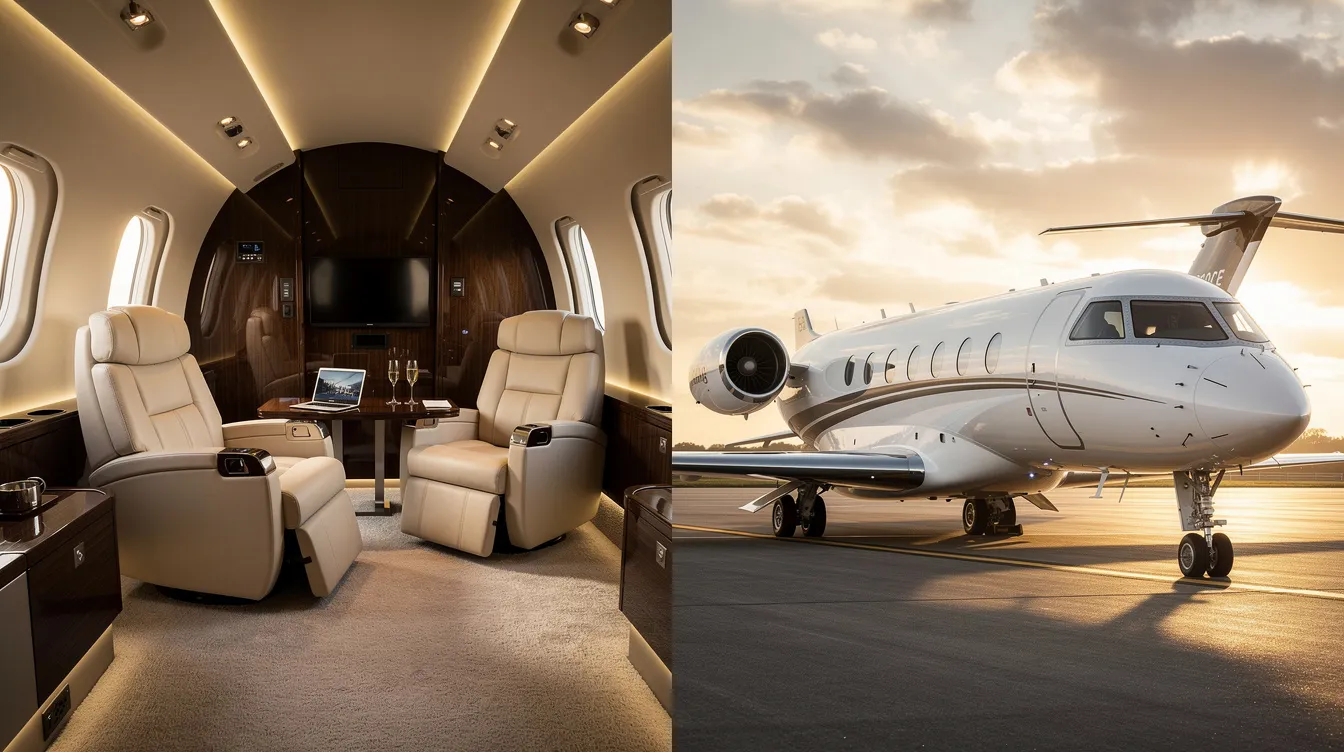
Flexjets & Fractional Ownership: How BlackJet Redefines Private Aviation Access
This guide compares Flexjet, BlackJet, and other leading providers in the fractional jet ownership market, highlighting the benefits of flexible private aviation access for executives and frequent flyers. It outlines various models, including fractional ownership, jet cards, and membership programs, emphasizing the cost savings and operational efficiency they offer compared to full aircraft ownership. BlackJet positions itself as a specialist in fractional ownership, providing transparent pricing and tailored access to aircraft, catering to clients flying 25-150 hours annually. The guide encourages readers to evaluate their travel needs and consider fractional ownership as a viable alternative to traditional private aviation options.
Continue readingAll

Private Jet Cost to Buy: What It Really Takes to Own vs. Go Fractional in 2026
In 2026, the cost of purchasing a private jet ranges from $2 million to over $110 million, with annual operating expenses between $500,000 and $2 million, making ownership a significant financial commitment. While owning a jet offers customization and privacy, fractional ownership or chartering is often more economical for those flying fewer than 200 hours annually, as it reduces capital outlay and operational burdens. Factors influencing jet prices include size, model, age, and market demand, with pre-owned jets typically costing 20-50% less than new ones but requiring additional maintenance investments. For many high-net-worth individuals and businesses, fractional ownership provides a flexible and cost-effective alternative to full ownership, allowing access to private aviation without the complexities of managing an aircraft.
Continue readingAll

Private Small Jet Price: What It Really Costs to Own or Access a Light Jet
Private small jet ownership offers flexibility and time savings, but understanding the true costs involves more than just purchase prices. In 2025, new very light jets range from $2–6 million, while light jets cost between $8–12 million, with ongoing operating costs averaging $1,000–$2,500 per flight hour for owners and $3,000–$6,000 for chartering. Fractional ownership programs, like those offered by BlackJet, provide access to jets without the high upfront costs, making them ideal for those flying 25–150 hours annually. Overall, fractional ownership often proves more economical than full ownership or chartering for frequent travelers, allowing for better cost management and flexibility.
Continue readingAll
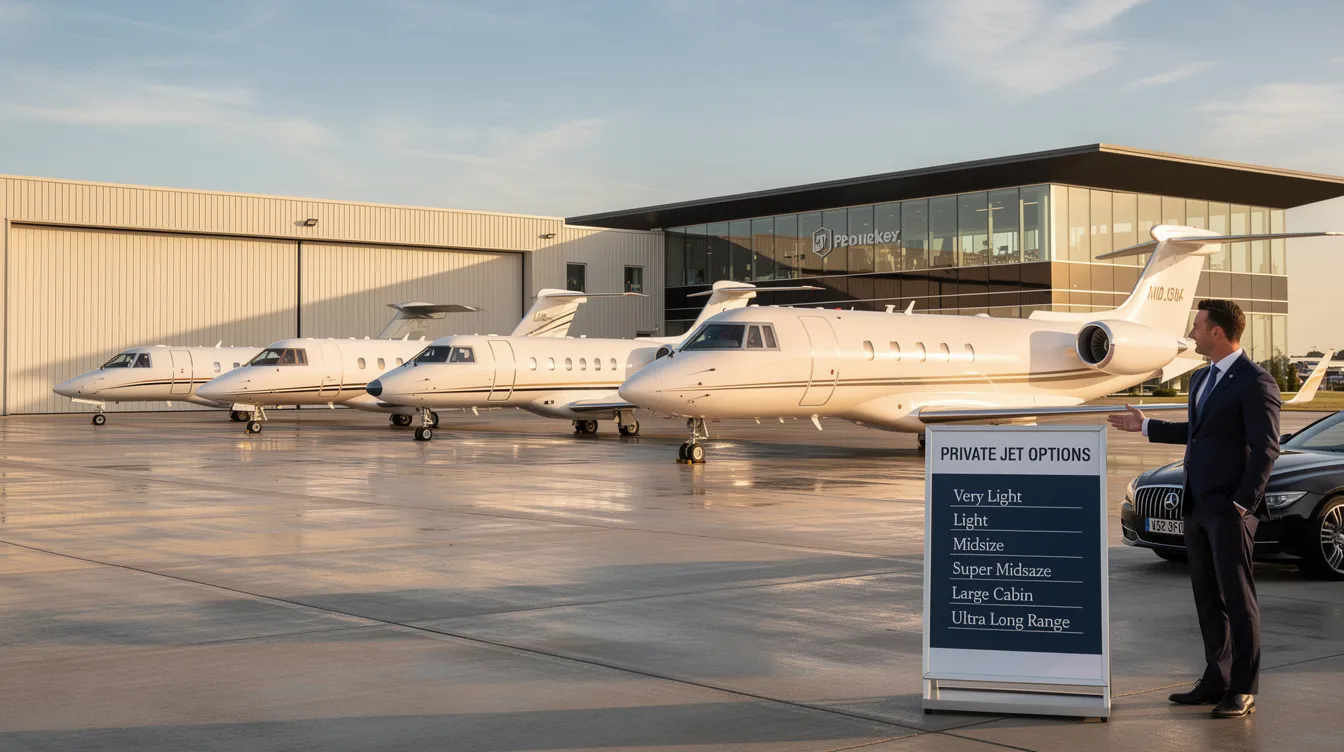
A Private Jet Cost in 2026: Ownership, Charter, and Fractional Options Explained
In 2026, private jet costs vary significantly based on ownership models, with full ownership requiring substantial upfront and ongoing expenses, while fractional ownership and charter options offer more flexibility and lower financial commitment for those flying 25 to 150 hours annually. Purchase prices for new jets range from $1.1 million to over $90 million, with annual operating costs typically between $500,000 and $1 million, depending on usage and aircraft type. Chartering costs range from $1,200 to over $10,000 per flight hour, making it essential for executives and business owners to evaluate their travel patterns and financial goals to determine the most cost-effective option. Fractional ownership programs, like those offered by BlackJet, provide a balanced approach, allowing clients to access private aviation without the full burden of ownership while benefiting from predictable costs and professional management.
Continue readingAll

Private Jet Dealership: How to Choose, Buy, or Share a Business Jet in 2026
This guide assists business leaders and high-net-worth individuals in navigating private jet ownership and access options in 2026, highlighting the roles of private jet dealerships and fractional ownership models like BlackJet. It outlines the various paths to acquiring a jet, including full ownership, fractional shares, and membership programs, each with distinct financial implications and operational responsibilities. The dealership process involves stages from discovery to entry into service, emphasizing the importance of due diligence and expert guidance throughout. Ultimately, the choice between full ownership and alternative access models should be driven by actual travel needs and usage patterns, with a focus on optimizing costs and flexibility.
Continue readingAll

Shared Aircraft Ownership: A Practical Guide to Smarter Private Jet Access
In 2024, major airlines faced significant delays, prompting business travelers to seek more reliable travel options. Shared aircraft ownership, or fractional ownership, offers a cost-effective alternative to full jet ownership, allowing multiple owners to share an aircraft's costs and access. This model provides predictable access, premium amenities, and flexibility, making it ideal for executives and corporate travel managers flying 25-150 hours annually. BlackJet specializes in fractional ownership, offering tailored solutions that combine operational efficiency with potential tax benefits, making it a strategic choice for those looking to optimize their private aviation experience.
Continue readingAll
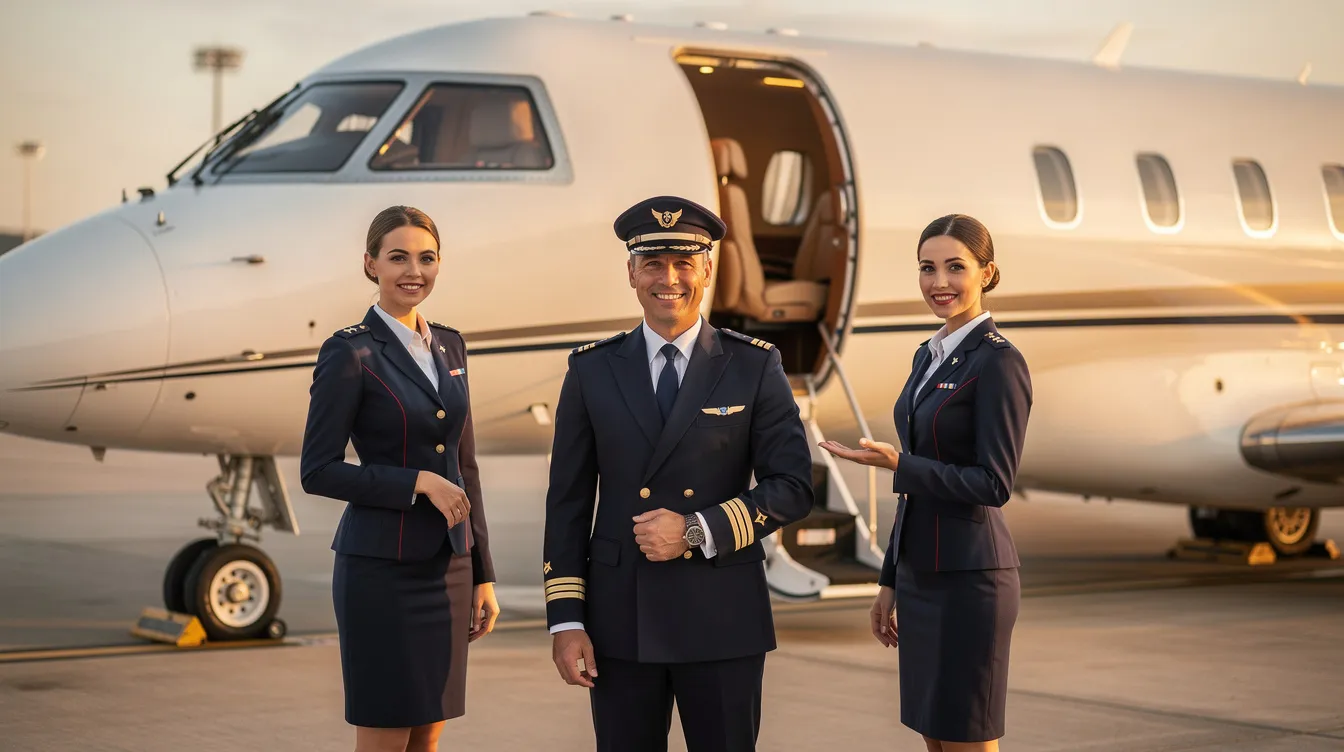
Jet Sharing Program: A Smarter Path to Private Jet Access
The Jet Sharing Program offers a cost-effective and efficient alternative to private jet ownership, allowing users to access private aviation without the burden of owning an entire aircraft. It includes models like fractional ownership, jet card memberships, and shared-use programs, providing flexibility in flight hours and aircraft options. BlackJet specializes in fractional ownership and membership solutions, catering to individuals and companies flying 25 to 150 hours annually, with guaranteed access and predictable pricing. This program enhances travel efficiency, privacy, and productivity while significantly reducing costs compared to traditional private jet ownership.
Continue readingAll
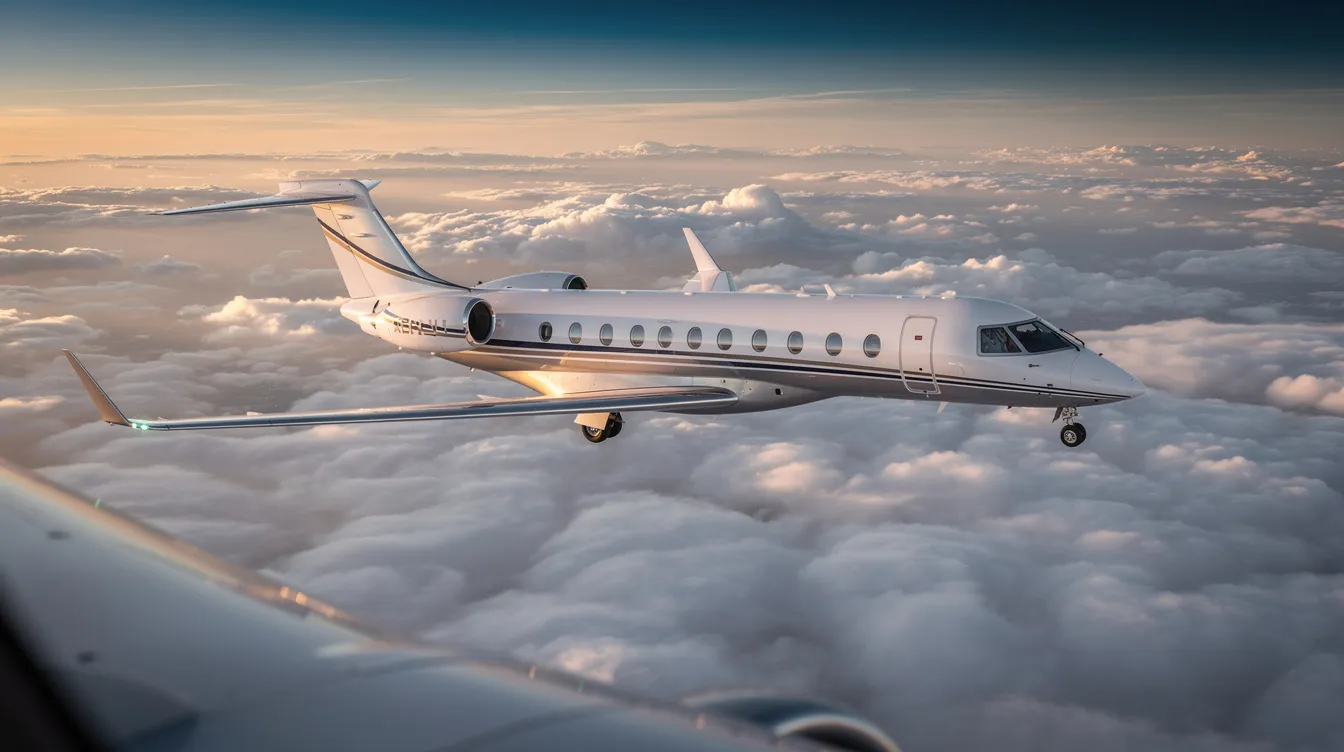
Private Jets Manufacturers: The Brands Behind Today’s Business Aviation Fleet
Private jet manufacturers play a crucial role in shaping the business aviation landscape, with key players including Gulfstream, Bombardier, Embraer, and Cessna, each offering distinct aircraft tailored to various mission profiles. Understanding the differences among these manufacturers is essential for prospective buyers, particularly those considering fractional ownership, as it impacts operating costs, cabin comfort, and long-term asset value. The private jet market is experiencing growth, with significant deliveries projected over the next decade, driven by increasing demand for convenience and access. BlackJet Fractional Jet Ownership assists clients in navigating these options, ensuring they select the right aircraft based on their specific travel needs and budget.
Continue readingAll
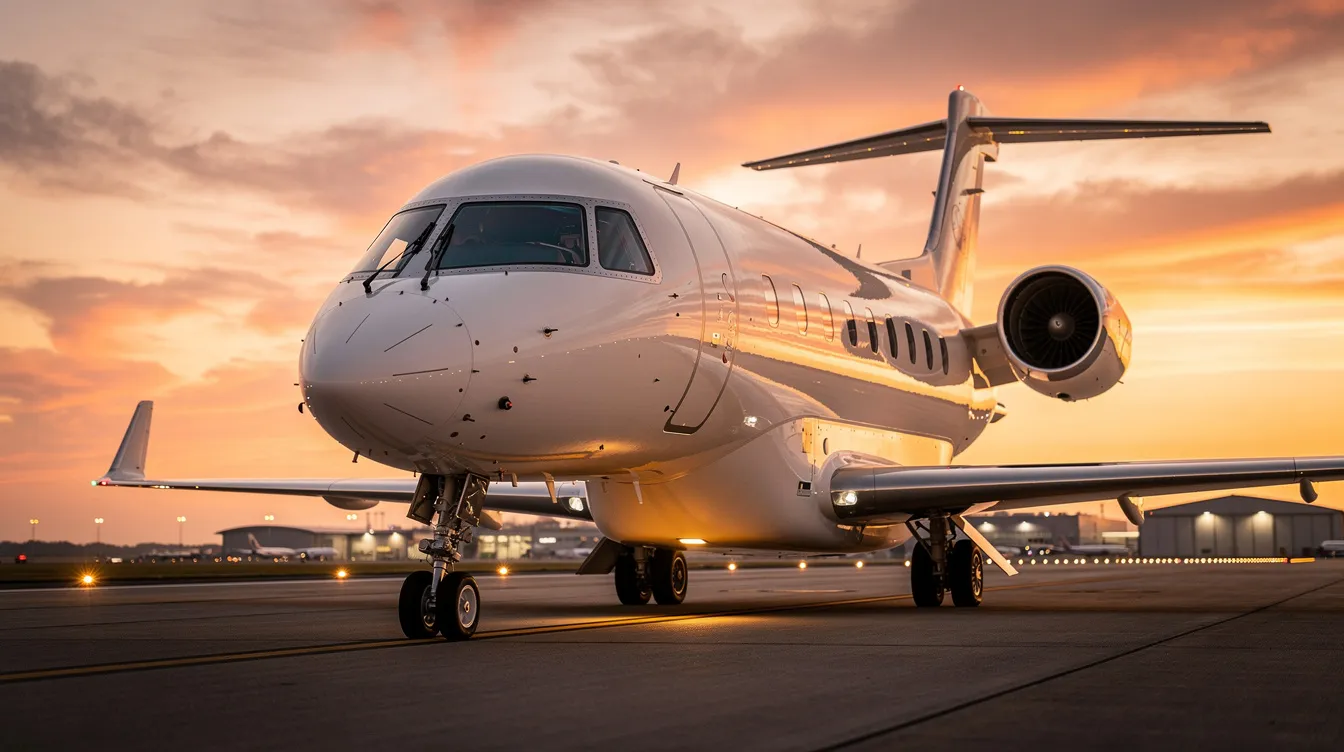
Best Private Airplanes: Cabin Comfort, Productivity, and Wellness Onboard
Choosing the best private airplane involves assessing your travel needs, including passenger count, trip distance, and desired cabin comfort. Modern jets offer advanced features such as spacious cabins, wellness innovations, and cutting-edge technology to enhance productivity and comfort during flights. For frequent travelers, fractional jet ownership provides a cost-effective and flexible alternative to full ownership, allowing access to a diverse fleet tailored to specific mission profiles. Programs like BlackJet Fractional Jet Ownership facilitate this process, ensuring clients can optimize their travel experience while managing costs effectively.
Continue readingAll


