Latest Articles
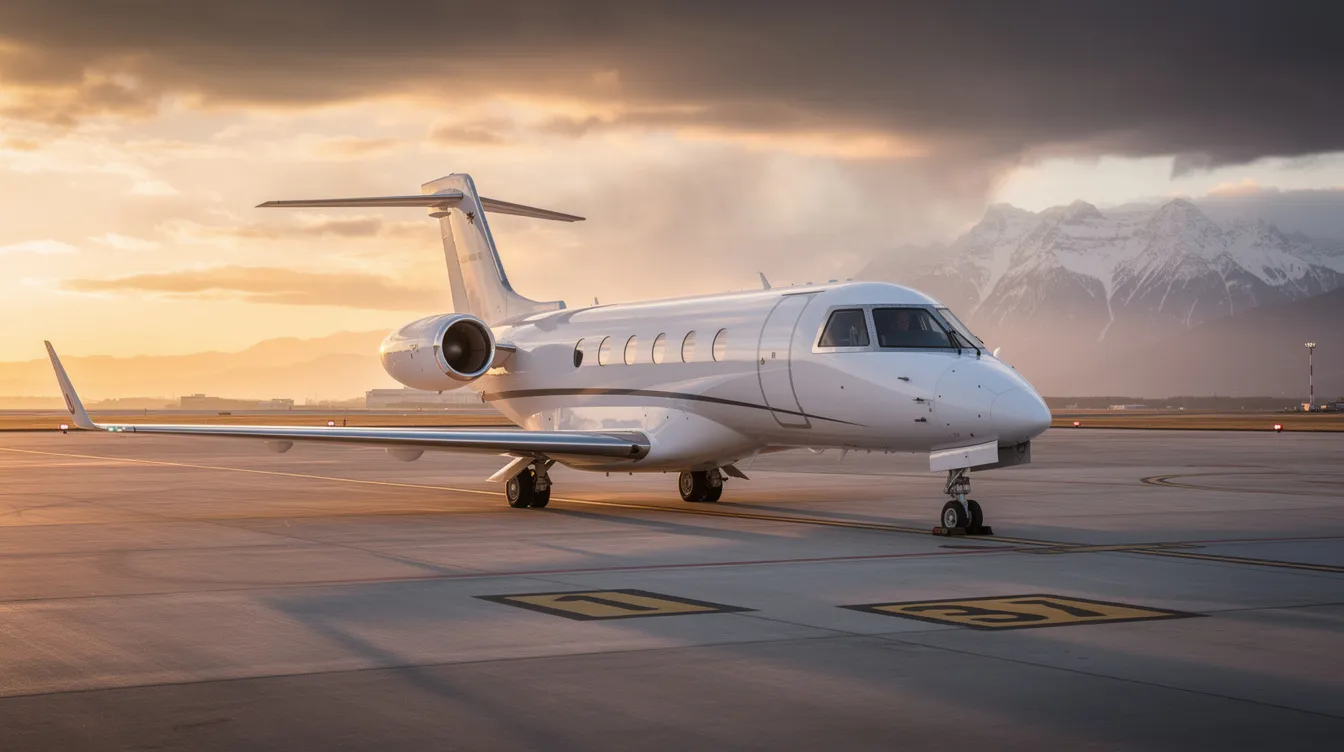
Flexjet Cost in 2026: What You'll Really Pay vs. Smarter Fractional Alternatives
In 2026, Flexjet's costs vary significantly based on the chosen program, aircraft class, and annual flight hours. With options ranging from fractional ownership to jet cards, understanding the detailed cost structure is crucial for potential buyers. Alternatives like BlackJet offer more flexible and transparent pricing models, making it essential to evaluate all options before committing.
Continue readingAll

How Much Is a 25 Hour Jet Card in 2026? Real Pricing, Examples, and Smarter Alternatives
In 2026, the cost of a 25-hour jet card varies significantly based on aircraft category, ranging from approximately $210,000 for light jets to over $525,000 for heavy jets. This guide provides detailed pricing examples, comparisons with fractional ownership, and insights into when a jet card is the best choice for private air travel. Understanding the nuances of jet card pricing can help travelers make informed decisions.
Continue readingAll
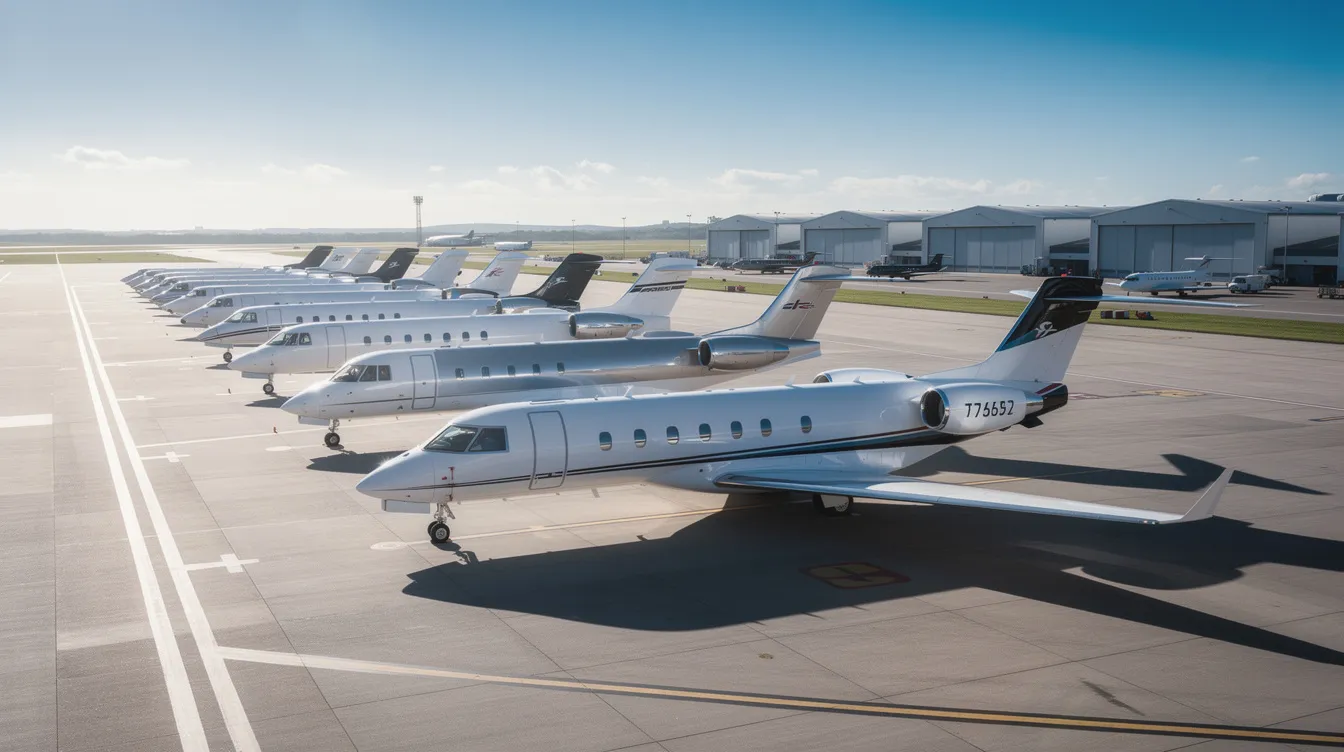
Compare Private Jet Cards: How to Choose the Best Program for Your Flying
Choosing the right private jet card can be daunting, but understanding your flying habits, budget, and priorities simplifies the process. This guide compares jet card programs, ad hoc charter, and fractional ownership, helping you make informed decisions based on your travel needs. Key factors include pricing structures, availability guarantees, and aircraft quality.
Continue readingAll
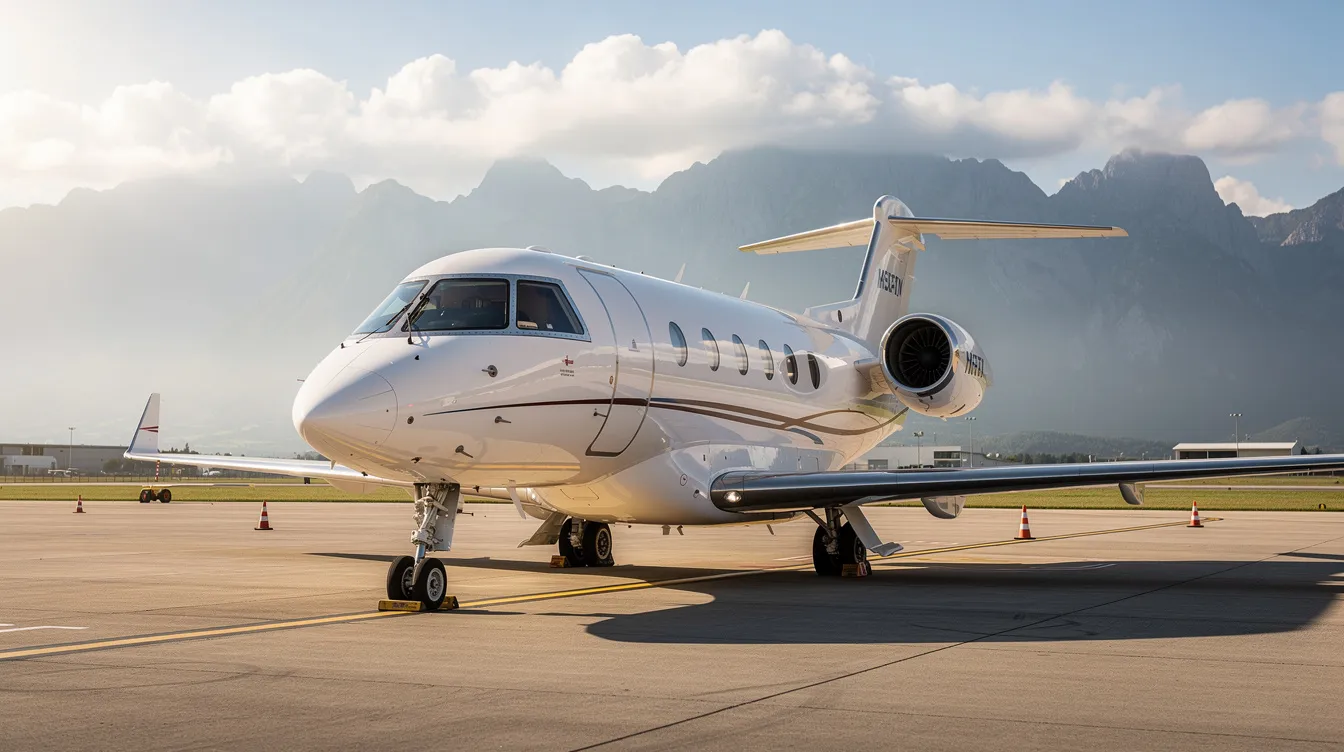
Private Jet Card Comparisons: How to Choose the Right Program in 2026
Choosing the right private jet card program in 2026 can be challenging due to the variety of options available. This guide outlines key factors to consider, including pricing transparency, availability, and safety standards, helping travelers make informed decisions based on their flying needs. Whether you're a frequent flyer or an occasional traveler, understanding the differences between jet cards and fractional ownership is crucial for maximizing value.
Continue readingAll

Jet Card Pricing: What You Really Pay For (and How to Compare Programs)
This guide demystifies jet card pricing, highlighting the true costs associated with private jet travel. It covers essential components like hourly rates, additional fees, and comparisons with fractional ownership, helping potential buyers make informed decisions. Understanding these factors is crucial for maximizing value and ensuring a seamless flying experience.
Continue readingAll
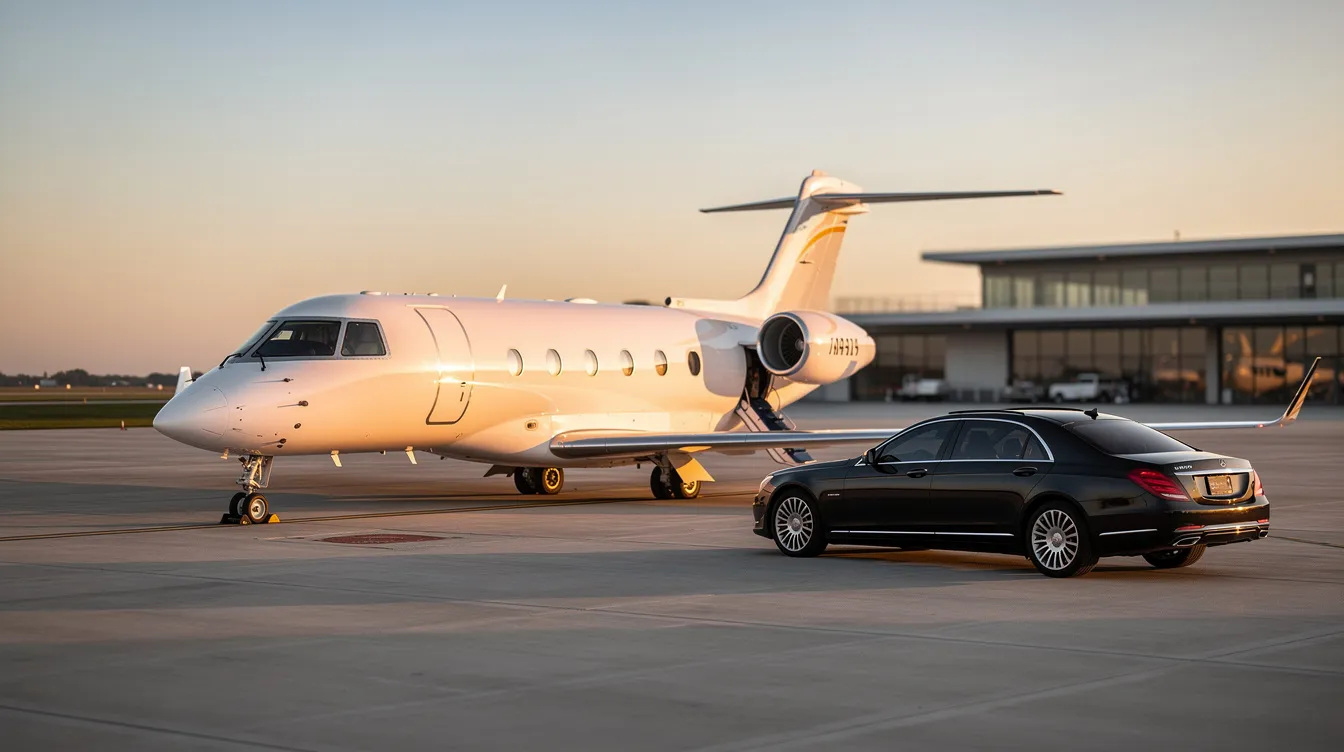
Transcontinental Private Jet Travel: The Complete Guide from BlackJet Fractional Jet Ownership
Transcontinental private jet travel offers unparalleled convenience and efficiency for modern travelers, allowing nonstop flights across vast distances. With heavy jets and ultra-long-range aircraft, passengers can avoid layovers and enjoy enhanced comfort, productivity, and privacy. BlackJet Fractional Jet Ownership provides tailored access models, ensuring predictable scheduling and cost control for frequent flyers.
Continue readingAll
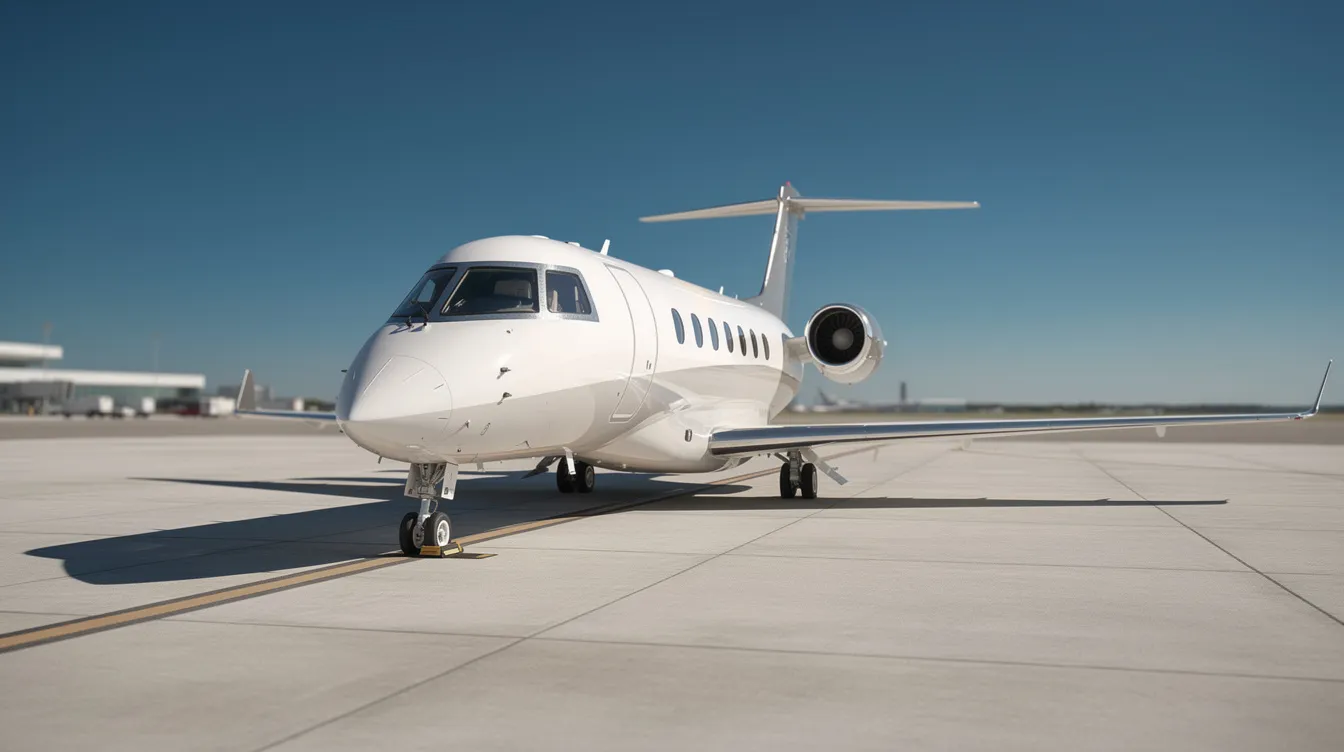
Private Plane Timeshare Cost: What You'll Really Pay in 2026
In 2026, private plane timeshare costs involve an upfront share purchase ranging from $275,000 to over $1.2 million, monthly management fees between $8,000 and $28,000, and hourly rates from $1,800 to $8,000. This model offers predictable costs and ownership benefits for frequent travelers, making it a viable alternative to full ownership or charter flights. Understanding these costs and their implications is crucial for potential buyers.
Continue readingAll
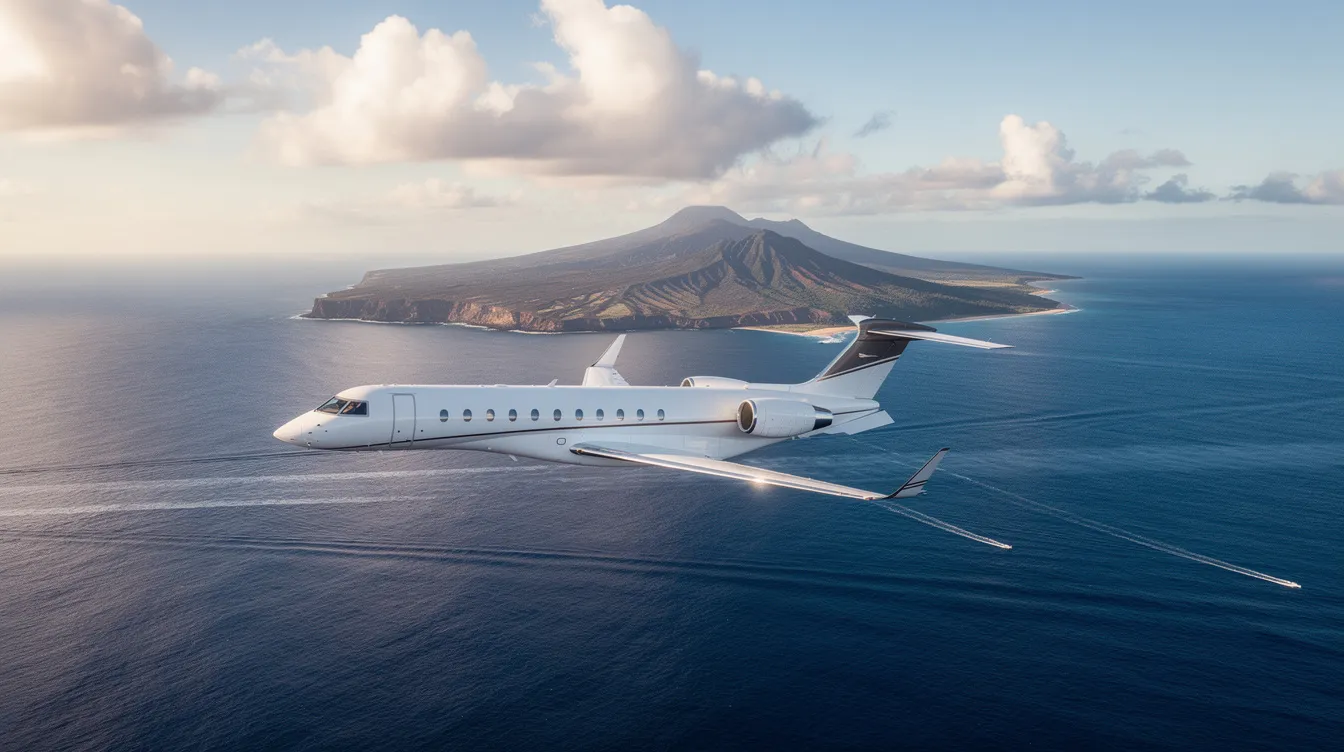
Private Plane to Hawaii: Smarter Ocean Crossings with BlackJet Fractional Jet Ownership
Flying a private plane to Hawaii offers significant advantages over commercial travel, including reduced travel time, privacy, and flexibility to visit multiple islands. With BlackJet Fractional Jet Ownership, travelers can enjoy predictable costs and guaranteed availability, making private jet travel more accessible and convenient. This guide outlines the essentials for planning a private jet trip to Hawaii, including costs, aircraft options, and key airports.
Continue readingAll
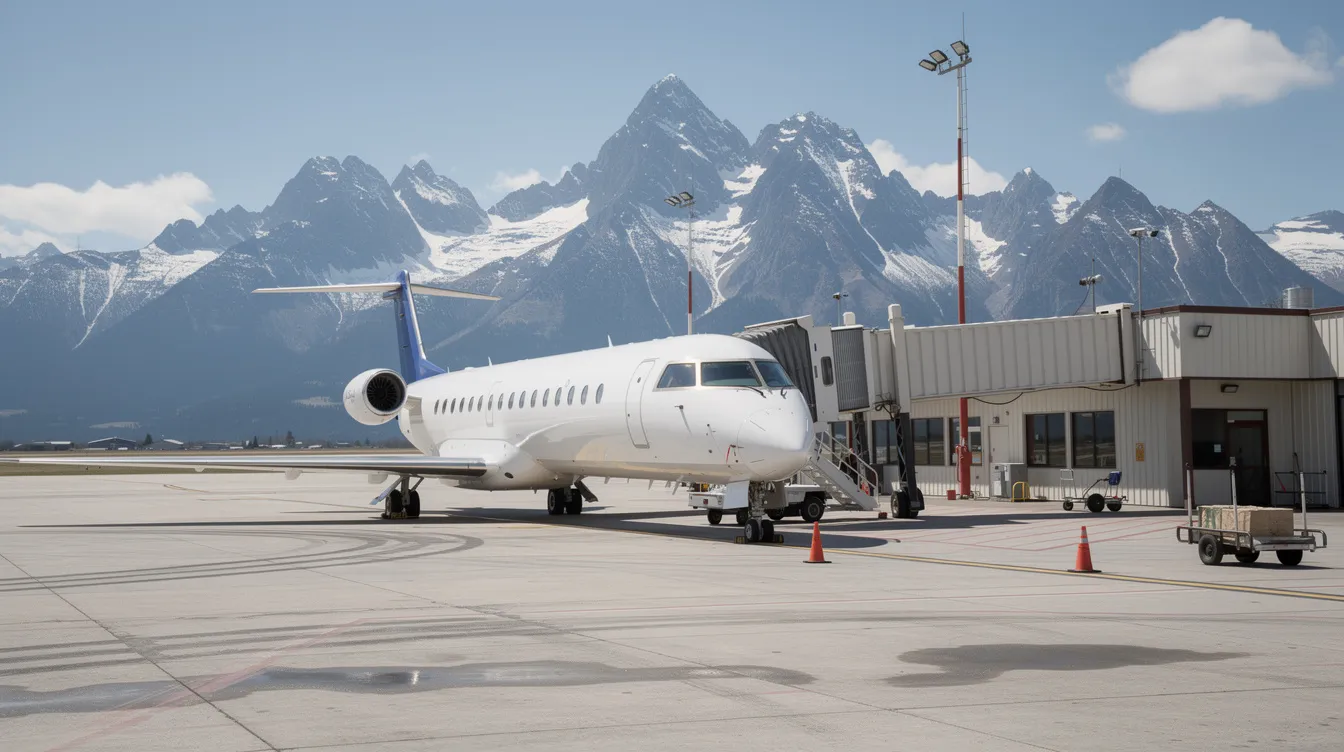
United Charter Flights: How They Compare to Private Jets and Fractional Ownership
United charter flights involve renting an entire aircraft from United Airlines for large groups, ideal for corporate events and sports teams. In contrast, private jets offer on-demand travel for smaller groups with greater flexibility and privacy. Understanding the differences between these options helps travelers choose the best fit for their needs based on group size, destination, and budget.
Continue readingAll


