January 11, 2026
Private aviation has redefined how high-net-worth individuals and executives approach travel. A 10-seater private jet represents a sweet spot in the private aviation market—large enough to accommodate leadership teams, families, or partners, yet efficient enough to remain cost-conscious and operationally flexible.
For travelers seeking the best private jet for 10 passengers, the focus is increasingly shifting away from luxury theatrics toward performance, reliability, comfort, and access. Whether flying domestically within the United States or connecting major global business hubs, a well-selected 10-seat aircraft delivers efficiency without compromise.
Private aviation opens access to thousands of airports unavailable to commercial airlines, eliminates rigid schedules, and allows every flight to be tailored. Understanding which jet category, features, and ownership structure best aligns with travel needs is essential—and that clarity is where informed decision-making begins.
Selecting the right aircraft starts with understanding jet categories. Each class offers different trade-offs in range, cabin size, and operating costs.
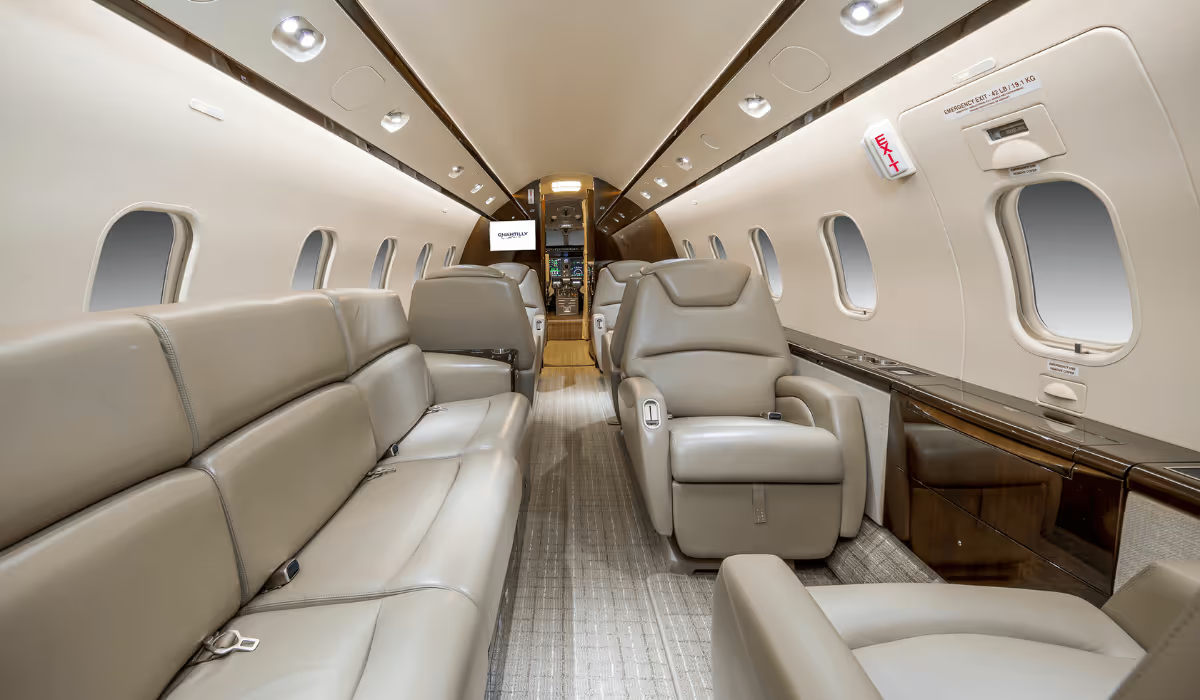
Midsize jets are often the entry point for 10-seat private aviation. These aircraft balance comfort and efficiency, making them ideal for regional and transcontinental missions.
Common characteristics include:
Seating for 8–10 passengers
Typical range between 3,000 and 3,400 nautical miles
Lower operating costs compared to larger aircraft
Ability to access shorter runways and thousands of smaller regional airports
These jets suit executives flying coast-to-coast within the U.S. or high-frequency business routes. Intermediate private jets can carry up to 10 passengers over distances of 3,000 to 4,000 km. They often feature full standing headroom (around 6 feet) and wide-body designs that allow free movement during flight.
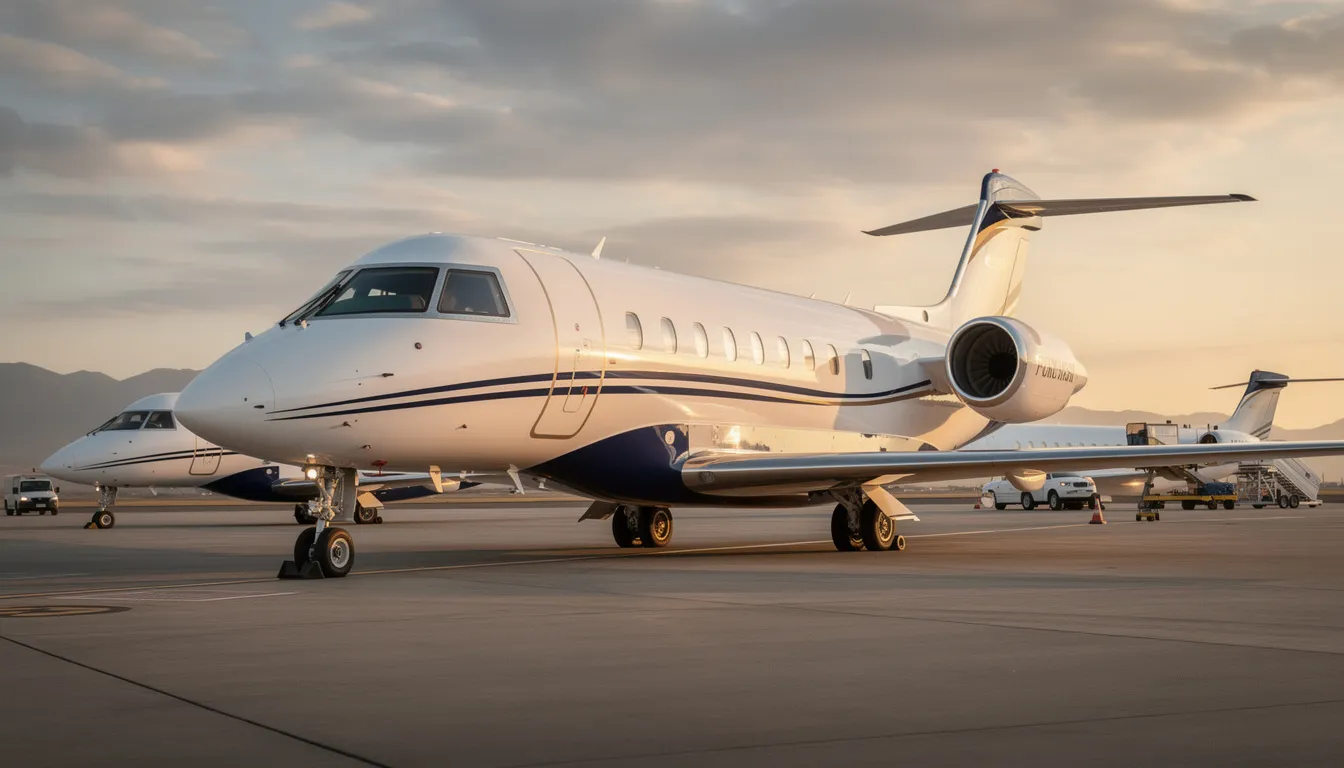
Super-midsize jets expand cabin space and range while maintaining operational flexibility. They are among the most popular aircraft in fractional jet ownership programs.
Advantages include:
Seating for 9–12 passengers, with some models accommodating up to 12
Extended range up to 4,000 to 4,500 nautical miles
Higher cruise speeds
Enhanced baggage capacity and fully equipped galleys for gourmet catering
Enclosed lavatories with vanities for added comfort
Advanced connectivity options such as high-speed Ka-band or 4G Wi-Fi and 4K entertainment displays
Super mid-size jets are capable of nonstop transcontinental flights and select international routes. Popular 10-seater models include the Bombardier Challenger 350, Embraer Praetor, and Cessna Citation Latitude/Longitude. These jets combine luxury, performance, and space, enabling longer non-stop flights with enhanced comfort.
Large private jets deliver the most spacious cabins and longest ranges. While many exceed the 10-seat requirement, they remain relevant to travelers who prioritize cabin volume and amenities.
Key features include:
Seating up to 11 passengers comfortably, with some models accommodating up to 16–20 passengers
Intercontinental range capabilities, with some jets like the Falcon 10X reaching up to 7,500 nautical miles (13,890 km)
Spacious interiors with flat floors and added headroom for accessibility
Dedicated galley and lavatory zones with enclosed lavatories and vanities
Multiple cabin zones for privacy and productivity
Large baggage capacity, with some jets offering up to 115 cubic feet
These jets are often chosen for global missions or executive teams requiring onboard productivity space. The Gulfstream G280 is a notable large jet designed to comfortably seat up to 10 passengers in various cabin configurations and offers a maximum range of 3,600 nautical miles (6,667 km). The Falcon 10X stands out with the largest cabin of any purpose-built business jet, featuring a cabin height of 6 feet, 8 inches and width of 9 feet, 1 inch, accommodating up to 19 passengers with unmatched space and style.
Beyond aircraft size, performance and comfort features significantly influence the travel experience.
Range determines how far an aircraft can fly nonstop, while cruise speed impacts total travel time. For 10-seat jets, typical ranges vary from 3,000 to over 7,500 nautical miles depending on category.
Longer range reduces fuel stops, enhances safety margins, and supports flexible routing—critical for business travelers.
Cabin design directly affects passenger comfort and productivity. Important elements include:
Flat floors for ease of movement
Large windows for natural light
Ergonomic seating and convertible sleeping arrangements
Quiet cabin acoustics
Fully equipped galleys for gourmet catering
Enclosed lavatories with vanities
Many 10-seater jets offer customizable layouts to accommodate meetings, dining, or rest. Full standing headroom and wide-body cabins allow passengers to move freely and relax comfortably during flight.
Modern 10-seater jets feature advanced connectivity options such as high-speed Ka-band or 4G Wi-Fi, enabling seamless communication and work in the sky. Entertainment systems often include 4K displays and a variety of media options to keep passengers engaged and relaxed.
Advanced avionics, redundant systems, and professional flight crews underpin private jet safety. Modern aircraft integrate predictive weather radar, terrain awareness systems, and collision-avoidance technology to enhance situational awareness.
Aircraft performance on paper differs from operational performance in real environments.
Performance is influenced by:
Weather conditions
Airport elevation and runway length
Payload weight
Air traffic constraints
High-altitude airports or hot-weather conditions can reduce effective range or payload capacity.
Intermediate jets can take off and land on shorter runways than large aircraft, allowing access to more airports and increasing travel convenience compared to large commercial airliners.
Reviewing an aircraft’s maintenance history ensures reliability and regulatory compliance. FAA adherence, inspection intervals, and service bulletins all factor into long-term operational safety.
Modern engines emphasize fuel efficiency and lower noise profiles. Reduced cabin noise improves passenger comfort, while efficient engines lower overall operating costs for private jets.
Private jet flight operations are highly structured and safety-driven.
Each flight involves:
Route optimization
Weather forecasting
Fuel planning
Regulatory clearance
Pilots work closely with dispatch teams to adapt routes in real time.
Flight crews undergo recurrent training, simulator sessions, and proficiency checks. Experience in varied weather, airspace, and international operations enhances decision-making during complex scenarios.
Flights typically operate under Instrument Flight Rules (IFR), ensuring precision navigation regardless of visibility. NBAA IFR fuel reserves provide additional safety margins beyond regulatory minimums.
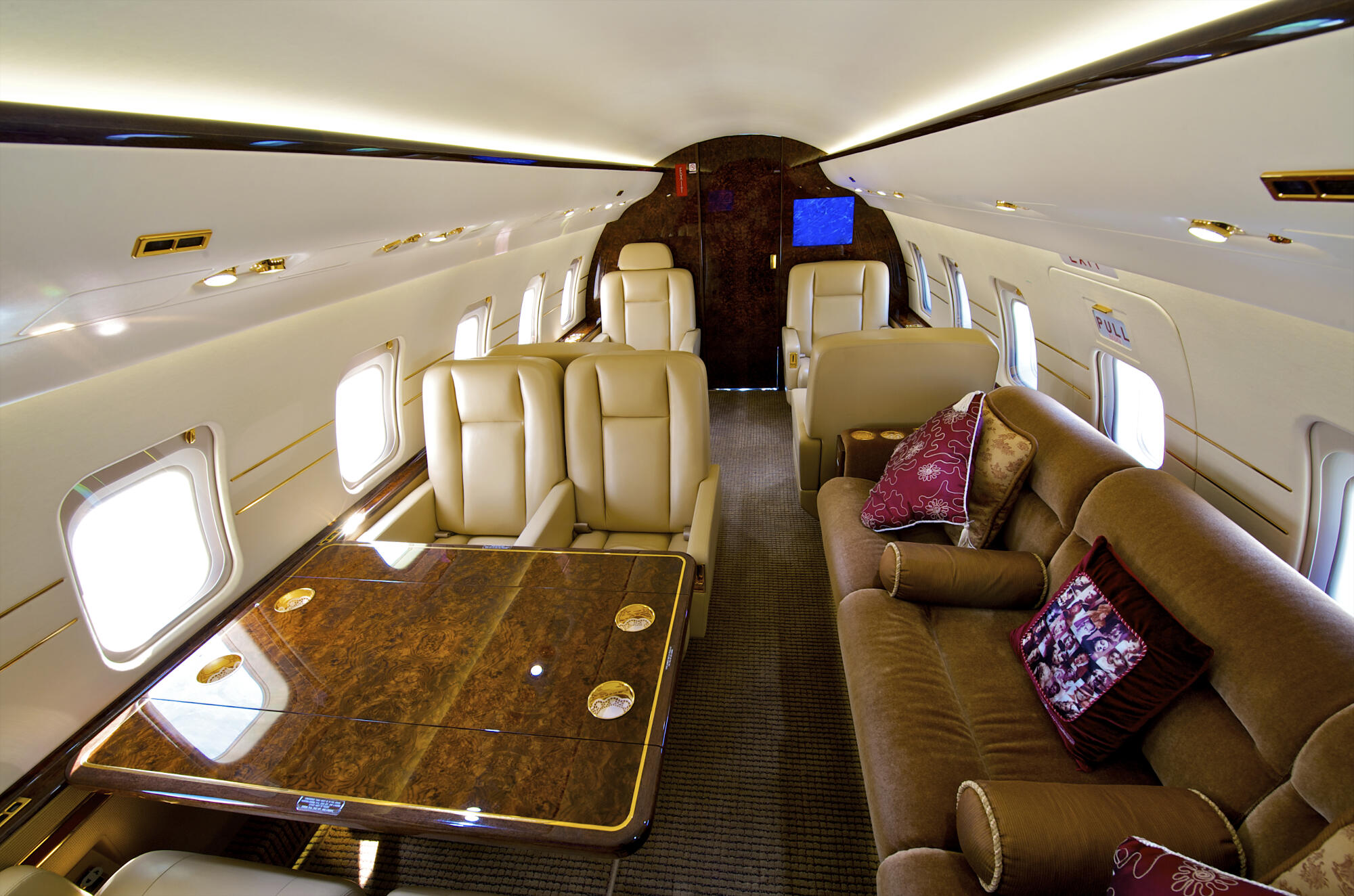
Comfort remains central to the private aviation value proposition.
Many 10-seat jets feature reclining or fully flat seats, enabling passengers to arrive rested on long-haul routes.
Stable cabin pressure and temperature reduce fatigue and dehydration. Lower cabin altitude improves passenger well-being.
High-speed Wi-Fi, satellite phones, and onboard entertainment systems ensure productivity and relaxation throughout the flight.
Safety remains the cornerstone of private jet travel.
Standard safety equipment includes:
Emergency oxygen systems
Fire detection and suppression
Medical kits and defibrillators
Advanced avionics continuously monitor terrain, traffic, and weather, enabling proactive decision-making.
Ultimately, pilot judgment—supported by training and operational protocols—ensures every flight prioritizes safety above schedule or convenience.
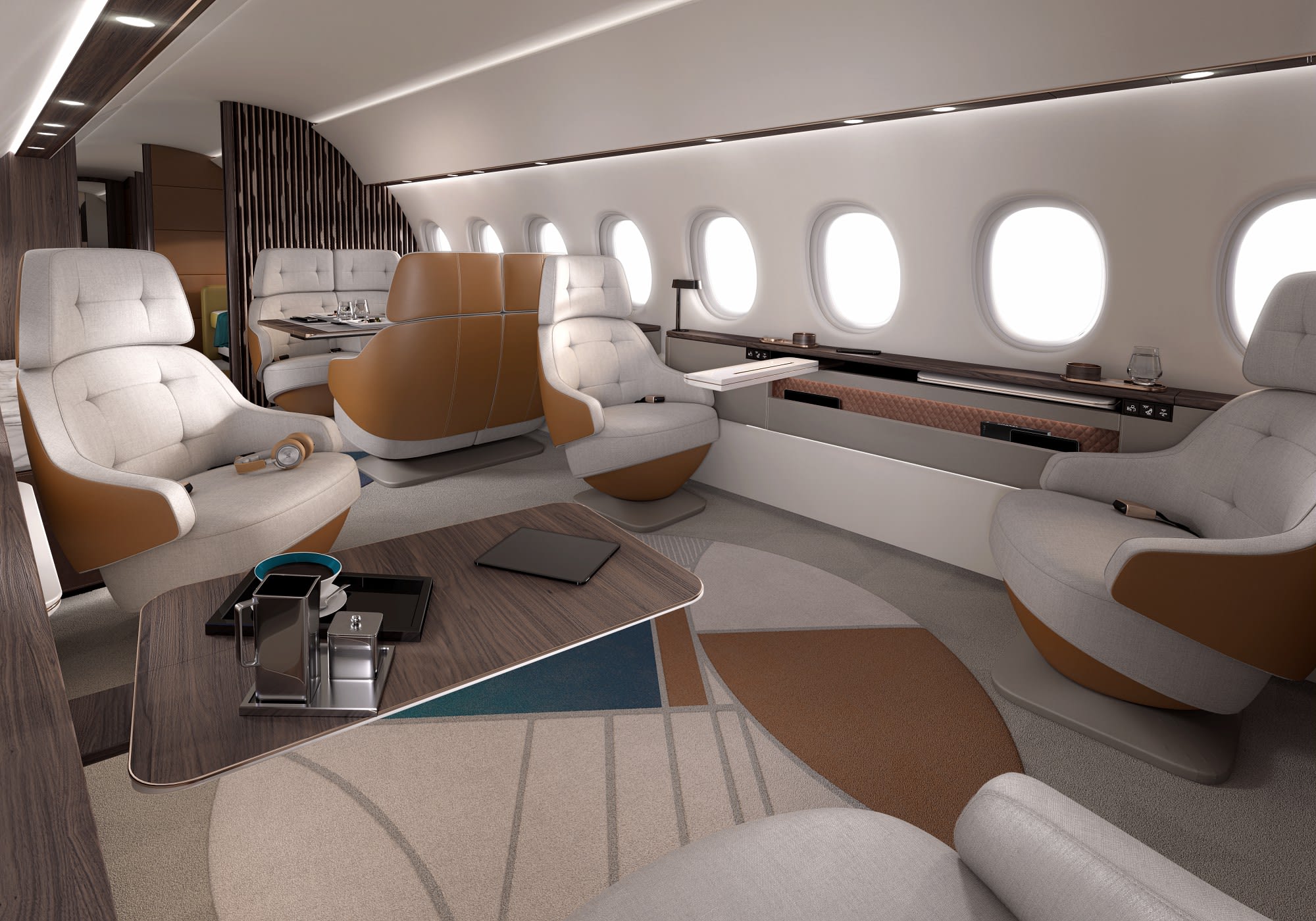
Several aircraft consistently rank among the top choices for 10-seat missions.
The Gulfstream G280 is valued for its speed, range, and quiet cabin, making it suitable for transcontinental routes. It comfortably seats up to 10 passengers in various cabin configurations and offers a maximum range of 3,600 nautical miles (6,667 km).
The Falcon 10X represents the next generation of cabin space and range, accommodating larger groups while maintaining performance. It features the largest cabin of any purpose-built business jet, with a cabin height of 6 feet, 8 inches and width of 9 feet, 1 inch, and can accommodate up to 19 passengers.
The Challenger 650 offers versatility and comfort, with transcontinental capability and a spacious cabin for up to 12 passengers.
Comparing aircraft based on mission profile rather than brand alone leads to better long-term satisfaction.
Charter remains an entry point into private aviation.
Options include:
Ad-hoc charter for occasional trips
Block hours for predictable usage
Membership programs offering fixed hourly rates
Operator safety record, fleet quality, and service consistency are critical evaluation criteria. Reputable charter providers adhere to strict operational standards.
To rent an intermediary private jet, you can contact an airline broker or approach an airline directly. Rental prices vary according to itinerary and model.
Ownership introduces additional considerations.
Options range from sole ownership to partnerships and fractional aircraft ownership. Each structure balances cost, access, and operational responsibility differently.
Aircraft acquisition involves pre-purchase inspections, valuations, and financing arrangements. Experienced brokers guide buyers through regulatory and technical complexities.
Purchasing a 10-seater jet incurs significant upfront costs, typically starting at $20 million, along with annual operating costs that can exceed $1 million. The decision to rent or buy depends largely on travel frequency, with renting being more cost-effective for fewer than 100-150 flight hours annually.
Professional management ensures aircraft readiness.
Routine inspections, component overhauls, and system upgrades maintain airworthiness and performance.
Accurate record-keeping and adherence to FAA regulations protect asset value and operational continuity.
Aircraft interiors and systems can be tailored to mission needs.
Customization options include:
Interior materials and layouts
Advanced entertainment systems
Avionics and navigation upgrades
Manufacturers and certified service centers oversee modifications to ensure compliance with certification standards.
Private aviation enables seamless access to remote destinations, high-profile events, and complex multi-city itineraries.
Concierge services assist with accommodations, ground transport, and personalized itineraries, creating a cohesive travel experience beyond the flight itself.
The global private jet market continues to evolve.
Key trends include:
Growth in fractional jet ownership
Increased sustainability initiatives
Technology-driven efficiency improvements
Industry organizations such as the NBAA promote safety, innovation, and regulatory clarity across the sector.
Exceptional service differentiates private aviation providers.
Around-the-clock support, proactive communication, and personalized solutions ensure a seamless ownership or charter experience.
Modern aircraft integrate fly-by-wire systems, advanced avionics, and compatibility with sustainable aviation fuel. These innovations enhance safety, efficiency, and environmental responsibility.
Safety standards encompass regulatory compliance, pilot training, and operational best practices. Dedicated safety managers oversee audits, training programs, and continuous improvement initiatives.
Private aviation fosters a global community of operators, owners, and professionals who share insights through conferences, forums, and industry events. Engagement within this ecosystem promotes innovation and best-practice sharing.
Selecting the best 10-seater jet requires balancing performance, comfort, safety, and cost. Whether through charter, ownership, or fractional aircraft ownership, informed decisions align aircraft capability with travel goals.
Fractional jet ownership continues to emerge as a strategic solution—offering predictable access, professional management, and cost efficiency without the burden of full ownership.
Ready to explore the smarter way to fly private?
Visit https://www.fractionaljetownership.com/ to learn how fractional ownership can transform your travel experience and deliver reliable access to private aviation on your terms.
