
January 19, 2026
Private jets have long been associated with convenience, flexibility, and control over one’s travel schedule. In recent years, however, entry-level private aviation has become more accessible to buyers exploring alternatives to charter or full-scale jet ownership. Aircraft priced around $2 million sit in a unique category, offering meaningful performance and comfort upgrades over turboprops and piston aircraft while maintaining operating economics that are manageable for many individuals and small businesses.
Discover the kind of innovation and features available in this price range—most notably, the Cirrus Vision Jet, a Very Light Jet (VLJ) that sets new standards in personal aviation.
Jets in this range are designed to deliver a highly personalized flying experience. Owners are not simply purchasing an aircraft; they are investing in control, privacy, and travel efficiency over time. From cabin layout to avionics technology, these jets are built to support both business and personal missions without the complexity or cost burden of larger aircraft. The Cirrus Vision Jet is a Very Light Jet (VLJ) known for its innovation, single-pilot certification, and robust safety features, making it a standout in this category.
One of the most recognized aircraft in this category is the Cirrus Vision Jet. It is one of the most technologically advanced personal jets available for around $2 million. Its combination of modern design, advanced safety systems, and comparatively low operating costs has made it a popular choice for first-time jet buyers and experienced pilots alike. Aircraft at this price point often include professional aircraft management options, streamlined maintenance programs, and technology-forward cockpits that lower the learning curve for owners.
Understanding the features that define a $2 million private jet helps buyers make informed decisions and avoid surprises. From safety innovations to cabin comfort and long-term operating considerations, each feature helps determine whether an aircraft aligns with an owner’s travel profile. In 2026, a $2 million budget typically secures a high-end pre-owned aircraft or a technologically advanced VLJ like the Cirrus Vision Jet G2+.
Safety is often the primary concern for individuals new to private aviation, particularly those flying with family members or young children. Jets in the $2 million range place a strong emphasis on systems that reduce pilot workload and provide layers of protection during abnormal situations.
A standout innovation in this category is the airframe parachute system found on the Cirrus Vision Jet. Unlike traditional safety systems, this parachute is designed to lower the entire aircraft safely to the ground in the event of a serious emergency. For owners who prioritize peace of mind, this feature represents a significant advancement in personal aviation safety.
The Vision Jet also stands out with its Safe Return emergency autoland feature. This system enables passengers to protect themselves by landing the aircraft in an emergency with a single touch. The emergency autoland system communicates with air traffic control and automatically lands the aircraft, ensuring the safety of everyone on board. This standout safety feature is designed to protect passengers in critical situations and sets the Vision Jet apart from others in the industry.
Advanced avionics play an equally important role. Modern glass cockpits equipped with Garmin-based systems provide real-time weather data, terrain awareness, and traffic alerts. Auto radar and intuitive flight displays enable pilots to make informed, rapid decisions, reducing the risk associated with weather or airspace complexity.
The Vision Jet is designed with the ability to be flown by a single pilot, often the owner, which simplifies operation and makes private jet ownership more accessible.
Regular inspections and consistent maintenance remain critical. Buyers should prioritize aircraft with transparent maintenance records, low airframe hours, and a clean damage history. Safety features are most effective when paired with disciplined upkeep and professional oversight.
The market for $2 million private jets is relatively narrow but well-defined. In most cases, $2 million won't buy a brand-new light jet, but there are several attractive pre-owned options available. Buyers typically choose among very light jets, owner-flown aircraft, or lightly used models that were previously priced higher when new. The Pilatus PC-12 and the Diamond DA62 are common aircraft options for buyers with a $2 million budget, offering versatility and performance in this price range. Most aircraft at the $2 million level cannot cross the Atlantic without ferry tanks, so range limitations should be considered.
The Cirrus Vision Jet is often considered the benchmark in this category. Its single-engine design, panoramic windows, and advanced safety features appeal to buyers seeking a balance between performance and simplicity. The aircraft is well-suited for regional travel and offers operating economics that are more accessible than those of traditional twin-engine jets. Detailed aircraft records and status reports are available upon request for those interested in a particular sale.
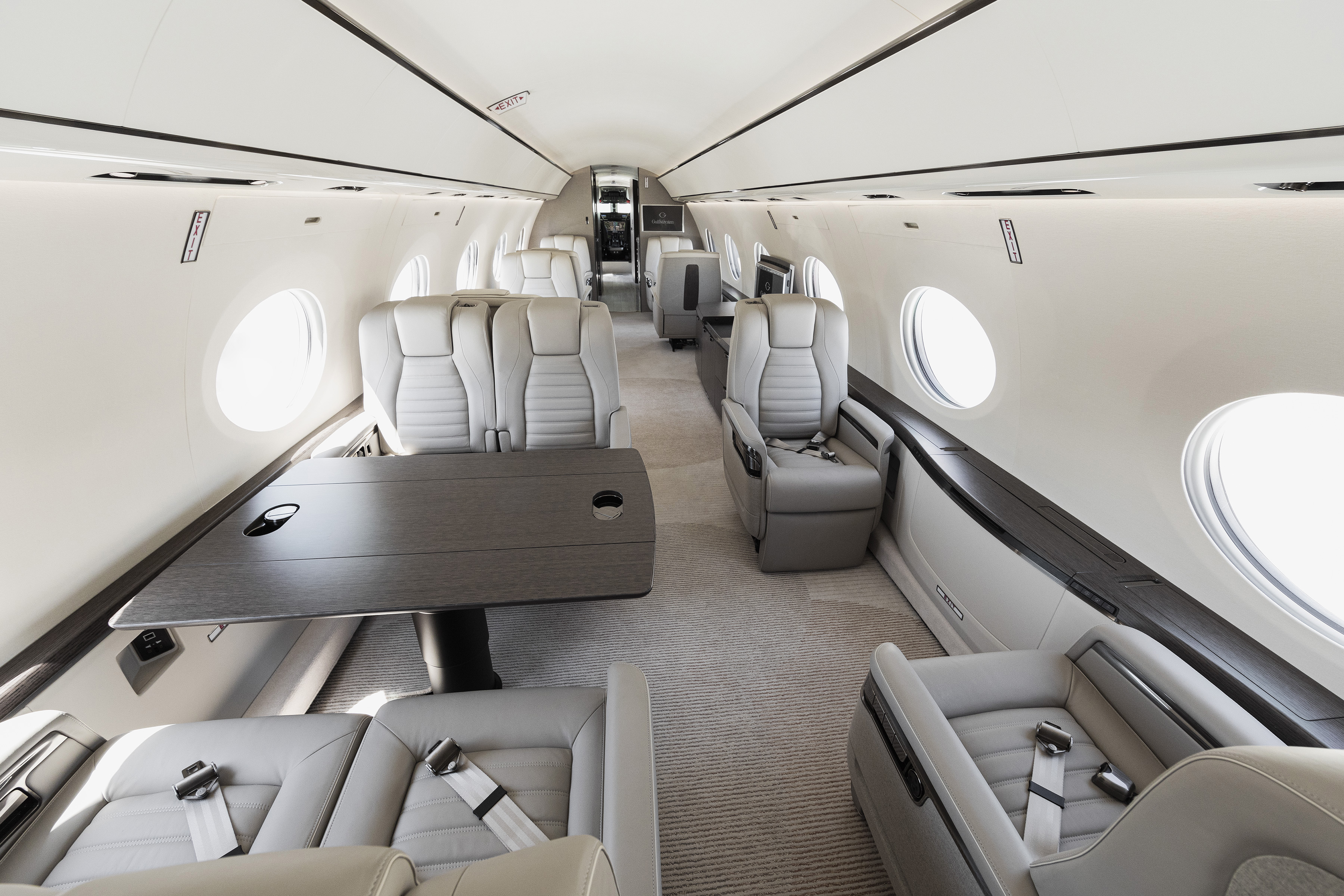
Larger aircraft, such as the Gulfstream G450, may appear in conversations around private jet ownership, but they generally fall into a much higher price and operating cost category. While these aircraft offer superior range and cabin size, they are not direct competitors within the $2 million segment.
When evaluating aircraft options, buyers should consider range requirements, fuel efficiency, and maintenance infrastructure. Access to training programs, owner communities, and manufacturer support can significantly improve the ownership experience, especially for those new to private jets.
Performance is one of the most compelling aspects of flying in a private jet. Aircraft in this price range can cover meaningful distances efficiently, making them suitable for both business travel and family trips.
Many jets around $2 million offer ranges exceeding 1,000 miles. The Cirrus Vision Jet, for example, typically seats 4–6 passengers in a compact cabin and has a range of approximately 700-1,200 nautical miles, enabling nonstop trips between major regional markets. Private jets like the Cirrus Vision Jet can access smaller regional airports, giving owners greater flexibility in choosing their destination airport than commercial airlines. However, flying internationally in a $2 million jet adds complexity due to range limitations and may require ferry tanks to complete longer trips.
Cruise speeds of up to 300 knots significantly reduce travel time compared with turboprops or commercial alternatives that require layovers.
Buyers should align performance expectations with their typical mission profile. Factors such as passenger count, baggage requirements, and preferred destinations influence whether a particular aircraft is suitable. For some owners, access to smaller regional airports is just as valuable as raw speed.
Weather capability is another consideration. Advanced avionics and stability systems enable these jets to operate reliably across a wider range of conditions, enhancing reliability for frequent travelers.
Cabin design in a $2 million private jet focuses on comfort without unnecessary excess. These aircraft are built to make short and mid-range flights enjoyable, productive, and quiet.
Large windows, ergonomic executive seating with luxury leather, and thoughtfully designed interiors are common features. In the Cirrus Vision Jet, panoramic windows provide natural light and expansive views, creating an open and modern cabin atmosphere. Customization options include executive seating arrangements, customizable mood lighting, and a private lavatory, allowing owners to select finishes and layouts that reflect personal preferences and enhance comfort for both adults and kids.
Technology plays a central role in the in-flight experience. The Vision Jet features Gogo In-Flight Wi-Fi, allowing passengers to connect, stay productive, or enjoy digital entertainment while in the air. High-speed wifi, integrated entertainment systems, and digital cabin controls—accessible via an app—are increasingly standard. Pilots can use the app to remotely monitor aircraft systems and cabin controls, while push-to-load activation simplifies avionics and cabin management. These features support productivity for business travelers, relaxation for leisure trips, and make flying fun for families and kids alike.
Noise reduction, temperature control, and lighting design contribute to passenger comfort. Buyers planning long-term ownership should also consider how easily cabin systems can be upgraded as technology evolves.
The Cirrus Vision Jet stands out in the private jet market for its cutting-edge avionics suite, designed to give pilots and passengers a technological advantage. At the heart of this system is the Garmin-powered auto radar, which uses a sophisticated 16-color palette to deliver enhanced weather visualization. This feature automatically scans the skies ahead, providing real-time, composite weather data that helps pilots make informed decisions and avoid turbulence or storms.
Safety is further elevated by the integration of the Cirrus Airframe Parachute System (CAPS), a hallmark of Cirrus innovation. In an emergency, CAPS can be deployed to bring the entire jet safely to the ground, providing peace of mind for everyone on board. The Vision Jet’s avionics also include features such as autothrottle integration, which works seamlessly with the radar and navigation systems to reduce pilot workload and ensure smoother, more controlled flight.
Designed with both pilots and passengers in mind, these advanced technologies make flying the Cirrus Vision Jet not only safer but also more enjoyable. Whether you’re a seasoned pilot or a first-time jet owner, the intuitive cockpit layout and state-of-the-art features provide confidence and comfort on every mission.
Precision and ease of use are at the core of the Cirrus Vision Jet’s navigation and control systems. This aircraft is engineered to empower pilots—whether owner-operators or professionals—with the tools they need for efficient, reliable flight. The Vision Jet’s advanced flight control system, paired with its efficient single-engine design, delivers a unique combination of performance and fuel economy that sets it apart in its class.
The navigation suite features state-of-the-art GPS and mapping technology, allowing pilots to plan and execute flights with pinpoint accuracy. Real-time data on weather, air traffic, and fuel consumption is seamlessly integrated, ensuring every flight accounts for the latest conditions and operational needs. The advanced autopilot system can automatically adjust the jet’s course and altitude, maintaining stability and comfort even when flying through challenging airspace or weather.
For owners, these technologies mean less time worrying about the complexities of flight and more time enjoying the journey. The Vision Jet is designed to make every aspect of flying—from takeoff to landing—smooth, efficient, and safe, giving pilots and passengers alike the confidence to explore new destinations.
One of the most appealing features of the Cirrus Vision Jet is its extensive personalization options, allowing owners to create an aircraft that reflects their individual style and mission requirements. From the moment you begin the design process, Cirrus offers access to its exclusive Xi Design Studio, where you can collaborate directly with expert designers to craft a jet that’s uniquely yours.
Every detail of the Vision Jet can be customized, from the luxurious interior finishes and ergonomic seating configurations to the striking exterior paint schemes and advanced avionics packages. Whether you’re outfitting your aircraft for business travel, family adventures, or a mix of both, the Vision Jet’s flexible design ensures your needs are met. Owners can select from a wide range of materials, colors, and layouts to create a cabin environment that’s both functional and inviting.
This level of personalization extends beyond aesthetics. The Vision Jet’s technology and comfort features can be tailored to your preferred flying style, ensuring every flight—whether for work or leisure—feels designed just for you. With Cirrus, creating your ideal private jet experience is simply part of the package.
Flying privately transforms the travel experience. Instead of adapting to airline schedules and crowded terminals, owners enjoy a tailored environment that aligns with their priorities.
The in-flight experience in a $2 million jet emphasizes connection and control. Passengers can communicate directly with the pilot, monitor flight progress, and enjoy uninterrupted time together. For families, this creates a relaxed atmosphere that is difficult to replicate on commercial flights. Owning a private plane offers personal significance and enjoyment, providing unique experiences beyond simple transportation.
Features such as turbulence-mitigation systems and smooth handling improve comfort, especially for passengers sensitive to motion. The quiet cabin environment allows for conversation, work, or rest without distraction. The Vision Jet, with its innovative shape and design, is optimized for first-time jet owners who value technology as much as performance, and its safety profile is enhanced by thoughtful engineering.
Access to real-time flight data enhances transparency and confidence, reinforcing the sense of control that defines private aviation. Being prepared for each flight is essential, and integrated aviation services under one roof can reduce stress and improve convenience for owners. The Vision Jet also includes a premier pilot training experience at the Vision Center Campus, featuring a full-motion Level D flight simulator to ensure pilots are well-prepared and confident.
Operating costs are a defining factor in private jet ownership. While the acquisition price is important, long-term expenses determine sustainability.
Annual operating costs for owning a private jet can range from $500,000 to $1,000,000, covering both fixed and variable expenses. Ownership also entails high ongoing costs, including maintenance, insurance, crew, and hangar fees. The cost of real estate for hangar space can significantly impact the overall cost of private jet ownership, as a well-maintained hangar is essential for proper storage, security, and logistics.
Jets in the $2 million range are designed to keep operating costs relatively predictable. Fuel consumption, routine maintenance, insurance, and storage all contribute to annual expenses. The Cirrus Vision Jet is widely recognized for having lower operating costs than many comparable jets, making it appealing to cost-conscious owners. Aircraft with low hours are especially attractive, as they are often in better condition, may have higher value, and can result in lower insurance premiums.
Maintenance programs and manufacturer support packages can simplify ownership by bundling inspections and parts coverage. Buyers should evaluate whether an aircraft is supported by a robust service network and transparent maintenance schedules, and how easy it is to maintain over time.
Reliable access to maintenance and support services reduces downtime and protects the aircraft’s long-term value.
Selecting the right private jet requires careful evaluation of needs, expectations, and financial considerations. Buyers should begin by defining typical trip distances, passenger counts, and usage frequency. The National Business Aviation Association suggests calculating your annual usage before committing to ownership, especially if you plan to fly less than 150 hours a year. To justify owning a private jet, one typically needs to fly 200-400 hours annually; otherwise, chartering or fractional ownership may be more economical.
Many buyers underestimate insurance hurdles when purchasing a private jet. Financing and insurance options vary widely. Understanding these elements early in the process helps buyers avoid delays and unexpected costs.
The complexity of owning a private jet can overwhelm those who are not prepared or informed. Safety systems, avionics, and cabin features should align with the aircraft’s intended use. For owner-pilots, training requirements and certification pathways are particularly important. Access to professional aircraft management can further streamline operations.
A $2 million investment in a private jet can yield enormous returns in terms of independence and control over travel. Working with experienced advisors can provide clarity and ensure that ownership decisions are grounded in realistic operational planning.
Many first-time buyers underestimate the importance of operating costs and the overall complexities and costs associated with private jet ownership. Focusing solely on the purchase price can strain the budget if maintenance and fuel costs are not fully understood.
Another common mistake is skipping test flights or failing to research comparable aircraft. Hands-on experience often reveals differences in comfort, handling, and usability that are not apparent on paper.
It's also important to recognize that modern Very Light Jets (VLJs) are often more technologically advanced than older, larger jets. These jets offer enhanced features, such as advanced avionics and real-time weather depiction, providing owners with greater control and convenience.
Neglecting training, maintenance planning, or insurance considerations can also create challenges later. Successful ownership depends on viewing the aircraft as an ongoing commitment rather than a one-time purchase.
Access to support resources, management services, and reliable maintenance partners significantly improves the ownership experience.
A $2 million private jet represents a strategic entry point into private aviation. Aircraft in this category deliver meaningful performance, advanced safety features, and a refined cabin experience without the complexity of larger jets. For many buyers, this balance makes private jet ownership both achievable and rewarding.
Understanding the features that matter most, from safety systems to operating economics, empowers buyers to make confident decisions. With proper planning and guidance, these aircraft can transform how individuals and businesses approach travel.
Ready to explore the smarter way to fly private? Visit https://www.fractionaljetownership.com/ to learn how fractional ownership and tailored private aviation solutions can align with your travel goals.
