April 27, 2026
This guide is for high-net-worth individuals, corporate buyers, and anyone considering private aircraft ownership or access in 2026. We cover the full range of airplane prices, ongoing ownership costs, and compare whole ownership, charter, and fractional models. Understanding the true cost of aircraft ownership is essential for making informed decisions and avoiding costly surprises.
The airplane price spectrum in 2026 stretches from a $15,000 used ultralight to over $400 million for a configured Airbus A380. For most high-net-worth individuals and corporate decision-makers, however, the relevant range sits between turboprops and large-cabin business jets—aircraft that serve practical transportation needs rather than commercial airline operations.
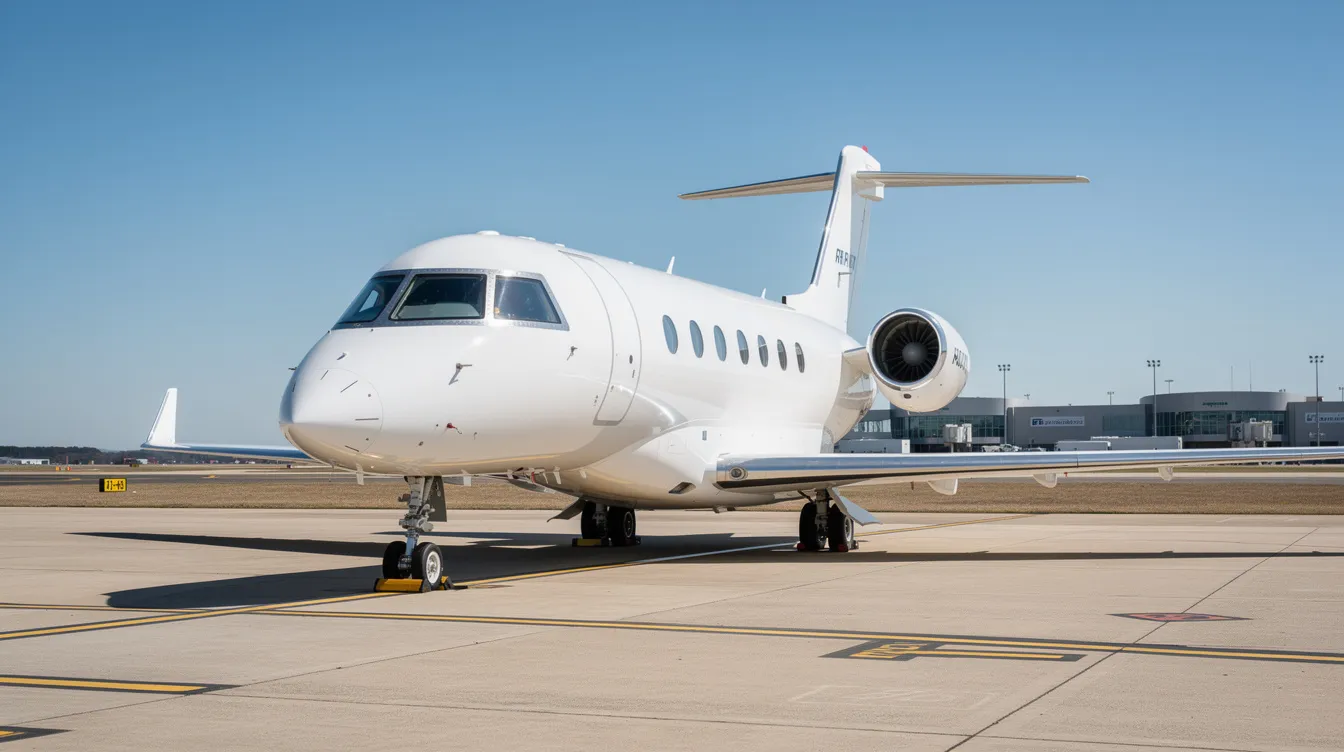
So, how much does an airplane actually cost? Here are concrete 2026 examples across the market:
Used Cessna 172: ~$80,000–$250,000 depending on avionics upgrades and engine time
New Pilatus PC-12 NGX turboprop: ~$6–7 million
New Embraer Phenom 300E light jet: ~$10–11 million
New Gulfstream G700 large-cabin jet: ~$75–80+ million
Features such as single-engine versus multi-engine configurations, advanced avionics, cockpit technology, and cabin size significantly impact airplane price, performance, safety, and suitability for uses like personal recreation or business travel. Safety enhancements, including upgraded avionics and autopilot systems, can also increase value and operational reliability. General aviation airplanes can range in price from $100,000 to $1 million, with small single-engine airplanes typically costing between $100,000 and $300,000 for new models.
The initial purchase price, however, tells only part of the story. Ongoing costs—including crew salaries, fuel, hangar fees, maintenance, aircraft insurance, and taxes—often equal or exceed the annualized capital cost. Fuel costs are one of the most significant ongoing expenses in aircraft ownership, often accounting for as much as 70 percent of variable operational costs. Maintenance costs for small aircraft can range from 10 to 45 percent of the total yearly operating expenses, depending on the type and class of the aircraft. Annual inspection costs for small aircraft typically range from $750 to $2,000, with higher costs for specialized planes such as those with retractable landing gear. Many owners discover that operational expenses consume 8–25% of hull value annually (the appraised value of the aircraft itself, excluding operational costs). Airplane prices are primarily driven by age, maintenance history, engine hours—including total airframe flight time, which significantly affects depreciation—avionics upgrades, and market demand. Market demand for specific aircraft models can greatly increase prices, while economic downturns can reduce them. Today’s aircraft marketplace makes it easy to search for available listings and complete a sale, with extensive resources for both buyers and sellers. These platforms help owners sell their aircraft by providing affordable listing options and high-quality exposure to potential buyers.
This reality is precisely why BlackJet Fractional Jet Ownership exists. For clients who need regular private jet access (typically 25–150 hours per year) but don’t want to tie up $5–30 million in a depreciating asset (the reduction in value of the aircraft over time due to age, usage, and market factors), the cost of fractional jet ownership (a model where multiple owners purchase shares of an aircraft and share usage and costs) often compares favorably to full ownership or ad-hoc charter.
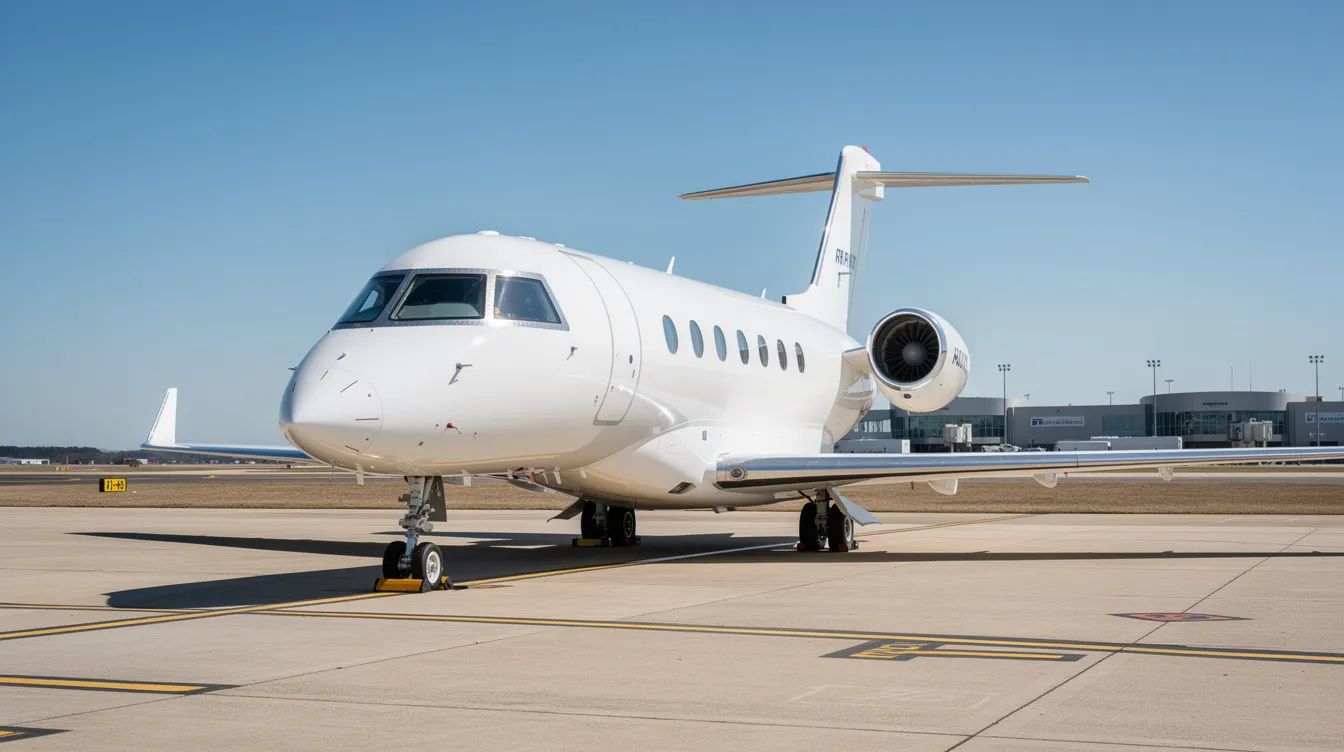
Size, range, mission profile, and features such as engine type (single-engine vs. multi-engine), avionics, and cabin configuration are the primary factors driving airplane price and suitability for different uses, whether for personal recreation or business travel. Here’s how the 2026 market breaks down by category:
Used Schweizer glider or new composite self-launch sailplane
Used 1978 Cessna 172: ~$120,000
New Cirrus SR22 G7: ~$900,000+
Used King Air B200: ~$2–3 million
New Pilatus PC-12 NGX: ~$6–7 million
Used Citation Mustang: ~$2–3 million
New Embraer Phenom 300E: ~$10–11 million
New Bombardier Challenger 3500: ~$27 million
Bombardier Global 7500: ~$75 million
Gulfstream G700: ~$75–80 million
Used Embraer E175: ~$20–30 million
Boeing 737 MAX 8: historically above $120 million list
Airbus A350 and Boeing 777X: well over $300 million configured
Note that “street prices” frequently differ from list prices. OEM incentives and negotiation can shave 20–50% off published figures, especially for new jets. Market cycles can also impact aircraft pricing, with low-demand periods typically prompting manufacturers to offer steeper discounts. For used aircraft, prices are highly dependent on engine time, avionics upgrades, and airframe condition. Light business jets typically list from $3 million to $12 million, and small private jets like the Phenom 300 or Cessna Citation Mustang can cost between $3 million and $25 million or more. High-net-worth travelers and corporations rarely need full airliners—turboprops, light jets, and large-cabin aircraft (or fractional access to them) typically serve their needs.
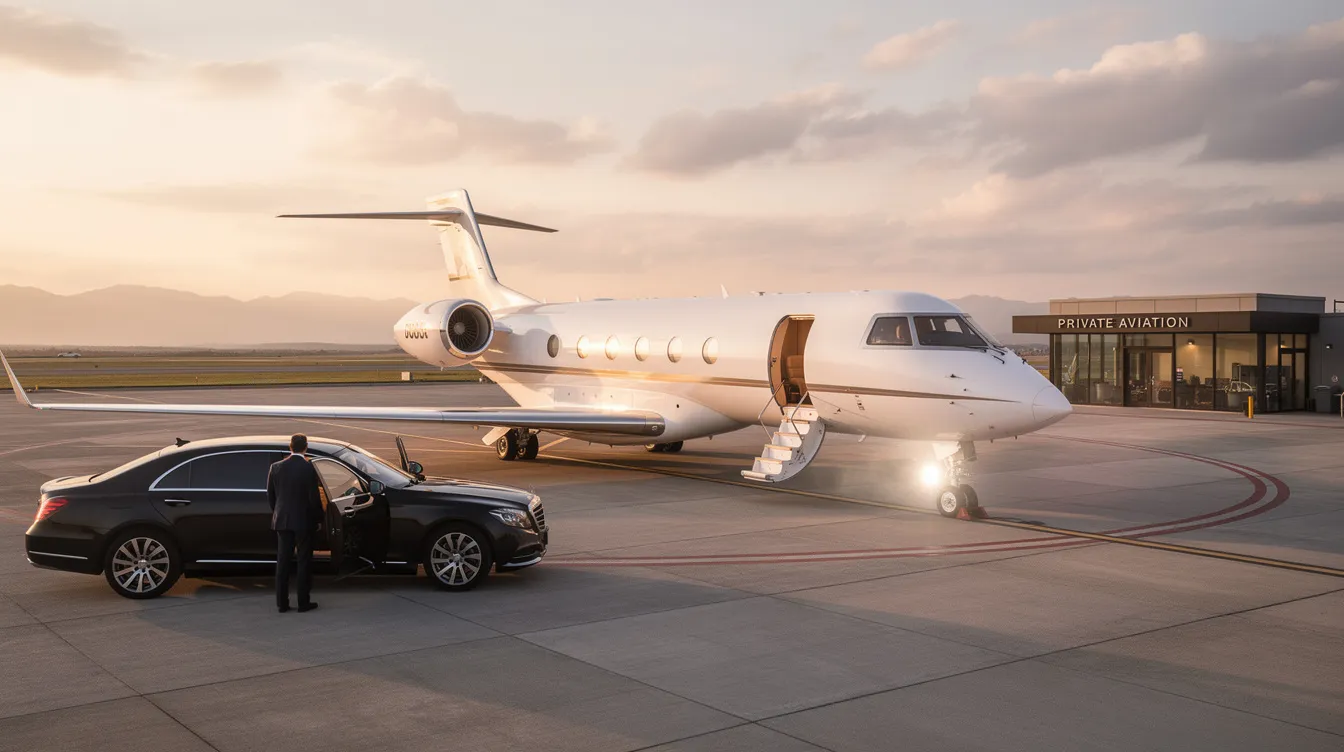
Purchasing an airplane resembles buying a building: acquisition is a one-time event, but operations and upkeep continue indefinitely and often exceed annualized financing costs. Understanding the total cost of fractional jet ownership alongside whole ownership is essential when comparing options.
Typical average annual ownership cost as a percentage of aircraft value:
Small piston aircraft: 8–15% of hull value per year
Turboprops & light jets: 10–18% per year
Large long-range jets: 15–25% per year, depending on utilization
Cost Category | Annual Amount |
|---|---|
Depreciation/capital cost (15-20 year life) (depreciation: the reduction in value of the aircraft over time due to age, usage, and market factors) | $500,000–$700,000 |
Operating costs (crew, hangar, maintenance, insurance, fuel at 250-300 hours) | $700,000–$1,000,000 |
Total annual cost | $1.2–$1.7 million |
The critical factor is utilization. Flying only 50–100 hours annually makes the cost per flight hour extremely high because fixed costs are spread over fewer trips. This is where fractional jet ownership (a model where multiple owners purchase shares of an aircraft and share usage and costs) becomes economical—BlackJet structures programs so clients pay only for the aircraft portion and hours they actually use, avoiding the inefficiencies that plague underutilized whole ownership.
Beyond the airplane price itself, prospective aircraft owners must budget for several recurring cost categories. Thorough research and careful decision-making are crucial steps when considering aircraft ownership, as evaluating all factors and costs ensures a well-informed choice. Obtaining proper insurance and certifications is also a key part of the ownership process, helping to secure legal protection and potentially lower premiums. Additionally, aircraft are assembled in low volumes with high labor costs, specialized materials, and strict regulatory certification costs, all of which contribute to the overall expense. This checklist covers the essentials:
For many buyers, especially those considering shares rather than whole aircraft, fractional jet ownership financing structures how much capital is required upfront and how costs are spread over time.
Cash purchases eliminate interest but create opportunity costs.
Typical U.S. business aircraft loans: 10–15 year amortization, variable or fixed rates based on credit score, intended aircraft use, and condition. Interest rates for loans to finance a small plane vary accordingly. When you finance an aircraft, lenders typically require a down payment of 10% to 20% of the purchase price. The total cost of financing an aircraft includes not only principal and interest payments but also additional costs such as insurance, maintenance, and storage fees.
Corporate buyers often consider lease structures for balance-sheet flexibility.
2026 Jet-A: $5–8 per gallon at most FBOs
Avgas: $6–9 per gallon
Fuel costs are often the largest variable operational expense, accounting for as much as 70 percent of these costs.
Annual fuel budget for 150–200 hours on a light jet: $150,000–$250,000
Maintenance costs for small aircraft can range from 10 to 45 percent of the total yearly operating expenses, depending on the type and class of the aircraft.
Annual inspections for small pistons: $750–$2,000, with higher costs for specialized planes such as those with retractable landing gear.
Turbine major inspections and engine overhauls: hundreds of thousands per cycle
Engine programs (power-by-the-hour) stabilize costs at $600–$1,000 per flight hour, but don’t reduce overall cost
In addition to salaries, owners should consider the value of programs that provide highly trained fractional jet pilots and crews as part of a managed service, reducing direct HR and training burdens.
Captain salary (midsize jet): $130,000–$200,000 annually
First officer: $80,000–$140,000
Additional costs for undergoing regular training, currency checks, and travel per diem: $20,000–$50,000
Monthly hangar space rates: $600–$1,500 for small piston aircraft; $2,000–$8,000+ for business jets
Tie-down space fees are cheaper but expose aircraft to weather conditions
Storage costs can add up significantly over the course of a year, impacting the total cost of ownership.
Ongoing costs of owning a small single-engine aircraft can average between $8,000 and $12,000 each year, including expenses for hangar space, fuel, insurance, maintenance, and specialized liability coverage in shared-ownership structures.
De-icing adds 20% in northern climates
Hull coverage typically 1.2–1.8% of value for proficient pilots
Business jets often see annual premiums in mid-five to low-six figures
Premiums rise based on pilot experience, international operations, and usage profile
Aircraft insurance premiums are also influenced by factors such as the age of the aircraft, the number of flight hours, and the storage method (tie-down vs. hangar)
Obtaining more certifications and additional training can help reduce insurance premiums by demonstrating greater qualifications and risk mitigation to insurers
FAA registration: $5 every three years (state fees vary)
Navdata subscriptions (Garmin, Jeppesen): several thousand dollars annually
ADS-B compliance and avionics upgrades as required
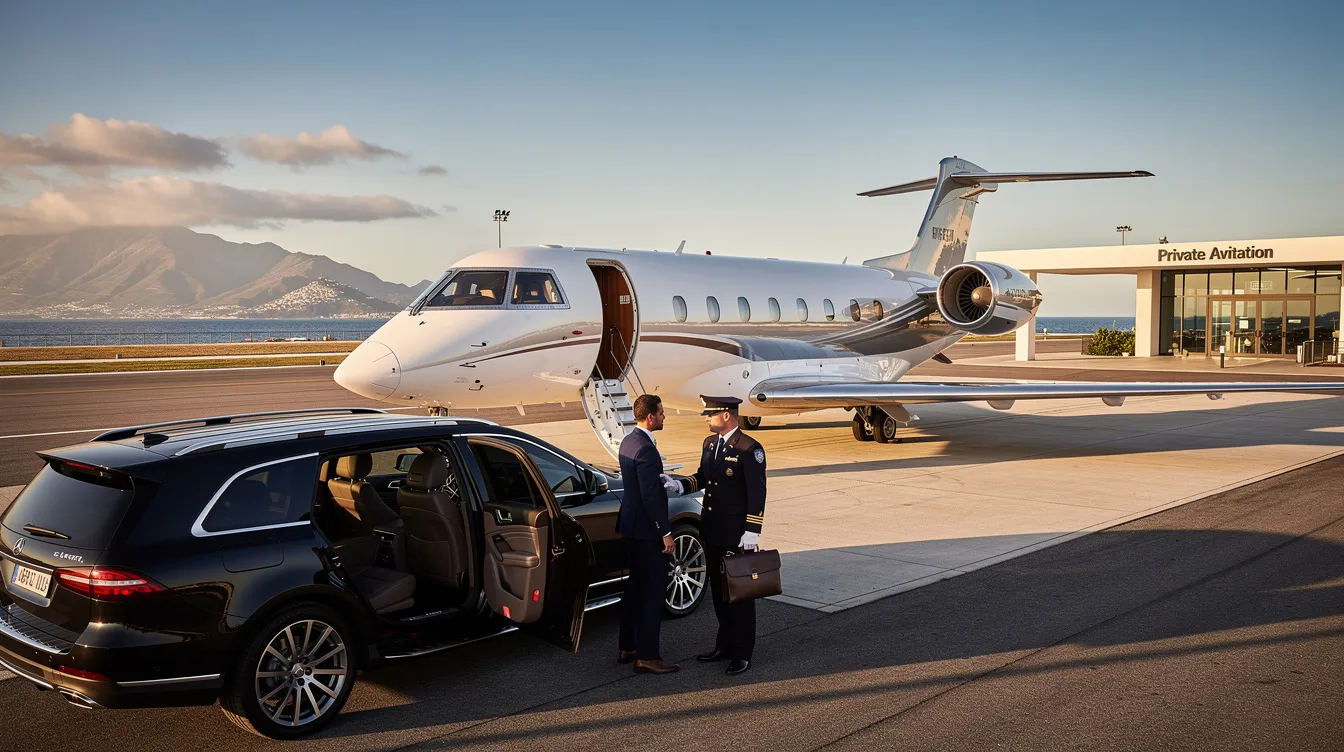
Hourly cost provides the most intuitive comparison across ownership models. These 2026 estimates assume realistic utilization with all expenses included:
Aircraft Type | Cost Per Flight Hour |
|---|---|
Single-engine piston (Cessna 172) | $150–$300 |
Turboprop (PC-12, King Air 250) | $1,200–$2,000 |
Light jet (Phenom 300, Citation CJ3+) | $2,000–$3,500 |
Super-midsize jet (Challenger 3500) | $3,500–$5,000 |
Large cabin long-range (G650/700, Global 7500) | $6,000–$10,000+ |
Under-utilization dramatically inflates these figures. Flying only 50 hours annually in a jet sized for 400 hours can push the effective hourly cost 50–100% higher because fixed overhead (crew, hangar, insurance) spreads across fewer trips.
Aircraft Type | Charter Cost Per Hour |
|---|---|
Light jet | $3,500–$5,000 |
Super-midsize | $6,000–$9,000 |
Large cabin | $9,000–$14,000+ |
Fractional jet ownership and reserve-style membership programs let clients “buy” only 25–150 hours at predictable hourly rates, avoiding the fixed overhead entirely.
The central decision for many high-net-worth individuals and corporate flight departments: own outright, charter on demand, use jet card programs, or pursue fractional jet ownership—a choice made easier when you understand key fractional jet ownership terms and definitions.
Best for 300–400+ aircraft hours annually with a specific schedule and cabin needs
Highest capital commitment and management complexity
Maximum control over branding, cabin layout, and availability
Full exposure to residual value risk and depreciation
Works well for under 25–30 hours per year
Pricing is volatile during peak periods; aircraft type varies by trip
No equity, no tax depreciation benefits, limited availability guarantees
Prepaid structures with locked hourly rates and guaranteed access
Stronger than an ad-hoc charter for 25–75 hours, but without ownership benefits
Generally, no asset to depreciate
Many programs are structured around specific share sizes—for example, 1/8 fractional jet ownership providing around 100 hours per year—so matching share size to your mission profile is crucial.
Purchase a share (1/16, 1/8, 1/4) equating to defined annual flight hours, typically documented in a detailed aircraft fractional ownership contract
Access to a managed fleet, not just one tail number
Predictable monthly management fees plus occupied hourly rates governed by specific fractional ownership contract terms
Maintenance, crew, hangar, and scheduling are handled by the provider
Potential U.S. tax advantages, including accelerated depreciation (consult advisor); understanding tax implications for fractional jet owners is essential before committing capital
Equity Fleet: True fractional ownership with potential tax benefits and priority access
Reserve Fleet: Membership-style access without asset ownership, ideal if you’ve compared fractional ownership vs membership programs and prioritize flexibility over equity
Both models serve clients flying 25–150 hours annually who want business-jet reliability without paying for unused capacity, aligning with many of the investment benefits and considerations of fractional jet ownership.
Consider a U.S.-based executive flying 50–120 private hours annually between New York, Miami, Dallas, and Los Angeles. Should they purchase a light jet or enter a fractional program?
Under ~200 hours/year: whole ownership hard to justify unless branding or security imperatives exist
25–150 hours/year: classic sweet spot for fractional ownership
Under ~25 hours/year: charter or jet cards may be more economical
Model | Estimated Annual Cost |
|---|---|
Owning a $7M light jet outright | $1.4–$1.8 million (capital + ops) |
Fractional 100-hour share | $1.0–$1.5 million (management + hourly) |
Beyond money, fractional reduces administrative burden—no need to hire pilots, manage maintenance, or negotiate hangar contracts. Many owners also gain access to other aircraft sizes for different trip profiles, something impossible with single-aircraft ownership. BlackJet coordinates aircraft sourcing, management, and scheduling with transparent fee structures, while prospective and existing owners can reference insights on total fractional ownership cost structures and best practices for selling a fractional jet ownership share when planning long-term.
For U.S. business users, taxes are a critical component of airplane price analysis. Under the current 2026 tax law:
MACRS depreciation: Business aircraft typically qualify for 5-7 year schedules
Bonus depreciation: Partial first-year deductions may apply for qualifying business use
Use allocation: Deductions depend on the percentage of business versus personal recreation use
Whole aircraft owned through special-purpose entities may optimize benefits
Fractional ownership structures can allow depreciation on shares (with proper use)
Jet cards and memberships generally confer no depreciation—no asset owned
Sales and use taxes vary by location (6–10% in many states)
Registration and property taxes on aircraft apply in certain jurisdictions
Some owners base aircraft in tax-favorable states to save money
BlackJet does not provide tax, legal, or accounting advice but works closely with clients’ advisors to align aviation solutions with overall financial strategy, including evaluating top fractional jet ownership programs across the market.
Ultralights and gliders start around $15,000–$20,000. For certified general aviation aircraft, older Cessna 150s appear in featured listings at $18,000–$28,000, while flyable Cessna 172s begin around $65,000.
Used light jets like the Citation Mustang or Phenom 100 range from $2–4 million. New equivalents such as the Phenom 300E run $10–11 million.
Utilization drives the answer. Below 25 hours annually, charter typically wins. Above 200 hours, ownership becomes competitive. Between 25–150 hours, fractional often delivers the best overall cost and convenience balance.
Fractional ownership reduces capital outlay (you’re purchasing a share, not the whole aircraft), spreads residual risk across multiple owners, and eliminates direct management responsibilities.
Potentially yes—aircraft used primarily for business purposes may qualify for depreciation deductions. Consult a tax professional to account for your specific situation.
Typical economic life spans 15–30 years or 10,000–20,000 aircraft hours. Avionics upgrades every 5–10 years extend useful life and performance, and some operators use floating fleet, fractional ownership models to optimize utilization over that lifespan.
This is where fleet access through fractional programs excels. BlackJet can match trip profiles to aircraft—no single-type limitation, whether you’re based in a major hub like Atlanta, fractional jet ownership markets, western hubs such as Phoenix-focused fractional ownership options, or business centers like Pittsburgh’s regional fractional programs.
Airplane price alone doesn’t tell the full story. Lifetime cost, utilization patterns, and management complexity determine whether ownership makes financial sense. For many high-net-worth individuals and businesses flying 25–150 hours annually, fractional aircraft ownership outperforms both full ownership and ad-hoc charter in predictability and efficiency.
Working with a specialist like BlackJet Fractional Jet Ownership simplifies these complex choices. Review your last 12–24 months of travel, estimate your annual private flight hours, and bring your CFO or financial advisor into the conversation.
Ready to explore the smarter way to fly private? Visit FractionalJetOwnership.com to learn how fractional jet ownership and BlackJet’s Reserve and Equity Fleets can transform your travel experience.
