
April 26, 2026
Business jet flights offer executives and business owners a smarter, more efficient way to travel compared to commercial airlines. This guide is designed for executives, business owners, and frequent business travelers seeking to maximize productivity and efficiency through private aviation. We cover the costs, scheduling options, tax benefits, and access models that make business jet flights a compelling alternative to commercial travel.
For decision-makers who value time savings, productivity, and flexibility, understanding the landscape of business jet flights is essential. This article explores how fractional jet ownership and structured access programs, supported by a global network of private aviation services, make private aviation practical for frequent travelers. We focus on costs, scheduling, tax considerations, and the two core solutions offered by BlackJet Fractional Jet Ownership.
Business jet flights, or private aviation, provide on-demand air travel services, allowing passengers to avoid public terminals and fly on their own schedule. Private jets are categorized into several types based on size and range, including light jets, midsize jets, heavy jets, and ultra-long-range jets, each designed for different travel needs and distances. Light jets typically accommodate 4 to 8 passengers and are ideal for short to medium-haul flights, with a range of up to 1,500 miles before needing to refuel. Heavy jets are designed for long-distance travel, often carrying more passengers and luggage, with an average range of about 7,000 miles, making them suitable for international flights.
Consider an executive based in New York who flies to Dallas twice weekly for operations oversight. On a commercial airline, that journey typically consumes 5–6 hours door-to-door: ground transport to a crowded hub, long security lines, boarding delays, and a connection through a congested airport. On a private jet flight, the same trip takes approximately 3 hours—departing from a private terminal like Teterboro, arriving just 15–30 minutes before wheels-up, and bypassing TSA lines for direct access to the aircraft, then landing directly at a Dallas-area airport minutes from the final meeting.
That time difference—multiplied across 50 or 100 trips per year—translates into hundreds of recovered hours for strategic work, client relationships, or personal priorities. Travelers on private jets can typically save an average of two hours per flight compared to commercial airline travel.
Commercial (NYC to Dallas): ~5–6 hours door-to-door, including security, boarding, and potential connections
Business jet (NYC to Dallas): ~3 hours total, including ground transport and minimal terminal wait
Private jets can save travelers 90–180 minutes on many business routes due to expedited check-in, direct access to smaller airports, and flexible routing
BlackJet Fractional Jet Ownership is a U.S.-based fractional aircraft ownership and shared-use program designed specifically for travelers logging 25–150 flight hours annually. While BlackJet serves global routes through partner aircraft, its core focus remains on predictable, efficient business jet flights for executives and corporate teams who need reliability without the complexity of full ownership. Business jet flights are also popular for leisure travel, helping travelers maximize their leisure time by avoiding commercial airline hassles and enjoying a more comfortable, relaxing journey.
How business jet flights operate and typical costs by aircraft category
The differences between charter, jet cards, and fractional ownership
BlackJet’s Equity Fleet and Reserve Fleet programs
Tax benefits available to qualifying U.S. businesses
Scheduling guarantees and operational flexibility
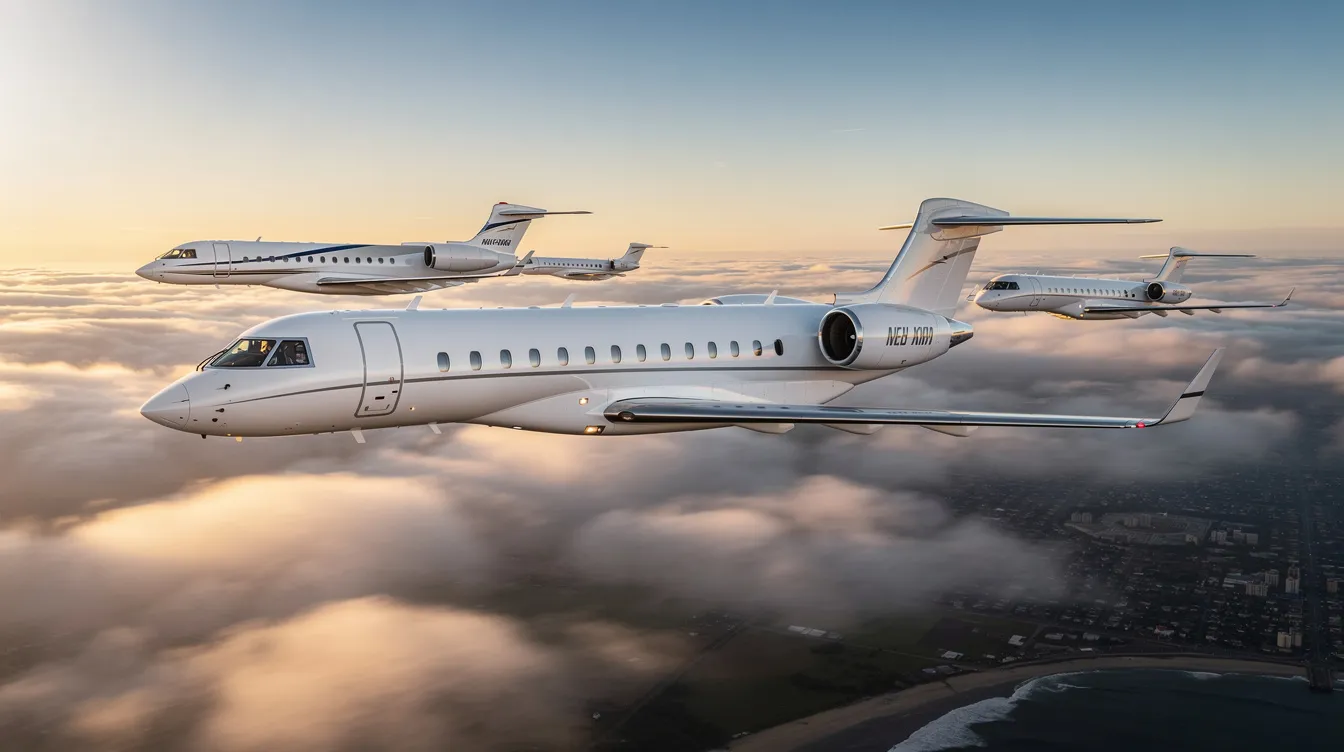
Modern business jets range from light jets like the Cessna Citation CJ series to large-cabin aircraft such as the Gulfstream G650 or Bombardier Global series. Typical cruise speeds fall between 400 and 590 mph, depending on aircraft size, enabling nonstop travel across most U.S. city pairs in 2–4 hours. A short 40-minute flight in a small plane could cost around $2,800, while a 1.5-hour flight in a midsize jet will be closer to $34,500.
The journey flow differs significantly from commercial flights and highlights the advantages of charter flights, which offer flexible routing and personalized service tailored to your needs—especially once you understand key fractional jet ownership terms and concepts:
Arrival at a private terminal (FBO): Instead of navigating crowded airports, travelers arrive at a fixed-base operator facility—often located at smaller airports closer to final destinations, with a variety of planes available, including small planes ideal for short regional trips.
Minimal wait time: Passengers typically arrive 15–30 minutes before departure, with no security lines or boarding queues.
Direct boarding: Walk from a chauffeured vehicle directly to the aircraft, with luggage handled by ground staff.
Point-to-point routing: Fly direct to over 5,000 U.S. airports, including regional fields that commercial airlines cannot serve, thanks to flexible routing options.
Popular U.S. City Pairs and Flight Times:
New York (Teterboro) to Miami: ~2.5 hours in a midsize jet
Los Angeles (Van Nuys) to San Francisco: ~1.5 hours in a light jet
Chicago (DuPage) to Dallas: ~2.5 hours in a super midsize aircraft
These are among the most popular routes for business jet travelers, frequently booked for their convenience and efficiency.
Booking a private jet typically involves four main steps:
Define your trip details.
Select the right aircraft or plane.
Verify safety credentials.
Finalize the booking.
For fractional owners and program members, aircraft operations remain invisible. The management company—in this case, BlackJet Fractional Jet Ownership—handles maintenance, pilot staffing, insurance, and scheduling, supported by highly trained pilots and cabin crews focused on safety and service. Clients simply book flights and arrive at the private terminal. BlackJet guarantees availability to its Equity and Reserve Fleet clients, ensuring aircraft access even during peak travel periods.
Business jet flights deliver value that extends beyond cabin comfort. For executives and corporate travel teams, the primary benefits center on time sovereignty, operational flexibility, and access to destinations that commercial airlines overlook, making private travel a preferred choice for those seeking luxury, efficiency, and exclusivity.
Executives typically save 2–4 hours per round-trip compared to commercial options.
A New York–Atlanta day-return itinerary might involve a 7 AM departure from Teterboro and an 8 PM return—impossible via hub-and-spoke commercial flights without an overnight stay.
Business jets reach over 5,000 U.S. airports, compared to roughly 500 served by commercial airlines.
This means direct access to manufacturing plants, regional offices, and client sites without ground transit from distant hubs.
Private travel provides access to more airports and enables informed decisions by allowing executives to optimize their schedules and select the most efficient routes.
Board-level conversations, M&A strategy sessions, and confidential client calls happen without concern for adjacent passengers or public spaces.
Private jet cabins can provide a secure environment suitable for confidential discussions and are often equipped with high-speed Wi-Fi and workstations.
Visit Dallas, Houston, and Austin in a single day for a roadshow or site visits—an itinerary that would require multiple overnights commercially.
Same-day travel to meetings preserves personal time and reduces lodging costs.
Quiet cabins, reliable Wi-Fi, and work-ready environments enable executives to prepare, review, or rest en route.
Providers are focused on providing access to a wide range of destinations and aircraft, supporting both business and leisure needs.
The focus remains on control and efficiency. Business travelers choose private aviation to shape schedules around business needs—not airline timetables. While the upfront cost of private jet travel may be higher, businesses often justify it by calculating the return on investment based on saved time and enhanced productivity.
Business jet flights can be accessed through several models, each suited to different usage patterns and financial preferences, and supported by an international network that provides access to private jet services around the world.
Private jet charter is best for travelers flying fewer than 25 hours annually.
Variable pricing based on aircraft availability, fuel costs, and positioning requirements.
Less predictable availability during peak periods (holidays, major events).
No long-term commitment but a limited relationship with operators.
Offers flexible, on-demand access to a wide range of aircraft.
Jet cards are a popular form of private jet membership, providing clients with a set number of prepaid hours (typically 25–50 hours) at fixed hourly rates.
May include blackout dates during high-demand periods.
Simpler than a charter for moderate users, but requires upfront capital.
Less flexibility on aircraft types compared to fractional programs.
Jet cards offer convenience and cost predictability for private jet flights.
Clients purchase a share (e.g., 1/16 for 50 hours/year or 1/8 for 100 hours) of a specific aircraft type.
Guaranteed access with pro-rata ownership rights and residual value at term end.
The management company handles all operations, maintenance, and crew.
Ideal for 25–150 hours annually with predictable routes.
Private jet memberships offer flexible access to a range of aircraft without the long-term commitment associated with ownership.
Suit organizations flying 300+ hours per year.
Requires an in-house flight department or management contract.
Highest capital commitment ($20–70 million acquisition plus $1–3 million annual fixed costs).
Maximum control but maximum operational burden.
Membership programs in private aviation often include benefits such as guaranteed availability, concierge services, and access to exclusive aircraft, enhancing the overall travel experience.
BlackJet Fractional Jet Ownership specializes in fractional aircraft ownership and structured shared-use access—not ad-hoc charter. This positions the company between occasional charter users and organizations ready to operate their own aircraft, leveraging an international network to provide seamless private jet access across the world and three core programs that allow you to compare fractional and membership-style access options.
10–25 hours/year: On-demand charter or occasional jet card
25–150 hours/year: Fractional ownership or Reserve Fleet membership
300+ hours/year: Consider full aircraft ownership or dedicated fleet
BlackJet Fractional Jet Ownership operates as a focused alternative to large operators like NetJets, Flexjet, and Wheels Up. Designed for U.S.-based business travelers with international needs, BlackJet emphasizes transparent pricing, guaranteed availability, and personalized service tailored to frequent flyers.
The company offers two primary programs: Equity Fleet (fractional ownership) and Reserve Fleet (pay-as-you-go shared-use access). Both provide scheduled business jet flights with aircraft management, crew, and operations handled entirely by BlackJet. Every private jet flight is operated by FAA Part 135 certified providers who meet or exceed industry-leading safety standards.
BlackJet’s aviation experts provide personalized support, ensuring that all crew members are properly trained and certified, with safety as a top priority.
Whether a client seeks the tax benefits and equity position of fractional ownership or the flexibility of a membership-style program, BlackJet structures solutions around actual flying patterns rather than forcing travelers into rigid commitments.
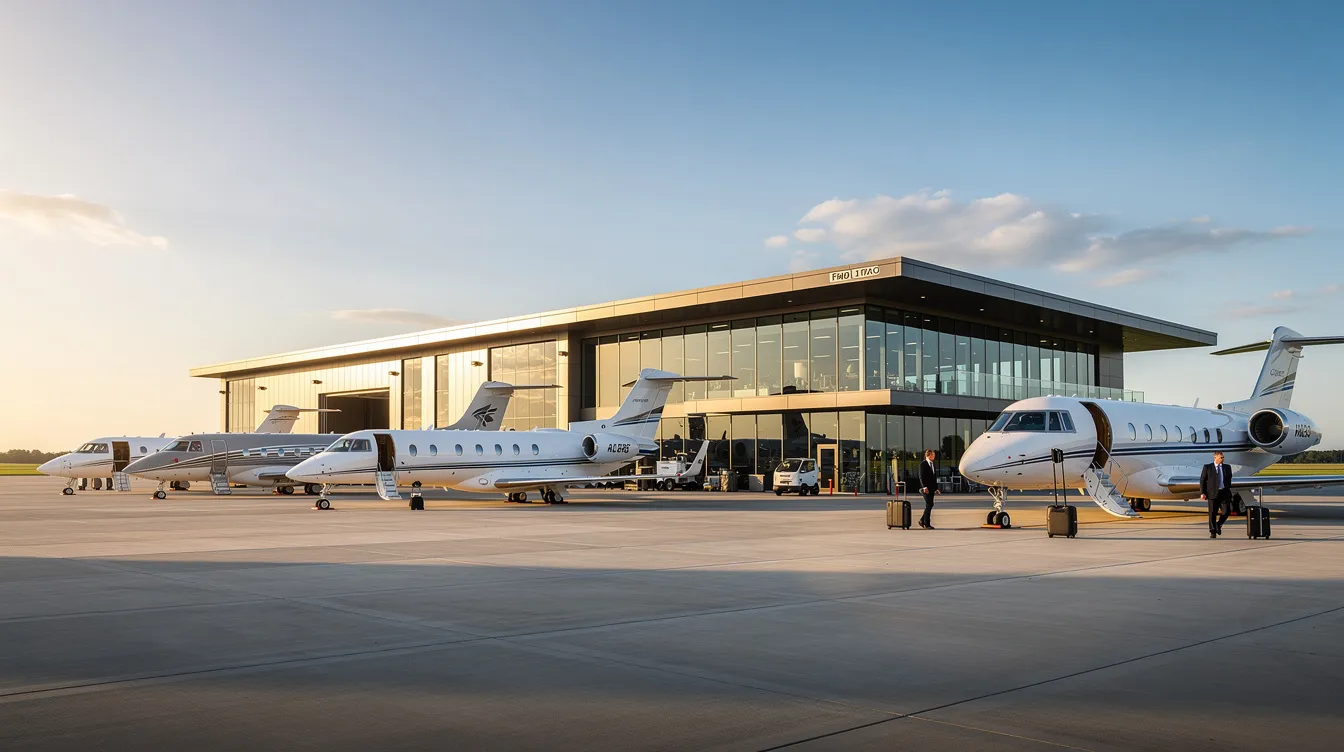
The Equity Fleet represents true fractional jet ownership. Clients purchase an equity share—typically 1/8, 1/16, or 1/32—of a specific aircraft type such as a Challenger 350 or Embraer Praetor 500. For many frequent travelers, a 1/8 fractional jet ownership share provides roughly 100 hours of annual access. This ownership typically supports 50–150 flight hours per year and is structured over a 3–5 year term, consistent with common U.S. fractional frameworks.
Priority access: Guaranteed availability on your owned aircraft type, with backup fleet access when the primary tail is scheduled.
Predictable rates: Occupied hourly costs locked at program entry, reducing exposure to market volatility.
Tax advantages: U.S. businesses may qualify for bonus depreciation under Section 168(k) when business use exceeds 50%—consult a CPA for current 2026 IRS guidance.
Residual value: At term end, owners receive proceeds from the sale of their share, offsetting net cost of ownership.
Equity Fleet suits companies with recurring routes—weekly New York–Chicago runs, monthly Dallas–Denver visits—who want board-approved, dependable aircraft access without managing flight operations internally.
The Reserve Fleet provides shared-use access to a curated selection of business jets without capital investment or depreciation exposure. Clients commit to an expected usage band (e.g., 25–75 hours per year) but pay only for hours flown, with guaranteed availability subject to reasonable booking windows.
No aircraft financing: Avoid the capital outlay and financing complexity of fractional shares.
Reduced long-term commitment: Adjust usage levels annually based on actual travel needs.
All-in hourly transparency: Pricing includes standard catering, Wi-Fi, and operational costs—no surprise surcharges.
Aircraft flexibility: Access multiple aircraft sizes as trip requirements change, from light jets for regional hops to large-cabin jets for transcontinental flights.
Law firms with variable litigation travel
Private equity groups are conducting due diligence across regions
Consulting teams supporting clients in multiple markets
Family offices with seasonal travel patterns
Reserve Fleet functions as an alternative to traditional jet cards, with closer alignment to actual flying rather than large prepayments that may expire or require renewal negotiations.
Understanding flight cost starts with aircraft type and program structure. Business jet flights are priced primarily by hourly operating rates, which vary significantly based on aircraft size, range, and cabin configuration. For those seeking the ultimate in luxury and executive travel, VIP airliners are also available as a premium option.
Aircraft Category | Hourly Rate Range | Typical Range | Passengers |
|---|---|---|---|
Light jets | $3,000–$4,500 | 1,500–2,000 nm | 4–8 (typically accommodate 4 to 8 passengers; ideal for short to medium-haul flights, with a range of up to 1,500 miles before needing to refuel) |
Midsize jets | $4,500–$6,500 | 2,000+ nm | 8–10 |
Super midsize | $6,500–$8,500 | 3,400–3,600 nm | 8–10 |
Large-cabin/Heavy jets | $8,500–$12,000+ | 6,000+ nm | 10–18 (designed for long-distance travel, often carrying more passengers and luggage, with an average range of about 7,000 miles, making them suitable for international flights) |
VIP airliners | Varies | Intercontinental | Up to 50+ |
These figures represent industry averages and vary by operator, fuel costs, and specific aircraft configured for different missions.
Initial share acquisition: Upfront capital for equity position (e.g., $500K–$2M for 1/16 midsize share)
Monthly management fees: Typically $10,000–$20,000 covering crew, insurance, hangar, and administration
Occupied hourly rate: Per-flight-hour charge when the aircraft is in use (often 20–30% below charter rates)
No capital outlay or depreciation exposure
All-in hourly rates are slightly higher than fractional occupied rates
Flexibility to scale usage without renegotiating share terms
Charter estimate: ~$10,000–$12,000
Fractional occupied rate: ~$8,500 (plus amortized share cost)
Reserve Fleet/membership: ~$9,500 all-in
BlackJet provides transparent pricing upfront. Standard catering, Wi-Fi connectivity, and normal deicing within policy limits are included—eliminating the surprise surcharges common in some charter and jet card programs.
Many U.S. businesses approach fractional jet ownership as part of a broader tax and capital allocation strategy. When structured correctly, aircraft shares may qualify for accelerated depreciation treatment that reduces current-year taxable income.
Under Section 168(k), businesses may claim bonus depreciation on qualifying assets—including fractional aircraft shares—when business use exceeds 50%
This allows companies to shift a portion of travel costs from variable operating expenses toward capital investment
At term end, owners receive residual value from the share sale, which may partially offset depreciation recapture
A mid-market manufacturing company based in the Southeast logs approximately 100 flight hours annually visiting plants, suppliers, and customers. With 80% business use documented, the CFO works with a CPA to apply bonus depreciation against taxable income in the acquisition year. Over a 5-year term, the company benefits from predictable aircraft access while treating travel as a depreciable asset rather than pure operating expense.
Tax rules under Section 168(k) have been phasing down and may change after 2025—consult a tax advisor for current 2026 guidance
State-level rules vary and may affect net benefit calculations
Documentation of business use is essential for audit protection
BlackJet Fractional Jet Ownership does not provide tax or legal advice. Clients should engage their CPA or tax counsel to evaluate specific circumstances and ensure compliance with current IRS requirements.
Predictable aircraft access separates fractional programs from ad-hoc chartering. For executives with back-to-back commitments across multiple cities, guaranteed availability transforms how travel integrates with business operations, particularly in structures that leverage a floating fleet fractional ownership model.
Standard U.S. domestic trips: 24–48 hours' advance notice
Peak periods and holidays: Longer lead times recommended
Transatlantic or international flights: 7–14 days for optimal routing and crew positioning
Fractional owners have priority access to their owned aircraft type
When the primary tail is unavailable (scheduled maintenance, other owner flights), backup aircraft of equivalent category are provided
BlackJet maintains fleet depth to ensure coverage during high-demand periods
Early departures and late returns: Schedule 6 AM outbound and 10 PM return flights that airlines don’t offer
Multi-leg same-day itineraries: Conduct a Texas roadshow hitting Dallas, Houston, and Austin in a single day
Last-minute changes: Adjust departure times, add passengers, or change destinations with reasonable notice
Seamless travel coordination: Ground transport, catering preferences, and special equipment needs handled by the scheduling team. BlackJet’s global network ensures seamless travel for clients across the United States and around the world.
BlackJet’s 24/7 support team coordinates aircraft positioning, crew duty limits, weather conditions adjustments, and ground logistics. Clients communicate flight details through a dedicated concierge rather than navigating multiple vendors.
Some organizations consider purchasing an entire aircraft, while others default to commercial business or first class. Both approaches have legitimate applications—but neither fits the 25–150 hour traveler profile as efficiently as fractional ownership.
Capital commitment: Full ownership requires a $20–70 million acquisition plus $1–3 million annual fixed costs; fractional shares start at $500K–$2M
Operational complexity: Owners must manage pilots, maintenance, insurance, and hangar—or pay a management company; fractional programs include all operations
Utilization efficiency: Unless flying 300+ hours annually, a fully owned aircraft sits idle most of the year while fixed costs accumulate
Consider a New York–Los Angeles route:
Commercial first class: 5.5-hour nonstop flight, but 8–10 hours door-to-door, including airport transit, security, and boarding
Business jet flight: 4.5–5 hours flight time, ~6 hours door-to-door with private terminal access and direct routing to Van Nuys or Santa Monica
The difference widens on routes requiring connections. A Newark–Austin commercial itinerary might involve a Dallas connection, adding 3–4 hours; a private jet flight covers the distance directly in approximately 3.5 hours.
Under 25 hours/year: Charter or occasional jet card—cost-effective travel without commitment
25–150 hours/year: Fractional ownership or Reserve Fleet—balance of access, efficiency, and capital management
300+ hours/year: Full ownership may become economically justified for organizations with in-house operations capability
For corporate travel decision-makers, the question isn’t whether private aviation offers all the benefits—it’s which access model delivers the right balance of control, cost, and convenience.
The following scenarios illustrate how different segments leverage business jet flights to support operations, client service, and competitive positioning.

A Chicago-based PE firm manages portfolio companies across the Midwest—Milwaukee, Kansas City, Des Moines, and Omaha. Using light jets and midsize jets through BlackJet’s Reserve Fleet, the deal team conducts site visits that would require multiple commercial connections and overnights. A single-day trip covering two portfolio companies saves 6+ hours versus commercial routing and enables same-day debriefs back in Chicago, with similar time efficiencies available on fractional jet ownership flights serving Atlanta and the Southeast.
Time savings: 4–6 hours per trip
Access: Regional airports near manufacturing facilities
Confidentiality: Due diligence discussions remain private
A San Francisco software company launches products across Austin, Seattle, and New York. Executives use super midsize jets to chain investor meetings and customer briefings across time zones. The ability to depart the SFO area at 6 AM, meet in Austin by noon, and arrive in New York by evening enables launch schedules that competitors can’t match, especially when supported by fractional jet ownership solutions based in Austin.
Flexibility: Adjust itineraries as customer priorities shift
Productivity: Work sessions between cities
Talent retention: Senior leaders spend nights at home rather than hotels
A third-generation manufacturing business operates plants in Atlanta, Greenville, and several smaller Southeastern markets. Using light jets, the ownership group accesses airports within 15 minutes of each facility—fields that no direct air carrier serves commercially—similar to how fractional jet ownership programs in Orlando unlock convenient access to regional airports across Florida.
Direct access: Smaller airports closer to plants
Efficiency: Monthly board meetings across locations without overnight travel
Legacy: Family members across markets stay connected operationally
For transatlantic and Latin American routes, BlackJet coordinates large-cabin partner aircraft. A Newark–London flight on a Gulfstream G650 or equivalent covers 3,400 miles in approximately 7 hours, with productivity zones configured for work, rest, or conference calls. Similar long-range benefits apply to travelers leveraging fractional jet ownership solutions out of Pittsburgh for both domestic and international missions.
Fractional programs typically make financial and operational sense for travelers logging 25–150 flight hours annually. Below 25 hours, on-demand charter or jet cards often prove more cost-effective. Above 200–300 hours, full ownership or a dedicated management arrangement may warrant consideration, and a detailed look at the total cost of fractional jet ownership can clarify where the break-even points lie.
Standard domestic trips within the United States require 24–48 hours' notice. Peak periods, holidays, and international flights benefit from a 7–14-day lead time for optimal aircraft positioning and crew scheduling, and understanding the total cost structure of your fractional ownership helps align booking habits with budget expectations.
Yes. Business jets routinely accommodate pets in the cabin rather than cargo holds. Equipment requiring special handling—medical devices, presentation materials, sensitive electronics—can be secured in cargo areas or cabin space, depending on aircraft size, subject to stipulations that are typically outlined in your fractional aircraft ownership contract terms.
BlackJet works exclusively with operators meeting or exceeding FAA Part 135 and Part 91K regulations. Many operators undergo third-party safety audits through organizations like ARGUS or WYVERN, providing additional verification beyond regulatory minimums, and these standards are upheld by rigorously vetted pilots and professional flight crews.
BlackJet includes standard catering and Wi-Fi connectivity within program pricing—no surprise surcharges. Ground transport coordination is available through the scheduling team upon request, with billing transparency provided upfront.
Fractional programs include backup aircraft guarantees. If your owned aircraft type is scheduled for maintenance or another owner’s flight, an equivalent category aircraft is provided to ensure your trip proceeds as planned, and clear exit paths, such as selling your fractional jet ownership share, are typically defined in the program documentation if your long-term needs change.
Business jet flights deliver measurable returns when aligned with a clear usage strategy, defined budget, and understanding of available access models. The journey from commercial travel frustration to private aviation efficiency starts with an honest assessment of current patterns and future needs.
Define annual flight hours based on historical travel and projected growth.
Map typical routes—identify which city pairs would benefit most from direct access.
Determine capital vs. operating expense preference (equity ownership vs. pay-as-you-go).
Evaluate tax implications with qualified advisors.
Compare options: current commercial, charter, and jet card costs against fractional or Reserve Fleet alternatives.
For executives currently mixing commercial premium cabins, occasional private charter, and inconsistent jet card experiences, consolidating access through a single provider often reveals both cost savings and reliability improvements, especially when you evaluate fractional ownership versus jet membership programs side by side.
BlackJet Fractional Jet Ownership offers consultations designed to review your flight history, map your most frequent routes, and design a tailored solution—whether that’s an Equity Fleet share, Reserve Fleet membership, or a combination structured around your organization’s actual flying, including options tailored to fractional jet ownership users in Phoenix and the Southwest.
Ready to explore the smarter way to fly private?
Visit FractionalJetOwnership.com to learn how fractional ownership can transform your travel experience. Request a personalized cost analysis, explore current aircraft availability, or speak directly with an aviation advisor who understands corporate travel requirements.
The right aircraft access program transforms how you and your teams move between key markets in the United States and worldwide—replacing transit time with productive time, and airline schedules with your own.
