
January 18, 2026
Leasing a private jet has become an increasingly attractive option for executives, business owners, and high-net-worth individuals seeking the advantages of private aviation without the long-term commitment of full aircraft ownership. As global business travel rebounds and commercial airlines continue to face constraints that challenge productivity, private jet leasing offers a flexible, efficient, and scalable solution.
This guide explains how private jet lease pricing works, what factors influence total cost, and how leasing compares to alternatives such as charter, jet cards, and fractional jet ownership. The goal is clarity—helping decision-makers understand real costs, trade-offs, and scenarios where leasing makes sense within the broader private aviation landscape in the United States and globally.
Leasing a private jet provides access to private aviation with fewer financial and operational responsibilities than owning an aircraft outright. Instead of purchasing a jet—often requiring tens of millions of dollars upfront—clients pay to use an aircraft under defined terms.
A private jet lease can be structured in several ways, ranging from short-term arrangements lasting a few days to several months, to long-term leases typically spanning one to five years. These leases allow travelers to select aircraft types that match their mission profiles, whether for regional business trips or long-range international flights.
Key advantages of private jet leasing include predictable access, elevated comfort, privacy, and schedule control. For many travelers, leasing bridges the gap between on-demand charter and ownership, offering greater consistency without the full financial burden of owning a jet.
Very Light Jets typically cost between $75,000 and $150,000 per month to lease, midsize jets range from $150,000 to $400,000, and heavy or large jets can exceed $1 million monthly. Leasing a private jet can generally range from $1,000 to over $10,000 per flight hour based on aircraft type and usage.
The most significant driver of private jet lease cost is aircraft type. Different classes of jets are designed for different missions, and lease pricing reflects range, cabin size, operating complexity, and demand.
Light jets are typically used for short-haul regional travel and seat four to seven passengers. These aircraft generally have the lowest lease costs and operating expenses. Midsize and super midsize jets provide increased range, stand-up cabins, and improved baggage capacity, making them suitable for coast-to-coast or multi-city itineraries. Heavy jets and ultra-long-range aircraft are designed for international travel, offering spacious cabins, full galleys, and advanced avionics—but at significantly higher costs.
Larger jets tend to have higher lease rates due to increased fuel consumption, maintenance needs, and crew requirements. The reputation and services of the leasing operator can also affect costs, with well-known leasing companies often charging more for their premium service and guaranteed aircraft availability.
Aircraft age and condition play a role as well. Newer aircraft command higher lease rates due to modern interiors, fuel efficiency, and advanced safety systems, while older jets may be more affordable upfront but can introduce higher maintenance costs and unexpected repairs.
Understanding the cost structure of a private jet lease is essential for accurate budgeting. Lease expenses generally fall into two categories: fixed costs and variable costs.
Fixed costs include monthly lease payments, which typically range from $75,000 for light jets to over $1 million for large jets, crew salaries (dedicated pilots in private aviation earn between $100,000 and over $300,000 annually), insurance, and scheduled maintenance programs. These expenses remain relatively stable regardless of how often the aircraft is flown.
Variable costs fluctuate based on usage and include fuel costs—which can add thousands of dollars per flight hour and are highly volatile, sometimes incurring fuel surcharges—landing fees, handling charges, de-icing services during winter (ranging from $1,500 to $15,000), international permits and customs fees (from $500 to over $5,000), and overnight crew expenses.
Additional expenses may include catering costs, typically ranging from $230 to $2,000 per leg, ground transportation, and hangar fees. The Federal Excise Tax (FET) of 7.5% applies to all U.S. domestic legs in private jet leasing, and in 2026, the U.S. segment fee is $5.30 per passenger per leg.
While fixed costs provide budgeting certainty, variable costs introduce complexity. Travelers who fly frequently or operate internationally should account for these fluctuations when evaluating lease affordability.
Private jet lease agreements vary widely in structure and pricing methodology. Lease duration is a key determinant of cost. Short-term leases offer flexibility but typically come with higher monthly or hourly rates. Longer-term leases may provide more favorable rates but require a greater commitment.
Pricing models also differ. Some leases are structured around a fixed monthly fee with additional hourly charges, while others bundle a set number of flight hours into a single monthly payment. Hybrid models may include minimum usage requirements or tiered pricing based on annual hours.
Dry leases provide just the aircraft, leaving the lessee responsible for crew and operational costs, and typically cost between 0.75% to 1% of the aircraft's total value monthly. Wet leases include aircraft, crew, maintenance, and insurance at a higher rate but simplify operations for the lessee.
Careful review of lease terms is critical. Contract details such as minimum flight hours, maintenance reserves, early termination clauses, and usage restrictions can significantly affect total cost and operational flexibility. Engaging experienced advisors helps ensure the lease aligns with travel patterns and long-term goals.
Hourly rates are often used to calculate variable costs within a lease. These rates can range from approximately $2,000 per hour for light jets to $10,000 per hour or more for large-cabin aircraft. Hourly charges may include fuel and routine operating expenses, or they may be billed separately depending on the agreement.
Flight hour calculations are not always straightforward. Some leases are billed based on block time, which includes taxiing and ground delays, while others charge only for airborne time. Understanding how hours are defined and tracked is essential to avoiding unexpected expenses.
For high-utilization travelers, flight hours can become the dominant cost driver. In such cases, comparing lease structures to fractional aircraft ownership or jet card programs may reveal more cost-efficient alternatives. In fact, leasing a private jet is generally cost-effective if flying 200 or more hours annually.
Private jet lease pricing is influenced by broader market dynamics. Demand for specific aircraft types can fluctuate based on economic conditions, travel trends, and seasonal patterns.
During peak travel periods—such as summer months, major holidays, or global events—lease availability tightens, and pricing can rise. Certain aircraft categories, particularly super midsize and long-range jets, often experience higher demand due to their versatility.
Market conditions in the United States frequently set benchmarks for global private aviation pricing. However, international demand, fleet availability, and geopolitical factors can also affect lease costs worldwide. Understanding these trends allows travelers to time lease decisions strategically and negotiate more favorable terms.

Fractional aircraft ownership is often considered alongside leasing as an alternative to charter and full ownership. In a fractional model, clients purchase a share of an aircraft and pay monthly management fees plus hourly operating costs.
Fractional jet ownership typically requires a larger upfront investment than leasing—often starting around $300,000—but offers greater control, guaranteed availability, and long-term cost stability. Owners benefit from standardized service levels and access to a managed fleet rather than a single aircraft.
Leasing, by contrast, offers lower entry costs and shorter commitments but may lack some of the operational consistency and resale value associated with fractional ownership. For travelers flying a moderate number of hours annually, leasing may appear cost-effective initially. However, as utilization increases, fractional ownership often delivers better value over time.
Fractional Jet Ownership specializes in helping clients evaluate these trade-offs, ensuring that leasing decisions align with long-term travel needs and financial objectives.
One of the most common challenges in private jet leasing is the presence of additional or poorly understood fees. Fuel surcharges can fluctuate significantly based on global energy markets. Airport fees vary by location and can be substantial at congested or international airports.
Other potential costs include catering, in-flight connectivity, international customs handling, and ground transportation. While these expenses may seem minor individually, they can accumulate quickly, particularly for frequent travelers.
Transparent pricing and clear cost breakdowns are essential. Reputable leasing providers outline expected expenses upfront and provide detailed invoicing. This transparency allows clients to compare leasing with other private aviation solutions more accurately.
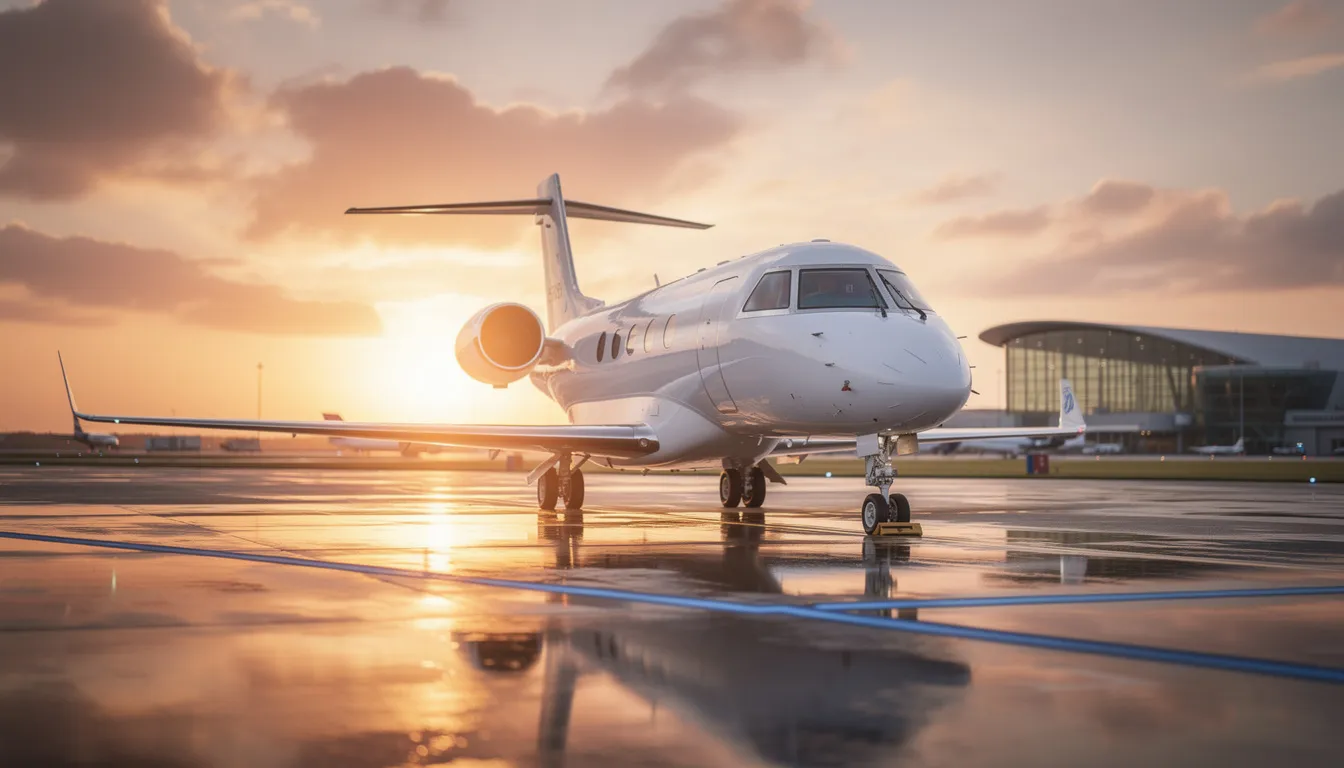
Private jet leasing occupies a specific niche within the private aviation ecosystem. Compared to on-demand charter, leasing provides greater consistency and often lower per-hour costs for regular flyers. Charter offers maximum flexibility with no commitment, but can be less predictable in availability and pricing.
Jet card programs simplify access through prepaid hours but may include blackout dates or aircraft category restrictions. Full private jet ownership delivers maximum control and customization but carries the highest financial and operational burden.
For travelers evaluating these options, the decision is rarely based solely on cost. Factors such as scheduling certainty, geographic reach, brand representation, and long-term travel strategy all influence the optimal solution.
Private jet leasing is well-suited to individuals and organizations with evolving travel needs. Companies entering private aviation for the first time often use leasing as a transitional step, gaining experience before committing to ownership or fractional programs.
Executives with seasonal or project-based travel demands may also find leasing attractive. The ability to adjust aircraft type or lease duration allows alignment with changing business priorities.
However, travelers flying extensively throughout the year should carefully assess whether leasing remains cost-effective at higher utilization levels. In many cases, fractional jet ownership or structured ownership programs provide greater long-term value.
The private jet leasing industry is undergoing a transformation driven by new technology, environmental concerns, and shifting market preferences.
Sustainable aviation practices are becoming increasingly important in private aviation, with companies investing in fuel-efficient planes and exploring alternative fuels. Carbon offset programs are gaining popularity, allowing passengers to balance out their emissions by supporting eco-friendly projects.
Technological advancements are making private jet leasing more appealing, with new navigation systems improving flight safety and efficiency. Younger, tech-savvy customers are driving demand for more flexible, on-demand leasing options in the private jet market.
The COVID-19 pandemic has increased interest in private flying, as people prioritize health and safety, which may affect future demand and market dynamics. Emerging markets like Asia and the Middle East are expected to play a larger role in shaping the future of private jet leasing.
Changing regulations around emissions and noise will continue to impact the private jet leasing industry, requiring companies to invest in newer, compliant aircraft.
Leasing a private jet for business can provide tax deductions for expenses such as lease payments, fuel, maintenance fees, and crew salaries. Detailed records of business flights are necessary to maximize these tax benefits.
Certain lease agreements may also allow for depreciation benefits, leading to significant tax savings. Leasing requires careful financial reporting, especially for businesses, to account for all lease-related expenses correctly.
The cost of leasing a private jet varies widely depending on the aircraft type, lease duration, and usage. Monthly payments can range from around $75,000 for light jets to over $1 million for large, long-range jets. Variable costs such as fuel, maintenance, and additional fees also impact the final cost.
There are several types of leases, including dry leases (aircraft only), wet leases (aircraft with crew, maintenance, and insurance), and ACMI leases (aircraft, crew, maintenance, and insurance, but fuel and other operational costs are separate). Lease durations can be short-term or long-term, affecting flexibility and pricing.
Fuel costs are a significant variable expense and can fluctuate based on market prices and flight duration. Fuel surcharges may apply during periods of high fuel prices, influencing the overall lease cost.
Yes, additional fees may include landing fees, hangar fees, catering, ground transportation, international fees such as permits and customs, and crew overnight expenses. These costs can vary depending on flight routes, seasonal demand, and aircraft size.
Leasing offers lower upfront costs and guaranteed access to a specific aircraft for a defined period, making it suitable for regular flyers who want consistency without full ownership responsibilities. Fractional ownership requires a larger initial investment but provides a share of an aircraft with more control. Chartering offers maximum flexibility without long-term commitments but often at higher per-hour costs.
Customization options depend on the lease terms and duration. Long-term leases may allow for interior customization and branding, while short-term leases typically offer limited personalization.
Leasing a private jet for business use may provide tax deductions on lease payments, fuel, maintenance, and crew salaries. Some lease structures may also offer depreciation benefits. It is advisable to consult with tax professionals to understand applicable tax advantages.
Negotiating lease terms, understanding contract clauses, optimizing flight hours, and considering empty leg flights can help reduce costs and improve the private jet experience.
Pay close attention to minimum flight hour requirements, maintenance responsibilities, insurance coverage, cancellation policies, and any hidden or additional fees to avoid unexpected expenses.
Leasing is ideal for individuals or businesses with consistent travel needs who want guaranteed access to a specific aircraft without the full financial and operational commitments of ownership. It may not be the best option for infrequent flyers or those seeking maximum flexibility in aircraft choice.
Leasing a private jet offers a compelling balance of flexibility, access, and efficiency. However, understanding the true cost requires looking beyond headline lease rates to include variable expenses, market conditions, and long-term usage patterns.
For many travelers, leasing is a practical entry point into private aviation. For others, it serves as a short-term solution before transitioning to more structured ownership models. The key is aligning the lease structure with travel frequency, mission requirements, and financial objectives.
Navigating private jet lease costs—and comparing them to alternatives like fractional aircraft ownership—requires expert guidance. Ready to explore the smartest way to access private aviation? Visit https://www.fractionaljetownership.com/ to learn how tailored private aviation strategies can support your travel goals with clarity and confidence.
