
January 24, 2026
Private aviation has become an increasingly practical solution for executives, business owners, and high-net-worth individuals who value time, flexibility, and control. While the experience of flying private is often associated with exclusivity, the real value lies in efficiency, access, and predictability.
For many travelers, the main question is: how much does it cost to charter a private jet? Understanding the cost to charter a jet per hour is a critical step for anyone evaluating private aviation options—whether for occasional trips, frequent business travel, or as a bridge toward fractional jet ownership. Hourly rates can vary widely, and without context, the pricing can seem opaque.
This guide breaks down private jet charter costs in clear, practical terms, including an overview of the private jet rental cost and the factors that influence it. It explains what drives hourly rates, how aircraft selection impacts pricing, and how charter compares to other private aviation options. The goal is to help travelers make informed decisions that align with their travel patterns and long-term needs.
Private jet charter, also known as a charter flight, offers a flexible and efficient way to travel without the long-term commitment of aircraft ownership. Travelers can choose their schedule, departure airport, aircraft type, and onboard experience—often flying directly to destinations that commercial airlines do not serve. The term private plane is often used interchangeably with private jet, highlighting the luxury and efficiency that these travel options provide.
Hourly charter pricing is influenced by multiple variables, including aircraft category, distance flown, crew requirements, and operational fees. Private jet pricing encompasses all these factors and more, providing a transparent overview of the costs involved in chartering a private jet. A private jet charter cost calculator can provide estimates, but understanding what goes into those numbers is essential for accurate budgeting.
For both business and leisure travelers, private jet travel delivers tangible benefits: reduced travel time, improved productivity, privacy, and a seamless door-to-door experience. As demand for private aviation continues to grow across the United States and globally, understanding charter pricing has become more relevant than ever.
Private jet charter rates are not flat fees. They are dynamic and shaped by operational realities, aircraft capabilities, traveler preferences, and the specific rental cost associated with each flight. The jet rental cost for a private jet rental can vary significantly depending on these factors.
The most significant driver of hourly cost is the aircraft itself. Smaller aircraft require less fuel and maintenance, while larger aircraft and jets involve higher operating expenses.
Very light jets and light jets are generally the most cost-effective options for short trips. Midsize and super midsize jets offer greater cabin space, comfort, and range. Heavy jets and ultra-long-range aircraft command the highest hourly rates due to fuel consumption, crew requirements, and complex maintenance programs.
Additionally, the age of the aircraft can affect rental rates, with newer aircraft typically commanding higher prices than older models.
Hourly pricing is typically based on flight time and billable flight hours, not just time in the air. This can include repositioning flights if the aircraft must travel to pick up passengers or return to base after the trip.
Billable flight time is calculated hourly and generally includes the period from wheels up to wheels down, as well as any necessary positioning flights, but excludes taxi time. There is often a minimum daily charge for billable flight time.
Longer flights also increase fuel usage, crew duty time, and international handling requirements, all of which influence total charter cost. Flight distance is a key factor in determining the cost of a private jet charter, as longer flights consume more fuel and require larger aircraft.
In addition to the hourly rate, travelers should expect variable charges such as fuel costs, fuel surcharges, landing fees, ramp fees, hangar fees, and de-icing when applicable. Landing fees are set by the airport authority and typically vary by airport, being charged based on the size and weight of the aircraft, which contributes to the total charter cost. Airport fees also vary by location and include landing and handling fees, which are higher at major airports.
International flights may include international fees such as overflight permits, customs handling, and additional crew expenses. International fees can cost anywhere from $500 to $5,000 or more, depending on the route and country.
Customized in-flight catering, in-flight amenities, premium beverages, flight attendants, and specific cabin configurations can add to the overall cost. The presence of a flight attendant may be required depending on the aircraft size and federal regulations. Additional services such as catering, ground transportation, and in-flight entertainment can increase the overall cost of a private jet charter. For example, custom in-flight catering can range from $600 to $1,000 for lunch for four passengers. While these services enhance comfort, they should be factored into the total budget.
Chartering a private jet is not a one-size-fits-all experience. Operators offer a range of private flight solutions and charter services designed to match different travel needs and budgets. Chartering a private jet offers all the benefits of owning one without paying for maintenance costs.
A turboprop flight is often the most economical private aviation option for short regional flights. Turboprops are fuel-efficient, capable of operating from short runways, and ideal for reaching smaller airports. Turboprops, Very Light Jets, and Super Light Jets typically cost around $2,000 to $4,000 per flight hour. In New York, hourly rates for turboprops range from $1,500 to $3,000. Additionally, leg flights—repositioning flights where the jet flies empty to its next destination—can offer cost savings and flexibility for travelers seeking affordable private jet options.
These light jet aircraft are well-suited for trips of 1 to 3 hours and typically seat 4 to 7 passengers. Very Light Jets (VLJs) are designed for shorter trips and typically accommodate four to seven passengers, with starting hourly rates around $2,000/hour. Light jets can accommodate six to nine passengers and are suitable for both short and medium-haul flights. They offer jet-speed service at a lower hourly cost, making them popular for domestic business travel.
Midsize jets strike a balance between cost, cabin space, comfort, and range. They offer stand-up cabins, enclosed lavatories, and longer nonstop capabilities—ideal for coast-to-coast or multi-city itineraries. Midsize jets provide a balance between cabin space and range capabilities, accommodating seven to nine passengers. Super midsize jets offer an enhanced range and larger cabin space compared to midsize jets, accommodating eight to ten passengers.
Designed for international and transcontinental travel, these aircraft are ideal for long-haul flights, offering spacious cabins, full-service galleys, and advanced connectivity. Large cabin jets are designed for long-range travel and can accommodate nine to sixteen passengers. Ultra-long-range jets can carry passengers on nonstop flights over vast distances, accommodating ten to nineteen passengers. Heavy jets are suitable for longer flights and typically cost between $8,500 and $15,000 per hour. For those seeking the ultimate in luxury and capacity, a VIP airliner is a top-tier option, with ultra-luxury VIP Airliners costing anywhere from $16,000 to $23,000 per billable flight hour. Hourly rates are higher, but for long-haul travel, they provide unmatched efficiency and comfort.
Understanding how charter pricing is calculated helps travelers anticipate expenses and compare options accurately. Hourly charter rates are a primary factor in estimating the cost to charter a jet per hour, as these rates can vary depending on aircraft type, route, and amenities. Many travelers ask, "How much does it cost to charter a jet per hour?" The cost to rent a private jet varies from $2,000 to $14,000 per billable flight hour. Additionally, private jet offers, such as special deals or promotional packages, can provide access to discounted pricing and make private jet travel more accessible.
The base hourly rate, calculated as a billable flight hour, reflects the aircraft’s direct operating costs, including fuel, routine maintenance, and crew. Crew salaries are a significant component of the hourly rate, impacting the overall cost alongside other expenses like fuel and maintenance. The base cost of private jet charters covers the aircraft, crew, and fuel, but varies widely by jet size and category. For multi-day trips, crew expenses also include costs for accommodations, meals, and transportation. Rates increase with aircraft size and complexity.
Beyond hourly rates, travelers should account for fuel surcharges, landing fees, overnight crew expenses, airport handling charges, and aircraft positioning fees. Aircraft positioning fees may apply if the aircraft needs to be moved to a different location for the charter flight. Segment fees, a government tax calculated per passenger, may also be charged; for example, the US segment fee is $5.30 per passenger, per leg in 2026. Cleaning fees can cost anywhere from $250 to $500 or more, depending on the amount of cleaning required. These costs vary by airport and region.
Different aircraft operators may structure pricing differently based on fleet access, demand, and availability. Comparing quotes requires understanding what is included and what is billed separately. Aircraft operators may set daily minimum flight hours and manage additional charges such as Wi-Fi fees. Wi-Fi fees typically range from $2 to $9 per megabyte, depending on the region.
A private jet charter cost calculator can provide estimates, but professional guidance ensures that no critical expenses are overlooked.
Private jet charter companies offer a wide range of aircraft categories, each aligned with specific travel profiles. When considering alternatives to chartering, such as fractional ownership or buying an aircraft outright, it's important to factor in private jet ownership costs, which include the initial purchase price and ongoing expenses for operation and maintenance.
The private jet rental cost is determined not only by the hourly rate but also by additional costs for fuel, taxes, and repositioning, which can significantly affect the total price.
These aircraft are designed for efficiency and short-range missions. Hourly charter costs are typically lower, making them suitable for quick regional trips and cost-conscious travelers.
Offering increased range and cabin comfort, these jets are commonly used for business travel across the United States. They provide a strong balance between cost and capability.
For international travel or larger groups, heavy jets deliver nonstop range and premium onboard amenities. While hourly rates are higher, they can be cost-effective for longer flights or transporting multiple passengers.
Choosing the right aircraft category is less about luxury and more about mission alignment—matching the jet to the trip’s distance, passenger count, and productivity needs.
Private aviation is often compared to first-class commercial travel and commercial flying, but the two experiences serve very different priorities.
When evaluating the cost to charter a jet per hour, it's important to compare it not only to a first-class ticket but also to other class ticket options available through commercial airlines. While a first-class ticket is generally less expensive for solo travelers, chartering a private jet can be more cost-effective for groups or when specific flight needs and flexibility are required. Consider the total expenses, amenities, and travel requirements when deciding between a private jet charter and purchasing a class ticket on a commercial flight.
Private jet travelers avoid long security lines, boarding delays, and rigid airline schedules. Flights depart on the traveler’s schedule, often from private terminals that allow arrival up to minutes before departure.
For short flights, first-class commercial tickets may appear less expensive. However, when accounting for lost productivity, overnight stays, and limited routing, private jet charter can offer meaningful value—especially for business travel.
Private jets provide privacy, confidentiality, and customization that commercial flights cannot match. For executives and teams, this control can directly impact business outcomes.

One of the most overlooked advantages of private jet charter is the access it provides to airports across the continental United States. When considering the cost to charter a jet per hour, it's important to note that Federal Excise Tax is charged on all domestic flights within the US at a rate of 7.5%, which adds to the overall cost of chartering a private jet.
Private aviation is operated through Fixed Base Operators (FBOs), which offer discreet terminals, expedited boarding, and personalized service.
Private jets can use thousands of regional and municipal airports that commercial airlines do not serve. This reduces ground travel time and expands destination options.
International private jet travel requires additional planning, including obtaining landing permits, completing customs clearance, and ensuring regulatory compliance. Landing permits are an essential component of international flight planning, as they are required for crossing borders and are included in the overall international fees for private jet charters. International fees can cost anywhere from $500 to $5,000 or more, depending on the route and country. Experienced charter providers manage these details to ensure seamless operations.
When evaluating the total private jet charter cost, it’s important to look beyond the base hourly rate and consider how flight hours and federal excise tax (FET) factor into your final bill. These elements can significantly influence the overall price of your private jet travel.
Flight hours refer to the time the private jet is in operation for your trip, but it’s not always as simple as measuring the time from takeoff to landing. Charter operators typically calculate billable flight hours to include not only the actual time you spend in the air, but also any repositioning flights required to bring the aircraft to your departure location or return it to its home base after your journey. Some operators may also have minimum flight hour requirements per day or per trip, which can affect the total cost to rent a private jet, especially for shorter flights.
Another key component is the Federal Excise Tax (FET). In the United States, most private jet charter flights are subject to a federal excise tax, which is currently set at 7.5% of the total charter price. This tax is applied to the cost of the flight itself, including any additional fees that are part of the charter agreement. The FET is collected by the charter operator and remitted to the IRS, and it’s important to ensure that any quote you receive clearly states whether this tax is included or will be added to your final invoice.
For example, if your private jet charter quote lists a base price of $10,000 for flight hours and associated fees, the federal excise tax would add an additional $750, bringing your total to $10,750. Understanding how flight hours are calculated and how the FET applies helps you accurately compare private jet charter rates and avoid surprises when booking your next private jet flight.
By being aware of these factors, you can make more informed decisions and better anticipate the true cost of flying privately, ensuring your private jet experience is as seamless and transparent as possible.
Chartering a private jet involves several steps designed to tailor the flight to the traveler’s needs, including reviewing available private jet offers that may include special deals or promotional pricing. Flexibility in travel dates can help reduce costs when chartering a private jet, as peak travel seasons may lead to higher prices. Travelers can also save money by booking private jet charters during off-peak times, as prices tend to be lower when demand is reduced.
The process begins by matching the aircraft category to the trip’s distance, passenger count, and comfort requirements, a decision often made by the aircraft owner or charter operator. Using smaller aircraft for longer flights may increase overall costs due to the need for multiple fuel stops, which can negate any initial savings. Additionally, maintaining aircraft surfaces is crucial, especially in adverse weather conditions, to ensure safety and avoid unexpected expenses.
When reviewing the cost to charter a jet per hour, it's important to consider the private jet rental cost, which includes hourly rates, estimated flight hours, and anticipated fees. Charter quotes outline these details. Transparency at this stage is critical for accurate budgeting. Additionally, peak demand scheduling can lead to increased costs for private jet charters, especially during busy travel seasons or major events.
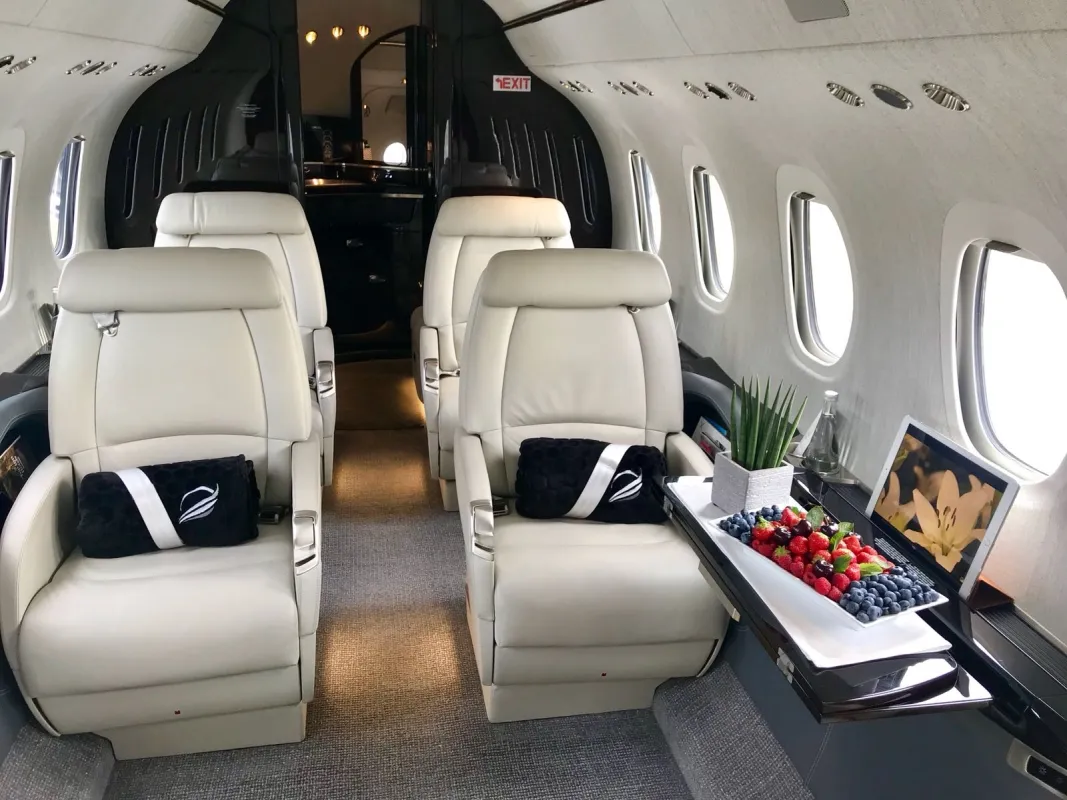
Travelers can request specific catering, onboard amenities, ground transportation, and cabin preferences to create a seamless journey. Additionally, options like empty leg flights are available, which occur when a private jet is repositioning without passengers. Empty leg flights offer discounted one-way fares for travelers, and booking an empty leg flight can save travelers up to 50% or more on their jet charter costs.
Understanding this process empowers travelers to evaluate charter options confidently and efficiently.
For occasional trips, private jet charter offers unmatched flexibility. Private jet rental and charter services also provide a range of options, including special private jet offers that can make flying more accessible. Private jet charters provide significant time savings and luxury services, making them ideal for both corporate and leisure trips. However, frequent flyers often discover that hourly charter costs add up quickly.
Travelers who fly 50 hours or more per year may benefit from exploring alternatives such as fractional jet ownership, which provides predictable costs, guaranteed access, and operational simplicity without the burden of full ownership.
fractional ownership bridges the gap between charter and owning an entire aircraft, offering a strategic solution for those who value consistency and long-term efficiency.
Understanding the cost to charter a jet per hour is about more than pricing—it is about aligning travel strategy with personal and business priorities. Charter provides flexibility and convenience, but it is only one piece of the private aviation landscape.
For travelers seeking clarity, predictability, and a smarter long-term approach to flying private, fractional jet ownership may offer compelling advantages.
Ready to explore the smarter way to fly private? Visit https://www.fractionaljetownership.com/ to learn how fractional ownership can transform your travel experience and provide a more strategic path into private aviation.
