
January 23, 2026
Private jet charter pricing is one of the most common — and most misunderstood — aspects of private aviation. For travelers exploring private air travel for the first time, the question is rarely whether flying private offers advantages, but how much it actually costs and what drives those costs.
Chartering a small plane offers flexibility, efficiency, and privacy that commercial air travel cannot match. Travelers avoid long security lines, rigid schedules, and congested airports, gaining direct access to private terminals and customized itineraries. These advantages explain why private aviation continues to grow across the United States and globally.
However, private jet charter cost varies widely. Aircraft type, flight distance, hourly rates, crew expenses, and operational fees all play a role. Understanding these components is essential for estimating realistic private jet flight costs and determining whether chartering — or an alternative such as fractional jet ownership — aligns with long-term travel needs.
This guide provides a detailed, transparent breakdown of the costs of chartering a small plane, the factors that influence pricing, and how travelers can evaluate private aviation options more strategically.
Private jet rental is not a single product. Charter aircraft range from compact turboprops to long-range heavy jets, each designed for specific mission profiles and budgets.
Light jets are among the most popular aircraft in the private jet rental market. Typically seating 6 to 8 passengers, they are ideal for regional hops or medium-range routes. Light jets balance speed, comfort, and cost, often preferred for short to mid-range journeys due to their agility and well-appointed cabins. Examples include the Cessna Citation CJ4 and Embraer Phenom 300, both known for their performance and comfort.
These jets are well-suited for regional business travel, same-day meetings, and leisure trips under three hours. Their ability to access thousands of regional airports, many of which are not served by commercial airlines, reduces ground travel time and increases scheduling flexibility.
Midsize jets provide additional cabin space, longer flight range, and greater comfort. They can typically fly distances up to 2,450 miles, making them suitable for coast-to-coast flights. These jets are commonly selected for cross-country trips, executive travel with multiple passengers, or flights requiring greater onboard productivity.
Midsize jets cost between $5,000 and $9,000+ per hour, reflecting their enhanced capabilities. While they carry higher hourly rates than light jets, they often deliver better value for longer flights by reducing fuel stops and increasing passenger comfort.
Heavy jets represent the upper tier of private aviation, designed for long-distance travel with an average maximum range of 7,000 miles or eight hours of nonstop flying time. These jets offer stand-up cabins, premium amenities, and are often used for international or long-haul flights.
While not considered “small planes,” heavy jets influence overall charter pricing benchmarks and market expectations. Their charter costs can approach $10,000 or more per hour, depending on the model and services.
Turboprops are among the most cost-effective options in private aviation. Ideal for shorter distances, typically flying 600 to 1,000 miles, they offer excellent fuel efficiency and access to smaller airports. The King Air 350 is a popular turboprop choice, offering a blend of comfort, efficiency, and cost-effectiveness.
While cabins are more compact than jets, turboprops offer strong value for travelers prioritizing efficiency over cabin size. Chartering a turboprop typically starts around $1,200 to $3,500 per hour.
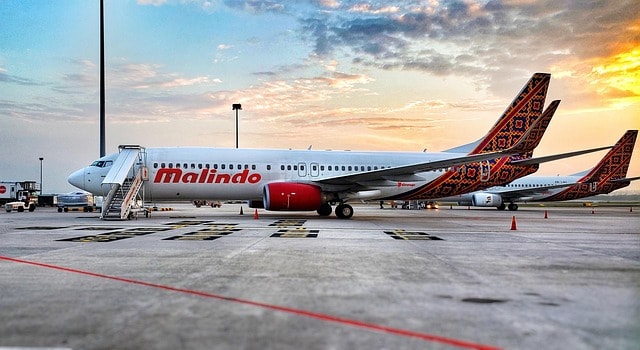
Private jet charter pricing extends beyond hourly flight time. A full understanding of charter services and fees helps explain why quotes can vary significantly.
The billable flight hour forms the foundation of private jet charter pricing. This typically includes the time the aircraft is in operation, measured from engine start to engine shutdown.
In many cases, operators also account for repositioning flights, known as “deadhead” time, when the aircraft must travel empty to or from a departure location. Repositioning fees can add 25–50% to the total cost if the aircraft is not at the departure airport.
Additional fees commonly include landing fees, ramp handling charges, fuel surcharges, and overnight crew expenses. Landing fees at airports can range from $100 to $1,500 depending on airport size and aircraft weight. Crew expenses for overnight stays typically range from $200 to $800 per crew member per night.
Federal Excise Tax (FET) is a standard 7.5% tax applied to domestic flights in the United States. Operational fees often include handling fees from Fixed Base Operators (FBOs).
During winter months, de-icing fees may apply, ranging from $1,500 to $15,000 per application.
Travelers may choose to include in-flight catering, ground transportation, concierge services, and custom cabin amenities. Custom catering can cost between $230 and $2,000 per leg. While optional, these services contribute to the personalized experience private aviation is known for.
Understanding how these elements combine clarifies the final cost of renting a private jet and prevents pricing surprises.
Aircraft selection is the single most influential factor in private jet charter pricing.
The larger the private luxury jet, the more space for passengers and the more fuel you'll need to get from Point A to Point B. This directly impacts hourly rates and overall cost.
The base cost for chartering a piston aircraft ranges from $100 to $500+ per hour.
Turboprop costs typically range from $1,200 to $3,500 per hour.
Very Light Jets (VLJs) usually cost between $1,500 and $2,600 per hour.
Hourly rates for light jet charters typically range from about $2,000 to $5,000 per flight hour.
Midsize jets cost between $5,000 and $9,000+ per hour.
Heavy jet charters can cost closer to $10,000 or more per hour.
Overall, the cost to charter a plane can range anywhere from $1,200 to $10,000 per billable flight hour, with private jet travel costs sometimes exceeding $20,000 per hour depending on aircraft type and additional services.
A two-hour private jet flight can range from about $8,000 on the low end for a turboprop flight to about $37,000 on the high end for an ultra-long-range jet flight.
Chartering a private jet for a week can range from tens of thousands of dollars to several hundred thousand dollars, depending on flight frequency and aircraft choice.
Many charter operators have minimum flight-time requirements, often 1.5 to 2 hours per day, which can affect pricing for shorter trips.
Private jet charter pricing is often quoted per trip, factoring in flight time, repositioning, and fees.
Flying private delivers advantages that go beyond luxury. Time savings, control, and operational efficiency are the primary drivers for many charter clients.
Private jet travelers can depart on their own schedules, access thousands of smaller airports, and arrive closer to their final destinations. Security procedures are streamlined, and boarding times are significantly reduced.
Chartering a private jet also eliminates the unpredictability of commercial aviation. Flights operate according to passenger needs rather than airline schedules, allowing for last-minute changes and optimized routing.
For flexible travelers, empty leg flights — repositioning segments offered at discounted rates — can significantly reduce private jet charter costs. While availability is limited, empty legs offer occasional opportunities to experience private aviation at a lower price.
Private aviation also supports specialized needs, such as transporting sports teams or medical evacuations, while prioritizing safety and sustainability initiatives.
Estimating the cost of a private jet charter requires evaluating several interconnected variables.
Private jet rental prices vary widely by aircraft type. Small turboprops and light jets often range from several thousand dollars per hour, while midsize and heavy jets can reach five figures per hour.
These rates typically include crew, standard operating costs, and basic services but exclude optional amenities and certain airport fees.
Fuel consumption increases with aircraft size and range. Maintenance schedules, parts availability, and crew requirements also influence pricing structures.
Understanding these underlying cost drivers provides insight into why private jet charter pricing is structured the way it is.
While online calculators provide rough estimates, consulting with an experienced charter advisor offers more accurate projections. Advisors evaluate mission requirements, routing efficiency, and aircraft availability to produce realistic cost expectations.
Private jet charters serve both corporate and leisure travelers, though priorities differ between the two groups.

For executives and business owners, private aviation maximizes productivity. Meetings can be conducted onboard, confidential discussions remain private, and travel schedules align precisely with business objectives.
Private aviation also reduces overnight stays and enables same-day returns, resulting in measurable time savings.
Leisure travelers value flexibility, comfort, and access to exclusive destinations. Private jets eliminate crowded terminals and allow families or groups to travel together without logistical complexity.
Destinations with limited commercial service become accessible, enhancing travel experiences without compromising convenience.
Advancements in private aviation technology have simplified the charter booking process.
Instant pricing tools let travelers get quick estimates based on aircraft type, route, and date. These tools improve transparency and help travelers compare options efficiently.
Booking can be completed through charter operators, brokers, or digital platforms, each offering varying levels of personalization and advisory support.
Fixed pricing structures and clear fee disclosures enhance predictability and reduce uncertainty during the booking process.
Fixed-rate pricing models are increasingly popular among private aviation clients seeking cost clarity.
Under fixed-rate arrangements, many standard fees are bundled into a single quoted price. This approach simplifies budgeting and reduces post-flight billing discrepancies.
Understanding what is included — and excluded — in fixed-rate pricing is essential. Travelers should confirm coverage of fuel surcharges, landing fees, and crew expenses before finalizing arrangements.
Charter providers may offer hourly, block-time, or package-based pricing to accommodate different travel frequencies.
Certain private jet routes are frequently chartered and benefit from established pricing benchmarks.
For example, flights between Los Angeles and New York are among the most common long-distance charters in the United States. Pricing varies based on aircraft size, weather, and seasonality.
Regional routes, such as Northeast corridor travel or West Coast business hubs, often offer efficient pricing due to aircraft availability and shorter flight times.
Round-trip bookings may reduce repositioning costs, while peak travel periods can increase demand-driven pricing.
Client feedback plays an important role in evaluating private jet charter providers.
Reviews often highlight reliability, service consistency, and operational transparency. High satisfaction rates typically correlate with experienced operators and well-maintained aircraft.
While testimonials should not replace professional due diligence, they provide valuable insight into service quality and customer experience.
The cost to charter a small plane varies widely depending on aircraft type, flight distance, and additional services. Generally, hourly rates range from $1,200 for turboprops up to $5,000 or more for light jets. Additional fees such as landing fees, fuel surcharges, and crew expenses can also affect the total cost.
Several factors influence private jet charter pricing, including the size and type of aircraft, flight duration and distance, airport fees, repositioning costs, crew salaries, and optional services like catering and ground transportation. Peak demand periods and aircraft availability can also impact pricing.
Yes, private jet charters are suitable for both business and leisure travel. Business travelers benefit from time savings, privacy, and productivity onboard, while leisure travelers enjoy comfort, flexibility, and access to exclusive or remote destinations.
The hourly rate typically covers the aircraft operation, crew salaries, maintenance costs, and basic amenities. However, additional fees such as federal excise tax, landing fees, fuel surcharges, and optional services may be charged separately.
Empty leg flights are discounted one-way flights when a private jet is repositioning without passengers. Booking an empty leg can save up to 75% off the regular charter price but requires flexibility in scheduling and destination.
Private jets generally allow more luggage than commercial flights, and many operators accommodate special items such as sports equipment. The exact allowance depends on the aircraft size and layout, so it’s best to confirm with your charter provider.
In-flight catering and other luxury services like ground transportation and concierge support are usually available as additional services. These can be customized to your preferences and will add to the total charter cost.
Booking timelines vary, but many charters can be arranged on short notice, sometimes within hours. However, for popular routes or peak travel periods, booking in advance helps secure availability and better pricing.
Reputable charter operators provide transparent pricing, but additional fees such as overnight expenses for crew members, hangar fees, or deicing charges may apply depending on the trip specifics. Always request a detailed quote with all anticipated fees included.
Fractional jet ownership offers guaranteed availability, fixed hourly rates, and shared ownership of an aircraft, making it cost-effective for frequent flyers. Chartering provides flexibility without ownership responsibilities but may have variable pricing and availability.
Chartering a small plane offers a flexible, efficient, and highly personalized travel experience. However, private jet charter costs depend on a range of factors, including aircraft type, flight time, operational fees, and optional services.
Understanding how these elements interact allows travelers to estimate costs accurately and make informed decisions about private aviation. From turboprops and light jets to midsize and heavy aircraft, the private aviation market offers solutions for diverse travel needs.
For frequent flyers, evaluating long-term alternatives such as fractional aircraft ownership can provide greater cost efficiency, availability, and consistency over time.
Private aviation is not simply about luxury — it is about control, efficiency, and strategic use of time. Understanding private jet charter pricing is the first step toward selecting the right access model.
For travelers seeking a more predictable, cost-effective way to fly private without the responsibilities of full ownership, fractional jet ownership offers a compelling alternative.
Ready to explore the smarter way to fly private?
Visit https://www.fractionaljetownership.com/ to learn how fractional ownership can transform your private aviation experience.
