
January 23, 2026
Private jet travel is often associated with flexibility, time savings, and privacy. However, behind every seamless private flight is a complex cost structure—and private jet fuel cost plays a central role. For travelers considering charter, fractional, or full jet ownership, understanding how fuel expenses are calculated is essential for realistic budgeting and informed decision-making.
Fuel is rarely a standalone line item for passengers, yet it can significantly influence hourly flight costs, trip pricing, and long-term ownership economics. From aircraft size and fuel burn rates to global oil markets and airport-specific pricing, fuel costs vary widely across private aviation.
This guide explains how private jet fuel costs work, what drives them, and how travelers and owners can manage these expenses more strategically—particularly within the U.S. and the broader global private aviation market.
Private jet travel offers unmatched scheduling control and access to thousands of airports worldwide. Unlike commercial flights, private aviation allows travelers to depart on their own timetable, fly closer to final destinations, and maintain privacy throughout the journey.
However, this convenience comes with costs that differ substantially from commercial airline pricing models. One of the most important variables is fuel. Jet fuel costs can account for over half of a private jet's operating expenses, especially on longer flights or when operating larger aircraft.
For charter clients, fuel is typically bundled into an hourly rate or itemized as a fuel surcharge. For fractional jet ownership and private jet ownership, fuel expenses are ongoing operational costs that must be carefully planned for over time.
Understanding how fuel costs are calculated—and why they fluctuate—helps travelers evaluate which option— charter, fractional ownership, or full ownership —best aligns with their travel needs.
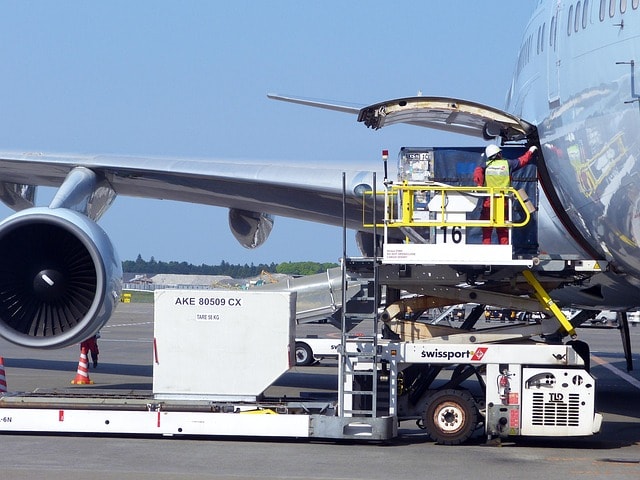
Jet fuel prices are closely tied to crude oil costs and refining expenses, measured in 'crack spreads.' These spreads reflect the difference between crude oil prices and the cost of refined products like jet fuel. Geopolitical events, refinery capacity, seasonal demand, and supply chain disruptions can cause fuel prices to fluctuate rapidly.
Global forecasts for jet fuel prices in 2026 assume a cost of approximately $88 per barrel, which directly impacts the per-gallon price of jet fuel. Unlike commercial airlines, which often hedge fuel costs, private aviation is more exposed to short-term market changes.
Fuel consumption varies widely depending on aircraft category and engine technology. Private jets typically consume between 150 to 500 gallons of fuel per hour. For example, the Embraer Phenom 300 light jet burns around 183 gallons per hour, while larger jets like the Gulfstream G550 burn approximately 447 gallons per hour. The ultra-long-range Bombardier Global 7500 can consume up to 528 gallons per hour.
Midsize jets have an average fuel burn rate of 190 to 250 gallons per hour, and heavy jets can burn between 330 to 600 gallons per hour. A midsize jet burns 40 to 50 percent less fuel than a large cabin jet on routes under 1500 nautical miles, and light jets can reduce fuel consumption by 60 to 70 percent on flights under 500 miles.
Aircraft with newer, fuel-efficient engines can reduce fuel burn by up to 15%, contributing to lower fuel expenses and improved environmental performance.
Fuel costs are not uniform across airports. Prices tend to be higher at major airports and metropolitan areas due to demand and operational costs, including fees charged by Fixed Base Operators (FBOs) for services like ramp access and line handling.
For instance, private jet fuel prices in the U.S. range from $4.50 to over $8.00 per gallon as of early 2026. The Central Region in the U.S. has some of the lowest prices, averaging $5.51 per gallon, while Alaska experiences the highest, averaging $8.17 per gallon. Europe generally has higher fuel costs due to taxes and regulations.
Sustainable Aviation Fuel (SAF), a cleaner but more expensive alternative, averaged $8.81 per gallon in January 2026.
Fuel availability, delivery logistics, and seasonal demand influence pricing and availability. During peak travel periods or at busy airports, fuel surcharges may apply, increasing overall trip costs.
Strategic fuel stops at lower-cost refueling locations can help reduce expenses. Additionally, flying outside peak periods often results in more competitive fuel pricing.
Calculating fuel costs starts with the aircraft’s fuel burn rate. Multiply the burn rate (gallons per hour) by the current per-gallon cost of jet fuel to estimate hourly fuel expenses. Because fuel prices fluctuate, hourly fuel costs can vary even for the same aircraft flying identical routes.
For example, a light jet burning 150 gallons per hour at $6 per gallon results in $900 per hour in fuel costs, while a heavy jet consuming 500 gallons per hour would cost $3,000 per hour.
Total fuel cost depends on flight duration, cruising speed, payload weight, and weather conditions. Longer flights and heavier payloads increase fuel consumption. Efficient route planning and collaboration with air traffic control to request direct routings can improve fuel efficiency and reduce costs.
Private jets have widely varying maximum fuel capacities, significantly impacting total fueling costs. A typical private jet with a 3,000-gallon tank could cost anywhere from $12,000 to $21,000 to refuel, depending on fuel prices.
Light jets and very light jets offer the most fuel-efficient options, ideal for regional trips. Their lower fuel consumption translates to reduced operating costs, making them attractive for cost-conscious travelers.
Midsize jets balance fuel efficiency with increased range and cabin comfort. They burn 40 to 50 percent less fuel than larger cabin jets on shorter routes, making them practical for many business travelers.
These jets consume the most fuel but provide unmatched range and amenities for long-haul international flights. Fuel efficiency technologies and careful operational planning are critical to managing costs.
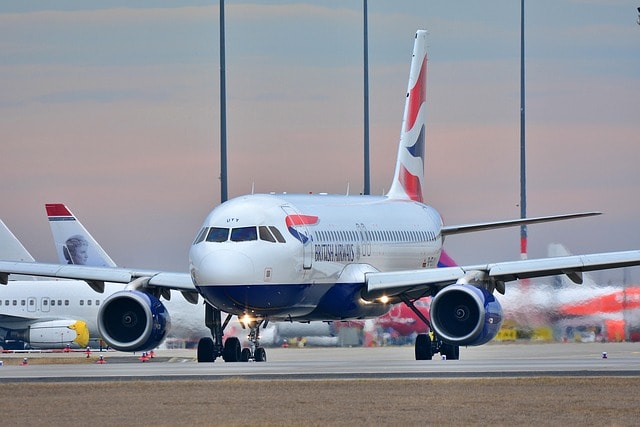
Jet fuel prices vary by location and time. Major hubs and metropolitan airports typically have higher fuel prices due to demand and operational costs. Regional and remote airports often offer lower prices.
Private jet charter operators sometimes apply fuel surcharges reflecting market volatility. Transparent pricing helps travelers avoid unexpected expenses.
Traditional Jet-A fuel remains the primary fuel type, but Sustainable Aviation Fuel (SAF) is gaining traction as a lower-emissions alternative. Although SAF costs more, it reduces carbon emissions and supports environmental goals.
Fuel costs are a major component of overall trip budgets. Owners and fractional shareholders must plan for fluctuations and seasonal demand. Efficient flight planning, weight management by reducing excess baggage, and choosing fuel-efficient aircraft can help save money.
Efficient flight operations, including route optimization and crew scheduling, reduce fuel burn and overall costs. Proper aircraft maintenance prevents unexpected repairs that can increase fuel consumption.
Some jet owners negotiate bulk fuel purchases or maintain on-site storage to manage costs and ensure availability.
Fuel prices are influenced by global energy demand, geopolitical events, and private aviation usage trends. Staying informed helps travelers and owners make better decisions.
Smart aircraft selection, operational efficiency, and strategic purchasing reduce fuel expenses. Using planning software to balance savings with flight time can generate substantial cost reductions.
Understanding the many factors that affect private jet fuel costs empowers travelers and jet owners to make informed choices. From aircraft type and fuel-efficient engines to market dynamics and operational strategies, managing fuel expenses is key to optimizing private aviation budgets.
Ready to explore the smarter way to fly private? Visit https://www.fractionaljetownership.com/ to learn how fractional ownership can deliver flexibility, efficiency, and predictable costs—without the complexities of full aircraft ownership.
