
March 4, 2026
Private aviation has evolved from full aircraft ownership to more flexible access models. For executives and high-net-worth travelers in the United States and globally, fractional jet ownership and jet card programs now offer structured, scalable solutions. NetJets is the world's largest fleet operator, providing global infrastructure and reliability.
One of the most searched entry points into private aviation is the NetJets 25-hour card. Prospective buyers often ask:
How much does a NetJets 25-hour card cost?
What aircraft types are included?
Are there hidden fees?
How does it compare to other private jet companies?
This guide provides a comprehensive breakdown of NetJets pricing, aircraft categories, fees, and policies — while comparing jet card programs across the broader private aviation market. The goal is to help sophisticated travelers evaluate whether a 25-hour card aligns with their travel needs or whether fractional aircraft ownership or leasing may offer better value. When evaluating travel needs, it's important to compare jet cards to charter flights: jet cards offer predictability and fixed pricing, while charter flights often come with fluctuating rates. Private air travel through jet cards also provides convenience and cost efficiency for those seeking predictable pricing and guaranteed access.
Headline ranges for a 25-hour card typically begin around $190,000–$220,000 for light jets and can exceed $600,000 for heavy jets, depending on aircraft type and region. The NetJets 25 Hour Card begins at around $208,050 for 25 hours of flight time and provides 290 days of guaranteed access annually. The tradeoff is clear: smaller aircraft reduce cost per hour but limit range and cabin size, while larger jets increase flexibility and nonstop capability at a higher investment. Aircraft size directly impacts both acquisition cost and suitability for different travel needs, as range, passenger count, and budget constraints all play a key role in selecting the right option.
Private jet cards have revolutionized the way individuals and businesses access private aviation. Rather than committing to the significant investment and responsibilities of outright ownership, jet card programs allow customers to pre-purchase a set number of flight hours—typically in increments like 25 hours—on a specific aircraft or across a fleet. This approach offers the flexibility to fly private without the complexities of managing an aircraft, making it an appealing solution for those who value convenience and predictability in their private jet travel.
Among the leading private jet companies, NetJets has set itself apart with its robust infrastructure and global reach. The NetJets jet card program is designed to provide seamless access to private aviation, combining the luxury and reliability of a world-class fleet with the simplicity of a prepaid jet card. For travelers seeking a balance between flexibility and control, jet cards offer a practical alternative to both on-demand charter and full aircraft ownership, ensuring that every hour of flight time is maximized for comfort and efficiency.
The NetJets card is a prepaid private aviation program that provides guaranteed access to a specific aircraft category for a set number of hours of flight time — typically 25 hours.
Core inclusions of a typical 25-hour card generally include:
Guaranteed aircraft availability with advance notice
Fixed hourly rates within the selected category
Access to the NetJets fleet
Catering coordination
24/7 owner services support
The NetJets card provides annual access to a set number of flight hours, with guaranteed aircraft access within 4–24 hours, depending on the program.
Most jet card programs, including NetJets, operate with approximately 355 service days per year, with a limited number of peak days subject to special rules.
Jet card programs are often considered a stepping stone between on-demand charter and fractional jet ownership. They offer pricing transparency and availability assurances, without long-term capital commitment.
Jet card programs are perfect for individuals and businesses that require approximately 25 to 50 hours of flight time each year.
Private jet travel is synonymous with unparalleled convenience, flexibility, and luxury. By choosing private aviation, travelers can bypass the common frustrations of commercial airports—long security lines, crowded terminals, and unpredictable schedules. With a private jet card, such as the one offered by NetJets, customers gain on-demand access to a vast fleet of aircraft, including light jets for short regional hops, midsize jets for cross-country journeys, and heavy jets for international flights.
The NetJets fleet, recognized as one of the largest and most diverse in the industry, ensures that frequent travelers always have the right aircraft available for their specific needs. Whether you require a nimble light jet for a quick business meeting or a spacious heavy jet for a family vacation abroad, the flexibility to select from a range of aircraft types is a hallmark of the NetJets jet card program. This level of personalized service and immediate access to a vast fleet makes private jet cards an essential tool for those who value efficiency and comfort in their travel plans.
Pricing varies by aircraft category and region (U.S. vs. Europe). In the United States, headline starting ranges typically fall within:
Light jets: approximately $190,000–$220,000 for 25 hours. A 25-hour jet card for a light jet typically ranges from $150,000 to $200,000.
Midsize jets: approximately $230,000–$300,000. A 25-hour jet card for a midsize jet costs approximately $250,000.
Super-midsize jets: approximately $300,000–$400,000
Heavy jets: $500,000–$650,000+. The cost for a 25-hour jet card on a heavy jet is approximately $400,000.
These figures reflect prepaid flight hours at published hourly rates and may exclude taxes and surcharges. Jet card programs typically include fixed costs and variable expenses such as fuel surcharges and taxes.NetJets offers a transparent pricing model that encompasses most direct operating costs, providing jet card holders with peace of mind and predictable budgeting. Minimum flight charges are not imposed by NetJets, which adds to cost predictability.
Aircraft size significantly affects cost and suitability because of:
Range capability
Passenger capacity
Cabin dimensions
Operating costs (fuel burn, crew requirements)
NetJets offers a variety of aircraft sizes, including popular options like the Citation Latitude, which is well-suited for medium-range flights and small groups, offering a balance of comfort, range, and cost-effectiveness.
Light jets are typically used for short regional trips, while heavy jets support transcontinental or international travel. Cardholders can request upgrades to larger aircraft or downgrades to smaller ones, subject to availability.
Buyers must account for:
Federal Excise Tax (FET) — currently 7.5% in the United States
Segment fees per passenger
Fuel surcharges (variable based on market conditions)
Fuel costs can fluctuate depending on global oil prices, creating variability even in “fixed rate” programs.
For clarity, dividing the total card cost by 25 hours produces an estimated hourly rate:
Light jets: ~$7,500–$8,800 per hour
Midsize: ~$9,000–$12,000 per hour
Heavy jets: ~$20,000+ per hour
The starting cost to fly with a NetJets Card is $215,000, providing 275 days of annual access, which breaks down to approximately $8,600 per hour.
These figures are before taxes and certain surcharges.
Understanding aircraft categories is critical when evaluating private jet cost and the broader cost of fractional jet ownership and mission suitability. Aircraft size is a key factor in determining both the cost and suitability for specific flying needs, such as range, passenger count, and mission profile.
Light jets typically accommodate 6–7 passengers and offer 1,200–1,800 miles of range. Heavy jets may carry 10–14 passengers with 5,000+ miles of nonstop capability. Selecting the right aircraft size is essential for specific flying requirements, ensuring the aircraft matches your travel distance, passenger count, and overall mission.
Light jets are optimized for short domestic routes such as New York to Chicago or Los Angeles to Denver.
Sample 25-hour price: ~$200,000
Estimated per-hour rate: ~$8,000
They are cost-effective but limited in cabin height and baggage space.
Midsize aircraft increase cabin comfort and range.
Sample 25-hour price (midsize): ~$260,000
Sample 25-hour price (super-midsize): ~$350,000
Estimated hourly rate: ~$10,000–$14,000
Super-midsize jets such as the Challenger 350 often support coast-to-coast U.S. flights without refueling. The Citation Latitude is another popular midsize option in the NetJets fleet, offering a balance of comfort, range, and cost-effectiveness for medium-distance travel.
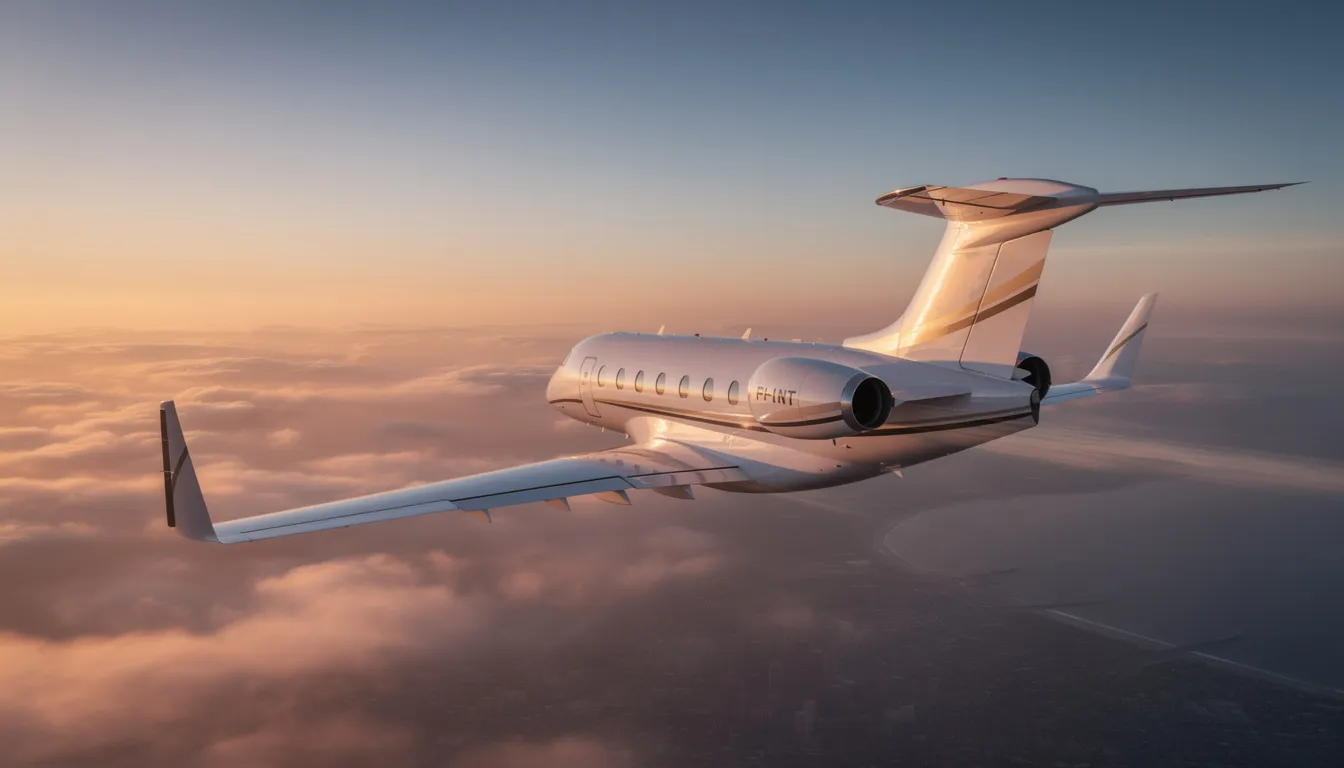
Heavy jets are designed for long-range missions and international routes.
Sample 25-hour price: ~$600,000
Estimated per-hour rate: $22,000–$26,000
They offer stand-up cabins, extended range, and increased baggage capacity.
While 25-hour cards typically avoid ownership capital outlay, additional costs may apply. Ferry fees and repositioning costs are often included in private jet rates to cover the expenses of moving the aircraft to your requested location. However, NetJets does not impose repositioning fees within its Collective Service Area, which helps lower overall expenses and ensures more predictable pricing for its customers.
Jet card programs often bundle management into hourly pricing. However, fractional share programs include:
Monthly management fees ranging from $8,000 to $25,000+, depending on aircraft category
Coverage for crew salaries, training, insurance, and maintenance
Prospective buyers should request full disclosure of:
Peak day surcharges
De-icing fees
International handling fees
Wi-Fi charges
Catering upgrades
The 7.5% FET applies to domestic U.S. flights and can significantly increase total cost.
Fuel surcharges fluctuate with market pricing and can add hundreds to thousands per flight hour, depending on jet size, and they are an important component when assessing the total cost of fractional jet ownership.
Peak days typically include:
Major U.S. holidays
High-demand travel windows (e.g., Thanksgiving, Christmas, New Year’s)
On peak days, providers may:
Require longer booking notice
Apply higher hourly rates
Restrict aircraft categories
Repositioning fees apply when aircraft must travel empty to pick up passengers outside a service area.
Some jet card programs advertise “no repositioning fees” within a primary service area, but cross-border or remote airport travel may incur additional charges.
Understanding collective service area rules is essential.
Beyond a 25-hour card, NetJets offers:
Lease programs: NetJets lease programs provide flexible, long-term aircraft access for frequent flyers, with predictable rates, inclusion of crew and maintenance, and no large upfront deposits. Lease programs are a cost-effective alternative to fractional ownership, especially for those flying more than 50 hours annually, and offer operational advantages such as guaranteed aircraft availability and simplified budgeting.
Fractional share programs (NetJets share): With a NetJets share, you purchase a fraction of a specific aircraft, granting you guaranteed access to the fleet, inclusive costs covering crew, maintenance, and other operational expenses, and the flexibility to fly on short notice. This option is ideal for long-term travelers who require consistent, reliable service and are willing to commit to a longer-term agreement.
The prepaid NetJets card does not confer ownership benefits, unlike fractional ownership programs. NetJets stands as the world's largest and most established fractional jet ownership company, offering customized programs that guarantee access to a diverse and expansive private fleet.
A lease provides aircraft access without asset ownership. It reduces upfront capital while committing to longer terms, typically 24–36 months, similar in structure to comprehensive private aviation solutions such as Reserve Fleet, Equity Fleet, and Lease Program options.
Fractional aircraft ownership involves purchasing a share (e.g., 1/16) of a specific aircraft type, with structures such as 1/8th fractional jet ownership providing around 100 hours of annual access.
Advantages include:
Lower hourly rates over time
Equity interest in the aircraft
Potential tax advantages (consult advisors)
Lease or share options often outperform a 25-hour card for travelers flying 50–100+ hours annually, especially when evaluating fractional jet ownership as an investment with long-term usage in mind.
The NetJets 25-Hour Card is designed as the perfect solution for individuals and businesses seeking the benefits of private jet travel without the long-term commitment or financial complexity of fractional ownership. This entry-level program is ideal for those flying fewer than 50 hours per year, offering a cost-effective way to experience the luxury and reliability of the NetJets fleet.
Cardholders enjoy guaranteed access to a wide selection of aircraft, including light jets, midsize jets, and large cabin aircraft, with as little as 24 hours’ notice. The program features fixed hourly rates, so you know exactly what to expect for each flight, and there are no ongoing management or maintenance fees to worry about. Direct operating costs—such as fuel, landing fees, and other essential expenses—are managed by NetJets, streamlining the entire process and eliminating hidden surprises.
Unlike some other private jet companies, the NetJets 25-Hour Card provides the flexibility to choose the right aircraft class for each trip, ensuring your travel experience is always tailored to your needs. With no long-term commitment required, this jet card program offers a cost-effective and flexible solution for those who want to fly private, enjoy guaranteed access, and avoid the burdens of outright ownership or complex lease agreements.

Major competitors in the United States include:
NetJets
Flexjet
VistaJet
Wheels Up
NetJets, as a leading private aviation company, is often seen as a premium service due to its extensive fleet and operational reliability. NetJets guarantees aircraft availability even during peak travel periods, which sets it apart from many competitors. The company also guarantees a certain level of service, including professional crew, maintenance, fuel, and operational support as part of its programs. These NetJets guarantees, along with comprehensive flight support such as crew management and ground logistics, make its programs especially attractive for frequent flyers who value reliability and flexibility.
NetJets and Flexjet operate largely owned fleets, while some competitors rely more heavily on charter networks. Fleet ownership can influence reliability and consistency, and many buyers compare the best fractional jet ownership programs before deciding.
Some providers include repositioning within continental U.S. service areas, while others pass along ferry costs.
Peak day restrictions vary widely. Certain jet card programs limit usage to as few as 10–20 peak days annually, while fractional owners may enjoy priority access.
Blackout dates typically align with:
Thanksgiving week
Christmas and New Year’s
Independence Day
Jet card holders enjoy guaranteed aircraft access, allowing them to schedule flights with as little as a few hours' notice, depending on aircraft type and location.
Minimum booking notice ranges from 10 hours to 72 hours, depending on aircraft category and demand.
Jet card holders can carry over unused hours to the next year, maximizing the value of their purchase.
To avoid peak day surcharges:
Book early
Consider alternate airports
Travel one day before or after major holidays
Selecting the correct aircraft type is essential.
Short regional business travel may justify light jets, while cross-country executive teams require super-midsize or heavy aircraft. Frequent flyers may benefit from programs tailored to their travel frequency and needs, ensuring flexibility and cost-effectiveness.
Monthly management and total effective hourly cost must be factored into comparisons against charter and fractional aircraft ownership, particularly when programs use floating fleet options in fractional ownership to optimize aircraft availability.
Personalized quotes remain critical because pricing varies by region, fuel markets, and demand. NetJets provides several jet card options designed to meet a range of travel needs and budgets, including the popular 25 Hour Card and the flexible One Card.
Some programs include repositioning within primary service areas. Others charge ferry costs for remote destinations.
Reputable providers provide a full contract outlining taxes, surcharges, and service limitations before purchase. The NetJets card pricing structure is designed to be transparent, allowing customers to understand the costs associated with their travel without hidden fees. Most direct operating costs are covered in the NetJets card program, making it a flexible and cost-effective solution compared to other ownership options.
Yes. A written quote clarifies aircraft category, peak day rules, and final pricing, including Federal Excise Tax.
A NetJets 25-hour card offers a structured introduction to private aviation with guaranteed availability and predictable hourly pricing. However, total cost depends on aircraft type, fuel surcharges, peak day rules, and repositioning policies. Private jets often incur peak day surcharges during major holidays or events, so planning trips around these times can help mitigate expenses.
For travelers flying fewer than 25 hours annually, on-demand charter may suffice. For those exceeding 50 hours per year, fractional jet ownership or leasing can offer stronger long-term economics.
Understanding the full spectrum — from jet card programs to fractional aircraft ownership — ensures private aviation decisions align with mission profile, travel frequency, and financial strategy. This includes weighing fractional jet ownership vs membership programs and exploring location-specific solutions, such as fractional jet ownership in Atlanta. The NetJets jet card delivers a cost-effective, flexible, and luxurious private jet travel experience, making it ideal for professionals and families who want the advantages of private flying without ownership commitments.
Ready to discover a smarter approach to private flying? Visit https://www.fractionaljetownership.com/ to see how fractional ownership can elevate your travel experience and request a personalized consultation today.
