January 19, 2026
Private aviation represents one of the most exclusive and efficient ways to travel. Beyond comfort, private jets provide control, privacy, and time savings that are difficult to replicate through commercial travel. For high-net-worth individuals and corporate leaders, private aviation is less about indulgence and more about strategic mobility.
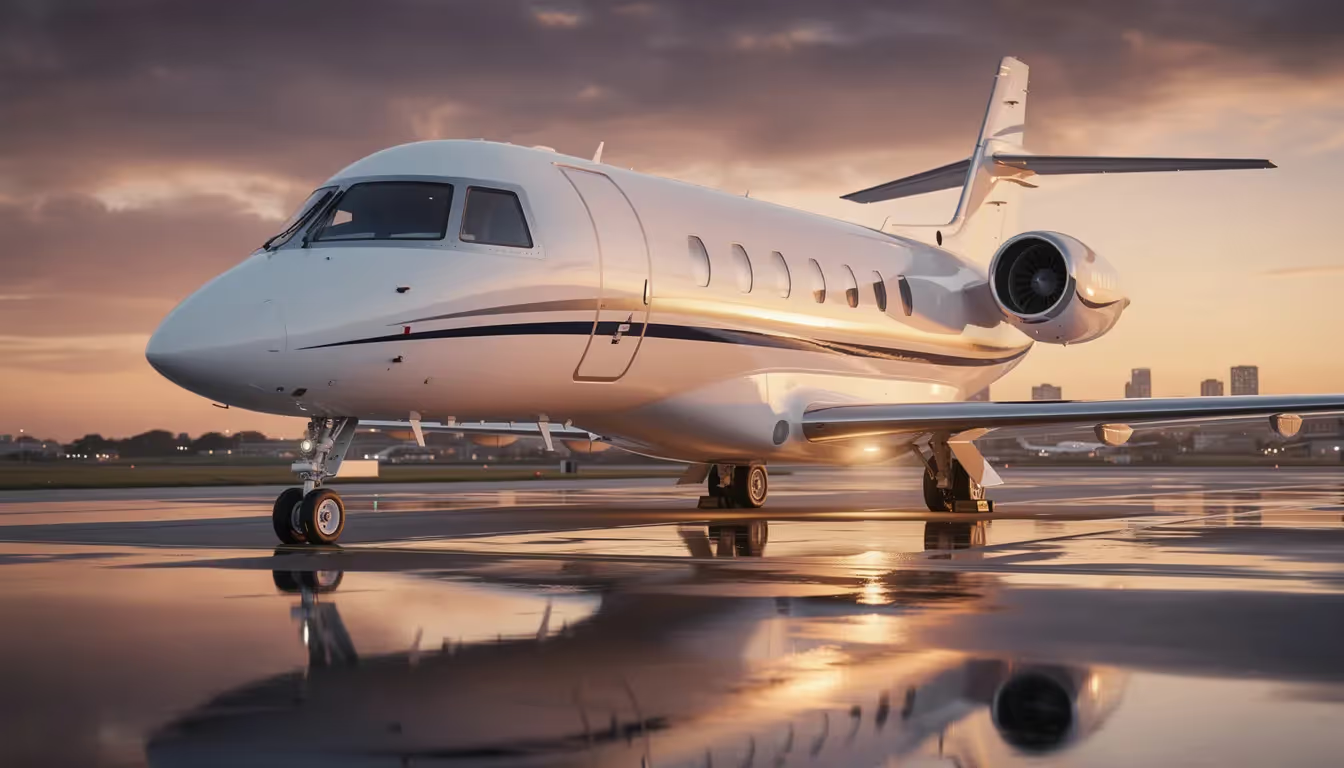
The private jet market spans a wide spectrum of aircraft, from light business jets to ultra-long-range and VIP-configured airliners. These aircraft are often referred to as “other aircraft” within aviation classifications, but their role is anything but secondary. They serve executives, governments, and private owners who require flexibility, security, and global reach.
Purchasing a private jet is a significant financial commitment. Buyers must consider the aircraft type, range, cabin configuration, operational requirements, and long-term costs. When evaluating the most expensive private jet for sale, the conversation quickly expands beyond the purchase price to include customization, maintenance, staffing, and asset management.
Private jets are used for both business and personal travel. For corporations, they enable leadership teams to remain productive while moving between multiple destinations in a single day. For individuals and families, they offer privacy, scheduling freedom, and a consistently high standard of travel. In either case, a private jet can become a powerful tool rather than a luxury accessory.
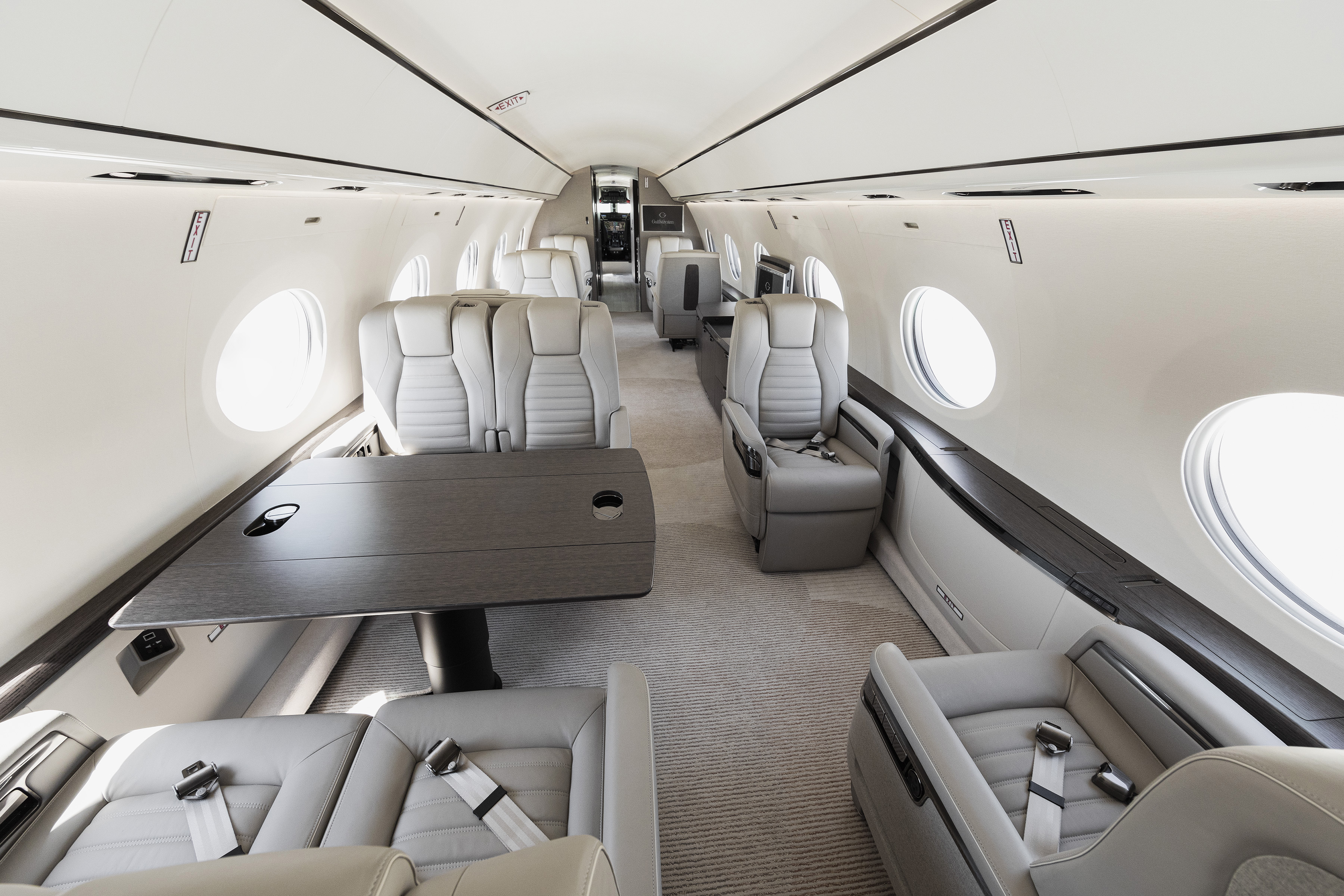
Luxury private jets are defined by space, craftsmanship, and technology. Unlike standard business aircraft, these jets often feature multiple living areas for rest, work, dining, and entertainment. Full-height cabins, private bedrooms, conference rooms, and en-suite bathrooms are common in the upper tier of the market. For example, the Bombardier Global 8000 offers four true living spaces, providing unparalleled spaciousness and comfort.
Interiors can be extensively customized to include luxurious features such as ergonomic seats, dedicated meeting rooms, and sleeping areas. Owners increasingly treat their jets like homes or superyachts, investing in opulent finishes like gold plating and marble flooring. These bespoke interiors not only enhance comfort but can also significantly increase the overall value of the aircraft, sometimes doubling the purchase price.
Advanced technology is integrated throughout luxury jets. High-speed satellite internet, such as the Gogo InFlight Wi-Fi featured on the Vision Jet, ensures industry-leading connectivity. Entertainment systems, modern workspaces with center consoles, and panoramic windows further elevate the cabin experience.
Companies like Lufthansa Technik offer exclusive design studios that allow owners to tailor every detail of the interior and exterior, creating a personalized airborne residence. This level of customization is a hallmark of the most expensive private jets for sale.
Business jets remain the backbone of private aviation. They are designed to balance performance, efficiency, and comfort, making them suitable for frequent corporate travel. Executives rely on business jets to reduce downtime, avoid commercial delays, and maintain confidentiality.
The market includes light, midsize, super-midsize, and large-cabin business jets. Smaller models are well-suited for regional travel, while large-cabin jets offer intercontinental range and stand-up cabins. These aircraft are often selected based on mission profile rather than prestige alone.
Many business jets are equipped with technology that supports productivity. Secure video conferencing, reliable internet connectivity, and ergonomic seating enable uninterrupted meetings in the air. This capability is particularly valuable for companies operating across multiple time zones.
Some business jets approach the level of luxury found in VIP airliners. Features such as private staterooms, premium galleys, and dedicated crew rest areas blur the line between corporate aircraft and personal luxury jets. Notable examples include the Gulfstream G700, known for its intercontinental capabilities and luxury, costing upwards of $70 million, and the Bombardier Global 8000, the world's fastest civilian aircraft with a top speed of Mach 0.95 and a range of 8,000 nautical miles.
Large converted airliners, such as Boeing Business Jets based on commercial platforms, occupy the highest end of the market. The Boeing 747-8 BBJ boasts a range of approximately 8,900 to 9,260 nautical miles, enabling non-stop travel between major cities globally. These aircraft offer unmatched space and customization potential but entail correspondingly higher acquisition and operating costs.
Safety is a foundational pillar of private aviation. Modern private jets incorporate advanced systems designed to enhance situational awareness and reduce pilot workload. These include terrain awareness and warning systems, traffic collision avoidance, and synthetic or enhanced vision technologies.
Security is another priority, particularly for high-profile individuals and corporate leadership. Some private jets are equipped with onboard surveillance systems, secure access controls, and reinforced cockpit doors. These measures provide additional layers of protection without compromising comfort.
Pilots operating private jets undergo extensive training and recurrent evaluations. Many are type-rated on specific aircraft and trained to airline-level standards. This rigorous preparation contributes to the strong safety record of private aviation when managed professionally.
Maintenance plays a critical role in operational safety. Private jet owners typically work with certified maintenance organizations to ensure compliance with regulatory standards and manufacturer recommendations. Certain aircraft can also be equipped with emergency assistance technologies such as Safe Return, which enables automated landing in extreme scenarios, offering peace of mind for passengers.
One of the defining advantages of private jet ownership is the ability to customize the aircraft extensively. Owners are not limited to factory layouts and can redesign both interior and exterior elements to reflect their preferences and lifestyle.
Interior customization may include bespoke furniture, premium materials, and tailored layouts that support specific use cases. Some owners prioritize private offices and meeting spaces, while others focus on family-friendly configurations with bedrooms and lounges. Customization options often include luxurious finishes such as gold plating and marble flooring, as well as advanced technology features like in-flight Wi-Fi and state-of-the-art entertainment systems.
Exterior personalization is also common. Custom paint schemes, logos, and finishes allow aircraft to project a distinct identity. While largely aesthetic, these details contribute to the overall ownership experience.
Practical customizations are equally important. Additional storage, modified galleys, or upgraded connectivity systems can significantly improve usability. The ability to align an aircraft precisely with operational needs is a key reason many buyers view private jets as long-term strategic assets.
Aircraft customization can significantly increase the purchase price, sometimes doubling it with bespoke interiors. This investment not only enhances the flying experience but also boosts the aircraft's resale value.
Several aircraft consistently appear in discussions about the most expensive and capable private jets on the market. These models combine long-range, high-speed, and expansive cabins, making them suitable for global travel.
The Gulfstream Aerospace G650 is widely regarded as a benchmark in ultra-long-range business aviation. It offers intercontinental capability, high cruising speeds, and a refined cabin environment.
The Bombardier Global 7500 is another standout. Known for its range and smooth ride, it features multiple living zones and an advanced wing design that enhances efficiency and comfort.
Large converted airliners, such as Boeing Business Jets based on commercial platforms, occupy the highest end of the market. These aircraft offer unmatched space and customization potential but entail correspondingly higher acquisition and operating costs.
When evaluating these models, buyers must consider range requirements, typical passenger count, airport accessibility, and long-term operating implications. The most expensive option is not always the most practical for every mission profile.
Notable examples of the most expensive private jets for sale include:
Private jet pricing varies dramatically based on aircraft size, age, and configuration. Entry-level jets may cost several million dollars, while ultra-long-range jets and VIP airliners can cost hundreds of millions.
Supply chain constraints and macroeconomic pressures are influencing the pricing of private jets in 2026. Record-low inventory for newer pre-owned aircraft has driven prices higher than original list prices.
Beyond acquisition, operating expenses must be factored into any investment analysis. Fuel, crew salaries, maintenance, insurance, and storage represent ongoing costs that scale with aircraft size and utilization. Hourly operating costs can range significantly, from approximately $835 to $56,000 depending on the aircraft class and mission.
Despite these expenses, private jet ownership can deliver tangible returns through time savings, productivity gains, and travel reliability. For organizations where executive time is highly valuable, these benefits may offset a significant portion of the cost.
Aircraft values can also remain relatively stable when managed properly, particularly for in-demand models with strong manufacturer support. While private jets should not be viewed purely as financial investments, they can retain meaningful residual value under the right conditions.
The market for luxury jets includes both new aircraft and meticulously maintained pre-owned options. Buyers may choose new builds for maximum customization or select pre-owned aircraft to reduce acquisition time and cost.
High-profile models often associated with the most expensive private jets include VIP-configured Boeing and Airbus aircraft, as well as flagship business jets like the G650 and Global 7500. While airliners offer unparalleled space, they also require specialized operational infrastructure.
Luxury jets are typically purchased through brokers or specialized advisory firms that manage negotiations, inspections, and regulatory processes. Due diligence is essential to assess aircraft condition, maintenance history, and compliance status.
Online platforms and global broker networks have made the discovery process more transparent. However, expert guidance remains critical when evaluating high-value assets in the private aviation market.
Private jet charter offers access to private aviation without the responsibilities of ownership. Travelers can select aircraft for specific trips and pay only for the time they fly.
Charter can be a practical solution for occasional travelers or those exploring private aviation for the first time. It provides flexibility and exposure to different aircraft types without long-term commitment.
For frequent flyers, however, charter costs can accumulate quickly. Availability constraints and fluctuating pricing may also limit consistency. These factors often prompt travelers to explore alternatives such as fractional ownership or jet card programs.
Understanding when charter makes sense versus when ownership or fractional access becomes more efficient is a critical part of private aviation planning.
While full ownership of the most expensive private jets offers unmatched control, it is not always the most efficient solution. Fractional jet ownership provides access to high-end aircraft with shared costs and reduced operational complexity.
Fractional owners purchase a share of an aircraft and receive guaranteed flight hours, professional management, and predictable expenses. This model combines many of the benefits of ownership with greater flexibility and lower capital exposure.
For individuals and organizations seeking consistent private jet access without the burden of sole ownership, fractional aircraft ownership can be a balanced, financially rational approach.
The most expensive private jet for sale represents more than a symbol of wealth. It reflects a commitment to efficiency, autonomy, and a tailored travel experience. Yet for many buyers, the optimal solution lies not in outright ownership but in carefully structured access models.
Fractional jet ownership offers a compelling alternative, delivering the advantages of private aviation while mitigating cost and complexity. For those evaluating their options within the private jet market, informed guidance is essential.
Ready to explore the smarter way to fly private? Visit https://www.fractionaljetownership.com/ to learn how fractional ownership can transform your travel experience and provide a more strategic approach to private aviation.
