April 27, 2026
This guide is intended for business and leisure travellers considering private jet solutions for 25 to 150 flight hours per year. Understanding one way private jet pricing can help travellers avoid unnecessary costs and maximise the value of private aviation.
A one-way private jet flight is a point-to-point trip where passengers pay only for the leg they occupy, without charges for the aircraft to wait at the destination or return to base. Booking the entire aircraft for a one-way flight provides exclusivity and privacy, as opposed to shared options, giving you full control over your travel experience. This type of flight falls under the broader category of air charter service, which encompasses a range of private jet options for both business and leisure travellers. This sounds straightforward, but the reality of private charter flights often tells a different story.
In traditional charter, many quotes labelled as “one way” are actually priced like round-trip tickets. The reason is simple: when you fly from New York to Miami, the jet needs to get back somewhere—either to its home hangar or to pick up the next client. That empty return, called a repositioning or deadhead leg, frequently gets billed to you, even though you never set foot on it.
BlackJet Fractional Jet Ownership offers a different approach. By combining fractional aircraft ownership with intelligent fleet management, BlackJet helps clients secure predictable one-way private jet access without the hidden costs of ad-hoc charter or the full burden of sole ownership. This model is designed to deliver a superior private jet experience, emphasising luxury, convenience, and tailored service that elevates every journey. Booking a one-way private jet offers ultimate convenience, flexibility, and privacy, saving significant time by bypassing airport security and using smaller, closer airports. This article explores how the private aviation market handles one-way pricing, where the inefficiencies hide, and how structured programs can deliver genuine point-to-point value.
The focus here is on U.S. and transatlantic private travel, tailored for travellers logging 25 to 150 flight hours per year—the sweet spot where fractional ownership and membership programs deliver the strongest returns.
Private jets are categorised into several types based on size and range, including light jets, midsize jets, heavy jets, and ultra-long-range jets. Light jets are ideal for short trips and small groups. Midsize jets offer a balance between range and passenger capacity, typically seating 6 to 8 passengers and capable of flying distances of around 2,500 miles. Heavy jets are designed for long-distance travel, accommodating larger groups and offering a range of approximately 6,000 to 7,000 miles, making them suitable for international flights. Ultra-long-range jets such as the Falcon 900LX long-range jet can fly non-stop for over 8,000 miles, accommodate up to 19 passengers, and are equipped with luxurious amenities for long-haul travel.
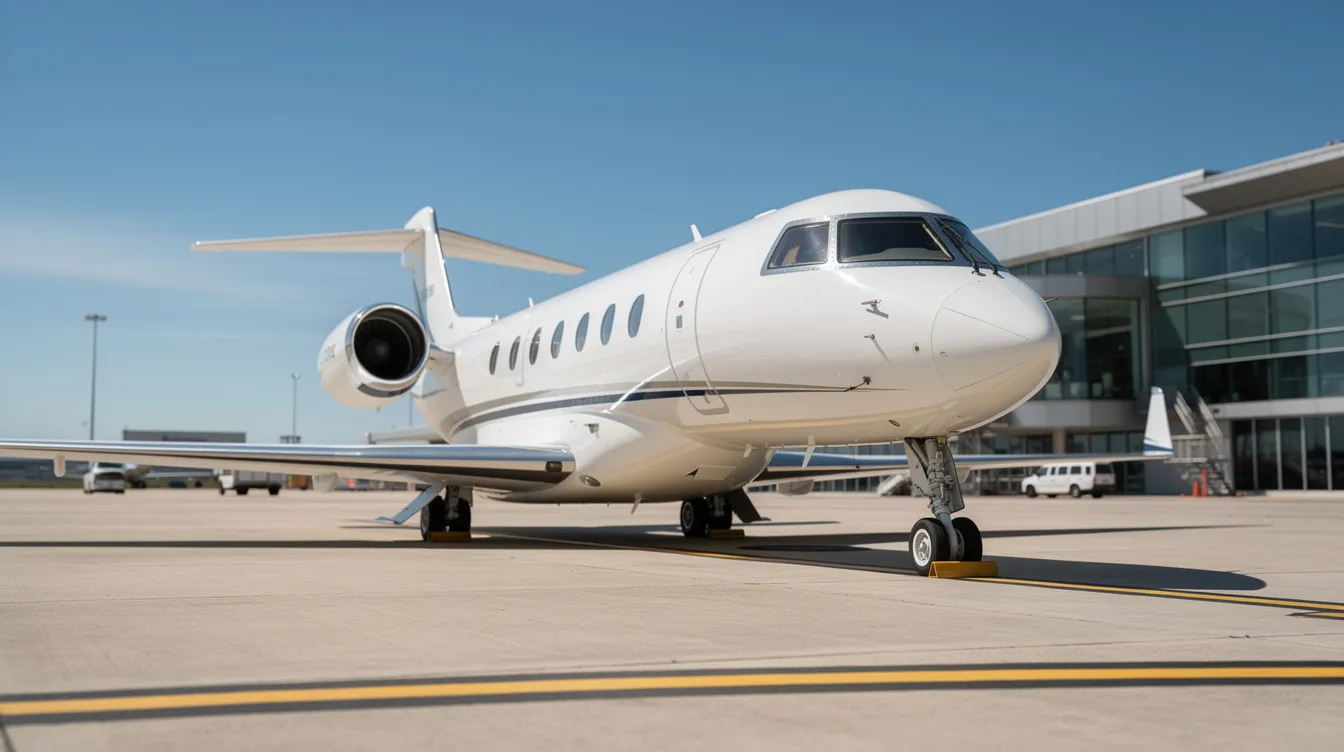
Empty leg flights and deadhead segments are the hidden drivers behind inflated one-way pricing. Empty leg flights are private charter flights that operate without passengers, typically to reposition the aircraft for its next scheduled flight. An empty leg is any flight where the aircraft repositions without revenue passengers—either returning to base after dropping off a client or travelling to pick up the next one.
A standard one-way charter quote for this route might land around $28,000. That figure includes both the live leg you fly (valued at approximately $12,000–$18,000) and the anticipated empty return. You pay for airtime you never use.
Key cost drivers behind this pricing include:
Crew duty limits under FAA regulations cap flight time at 10–14 hours per day, forcing operators to plan around rest requirements
Monthly hangar and base commitments averaging $50,000–$100,000 per aircraft that operators must recover through charter revenue
The need to reposition jets for subsequent paying clients, often hundreds of miles away
The selection of the right plane for your trip, as different planes have varying operating costs, size, and features that directly impact the total price
Private jets are primarily billed per flight hour, with average hourly rates typically ranging from:
$2,000–$3,500 for light jets
$3,500–$6,000 for midsize planes
$6,000–$10,000+ for large cabin aircraft such as Falcon 2000EX super midsize and large cabin jets
Route | True One-Way Cost | Round-Trip-Priced Quote |
|---|---|---|
Boston (BOS) → Chicago (MDW) light jet | $6,500–$8,000 | $12,000–$15,000 |
Miami (OPF) → New York (TEB) midsize | $14,000 | $28,000 |
Los Ángeles (VNY) → Las Vegas (LAS) | $3,500 (empty leg) | $8,000 |
For frequent travellers, understanding floating fleet options in fractional ownership is key to accessing more efficient one-way pricing structures.
The pattern is consistent: fixed operators embed repositioning costs because their business model requires the jet to return to a specific location. For travellers, this means paying a premium for flight time that provides zero value.
Eliminating billable empty flight time is the fastest path to reducing one-way private jet costs. The good news is that the market has developed several mechanisms to match repositioning needs with traveller demand, especially at major hubs such as Calgary International Airport, where operators actively coordinate one-way flows.
Private jet charter services operated by brokers tap into vast networks of operators—sometimes 20,000 or more aircraft globally—to find legs where your trip aligns with an operator’s existing repositioning need, whether you’re flying out of regional gateways like Kelowna International Airport or larger metro hubs. When your New York to Chicago request matches an aircraft that was flying that route empty anyway, you pay closer to true point-to-point rates.
Less control over aircraft types (you may fly a light jet instead of your preferred super midsize)
Schedule rigidity with departure windows of 2–24 hours
Cancellation risks since many deals lack contractual guarantees
Last-minute changes can be difficult to accommodate
Empty leg matching through aggregator platforms, scanning thousands of daily routes
Floating fleets that operate regionally without fixed base commitments
In-network client pairing where operators connect complementary itineraries; having many clients enables brokers to match one-way flights among multiple travellers, optimising aircraft utilisation and reducing costs.
Dynamic pricing algorithms offering real-time quotes on repositioning segments
For travellers who fly frequently, structured programs like fractional jet ownership or BlackJet’s Reserve Fleet membership eliminate the deal-hunting entirely. Instead of reacting to whatever the market offers, clients lock in predictable one-way rates backed by professional fleet management. Resources comparing fractional jet ownership vs membership programs can help clarify which access model best aligns with your flying profile. The private jet booking process typically involves four main steps: defining trip details, selecting an aircraft, verifying safety credentials, and booking the flight.
The private aviation market has evolved sophisticated systems for matching supply with demand. Understanding these mechanisms helps travellers identify genuine savings opportunities.
Broker networks monitor thousands of daily flights across the U.S. and Europe, identifying repositioning legs that align with client requests. This global network connects travellers with aircraft that would otherwise fly empty.
Operators reduce one-way prices when they can chain trips on the same jet. Your Dallas to Los Angeles leg becomes more affordable when another client needs Los Angeles to Seattle the following day.
Technology platforms use live ADS-B tracking and pricing models to surface point-to-point options in minutes. Apps from providers like XO scan 60,000+ routes across 2,200 aircraft to find matches.
International network coverage extends these efficiencies across oceans, with floating fleet models operating transatlantic and throughout Europe, and regional programs such as fractional jet ownership in Kaohsiung adapting these principles to Asia-Pacific corridors.
This reactive, deal-hunting approach works for flexible travellers with time to search. BlackJet’s proactive approach differs: the fleet is positioned around where owners and members actually fly, creating organic one-way efficiencies for clients who know their corridors in advance.
A floating fleet operates aircraft across a broad geography—the entire U.S. Northeast to Midwest corridor, or transatlantic Europe—instead of returning each jet to a fixed home base after every trip. Unlike traditional private jet travel, which is often constrained by fixed routes that can lead to limitations and delays, floating fleets offer greater flexibility and convenience by adapting to real-time demand.
This model fundamentally changes the way economics is. Because floating fleet operators do not need to deadhead aircraft back to a specific hangar, they can price one-way private jet flights much closer to true point-to-point rates. The jet simply continues to wherever demand takes it next, similar to the flexibility found in private charters, which provide customizable, on-demand solutions for travellers.
Consider a Citation CJ3 operating on a floating basis. The operator accepts a Boston (BOS) → Chicago (MDW) charter at approximately $7,200 (1.6 hours at $4,500 per hour) because the aircraft will proceed to Dallas (DAL) for another fare immediately afterwards. There is no $5,000+ deadhead to recover. Light jets like the Citation CJ3 typically seat 4 to 8 passengers and are ideal for short to medium-haul flights, with a range of up to 1,500 miles. For those considering ownership in this size category, a fractional share of the Honda Jet or a TBM 850 turboprop fractional share can offer similar mission capability with structured costs.
Industry data from ARGUS shows that well-managed floating fleets achieve utilisation rates of 85–90%, compared to 70% for fixed-base operations. Higher utilisation translates to lower per-flight costs and better pricing for clients, especially when paired with comparative fractional and membership programs designed around real travel corridors.
Even floating fleet operators rely on digital matching and broker relationships to minimise the 10–15% of hours that still fly empty. The most efficient operations combine floating aircraft with intelligent scheduling systems, mirroring best practices outlined in guides to floating fleet options in fractional ownership.
BlackJet’s Equity Fleet mirrors this floating model. Aircraft are positioned along high-demand corridors—New York to Florida, California to Nevada, Northeast to Colorado—based on actual owner and member travel patterns, similar to industry-leading fractional jet ownership programs for smart investors. This creates the same organic one-way efficiencies that commercial floating fleets achieve, but with the guaranteed access and service standards of fractional ownership. For region-specific travellers, localised solutions such as fractional jet ownership in Atlanta or fractional jet ownership in Austin extend similar benefits on key Southeastern and Central U.S. routes.
In-network pairing means matching two or more client itineraries so that each leg generates revenue and the empty time is minimal. When done well, both clients benefit from lower costs, and the operator maximises aircraft utilisation. Understanding core fractional jet ownership terminology helps clarify how these pairing strategies are structured in formal programs.
An on-demand provider might connect a New York → Dallas trip on Sunday with a Dallas → Los Angeles trip on Tuesday, using the same midsize jet. Instead of the first client paying for a Dallas → New York deadhead and the second paying for a Los Angeles → Dallas positioning leg, each pays closer to true one-way rates of $12,000–$18,000 rather than $30,000+ equivalents.
A word of caution: Some operators engage in practices where both clients are charged for the same empty air time—a form of double-dipping flagged in approximately 20% of complaints to aviation mediators. Transparency and operator reputation matter significantly when booking one-way charters through less established channels.
Empty leg matching takes a different approach. Empty leg flights are private charter flights that operate without passengers, typically to reposition the aircraft for its next scheduled flight. Instead of pairing two paying clients, operators sell the repositioning segment itself at steep discounts—sometimes 50–90% below standard charter rates—because the jet flies that route regardless. Travellers can save significantly on private jet travel by booking empty leg flights, with discounts often reaching up to 90% off standard rates.
A Los Angeles (VNY) → Las Vegas (LAS) 45-minute hop in a light jet or small plane might cost $1,800–$3,500 as an empty leg versus $8,000–$12,000 for a standard charter flight. These leg deals represent exceptional value for travellers with flexible schedules who can adapt to set departure windows and available aircraft types.
The following examples are illustrative, not live offers, but they demonstrate how one-way pricing typically behaves close to departure dates. These scenarios reflect the kind of opportunities that surface regularly in April.
Route & Date | Standard Charter (Midsize/Light Jet) | Empty Leg Estimate | Potential Savings |
|---|---|---|---|
Dallas (DAL) → Aspen (ASE) 4/24/26 | ~$18,000 | $3,500–$5,000 | 70–75% |
Miami (OPF) → New York (TEB) 4/25/26 | ~$28,000 | $6,000–$9,000 | 65–70% |
Los Ángeles (VNY) → Las Vegas (LAS) 4/23/26 | ~$8,000 | $2,000–$2,500 | 70–75% |
These flash value opportunities work best for travellers who can adjust to ±2-hour departure windows and accept whatever aircraft types are available. In leisure-heavy markets such as Florida, fractional jet ownership in Orlando can complement opportunistic empty legs with guaranteed access during peak seasons, just as Ibiza-based fractional jet solutions support summer traffic in Mediterranean resort destinations. For leisure travel or flexible business trips, empty legs deliver exceptional cost-effective travel.
BlackJet helps high-frequency clients blend planned fractional usage with opportunistic empty legs. When an owner’s scheduled trip aligns with available positioning flights, the operations team can route the itinerary to capture additional savings, further reducing average hourly cost across the year.
The choice between one-way and round-trip depends on trip spacing, wait time economics, and how you access private flights. Neither option is universally better—context determines the right aircraft strategy.
Same-day out-and-back meetings suit round-trip pricing. A New York (TEB) → Washington, D.C. (IAD) morning departure with an afternoon return keeps the aircraft and crew waiting at the destination—typically 6–8 hours. Total cost for this midsize round trip runs $15,000–$20,000, including crew overnight costs of $1,500–$2,500 if needed.
The aircraft stays at your disposal, providing access throughout the day. You board when ready, avoiding airport crowds and long security lines at commercial terminals, saving valuable time while relying on highly trained private aviation pilots and crews dedicated to safety and service. Private jets provide significant time savings, allowing travellers to save between 90 and 180 minutes on many business routes due to expedited check-in and direct access to smaller airports. Additionally, private jets offer enhanced privacy and security, allowing travellers to conduct business or relax without the concerns associated with commercial flights, such as crowded terminals and shared spaces. For frequent users in the Southwest, fractional jet ownership in Phoenix extends these advantages across regional business and leisure routes, while Portland-focused fractional ownership options serve similar roles in the Pacific Northwest.
Multi-day or multi-city itineraries often favour separate one-way flights. Consider a traveller going to New York → Los Angeles on Monday and returning on Thursday:
Round trip with multi-day wait: $65,000–$70,000 (includes ~$25,000 per day minimum for idle aircraft)
Two strategic one-ways: $40,000–$50,000 combined
Standard one-way bookings typically include charges for repositioning legs, which can sometimes double the hourly rate. The savings come from not paying for an aircraft sitting unused for three days. Each one-way flight operates independently, with different jets if necessary. It's important to note that standard one-way bookings typically include charges for repositioning legs, which can sometimes double the hourly rate, making it essential to understand the total cost structure of fractional jet ownership when comparing options.
Crew rest requirements mandate 8–10 hours minimum between duty periods under FAA Part 91K rules
Overnight basing fees add $500–$1,000 per night when aircraft wait at destinations
Minimum usage charges of 1–2 hours apply even for short hops
Route & Scenario | Round Trip Cost | Two One-Way Costs |
|---|---|---|
New York ↔ Los Angeles (same-week round) | $65,000 | $45,000 |
Chicago ↔ New York (weekly commute) | $25,000 | $16,000 |
New York ↔ Boston (same-day meeting) | $15,000 | (One way rarely makes sense) |
For travellers flying private regularly, fractional ownership and membership programs simplify this calculation. Flight hours are billed at fixed rates regardless of whether the trip is one-way or round-trip, eliminating the need to optimise each journey independently and aligning closely with frameworks that explain the complete cost of fractional jet ownership.
Fractional jet ownership means purchasing a share of an aircraft—typically 1/16 to 1/4—entitling the owner to a set number of flight hours per year. This model delivers all the benefits of private aircraft access without the operational burden of sole ownership, and many executives evaluate it using frameworks that treat fractional jet ownership as an investment in both time savings and capital efficiency.
BlackJet’s Equity Fleet gives owners priority access, predictable hourly rates, and the ability to fly one-way private jet routes without repositioning penalties. Because BlackJet manages a network of shared aircraft across high-demand corridors, the fleet naturally pairs flights and redeploys jets efficiently. The empty air time that individual charter customers pay for simply does not exist in the same way. Comparing BlackJet’s Reserve Fleet, Equity Fleet, and Lease Program on a single fractional ownership program comparison can clarify how each structure manages repositioning and one-way economics. When booking, owners receive comprehensive flight details, including aircraft specifics and airport information, once the reservation is finalised. A dedicated charter consultant is assigned to assist clients throughout the booking process, providing quotes and managing all aspects of the flight, guided by clearly defined fractional jet ownership contract terms that govern scheduling, costs, and service levels. Additionally, safety certifications should be verified, ensuring the operator holds a Part 135 certification and has undergone third-party safety audits from recognised bodies, all of which are typically detailed within an aircraft fractional ownership sample contract and supported by robust liability and insurance coverage in fractional jet ownership.
A fractional share in a light or midsize jet might cost $400,000–$2,000,000, depending on aircraft type and share size, providing access to 50–400+ hours annually. The effective hourly rate—including management fees, fuel, and crew—runs $5,000–$12,000 for light jets through heavy jets, with no add-ons for repositioning.
See also a dedicated guide on tax implications for fractional jet owners for a deeper context on these provisions.
Business users may qualify for accelerated depreciation under Section 168(k) or Section 179 expensing up to $1.22 million (2026 limits) for qualified business flights. These provisions can reduce after-tax ownership costs by 20–40%, significantly enhancing economics for corporate use. Consult a tax professional for specific applicability, and review guidance on selling a fractional jet ownership share if you anticipate exiting or resizing your position over time.
Consider a CEO flying routes like Chicago–New York (40 trips annually), Dallas–Scottsdale, and Los Angeles–San Jose. Purchasing fragmented one-way charters at $8,000+ per hour would total approximately $850,000 annually. A fractional share yielding an effective rate of $5,500 per hour brings the total cost closer to $550,000—a 35% reduction with guaranteed access and consistent service standards.
Choosing between fractional ownership and reactive charter booking involves trade-offs in predictability, cost, and control. Here is how the two models compare across key dimensions:
Guaranteed access vs. market availability: Equity Fleet owners receive 95%+ availability with advance booking. Ad-hoc charter depends on what aircraft happen to be positioned nearby, with availability dropping to 70–80% during peak demand periods.
Fixed program rates vs. fluctuating prices: Fractional owners pay contracted hourly rates that remain stable regardless of season or fuel prices. Charter costs swing with market conditions—fuel spikes, crew shortages, and holiday demand can push rates 20–50% higher than quoted averages.
Consistent safety and service standards vs. variable quality: BlackJet aircraft undergo Wyvern or equivalent safety audits. Chartering through brokers means flying with operators of varying standards, with limited visibility into aircraft maintenance and crew qualifications.
Proactive fleet positioning vs reactive deal hunting: Equity Fleet aircraft are positioned based on owner travel patterns, creating organic one-way efficiencies on busy corridors. Charter clients must search for deals and accept whatever routes happen to be available.
Flight Hours per Year | Entry Fractional Share Investment |
|---|---|
25 | ~$300,000 |
50 | ~$600,000 |
100 | ~$1,000,000 |
150 | ~$1,800,000 |
Upfront commitments are higher than pay-per-trip charter, but effective per-hour costs for frequent flyers run 20–40% lower over a 3–5 year horizon, especially when optimised through thoughtful fractional jet ownership financing that aligns capital outlay with expected flight hours. For travellers whose personal needs include predictable access and a consistent private flight experience, the math favours ownership. Many active flyers find that a 1/8 fractional jet ownership structure offering around 100 hours annually strikes the right balance between flexibility and cost.
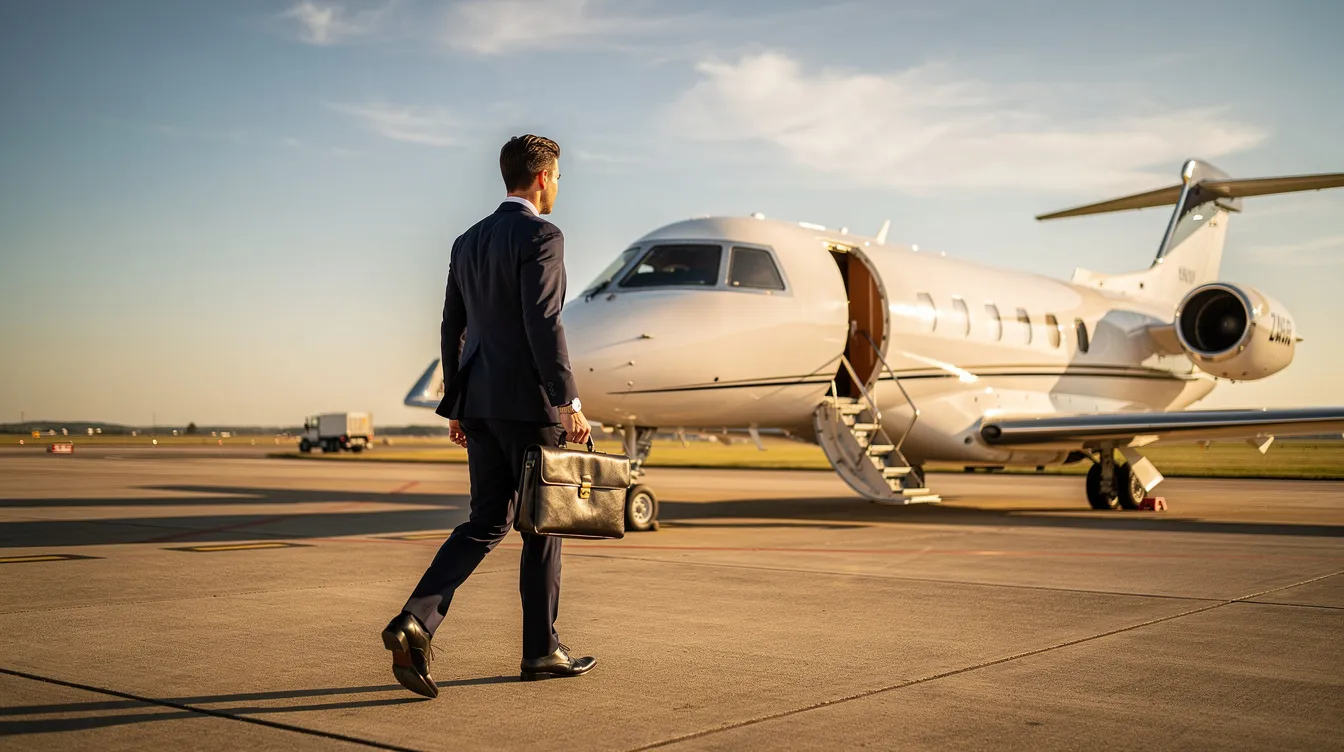
BlackJet’s Reserve Fleet provides pay-as-you-go access to a curated fleet without requiring equity ownership. This membership model suits travellers who want the seamless experience of flying private with contracted rates and professional scheduling—but without long-term capital commitments.
Reserve Fleet fills the gap between occasional charter (where you pay full ad-hoc rates) and fractional ownership (where you commit significant capital). Members gain predictable service, 24/7 concierge support, and no blackout dates—similar to jet card programs but integrated with BlackJet’s owner network for better positioning efficiencies. In established business markets, options like fractional jet ownership in Pittsburgh or fractional jet ownership in Nashville can dovetail with such memberships for year-round coverage.
When Equity Fleet owners create empty legs through their scheduled travel, Reserve Fleet members gain access to those positioning flights at attractive rates. The operations team routes aircraft to maximise utilisation across both pools, providing access to leg deals that would not surface on public aggregators.
An executive based in San Francisco flies monthly one-way routes: San Francisco (SQL) → Seattle (BFI) at 1.5 hours in a light jet ($7,500 per trip) and Austin (AUS) → Chicago (MDW) at 3 hours in a midsize jet ($18,000 per trip).
Annual cost through Reserve Fleet at 25 hours: approximately $300,000
Comparable cost through fragmented ad-hoc charters: $450,000+, a gap that becomes even more pronounced in high-demand regions such as the Southwest, where Phoenix-based fractional ownership solutions can further reduce repositioning premiums.
The difference reflects both contracted rates and the elimination of repositioning fees that ad-hoc charter customers absorb, particularly on busy corridors where programs like fractional jet ownership in Seattle also leverage strong local demand to minimise empty legs.
Costs range widely based on distance, aircraft type, and how you book. Typical U.S. light jets covering 500–1,000 nautical miles run $5,000–$12,000 for a true one-way flight. Cross-country routes in midsize or super midsize jets push into the $15,000–$30,000 range. Heavy jets for transcontinental or transatlantic destinations exceed $30,000. These figures assume efficient booking through brokers, membership programs, or fractional access. Fixed-fleet operators quoting one way often price 50–100% higher due to embedded repositioning. How many passengers you fly affects aircraft selection but not per-flight pricing significantly.
Yes, particularly through empty leg channels. Approximately 50% of same-day private flights on popular routes like Florida–New York originate as empty leg deals. Success depends on flexibility: travellers who can adjust departure time by a few hours and accept available aircraft types find more options. Private terminals at smaller airports often have better last-minute availability than major hubs. Weather conditions and crew positioning also influence what becomes available close to departure.
Cost effectiveness depends on trip details. If your journey involves the aircraft waiting less than 8–10 hours at the destination, a round-trip typically makes sense—you pay for one positioning rather than two. For trips spaced more than 48 hours apart or involving different destinations, two strategic one-ways often save 30–50% compared to round-trip pricing with multi-day minimums. Membership and ownership structures change the calculation by removing repositioning fees entirely, making one-way vs round-trip a scheduling decision rather than a cost decision.
Many corporate clients in the U.S. use private aviation for legitimate business purposes. Flights for meetings, site visits, and client entertainment generally qualify for deduction under standard IRS business travel rules. Documentation matters: maintain flight manifests, passenger logs, and business purpose records. Fractional ownership offers additional benefits through asset depreciation for qualified business use. Consult a CPA familiar with aviation for guidance on SALT implications and specific applicability to your situation.
Private aviation provides access to more airports than commercial airlines—over 5,000 in the U.S. alone, versus approximately 500 served by major carriers, ranging from smaller fields like Atlantic Municipal Airport to major international gateways. This means flying directly into destinations like Aspen, Nantucket, or Scottsdale that lack commercial service, or secondary fields such as Fernandina Beach, with private jet access options that put you closer to resort and coastal communities. International network coverage extends across Europe, the Caribbean, and beyond, including leisure destinations served by programs such as Bay of Islands private jet access and ownership options. The vast network of private terminals at smaller airports means you can often land minutes from your final destination rather than hours, and if your needs change over time, understanding how to sell your fractional jet ownership share helps keep your exit options flexible.
One way private jet flights represent genuine efficiency when backed by intelligent fleet management rather than one-off charter deals. The difference between overpaying for empty airtime and securing true point-to-point value comes down to how your aircraft access is structured.
BlackJet Fractional Jet Ownership eliminates most empty-air penalties by combining Equity Fleet ownership with Reserve Fleet access and professional scheduling. Owners and members benefit from proactive aircraft positioning along high-demand corridors, in-network flight pairing, and transparent pricing without hidden repositioning fees.
For travellers flying 25–150 hours per year, the comparison is worth running: take your current one-way charter invoices and measure them against a structured fractional or membership solution. The numbers often reveal that what feels like “flexibility” in ad-hoc booking actually costs 20–40% more than predictable program access.
Ready to explore the smarter way to fly private? Visit FractionalJetOwnership.com to request a personalised one-way cost analysis and discover which BlackJet program fits your travel profile. Turn unpredictable charter pricing into a strategic, reliable part of your next journey—whether for business or leisure time.
One way private jet travel offers unparalleled convenience, flexibility, and privacy for discerning travellers, but understanding the true cost structure is essential to avoid overpaying for empty repositioning legs. BlackJet Fractional Jet Ownership provides a smarter alternative by combining fractional ownership with expert fleet management, delivering genuine point-to-point pricing without hidden fees. Whether you fly 25 or 150 hours annually, structured programs like BlackJet’s Equity and Reserve Fleets offer predictable costs, guaranteed availability, and superior service standards, making private aviation more accessible and efficient.
For executives and business owners seeking to optimise their travel experience and control expenses, fractional ownership is a strategic investment in time savings and operational excellence. To learn more about how fractional jet ownership can transform your private flying experience and to receive a personalised one-way cost analysis, visit FractionalJetOwnership.com or explore fractional jet ownership in Seattle for a regional perspective. Take the next step toward smarter, more efficient private jet travel today.
