January 22, 2026
Private aviation continues to attract business leaders, entrepreneurs, and discerning travelers who value time, flexibility, and control. Yet one of the most common questions for those exploring private flight for the first time—or reassessing their current travel strategy—is straightforward: How much does flying private actually cost?
Private flight pricing can seem complex at first glance. Unlike commercial tickets, private aviation costs are influenced by multiple variables, from aircraft selection to operational logistics. Understanding these factors is essential for making informed decisions, whether flying occasionally by charter or considering longer-term solutions such as fractional jet ownership.
This guide breaks down private flight pricing in clear, practical terms, helping travelers understand what drives costs, what to expect for different types of journeys, and how to align private aviation options with real travel needs.
Private jet travel offers a fundamentally different experience compared to commercial flying. Instead of rigid schedules, crowded terminals, and indirect routes, private aviation prioritizes efficiency, privacy, and flexibility—qualities increasingly valued in today’s fast-moving business and lifestyle environment.
At its core, private aviation allows travelers to fly on their own terms. Flights depart when needed, aircraft are selected based on trip requirements, and routes are optimized to minimize travel time. These advantages are especially compelling for executives managing demanding schedules, families seeking stress-free travel, and organizations balancing productivity with comfort.
Private jets range from compact aircraft designed for short regional trips to ultra-long-range jets capable of flying nonstop between continents. Each category has distinct performance characteristics and operating costs that directly influence pricing.
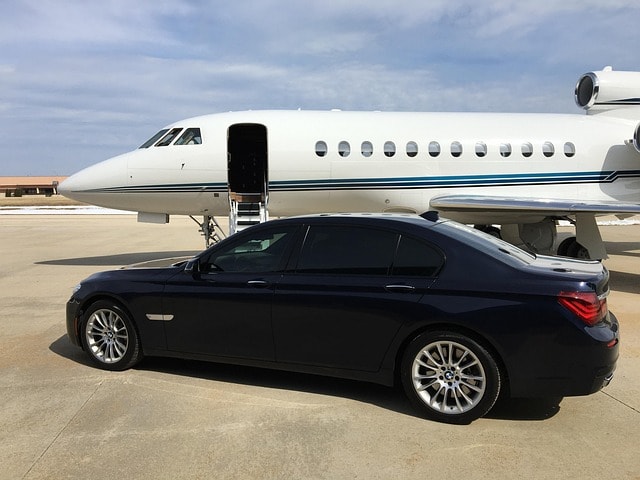
Private jet travel is increasingly popular among executives and business travelers due to its efficiency and convenience. It also provides a luxurious travel experience, allowing for personalized services and amenities such as customized in-flight entertainment and catering.
Booking a private jet can now be done quickly and easily through online platforms, enhancing accessibility and simplifying the process for travelers. Many providers offer private jet charter cost estimators that allow users to input specific travel details—such as departure and arrival destinations, dates, times, and number of passengers—to receive instant, transparent price estimates.
Understanding how these aircraft types differ—and how private flight pricing works—creates clarity and confidence when evaluating private aviation as a long-term travel solution.
Private jet pricing varies significantly based on aircraft size, range, and onboard capabilities. Choosing the right aircraft is one of the most important decisions influencing overall cost.
Turboprop aircraft are cost-efficient for shorter distances, typically ranging from 600 to 1,000 miles. These smaller aircraft are less expensive per hour than jets and are ideal for regional trips. The King Air 350 is a popular turboprop choice, accommodating up to nine passengers and offering lower charter costs compared to jets.
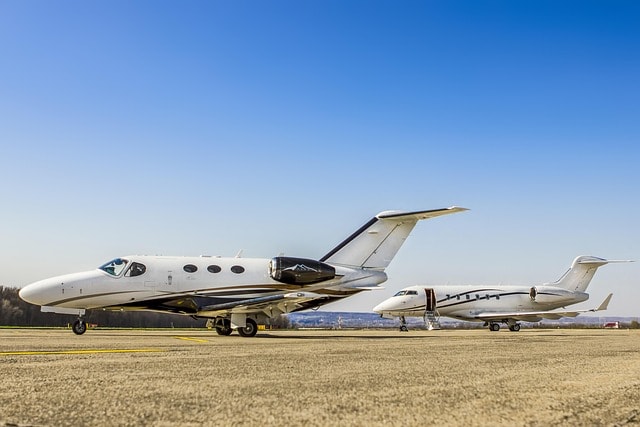
Light jets typically seat four to eight passengers and can fly distances of up to 1,500 miles before needing to refuel. They are designed for shorter trips and often operate out of smaller regional airports, which can reduce overall travel time. Their lower fuel consumption and simpler operating requirements make them one of the most cost-effective entry points into private aviation.
Midsize jets can fly approximately 2,450 miles, making them suitable for coast-to-coast flights in the U.S. Super-midsize jets extend this capability further with increased range, enhanced cabin amenities, and higher cruising speeds. These aircraft are popular for longer domestic flights and offer a balance between comfort and efficiency.
Heavy jets and ultra-long-range aircraft accommodate more passengers and travel significant distances, often exceeding 6,000 miles nonstop. They feature spacious cabins, dedicated crew rest areas, and advanced avionics, designed for international and intercontinental travel. While these aircraft command higher hourly rates, they deliver unmatched efficiency for long-haul missions where time savings and onboard productivity justify the investment.
Private flight pricing is not based on a single flat rate. Instead, it reflects a combination of operational, logistical, and regulatory factors that together determine the total cost of a journey.
Larger aircraft cost more to operate due to higher fuel burn, more complex maintenance requirements, and increased crew needs. As a result, hourly rates increase with aircraft size and range. The cost to charter a private jet can range from $1,200 to $10,000 per billable flight hour, with prices exceeding $15,000 per hour for larger aircraft or peak travel times.
Private jet costs are typically calculated per billable flight hour. Shorter flights generally cost less than longer flights due to lower fuel consumption. Longer distances naturally result in higher total costs, though nonstop capability can sometimes reduce overall expense by eliminating intermediate stops.
While passenger count does not directly affect hourly rates, it influences aircraft selection. Choosing an aircraft that is too large—or too small—can lead to unnecessary cost or compromised comfort.
One-way trips often cost more due to repositioning requirements, where an aircraft must fly empty to reach the departure airport or return to base after a trip. Efficient scheduling and access to a broad aircraft worldwide network can reduce these expenses.
Fuel prices fluctuate and play a significant role in operating costs. Fuel surcharges may apply when fuel prices increase, starting at around $300 per hour. Crew salaries, training, and duty-time regulations also factor into pricing. Crew overnight accommodation costs can add between $200 and $600 per crew member to the charter cost. Ongoing aircraft maintenance required to meet safety standards is another key component.
Landing and handling fees vary widely by airport, affecting the overall cost of private flights. Airport landing fees can range from $100 to $1,500 per flight, depending on the airport and aircraft size. Ramp and handling fees typically range from $100 to $500 per flight. Parking and hangar fees may apply, especially for overnight stays.
Private aviation in the United States is subject to a 7.5% Federal Excise Tax on domestic flights. International flights incur additional costs such as customs, overflight permits, and specific taxes for cross-border travel.
Private aviation offers several pricing models, each suited to different travel patterns and usage levels.
On-demand charter allows travelers to book flights as needed without a long-term commitment. Hourly rates vary by aircraft type and availability, generally ranging from $2,000 to over $20,000 per hour. This model suits occasional flyers and provides flexibility, though prices can fluctuate based on seasonality and routing.
Jet card programs offer prepaid flight hours at fixed or semi-fixed rates, providing predictability and streamlined booking. Membership models appeal to travelers who fly multiple times per year but do not require full ownership.
Fractional ownership involves purchasing a share of an aircraft, paired with a management agreement. Owners receive guaranteed access, predictable hourly operating costs, and professional flight management. This is often the most cost-effective option for frequent flyers.
Private flight pricing extends beyond hourly rates.
Customized catering, premium beverages, in-flight entertainment, and special onboard requests are typically billed separately, enhancing the passenger experience.
Coordinated ground transportation, hotel arrangements, and concierge support can be bundled or billed independently, offering exceptional service and convenience.
Hangar fees and parking charges apply when aircraft remain at airports overnight. Crew accommodations during extended trips are also factored into the total cost.
Selecting the right aviation partner is crucial. Verify operators' safety certifications to prioritize safety when choosing a private flight provider. A reputable provider offers transparency, operational expertise, and a commitment to safety, with access to a wide range of aircraft and experienced crews.
Providers with a global network can source aircraft closer to departure points, reducing repositioning costs and increasing availability during peak travel periods.
Private aviation is subject to several taxes and regulatory fees that influence total trip cost. Understanding these in advance helps travelers budget accurately.
Exploring options such as empty-leg flights—where aircraft reposition without passengers—can sometimes reduce overall costs, though availability is limited and requires flexibility.
Private aviation is not simply about luxury; it is a strategic travel decision. For frequent flyers, understanding pricing models enables better alignment between travel patterns and cost structure.
Occasional travelers may find on-demand charter sufficient, while regular flyers often benefit from the predictability and value of fractional ownership. Evaluating total annual flight hours, typical routes, and scheduling needs provides a clearer picture of the most effective solution.
As the private aviation market continues to evolve, transparency and education are increasingly important for helping travelers make informed decisions.
Private jet flight cost varies widely based on aircraft type, flight distance, number of passengers, and additional services. Hourly rates typically range from $1,200 for light jets to over $10,000 for ultra-long-range jets. Additional fees such as landing fees, fuel surcharges, and overnight expenses can affect the final cost.
The cost usually includes the aircraft's hourly rate, crew salaries, fuel, maintenance, and insurance. Additional services like in-flight catering, ground transportation, and concierge services are often extra. Taxes such as the federal excise tax and airport fees are also part of the total cost.
Yes, many charter companies offer on-demand private jet rental services that allow last-minute bookings. Availability may be limited, and prices can be higher during peak times or short notice. Empty leg flights can offer discounted rates for flexible travelers.
Flight range depends on aircraft type. Light jets typically fly up to 1,500 miles, midsize jets around 2,450 miles, and heavy or ultra-long-range jets can cover 7,000 miles or more nonstop. Flight range impacts aircraft choice and overall private flight prices.
Yes, most private jet charters allow pets on board. Traveling with pets is generally easier on private flights due to less restrictive policies and the ability to avoid crowded terminals. Pet travel requirements vary by destination.
Private jets can access thousands of airports worldwide, including many regional and smaller airports not served by commercial flights. This flexibility reduces travel time by providing closer access to final destinations and avoiding long security lines.
Choosing the right aircraft depends on passenger count, flight distance, desired amenities, and budget. A dedicated team at a charter company can help select the best aircraft options tailored to your trip.
Empty leg flights are one-way private jet flights where the aircraft is repositioning without passengers. Offered at discounted rates, they require flexibility in travel dates and destinations and can be a cost-effective way to experience private aviation.
Booking in advance can secure better pricing and availability, especially during peak seasons. Many providers accommodate last-minute bookings, but planning ahead is recommended for complex itineraries or specific aircraft requests.
Additional services include customized catering, ground transportation, concierge assistance, Wi-Fi access, and entertainment options. These enhance the travel experience but may increase overall costs.
Private jet travel delivers unmatched flexibility, efficiency, and control, making it a compelling option for business and leisure alike. Understanding how private flight prices are structured—from aircraft selection to operational fees—empowers travelers to plan confidently and strategically.
By considering all cost components and working with an experienced aviation partner, private aviation becomes not just an indulgence but a practical and valuable investment in time and productivity.
Ready to explore the smarter way to fly private?
Visit https://www.fractionaljetownership.com/ to learn how fractional jet ownership and tailored private aviation solutions can transform the way you travel.
