
April 28, 2026
Private aviation has undergone a significant transformation over the past decade, making private jet access more attainable for a wider range of travelers through technology and innovative models like jet cards and fractional ownership. For executives and business owners who value time but question the economics of aircraft ownership, 2026 offers more pathways to fly private than ever before.
The cheapest real-world way to fly private in 2026 is not purchasing an aircraft outright. For travelers flying roughly 25 to 150 hours per year, fractional aircraft ownership or a pay-as-you-go reserve program typically delivers better economics than full ownership or repeated ad-hoc charter bookings.
Consider the math. Chartering a private jet is often more cost-effective than ownership, especially for infrequent travelers, as it allows access to a variety of aircraft without the long-term financial commitments associated with owning a jet. However, frequent flyers who rely solely on charter face volatile pricing and availability challenges.
Here is how the numbers compare in 2026:
Access Model | Typical Cost per Flight Hour (USD) | Notes |
|---|---|---|
On-demand light jet charter | $2,500 to $5,000 | Variable pricing, no ownership commitment |
Fractional or membership programs | $2,000 to $3,000 | Predictable costs, guaranteed availability |
Full ownership of the light jet | Often exceeds $4,000 | Includes fixed costs amortized over <150 flight hours |
BlackJet Fractional Jet Ownership specializes in making private jet access more predictable and cost-efficient for travelers in this flight-hour range. The company offers two primary models: an Equity Fleet program for those ready to hold a fractional share with priority access and potential tax benefits, and a Reserve Fleet program for clients who prefer non-ownership, pay-as-you-go access with guaranteed availability.
The sections that follow cover low-cost aircraft types, the true cost of ownership, charter versus fractional economics, and how these structured models keep private jet flying affordable for individuals and corporations alike.
Private aviation has expanded far beyond billionaires. Across the United States and Europe, fractional jet ownership programs, jet membership programs, and improved pre-owned aircraft markets have opened doors for executives, entrepreneurs, and growing companies.
Pre-owned very light jets and turboprops in 2026 can trade well under $2 million. Early Cirrus Vision Jet SF50 models, the Cessna Citation Mustang, and older Beechcraft King Air turboprops all fall into this range. Yet acquisition cost is only one piece of the affordability equation. The private aviation landscape has shifted, and ownership is no longer the only path to consistent private travel.
Models like BlackJet’s Equity Fleet and Reserve Fleet give clients predictable costs without buying a whole aircraft. The Equity Fleet provides fractional aircraft ownership with priority access, customized aircraft sourcing, and potential tax benefits. The Reserve Fleet offers non-equity, pay-as-you-go hours with guaranteed availability, eliminating capital outlay while preserving flexibility.
Consider a business owner flying 60 hours per year between New York, Miami, and Dallas or based in a hub like Atlanta. By locking in a fractional jet ownership share in Atlanta or a similar structured membership rather than paying peak retail hourly rates on each trip, this traveler can reduce annual aviation costs by 20 to 30 percent compared with repeated on-demand charter bookings.
The frame for evaluating affordable private jet options should focus on cost per flight hour, predictability, and time saved rather than simply hunting for the lowest sticker price on a pre-owned aircraft, with options like floating fleet fractional programs offering added flexibility.
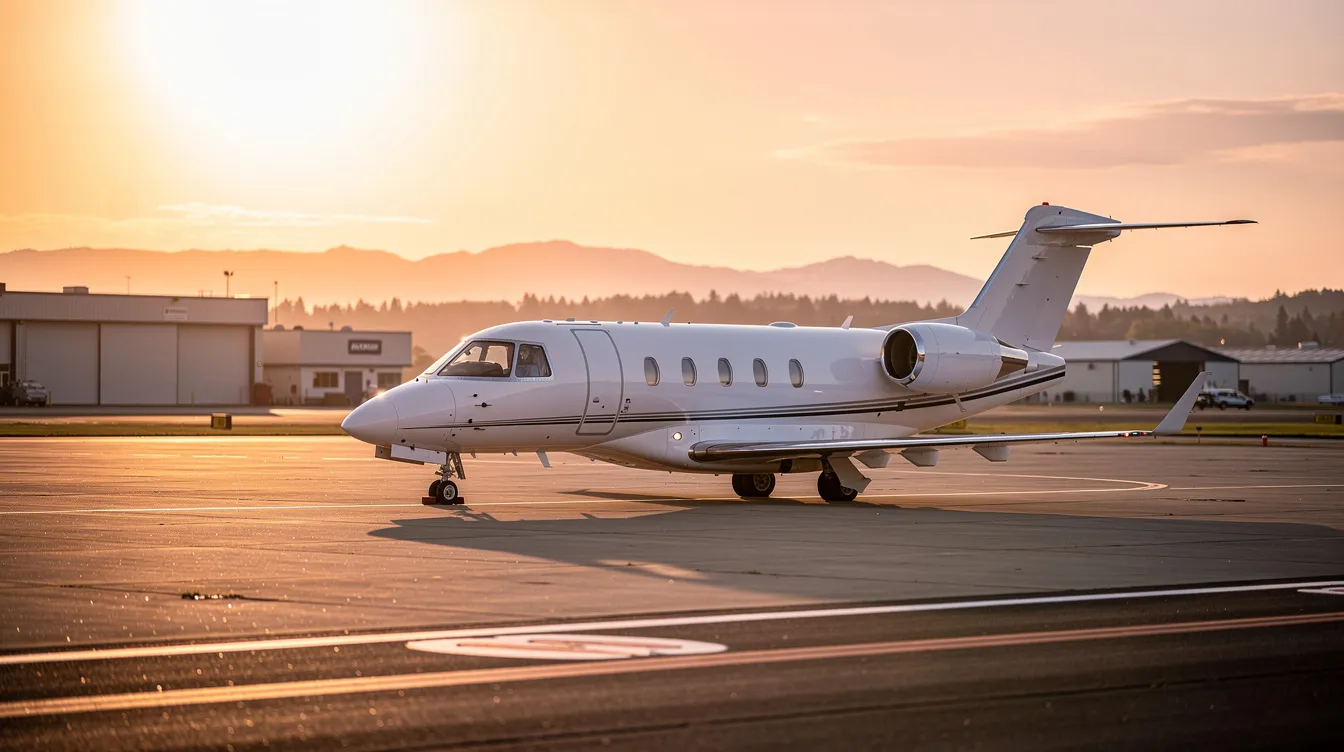
While BlackJet focuses on access rather than aircraft sales, understanding entry-level aircraft prices helps travelers grasp the economics behind private aviation. Knowing what these aircraft cost to purchase provides context for why fractional and membership models often make more financial sense.
Very Light Jets represent the most budget-friendly jets on the market. These aircraft typically seat 2 to 5 passengers and are ideal for regional flights under approximately 1,200 nautical miles, with low acquisition and operating costs.
Key examples in the very light jet category include:
Aircraft Model | Price Range (USD) | Range (Nautical Miles) | Key Features |
|---|---|---|---|
Cirrus Vision Jet SF50 | $2 million to $3.6 million | ~1,150 | Advanced avionics, synthetic vision, whole-aircraft parachute system, single-pilot capable |
Cessna Citation Mustang | $1.5 million to $2.7 million | ~1,100 to 1,200 | Proven track record, suitable for frequent regional flights |
Moving up in capability, the light jet category and midsize options appear commonly in fractional and charter fleets:
Aircraft Model | Price Range (USD) | Range (Nautical Miles) | Key Features |
|---|---|---|---|
$3.7 million to $6 million | 1,300 to 1,400 | High performance, refined cabin, excellent fuel efficiency | |
Embraer Phenom 100 | ~$4.5 million new | ~1,178 | Premium reliability, advanced avionics |
Cessna Citation XLS+ | $10 million to $13 million | ~2,100 | Spacious cabin, accommodates 6-8 passengers |
Light jets comfortably carry 6 to 8 passengers and are ideal for medium-length flights, balancing size, speed, and comfort.
Turboprop planes are often the most economical option for private travel, especially on short trips. Older Beechcraft King Air models and similar turboprops can trade in various price ranges, with used models sometimes available for as little as $50,000 in project condition. These typically require heavy maintenance investment but represent the cheapest way for aviation enthusiasts to enter aircraft ownership.
The key insight is this: while these entry-level aircraft may look cheap compared with new large jets or a Bombardier Challenger, the purchase price is only part of the affordability story, and many buyers ultimately compare it with the overall cost of fractional jet ownership.
Buying a $2 million jet is only the starting point. Ongoing fixed and variable costs often exceed the purchase price over a decade of ownership, making full ownership financially rational only for operators flying 200 to 300 or more hours annually.
Owning a private jet comes with high ongoing costs that many first-time buyers underestimate, especially when compared with the total cost of fractional jet ownership:
Cost Category | Estimated Annual Cost (USD) | Notes |
|---|---|---|
Hangar fees | $12,000 to $36,000 | Varies by location and aircraft size |
Pilot and crew salaries | $60,000 to $200,000+ | Per crew member, depending on experience |
Insurance | $15,000 to $30,000 | Depends on aircraft value and usage |
Scheduled maintenance | $50,000 to $200,000+ | Varies by aircraft age and type |
The estimated operating costs for private jets vary by type:
Aircraft Type | Operating Cost per Flight Hour (USD) |
|---|---|
Very Light Jets | $500 to $1,000 |
Light Jets | $1,000 to $2,000 |
Midsize Jets | $2,000 to $3,500 |
Modern single-engine jets can operate for under $1,000 per hour due to lower fuel and maintenance costs, making economical private jets more accessible in terms of hourly burn rate.
Beyond the obvious ownership costs, several items catch owners off guard:
Expense Type | Typical Cost Range (USD) | Description |
|---|---|---|
Fuel expenses | $300 to $700 per flight hour | Depends on aircraft type and fuel prices |
Engine program enrollments | $50,000 to $150,000+ | Prepaid reserves for engine maintenance |
Avionics upgrades | $100,000 to $500,000+ | For glass cockpit upgrades and ADS-B compliance |
Interior refresh cycles | $200,000 to $1 million every 8-12 years | Cabin refurbishment costs |
Crew training and certification | $10,000 to $30,000 per year | Ongoing pilot and crew training |
Periodic heavy inspections | $50,000 to $500,000 | Major maintenance events every several years |
Common hidden fees also include landing fees ranging from $150 to $500 per visit, hangar fees varying by region and aircraft size, and fuel surcharges that fluctuate with market prices.
Because of these ongoing obligations, full ownership generally only becomes financially rational around 200 to 300 flight hours per year. Below that band, fractional aircraft ownership costs or membership-based access are often more affordable.
BlackJet handles management, scheduling, and cost forecasting, backed by highly trained pilots and crews, so clients do not have to become aircraft operators to enjoy private jet benefits.
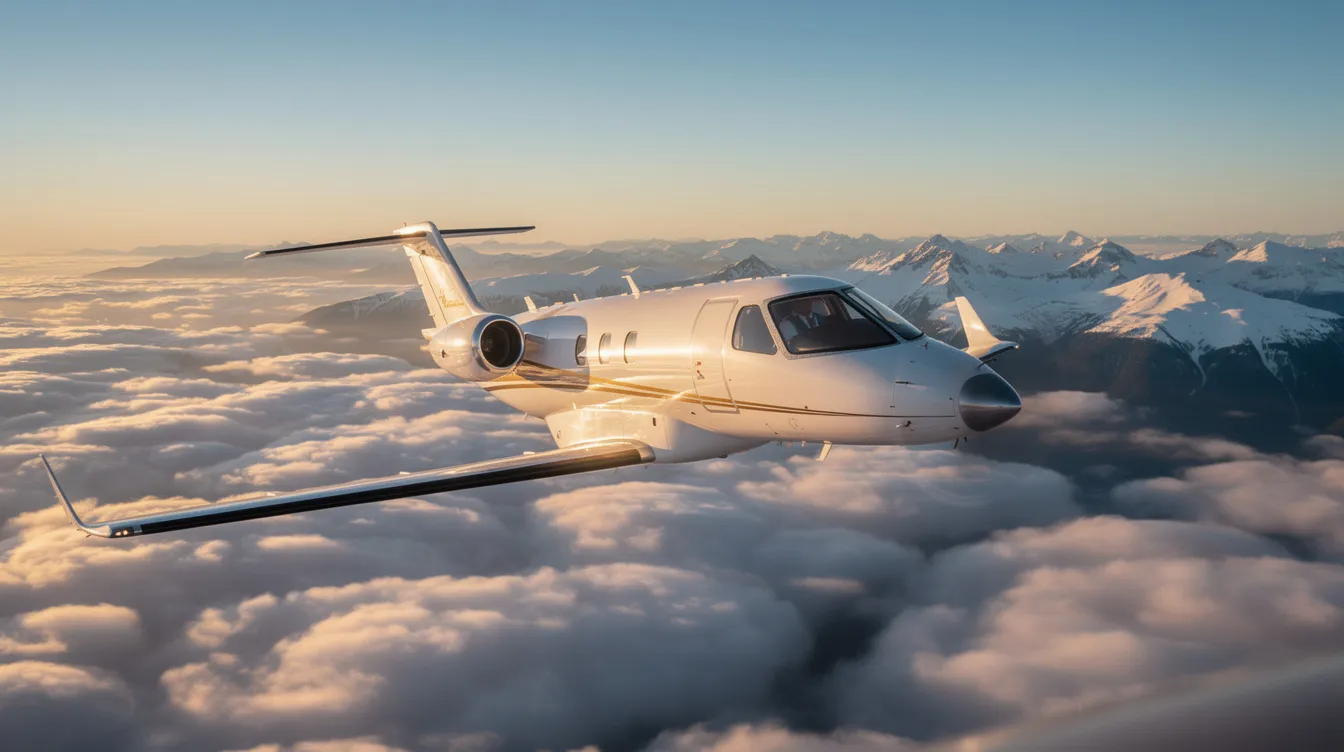
The most practical path to affordable private jet travel for many travelers is not owning an aircraft at all but using smarter access models. Understanding these options helps budget-conscious buyers make informed decisions.
On-demand charter rates for turboprops and Very Light Jets typically start from approximately $2,000 to $4,000 per hour, and can be evaluated alongside BlackJet’s Reserve, Equity, and Lease program options. Here are typical 2026 U.S. private jet charter rates:
Aircraft Category | Charter Rate per Flight Hour (USD) |
|---|---|
Turboprops and VLJs | $1,800 to $3,500 |
Small and Light Jets | $2,000 to $6,000 |
Midsize Jets | $4,000 to $8,000 |
Large Cabin Aircraft | $8,000 to $14,000+ |
These rates typically include Federal Excise Tax at 7.5 percent, though additional fees for crew overnight charges, catering, and other expenses may apply.
Empty leg flights, which are return trips or repositioning legs flown without passengers, can be sold at discounts of up to 75 percent off standard charter rates, making them a cost-effective option for travelers with flexible schedules. On popular U.S. repositioning routes, an entire smaller aircraft can sometimes be secured for $1,000 to $2,000.
The caveat is flexibility. Travelers must adapt their schedules to available repositioning flights, making empty legs ideal for leisure travel or businesses with adaptable timelines.
Digital booking platforms allow for instant, transparent pricing comparisons similar to booking commercial flights. Membership programs and jet cards offer fixed hourly rates for prepaid deposits, ensuring predictable pricing without the costs of jet ownership.
These programs provide many of the advantages highlighted when comparing fractional ownership and membership options:
Fixed or semi-fixed hourly rates locked in for the program term
Guaranteed availability with defined notice periods (often 6 to 24 hours)
Funds-on-account or pay-as-you-go structures
Access to extensive aircraft fleets
Splitting the cost of a charter with a group can significantly lower the per-person price to that of a commercial first-class ticket, making private travel accessible for business meetings and corporate events.
The typical industry decision rule works as follows and aligns with standard fractional jet ownership terminology:
Annual Flight Hours | Recommended Access Model |
|---|---|
Under 25 hours | Ad-hoc charter or empty leg flights |
25 to 75 hours | Membership or jet card programs |
75 to 150+ hours | Fractional ownership or equity programs |
lackJet’s Reserve Fleet model serves travelers who want on-demand access and controlled costs without capital commitment, while its Equity Fleet model serves those ready for a fractional share and associated benefits, including treating fractional jet ownership as an investment in their broader travel strategy
Fractional aircraft ownership involves purchasing a share, typically one-sixteenth or one-eighth, of a specific aircraft type within a professionally managed fleet. Each share corresponds to a guaranteed number of flight hours per year, often 50, 75, or 100 hours, depending on share size.
Utilizing shared fractional ownership programs can significantly reduce the costs associated with private jet travel, allowing multiple owners to share the expenses of purchase, maintenance, and operation. Fractional ownership spreads fixed costs, including crew salaries, hangar fees, management, and insurance across multiple owners while giving each owner guaranteed access with defined notice periods, often 6 to 24 hours depending on contract tier.
For a business flying 75 to 125 hours annually between U.S. business hubs, fractional ownership can lower the effective cost per occupied hour compared with repeatedly chartering similar aircraft at full retail rates. Comparing fractional ownership vs membership programs clarifies which structure best eliminates the high cost and management burden of sole ownership while preserving the key advantages of private jet travel: flexibility, privacy, and time efficiency.
There are potential U.S. tax advantages for business use, including the possibility of bonus depreciation and Section 179 treatment where applicable, which interact closely with fractional jet ownership financing structures. Readers should consult their tax advisor for personalized guidance, as treatment varies based on usage patterns and individual circumstances.
The Equity Fleet represents BlackJet’s fractional jet ownership model and sits alongside the Reserve Fleet and Lease Program described in BlackJet’s program comparison guide. Features include:
Priority booking with shorter notice periods than standard membership
Customized aircraft sourcing matched to client route patterns
Ability to select aircraft type (light, midsize, or super-midsize) aligned with the most common missions
Potential depreciation and tax benefits for qualifying business use
The Reserve Fleet offers non-equity, pay-as-you-go access with guaranteed availability. This structure lets clients enjoy most benefits of private jet ownership, including flexible scheduling, privacy, consistent service, and familiarity with crew and operation worldwide, while avoiding capital outlay and long-term asset risk.
Both models address the core challenge: making private aviation accessible without the hefty price tag of full ownership, provided clients understand the essential contract terms in fractional ownership before committing.

The most affordable solution depends on three core factors: annual flight hours, typical routes, and preference for capital investment versus operating expense.
Annual Flight Hours | Recommended Model | Estimated Annual Cost (USD) | Notes |
|---|---|---|---|
Under 25 hours | Charter or empty legs | ~$75,000 | Fixed costs of ownership would dominate cost per hour |
25 to 75 hours | Membership or jet card | $75,000 to $150,000 | Predictable hourly rates, guaranteed availability |
75 to 150 hours | Fractional ownership | $150,000 to $350,000+ | Cost-effective with consistent routes and usage |
Scenario | Flight Hours | Recommended Model | Estimated Annual Cost (USD) | Description |
|---|---|---|---|---|
Small consulting firm | 30 | Membership program | $90,000 to $100,000 | No capital outlay, predictable costs, guaranteed access |
Manufacturing company | 120 | Fractional ownership | $400,000 to $550,000 | Dedicated aircraft, optimized routes, cost savings |
Beyond pure cost per flight hour, consider:
Value of time saved versus commercial luxury travel
Ability to conduct confidential business meetings on the board
Reduced overnight stays through same-day round-trips
Access to smaller airports that reduce ground transportation time
BlackJet advisors can model total annual cost across options, including fractional, Reserve-style membership, and legacy ownership models, using frameworks similar to those in the complete cost guide to fractional ownership to provide a clear side-by-side financial picture.
With the right partner, first-time private flyers can control costs while enjoying privacy, reliability, and time savings that commercial aviation cannot match.
Match aircraft type to your actual needs:
Aircraft Type | Typical Range (Nautical Miles) | Passenger Capacity | Typical Charter Rate per Hour (USD) |
|---|---|---|---|
Turboprops and VLJs | 800 to 1,200 | 1 to 5 | $1,800 to $3,500 |
Light jets | Regional U.S. flights | 4 to 7 | $2,500 to $5,000 |
Midsize jets | Coast-to-coast or Caribbean | 6 to 8 | $4,000 to $8,000 |
Several approaches help keep costs manageable:
Travel midweek: Traveling midweek, especially on Tuesdays or Wednesdays, generally yields lower charter rates due to decreased demand
Consolidate meetings: Same-day round-trips eliminate overnight crew fees and aircraft positioning costs
Be flexible on timing: Accepting 2 to 4 hours of departure flexibility can enable the use of already-positioned aircraft
Consider one-way options: Booking two separate one-way flights may be cheaper than a round-trip that incurs ground waiting fees
Use smaller airports: Using smaller airports often results in lower landing and handling fees compared to major hubs, with the added benefit of shorter runways, reducing taxi time
Ask providers for quotes that clearly itemize:
Hourly flight rate
Estimated taxes, including Federal Excise Tax
Repositioning fees if applicable
Crew overnight charges
Fuel surcharges
Landing and handling fees at specific airports
This itemization enables meaningful comparison and helps identify opportunities for cost reduction.
BlackJet serves as a strategic advisor, helping clients optimize aircraft type, departure airports, and scheduling windows to align with budget without compromising safety or reliability. Their up-to-date pricing and availability systems ensure clients receive accurate cost estimates before booking.
The cheapest way depends on flexibility and frequency. Empty leg flights offer the lowest per-trip cost, sometimes discounted 50 to 75 percent versus standard charter. For regular travelers, structured memberships or fractional ownership typically deliver better long-term economics than repeated charter bookings. Most jets become more affordable per hour as utilization increases.
For travelers flying more than approximately 25 hours per year, locked-in hourly rates and reduced additional fees often lower the effective cost versus one-off charters. Membership programs also provide guaranteed availability and eliminate the pricing volatility of peak-demand periods. The predictability alone provides budget certainty that an ad-hoc charter cannot match.
Pre-owned VLJs like the Cirrus Vision Jet and Cessna Citation Mustang, along with some older light jets and turboprops, can be found under $2 million. However, budget-conscious buyers must account for maintenance costs, hangar fees, crew salaries, insurance, and other expenses that typically add $200,000 to $400,000 or more annually. For most buyers in this range, fractional ownership proves more cost-effective than sole ownership, and it also offers clearer pathways if you later decide on selling your fractional jet share.
Membership and fractional structures can accommodate seasonal patterns through flexible hour blocks. BlackJet can construct custom solutions for seasonal business or leisure patterns, allowing clients to concentrate flying during peak periods without paying for unused capacity during slower months.
Solutions include capped hourly rates, fixed occupied-hour pricing, and structured Reserve or Equity-style programs that avoid volatile market surcharges. Prepaid hour blocks lock in rates, while professional management handles the cost forecasting that would otherwise require aviation experts on staff. Avoiding older jets with unpredictable maintenance needs also helps maintain budget certainty.
Private jet travel becomes meaningfully more affordable and predictable when clients rethink ownership and embrace fractional, equity, or membership-based access models. The economics favor structured programs for anyone flying between 25 and 150 hours annually.
BlackJet Fractional Jet Ownership specializes in structuring Equity Fleet and Reserve Fleet solutions tailored to travelers in this range, serving both individuals and corporations seeking cost-effective access to private aviation. Whether the priority is maximizing tax benefits through fractional ownership or maintaining flexibility through pay-as-you-go access, these programs transform private aviation from a luxury expense into a strategic business tool.
For readers comparing charter, jet cards, and ownership, requesting a side-by-side cost analysis that includes aircraft type, annual hours, and likely routes provides the clearest picture of true affordability.
Ready to explore the smarter way to fly private? Visit FractionalJetOwnership.com to see how fractional and membership-based access can make private jet travel more affordable without compromising time, privacy, or control.
