
January 23, 2026
Private aviation continues to reshape how executives, business owners, and high-net-worth individuals travel. Instead of adapting schedules around commercial airlines, private jet travelers design travel around their priorities—time, privacy, and flexibility.
The private aviation market offers multiple access points, from private jet ownership and fractional aircraft ownership to charter flights and jet card programs. Aircraft options span very light jets suitable for short regional hops to ultra-long-range jets capable of nonstop global travel.
Understanding the true cost of buying a private jet is essential before committing capital. While the appeal of owning a private jet is clear, the financial structure behind ownership is far more complex than the purchase price alone. Many factors and various factors influence the total cost, including aircraft type, size, customization, and additional expenses such as maintenance and fuel. Prices range widely, from a few million dollars for entry-level jets to hundreds of millions for ultra-long-range and airliner models. The purchase price of a private jet can range from $2 million to over $100 million.
Private jet travel delivers measurable value: reduced travel time, enhanced productivity, superior comfort, and access to airports closer to final destinations. For frequent flyers, these benefits often translate directly into business efficiency and personal convenience. However, determining whether buying a private jet is worth the investment requires a clear understanding of both upfront and ongoing costs. Other factors such as maintenance, insurance, and operational considerations also play a significant role in the total investment.
Private aviation offers a travel experience unlike any other, combining flexibility, comfort, and convenience for discerning travelers. The private aviation industry encompasses a variety of options, including private jet ownership, private jet chartering, and fractional jet ownership, each catering to different travel needs and preferences.
With private jet travel, passengers can bypass the common hassles of commercial air travel—long security lines, crowded terminals, and rigid schedules. Instead, travelers enjoy direct access to more than 5,000 airports worldwide, many of which are not served by commercial airlines, allowing for more direct routes and time savings.
Private jet ownership and chartering both provide personalized service, tailored amenities, and access to a wide selection of aircraft types. Whether you’re flying in very light jets for quick regional trips, light jets for up to seven passengers, or midsize jets for longer journeys, private aviation ensures a customized experience. Aircraft management and aircraft management services are essential for jet owners, helping to navigate the complexities of private jet ownership, from maintenance and regulatory compliance to managing operational costs.
For those seeking the ultimate in privacy, efficiency, and comfort, private aviation stands out as the premier choice for business and leisure travel alike.
Owning a private jet represents one of the most significant discretionary investments in modern transportation. Beyond the acquisition price, ownership introduces a long-term financial and operational commitment.
Private jet ownership offers unmatched flexibility. Aircraft availability is guaranteed, routes are customized, and flight schedules are dictated by the owner—not airline timetables. Privacy is another key benefit, particularly for executives managing sensitive discussions or traveling with family.
However, ownership also brings responsibility. Aircraft owners must comply with aviation regulations, manage crew, oversee maintenance, and ensure year-round operational readiness. Larger jets and newly manufactured aircraft typically command higher purchase prices and operating expenses due to greater range, larger cabins, and greater complexity.
Purchasing a pre-owned jet or used models can lower the initial purchase price, and the secondhand market offers a range of options at lower prices compared to new jets. However, used models may require more frequent inspections, component replacements, upgrades, and downtime, which can increase maintenance costs.
Financing a private jet also involves considering interest rates, as aircraft loans typically have interest rates between 6% and 8%, which can significantly affect the overall cost of ownership for well-qualified buyers.
Tax considerations and tax implications—including depreciation deductions, potential bonus depreciation, property taxes, sales taxes, and use taxes—play a significant role in the total cost of ownership and should be evaluated with aviation-experienced advisors. Depreciation deductions can help offset ownership costs and reduce taxable income. Depreciation rates for private aircraft typically impact the total cost of ownership, with jets depreciating 10% to 15% in the first year, which also affects the aircraft’s resale value. In 2026, buyers can expect tax benefits from the One Big Beautiful Bill Act, allowing 100% bonus depreciation for business-use aircraft.
Private jet prices range widely depending on aircraft size, type, and whether the jet is a new jet, new model, pre-owned jet, or used model. Prices range from less than $3 million for very light jets to hundreds of millions for the largest airliners, with aircraft size being a major determinant of cost.
The types of private jets available include very light jets, light jets, midsize jets, heavy business jets, ultra-long-range heavy jets, and airliners.
Very light jets (VLJs) cost about $2 million to $3 million, can hold between four and seven guests, and fly up to about three hours. Prices for used models start at less than a million, while new models range from $3.5 million to $5.7 million.
Light jets range from a few million to over $9 million. They carry up to seven passengers, can include a bathroom, and are well-suited for short-haul flights and regional travel. Used light jet prices range from approximately $1.8 million to $4.7 million or more.
Midsize jets cost between $9 million and $35 million, with a capacity of about five hours of travel at a time. Prices range from $2.1 million for an older midsize jet to $30 million for newer midsize jets. Super-midsize and heavy jets cost between $35 million and over $75 million, offering increased range, stand-up cabins, and enhanced baggage capacity. These jets are popular with business travelers operating across the United States.
Heavy business jets hold at least ten passengers and cost between $15 million and $30 million on average. Ultra-long-range heavy jets can hold up to 17 passengers, travel up to 6,500 miles, and cost between $20 million and $30 million for used models and up to $65 million for new models. Ultra-long-range jets and airliners represent the top tier of private aviation, with new models of airliners selling for upwards of $442 million and used airliners available for as little as $5 million. The most extravagant airliners can reach prices in the hundreds of millions.
New jets are typically more expensive than pre-owned jets and offer the latest technology, advanced avionics, and warranties. Used jets can start as low as $1 million, especially older models. The price of a new private jet can range from less than $3 million to hundreds of millions of dollars, depending on aircraft size and features.
It is critical to note that the purchase price represents only the entry point. Fuel, scheduled and unscheduled maintenance, crew salaries, insurance, hangar space, and data subscriptions all add substantially to the overall cost of a private jet.
Aircraft management services are often engaged to streamline operations, consolidate expenses, and ensure regulatory compliance.
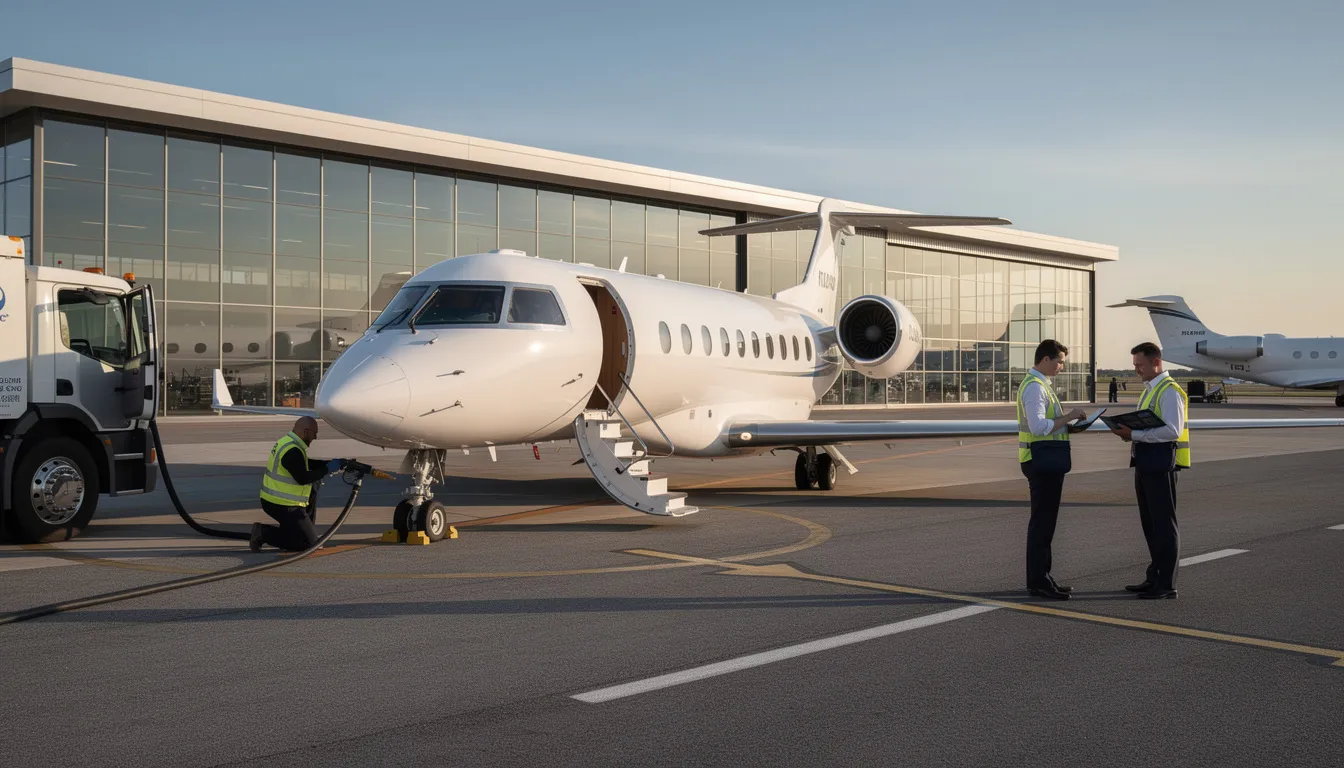
Aircraft management encompasses the full operational lifecycle of a private jet. This includes coordinating maintenance, managing fuel contracts, hiring and training crew, ensuring regulatory compliance, and overseeing scheduling logistics. Having a dedicated crew is essential for consistent service quality and safety, and pilot salaries can range from $85,000 to $300,000 per year, with some crew salaries reaching $150,000 to over $600,000.
Operational costs vary significantly based on aircraft type and annual flight hours. As a general benchmark, annual ownership costs can range from $500,000 to $4 million, depending on the jet's size and usage frequency. Annual recurring costs for private jet operations typically range from $500,000 to $1,000,000.
Fuel is one of the largest variable expenses, influenced by flight distance, fuel prices, and aircraft efficiency. Maintenance costs include routine inspections, engine programs, parts replacement, and labor. Additional costs can arise from unexpected repairs, performance enhancements, and, for older aircraft, the need for more fuel. Unplanned maintenance events can cost several thousand dollars annually. Hangar fees, insurance premiums, navigation fees, and international handling charges further increase annual costs. Regulatory compliance can also add tens of thousands of dollars annually in fees.
Cost-reduction strategies, such as optimizing routes, leveraging fuel programs, and utilizing empty leg opportunities when available, can help manage expenses. Professional aircraft management teams play a key role in identifying these efficiencies and maintaining predictable operating budgets.
Fractional jet ownership offers an alternative for travelers who want the advantages of private aviation without the full ownership commitment.
With fractional ownership, buyers acquire a share of an aircraft or a fleet, typically starting at around $500,000, depending on the aircraft type and share size. This structure provides guaranteed access without bearing the full burden of ownership costs.
Fractional programs grant access to multiple aircraft categories, allowing travelers to select the right jet for each mission. Maintenance, crew, insurance, and regulatory oversight are typically handled by the program provider, creating predictable costs and simplified logistics.
Well-established providers such as NetJets and Latitude 33 Aviation offer structured fractional ownership programs designed for frequent flyers who value consistency and flexibility.
For many, fractional jet ownership strikes a balance between cost efficiency and the convenience of private aviation.
Accurate budgeting is essential when evaluating private jet ownership. Costs are generally divided into fixed and variable categories, but various factors such as aircraft type, size, age, amenities, and operational expenses also play a significant role in determining the total cost.
Fixed expenses include financing or capital costs, insurance, crew salaries, and hangar fees. Variable expenses include fuel, maintenance tied to flight hours, catering, landing fees, and international charges. Annual recurring costs for private jet operations typically range from $500,000 to $1,000,000.
Unexpected maintenance events can significantly impact budgets, particularly for older aircraft. Unplanned maintenance events can cost several thousand dollars annually. Additional costs may also arise, including unplanned repairs, regulatory fees, upgrades, cleaning, repainting, and other factors that go beyond standard maintenance.
Financial reporting, cost tracking, and aviation-specific tax planning are critical components of responsible ownership. Without a clear understanding of total cost exposure and the various factors involved, private jet ownership can quickly exceed expectations.

Aircraft maintenance is a non-negotiable component of safe private aviation. Industry estimates often place annual maintenance costs between 5% and 10% of an aircraft’s value, and these costs can quickly increase to $500,000 to $1,000,000 or more annually.
Maintenance includes routine inspections, avionics updates, engine overhauls, and compliance with airworthiness directives. For pre-owned jets, routine maintenance can cost about 2% of the original aircraft price per year. Pre-owned aircraft may require more frequent maintenance, while newer jets often benefit from manufacturer warranties and enrolled maintenance programs.
In addition to standard upkeep, owners should budget for additional costs such as unexpected repairs and performance enhancements, which are sometimes necessary to maintain compliance with regulations and preserve the aircraft’s value and functionality.
Consistent maintenance not only ensures safety but also protects asset value and minimizes operational downtime. Skipping or deferring maintenance can lead to significantly higher costs over time.
The aircraft acquisition process requires specialized expertise. Buyers typically begin with mission analysis—defining range requirements, passenger capacity, and usage patterns.
Working with experienced brokers helps streamline negotiations, market analysis, and valuation. Aircraft inspections, including pre-purchase evaluations and maintenance record reviews, are essential steps before closing a transaction.
Aircraft age, total flight hours, maintenance history, and engine program enrollment all influence pricing and long-term ownership costs. A structured acquisition process reduces risk and ensures alignment with travel needs.
The private jet sales market is diverse and dynamic, offering a broad spectrum of aircraft types to suit every travel requirement. From very light jets designed for short hops to ultra long range jets capable of intercontinental journeys, buyers have a wealth of options to consider.
Light jets are a popular choice for those seeking efficiency and comfort, with light jet prices varying based on the aircraft’s age, condition, and onboard amenities. Many light jets can accommodate up to seven passengers, making them ideal for small groups, families, or executive teams. The aircraft type you choose plays a significant role in determining the purchase price—larger jets and ultra-long-range jets can cost millions more than their smaller counterparts, reflecting their enhanced range, cabin size, and performance capabilities.
For cost-conscious buyers, empty leg flights present opportunities to save, as these involve repositioning an empty aircraft and are often offered at reduced rates. However, it’s important to remember that the initial purchase price is just one part of the equation. Ongoing expenses such as maintenance, fuel, insurance, and hangar fees contribute to the total cost of owning a private jet.
Fractional jet ownership is an attractive alternative for those who want the benefits of private jet travel without the full financial commitment of ownership. This model allows multiple owners to share the costs and usage of an aircraft, making private aviation more accessible. The private aviation industry is highly competitive, with numerous companies specializing in private jet sales, chartering, and management services, ensuring buyers have plenty of options to find the right fit for their needs.
Beyond acquisition, ongoing costs accumulate annually. Annual expenses such as insurance, hangar fees, and property taxes can add up to several thousand dollars annually. Additional costs, including regulatory fees, unexpected repairs, cleaning, and repainting, can further increase the total outlay. Fuel, maintenance, insurance, hangar fees, navigation charges, and taxes collectively define the recurring cost of ownership. Private jet insurance costs typically range from 1% to 3% of the aircraft's value annually, and can range from $10,000 to $500,000 per year, depending on various factors. It's also important to consider the tax implications of ownership, including property taxes and potential depreciation benefits, as these can significantly affect the total cost of owning a private jet.
Careful expense monitoring allows owners to identify inefficiencies and adjust usage patterns. Regular cost reviews often uncover opportunities for operational optimization, particularly when working with experienced management teams.
These recurring expenses should be weighed carefully against alternative private aviation solutions.
Flight hours directly impact operating costs. Higher utilization increases fuel consumption and maintenance intervals, while peak travel periods can limit availability and raise operational expenses.
Access to multiple aircraft types, as offered through fractional programs, helps mitigate scheduling constraints. Certain aircraft are specifically designed for long distances, providing flexibility for intercontinental travel without the need for frequent stops. Empty leg opportunities may reduce costs in certain scenarios by allowing passengers to share routes or take advantage of repositioning flights, though availability is not guaranteed.
Understanding flight-hour dynamics enables owners and fractional participants to maximize value while maintaining flexibility.
Private jet charter offers an on-demand alternative for travelers who do not require guaranteed access.
Charter clients pay per flight, gaining access to a wide range of aircraft without long-term commitments. Providers such as Global Charter and Latitude 33 Aviation offer charter solutions across various jet categories.
Chartering is often cost-effective for occasional trips or supplemental travel alongside fractional ownership.
NetJets remains one of the most recognized names in fractional aircraft ownership and jet card programs.
Their offerings provide predictable pricing, standardized service levels, and access to a global fleet. Programs are structured to accommodate varying flight frequencies and aircraft preferences.
For many travelers, NetJets represents a middle ground between full ownership and charter, offering reliability without the operational burden.
Latitude 33 Aviation stands out in the private aviation industry by offering a comprehensive suite of private jet services, including aircraft sales, management, and chartering. Their team of experts guides clients through every stage of private jet ownership, from selecting the right aircraft to managing day-to-day operations.
With Latitude 33 Aviation’s aircraft management services, jet owners can significantly reduce the complexities and costs associated with private jet ownership. The company handles everything from routine maintenance and insurance to fuel management, ensuring that operational costs are kept in check. Their expertise in regulatory compliance, tax planning, and financial reporting provides peace of mind, allowing jet owners to focus on enjoying their private travel experience.
For those who prefer not to own, Latitude 33 Aviation’s chartering services offer access to a diverse fleet, from light jets for short trips to heavy jets for long-distance travel. This flexibility ensures that every journey is tailored to the client’s specific needs, whether it’s a quick business meeting or a family vacation.
Latitude 33 Aviation’s commitment to exceptional customer service and meticulous attention to detail sets them apart from other providers. By partnering with Latitude 33 Aviation, jet owners and travelers alike can enjoy the many benefits of private aviation—comfort, convenience, and control—while leaving the administrative and financial complexities to a trusted team of professionals.
The private aviation industry continues to evolve. Sustainability initiatives, digital scheduling platforms, and advanced avionics are shaping the next generation of private flight.
Demand for private aviation remains strong, particularly in the United States and globally, driven by time efficiency and higher expectations for flexibility. Fractional ownership and managed access models are expected to grow as buyers seek capital-efficient solutions.
Staying informed about these trends helps buyers align investments with long-term market direction.
Private jet ownership delivers undeniable advantages: schedule control, direct routing, privacy, and tailored onboard experiences. Dedicated crews, customized interiors, and access to thousands of airports further enhance the value proposition.
At the same time, ownership requires careful financial planning, operational oversight, and long-term commitment. Evaluating both benefits and responsibilities is essential before purchasing.
Private jet ownership is not solely about prestige—it is a strategic decision centered on time, flexibility, and control. For frequent flyers with consistent travel patterns, ownership or fractional jet ownership can deliver measurable returns in productivity and convenience.
Understanding the full scope of private jet costs—from acquisition to ongoing operations—is critical to making an informed investment. Alternatives such as fractional ownership and charter offer flexible entry points into private aviation without full ownership exposure.
For those evaluating the smartest way to access private aviation, expert guidance matters.
Ready to explore the smarter way to fly private? Visit FractionalJetOwnership.com to learn how fractional ownership can transform your travel experience.
