
January 23, 2026
Private jet ownership represents one of the highest levels of flexibility and control in private aviation. For high-net-worth individuals and business leaders, it removes the constraints of airline schedules, congested airports, and indirect routes—replacing them with efficiency, privacy, and time savings.
However, owning a private aircraft involves far more than purchasing the jet itself. While the acquisition price often receives the most attention, the true cost of ownership is shaped by ongoing operating expenses, maintenance obligations, insurance requirements, regulatory compliance, and long-term asset management.
Understanding private jet operating costs is essential before making any ownership decision. Flight hours, aircraft category, fuel consumption, crew requirements, and maintenance cycles all influence annual expenses. Without a clear financial framework, costs can escalate quickly and unexpectedly. This guide breaks down each major cost component to help prospective owners evaluate what private jet ownership truly entails—and whether alternatives like fractional ownership may offer a more efficient path.
The initial purchase price is the most visible cost in private jet ownership. Depending on aircraft size, range, cabin configuration, and whether the jet is new or pre-owned, prices typically range from approximately $2 million to well over $100 million.
Light jets occupy the lower end of the market, while large-cabin, ultra-long-range aircraft represent the highest capital investment. Larger jets command higher prices due to advanced avionics, increased range, larger cabins, and higher payload capacity.
Most private jet owners tend to buy second-hand aircraft, with about 85 percent opting for pre-owned models. While pre-owned jets can be more economical upfront, upgrading these aircraft often involves significant costs. For example, installing modern communications systems can exceed $500,000, while refurbishing cabin woodwork can range from $300,000 to $500,000. These investments are necessary to maintain the aircraft's capabilities and comfort to contemporary standards.
Pre-owned aircraft often cost 20% to 50% less than comparable new models, making them attractive to cost-conscious buyers. However, older aircraft may require higher ongoing maintenance, more frequent inspections, and earlier component replacements. These additional costs can erode upfront savings over time.
A comprehensive pre-buy inspection is critical when acquiring a used aircraft. Hidden maintenance issues or upcoming heavy inspections can significantly impact the total cost of ownership in the first few years.
Annual private jet operating costs typically range from $500,000 to $1,000,000, with higher figures for larger or older aircraft. These costs recur regardless of how often the aircraft flies and are divided into fixed and variable categories.
Fixed costs remain largely consistent year to year, while variable costs scale with flight activity. Owners must budget for both to maintain predictable financial planning.
Fuel represents one of the most significant variable expenses. Costs vary by aircraft type, engine efficiency, and mission profile.
Light jets may average around $1,100 per flight hour in fuel costs. Midsize jets often approach $1,500 per hour, while large-cabin jets can exceed $2,700 per hour. Fluctuating fuel prices and international operations can further increase these numbers.
Hangar rental protects the aircraft from weather-related damage and preserves long-term value. Monthly hangar fees typically range from $1,500 to $3,000, depending on airport location and aircraft size. Annually, hangar fees can vary widely, generally starting from $30,000 and going up to over $200,000, especially in prime locations or major metropolitan areas.
Constructing a private hangar is another option, but it often requires multi-million-dollar investments. While ownership provides control and potential long-term savings, it significantly increases upfront capital requirements.
Professional flight crews are mandatory for most private jets. Crew costs include salaries, benefits, training, lodging, and per diem expenses.
Crew and pilot salaries for private jets range from $85,000 to $300,000 per year, per person. Annual crew-related expenses can reach several hundred thousand dollars, particularly for large aircraft requiring multiple pilots. Recurrent training is not optional and must be completed annually to meet safety and insurance standards.
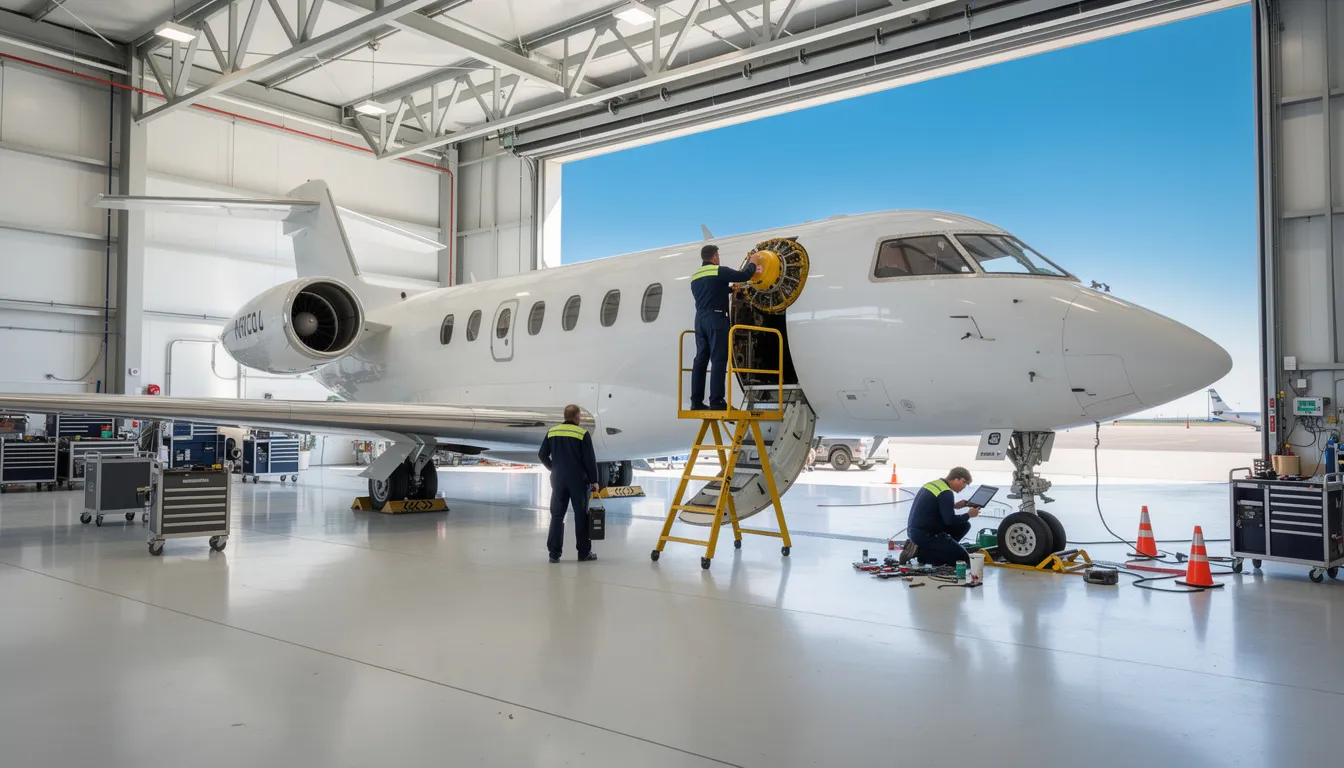
Maintenance typically accounts for 5% to 10% of an aircraft’s value annually. These costs include scheduled inspections, component replacements, software updates, and compliance with manufacturer service bulletins. Routine inspections alone can amount to roughly 2% of the purchase price annually.
Older aircraft often incur higher maintenance expenses due to aging components and limited parts availability. Maintenance downtime can also impact availability, particularly for owners relying on a single aircraft.
Engines are among the most expensive components on any aircraft. Many owners set aside engine reserves to cover future overhauls and unscheduled repairs. These reserves accumulate over time and can represent a substantial financial commitment.
Major engine overhauls can cost between $1 million and $2 million per engine, underscoring the importance of reserve planning to avoid unexpected financial burdens.
Heavy inspections are conducted at predefined intervals and can keep aircraft out of service for weeks or months. Costs can reach into the millions depending on aircraft size and inspection scope. Proper planning and maintenance tracking help mitigate financial surprises.
Repair costs vary widely, ranging from minor repairs costing several thousand dollars to major structural or engine repairs costing millions. Aircraft age, usage patterns, and maintenance history all influence repair exposure.
Unscheduled downtime not only increases costs but also disrupts travel plans. Owners must consider contingency options, such as charter or backup aircraft, which incur additional expenses.
Regular maintenance and proactive inspections remain the most effective way to reduce unexpected repair costs and protect asset value.
Insurance premiums for private jets typically range from $15,000 to $85,000 for smaller jets and can reach up to $500,000 for high-value ultra-long-range models. Overall, insurance costs usually fall between 1% and 3% of the aircraft’s insured value each year.
Premiums depend on aircraft type, pilot experience, usage patterns, and geographic operations. Maintaining experienced crews and strong safety records can help control insurance costs.
Operating a private jet requires compliance with domestic and international aviation regulations. Annual regulatory costs can reach tens of thousands of dollars, especially for aircraft flying internationally.
Compliance includes registrations, certifications, navigation databases, safety audits, and documentation management. Failure to meet regulatory requirements can result in penalties, grounding, or loss of insurance coverage.
Operational costs extend beyond the aircraft itself. Catering, landing fees, ground handling, de-icing, and international overflight permits all contribute to annual expenses.
While individually smaller than fuel or maintenance costs, these items accumulate over time. Careful trip planning and operator oversight help control discretionary spending.
Many private jet owners opt for professional management services to handle the complexities of aircraft operations. These services often charge 10% to 15% of the aircraft's annual operating cost.
Aircraft management typically includes fleet insurance, fuel, labor, parts discounts, and crew coordination. Administrative and legal support for contract management and regulatory compliance can cost several thousand dollars annually.
While management reduces administrative burden, owners still absorb full operating risk and capital exposure.
Depreciation rates for private aircraft typically range from 10% to 15% in the first year and 5% to 10% annually thereafter. This depreciation affects resale value and has important tax implications that owners should consider in long-term planning.
Private jet ownership becomes more economical than chartering when flying between 200 and 400 hours per year. Below 150 hours annually, chartering is generally more cost-effective.
Chartering a private jet may be the most cost-effective option for those who travel infrequently, providing flexibility without long-term financial commitments.
If you fly fewer than 300 hours per year, whole aircraft ownership is not a sound business investment. Many owners switch jets every four to five years, much like car owners, balancing usage needs and market conditions.
Despite the costs, private jet ownership provides unmatched flexibility, privacy, and security compared to commercial flights. Owners control their schedules, avoid crowded terminals, and enjoy personalized service and comfort.

Fractional ownership allows clients to purchase a share of an aircraft rather than the entire asset. This model significantly reduces capital exposure while providing consistent access, professional management, and predictable costs.
Fractional programs eliminate many risks associated with downtime, crew management, and maintenance planning. For frequent flyers seeking reliability without the complexity of full ownership, fractional ownership often delivers the most efficient balance of cost and access.
Aircraft management services handle operations on behalf of owners, but costs remain substantial. While management reduces administrative burden, owners still absorb full operating risk and capital exposure.
Private aviation operates within a dynamic global market. Demand fluctuations, supply constraints, and economic cycles influence aircraft pricing and operating costs.
Recent market trends have increased demand for private aviation access, impacting availability and pricing across ownership and charter segments. Owners must remain informed to make strategic acquisition and exit decisions.
Long-term cost planning should consider market volatility, maintenance inflation, and evolving regulatory standards.
Private jet operating costs are influenced by several factors, including aircraft type and size, flight hours, fuel consumption, crew salaries, maintenance requirements, insurance premiums, hangar fees, and regulatory compliance. Upgrades and aircraft age also play a significant role in determining annual expenses.
Operating costs vary widely by aircraft size. For example, light jets can cost around $1,100 per flight hour in fuel, while midsize jets may cost about $1,500 per hour. Larger jets can cost more than $2,700 per flight hour. Annual operating expenses typically range from $500,000 to $1,000,000, increasing with aircraft size and usage.
Pre-owned jets usually cost 20% to 50% less than new aircraft, making them attractive for many buyers. However, pre-owned jets may require additional investments in maintenance, upgrades, and repairs, which can offset initial savings. A thorough pre-buy inspection is essential to assess potential costs.
Fractional ownership allows buyers to purchase a share of an aircraft, reducing upfront costs and ongoing expenses. It offers consistent access to private jets with professional management, minimizing risks related to aircraft downtime, maintenance, and crew management. This option is ideal for those flying fewer than 300 hours annually.
Maintenance can account for 5% to 10% of an aircraft's value annually. Routine inspections, unscheduled repairs, and major engine overhauls can be costly and may cause aircraft downtime. Proper planning and regular maintenance help reduce unexpected expenses and preserve aircraft value.
Crew expenses include salaries, benefits, training, lodging, and per diem allowances. For larger jets, annual crew costs can reach several hundred thousand dollars, especially when multiple pilots and cabin crew members are required.
Hangar fees protect the aircraft from weather damage and maintain its quality. Monthly rental costs range from $1,500 to $3,000, depending on location and aircraft size. Building a private hangar involves a substantial upfront investment but can offer long-term savings.
Insurance premiums typically range from 1% to 3% of the aircraft's value annually. Factors such as aircraft type, pilot experience, flight hours, and geographic operations affect the cost. Maintaining strong safety records can help control insurance expenses.
Yes, tax implications are significant. Depreciation deductions may reduce taxable income for business-use aircraft. However, personal use can result in taxable fringe benefits. Sales, use, and excise taxes can also add millions to the total cost depending on jurisdiction and ownership structure.
Aircraft downtime due to maintenance or repairs can disrupt travel plans and lead to additional costs such as chartering backup planes. Effective maintenance scheduling and contingency planning are crucial to minimizing downtime.
Private jet ownership delivers unmatched control, privacy, and efficiency—but it comes with substantial financial responsibility. Acquisition costs represent only a portion of the true investment. Operating expenses, maintenance, insurance, compliance, and long-term planning define the real cost of ownership.
For many individuals and organizations, fractional jet ownership offers a smarter alternative. It delivers consistent access and operational simplicity without the full financial and logistical burden of sole ownership.
Ready to explore the smarter way to fly private?
Visit https://www.fractionaljetownership.com/ to learn how fractional ownership can provide reliable private aviation access with greater cost control and flexibility.
