April 28, 2026
Can you really get a private plane cheaply? The answer depends entirely on how you define “cheap.” For most travelers, flying private at reasonable costs means choosing the right access model rather than purchasing an aircraft outright. With approximately 24,270 private jets in operation worldwide as of July 2024, today's market offers a dynamic landscape where private aviation is more accessible than ever, with a range of options tailored to different budgets and needs.
Here are realistic entry points for 2025-2026: shared or empty leg charter seats on short U.S. routes typically range from $300 to $1,500 per person. On-demand light jet charter runs approximately $2,500 to $4,000 per flight hour. Fractional jet ownership programs start at around 25 flight hours per year with predictable, all-in hourly rates. Consider a New York to Miami route—a light jet charter might cost $6,000 to $8,000 total for the aircraft, working out to under $2,000 per seat for a group of four to six passengers. Compare that to $800 to $1,500 per commercial first-class ticket, but factor in 4-6 hours of time saved avoiding major airport congestion and security lines.
What makes private aviation “cheap” today isn’t about bargain-basement pricing—it’s about predictable costs, guaranteed access, and matching your flying habits to the right program. BlackJet Fractional Jet Ownership approaches private aviation from this perspective, focusing on efficiency and value rather than luxury hype. Whether you fly 25 hours or 150 hours annually, understanding your options can transform private aviation from an occasional splurge into a strategic tool for business and lifestyle. Business jets have become essential tools for business owners and frequent travelers, increasing productivity, providing convenience, and offering flexible travel options for both personal and professional use.
In private aviation, “cheap” means cost-optimized and predictable rather than low-cost airline pricing. Private jet charter rates can vary depending on factors such as flight time, distance, aircraft type, service options, and additional fees. The goal isn’t finding rock-bottom prices but rather identifying the access model that delivers the best value for your specific travel patterns.
Think of budget levels in three tiers. Entry-level access includes occasional charter, empty leg flights, and shared flights—ideal for travelers who fly private a handful of times yearly. Mid-tier options encompass jet cards and reserve-style memberships with pre-paid hours and fixed rates. Premium value comes through fractional ownership with potential U.S. tax advantages for business use and guaranteed availability.
Industry averages for 2024-2026 show private jet charter rates typically range from $2,000 for turboprop aircraft to $10,000 for heavy jets, and these rates vary depending on aircraft size, type, service options, and additional fees. Very light jets run $2,000 to $3,500 per hour, light jets $2,500 to $5,000 per hour, and midsize jets $4,000 to $10,000 per hour, costs that align with the detailed breakdown in our guide to the total cost of fractional jet ownership. Most private travelers fly 25 to 150 hours per year, according to National Business Aviation Association data, making full ownership rarely the cheapest solution when fixed costs exceed $500,000 annually.
On-demand charter, empty leg opportunities, and membership programs represent the lowest upfront-cost pathways into private aviation. Each comes with distinct trade-offs between flexibility, pricing, and availability.
On-demand private jet charter offers immediate access without capital commitment, but frequent flyers should compare it with fractional jet ownership vs membership programs to determine which model best fits their usage and budget. Light jets in the U.S. typically cost $2,500 to $4,000 per hour—a 2-hour Dallas to Aspen charter flight runs $5,000 to $8,000 total for four to six passengers. Midsize jets range from $4,000 to $6,000 per hour. Chartering a private jet removes the hassles of commercial flight terminals, such as congestion and delays, offering a smoother and more efficient travel experience. Unlike scheduled airlines, which are limited to major airports and fixed routes, private jets can access thousands of airports—including remote or smaller locations—offering unmatched flexibility and convenience, from busy hubs to emerging gateways like Bhubaneswar, private jet access, and ownership options. For a group buying four last-minute business class tickets at $1,500 each ($6,000 total), a charter flight becomes comparable while offering privacy, flexibility, and significant time savings.
Empty leg flights are the premier hack for finding an affordable private jet experience. These occur when aircraft must reposition without passengers, and operators often sell empty leg flights at discounted rates, sometimes as low as $140 to $560 for a short trip. Typical savings run 25% to 75% off regular charter prices. A Los Angeles to Las Vegas empty leg might cost under $4,000 for the entire aircraft when timing aligns, just as seasonal leisure markets like Bay of Islands private jet access and ownership frequently see repositioning deals around peak travel periods. The trade-offs: flexible timing is crucial for securing empty leg flights, which are typically booked 24 to 72 hours in advance and are one-way. No schedule control, limited route availability, and no return flight guarantees make this option best for spontaneous, flexible travelers.

Shared or seat-based private flights offer per-seat access on select routes. JSX operates a “hop-on” service with 30-seat jets on popular corridors. Surf Air offers per-seat access on a subscription or on-demand basis. Apps like XO allow passengers to start a flight and let others buy remaining seats, while platforms like Jettly, XO, and Airble allow travelers to search for real-time deals, especially in competitive regions such as Calgary, private jet access, and ownership options where multiple operators serve popular business and leisure routes. Per-seat pricing on routes like New York to South Florida can run $250 to $1,000. Restrictions include set schedules, fewer departure airports, and variable availability.
Fractional jet ownership involves purchasing a share—typically 1/16 (50 hours annually) or 1/8 (100 hours)—of an aircraft, granting guaranteed access without bearing sole responsibility for the purchase price, crew management, or maintenance burden. For frequent flyers logging 25 to 150 hours per year, this model often emerges as the cheapest private jet access method on a per-hour basis.
The economics favor fractional ownership when you factor in consistency, availability, and eliminated repositioning surcharges, especially once you understand the total cost structure of fractional jet ownership. Chartering offers flexibility in scheduling and access to a variety of aircraft types without the upfront purchase cost associated with ownership, but repeated charter bookings accumulate surcharges that fractional programs avoid. Fleet access means you’re never locked into a single aircraft, and priority scheduling reduces last-minute premium pricing that plagues ad-hoc charter.
BlackJet Fractional Jet Ownership structures two distinct programs, complemented by a lease option outlined in our page to compare BlackJet’s fractional ownership programs. The Reserve Fleet provides non-equity, pay-as-you-go hours with set hourly rates—ideal for travelers wanting flexibility without capital outlay. The Equity Fleet offers fractional share purchases with priority access, customized aircraft sourcing, and potential U.S. tax advantages, including Section 179 and bonus depreciation when business use criteria are met, and can be paired with specialized fractional jet ownership financing options.
Consider a numeric scenario: a business flying 75 hours annually on U.S. domestic routes like Chicago to New York and Dallas to Atlanta. Pure charter at $4,500 per hour totals approximately $337,500, including fees and positioning. A BlackJet fractional share plus hourly fees yields $225,000 to $285,000 effective—saving 15% to 33% through predictability and potential tax offsets. Industry benchmarks suggest $100,000 or more in depreciation deductions for qualifying business use.
The key advantages extend beyond cost: guaranteed aircraft availability within defined notice windows, centralized operations handling crew and maintenance, and transparent pricing that makes CFO budgeting straightforward. In fact, two-thirds of private jet passengers report increased productivity and comfort while flying, underscoring the benefits of private aviation for both business and personal travelers.
Purchasing a jet is rarely the “cheap” choice unless flight hours are very high or aircraft selection emphasizes small, efficient models. Very light jets represent the most affordable category of private jets, engineered for efficiency and cost-effectiveness, making them particularly suitable for short-haul travel..
The very light jet category offers the most affordable aircraft entry point. The Cirrus Vision Jet is considered the cheapest private jet on the market, with a price of around $2 million for a new model. Very light jets are often single-pilot operated, making them a practical choice for new pilots and first-time jet owners due to their ease of use and efficiency. The Eclipse 500 can be acquired for as low as $1 million to $1.5 million on the pre-owned market, making it one of the most affordable private jets available. Used private jets can depreciate to below $2 million, and after several years, prices may drop to under $1 million, making them an attractive option for buyers mindful of their budget..
Light jets such as the Cessna Citation Mustang and Embraer Phenom 100 provide an ideal mix of comfort, luxury, and affordability, making them well-suited for both business travel and family trips. These aircraft commonly trade between $1.5 million and $4 million in the pre-owned market. Large jets such as the Dassault Falcon and Gulfstream G200 offer increased cabin space and intercontinental range, delivering exceptional luxury and performance ideal for long-distance travel, especially in super-midsize cabins like the Falcon 2000EX fractional ownership option and long-range configurations such as Falcon 900LX fractional jet ownership. However, these benefits come with higher purchase prices and increased operational expenses. The Bombardier Challenger series also falls into this category of high-performance aircraft with spacious cabin configurations.
Here’s why these “cheapest” planes aren’t actually cheap to run: annual fixed costs for light jets include hangar fees ($10,000 to $60,000 in major U.S. metros), insurance ($15,000 to $40,000 or more), and maintenance reserves ($50,000 to $200,000 per year). Operating costs push many light jets into $2,000 to $3,500 or more per flight hour all-in. Private jet ownership incurs ongoing costs such as maintenance, storage, and crew salaries, which can add up significantly over time, making chartering a more economical option for infrequent flyers.
Full ownership makes sense primarily for owner-pilots flying regularly on predictable routes, corporations with 300 or more hours annually, and in-house flight departments, or ultra-high-net-worth individuals who value absolute control over cost optimization; existing fractional owners in this position should understand the process for selling a fractional jet ownership share if they plan to transition into full ownership, whether they typically depart from resort-focused fields like Fernandina Beach private jet access and ownership or large metropolitan airports. For those considering a “cheap” jet purchase mainly for 25 to 150 hours of annual use, BlackJet Fractional Jet Ownership offers a less capital-intensive alternative.

First-time buyers frequently focus on the aircraft sticker price while overlooking ongoing expenses that dwarf the initial purchase. Understanding the total cost of ownership reveals why the cheapest private jet purchase rarely equals the cheapest way to fly private.
Fuel costs for light jets run $600 to $1,200 or more per flight hour at current Jet-A prices, and these costs vary depending on factors such as flight distance, aircraft type, and operational specifics. Maintenance—including routine inspections, engine reserves, and unscheduled issues—often totals $50,000 to $150,000 or more annually for older light and mid-size jet aircraft, alongside substantial investments in highly trained pilots and crews to maintain safety and service standards. Full-time crew (captain and first officer) salaries plus benefits typically reach $150,000 to $350,000 combined annually. Hangar and storage fees range from $800 to $4,000 per month, depending on region—Teterboro runs $3,000 to $4,000 monthly, while Midwest locations might cost $800 to $1,500.
In addition to hourly rates, private jet charter costs may include various fees such as airport landing fees, ramp and handling fees, and federal excise taxes, which can add significantly to the total cost. Regulatory compliance adds further burden: FAA avionics upgrades for mandates like ADS-B Out are already required, with future updates likely. Insurance premiums can spike 10% to 20% after any incident or market change. Total all-in costs can exceed $1 million annually, even for an idle aircraft.
Fractional ownership and membership models contrast sharply. Clients pay defined hourly rates ($3,000 to $6,000 all-in for light jets) plus transparent monthly management fees. No responsibility falls on the owner for crew hiring, major maintenance reserves, or aircraft remarketing risk when upgrading, which is especially attractive for lifestyle-driven flyers shuttling between hubs and leisure destinations, such as Ibiza, private jet access, and ownership options. BlackJet’s Equity and Reserve Fleets structure programs so companies know their per-hour cost ahead of time—often the real definition of “cheap” for a CFO managing aviation budgets alongside other expenses.
In today's market, the least expensive option depends primarily on annual flight hours, trip profile, and whether travel serves personal, business, or mixed-use purposes, and it helps to be familiar with key fractional jet ownership terms and concepts before comparing options. Here’s how the breakpoints typically fall:
Annual Hours | Recommended Model | Why It Works |
|---|---|---|
Under 25 hours | On-demand charter + empty legs | No membership needed; pay only when you fly |
25-75 hours | Fractional or Reserve Fleet membership | Better rates than ad-hoc charter; guaranteed availability |
75-150 hours | Equity Fleet fractional ownership | Strong economics plus potential tax benefits |
150-300+ hours | Managed ownership + fractional backup | Peak utilization justifies ownership fixed costs |
Capital outlay varies dramatically: full jet purchase runs $1 million to $5 million for smaller aircraft, fractional shares $500,000 to $2 million (recoverable at sale), while charter requires virtually zero upfront capital, so buyers should closely examine the total cost of a fractional ownership share before committing. Predictability favors fractional programs with guaranteed availability and fixed hourly rates versus variable private jet charter rates that can spike 50% during peak periods. Fleet access through fractional or membership programs allows upsizing or downsizing aircraft type based on passenger count and range needs—something impossible when locked into a single-owned airframe, and a key advantage of modern floating fleet fractional ownership structures, where aircraft are dynamically positioned to match demand.
Consider a concrete example: a CEO based in Los Angeles flying monthly to San Francisco, Dallas, and New York—roughly 60 to 90 hours annually, which is close to the 100-hour access you receive with 1/8 fractional jet ownership. Used light jet ownership would total $600,000 to $900,000, including $400,000 or more in fixed costs plus variables. Charter would run $500,000 to $700,000 with significant volatility. A BlackJet fractional arrangement lands at $400,000 to $550,000 with reliability and access guaranteed, similar to the economics outlined for fractional jet ownership in Austin and other major business hubs. The fractional model wins on predictability while avoiding aircraft depreciation risk—most jets lose 5% to 10% of value annually.
BlackJet Fractional Jet Ownership specializes in fractional aircraft ownership and flexible jet access programs for U.S. and international travelers seeking value over vanity, from North American business centers to Asia-Pacific gateways such as those served by fractional jet ownership in Kaohsiung. The company structures programs specifically for efficiency-focused flyers rather than those chasing a luxurious private jet experience at any cost.
The Equity Fleet program offers fractional aircraft ownership with priority scheduling, customized aircraft selection (light jets for regional U.S. business travel, midsize for coast-to-coast routes), and the ability to leverage tax benefits where applicable under current U.S. rules, all governed by detailed fractional aircraft ownership contracts that also address critical protections such as essential liability coverage in fractional jet ownership. The Reserve Fleet provides non-equity, pay-as-you-go access with predictable hourly rates—ideal for companies or individuals not ready to commit capital but wanting better economics than repeated ad-hoc charter, and it can be paired with clear fractional ownership contract terms and careful planning around tax implications for fractional jet owners when clients decide to transition into equity shares.
Core advantages from a cost-efficiency angle include guaranteed aircraft availability within defined notice windows, eliminating the need to overpay for last-minute charter during peak periods. Centralized scheduling and fleet management spreads maintenance and crew costs across multiple private jet owners. Transparent, contractually defined hourly rates make budgeting and ROI calculations straightforward for finance teams. All BlackJet aircraft are equipped with Wi-Fi, ensuring passengers enjoy reliable connectivity and comfort throughout their flight, whether they’re based in traditional vacation hubs like fractional jet ownership in Orlando or secondary business markets.
Consider an Austin-based tech founder flying 40 to 60 hours annually between Austin, San Francisco, and New York, a profile that fits squarely within the range outlined in our complete guide to fractional jet ownership costs. By choosing a BlackJet fractional share, they avoid aircraft depreciation risk, crew payroll obligations, and hangar commitments—saving $200,000 to $350,000 compared to entry-level jet ownership while maintaining reliable access. A Chicago private equity firm uses Reserve Fleet hours to visit portfolio companies in Denver, Nashville, and Toronto across a year, 50 hours at fixed rates without capital commitment or aircraft management burden, reflecting how regional programs like fractional jet ownership in Pittsburgh can treat fractional jet ownership as a strategic investment in productivity and deal flow.
Smart planning reduces private aviation costs without sacrificing safety or comfort. These tactical approaches apply whether you’re chartering, using fractional access, or evaluating ownership.
Trip consolidation matters. Combine meetings into fewer, longer trips rather than many short legs, a strategy that works particularly well for executives in hub cities such as those considering fractional jet ownership in Nashville or exploring fractional jet ownership in Portland for West Coast routing. A single New York to Chicago to Atlanta routing costs significantly less than three separate round-trips. Choosing smaller, more efficient planes instead of heavier jets can lower operating and fuel costs when passenger counts allow, which is why many value-focused travelers consider models like the HondaJet fractional ownership option.
Airport selection drives savings. Using regional airports like Teterboro instead of major ones like JFK can save significantly on fees—sometimes $500 to $1,500 per arrival. Smaller regional airports usually have lower landing fees and are less busy than major hubs, which is why many value-focused travelers favor secondary fields, such as Atlantic Municipal, private jet access, and ownership options when available. Van Nuys runs $300 versus LAX at $800 for landing fees in Los Angeles. Contacting local operators directly can sometimes result in lower costs compared to using a broker, especially if you’re based in a major market like Atlanta fractional jet ownership territory where multiple providers compete.
Timing and scheduling optimization. Avoid peak holiday periods—Thanksgiving week, Christmas through New Year, and major events like CES in Las Vegas, see pricing surge 50% to 75%. Booking two one-way trips can sometimes be cheaper than a standard round-trip, especially when empty leg availability aligns, which is particularly relevant for travelers flying in and out of competitive markets like Phoenix, fractional jet ownership, or coastal regions supported by fractional jet ownership in Virginia Beach. Book 7 to 14 days ahead for common U.S. routes; 30 days or more for holidays.
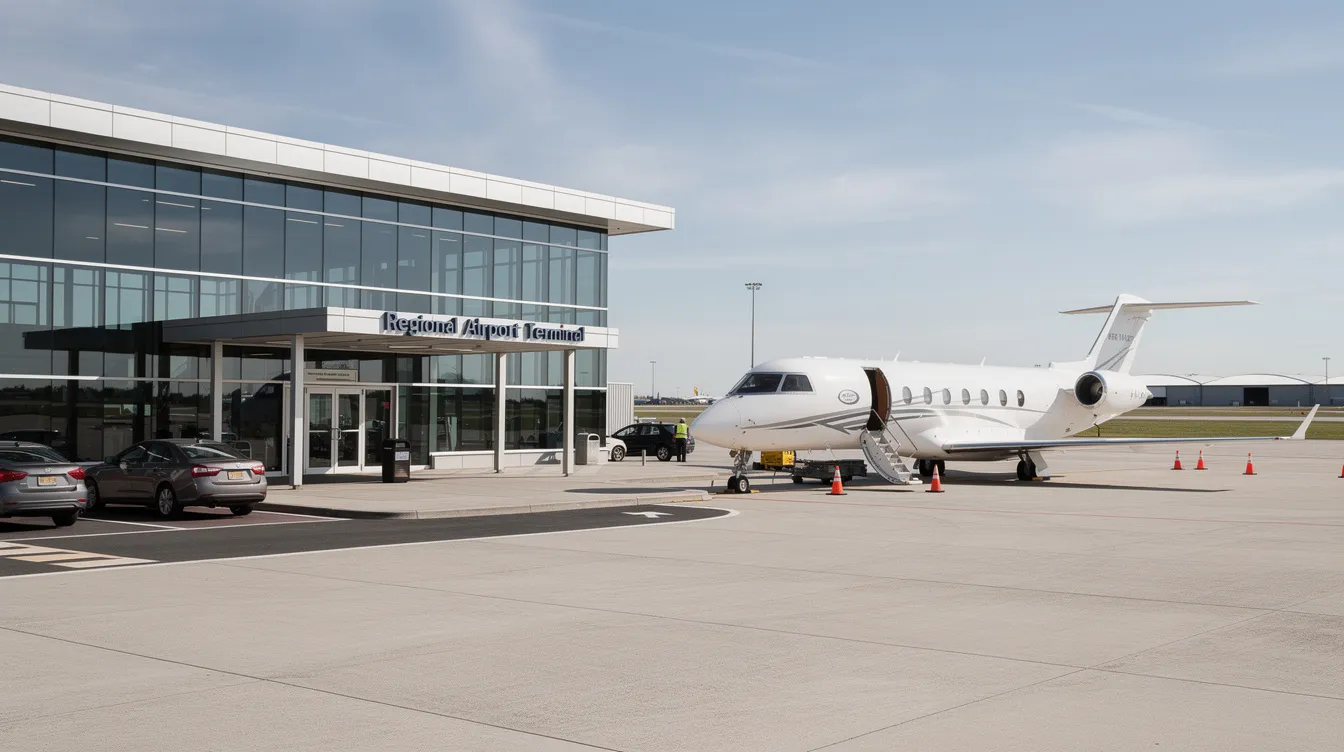
Right-size your aircraft. A light jet for 2-4 passengers on New York to Chicago proves far more cost-effective than a midsize option. Turboprops excel on shorter flights under 400 nautical miles, operating well from shorter runways at smaller airports, with high-performance models such as the TBM 850 fractional turboprop option offering jet-like speeds with lower operating costs. Some very light jets are certified for single-pilot operation, which further increases affordability and convenience for short-haul flights.
Review your patterns. Periodically audit your prior 12 to 24 months of flying hours. If consistently above 25 to 30 hours, speak with BlackJet about whether fractional ownership or Reserve Fleet access would lower your effective hourly cost compared to repeated charter.
These questions address common concerns from first-time and seasoned travelers comparing charter, fractional ownership, and buying options in today’s market.
Empty leg flights and shared seat options offer the lowest entry points. Per-seat shared flights on routes like Orange County to Las Vegas can run as low as $249. Empty leg deals on light jets between Los Angeles and San Francisco sometimes total $3,000 for the entire aircraft. These require flexibility—routes and timing aren’t negotiable.
The threshold typically begins at 25 hours annually. Travelers flying 25 to 150 hours per year on predictable business routes find that fractional programs deliver better effective hourly rates than ad-hoc charter, while guaranteeing availability. BlackJet structures shares starting at 1/16 (approximately 50 hours) with both equity and non-equity options.
Rarely. A pre-owned light jet at $2 million still carries $300,000 to $500,000 in annual fixed costs before flying a single hour. For 25 to 150 hours annually, fractional or Reserve Fleet access typically costs 30% to 50% less in total. Ownership economics improve only above 300 hours—typically corporate flight department territory.
For travelers seeking the ultimate in luxury, models like the Gulfstream G700, Bombardier Global 7500, and Dassault Falcon 8X are frequently cited. The Robb Report is a reputable source for evaluations and rankings of luxury jets, providing authoritative reviews for affluent clients interested in elite travel experiences.
U.S. tax rules allow potential deductions, including bonus depreciation (currently 80% in 2025, phasing down after 2026) for aircraft used more than 50% for business. Fractional shares can qualify when structured properly, and savvy buyers often review independent comparisons such as the best fractional jet ownership programs for smart investors alongside professional tax guidance. Consult a tax advisor for specifics—BlackJet can connect clients with aviation-focused CPAs who understand these nuances.
For common U.S. routes, 7 to 14 days typically secures optimal availability and pricing. Holiday periods and major events require 30 days or more. Empty leg flights require maximum flexibility—often appearing just 24 to 72 hours before departure. Aviation experts recommend building relationships with providers for priority access during peak demand.
The path to flying private at a reasonable cost isn’t about finding the cheapest aircraft with the lowest sticker price. It’s about selecting the access model that matches your actual travel patterns. For most individuals and companies flying 25 to 150 hours per year, fractional jet ownership or a structured access program beats full ownership on total cost, hassle, and predictability.
BlackJet Fractional Jet Ownership serves as an advisor in this process—helping clients analyze past and projected hours, recommending whether Reserve Fleet, Equity Fleet, or a hybrid approach offers the best value, and assisting in aircraft type selection based on typical routes. The goal isn’t selling the most expensive solution, but identifying what actually makes sense for how you travel across the world.
Ready to explore the smarter way to fly private? Visit FractionalJetOwnership.com to request a personalized cost comparison between charter, fractional, and full ownership. Schedule a brief consultation where BlackJet’s team reviews your 12-month travel patterns and builds a tailored private aviation plan. The smartest private flyers aren’t chasing complete luxury or the lowest price—they’re optimizing for maximum range of flexibility while maintaining budget predictability.
