
April 27, 2026
Picture this: an executive based in New York conducting four to six round-trip monthly to Miami, with occasional transatlantic hops to London for board meetings. On commercial airlines, each journey means battling crowded terminals, enduring long security lines, and losing half a day to connections and delays. Through private plane flying, that same executive arrives at a private terminal just 15 to 30 minutes before departure, boards directly from the ramp, and lands at smaller airports closer to the final destination—often reclaiming four to eight productive hours per trip.
This guide is intended for executives, business travelers, and families exploring private jet travel options. Understanding private plane flying can help you save time, increase productivity, and make informed decisions about travel investments.
Private plane flying encompasses several access models: on-demand charter, jet card membership programs, and fractional jet ownership. Each serves different usage patterns, but for high-frequency travelers logging 25 to 150 flight hours annually, the question becomes which structure delivers the best combination of predictability, cost control, and flexibility. Flying a private plane involves a vastly different, more streamlined process than commercial air travel, and understanding the options helps travelers make informed decisions.
In 2026, hourly charter rates range from approximately $2,000 to over $14,000, depending on aircraft size, route, and onboard services. That variability makes sense for occasional flyers, but frequent travelers often find that structured programs stabilize costs while guaranteeing aircraft availability. BlackJet Fractional Jet Ownership operates as an advisory partner in this space, helping clients evaluate charter, jet cards, and fractional aircraft ownership to identify the smartest path forward. This article will answer “how does private plane flying work and what does it cost?” before exploring ownership and membership strategies that transform private jet travel from an occasional luxury into a practical business tool.
Understanding the practical mechanics of private aviation helps first-time flyers and seasoned travelers alike make better booking decisions. The process of booking a private jet typically involves four main steps: defining trip details, selecting an aircraft, verifying safety credentials, and booking the flight. While this mirrors some aspects of commercial air travel, the experience itself differs dramatically in speed and personalization.
The end-to-end flow begins with an inquiry specifying itinerary details—departure airport, destination, date, time, passenger count, and luggage requirements. For example, booking a Phenom 300 from Teterboro (TEB) to Opa-locka (OPF) might happen 48 hours before a 7:30 a.m. Monday departure. Aircraft matching follows, based on range requirements, cabin size, and amenities. After quote approval, itinerary confirmation locks in crew assignments, catering preferences, and ground handling arrangements.
On departure day, passengers arrive at fixed base operators like Signature Flight Support or Atlantic Aviation. Private jets typically offer faster boarding processes and the ability to check in closer to departure times, often allowing passengers to arrive just 15 minutes before takeoff. Security at these private terminals is fast and discreet, often requiring only a government-issued photo ID for domestic flights. Direct ramp access means walking from the lounge to the aircraft in minutes, not navigating endless concourse walks. Post-flight billing itemizes variables like repositioning and catering, providing transparent pricing for the entire trip.
For fractional owners and members with BlackJet, the experience follows a similar flow, but scheduling, pricing, and access operate under ownership or membership agreements rather than one-off quotes. This means guaranteed availability windows, consistent aircraft configurations, and predictable hourly rates—eliminating the quote-shopping friction of ad-hoc charter.
Matching the aircraft to the mission is fundamental to cost-effective private jet travel. Different trip profiles call for different categories: turboprop, light jets, midsize jets, super midsize jets, heavy jets, and long-range aircraft. Understanding these categories helps travelers avoid overpaying for unnecessary capacity or finding themselves cramped on longer routes.
Turboprops like the Pilatus PC-12 or TBM 850 fractional ownership solutions excel for short hops under 300 nautical miles. A Dallas-to-Austin flight takes about an hour, seats eight passengers comfortably with golf bags, and accesses runways under 4,000 feet that jets cannot use. Business travelers in the Southwest frequently use similar missions when evaluating fractional jet ownership in Phoenix. Turboprops are the most cost-effective option for short regional hops, typically flying at speeds of 220 to 315 mph and covering distances of 600 to 1,000 miles efficiently. Hourly rates run 30 to 50 percent lower than comparable jets. Travelers in central Florida often pair these aircraft with fractional jet ownership in Orlando to keep short-hop costs predictable.
Light jets like the Citation CJ3+ suit two-to-three-hour domestic trips. Light jets are popular for domestic trips under three hours, with hourly rates ranging from $2,600 to $3,500 and a range of about 1,500 to 2,000 nautical miles. A Chicago-to-New York flight accommodates four to six passengers with standard luggage and offers stand-up headroom in some configurations.
Midsize jets can fly approximately 2,500 nautical miles and are suitable for routes like New York to Los Angeles, accommodating 8 to 10 passengers. Aircraft like the Praetor 500, Falcon 2000EX fractional shares, or Challenger 3500 offer stand-up cabins (typically 5’8” to 6’ headroom), more space for productivity, and enough range for coast-to-coast missions without refueling.
Heavy jets are designed for long-distance travel, typically offering a range of 4,500 to 6,500 nautical miles and accommodating 10 to 16 passengers. Aircraft like the Gulfstream G600, Falcon 900LX, long-range fractional ownership, or Global 6500 enable nonstop flights from New York to London with lie-flat beds for overnight journeys. Ultra-long-range jets, such as the Gulfstream G800, can cover distances of up to 8,200 nautical miles, making them ideal for nonstop long-haul flights on ultra-long-haul routes.
Key decision factors include passenger count, luggage needs (golf clubs, skis, product samples), nonstop range requirements, runway performance at smaller airports, and Wi-Fi capabilities for conducting business en route. BlackJet’s Equity Fleet can be tailored to dominant mission profiles—for example, sourcing a super midsize jet or fractional ownership in a HondaJet optimized for three-to-five-hour North American legs if most trips stay within the United States and Canada. The Reserve Fleet provides flexibility to access other aircraft sizes on a trip-by-trip basis without changing the core ownership structure.
Private aviation operates under the same rigorous safety framework as commercial airlines. Private jets adhere to the same stringent safety regulations as commercial aircraft, as mandated by the Federal Aviation Administration (FAA), which requires thorough maintenance, established safety protocols, and qualified pilots. Understanding these standards helps travelers evaluate operators with confidence.
Reputable charter companies and fractional programs operate under FAR Part 135 regulations in the United States. Under these rules, pilots must pass a third-class medical exam, complete ground training, and accumulate at least 40 hours of flight time before certification. To carry passengers, pilots must have performed three takeoffs and landings in the last 90 days. Pilots must maintain situational awareness during flights by monitoring positions and communicating with air traffic control. Understanding density altitude and weather patterns is critical for safety in private aviation, and trained crews account for these variables on every flight, supported by highly trained fractional aviation pilots and crews focused on safety and service.
The Transportation Security Administration (TSA) provides specific guidelines for fixed-base operators (FBOs) that encompass safety protocols for pilots, crew members, and aircraft maintenance personnel. Security screening at FBOs is discreet and efficient—no shoe removal, faster than TSA lines, and with more generous allowances for liquids and personal items. Charter companies often have their own vetting processes for staff and crew to ensure safety and quality service, and clients are encouraged to inquire about pilot experience and crew vetting.
When evaluating operators, ask about third-party safety audits. ARGUS is an independent rating system for private jet operators that helps ensure safety compliance, with operators holding an ARGUS Platinum rating indicating a high level of safety standards. Charter operators may hold ARGUS or Wyvern safety ratings to ensure safety standards are met. BlackJet works exclusively with vetted management companies that meet or exceed these benchmarks.
For international private flights—such as Teterboro to London Luton or seasonal escapes to Ibiza, private jet access and ownership options, or Alicante El Altet private jet access and ownership options—customs and immigration are handled at private terminals, typically taking 10 to 20 minutes for a full manifest. Passengers clear through dedicated general aviation desks rather than standing in commercial queues, and eAPIS manifests are pre-submitted to expedite processing. For travelers based in the Southeast, fractional jet ownership in Atlanta can streamline recurring regional and international itineraries while preserving this efficiency.
The cost of a private jet flight typically ranges from $2,000 to over $14,000 per flight hour, depending on the aircraft size, route, and onboard services. These figures represent base hourly rates, but total charter cost includes multiple additional variables that affect the final invoice. Understanding the full cost structure helps travelers budget accurately and recognize when structured programs offer better value than ad-hoc charter.
Aircraft Category | Hourly Rate Range | Typical Capacity | Range |
|---|---|---|---|
Turboprops/VLJs | $1,500–$2,500 | 4–8 passengers | 600–1,200 nm |
Light Jets | $2,600–$3,800 | 4–7 passengers | 1,500–2,000 nm |
Midsize Jets | $4,000–$5,500 | 7–9 passengers | 2,000–2,500 nm |
Super Midsize Jets | $5,500–$7,500 | 8–10 passengers | 3,000–3,500 nm |
Heavy/Long-Range Jets | $8,500–$15,000+ | 10–16 passengers | 4,500–7,500 nm |
Private jet rental costs vary significantly by aircraft type, with turboprops and very light jets costing between $1,200 to $2,500 per hour, while heavy jets can command rates of $8,000 to $14,000 per hour.
New York–Miami on a light jet (approximately 2.5 hours each way): $16,000–$22,000 round trip, including fees, with nearby gateways like Fernandina Beach private jet access and ownership options offering additional flexibility for Northeast–Florida itineraries
New York–Los Angeles on a super midsize jet (approximately 5 hours each way): $45,000–$65,000 round trip, with western hubs such as Calgary International fractional jet access often serving as launch points for cross-border or transcontinental missions
New York–London on a long-range jet (approximately 7 hours each way): $140,000–$190,000 round trip, similar in profile to transatlantic itineraries originating from regional gateways like Atlantic Municipal, private jet ownership options, or Mississauga YYZ private jet access and ownership options
Total trip costs for private jet charters may be 20-40% higher than the base hourly rate due to additional charges such as aircraft repositioning, fuel surcharges, landing fees, and crew expenses. The all-in price includes the base hourly rate plus fuel surcharges (typically 20-40% of base), landing and handling fees, crew costs for overnights, and U.S. Federal Excise Tax (7.5% on domestic legs).
For travelers logging significant flight hours annually, these costs quickly add up—and the variability creates budgeting challenges. That threshold point, typically around 25 to 50 hours per year, is where predictable ownership-style cost structures through fractional ownership and membership programs become more efficient than ad-hoc private jet charter. Prospective buyers should evaluate the total cost of fractional jet ownership—including acquisition, management, and hourly expenses—against their projected usage.
Several variables can make two seemingly similar charter quotes look dramatically different. Understanding these drivers helps travelers interpret quotes accurately and negotiate effectively.
Billable flight time is calculated from engine start to shutdown, not just wheels-up to wheels-down. Most charter operators apply minimums of 1.0 to 2.0 hours per leg, which significantly affects short trips. A 45-minute actual flight time from Los Angeles to Las Vegas might be billed as 1.5 hours, nearly doubling the effective hourly cost for that short trip.
Repositioning (“ferry”) flights adds cost when the aircraft must travel empty to reach the departure point. Chartering from Westchester County (HPN) when the aircraft is based in Teterboro (TEB) might add 0.3 to 0.5 billable hours each way. Some operators offer empty leg flights at discounted rates when aircraft need repositioning anyway, but availability is unpredictable.
Peak dates and events create surge pricing. During Thanksgiving, Christmas/New Year’s, Art Basel Miami, Super Bowl weekends, and the World Economic Forum in Davos, demand can push charter rates 20 to 40 percent higher while limiting availability. Aircraft weight restrictions on winter mountain routes and deicing requirements add further costs during ski season trips to Aspen or Vail.
Fractional owners and members of programs like BlackJet often have contracted charter rates and guaranteed availability windows that protect them from seasonal price spikes. This predictability becomes increasingly valuable as annual flight hours increase.
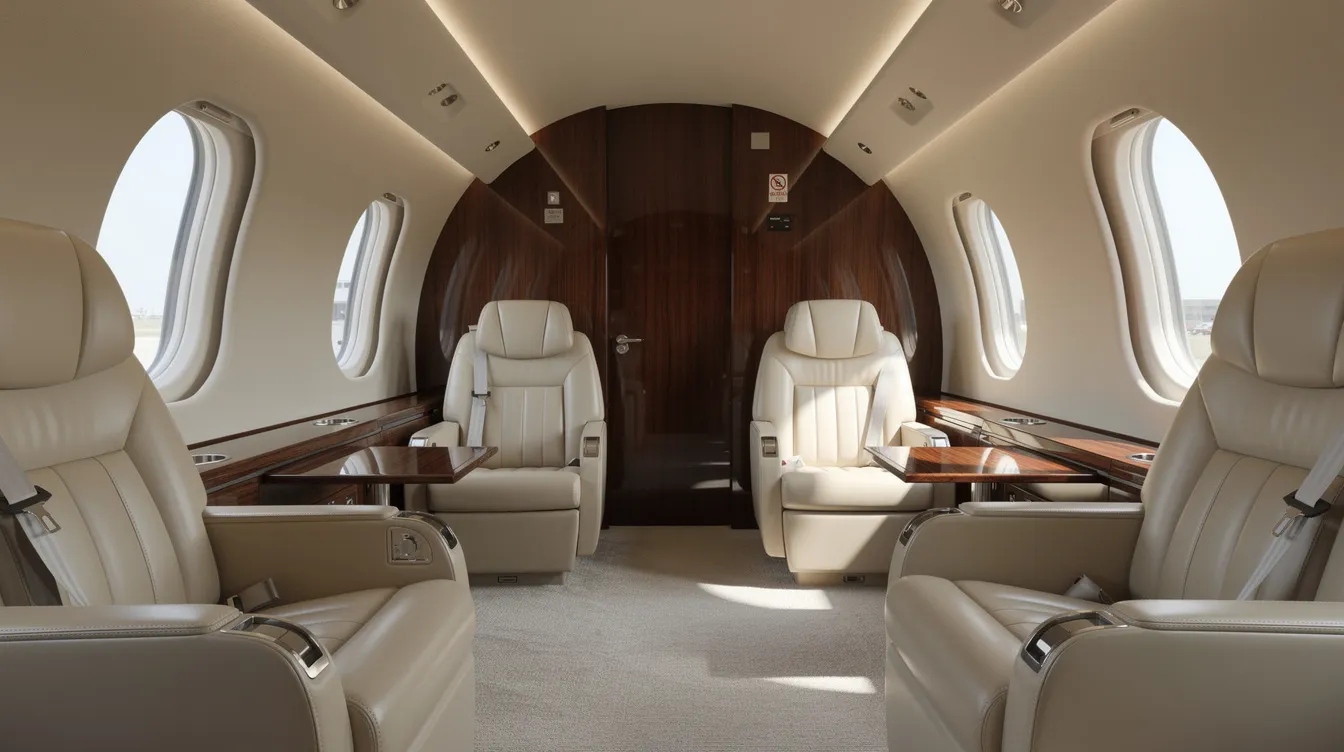
Affluent individuals and companies access private aviation through several models, each suited to different usage patterns. The right choice depends on annual flight hours, route consistency, and how much variability a traveler can tolerate in pricing and aircraft quality.
The three primary models are:
On-demand charter: Pay-per-trip with no long-term commitment, sourcing aircraft through brokers or direct air carrier operators
Jet cards and memberships: Prepaid hours at fixed or capped hourly rates, typically requiring deposits of $50,000 to $500,000
Fractional aircraft ownership: Acquiring a legal share of a specific aircraft (usually 1/16 to 1/2), providing 25 to 200 hours annually
Full aircraft ownership suits travelers exceeding 200 hours annually who want complete control over a specific aircraft—but that level involves direct management responsibilities and capital requirements beyond most executives’ needs.
BlackJet Fractional Jet Ownership operates two main models addressing different points on this spectrum. The Equity Fleet offers fractional shares with tax benefits and priority access for clients seeking long-term, predictable access, often supported by specialized fractional jet ownership financing that spreads acquisition costs over time. The Reserve Fleet provides pay-as-you-go hours with membership-style predictability, without requiring capital outlay. Many BlackJet clients blend both approaches based on their travel patterns, mirroring the broader trade-offs between fractional jet ownership and membership programs.
On-demand private jet charter works best for occasional private flyers logging under 25 hours annually or those with highly irregular itineraries that don’t fit a predictable pattern.
The charter model operates through brokers or operators who source aircraft trip by trip from an international network of approximately 7,000 jets globally. Travelers specify flight details, receive quotes from multiple charter operator sources, select their preferred option, and confirm the charter contract, whether they’re flying from major hubs or lifestyle destinations such as the Bay of Islands, private jet access, and ownership options, or Antrim County private jet access and ownership options.
No long-term contracts or capital commitment
Ability to shop multiple operators for the best rate
Scalability for one-off events (corporate retreats, destination weddings)
Access to specific aircraft types as needed
Public charters available for shared flights on some routes
Price volatility, especially during peak periods
Limited protection from surge pricing
Variable aircraft quality and cabin configuration
More time spent sourcing and comparing quotes
Inconsistent service standards across operators
Even frequent travelers sometimes maintain charter as a supplemental option alongside fractional ownership when a trip requires a very different aircraft size than their owned share—such as a heavy jet for a transatlantic leg when the Equity Fleet share is a midsize aircraft.
Jet cards emerged to simplify private air travel by offering pre-purchased hours at fixed or capped hourly rates, eliminating quote-shopping for each trip while providing schedule control without ownership complexity, sitting alongside fractional jet ownership as an investment with key benefits and considerations in the broader spectrum of private aviation solutions.
Common jet card structures include deposits ranging from $50,000 to $500,000, with hourly rate locks by aircraft category. Most programs guarantee availability with 24 to 72 hours’ notice, though peak-day surcharges often apply. Cards typically specify aircraft type and category, with upgrade options available at additional cost.
Cost predictability and simplified booking
Access to a managed global network without aircraft ownership
Guaranteed availability within stated notice periods
Consistent service standards across the network
Good fit for 25 to 75 annual flight hours
Potential “breakage” (unused hours, with industry averages around 20% forfeiture)
Blackout dates or significant surcharges during peak periods
Lack of tax benefits compared to fractional aircraft ownership
Limited customization of aircraft specification
Individual seats are sometimes unavailable on desired routes, which leads many travelers to evaluate top fractional jet ownership programs for smart investors as an alternative when they want more control over aircraft access
BlackJet’s Reserve Fleet model offers on-demand flexibility with transparent hourly pricing, integrating seamlessly with the Equity Fleet for owners who want both membership convenience and equity benefits. This hybrid approach serves clients whose travel patterns vary seasonally.
Fractional jet ownership serves travelers flying approximately 25 to 150 hours annually who want predictable access and cost control without the complexity of owning the entire plane. This model has grown substantially as executives recognize the value of all the benefits of ownership without full management responsibility, while also needing to understand essential liability coverage in fractional jet ownership as part of their risk management planning. Some programs rely on floating fleet fractional ownership structures, which trade dedicated tail access for more flexible scheduling and aircraft availability. Prospective owners should understand core fractional jet ownership terminology and concepts so they can compare programs on an apples-to-apples basis.
A 1/16 share of a super midsize jet typically provides approximately 50 flying hours annually, while a 1/8 fractional jet ownership share yields roughly 100 hours. Contracts generally run three to five years, with options for resale or upgrade at term end. The air carrier certificate remains with the management company, simplifying regulatory compliance for owners. Underlying these arrangements is a detailed aircraft fractional ownership contract that allocates rights, responsibilities, and costs among co-owners. When owners are ready to transition, understanding how to sell a fractional jet ownership share helps them maximize exit value.
Key advantages of fractional ownership: Many of these benefits are enhanced when owners carefully structure usage and documentation around fractional jet ownership tax implications, particularly for predominantly business travel.
Guaranteed aircraft availability with defined notice periods
Consistent cabin configuration and maintenance standards
Potential tax benefits, including accelerated depreciation under Section 168(k) bonus depreciation rules (consult a CPA for specific guidance)
Predictable monthly costs for budgeting
Priority scheduling over charter and membership clients
Equity value at program exit
Component | Typical Range (Super Midsize) |
|---|---|
Acquisition (1/16 share) | $500,000–$2,000,000 |
Monthly management fee | $20,000–$50,000 |
Variable hourly rate | $3,000–$6,000 |
The monthly management fee covers crew costs, hangar space, insurance, and scheduled maintenance. Variable hourly rates cover fuel and direct operational costs for each flight, all of which roll into the overall cost of fractional jet ownership that buyers should model over several years.
BlackJet’s Equity Fleet can be customized by aircraft model, interior specification, and base location, whether an owner is based in established hubs or emerging markets like fractional jet ownership in Austin. BlackJet manages scheduling, maintenance oversight, and crew resourcing on behalf of fractional owners, allowing them to focus on their businesses rather than aircraft operations.
BlackJet combines a Reserve Fleet (membership-style access) and an Equity Fleet (fractional shares) to provide layered flexibility that adapts to varying client needs. This dual structure recognizes that travel patterns rarely fit perfectly into a single model, which is why many travelers compare BlackJet’s private aviation programs side by side before choosing a path.
Equity Fleet serves clients seeking long-term, predictable access to a specific class of jet. Ideal for executives flying 50 to 150 hours annually on consistent routes, the Equity Fleet provides ownership of an actual aircraft share—for example, a Praetor 500 or Challenger 3500 based in the United States. Equity Fleet participants gain potential tax and depreciation benefits, priority scheduling, and consistent cabin standards. The aircraft becomes “theirs” in a meaningful sense, with interior specifications matching their preferences.
Reserve Fleet suits clients with variable needs who prefer pay-as-you-go access without capital outlay. A traveler who sometimes needs light jets for short hops and occasionally requires long-range jets for European trips benefits from Reserve Fleet flexibility. Service-level guarantees ensure availability and consistent standards without requiring a specific aircraft commitment.
Holding an Equity Fleet share for core missions (weekly New York–Chicago runs)
Using the Reserve Fleet for seasonal family trips to Aspen, Cabo, or London
Accessing different aircraft categories as the passenger count varies
This blended approach optimizes cost efficiency while maintaining the flexibility that private flights demand for clients across diverse bases, from New York and Miami to West Coast markets like fractional jet ownership in Seattle.
Different travel patterns suggest different solutions. These profiles help readers self-identify their likely best fit before a detailed consultation.
Profile 1 – Coastal Executive Flies 35 to 75 hours annually between hubs like New York, Miami, Dallas, and Los Angeles. Trips average three to four hours and involve the same routes repeatedly. This profile typically fits a 1/16 or 1/8 Equity Fleet share in a super midsize jet, supplemented by Reserve Fleet access for occasional long-range missions or larger passenger groups.
Profile 2 – Family Traveler Logs 25 to 50 hours annually, concentrated during school holidays and long weekends. Routes run from home cities like Chicago or San Francisco to ski destinations (Aspen, Jackson Hole) or beach destinations (Nassau, Cabo), with similar demand patterns seen for fractional jet ownership in Nashville and other lifestyle-focused home bases. Similar patterns apply to families in the Northeast evaluating fractional jet ownership in Pittsburgh as an alternative to ad-hoc charter. This profile may choose a smaller Equity Fleet share or Reserve Fleet membership with advanced peak-period planning to ensure availability during high-demand windows.
Profile 3 – Regional Corporate Team Accumulates 75 to 150 hours annually for site visits and multi-city tours within the United States and Canada. Multiple executives travel, sometimes separately. This profile typically leans toward a midsize or super midsize Equity Fleet solution, potentially split among several executives under one corporate entity for efficient cost allocation.
For accurate modeling, bring 12 to 24 months of flight history (routes, dates, passenger counts) to a consultation. BlackJet can model which approach produces the lowest all-in cost per hour while meeting availability needs. Business owners and CFOs should involve aviation-savvy tax and legal advisors when evaluating the benefits of moving from charter to fractional aircraft ownership and take time to review essential fractional ownership contract terms so obligations and exit options are clear.

These questions address the practical details that frequent flyers need answered, moving beyond generic overviews to specific information relevant to fractional and membership clients.
How far in advance should I book? Flying private allows for greater flexibility in scheduling, as travelers can book flights as early as months in advance or as late as 24 hours before departure, accommodating last-minute changes or urgent travel needs. Many BlackJet fractional owners book three to seven days ahead for routine trips, with guaranteed notice periods often around 24 to 72 hours, depending on program tier. Peak periods like major holidays warrant earlier booking.
Can I bring pets? Most private flights welcome dogs and cats. Standard requirements include health certificates and rabies vaccinations for U.S. and EU routes. Passengers on private jets can enjoy greater flexibility with luggage allowances, often being able to bring more baggage than on commercial flights, and can even travel with pets under less restrictive conditions. BlackJet coordinates with operators for pet-friendly interiors and can advise on specific documentation requirements.
How much luggage can I bring? A super midsize jet commonly accommodates eight passengers with business luggage plus four to six sets of golf clubs. Ski bags influence aircraft choice on routes to Vail or Aspen—sometimes requiring a category upgrade. Unlike commercial airlines with strict weight limits, private aviation allows for spacious cabin configurations that accommodate golf bags, skis, product samples, and equipment with minimal restrictions.
What about international documentation? Passports, ESTA forms, and visa requirements are pre-handled through BlackJet’s coordination with operators. eAPIS manifests are submitted electronically before departure. Customs clearance at private terminals typically takes 10 to 20 minutes, even on longer-haul routes, for owners based in Asia-Pacific markets exploring options like fractional jet ownership in Kaohsiung or Bhubaneswar private jet access and ownership options.
The cabin of a private jet offers a personalized experience, exclusive to the invited group. Understanding what to expect helps travelers plan productive or restful journeys.
Wi-Fi and connectivity: Most midsize and larger jets used by BlackJet clients are equipped with high-speed internet (Ka-band systems offering 20+ Mbps) suitable for email, VPN connections, and video calls on routes like New York–Houston or departures from regional hubs such as Kelowna, with private jet access and ownership options or Camp Guernsey private jet access and ownership options to West Coast cities. This transforms flight time into productive work time rather than downtime.
Catering options: Private jets often allow for customized catering options, enabling passengers to request specific meals or snacks tailored to their preferences, which can include gourmet dining experiences. Options range from standard snacks and beverages to fully customized menus from local restaurants in cities like New York, Dallas, and London. Guidance suggests keeping selections easy to plate and eat in-flight for optimal service.
Cabin comfort: Many private jets are equipped with luxurious amenities such as spacious seating, full-size beds, and en suite bathrooms, providing a hotel-like experience in the sky. Typical super midsize and long-range jets, including advanced models like the Falcon 6X fractional ownership opportunity, offer stand-up cabins (approximately 5’8” to 6’ headroom), swivel club seats, divans, and some convertible sleeping configurations on longer flights like New York–San Francisco red-eyes or European itineraries from gateways that support Avord AB private jet access and ownership options.
Private jets can provide unmatched flexibility, allowing changes in departure times or routes mid-flight. BlackJet works with aircraft managers to ensure consistent onboard standards for Equity Fleet aircraft, so frequent flyers know exactly what to expect every trip.
Evaluating private aviation requires looking beyond ticket price versus charter rate to consider time savings, scheduling flexibility, and strategic business advantages. For executives billing high hourly rates or companies with dispersed teams across the United States, the calculus often favors private flights.
Time savings example: A three-city business tour (New York–Cleveland–Detroit–New York) can be completed in one day via private jet with approximately 10 hours total travel time. The same itinerary on commercial airlines requires two days with overnight hotels, adding $1,000+ in accommodation plus an estimated $10,000+ in lost productivity. Private jets can save travelers 90 to 180 minutes on many business routes due to expedited check-in, direct access to smaller airports, and flexible routing.
Private jets provide the ability to land at over 5,000 airports across the United States, compared to approximately 500 served by commercial airlines, allowing for more direct routes and closer access to final destinations
Private jets can operate from a wider range of airports than commercial airlines, allowing for more direct routes and reduced travel times
Confidential workspace for board meetings or sensitive discussions en route
Ability to visit remote plants, clients, or properties near more airports without connections
Private jets often fly at higher altitudes than commercial jets, which can reduce the chances of encountering air traffic and bad weather, leading to shorter overall travel times
Schedule control that accommodates last-minute agenda changes
Traveling by private jet allows passengers to avoid the frustrations of commercial air travel, such as long security lines and crowded terminals, enhancing the overall travel experience
Environmental considerations: Choosing between a private plane and a commercial flight involves balancing efficiency and comfort against higher costs and environmental impacts. Private jets are significantly more carbon-intensive than commercial flights, producing 5 to 14 times more CO2 per passenger. BlackJet can help coordinate Sustainable Aviation Fuel (SAF) options (5 to 20% blends reducing CO2 up to 80%) and carbon offset programs through partner operators for clients prioritizing environmental responsibility, including owners in eco-conscious regions exploring fractional jet ownership in Portland.
Holistic evaluation: Consider annual travel holistically—direct flight time, airport ground time, scheduling stress, and impact on family and health. For frequent flyers and vip airliners in corporate roles, whether based in major coastal centers or secondary markets like fractional jet ownership in Virginia Beach, the cost-effective travel calculation extends beyond line-item expenses to encompass productivity, wellbeing, and competitive advantage.
Travelers routinely spending $150,000 to $1,000,000+ annually on premium commercial travel or charter should model fractional aircraft ownership and membership options, including Auburn/Lewiston Muni private jet access and ownership options for those based near that regional hub. Even a 10 to 30 percent per-flight-hour savings becomes substantial at these volumes—and the gains in predictability and time savings compound the value.
Last 12 to 24 months of flight segments (cities, dates)
Passenger counts for typical trips
Current charter or commercial costs
Known upcoming expansion (new offices, new routes)
Questions about the right aircraft size and regulatory compliance
BlackJet offers personalized analyses comparing on-demand charter, jet cards, and its own Reserve Fleet and Equity Fleet structures. The goal is to identify where clients can reduce costs while gaining guaranteed access and consistent standards.
For travelers ready to move beyond the variability of charter flights and the limitations of commercial airlines, fractional ownership represents a smarter path to consistent private jet access. The right structure transforms how executives, families, and corporate teams move between their most important destinations.
Ready to explore the smarter way to fly private? Visit FractionalJetOwnership.com to see how BlackJet Fractional Jet Ownership can transform the way you move between your most important destinations.
Private plane flying offers a transformative approach to air travel, blending convenience, flexibility, and efficiency that commercial airlines cannot match. Whether through on-demand charter, jet card programs, or fractional jet ownership, travelers gain access to a broad range of aircraft tailored to their specific mission profiles and schedules. For frequent flyers, fractional ownership provides predictable costs, guaranteed availability, and potential tax advantages, making it a smart investment in both time and resources.
By choosing private aviation, executives, business owners, and families unlock the ability to fly on their own schedules, land closer to final destinations, and enjoy a seamless, secure, and personalized travel experience. BlackJet Fractional Jet Ownership stands ready to guide you through these options with expert advice and tailored solutions designed to meet your unique travel needs.
Ready to explore the smarter way to fly private? Visit FractionalJetOwnership.com to learn how fractional ownership can transform your travel experience and provide consistent, reliable access to private jets worldwide.
Private plane flying redefines how high-net-worth individuals and corporate travelers approach air travel, offering unmatched flexibility, time savings, and personalized service. Whether opting for on-demand charter, jet card memberships, or fractional jet ownership, each model provides unique advantages tailored to different flight frequencies and mission profiles. For frequent flyers, fractional ownership through trusted partners like BlackJet Fractional Jet Ownership delivers predictable costs, guaranteed aircraft availability, and valuable tax benefits, transforming private aviation from a luxury into a strategic business asset.
By choosing private aviation, travelers gain direct access to thousands of airports worldwide, avoid the hassles of commercial terminals, and enjoy a secure, comfortable environment conducive to productivity or relaxation. The ability to customize flights, from aircraft selection to catering and routing, ensures every journey aligns perfectly with your needs.
Ready to elevate your travel experience with consistent, reliable private jet access? Visit FractionalJetOwnership.com to explore tailored fractional ownership and membership options. Let BlackJet Fractional Jet Ownership guide you toward the smartest, most efficient way to fly private—because your time and comfort deserve nothing less.
