April 27, 2026
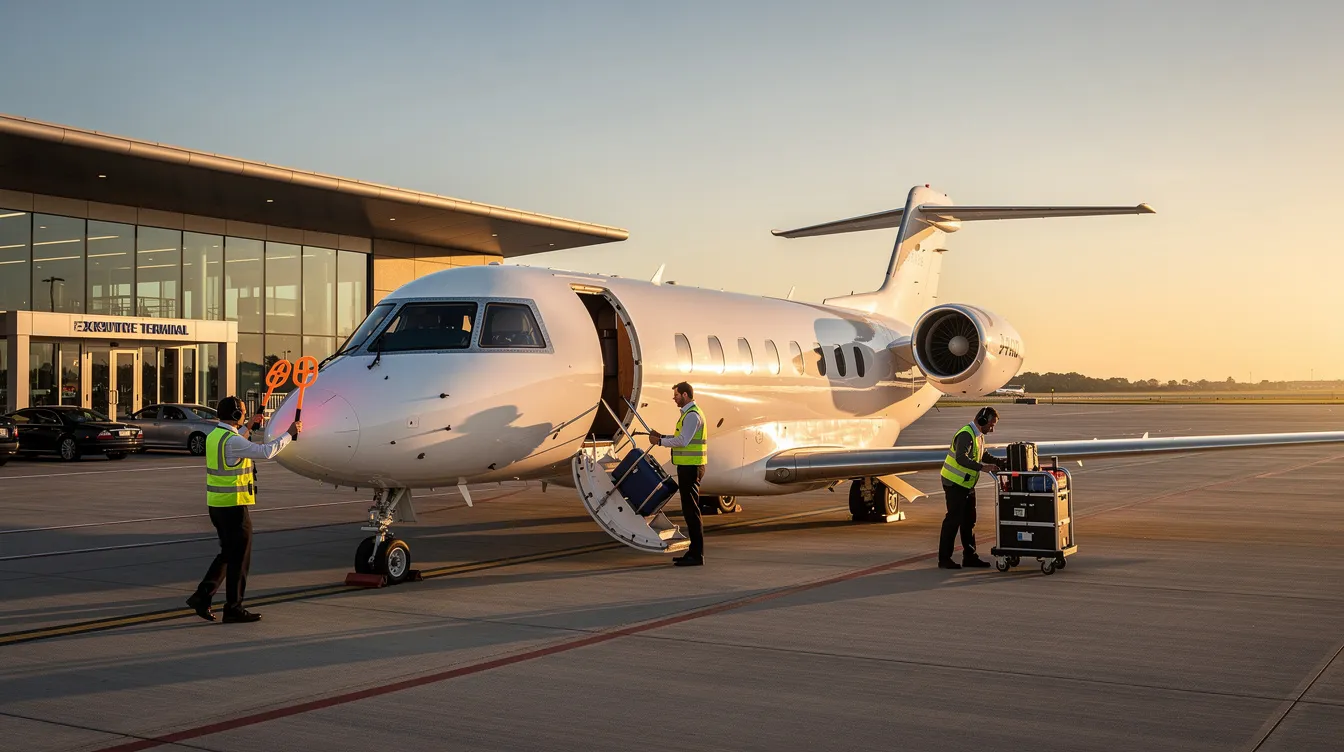
International private jet travel has experienced remarkable growth since 2020, with BlackJet and other leading private aviation providers coordinating flights across the globe. Industry data shows private aviation achieving a compound annual growth rate exceeding 15%, with transatlantic and transpacific routes seeing particular surges as business travel recovered and travelers sought alternatives to crowded terminals.
This guide is for executives, business owners, and frequent international travellers considering private jet solutions for global travel. In addition to fractional ownership, air charter services offer a flexible option for both business and leisure travellers seeking convenience, personalised service, and on-demand private flights. Understanding these logistics is essential for maximising convenience, safety, and value when flying internationally by private jet, and exploring air charter options can be a cost-effective solution for certain travel needs, especially for smaller groups or short trips.
Overflight permit: Authorisation required to fly over a country’s airspace.
Landing permit: Permission to land at a foreign airport.
FBO (Fixed Base Operator): A private terminal providing services for private jets.
Fractional ownership: A program allowing multiple owners to share usage and costs of a private jet.
A private plane international flight typically means routes like New York to London, Los Angeles to Tokyo, or Miami to São Paulo—journeys where time-sensitive travellers save 4-8 hours door-to-door compared to commercial airlines. For executives and families flying internationally 25-150 hours annually, fractional jet ownership through BlackJet offers predictable access to luxury travel without the capital outlay and management headaches of full aircraft ownership.
This article covers the logistics, aircraft types, costs, and regulatory requirements of flying internationally by private jet, plus how fractional ownership and private charter flights can make international luxury travel remarkably efficient.
Speed: Optimal routing, flexible departure times, and access to secondary airports closer to your final destination
Privacy: Dedicated cabins avoiding public terminals and commercial airline crowds
Travel flexibility: Same-day departures, multi-leg trips, and schedules built around your needs rather than airline timetables
Consider a CEO flying from Teterboro (KTEB) to London Farnborough (EGLF) on a private jet versus a commercial JFK-LHR flight. The commercial journey involves 2-3 hours of pre-flight security, connections, and ground transfers. The private flight requires arriving 30-45 minutes before departure at a conveniently located FBO with dedicated customs facilities.
Flying internationally on a private jet requires additional logistics such as obtaining overflight permits, customs clearance, and sometimes landing slot reservations. These permits are critical for transatlantic flights, as each country whose airspace is traversed requires specific authorisation, which must be secured well in advance. International flight planning is recommended to start 2–3 months ahead for complex trips to ensure aircraft availability and permit processing.
Pre-trip planning: Operators secure overflight clearances, landing permits, and coordinate crew scheduling 3-7 days ahead for standard transatlantic legs
Permits and clearances: North Atlantic Tracks require specific procedures; your flight operations team handles these complexities
Customs and immigration: Streamlined at private terminals with US CBP export validation pre-flight and expedited arrival formalities, often completed directly on the tarmac, significantly reducing wait times compared to commercial flights
Flight execution: Heavy jet or ultra long range aircraft for nonstop capability on 6-12 hour sectors
Ground arrangements: Local handlers coordinate transport from the airport to your meeting or hotel
BlackJet coordinates with professional management teams to handle routing, fuel stops if needed, crew scheduling, and international ground support.
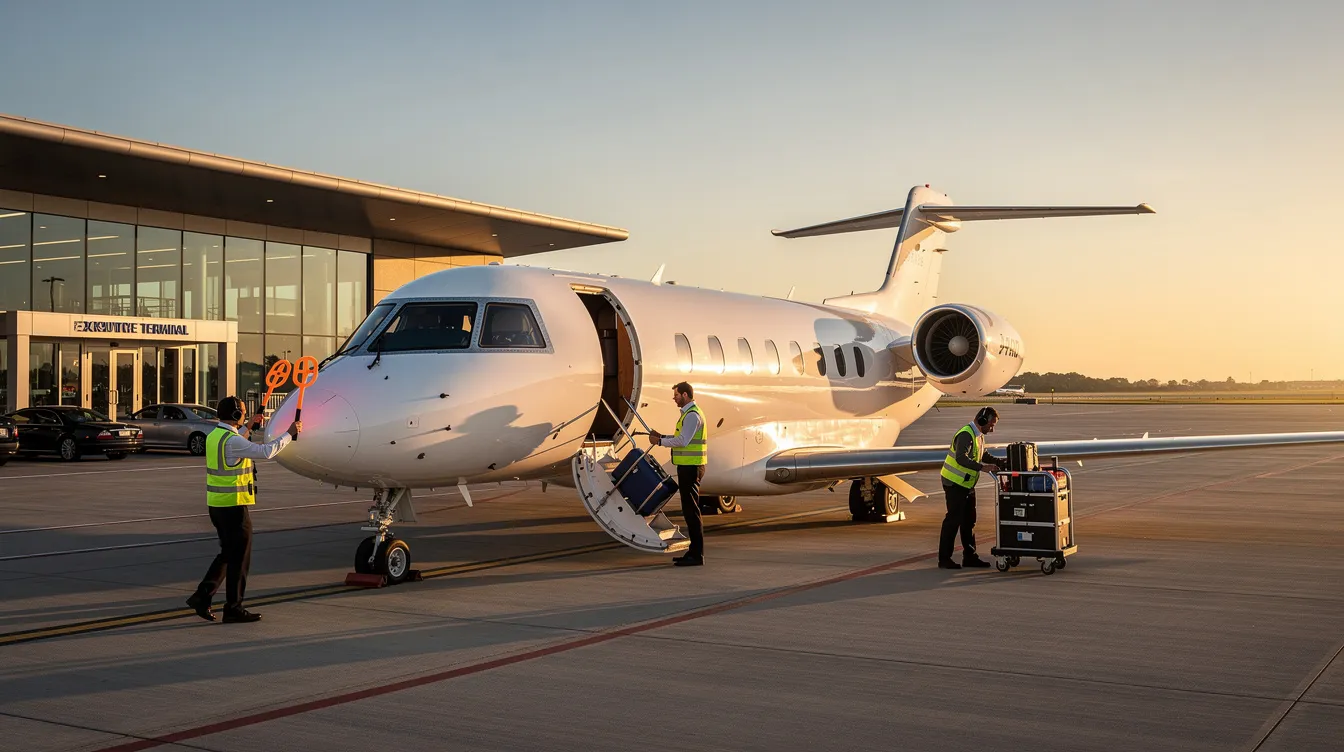
Aircraft selection determines whether you can fly nonstop, how comfortable the journey will be, and your overall trip cost. For US-Europe missions and similar long-range routes, the right jet makes all the difference.
Heavy jet and ultra long range aircraft: Gulfstream G550 (6,750 nm range), G650ER (7,500 nm), Bombardier Global 6000 (6,000 nm), Global Express variants, Falcon 2000EX fractional ownership options, Falcon 900LX fractional jet ownership, and Dassault Falcon 8X (6,450 nm) dominate transatlantic private jet travel due to nonstop capability, carrying 8-16 passengers
Super-midsize options: Challenger 350 (3,200 nm), Gulfstream G280 (3,600 nm), and Embraer Praetor 600 (4,000 nm) handle shorter international legs or routes with technical stops, while high-performance turboprops like the TBM 850 fractional ownership program can efficiently serve regional missions feeding into longer international itineraries
Light jets: Rarely achieve US-Europe nonstop due to 1,500-2,500 nm range limits; may require fuel stops via Gander, Keflavík, or the Azores, adding time and complexity, making models like the HondaJet fractional ownership option more suitable for shorter regional segments than true long-haul missions
For transcontinental flights, a jet must have a sufficient range, typically above 3,000 nautical miles, to avoid unnecessary refueling stops. Midsize jets can typically fly distances of up to 2,450 miles, equivalent to flying from New York to Los Angeles in less than five hours without needing to refuel. Ultra-long-range jets such as the Gulfstream G550 and Bombardier Global Express 5000 are capable of flying nonstop from the US to Europe, offering ranges of 6,750 and 6,200 nautical miles respectively.
International private jet travel allows access to over 984 airports across Europe, many of which are smaller airports that commercial airlines cannot reach, greatly enhancing travel flexibility and convenience. This extensive network enables private jet travelers to land closer to their final destinations, reducing ground travel time and providing access to exclusive locations often inaccessible by commercial flights.
BlackJet’s Equity Fleet model can be tailored to your most common international routes—whether New York to Zurich or Los Angeles to Tokyo—ensuring the appropriate jet class is always prioritised, and you can compare Equity, Reserve, and lease program options to match your global travel profile.
Gulfstream G550: Covers New York to London (3,000 nm) or Los Angeles to Paris (5,400 nm) nonstop with reserves
Falcon 8X: Handles New York to Dubai (~5,900 nm), feasible with favourable winds. Weather conditions can affect flight speed, route planning, and may cause potential delays, making it an important consideration in international private jet travel.
Flight times: New York to London approximately 7 hours, Miami to Paris 8-8.5 hours, Los Angeles to Tokyo 11-12 hours
Speed differences: Between Mach 0.80 and 0.85 matter less than departing on your schedule and using airports like Le Bourget near Paris or Luton near London, cutting ground transfer times significantly
Separate distinct zones: Club seating for meetings, conference/dining areas, and private sleeping areas for overnight sectors like New York to Rome
Flat beds: Capable of sleeping 4-8 passengers on long-haul flights
Low noise levels: Under 50 dB and HEPA-filtered air renewed every 2-3 minutes
Ka-band Wi-Fi: Providing 50-100 Mbps for productivity during flight
Full galleys: Supporting multi-course gourmet meals
Many international business travellers treat outbound legs as flying boardrooms and return legs as rest periods, transforming flight time into productive or restorative leisure time. BlackJet works with operators whose cabins accommodate diet preferences, connectivity needs, and privacy requirements for specific itineraries.
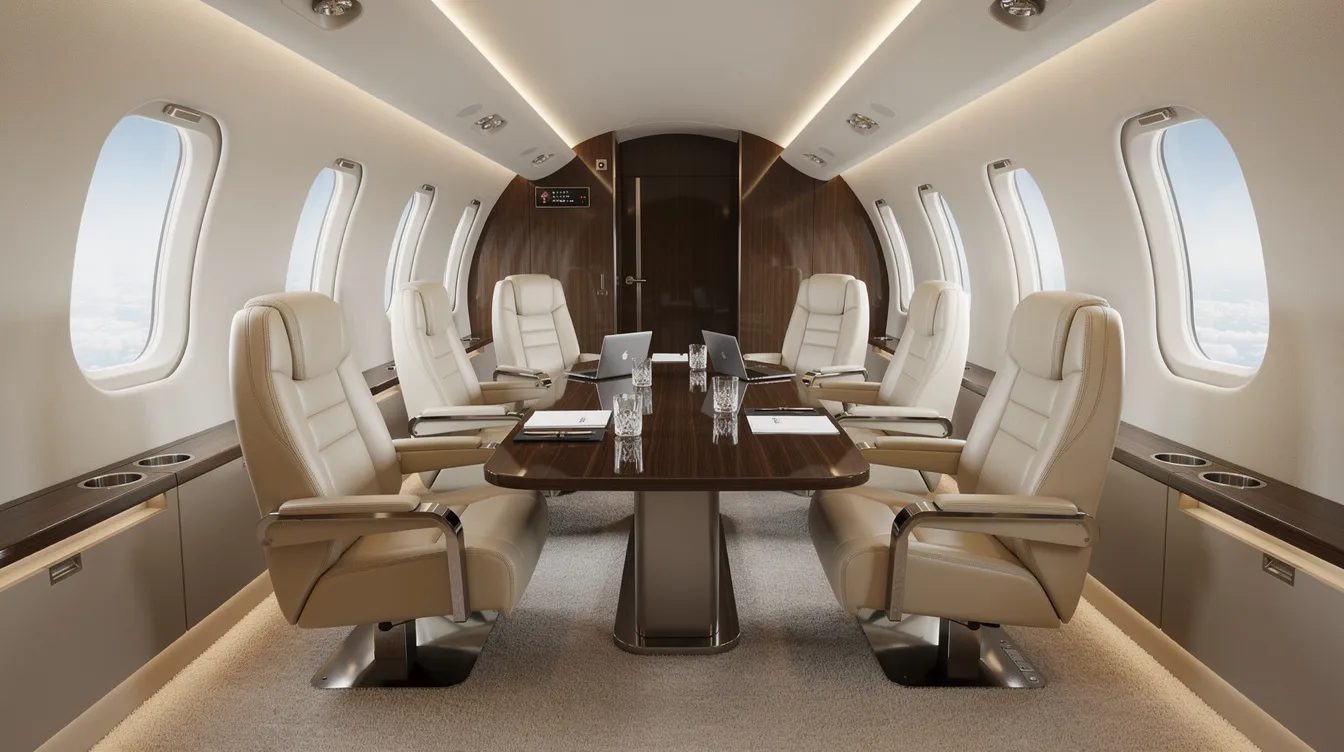
International flights add layers that experienced operators handle behind the scenes: landing permits, overflight clearances, slot constraints at busy airports, and coordination with foreign authorities.
Routes like New York to London, Miami to São Paulo, or the East Coast to Cabo San Lucas require verified overflight and landing permits secured in advance
Recommended arrival: 15-45 minutes before departure at most US FBOs versus 2-3 hours for commercial flights, with travellers often able to arrive as close as 15 minutes prior, enhancing convenience
Scheduling coordination: BlackJet’s scheduling team coordinates with international trip support providers for slots, permissions, and airport-specific regulatory requirements
Weather and geopolitical events: May alter routing; experienced aviation experts adjust plans to maintain safety and compliance
Private planes for international travel allow passengers to bypass long security lines and use smaller, closer airports. They offer greater flexibility in scheduling and access to thousands more airports globally compared to commercial airlines, with popular gateways like Atlanta offering fractional jet ownership solutions and dedicated fractional jet ownership in Austin supporting both domestic and international missions. Using private terminals lets travellers skip long TSA lines and crowded commercial terminals, significantly reducing wait times before flights.Private terminals frequently offer expedited customs and immigration processing, enabling passengers to complete border formalities in a matter of minutes instead of hours.
US outbound: Departing from Teterboro with CBP export checks; eAPIS manifests submitted electronically before flight
US inbound: Re-entering via White Plains (KHPN), Pittsburgh, for fractional jet owners based in the region, or Fort Lauderdale (KFXE) with private charter customs facilities
European arrivals: Paris Le Bourget, London Luton, and Geneva offer private terminals with streamlined passport control and expedited processing
Passport validity: Six-month minimum recommended; ESTA/ETIAS pre-authorisations flagged by operators before departure
Security screening: Present but discreet, typically conducted airside or within the FBO rather than crowded commercial terminals
Advance passenger information: Now standard for European destinations, this requires operators to submit passenger and crew details to immigration authorities before departure, enabling faster processing upon arrival
Flying private does not mean skipping legal border procedures—it means experiencing them with personalised service and efficiency.
Long-range jets: Typically accommodate 8-12 passengers with 4-6 checked bags each plus skis or golf equipment
Weight and balance limits: Aircraft have strict limits for luggage, requiring disclosure of all baggage, including oversized items
Passenger and baggage counts: Passengers must provide precise counts and baggage amounts to ensure the aircraft can handle the weight
Pets: Require microchips, vaccinations, and pet passports for EU/UK entry from the US
High-value items (art, instruments, trade show equipment) require customs declarations for routes like New York to Cannes or leisure-heavy destinations such as Ibiza private jet access and ownership options
Pre-checks: BlackJet’s partners pre-check baggage and pet arrangements to avoid delays at customs or ground handling
Chartering a private jet is significantly more expensive than commercial tickets. The cost of a private jet flight can vary significantly based on distance and aircraft type, with short flights costing around $2,800 for a 40-minute journey and up to $34,500 for a 1.5-hour flight in a midsize jet.
Hourly rates for heavy jets capable of transatlantic flights typically range from $8,000 to $10,000, with total trip costs for a flight from Los Angeles to Paris ranging from $120,000 to $170,000 one-way, underscoring why many flyers evaluate fractional jet ownership as an investment versus paying ad hoc charter pricing.
Total trip costs for private jet flights depend on various factors, including aircraft hourly rates, crew expenses, fuel surcharges, and operational fees, which can significantly impact the overall price of international travel.
Landing and handling: At major European business airports (Le Bourget, London Farnborough): Low to mid four-figure USD range per stop
Overflight permits: $500-$2,000 per country, depending on routing
De-icing in winter: $1,000-$3,000
Crew overnight costs: $300-$500 per crew member on longer international itineraries such as transatlantic routes commonly flown from hubs like Calgary Intl private jet ownership options
Aircraft positioning: Charter clients typically pay for repositioning flight hours; fractional programs may absorb or mitigate these costs, which should be factored into the total cost of fractional jet ownership
BlackJet provides transparent, itemised pricing for international missions so owners anticipate the total trip cost before confirming flight details.
Cost predictability: Fractional ownership offers fixed hourly rates versus charter’s dynamic pricing (20-50% peaks during Davos or Art Basel)
Access and availability: Fractional guarantees 24-48 hour notice availability; charter flights face potential unavailability during peak events
Aircraft control: Fractional owners can specify aircraft types matching their routes; charter availability varies
Tax benefits: Fractional shares may qualify for depreciation and deductions under IRS Section 179, and specialised guidance on the tax implications for fractional jet owners can help optimise how you structure international travel usage
BlackJet’s Equity Fleet and Reserve Fleet models balance ownership benefits with flexible usage, providing access to international-capable aircraft without full ownership burdens.
International private aviation operates under strict oversight from the FAA, EASA, and foreign civil aviation bodies. High-quality operators exceed minimum requirements.
Operator certifications: Look for operators who are ARGUS Platinum rated or have IS-BAO Stage 3 certification for oceanic operations. ARGUS Platinum-rated operators are recognised for their safety, operational excellence, and professionalism, ensuring a premium and secure experience for clients. Also, ensure programs include robust liability and insurance coverage for fractional owners
Vetted partners: BlackJet partners only with vetted operators meeting safety benchmarks for long overwater legs
ARGUS Platinum rating: Provides additional assurance for families and corporate travel managers
Multiple clearances: New York to Dubai involves crossing Canadian, European, or Middle Eastern airspaces—each requiring separate clearance
Noise-sensitive airports, like London City (EGLC) or Zurich, require advance slot booking and may have restricted operating hours
Geopolitical events: (airspace closures) require agile flight planning adjustments, especially if you’re using floating fleet fractional ownership structures that dynamically reposition aircraft worldwide, including Asia-Pacific bases such as fractional jet ownership in Kaohsiung
Permit lead time: BlackJet’s operations partners handle permit complexities, typically requiring several days to weeks of lead time
Specialised pilot training: Pilots require specialised training for North Atlantic Tracks, HF radio use, and contingency procedures when out of radar contact
Type ratings and recurrent training: Specific to the aircraft (G550, Global 6000) plus recurrent training on international procedures, complementing thoughtful fractional jet ownership financing strategies that account for long-range, crew-intensive missions and align with clearly defined fractional jet ownership terminology and concepts
Experienced crews: BlackJet’s partner operators staff international journeys with crews experienced in long-haul service and cross-border expectations, reflecting the company’s focus on highly trained pilots and cabin crews
Stringent maintenance schedules: Aircraft on 8-12-hour sectors adhere to stringent maintenance schedules covering navigation systems, satellite communications, and safety equipment
Additional inspections: Before major international trips, particularly oceanic crossings, are typically outlined in the underlying aircraft fractional ownership contract structures that govern maintenance standards and responsibilities
Centralised maintenance planning: BlackJet leverages professionally managed fleets where maintenance planning is centralised, reducing cancellation risk for owners using regional bases such as Atlantic Municipal private jet access and ownership options
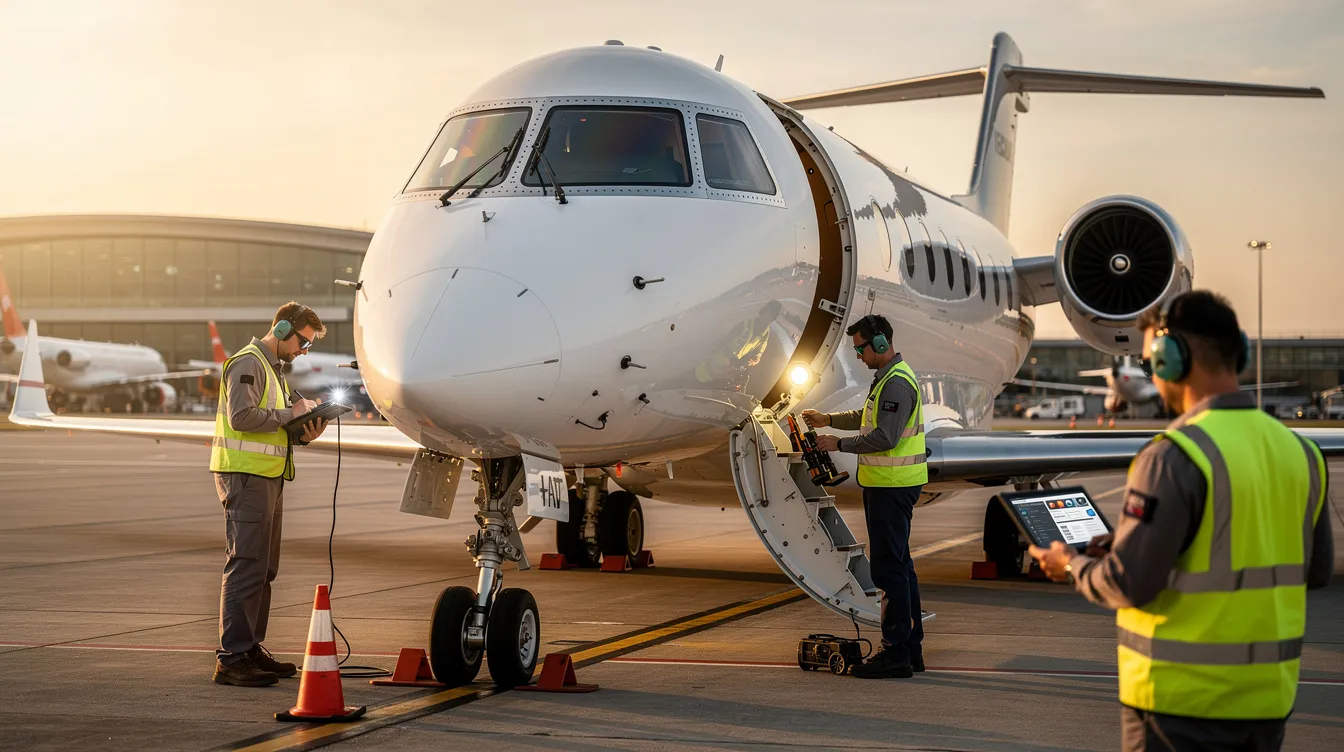
Consider a business owner planning quarterly New York to London trips and semiannual New York to Dubai journeys who wants to standardise aircraft quality and the overall journey experience.
Planning timeline: Same-day for simple North American hops, 3-7 days for standard US-Europe or US-Caribbean trips, several weeks for complex multi-country itineraries
Discovery consultation: BlackJet maps your annual international flying pattern—typical origins, destinations, passenger counts, and preferred dates, then aligns that profile with a clear view of the cost of fractional jet ownership, whether you’re based near hubs like Nashville fractional jet ownership options or other regional airports
Program recommendation: Based on your profile, the team recommends Reserve Fleet access, Equity Fleet shares, or a blend matching your international and domestic needs, which may include options like a 1/8th fractional jet ownership structure for around 100 hours of annual flying, tailored to home bases such as fractional jet ownership in Orlando
Initial strategy call: Assess annual international flight hours, common city pairs (Los Angeles to Tokyo, Miami to Geneva), and advance planning tolerance
Program design: Propose fractional share size covering likely usage without over-committing capital
Aircraft selection: Align aircraft class with typical flight lengths and passenger loads
Onboarding: Complete documentation, explain booking procedures, and introduce the dedicated owner services contact, whether you’re flying primarily from Sun Belt hubs like fractional jet ownership in Phoenix or coastal gateways
First international mission: Walk through a real itinerary from home pickup to FBO, customs, flight, and arrival at your destination, with your team ensuring you’re comfortable with key fractional ownership contract terms that govern usage
Group meetings: Group international meetings to reduce long-haul segments per year, maximising fractional hours value, and clarifying whether fractional ownership or membership programs better fit your travel pattern, especially if you’re based in markets like Portland fractional jet ownership options
Choose secondary airports: (London Farnborough instead of Heathrow) to cut ground transfer times and avoid slot delays, much like leveraging convenient regional hubs described in Seattle fractional jet ownership solutions
Book seasonal trips early: (summer Europe, holiday Caribbean) weeks or months in advance to lock in preferred aircraft, particularly if you’re flying from coastal bases such as fractional jet ownership in Virginia Beach
Share preferences: Share dietary needs, work habits, and rest preferences so onboard service is tailored for productivity or sleep on board long sectors, and periodically review leading fractional jet ownership programs for smart investors, along with your options for selling a fractional jet ownership share if your international flying needs change or if you shift your primary base to specialised locations such as Avord AB private jet ownership options, Bay Of Islands private jet access and ownership, Bhubaneswar private jet ownership and charter services, Fernandina Beach private jet access and ownership, or Kelowna private jet access and ownership options
Private plane international flights transform long-haul travel into a controlled, efficient experience—particularly for those flying abroad multiple times per year. Whether crossing the Atlantic for business or exploring the world for leisure, flying private eliminates the friction of crowded terminals and commercial airline schedules.
Fractional jet ownership with BlackJet offers a structured way to access international-capable aircraft with predictable costs, professional management, and high safety standards. For travellers logging 25-150 hours annually on international routes, it represents an optimal balance between convenience and cost.
Evaluate: Whether your annual flying pattern makes you a candidate for fractional ownership
Consider: The predictability advantages over ad-hoc private jet charter
Explore: How Equity Fleet or Reserve Fleet access aligns with your most common routes
Ready to explore the smarter way to fly private? Visit FractionalJetOwnership.com to schedule a consultation, review current fleet options for international missions, and discover how a customised share can transform your global travel. Contact BlackJet’s advisors today to discuss your specific international flying needs.
International private jet travel offers unparalleled convenience, flexibility, and efficiency for executives and frequent travelers seeking to optimize their global itineraries. Fractional jet ownership with BlackJet provides a strategic solution, combining predictable costs, access to a range of international-capable aircraft, and expert operational support. This approach eliminates the complexities of full ownership while ensuring priority availability and tailored service for transcontinental and intercontinental flights.
By choosing fractional ownership, travelers gain seamless access to private terminals, expedited customs processing, and the ability to fly directly to thousands of airports worldwide, including many that commercial airlines cannot serve. Whether for business or leisure, this model supports a superior travel experience that saves time and enhances productivity.
For those considering private plane international flights, BlackJet’s fractional ownership programs offer a flexible and cost-effective path to private aviation. To learn more about how fractional ownership can transform your international travel experience, visit FractionalJetOwnership.com and schedule a consultation with our expert advisors today.
