
April 30, 2026
Private plane cost, often referred to as private jet cost, ranges from a few thousand dollars per flight hour to millions per year, depending on whether you rent a private jet (charter on demand), participate in fractional ownership, or buy an aircraft outright. Renting a private jet offers flexibility and can be more affordable for occasional flyers compared to ownership or fractional models, with costs influenced by aircraft size, flight duration, and additional fees. Understanding the real numbers behind each option is essential for any business traveler or high-net-worth individual evaluating private aviation in 2026.
Charter: Renting a private jet for a specific trip or duration, paying only for the time you use. Charter rates are typically quoted per flight hour and can range from $2,000 to $14,000 per hour, depending on aircraft size and type. Charter is ideal for occasional flyers who want flexibility without long-term commitment.
Fractional Ownership: A model where multiple owners share equity in a specific aircraft, each entitled to a set number of flight hours per year based on their share size (e.g., 1/8 share equals about 100 hours annually). Fractional owners pay a share purchase price, monthly management fees, and hourly occupied flight charges. This approach balances cost predictability, guaranteed access, and some equity recovery at program exit.
Jet Card: A program where members pre-purchase a block of flight hours (typically 25 or more) at a fixed hourly rate, providing price certainty and streamlined booking without ownership or equity. Jet cards are best for those flying 25–75 hours per year.
Depreciation: The reduction in value of an aircraft over time due to age, usage, and market conditions. Private jets generally depreciate 20–50% in the first five years, with annual depreciation rates of 5–10% common. Depreciation is a key consideration for owners, as it affects the residual value when selling or exiting a program.
The private jet market in 2026 presents a wide spectrum of access models, each with distinct cost profiles. Typical charter rates range from approximately $2,500 to $18,000 per flight hour, depending on aircraft type, while full aircraft ownership often requires an acquisition investment of $3 million to $75 million plus annual operating costs of $700,000 to $1.5 million or more.
For travelers flying 25 to 150 hours per year, fractional jet ownership and membership programs like those offered by BlackJet Fractional Jet Ownership provide a middle path that balances cost predictability with flexible access. The right choice depends on your annual flight hours, preferred routes, and tolerance for capital commitment.
This article will guide you through:
Hourly and per-trip costs for private jet charter across turboprops, light jets, midsize jets, and heavy jet categories
Key factors that drive private plane cost, including the variables that influence the cost of a private jet flight, such as aircraft size, positioning, operational costs, and seasonal demand
Full ownership economics covering purchase price, fixed costs, variable costs, and depreciation
Fractional ownership and membership models, including BlackJet’s Equity Fleet and Reserve Fleet
Comparison frameworks to determine when charter, jet card programs, fractional ownership, or full ownership makes financial sense
Hidden fees and taxes that affect the total cost beyond the quoted hourly rate
Examples throughout focus on U.S. domestic routes and common international flights traveled by executives and high-net-worth individuals, including regional markets served by Atlantic Municipal private jet ownership options, Avord AB private jet ownership options, and Mediterranean gateways such as Alicante El Altet private jet access and ownership options.
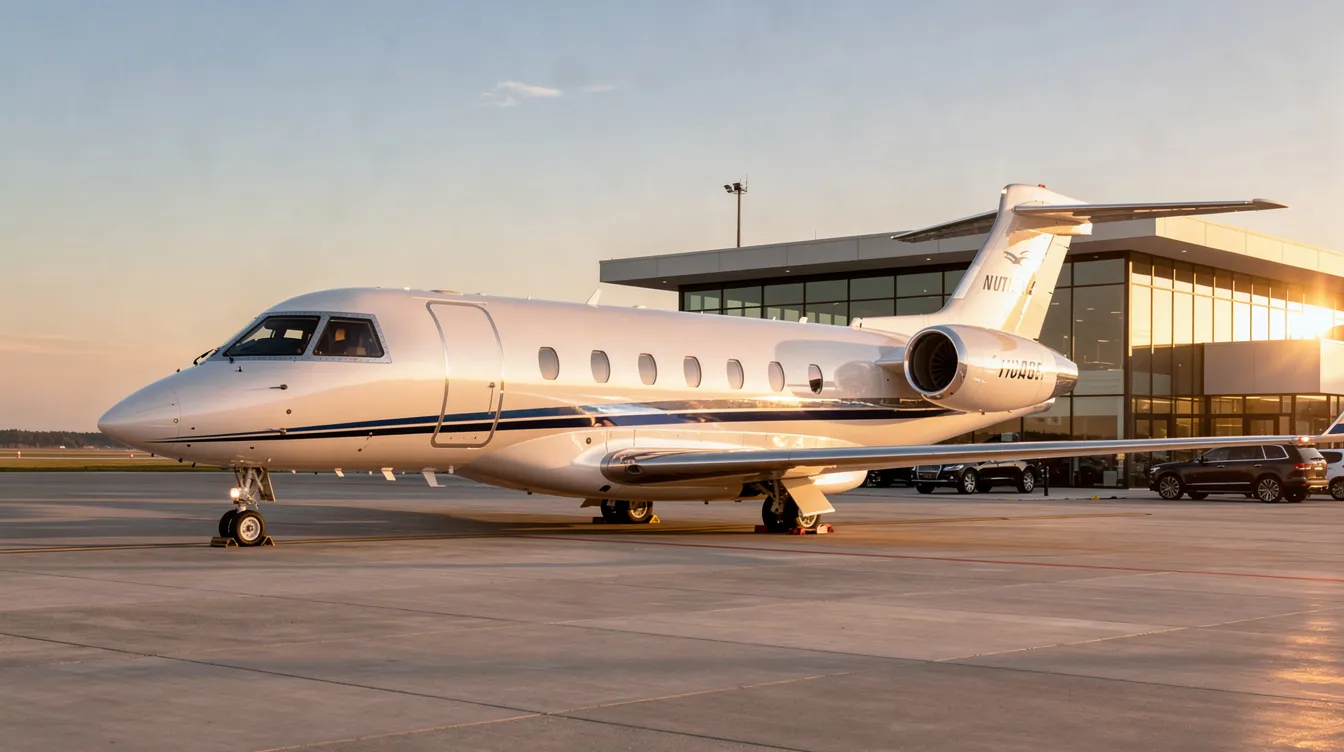
The private jet cost in 2026 varies significantly by aircraft category, with detailed estimates and comparisons across different types. Private jet rental prices typically range from $2,000 to $14,000 per billable flight hour, while ultra-luxury VIP Airliners start at $16,000 and can scale to $23,000 or more. Smaller turboprops offer entry-level pricing, while ultra-long-range jets command premium rates for transcontinental and transatlantic missions.
Here are the typical 2026 hourly costs across the main aircraft categories:
Aircraft Category | Example Models | Passengers | Hourly Rate |
|---|---|---|---|
Turboprops | Pilatus PC-12, King Air 350, TBM 850 fractional ownership | 4–8 | $2,000–$3,500 |
Light jet | Citation CJ3+, Phenom 300 | 6–8 | $3,000–$5,000 |
Midsize jet | Citation XLS+, Learjet 75 | 8–10 | $4,500–$7,000 |
Super-midsize | Citation Latitude, Challenger 350, Falcon 2000EX fractional shares | 8–10 | $6,000–$9,000 |
Heavy jet / Long-range | Gulfstream G450, G650ER, Global 6000, Falcon 900LX fractional ownership | 12–19 | $8,500–$18,000 |
These ranges reflect base hourly costs when an aircraft flies under typical market conditions. Rates can spike 20 to 75 percent during peak demand periods.
To illustrate how hourly costs translate to total cost per trip, consider these 2026 estimates:
New York to Los Angeles (round-trip): On a Gulfstream G450 with approximately 5.5 to 6 hours each way, expect a total cost of $95,000 to $115,000, including fuel surcharges and standard fees.
Dallas to New York (same-day round-trip): Using a super-midsize jet for approximately 3 hours each way, a typical quote ranges from $40,000 to $55,000, factoring crew duty considerations.
London to Dubai (one-way): A long-range jet covering approximately 7 hours of flight time runs $70,000 to $95,000, with international permits and handling included.
Aircraft availability and depreciation reserves
Crew members (captain and first officer for most jets)
Basic fuel costs (fuel represents 25–35% of total operating expenses, costing approximately $600 per hour for light jets and over $2,500 per hour for heavy jets)
Hull and liability insurance (annual premiums range from $10,000 to $85,000 for light jets and exceed $300,000 for heavy jets)
Standard maintenance reserves
Mandatory government taxes and fees (such as a 7.5% Federal Excise Tax on U.S. domestic legs and various international head taxes ranging from $19.70 to $23.40 per passenger)
Segment fees per passenger
Catering services (from simple snacks to highly customized meals costing $200 to $2,000 per leg)
Ground transportation and in-flight entertainment
Overnight parking charges and hangar fees ($15,000 to $300,000 annually, depending on location and season)
Aircraft positioning flight time (when an aircraft must fly empty to your departure airport)
Crew overnight expenses and salaries (pilot salaries range from $150,000 to $400,000 annually, depending on aircraft type)
Deicing charges during winter operations ($1,500 to $15,000 depending on aircraft size and weather)
Major engine overhauls ($1 million to $1.5 million per engine; routine maintenance costs range from $500,000 to $4 million annually)
Storage fees ($2,000 to $20,000 monthly, depending on size and location)
Empty leg flights can reduce costs by 30 to 75 percent for flexible travelers willing to match their schedule to aircraft positioning needs, while frequent flyers in major hubs such as Georgia or regional airports like Antrim County, private jet access, and ownership options may instead evaluate fractional jet ownership in Atlanta or fractional jet ownership in Austin for more predictable access.
Four primary drivers determine what you pay for private flights: aircraft size, flight time and distance, airport choice and aircraft positioning, and seasonal demand.
Larger aircraft with greater range capability carry higher hourly costs due to increased fuel burn, more complex maintenance requirements, and additional crew needs. A light jet burning 100 to 150 gallons per hour contrasts sharply with large jets consuming 450 to 700 gallons per hour. Cabin volume also affects pricing—stand-up cabins and full lavatories on super-midsize and larger aircraft command premium rates for longer missions where passenger comfort matters.
Longer routes multiply billable hours and may trigger crew duty limits requiring rest stops or overnight stays. Non-extended-range aircraft flying very long segments need fuel stops, adding $5,000 to $20,000 per stop in handling and time costs. Shorter flights under two hours may still incur minimum daily charges from most operators, and tight schedules often increase reliance on highly trained private jet pilots and crews.
Flying into or out of regional airports or smaller airports with limited-based aircraft often requires positioning legs where an aircraft flies empty to reach you, potentially adding 20 to 50 percent to your total trip cost, particularly from gateways like Calgary International Airport, with fractional jet access. Fixed base operators at major hubs typically offer lower price point handling compared to remote locations requiring special logistics. Airport authority fees and landing fees vary considerably, from under $200 at general aviation fields to over $1,500 at congested hubs for larger aircraft, and local fee structures can influence decisions about fractional jet ownership in Orlando and other region-specific programs, such as fractional jet ownership in Nashville.
Private jet pricing surges during:
U.S. holidays: Thanksgiving and the Christmas–New Year period see 30 to 50 percent rate increases
Ski season: February travel to Aspen, Vail, and similar destinations hits peak demand
Major events: Super Bowl, Davos, Formula 1 races, and similar gatherings create near-total fleet utilization
During these periods, availability tightens, and charter company quotes reflect the premium.
Other factors that add tens of thousands to certain trips include premium catering for international flights, pet handling with quarantine preparation ($500 to $2,000), international overflight permits ($1,000 to $10,000), dedicated ground transportation ($1,000 to $5,000), and deicing in winter conditions ($1,500 to $15,000 depending on aircraft type and weather severity).
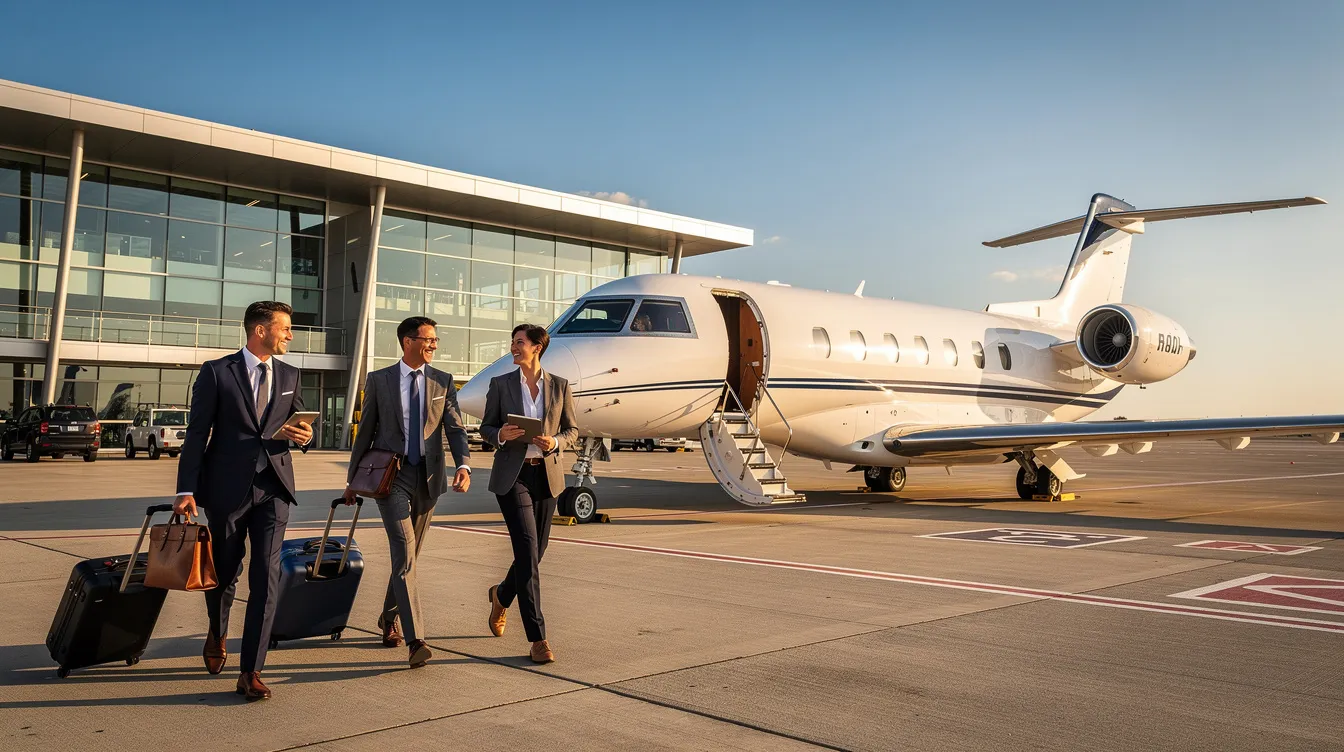
Full ownership of a private plane suits flyers consistently exceeding 200 to 300 flight hours per year who value complete control over scheduling, aircraft configuration, and home basing. The financial commitment, however, spans multiple millions in acquisition and hundreds of thousands annually in operations.
The 2026 market for new aircraft reflects stabilized supply chains following recent industry pressures:
Aircraft Category | New Aircraft Price Range |
|---|---|
Light jets (Phenom 300, Citation CJ series) | $3 million – $7 million |
Midsize jets (Citation Latitude, Learjet 75) | $9 million – $18 million |
Super-midsize (Challenger 350) | $18 million – $35 million |
Large-cabin / Ultra long range (G650ER, Global 7500) | $40 million – $75 million+ |
Pre-owned aircraft typically sell at 20 to 50 percent discounts, with well-maintained light jets available from $2 million and midsize options from $5 million upward, while newer models like the Falcon 6X fractional ownership opportunity command premiums for their range and cabin comfort.
Aircraft owners face annual fixed costs ranging from $500,000 to $1.2 million or more, regardless of how much they fly:
Hangar fees: $15,000 to $300,000 per year at prime locations like Teterboro, Van Nuys, or Boca Raton
Crew salaries: $150,000 to $400,000 for a captain and first officer, including benefits and per diem
Insurance: $10,000 to $85,000 for light jets, exceeding $300,000 for heavy jets
Training and recurrency: $20,000 to $50,000 biannually for crew
Management fees: 10 to 15 percent of the operating budget through professional management companies
Each flight hour adds variable costs of $2,000 to $6,000 or more:
Fuel: At $4 to $7 per gallon, with consumption rates varying by specific aircraft, fuel represents 25 to 35 percent of variable expenses and is the largest single variable expense
Maintenance reserves: $500 to $1,500 per hour set aside for scheduled and unscheduled work, including major engine overhauls costing $1 million to $1.5 million per engine
Trip fees: Catering, handling, landing fees, and other per-flight expenses
Private jets generally depreciate 20 to 50 percent of their value within the first five years, with annual depreciation rates of 5 to 10 percent common. Aircraft owners financing 70 percent of the purchase price at interest rates between 6% and 8% may face annual financing costs of $500,000 to $2 million, depending on aircraft value, and similar financing and depreciation dynamics shape the total cost of fractional jet ownership.
Consider an owner flying 250 hours per year on a midsize jet:
Annual fixed costs: Approximately $800,000
Variable costs at $3,500/hour: $875,000
Financing costs (amortized): $400,000
Total annual cost: Approximately $2.1 million
This translates to roughly $8,400 per occupied hour. At utilization below 200 hours, the per-hour cost climbs rapidly, often exceeding what fractional ownership or structured charter would cost for equivalent access.
Fractional aircraft ownership offers shared equity in a specific aircraft type, typically structured as 1/16 to 1/2 shares, yielding approximately 50 to 400 flight hours annually. This model, pioneered in 1986 and now representing 10 to 15 percent of U.S. private flights, bridges the gap between expensive full ownership and unpredictable charter markets.
BlackJet Fractional Jet Ownership operates two complementary models designed for different usage profiles:
Equity Fleet: True fractional jet ownership with an equity interest in a specific aircraft type. Owners purchase a share, pay monthly management fees, and enjoy predictable hourly costs with guaranteed access and residual value at exit, with options to compare fractional jet ownership programs across different structures.
Reserve Fleet: A non-equity program providing private jet service with guaranteed availability. Members pre-fund or pay per hour at transparent rates without capital commitment—ideal for those needing flexibility without ownership responsibilities.
The Equity Fleet model suits flyers in the 50 to 150+ hours per year range seeking ownership benefits and a clear understanding of the total cost of fractional jet ownership:
Share purchase: Based on aircraft type and share size. A 1/8 share in a midsize jet typically requires a low seven-figure investment, and many owners evaluate dedicated fractional jet ownership financing options to structure this capital outlay.
Monthly management fee: Approximately $20,000 to $50,000 covering crew salaries, hangar, insurance, maintenance reserves, and administration on a pro-rata basis.
Hourly occupied flight charge: Predictable rates typically 10 to 25 percent below comparable retail charter, covering fuel and trip-specific expenses.
At program exit, owners receive residual value based on aircraft depreciation and market conditions, with well-maintained fractional aircraft often retaining 80 to 90 percent of value after five years, and many follow best practices for selling a fractional jet ownership share to maximize proceeds.
The Reserve Fleet program targets flyers with 25 to 75 hours per year who want private aviation access without equity commitment, making it an attractive option when comparing fractional jet ownership vs membership programs:
No acquisition cost: Members avoid the capital requirement of share purchase
Pre-fund or pay-per-hour: Transparent fixed rates by aircraft category
Guaranteed access: Contractual availability even during peak periods
Full flexibility: Scale hours up or down without long-term obligation
Compared to booking an ad hoc private jet charter, fractional and membership programs offer, when you fully understand the total cost of fractional jet ownership:
Predictable private jet pricing: Locked rates protect against peak-season surcharges
Guaranteed availability: No scrambling for aircraft during holidays or events
Consistent experience: Same fleet type, familiar crew members, known cabin configuration
No operational burden: BlackJet handles maintenance, crew hiring, scheduling, and compliance

Choosing among on-demand charter, jet card programs, fractional jet ownership, and full ownership depends on annual flight hours, capital availability, and preferences for control versus convenience.
Private jet rentals through charter brokers or aircraft operators provide maximum flexibility with no commitment, allowing you to rent a private jet for specific trips or durations as needed, and they remain an important alternative to leading fractional jet ownership programs for smart investors:
Best for: Under 25 to 50 hours per year
Advantages: No capital outlay, pay only when flying, access to a wide fleet variety
Drawbacks: Rates fluctuate with market demand, availability is uncertain during peaks, private jet rental prices vary by broker and timing
Typical annual spend at 50 hours (midsize): $200,000 to $300,000
Empty leg flights offer significant savings but require schedule flexibility. Charter flight pricing also varies based on aircraft positioning requirements, and regional programs such as fractional jet ownership in Phoenix can further stabilize costs for frequent users.
Jet card programs allow pre-purchasing blocks of hours at fixed rates:
Best for: 25 to 75 hours per year seeking price certainty
Advantages: Locked hourly rate, streamlined booking, no ownership commitment
Drawbacks: Peak-day restrictions common, limited aircraft category flexibility, and no equity or residual value
Typical annual spend at 50 hours (midsize): $180,000 to $250,000
Jet card pricing provides predictability but without the ownership benefits or guaranteed priority access that fractional programs offer, which is why many regional travelers explore fractional jet ownership in Pittsburgh or adjust their charter searches from hubs like Mississauga YYZ when no aircraft are immediately available as an alternative.
Fractional ownership through programs like BlackJet’s Equity Fleet combines ownership economics with operational simplicity and can be evaluated as a fractional jet ownership investment or region-specific options such as fractional jet ownership in Portland:
Best for: 50 to 150+ hours per year
Advantages: Equity interest with residual value, guaranteed access, predictable hourly costs, potential tax benefits for qualifying business use
Drawbacks: Upfront capital requirement, ongoing management fees, and share liquidity depend on the market
Typical annual spend at 100 hours (midsize, 1/8 share): $400,000 to $600,000, including amortized share cost, depending on how the total cost of fractional jet ownership is structured
Owning your own private plane outright provides maximum control:
Best for: 300+ hours per year or corporate shuttle operations
Advantages: Complete customization, base aircraft anywhere, no scheduling conflicts
Drawbacks: Highest capital and operating costs, depreciation risk, management complexity
Typical annual spend at 300 hours (midsize): $1.8 million to $2.5 million+
A regional business owner needs reliable access for 60 annual hours to visit clients and attend industry events. Purchasing even a light jet would cost $700,000+ annually—far exceeding the value received. BlackJet’s Reserve Fleet provides guaranteed access at transparent hourly rates without capital commitment, reducing annual spend to approximately $180,000 to $240,000 while eliminating ownership hassles.
A mid-market private equity firm’s principals fly 120 hours annually for deal sourcing and portfolio company visits. On-demand charter at this volume runs $500,000 to $700,000 with availability uncertainty during peak periods. An Equity Fleet fractional share provides ownership benefits, tax advantages for business travel, and predictable costs of approximately $450,000 to $550,000 annually with guaranteed access and residual value recovery, all of which are easier to evaluate with a clear grasp of fractional jet ownership terminology.
Even when hourly rates appear clear, additional costs meaningfully affect the total trip cost. Understanding these fees helps avoid surprises and compare private jet rental costs accurately across providers, especially when you factor them into the total cost of fractional jet ownership.
Landing fees: $100 to $1,500 depending on airport and aircraft size, with heavy jets at congested airports like Teterboro commanding higher charges
Ramp and handling fees: $100 to $500 per stop through fixed base operators
Overnight parking: $500 to $2,000 per day, higher at congested airports or during winter when heated hangar space is limited, particularly at growing hubs such as Bhubaneswar, private jet access, and ownership options, or regional fields like Auburn/Lewiston Muni, private jet access, and ownership options
Short leg fees: Minimum charges of 1 to 2 hours, even for flights shorter than the minimum, which can be mitigated through regionally based programs like Bay of Islands private jet ownership options
Federal excise tax: 7.5% on U.S. domestic charter legs
Segment fees: $4.50 to $5 per passenger per flight segment
International head taxes: $19.70 to $23.40 per passenger on U.S.-involved routes
Overflight and landing permits: $1,000 to $10,000 for international flights requiring country-specific authorizations
Deicing: $1,500 to $15,000, depending on aircraft size and conditions, with large jets at airports like Aspen or Teterboro during snow events facing the highest charges
Heated hangar requirements: Premium overnight rates when outdoor storage risks airframe or system damage
Catering: Simple snacks run $200 to $500, while multi-course gourmet meals reach $2,000 to $5,000 per leg
Ground transportation: Chauffeured SUV service from FBO to final destination adds $1,000 to $5,000, with some airports, such as Fernandina Beach private jet access, or Camp Guernsey private jet access, and ownership options bundling premium transfers into program pricing
Wi-Fi packages: High-bandwidth data on international flights costs $1,000 to $5,000, depending on duration, especially on leisure-heavy routes from hubs like Ibiza, private jet access, and ownership options
Pet handling: $500 to $2,000, including quarantine preparation for international travel
BlackJet Fractional Jet Ownership integrates many of these costs into program pricing rather than surprising members with add-ons, a structure mirrored at airports such as Kelowna, with private jet access and ownership options. Handling fees, segment taxes, and standard positioning are disclosed upfront, allowing accurate annual budget planning. This transparency distinguishes fractional and membership programs from variable ad hoc charter pricing and from some floating fleet fractional ownership options that can introduce additional variability.
The financial case for fractional ownership hinges on annual flight hours and the mix of business versus personal use.
Fractional jet ownership becomes compelling when charter expenses grow substantial, but whole ownership remains inefficient. For flyers in the 50 to 150 hours per year range, it’s important to understand the complete cost of fractional jet ownership:
On-demand charter costs escalate with volume and offer no equity recovery
Full ownership spreads fixed costs across too few hours, driving per-hour costs above charter rates, leading some users to consider fractional jet ownership in Virginia Beach or similar regional programs
Fractional programs balance capital efficiency with ownership benefits and guaranteed access
Consider a technology executive flying approximately 100 hours per year, primarily domestic routes with occasional transatlantic missions:
Average hourly cost (midsize mix): $5,500
Annual charter spend: $550,000
No equity, no guaranteed access
Share purchase (amortized over 5 years): $100,000/year
Monthly management fees: $35,000 × 12 = $420,000/year
Hourly occupied fees (100 hours × $4,000): $400,000
Less estimated residual recovery: -$80,000/year
Net annual cost: Approximately $840,000
At first glance, charter appears cheaper. However, the fractional calculation includes equity accumulation, guaranteed peak-period access worth tens of thousands during holiday travel, consistent aircraft and crew, and potential depreciation deductions for qualifying business use. When these factors matter, fractional ownership delivers value beyond the raw numbers.
Mid-market companies often blend fractional ownership with supplemental access, typically governed by a detailed aircraft fractional ownership contract and informed by essential fractional ownership contract terms:
Primary aircraft: 1/8 or 1/4 Equity Fleet share for predictable executive travel
Overflow capacity: Reserve Fleet hours for additional trips or secondary travelers
Cost avoidance: Eliminates the capital required for a second-owned aircraft
This hybrid approach provides the best flight flexibility while controlling total aviation expenditure, especially when paired with robust fractional jet liability and insurance coverage.
U.S. business users may benefit from aviation-related tax advantages, including accelerated depreciation under Section 168(k) and operating expense deductions, topics explored in depth in guides to the tax implications for fractional jet owners. However, IRS scrutiny requires proper structure and documentation. Consult a qualified tax advisor before making ownership decisions based on tax assumptions.
Beyond cost comparisons, fractional ownership delivers:
Predictable access: Guaranteed availability during periods when charter markets tighten
Consistent experience: Same aircraft type, familiar cabin configuration, crew familiarity
Dedicated support: Concierge scheduling, routing optimization, and travel coordination
Time efficiency: Reduced security repeats and streamlined boarding compared to commercial flight alternatives
New private jet acquisition costs range from $3 million to $7 million for light jets like the Phenom 300, $9 million to $18 million for midsize jets, and $40 million to $75 million or more for large-cabin ultra-long-range aircraft like the Gulfstream G650ER or Bombardier Global 7500. Pre-owned aircraft offer 20 to 50 percent savings depending on age and condition, and some buyers instead consider fractional ownership of specific models like the HondaJet to reduce upfront cost.
Annual operating costs for a light jet run approximately $700,000 to $900,000 in fixed costs plus $2,500 to $3,500 per flight hour. Large jets require $1.2 million to $1.8 million annually in fixed costs plus $8,000 to $12,000 per flight hour. These figures exclude acquisition financing and depreciation.
Charter typically costs less than ownership for flyers under 150 to 200 hours per year. Above that threshold, ownership economics improve as fixed costs spread across more flight hours. Fractional ownership often provides the optimal balance for the 50 to 150-hour range by combining predictable costs with equity benefits, particularly in markets supported by fractional jet ownership in Seattle.
Entry-level access starts with individual charter legs from approximately $10,000 for short turboprop flights. Jet card programs typically require minimum deposits of $100,000 to $125,000 for 25 hours. BlackJet’s Reserve Fleet offers pre-funded access starting at competitive entry points without ownership requirements, and similar fractional jet ownership solutions in Kaohsiung extend these benefits to international hubs.
Fractional ownership requires higher upfront capital but offers equity interest, residual value recovery, and often 15 to 30 percent lower effective hourly costs at comparable usage levels. Jet cards provide simpler entry and flexibility, but without ownership benefits or guaranteed access during peak demand. For consistent users above 75 hours per year, fractional programs like BlackJet’s Equity Fleet typically deliver superior total value.
Private plane cost depends fundamentally on how often you fly, what aircraft category suits your typical missions, and whether you prioritize global range or regional flexibility. A few annual trips warrant an on-demand charter. Consistent travel in the 50 to 150+ hour range calls for structured access that balances cost predictability with operational simplicity.
On-demand private jet charter serves occasional travelers well, but fractional jet ownership and membership programs like BlackJet’s Equity Fleet and Reserve Fleet deliver meaningful advantages for regular flyers. Predictable pricing, guaranteed availability during peak periods, consistent aircraft experience, and potential ownership benefits create value that ad hoc charter cannot match.
For executives and business owners evaluating their options, the next step is straightforward: analyze your actual travel patterns, understand the total cost across access models, and determine which approach aligns with your priorities.
Ready to explore the smarter way to fly private? Visit FractionalJetOwnership.com to learn how fractional jet ownership and BlackJet’s flexible access programs can transform your travel experience. Schedule a consultation to review your current charter invoices or travel patterns and model cost scenarios tailored to your specific needs.
Private aviation is ultimately about gaining back time, control, and predictability. The right access strategy turns travel from a recurring challenge into a competitive advantage—for both business and personal journeys.
