
November 24, 2025
Private aviation continues to rank among the most valuable assets for high-net-worth individuals, business owners, and corporate leaders seeking greater control over their mobility. From light jets suited for regional hops to long-range aircraft capable of global travel, owning a private jet provides a level of convenience that commercial travel cannot match. However, owning a private jet requires a significant upfront capital expenditure, often ranging from $3 million for a very light jet to over $70 million for a large, long-range aircraft.
Yet purchasing a private aircraft is a decision that requires deep understanding—not only of the acquisition cost, but also of long-term operational responsibilities, regulatory requirements, and market dynamics.
This comprehensive guide explores the essential considerations when purchasing a private jet, offering insights for buyers who want clarity before making one of the most significant investments in private aviation.
Private aviation provides a combination of luxury, efficiency, and autonomy. For many buyers, the interest begins with the simple reality that time is the most valuable resource. A private jet eliminates lengthy security lines, commercial delays, and rigid airline schedules. Instead, owners gain access to thousands of airports across the United States—many of which are not serviced by commercial airlines.
However, private aviation extends far beyond luxury. Understanding the full picture is essential for making a sound investment.
A private jet’s purchase price is only the starting point. Ownership includes fuel, crew salaries, hangar fees, insurance, navigation charges, and ongoing maintenance programs. Many aircraft also require engine service plans and avionics upgrades over time. Operating costs for a private jet include maintenance plans, repairs, storage, fuel, and flight staff salaries. Without a clear understanding of these recurring expenses, buyers may underestimate the true cost of ownership. Annual operating expenses for a private jet can easily reach 5-10% of the aircraft's value.
The private jet market responds to global economic shifts, new aircraft launches, interest rates, and supply-chain factors. For example, post-pandemic demand and limited aircraft availability have contributed to higher pre-owned jet prices. Buyers who follow market news, resale trends, and manufacturer updates are better positioned to time their purchase wisely. The price of a private jet can range from $3 million for a very light jet to over $90 million for larger, long-range aircraft.
Private aviation is often a strategic business tool. Real estate investors, executives, entrepreneurs, and medical professionals frequently use private jets to expand operations into new markets. The ability to conduct same-day, multi-city travel supports productivity and strengthens client relationships.
Purchasing a jet means operating within strict aviation laws. Owners must comply with FAA regulations, conduct annual inspections, maintain safety records, and ensure proper insurance coverage. Neglecting these obligations can result in legal liability and operational delays, making regulatory awareness essential from the outset. Additionally, the legal and ethical responsibilities of ensuring passenger safety fall on the private jet owner.
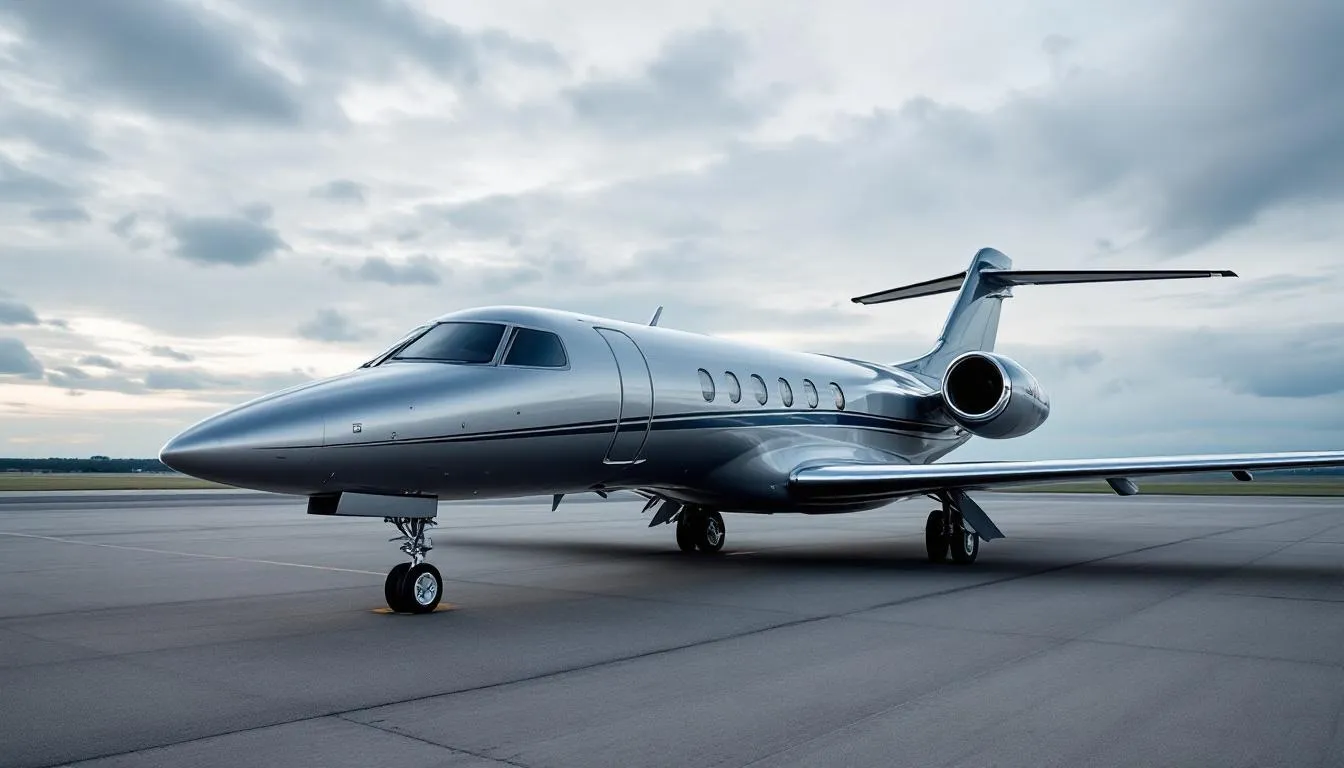
Before purchasing, buyers should understand the major categories of private aircraft and their unique strengths. The right choice depends on range, passenger capacity, operating cost, and travel patterns. Travel frequency and typical destinations influence the required jet size and fuel efficiency. Furthermore, the interior configuration of a private jet affects how passengers can utilize its space during flight. Private jets are available in various types, including light jets, midsize jets, and heavy jets, each catering to different travel needs.
Light jets, including models like the Cessna Citation CJ series and Embraer Phenom 300, are perfect for short to mid-range journeys.They offer:
Lower operating costs
Efficient fuel usage
Seating typically for 4–7 passengers
City-pair accessibility for regional travel
For individuals who frequently travel between nearby states or want a cost-effective entry point, light jets present excellent value.
Mid-size aircraft, including the Hawker 800XP and Gulfstream G200, provide a balance of cost, range, and cabin comfort. This category is popular because it offers:
Stand-up cabin space
Longer range for cross-country flights
More storage capacity
Enhanced performance in weather and longer runways
Many corporate buyers choose this class for its versatility.
Aircraft such as the Gulfstream G650, Dassault Falcon 7X, and Bombardier Global 7500 stand at the forefront of performance. These jets deliver:
Intercontinental range
World-class cabin comfort
Advanced avionics and safety systems
Higher passenger capacity
They are ideal for executives with global business operations or families who frequently travel internationally.
Turboprops such as the King Air 350 and helicopters like the Airbus H145 offer niche benefits. Turboprops are excellent for shorter distances and smaller airfields, making them suitable for rural or difficult-to-reach destinations. Helicopters are often used for quick urban-to-rural transport or connecting flights to private jet hubs.
Each category comes with its own advantages and limitations, highlighting the importance of assessing travel frequency, mission type, and long-term goals before selecting an aircraft.
Ownership eliminates dependency on airline timetables and charter availability. Flights depart when the owner is ready, and itineraries can be modified at the last moment—an essential advantage for busy executives.
Face-to-face meetings remain a cornerstone of high-level business development. A private jet enables same-day regional travel, multi-market expansion, and rapid response to emerging opportunities. Companies often credit private aviation as a competitive advantage in securing clients or closing deals.
Families benefit from a private, comfortable environment with onboard Wi-Fi, custom catering, and personalized service. Pets can travel in the cabin, and luggage restrictions are minimal compared to commercial flights.
Private jets can land at more than 5,000 airports in the United States alone—compared to roughly 500 used by commercial airlines. This dramatically expands travel options, especially to remote vacation homes, business facilities, or rural investment properties. The maximum payload of a private jet is important for understanding luggage and passenger capabilities.
For many owners, a private jet represents independence, safety, and complete control over the travel experience. These intangible advantages often outweigh purely financial considerations.
The purchase price varies widely:
Older turboprops may cost under $1 million
Light jets typically range from $3–10 million
Long-range jets can exceed $60–75 million.
New jets offer modern technology and warranties, but may come with higher costs compared to pre-owned jets.
Buyers should consider not only the sticker price but also refurbishment costs for pre-owned jets, including interior upgrades and avionics modernization.
Operating a private aircraft involves numerous annual costs, such as:
Crew salaries and training
Hangar or parking fees
Engine and airframe maintenance programs
Insurance and regulatory inspections
Fuel and navigation fees
Depreciation and residual value planning
Depending on aircraft type, annual operating costs can range from several hundred thousand dollars to several million. After the initial capital outlay, expect to pay around $500,000 to $1 million in annual operational costs.
Sustainability is increasingly relevant. Some buyers opt for carbon offsets, SAF (Sustainable Aviation Fuel) programs, or more fuel-efficient models to balance performance with environmental responsibility. However, private jets have a larger carbon footprint per passenger than commercial flights.
Loans, leases, and manufacturer-backed programs can help tailor ownership to a buyer’s financial strategy. Reviewing interest rates, depreciation schedules, and tax implications is essential before committing to any financing structure. Under certain conditions, jet ownership can offer significant tax deductions, especially through a private jet tax write-off.
Owning a jet requires ongoing financial discipline. A comprehensive ownership plan should include maintenance reserves, unexpected repairs, and contingency budgets to ensure long-term viability. Businesses can deduct 100% of the cost of a new or used private jet in the first year of ownership through the private jet tax write-off, provided the aircraft is primarily used for business purposes.
Outright ownership provides full control, access, and customization. It is best suited for individuals who fly 200+ hours per year or require immediate, unrestricted availability. However, it also represents the highest financial commitment.
Fractional ownership—an area of fractional jet ownership where FractionalJetOwnership.com is a leading authority—allows buyers to purchase a share of an aircraft. This structure offers:
Lower upfront cost
Professional management included
Guaranteed access to a fleet
Fixed hourly rates and predictable expenses
The trade-off is reduced scheduling flexibility compared to sole ownership, though fractional programs are ideal for those flying 50–200 hours per year.
Leasing offers predictable monthly payments without long-term ownership responsibilities. Chartering is suitable for occasional flyers who need private aviation a few times per year and want zero operational commitments.
Some buyers choose to share aircraft with business partners or trusted associates. While this reduces cost, it requires careful planning to avoid scheduling conflicts and unclear responsibilities.
Each structure serves a different type of traveler, making professional consultation essential before selecting the ideal model.
A comprehensive pre-purchase inspection (PPI) is non-negotiable. This includes:
Airframe and engine review
Logbook verification
Avionics testing
Paint and interior condition
Maintenance program status
A thorough pre-buy inspection assesses the aircraft's condition and includes reviewing maintenance records, damage history, and upgrades. Maintaining a private jet involves keeping detailed maintenance records to ensure safety and reliability.
Aircraft prices fluctuate with supply, demand, manufacturer backlog, and economic conditions. Buyers who monitor private jet news and industry reports gain a strategic advantage in timing their acquisition.
Experienced aviation brokers help:
Identify suitable aircraft
Negotiate pricing
Coordinate inspections and documentation
Manage due diligence
Ensure compliance with FAA regulations
This expertise protects buyers from unexpected liabilities.
Each aircraft must meet strict FAA and international standards. Buyers must ensure:
Proper registration
Airworthiness documentation
Insurance coverage
Compliance with noise and environmental rules
Transparent ownership records
These safeguards help ensure safe operation and legal protection.

Most owners choose to work with an aircraft management company. These providers handle:
Maintenance scheduling
Pilot hiring and training
Insurance management
Flight planning and dispatch
Regulatory compliance
Recordkeeping and safety audits
A reputable management partner enhances operational safety and preserves asset value.
Even with management support, owners remain responsible for ensuring proper oversight. Understanding liabilities, compliance requirements, and long-term maintenance obligations is part of responsible ownership. Private jet ownership requires a dedicated team to manage regulatory compliance and safety responsibilities.
Private aviation has a strong safety record, but continuous monitoring is essential. Proper insurance, emergency procedures, and regular training help maintain safe flight operations. Private jet owners must ensure their crew meets all training requirements to comply with regulations.
Well-managed aircraft retain higher resale value and demonstrate fewer operational disruptions. A strong management team and proactive maintenance plan are essential components of sustainable private jet ownership.
Purchasing a private jet is an extraordinary opportunity that combines efficiency, control, and personal freedom. Yet it remains a major investment requiring expert guidance, market awareness, and thoughtful evaluation of ownership structures. Whether choosing outright ownership, fractional ownership, leasing, or charter, the key is to align the aircraft and ownership model with long-term travel goals, financial strategy, and operational requirements. A private jet can become an underutilized asset if not used frequently enough.
For buyers seeking clarity and a trusted aviation partner, fractional ownership offers a compelling alternative—delivering predictable costs, professional management, and premium access without the full financial burden of sole ownership.
Interested in discovering a smarter approach to private flying? Visit FractionalJetOwnership.com to see how fractional ownership can elevate your travel experience.
