
April 30, 2026
Understanding the true cost of a small private jet requires looking beyond the sticker price. Whether purchasing outright, chartering on demand, or joining a fractional ownership program, the numbers vary dramatically based on how you choose to access private aviation. Additionally, aircraft type is a major factor influencing small private jet prices, as different models offer varying features, ranges, and costs. This guide breaks down real-world pricing for very light jets and light jets in 2025, helping business travelers and executives make informed decisions about the smartest way to fly private.
The small private jet price depends entirely on your access model. For those considering purchase, new very light jets like the Cirrus Vision Jet G2+ start around $2.0–$2.4 million, while the HondaJet Elite II runs approximately $3.1–$3.5 million. Step up to new light jets, and pricing climbs to roughly $8.3 million for a Cessna Citation CJ3+ and $9–$10 million for an Embraer Phenom 300E. Pre-owned options offer significant savings: 10–15-year-old Citation CJ2 or CJ3 aircraft typically trade between $3–$5 million, with older 1990s models sometimes available under $2 million.
Private jet charter costs present a different picture. Hourly rates for private jet charters typically range from $2,000 to over $14,000, depending on the aircraft size and route. On U.S. domestic routes in 2025, expect to pay approximately $2,000–$2,500 per flight hour for turboprops, $2,300–$3,000 per hour for very light jets, and $2,800–$3,800 per hour for light jets. These charter rates exclude taxes, fuel surcharges, and aircraft positioning fees that can add substantially to the total cost. Additional fees such as landing fees, ramp and handling fees, and federal excise taxes can add 20–40% to the base rate.
BlackJet Fractional Jet Ownership offers an alternative path that can reduce the effective hourly small private jet price for travelers flying roughly 25–150 hours per year. By sharing ownership or accessing guaranteed hours through structured programs such as its Reserve Fleet, Equity Fleet, and Lease Program, clients avoid the unpredictable bills of full ownership while paying less than ad-hoc charter rates over time. Aircraft size plays a significant role in determining both charter rates and associated fees, with larger aircraft generally commanding higher costs.
Quick Example: A 2-hour private jet flight from New York to Chicago on a light jet might run $5,600–$7,600 in charter costs before fees. Through a fractional program with locked hourly rates, the same trip could cost $4,000–$5,000 all-in, with priority access and no positioning surprises.

A small private jet typically refers to very light jets and light jets designed for 3–6 passenger regional trips under approximately 1,800–2,000 nautical miles. These aircraft category options serve business meetings, family travel, and point-to-point flights where commercial connections waste time or don’t exist.
For pricing discussions, this article focuses on practical VLJs like the Cirrus Vision Jet, HondaJet Elite II, and Embraer Phenom 100EV, alongside light jets such as the Citation CJ3+, Cessna Citation XLS, and Embraer Phenom 300E. These represent the most common smaller aircraft in the charter and fractional markets.
Very Light Jets (VLJs): Typically seat between 4 and 6 passengers and offer ranges up to 1,200 miles, making them suitable for regional trips while maintaining flexibility in private aviation. Many support single-pilot operation, reducing crew salaries. Examples include the Vision Jet and Eclipse 550.
Light Jets, Such as the Cessna Citation CJ3+, are popular for domestic trips under three hours, seating 6 to 8 passengers and having a range of approximately 1,500 to 2,000 nautical miles. Usually requires a co-pilot for longer missions. The Citation CJ3+ and Phenom 300E fall into this category.
The range difference matters for cost per trip. A VLJ handles Dallas–Houston efficiently, but Dallas–New York might require a fuel stop, adding flight time and expense. Light jets complete that route nonstop, potentially offering better value despite higher hourly rates.
The purchase price of a small private jet depends on airframe size, manufacturer, model year, avionics package, and total time on the aircraft. A factory-new jet with the latest glass cockpit commands a premium, while a well-maintained 15-year-old example offers entry at a fraction of the upfront cost.
Cirrus Vision Jet G2+: approximately $2.0–$2.4 million (the cheapest private jet in its class with single-engine turbine design)
HondaJet Elite II fractional ownership options: approximately $3.1–$3.5 million
Embraer Phenom 100EV and long-range Falcon 900LX fractional ownership: approximately $4.5–$5.0 million
Eclipse 550 and TBM 850 fractional turboprop ownership: approximately $3 million (notable for extremely low operational costs)
Cessna Citation CJ3+: approximately $8.3 million
Embraer Phenom 300E: approximately $9–$10 million (seats up to 10 passengers)
Cessna Citation XLS+: approximately $13 million
Pilatus PC24: approximately $10–$11 million (valued for short-runway capability at smaller airports)
10–15-year-old Citation CJ2/CJ3: $3–$5 million
2008–2013-era Phenom 100: starting near $2–$3 million
1990s-era Learjet 31A or early Citations: sometimes under $2 million
Advertised prices exclude pre-purchase inspection, cabin refurbishment, avionics upgrades, and import paperwork. These additional fees can add $100,000–$300,000 to the initial acquisition cost. A $2 million older aircraft may require another $400,000 in immediate work to meet modern standards.
Ownership cost is dominated not by purchase price but by ongoing operating costs. These fixed and variable expenses define the real price of a small private jet over time.
Fuel: $600–$1,000 per hour for VLJs; $900–$1,500 per hour for light jets at 2024–2025 U.S. fuel prices
Maintenance reserves: $400–$800 per hour set aside for scheduled inspections and component overhauls
Landing fees and handling: $200–$500 per hour,r depending on airport category and services
The Embraer Phenom 100 operates at approximately $1,019 per hour in variable costs, while the HondaJet runs about $968 per hour—demonstrating that newer, more efficient designs can offset higher acquisition costs.
Hangar fees: $30,000–$80,000 per year at major U.S. airports (for example, Calgary International fractional jet ownership), fees at airports in New York, Los Angeles, or Miami command premiums)
Insurance: $30,000–$80,000 per year, depending on hull value and pilot experience
Crew salaries: $120,000–$200,000 per pilot annually, plus training and benefits—working with a provider that prioritizes highly trained private jet pilots and crews can improve both safety and service quality.
Annual inspections: $5,000–$15,000 for regulatory compliance
A 2015 Phenom 100EV with a residual value around $2.5 million, flying 200 flight hours annually, might incur $160,000 in fixed costs and $220,000 in variable costs—totaling $380,000 per year or approximately $1,900–$2,100 per hour all-in.
BlackJet Fractional Jet Ownership spreads these costs across multiple owners, converting unpredictable bills into predictable hourly rates or monthly fees while providing access to new or late-model aircraft; a detailed breakdown of the cost of fractional jet ownership helps clarify how these expenses compare to full ownership or charter.
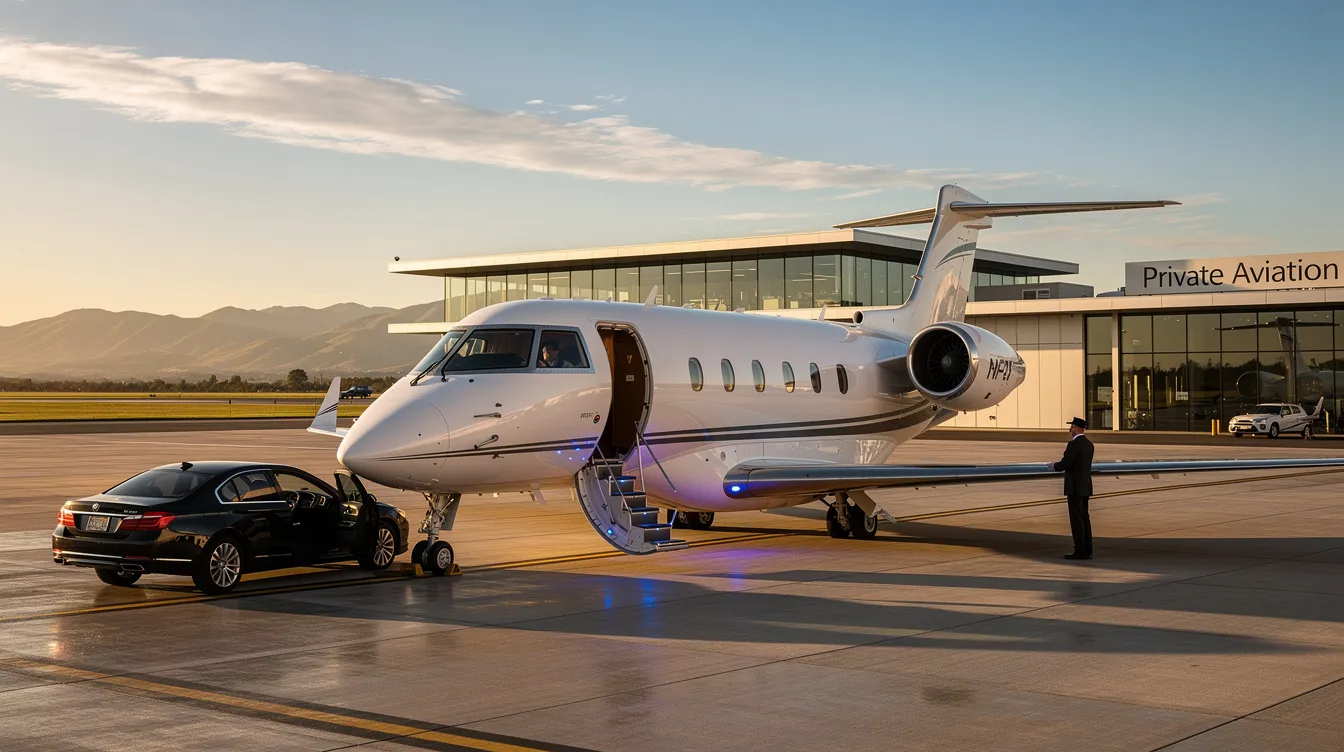
Very Light Jets (VLJs) typically seat between 4 and 6 passengers and offer ranges up to 1,200 miles, making them ideal for regional trips while maintaining the flexibility prized in private aviation. Light jets, such as the Cessna Citation CJ3+, are popular for domestic trips under three hours, seating 6 to 8 passengers with ranges of approximately 1,500 to 2,000 nautical miles. Jets capable of flying longer distances without refueling command higher prices due to increased fuel capacity, advanced avionics, and enhanced comfort features.
Pre-owned jets generally sell for 20% to 50% less than new models, offering cost savings upfront but often requiring higher maintenance and potential avionics upgrades to meet regulatory standards. New jets provide modern technology, warranties, and lower maintenance risk, but bespoke interiors, high-end entertainment systems, and specialized paint schemes can add millions of dollars to a new aircraft's price.
Operating costs include hangar fees, which typically range from $30,000 to $150,000 per year, ar depending on airport location. Annual insurance premiums for small jets fall between $15,000 and $30,000, influenced by hull value and pilot experience. Routine inspections and repairs can range from $500,000 to over $1 million annually, especially for older aircraft. Older jets with higher pressurization cycles may be cheaper initially but carry higher maintenance risks, which becomes especially important when calculating the total cost of fractional jet ownership versus buying a whole older aircraft.
Fuel consumption for small jets ranges from approximately 85 to 200 gallons per hour, with fuel expenses typically accounting for 25–35% of total operating costs. Owners often contribute to hourly cost programs covering maintenance and future overhauls, with light jet maintenance reserves averaging $500 to $900 per flight hour—figures that help inform whether a regional solution like fractional jet ownership in Orlando makes economic sense for your flying pattern.
Chartering remains a flexible option, with the average cost to charter a private jet in the United States falling between $5,000 and $10,000 for a typical 2-hour domestic flight on a midsize jet, inclusive of various fees. These fees can include landing charges, ramp and handling fees, and federal excise taxes, which may add 20–40% on top of the base rate, prompting some travelers in markets like fractional jet ownership in Pittsburgh to consider fractional programs instead of repeat charters.
Understanding these factors equips travelers and owners with a clearer picture of the real costs behind the small private jet price, whether flying on demand, owning outright, or sharing through fractional programs.
Travelers typically compare three options when evaluating small private jet prices: on-demand private jet charter, fractional jet ownership, and full outright ownership. Each delivers different effective costs per hour, and understanding fractional jet ownership versus membership programs adds another layer to this decision.
Option | Description | Typical Hourly Rate | Annual Cost Example (75 hours) | Key Features |
|---|---|---|---|---|
Charter | Book a private aircraft for a specific trip; costs vary by aircraft, route, and fees. | $2,300–$3,800 | $220,000 (including positioning and fees) | Maximum flexibility, no ownership, variable pricing, subject to availability |
Fractional | Purchase a share (e.g., 1/8) of a jet in a managed fleet; pay capital, monthly, and hourly fees. | $2,000 (hourly) + fees | $195,000–$215,000 (amortized) | Priority access, predictable costs, potential tax benefits, managed operations |
Full Ownership | Own the entire aircraft; responsible for all costs and management. | $4,200+ (effective hourly) | $320,000+ | Full control, asset ownership, highest capital outlay, management responsibility |
U.S. 2024–2025 private jet charter rates for small jets:
Very light jets (Citation Mustang, Phenom 100): $2,300–$3,200 per hour
Light jets (CJ3+, Learjet 45XR): $2,800–$3,800 per hour
A charter flight refers to booking a private aircraft for a specific trip, with costs varying based on aircraft type, route, and additional fees. These charter costs exclude federal excise tax, fuel surcharges, and positioning. Peak demand periods like Thanksgiving or the Super Bowl can add 20–40% to quoted rates. A charter company may also charge for the entire aircraft repositioning from its base to your departure airport.
Jet cards are another popular option for frequent flyers, offering fixed hourly rates, guaranteed aircraft availability, and simplified booking for a set upfront deposit.
Fractional ownership involves purchasing a share (commonly 1/16, 1/8, or 1/4) of a small jet within a professionally managed fleet. Owners pay an initial capital cost, monthly management fees ($4,000–$8,000), and a contracted hourly rate for actual flight time; a 1/8 fractional jet ownership structure typically provides around 100 hours of annual access while spreading these costs across multiple owners.
BlackJet Fractional Jet Ownership’s Equity Fleet program provides access to ownership economics—including potential tax benefits under U.S. IRS rules like bonus depreciation—while outsourcing crew member management, maintenance, and scheduling. This structure works well for travelers flying 25–150 hours per year, with regional options such as fractional jet ownership in Austin, but prospective owners should also understand the tax implications for fractional jet owners when modeling their after-tax costs.
BlackJet’s Reserve Fleet offers guaranteed access and predictable pricing without owning an asset, complementing regional solutions like fractional jet ownership in Portland. Monthly access fees ($2,000–$5,000) plus hourly flight rates create costs competitive with charter for frequent flyers who want locked-in rates and priority booking, while floating fleet-style access further improves aircraft availability and efficiency across a wider network.
A business owner flying 75 hours per year between New York, Chicago, and Atlanta:
Charter: 75 hours × $2,700 average = $202,500 + positioning and fees ≈ $220,000 annually
Fractional (1/8 share of $9.6M light jet): $1.2M capital + $72,000 annual management + $157,500 hourly fees. Amortized over 8 years: approximately $195,000–$215,000 effective annual cost
Full ownership (used light jet): $4M purchase + $238,000 fixed costs + $82,500 variable = $320,000+ annually (over $4,200 per hour)
For this profile, fractional ownership delivers the best balance of cost and convenience.
The same aircraft can cost dramatically different amounts depending on route, timing, and service level. Understanding these variables helps travelers budget accurately.
Shorter flights often trigger 2–3 hour minimums, increasing effective cost per nautical mile. A 1-hour New York–Boston charter might be billed at 2.5 hours minimum.
Shorter flights generally cost less than longer ones, as the cost of a private jet charter is determined by the distance flown, which directly affects fuel consumption.
Operators may charge 'short leg fees' when a flight's duration is below a minimum threshold to cover fixed operational costs and compensate for increased maintenance and fuel burn during takeoff and landing.
Transcontinental trips like Dallas–Denver, where fractional jet ownership in Atlanta or similar hubs, such as Auburn/Lewiston Muni, private jet access, and ownership options are common, utilize flight time efficiently.
Short hops like Houston–Austin pay disproportionate minimums.
Long-haul flights require larger aircraft with higher rates, and jets capable of flying longer distances without refueling command higher prices, especially on premium leisure routes such as fractional jet ownership in Ibiza or long-range cabin-class options like Falcon 6X fractional ownership.
Busy Class B airspace (New York, Los Angeles) charges higher landing fees than smaller regional airports, making regional gateways like Avord AB fractional jet access attractive for some owners.
Flying into Teterboro versus a smaller airport in New Jersey can save hundreds per trip.
U.S. holidays, ski season, and major events command 20–40% premiums.
Mid-week flights in shoulder seasons offer better value, particularly from leisure-focused markets like Bay of Islands private jet access or emerging gateways such as Bhubaneswar private jet access and ownership options.
Repositioning a light jet from Teterboro to West Palm Beach or regional fields like Fernandina Beach, fractional jet access, or Camp Guernsey, private jet access, and ownership options might add $12,000–$15,000 in billable flight time.
Empty leg flights occasionally offer discounts when operators need to reposition anyway.
Business meetings requiring specific catering, wi fi connectivity, or ground transportation coordination add $500–$3,000 per specific trip.
Private jet charter costs can include additional fees such as landing fees, ramp and handling fees, crew overnight fees, and fuel surcharges, which can add 20–40% on top of the base rate.
Passenger count doesn’t directly affect pricing since you charter the entire aircraft, not individual leather seats. However, larger groups may need a midsize jet or heavy jet with higher hourly rates.
First-time buyers often focus on purchase price and fuel while underestimating maintenance events, upgrades, and regulatory compliance. These hidden costs materially change the annual cost profile.
Major scheduled inspections: 10-year or 12-year checks on Citation Mustang or Phenom series aircraft cost $50,000–$150,000, plus 2–4 weeks of downtime
Avionics upgrades: Glass cockpit replacements and FAA/Eurocontrol compliance updates run $75,000–$250,000 every 8–15 years
Cabin refurbishment: Interior refresh every 7–10 years costs $100,000–$300,000 for smaller aircraft
Engine overhauls: $300,000–$600,000 per engine at 6,000–10,000 flight hour intervals.
Hangar space upgrades: Relocating to a better facility or accommodating a larger aircraft adds unexpected expense, and owners in fractional structures should also understand how these costs factor into selling a fractional jet ownership share if their needs change.
Pilot recruitment and initial type-rating training: $15,000–$30,000 per pilot
Annual recurrent training: $3,000–$8,000 per crew member
Insurance premium swings: incidents or pilot changes can increase premiums 15–50%, and well-drafted aircraft fractional ownership contracts should spell out how these costs and responsibilities are shared among co-owners.
Older, cheaper jets often carry higher maintenance reserves and downtime risk, so travelers in sunbelt markets frequently explore fractional jet ownership in Phoenix instead of whole-aircraft purchases. A $1.5 million 25-year-old light jet might cost $3,500–$4,500 per flight hour to operate, outweighing upfront savings compared to a younger VLJ under a structured fractional program.
BlackJet’s managed fractional and membership structures absorb these complexities, much like localized programs such as fractional jet ownership in Seattle. Clients see predictable, all-in hourly pricing rather than sporadic large invoices for avionics mandates or surprise component failures, while robust liability and insurance coverage in fractional ownership helps protect owners from rare but high-impact risks.
Consider a founder based in Dallas flying approximately 70 hours per year on routes such as Dallas–Houston, Dallas–Denver, and Dallas–Nashville, similar to owners using Atlantic Municipal fractional jet options for regional business travel. These represent standard practice for regional business travel,l where commercial connections waste half a day.
Chartering a Phenom 100EV or CJ3+ at prevailing rates:
70 hours × $2,800 average hourly rate = $196,000
Positioning costs (average 150 nm per trip × 18 trips) ≈ $12,000
Peak-season surcharges (estimated 20% of trips during holidays) ≈ $8,000
Total annual spend: approximately $216,000 for a traveler who might alternatively consider fractional jet ownership in Nashville or similar home-based programs
This provides maximum flexibility but no cost predictability. Last-minute availability during peak demand periods remains uncertain.
A 1/8 share in a comparable light jet through BlackJet’s Equity Fleet, potentially financed through specialized fractional jet ownership financing options:
Capital investment: $1.1 million (share of $8.8M aircraft)
Monthly management fees: $6,500 × 12 = $78,000 annually
Hourly flight rate: $2,000 × 70 hours = $140,000
First-year cost: $1,318,000 (including capital)
Amortized annual cost (years 2–8): approximately $190,000–$210,000
This includes priority access, no positioning charges, locked-in hourly rates, and potential depreciation tax benefits. Crew, maintenance, and scheduling are fully managed, making fractional jet ownership as an investment appealing for some high-frequency business travelers despite aircraft depreciation.
Purchasing a 2012 Citation Mustang for $2.8 million requires careful review of fractional ownership-style contract terms if you later transition into or out of shared ownership structures:
Annual fixed costs (hangar, insurance, single pilot, inspections): $165,000
Variable costs at 70 hours × $1,100/hour: $77,000
Total annual operating cost: $242,000
Effective hourly cost: $3,457 per hour
Beyond the dollars, this scenario requires the owner to manage hangar contracts, pilot employment, maintenance scheduling, and regulatory compliance—a significant time investment that many executives prefer to avoid.

The value of private jet travel extends beyond dollars per hour. Time saved bypassing commercial terminals, flexibility to change schedules, privacy for confidential business meetings, and access to smaller airports closer to final destinations all factor into the equation. Additionally, airport services and fees can vary depending on the fixed base operators (FBOs) at each location, as FBOs provide essential ground support, handling, and ramp services that contribute to the total cost of private jet travel.
How many flight hours do you anticipate annually? (25–150 hours suits fractional programs well)
What routes do you fly most frequently? (Regional vs. transatlantic crossing changes aircraft requirements; large jets such as the Bombardier Global series, featuring stand-up cabins, are ideal for long-haul or transatlantic crossings but command higher prices)
How sensitive are you to schedule changes and last-minute travel?
Do you need cabin space for in-flight meetings or working during shorter flights?
Do you prefer asset ownership with tax benefits or pure access without capital commitment?
For travelers flying 25–150 hours per year on regional North American routes, fractional ownership or a membership program typically delivers the best balance of private jet cost, convenience, and predictability, especially once you understand the core fractional jet ownership terminology and concepts behind these programs. Entry-level options such as turboprop and Very Light Jets (VLJs) offer hourly rates ranging from $1,200 to $2,500, making them the most affordable entry point into private aviation. Operational costs for Very Light Jets can range from $1,700 to $2,200 per hour, and can be as low as $1,000 per hour, making them a cost-effective option for private flying. The Cirrus Vision Jet, recognized as the world's first single-engine private jet, is considered the cheapest private jet on the market, priced at approximately $2 million, with a range of about 1,150 miles and advanced safety features.
Very occasional flyers (under 25 hours) may be better served by charter or empty leg flights, especially from leisure or secondary airports like Kelowna, private jet access, and ownership options, or Mediterranean gateways such as Alicante El Altet, private jet access, and ownership options. Ultra-frequent flyers or corporations exceeding 300 hours annually might justify full ownership of a midsize jet, super midsize jets, or even large jets for greater capacity and amenities, including super midsize options like the Falcon 2000EX fractional ownership program for longer-range missions.
BlackJet acts as an advisor to help clients model these scenarios using actual trip history rather than generic rules of thumb, similar to how regional guides like fractional jet ownership in Kaohsiung or Antrim County private jet access and ownership options frame local options. A confidential consultation can clarify which structure—Equity Fleet, Reserve Fleet, or alternative—matches your specific travel profile, and resources comparing the best fractional jet ownership programs can help you benchmark different providers. Providers like Stratos Jets also offer luxury private jet experiences and tailored flight options for those seeking additional flexibility.
The true small private jet price depends on whether you buy, charter, or share. For business travelers and executives flying 25–150 hours annually, fractional aircraft ownership often offers the most efficient path—lower effective costs than ad-hoc charter, without the capital burden and management headaches of full ownership.
BlackJet Fractional Jet Ownership provides both Equity Fleet (fractional jet ownership with potential tax advantages, custom aircraft sourcing, and priority access) and Reserve Fleet (pay-as-you-go hours without ownership) tailored to different usage levels, similar in spirit to localized solutions like fractional jet ownership in Virginia Beach. Both structures deliver predictable pricing, guaranteed availability, and professional management of every detail from crew to maintenance, but you should still evaluate the total cost of fractional jet ownership in the context of your expected usage and cash flow.
Consider reviewing your last 12–24 months of travel. How many hours did you fly? Which routes would benefit from private aviation versus commercial first class? The answers often reveal that structured access to a small jet costs less than expected, while saving dozens of hours annually.
Ready to explore the smarter way to fly private? Visit FractionalJetOwnership.com to schedule a confidential consultation and receive a customized cost comparison for your travel profile, or start by browsing available fractional jet aircraft options. BlackJet Fractional Jet Ownership serves as a trusted long-term private aviation partner, helping clients fly more efficiently year after year.
