
January 23, 2026
Private aviation continues to evolve toward efficiency, flexibility, and smarter cost structures. For individuals and businesses seeking private jet access without the financial commitment of large aircraft, Very Light Jets (VLJs) have emerged as a compelling option. VLJs offer lower operating costs and greater airport access than larger jets, making them especially attractive to those prioritizing operational efficiency and flexibility. Understanding the true price of a Very Light Jet—whether through ownership, charter, or fractional solutions—requires more than a simple purchase figure. It involves operational realities, usage patterns, and long-term planning.
This guide explains what Very Light Jets are, how much they cost, and what prospective buyers or flyers should consider when evaluating private aviation options in the United States and the broader global market.
Very Light Jets are compact private aircraft designed for short- to mid-range travel with exceptional efficiency. They typically seat four to six passengers and are optimized for regional routes, making them well-suited for business travel, personal trips, and time-sensitive itineraries.
VLJs appeal to both first-time private aviation users and experienced flyers seeking cost control. Their design prioritizes reduced fuel consumption, lower maintenance requirements, and simplified flight operations compared to larger private jets. Owning a VLJ can provide the ultimate convenience of availability for frequent flyers.
VLJs are designed for single-pilot operation, making them accessible for owner-operators, owner-pilots, and budget-conscious buyers. This accessibility, combined with operational efficiency and lower costs, makes VLJs especially popular among small businesses looking for practical and luxurious business travel solutions.
One of the most recognizable examples in this category is the Cirrus Vision Jet, which has gained attention for its innovative safety features, advanced technology that improves performance and reliability, and single-engine configuration. Aircraft in this class are often capable of operating from shorter runways, opening access to thousands of regional airports across the United States.
When evaluating options in private aviation, understanding the distinctions between Light Jets and Very Light Jets (VLJs) is essential for making the best choice for your travel needs. Both aircraft types offer the flexibility and convenience that private jet ownership and charter are known for, but they differ in several key features that can impact your overall experience and budget.
Very Light Jets are the most compact category of private jets, typically seating four to six passengers and designed for efficient, short- to mid-range flights. Light Jets, on the other hand, offer a step up in terms of cabin size, passenger capacity, and range. Most Light Jets accommodate six to eight passengers and provide more generous cabin space, making them a preferred option for those who value extra comfort or need to travel with larger groups.
While VLJs maximize efficiency with sleek, space-saving interiors, Light Jets deliver enhanced cabin comfort, often featuring stand-up cabins, larger baggage compartments, and more advanced entertainment systems. This makes Light Jets a strong choice for longer flights or when cabin comfort is a top priority.
In terms of performance, Light Jets generally offer greater range and higher cruising speeds compared to VLJs. This allows Light Jets to handle longer non-stop routes and access a wider variety of destinations, including some transcontinental flights. VLJs, however, excel in regional travel, providing quick, cost-effective solutions for shorter trips and easy access to smaller airports.
One of the main advantages of Very Light Jets is their lower operating costs. Thanks to their fuel-efficient design and single-pilot operation capabilities, VLJs are often the most economical option for private jet travel, both in terms of hourly charter rates and ongoing ownership expenses. Light Jets, while more expensive to operate, offer added value through increased range, passenger capacity, and cabin amenities.
For private owners and charter clients who prioritize efficiency, lower costs, and frequent short-haul flights, a Very Light Jet may represent the best value. Those who require more space, longer range, or plan to travel with larger groups may find that a Light Jet better suits their flying needs. Ultimately, the right choice depends on your typical travel patterns, desired comfort level, and budget considerations.
By understanding the differences between Light Jets and Very Light Jets, you can make a more informed decision—whether you’re exploring private jet ownership, considering a private jet charter, or looking for the most efficient option for your next flight.
The appeal of Very Light Jets is driven by a practical shift in private aviation priorities. Rather than focusing solely on size or luxury, many buyers now prioritize speed, flexibility, and predictable operating costs.
VLJs are particularly effective for point-to-point travel between major and secondary markets, such as business routes connecting New York, Chicago, Dallas, and West Coast hubs. While they are not designed for nonstop transcontinental flights at full passenger capacity, they provide efficient solutions for most regional travel needs.
Their growing adoption reflects broader trends in private aviation, including increased demand for personalized travel, reduced exposure to commercial airports, and greater control over schedules.
The upfront cost of purchasing a Very Light Jet varies widely based on aircraft model, production year, and onboard technology. In 2026, new models of VLJs generally range from $3.5 million to $7.5 million, while the typical cost for new or used models is between $1 million and $6 million, with new ones starting around $3.5 million to $5.5 million. The average purchase price for new VLJs in 2026 is generally between $2 million and $6 million.
Entry-level single-engine jets in the VLJ category can begin as low as $2 million, and the general acquisition price for a Very Light Jet is typically between $1.5 million and $3.5 million. For example, the HondaJet Elite II is priced between $5 million and $8 million for new models, while the Cirrus Vision Jet costs approximately $2 million to $3.5 million new, with pre-owned versions starting around $1.9 million. The price of a new Cirrus Vision Jet is approximately $3 million. The Cessna Citation Mustang, a popular and reliable VLJ, has a used price range of approximately $1.5 million to $2.5 million. The Embraer Phenom 100 is available used for about $2.5 million to $3.5 million. The HondaJet has a new price of around $5.3 million and a used price range of $3.5 million to $4.5 million.
New jets typically lose 10–15% of their value in the first year and about 30% over five years.
Newer aircraft command higher prices due to updated avionics, improved fuel efficiency, and enhanced safety systems. Pre-owned VLJs may offer cost savings, but they require careful evaluation of maintenance history and upcoming inspections.
Ownership extends well beyond the purchase price. Fixed annual costs for VLJ ownership typically range from $300,000 to $500,000. Annual operating expenses for a Very Light Jet are primarily determined by operational costs, which typically range from $650 to $1,200 per hour of flight time. Operational costs include fuel costs—a significant portion of expenses that fluctuate based on local market prices—along with routine maintenance, insurance, crew expenses, training, and parts replacement.
Fuel efficiency is one of the defining advantages of VLJs, but fuel costs remain a significant variable expense. Maintenance costs for Very Light Jets can escalate quickly, potentially reaching $500,000 to $1,000,000 annually. Insurance costs can vary widely, ranging from $10,000 to $500,000 per year, depending on various factors. Hangar fees for VLJs typically range from $1,500 to $3,000 per month.
Model-specific operational costs per hour of flight time include: Cirrus Vision Jet ($650–$750), Cessna Citation Mustang ($1,000), Embraer Phenom 100 ($1,200), and HondaJet ($1,100). Scheduled inspections and compliance requirements must still be factored into annual budgets.
Private jet ownership also involves less obvious expenses that accumulate over time. Hangar storage, ground handling fees, and airport services contribute to overall costs. Ownership of a VLJ entails significant maintenance costs, insurance premiums, and regulatory compliance responsibilities. Other factors, such as regulatory compliance and ongoing maintenance, can significantly impact the total cost of ownership. Overnight parking and international handling charges can add further complexity for owners operating beyond domestic routes.
For frequent flyers who value consistent access and predictable availability, ownership can deliver unmatched convenience. VLJs are often certified for single-pilot operation, which can lower overall operating costs. Some VLJs are equipped with advanced safety systems that can manage the entire aircraft in emergencies, further enhancing safety and peace of mind. However, understanding the full financial picture is essential before committing to a single aircraft.
For many travelers, private jet rental—commonly called charter—offers a flexible, on-demand alternative to ownership, providing instant access to private jets whenever needed. Chartering eliminates concerns about maintenance, insurance, and hangar fees associated with ownership. It also provides access to a range of jet types depending on the mission, without the long-term commitment of ownership. For those flying fewer than 50–100 hours annually, chartering a VLJ may be more financially efficient than ownership.
VLJs are commonly available within charter fleets, alongside midsize and super midsize jets. Hourly charter rates for Very Light Jets often start around $2,000 and increase based on aircraft age, onboard amenities, and routing.
Charter services are well-suited for individuals who fly privately several times per year but do not require guaranteed aircraft availability. They also allow travelers to select different aircraft types depending on trip length and passenger count. When choosing an aircraft, note that some jets require a co-pilot, while many VLJs are designed for single-pilot operation, offering user-friendly features and advanced safety systems.
Charter pricing is influenced by multiple operational variables. Aircraft type and size play a primary role, with VLJs representing the most cost-efficient segment of private jet travel. Beyond standard hourly rates, there may be additional costs such as repositioning, crew overnights, handling, and taxes that can increase the overall price.
Aircraft size—whether a VLJ, midsize jet, large jet, or heavy jet—impacts daily minimum flight hours required by operators and overall charter costs. Hourly operating rates for VLJs in 2026 average $1,400 to $2,200 per hour. In comparison, midsize jets, large jets, and heavy jets incur higher hourly and annual expenses due to greater fuel consumption, longer flights, and increased maintenance and hangar costs.
Fuel prices, maintenance reserves, and insurance premiums are built into hourly rates. Additional services such as catering, in-flight connectivity, and ground transportation may increase total trip costs.
Regulatory oversight also impacts pricing. In the United States, private jet operations are governed by the Federal Aviation Administration, which establishes safety standards, operational rules, and certification requirements that charter operators must meet.
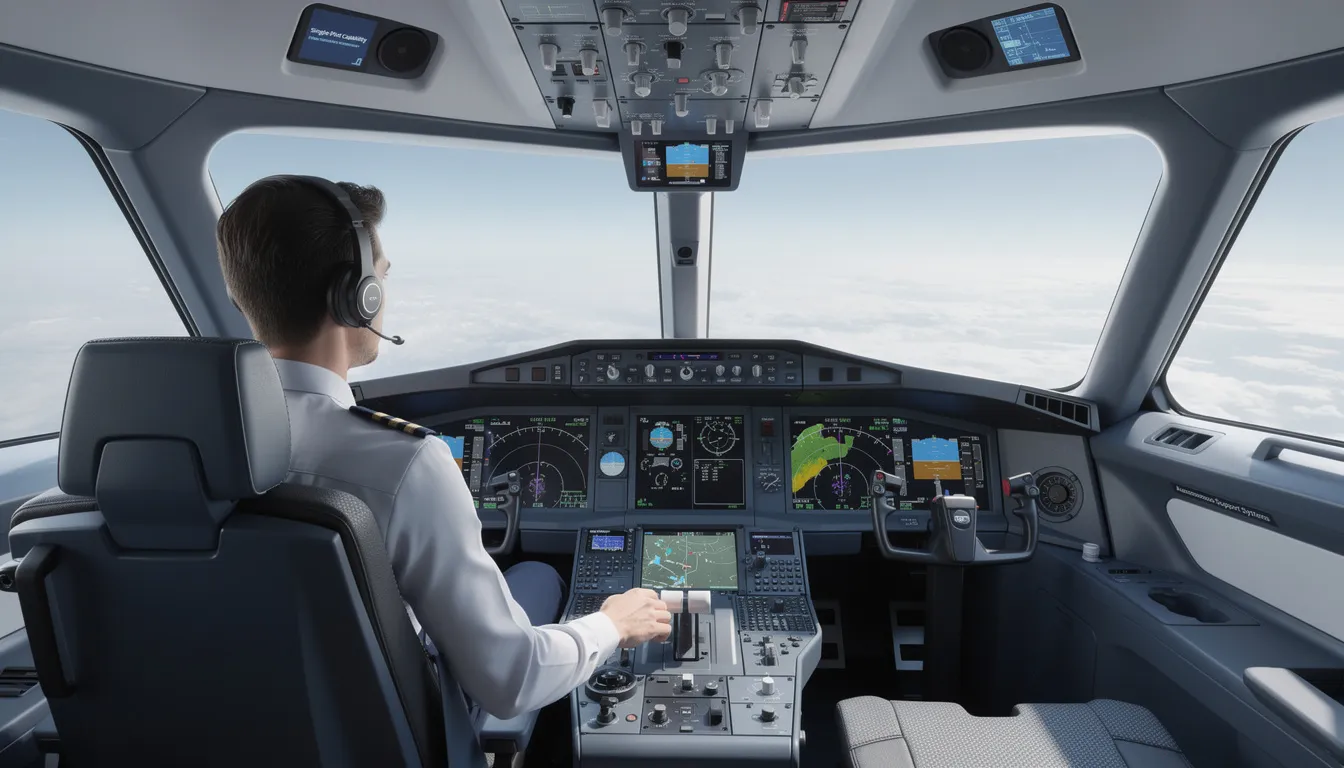
Many Very Light Jets (VLJs) are designed for single-pilot operation, simplifying logistics and lowering overall operating costs for owners. This design also makes VLJs accessible for budget-conscious buyers. The Cirrus Vision Jet, for example, is known for its reliable performance, thanks to its efficient engine, advanced avionics, and safety systems such as the CAPS parachute and autoland features, all contributing to consistent and dependable operation.
Modern VLJs are equipped with advanced avionics, including digital flight decks, weather radar, and automated flight management systems. Some models incorporate aircraft parachute systems and enhanced situational awareness technologies.
Most VLJs comfortably accommodate four to six passengers, though seating capacity can vary depending on aircraft size. Some models, such as the Embraer Phenom 100, offer a spacious cabin and can accommodate up to seven passengers, making it a popular choice among VLJs due to its robust support from the manufacturer. While cabin dimensions are smaller than those of midsize jets, thoughtful layouts maximize usable space and comfort for short-duration flights. The HondaJet features a unique over-the-wing engine design, which improves cabin space and fuel efficiency. VLJs are capable of regional trips, with ranges typically up to 1,200 miles; for example, the Cirrus Vision Jet has a maximum range of approximately 1,275 nautical miles and a cruising speed of 345 mph, making it suitable for various travel needs.
Improved aerodynamics and lightweight construction enable VLJs to consume less fuel per flight hour, thereby reducing emissions and operating expenses.
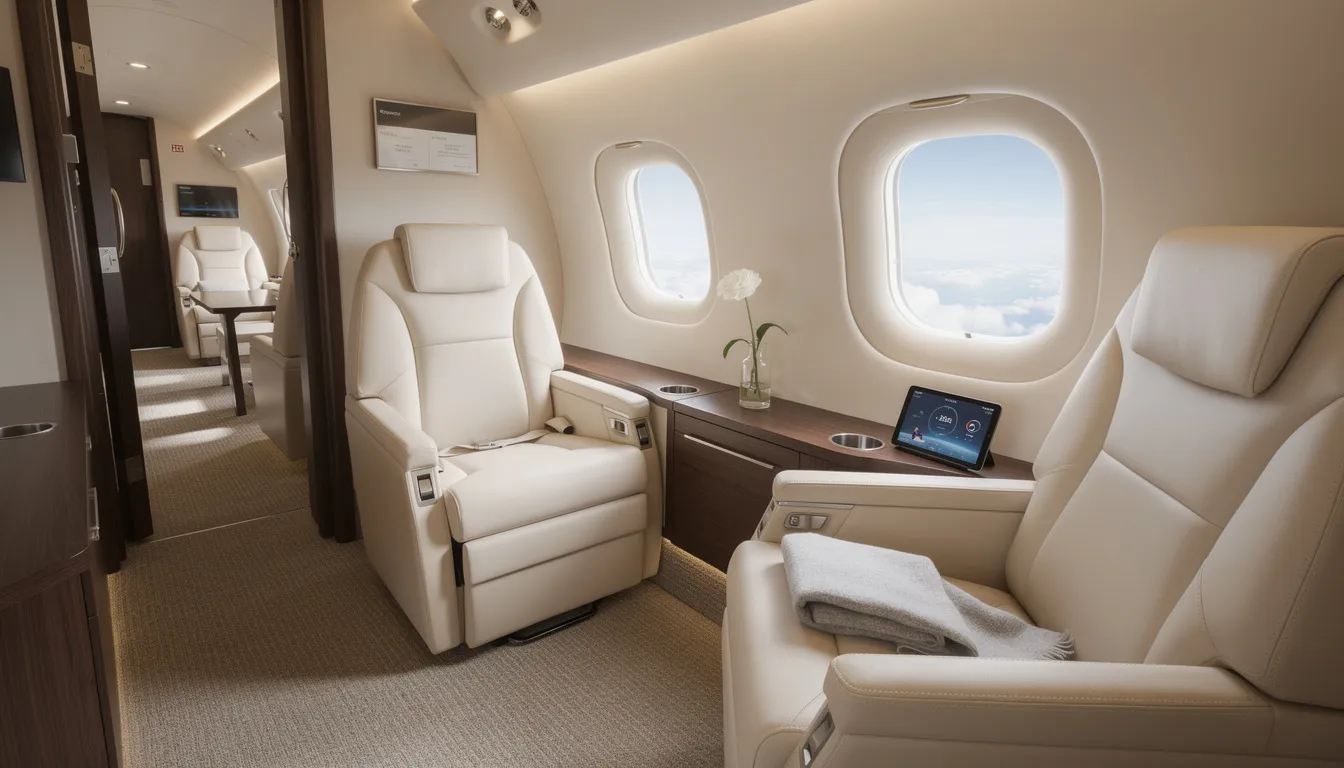
Although VLJs are compact, they still offer a premium travel experience. Standard amenities often include leather seating, climate control, and noise-reduction technologies.
In-flight Wi-Fi and entertainment systems are increasingly common, allowing passengers to remain productive during business travel. Catering options may range from light refreshments to customized selections, depending on the operator's offerings.
Cabin comfort plays a role in both charter pricing and ownership satisfaction. Travelers who prioritize space or longer flight duration may consider upgrading to a larger aircraft category, while those focused on efficiency often find VLJs more than sufficient.
Selecting the right aircraft involves balancing travel patterns, passenger needs, and budget constraints. Very Light Jets represent the most economical entry point into private jet aviation.
Midsize jets offer longer range and increased cabin space, but they come with higher operating costs. Super midsize jets extend range further and add stand-up cabins, making them suitable for longer missions.
Understanding how often flights occur, typical trip distances, and passenger counts helps determine whether a VLJ aligns with long-term travel requirements.
Both ownership and charter involve costs that may not be immediately apparent. Hangar fees vary by airport location and can fluctuate seasonally. Ground handling charges, particularly at high-traffic airports, add incremental expenses.
Fuel surcharges, insurance adjustments, and maintenance overruns may impact annual budgets. International operations introduce additional fees such as customs handling and overflight permits.
Working with experienced aviation advisors and transparent operators helps mitigate unexpected costs and ensures realistic budgeting.
Frequent private flyers often explore alternatives that balance cost efficiency with guaranteed access. Jet cards and membership programs provide pre-paid flight hours with predictable pricing, but they may limit flexibility in aircraft selection.
Fractional aircraft ownership offers another solution, allowing clients to purchase a share of an aircraft rather than owning it outright. This approach reduces capital exposure while providing consistent access and professional management.
Fractional ownership is particularly well-suited for individuals flying between 50 and 200 hours per year, offering a middle ground between the flexibility of charter and the control of full ownership.
In the fractional ownership structure, VLJs provide an efficient platform for shared access. Owners benefit from lower acquisition costs, shared operating expenses, and guaranteed availability without the responsibilities of sole ownership.
This model is increasingly popular among business owners and executives who value time efficiency but prefer to avoid the complexities of managing an aircraft independently.
Understanding the Very Light Jet price requires evaluating more than acquisition costs. Operating expenses, usage frequency, and long-term flexibility all shape the true value of private aviation access.
Very Light Jets offer a practical entry point into private jet travel, combining efficiency, safety, and comfort for regional missions. Whether accessed through charter, ownership, or fractional programs, they represent a strategic solution for modern travelers.
For those exploring private aviation options, working with a trusted advisor ensures that aircraft selection and access models align with travel goals and financial priorities.
Ready to explore the smarter way to fly private? Visit https://www.fractionaljetownership.com/ to learn how fractional jet ownership and alternative access models can transform private travel with clarity and confidence.
