
January 23, 2026
Private jet travel has become a strategic tool for executives, entrepreneurs, and high-net-worth individuals who prioritize time, flexibility, and control. Unlike commercial flights, private aviation removes rigid schedules, crowded terminals, and indirect routing from the equation. Travelers choose when and where they fly, often accessing airports closer to their final destination.
The private jet charter market offers access to a wide spectrum of aircraft worldwide, from light jets designed for short regional trips to ultra-long-range jets capable of nonstop intercontinental travel. Each aircraft class comes with different pricing structures, cabin experiences, and operational considerations.
Understanding VIP jet prices is essential for anyone evaluating private aviation options. Costs vary widely depending on how flights are booked, which aircraft is selected, and whether travel is occasional or frequent. Private aviation companies provide multiple access models—including on-demand charter, fractional jet ownership, and jet card programs—each designed to meet different travel patterns and financial preferences.
This guide explains what drives private jet costs, how pricing works across different options, and how travelers can determine the most efficient way to fly private.
Private jet pricing is influenced by a combination of operational, market, and service-related factors. While hourly rates are often quoted, the true cost of flying private goes far beyond time in the air.
Aircraft type plays a major role. Larger jets require more fuel, higher maintenance reserves, and larger crews. Flight distance also matters, as longer trips increase fuel consumption, crew duty time, and potential overnight expenses.
Market demand can also affect pricing. During peak travel seasons, holidays, or major global events, private jet availability tightens, and charter rates may rise accordingly. Fuel prices fluctuate regularly and are typically passed through to clients as part of the overall cost.
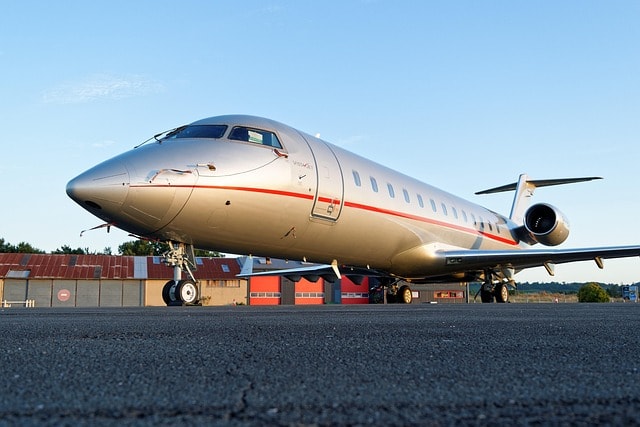
Operational surcharges for VIP jet rentals may include a fuel surcharge, landing and handling fees, and crew overnight expenses. Landing fees vary by airport and typically range from $150 to $500, depending on the aircraft's size and weight. Ramp and handling fees can range from $100 to $500 per visit, charged by the fixed-base operator to handle and park the aircraft. Short leg fees may apply to larger aircraft categories for flights under a specified duration, helping to offset fuel burn and maintenance needs.
Additional services also affect the final price. Customized in-flight catering, concierge services, ground transportation, international handling, and airport fees all add incremental cost. Wi-Fi fees on private jets can range from $2 to $9 per megabyte, depending on the aircraft and region. Deicing costs can vary from $1,500 to $15,000 depending on the size of the aircraft. Understanding how these elements combine allows travelers to compare private jet operators more effectively and avoid surprises.
Private aviation is not a single model. Travelers can access aircraft through several distinct structures, each designed for different usage levels and financial priorities.
On-demand charter allows clients to rent an entire aircraft for a specific trip. This option offers maximum flexibility and requires no long-term commitment. Pricing is based on billable flight hours, which include not only time in the air but also repositioning when necessary, aircraft type, and market conditions at the time of booking. Private jet rental prices are estimated and quoted as either same-day round-trip flights or include one overnight stay. Private jet charters are offered on-demand, meaning they are not pre-scheduled flights but conducted when and where the passenger requests.
Light jets have hourly rates ranging from $2,000 to $5,000, while heavy jets may cost $8,000 to $14,000 or more per hour. Renting a VIP jet typically involves hourly costs ranging from $3,000 to over $20,000, depending on jet size and extra fees. Prices are directly tied to the distance flown, as distance dictates flight time and fuel consumption. The type and size of the aircraft are often the most significant factors influencing the base hourly rate. Smaller aircraft like light jets are suitable for shorter flights with lower operating costs, while larger jets offer more space and higher rates.
Fractional ownership involves purchasing a share of an aircraft, typically ranging from one-sixteenth to one-quarter ownership. This structure provides guaranteed access, consistent service standards, and predictable annual costs while avoiding the responsibilities of full ownership. However, private jet ownership requires ongoing operational expenses, including maintenance costs, insurance, and crew salaries. The upfront cost of outright ownership of a private jet can start at several million dollars, depending on the aircraft type.
Jet cards offer prepaid flight hours at fixed rates per hour. These programs are designed for frequent flyers who want pricing transparency without committing to ownership.
Empty leg flights occur when an aircraft must reposition without passengers. These flights are often sold at discounted rates—sometimes up to 50% off standard charter prices—though they require flexibility with timing and routing.
Chartering a private jet is often more economical for those who fly less frequently compared to owning a jet. It also allows for personalized service and the ability to access thousands of airports, many of which are not served by commercial airlines. The convenience of private jet travel includes avoiding long security lines and crowded terminals, enhancing the overall travel experience. Chartering can also be more economical for larger groups or multi-stop trips compared to commercial flights.
Estimating private jet costs begins with understanding how pricing is calculated. Accurate price quotes should include crew costs, routine maintenance, insurance, and standard operational expenses. Additional line items may include landing fees, fuel surcharges, international handling, segment fees (a government tax calculated per passenger and varying by region), and applicable taxes such as the federal excise tax of 7.5% on U.S. domestic flights.
Aircraft positioning fees are based on the amount of flight time accumulated to position the aircraft for passenger pickup and may add to the total cost. Crew overnight and per diem fees typically range between $200 and $600 per crew member per night. International fees can add anywhere from $500 to $5,000 or more to the total cost of chartering a private jet.
Prices can increase significantly during peak travel seasons due to higher demand. Selecting smaller aircraft when appropriate, flying during off-peak periods, or sharing flights within structured programs can provide meaningful savings.
Aircraft category is one of the most decisive factors in private jet pricing. Aircraft categories classify private jets based on their size and capabilities, influencing rental rates. The hourly rental rate of a newer aircraft is higher than that of an older plane.
Light jets and very light jets are optimized for short trips with smaller passenger groups. They offer lower hourly rates and access to shorter runways but have limited cabin space and flight range.
Midsize and super-midsize jets provide more comfort, stand-up cabins, and longer range, making them suitable for cross-country flights. Ultra-long-range jets represent the highest tier, offering intercontinental capability, private suites, and premium onboard amenities.
Aircraft size also influences hangar fees, fuel burn, and airport fees charged by the airport authority, which vary based on the aircraft's size and weight. Hangar fees typically range from $500 to $1,500 per day.
Beyond flight hours, several additional fees can influence the total cost. Fuel surcharges can add $600 to $900 per hour or more, depending on the size of the aircraft. Landing fees typically range from $150 to $500, varying based on the aircraft's size and weight.
Optional services such as premium catering, onboard connectivity upgrades, luxury ground transportation, and in-flight amenities increase overall costs.
Private jet ownership involves substantial capital investment, ongoing maintenance, crew salaries, and regulatory compliance. While ownership provides full control, it is most cost-effective for those flying hundreds of hours annually.
Chartering offers flexibility and avoids long-term financial obligations, but can become expensive with frequent use. Fractional ownership bridges the gap by offering predictable access and professional aircraft management without full ownership responsibilities.
Understanding these trade-offs helps travelers align their aviation choices with their actual usage patterns.
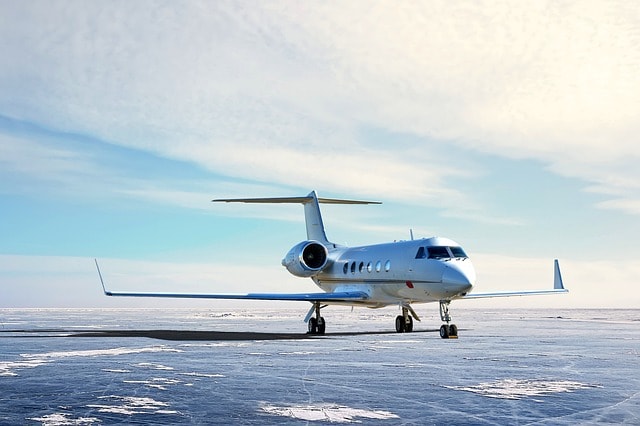
Selecting the best private jet solution involves evaluating travel frequency, typical routes, passenger needs, and budget expectations. Reviewing operator safety records, fleet composition, and service consistency is essential.
Consulting with private aviation experts can provide clarity in a complex market. Independent guidance helps match travelers with the most efficient and cost-effective aircraft options available.
Popular routes such as Los Angeles to New York or Miami to New York vary widely in cost depending on aircraft type and season. Longer routes often benefit from super-midsize or ultra-long-range jets to reduce travel time and the number of stops.
Operators frequently provide sample estimates for these routes, offering a baseline for planning. Flexibility in departure timing and aircraft selection can result in meaningful savings.
VIP jet pricing reflects a complex interplay of aircraft choice, access model, and travel patterns. Understanding these factors empowers travelers to choose solutions aligned with their priorities and budgets.
Fractional ownership, charter, and jet card programs each offer distinct advantages. Selecting the right option depends on how frequently and where travel occurs.
For those ready to explore a smarter way to fly private, professional guidance can make all the difference. Visit https://www.fractionaljetownership.com/ to learn how fractional ownership and tailored private aviation solutions can elevate travel planning with clarity and confidence.
