Latest Articles

Introduction to the Learjet 40XR
The Bombardier Learjet 40XR, an upgraded version of the original Learjet 40, offers enhanced performance and a refined cabin, making it a top choice for executives and entrepreneurs seeking efficient private jet travel. With a maximum cruise speed of 465 knots and a range of 1,862 nautical miles, it accommodates up to six passengers comfortably, featuring a spacious flat-floor cabin and modern amenities. Fractional jet ownership options, such as those provided by BlackJet, allow multiple owners to share access and costs, making high-performance jets like the 40XR more accessible. Overall, the Learjet 40XR stands out for its speed, range, and operational reliability, appealing to business travelers prioritizing efficiency and comfort.
Continue readingAll

Private Jet Hours for Sale: 2024–2026 Guide to Fractional Ownership & Jet Hour Programs
Private jet hours for sale provide a flexible alternative to whole aircraft ownership, allowing users to purchase access to flight time through fractional ownership, jet cards, or on-demand charter programs. These options cater to various travel needs, with fractional ownership suited for frequent flyers (100+ hours annually), jet cards ideal for moderate users (25-100 hours), and on-demand charter for those flying less frequently. Leading providers like BlackJet offer tailored solutions, including their Equity Fleet for predictable travel and Reserve Fleet for flexible access, while ensuring transparency in pricing and operational standards. Understanding your travel patterns and consulting with experts can help determine the most cost-effective and suitable option for private aviation needs.
Continue readingAll
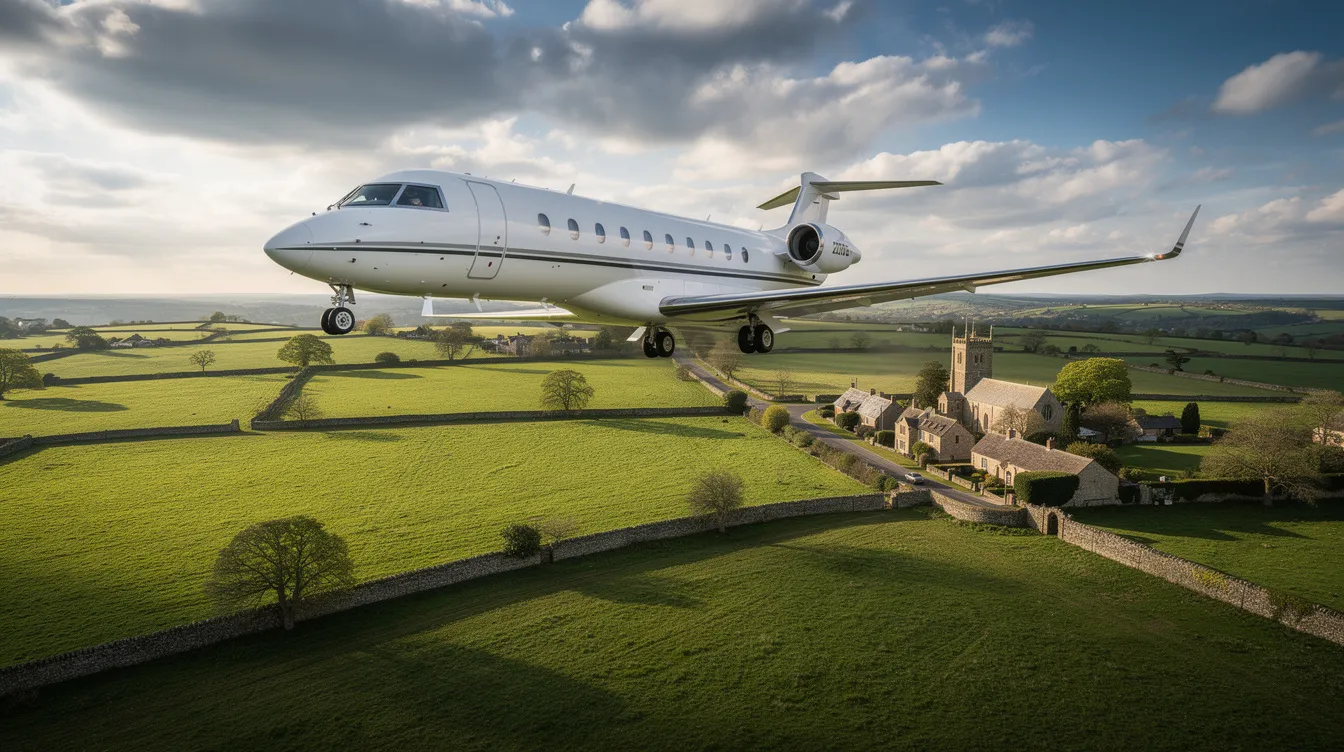
Planes For Sale England: Smart Alternatives to Full Aircraft Ownership
England's general aviation market offers diverse aircraft options for private pilots and corporate travelers, with buyers considering alternatives to full ownership, such as fractional jet ownership and chartering. Key marketplaces for aircraft sales include AFORS, AvPay, and Controller.com, where buyers can find a range of aircraft types, from single-engine planes to light jets. Fractional ownership often provides better value for those flying 25–150 hours annually, reducing upfront costs and management responsibilities compared to outright purchases. Buyers are encouraged to assess their flying needs and explore both traditional and fractional ownership options to determine the best fit for their aviation requirements.
Continue readingAll

Luxury Private Jets for Sale: Smart Ownership & Access Guide
The private aviation industry has evolved significantly, with public companies offering various services from charter flights to aircraft manufacturing, catering to high-net-worth individuals and corporate clients. Public-private jet companies, such as Wheels Up and Textron, provide transparency through regulatory reporting but face pressure to maximize revenue, which can impact service consistency. In contrast, fractional ownership programs like BlackJet prioritize guaranteed access and personalized service, making them more suitable for frequent travelers. Ultimately, the choice between public membership platforms and fractional ownership depends on individual travel patterns, with fractional ownership often being more cost-effective for those flying over 50 hours annually.
Continue readingAll

Public Private Jet Companies: How Listed Aviation Brands Compare to Fractional Ownership
The private aviation industry has evolved significantly, with public-private jet companies offering various services to high-net-worth individuals (HNWIs) and corporate clients, including on-demand charters and fractional ownership. Publicly traded companies like Wheels Up and Textron provide transparency and access to larger fleets but may face pressure to maximize revenue, potentially impacting service consistency. In contrast, fractional ownership programs, such as those offered by BlackJet, prioritize personalized service and guaranteed aircraft availability, making them more suitable for frequent travelers. Ultimately, the choice between public membership platforms and fractional ownership depends on individual travel patterns and preferences, with each model offering distinct advantages.
Continue readingAll

Best Private Jet Management Company: How to Choose the Right Partner for Your Aircraft
Choosing the right private jet management company is crucial for ensuring a seamless travel experience and avoiding unnecessary costs. The best option varies based on individual needs, such as flight hours, mission profiles, and financial strategies; for many, fractional ownership or membership models like BlackJet may offer better value than traditional management. These models provide professional oversight, predictable availability, and reduced operational burdens, making them ideal for those flying 25–150 hours annually. Key considerations when selecting a management partner include safety credentials, financial transparency, and the ability to handle regulatory compliance and maintenance efficiently.
Continue readingAll

Private Jet Operator: How BlackJet Fractional Jet Ownership Delivers Smarter Private Aviation
BlackJet Fractional Jet Ownership offers a smarter approach to private aviation through two models: Equity Fleet for ownership shares and Reserve Fleet for flexible pay-as-you-go access. Private jet operators, certified under FAA Part 135, manage all aspects of flight execution, including aircraft maintenance, crew hiring, and regulatory compliance, providing tailored solutions for both corporate and leisure travel. The private aviation market has expanded significantly, driven by increased demand for secure and efficient travel, with private jets offering unparalleled flexibility and access to airports not served by commercial airlines. BlackJet's offerings ensure predictable costs and high availability, making it an attractive option for frequent travelers seeking convenience and personalized service.
Continue readingAll

United Private Jets: Comparing Airline Premium, Charter, and Fractional Ownership Options
Travelers seeking "United private jets" are typically looking for a premium private aviation experience that offers flexibility, privacy, and control over their schedules, rather than traditional airline services. While United Airlines provides premium cabins and charter options, it operates on fixed schedules and commercial infrastructure, lacking a dedicated private jet division. Fractional jet ownership, such as offered by BlackJet, presents a more tailored solution, allowing clients to share ownership of a private jet with customizable itineraries and access to over 5,000 airports. This model is ideal for frequent travelers and executives, providing significant time savings and enhanced privacy compared to commercial airline offerings.
Continue readingAll

Best Private Jet Memberships: How to Choose the Right Program for Your Travel Needs
Private jet memberships have gained popularity since 2020, driven by high-net-worth individuals and corporations seeking greater schedule control and time savings compared to commercial flights. The private jet charter market is projected to grow significantly, with various membership options available, including jet cards and fractional ownership, each with distinct costs and benefits. When selecting a membership, travelers should assess their flying needs, including hours flown, accessibility, and contract terms, to find the best fit. Key factors to consider include pricing structures, availability guarantees, and cancellation policies, with programs like BlackJet offering tailored solutions that blend the advantages of both membership and fractional ownership.
Continue readingAll


