Latest Articles
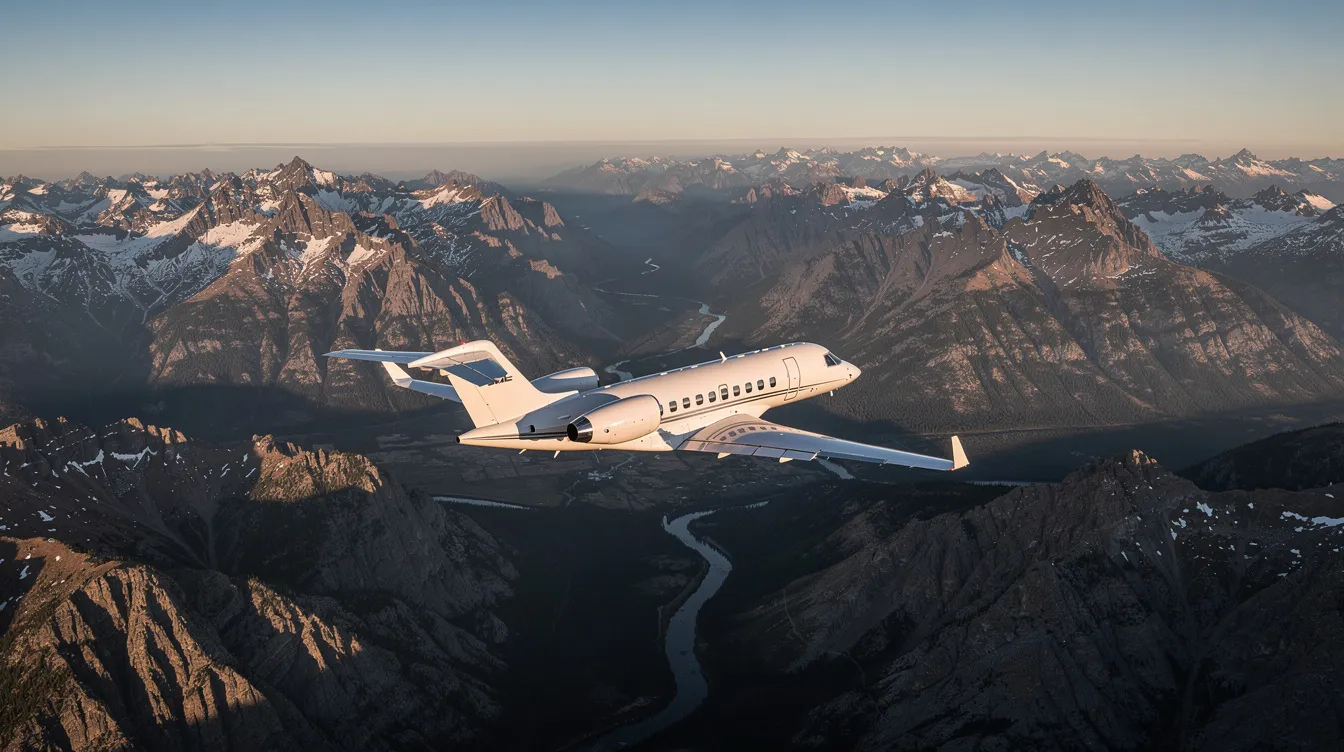
Top 10 Private Jet Charter Companies in USA (and a Smarter Alternative to Ad‑Hoc Charter)
This guide ranks the top private jet charter companies in the U.S. based on fleet size, safety certifications, and market presence, highlighting leaders like NetJets, Flexjet, and Wheels Up. It also introduces fractional jet ownership as a strategic alternative for frequent flyers, offering predictable access and ownership benefits compared to ad-hoc charters. The article outlines three primary access models: on-demand charter for occasional travelers, jet card programs for moderate flyers, and fractional ownership for frequent travelers, each tailored to different travel needs. Additionally, it emphasizes the importance of safety certifications and sustainability initiatives in the private aviation sector.
Continue readingAll

Private Jet Inc: Smarter Access to Private Aviation with Fractional Ownership
Private Jet Inc. offers fractional jet ownership through BlackJet, providing high-net-worth individuals and executives with reliable access to private aviation without the burdens of full ownership. Their Equity and Reserve Fleet programs cater to clients flying 25–150 hours annually, ensuring a seamless travel experience with personalized hospitality and concierge services. As an FAA-approved operator, BlackJet prioritizes safety and efficiency, allowing travelers to arrive just 10–15 minutes before departure and avoid commercial airport congestion. With customizable in-flight experiences and a commitment to exceptional service, BlackJet positions itself as a leading choice for those seeking luxury private travel solutions.
Continue readingAll

Uber for Private Jets: How On-Demand Apps Compare to Fractional Jet Ownership
The concept of an "Uber for private jets" has gained traction, allowing travelers to book private flights via apps, similar to rideshare services, with multiple startups emerging since 2015. These on-demand platforms offer flexibility and cost transparency, appealing to high-net-worth individuals for popular routes, but they face challenges due to regulatory complexities and operational logistics that hinder instant booking. In contrast, fractional jet ownership provides guaranteed access, predictable costs, and potential tax benefits, making it more suitable for frequent flyers and businesses. Ultimately, the choice between on-demand apps and fractional ownership depends on individual travel patterns, budget needs, and the desire for reliability versus flexibility.
Continue readingAll

Private Jet Operators: How to Choose the Right Partner for Smarter Private Flying
In 2025, the U.S. private jet market recorded approximately 1.7 million flight hours, with the top 30 operators capturing over 30% of this share, reflecting a trend of consolidation among major players like NetJets and Flexjet. Choosing the right private jet partner involves understanding the distinctions between operator types—fractional ownership, charter services, and aircraft management—and aligning them with your specific travel needs, particularly for those flying 25 to 150 hours annually. BlackJet Fractional Jet Ownership offers tailored solutions through its Equity Fleet and Reserve Fleet models, focusing on safety, service quality, and cost-effectiveness. As the market evolves, discerning travelers can benefit from structured access programs that provide guaranteed availability and personalized service.
Continue readingAll

The Jet Business: How Fractional Jet Ownership Is Reshaping Private Aviation
Fractional jet ownership is revolutionizing private aviation by offering executives and high-net-worth individuals flexible, cost-effective travel solutions that enhance operational efficiency and privacy. With the global private aviation market expanding, fractional ownership allows users to share the costs of aircraft while accessing a diverse fleet and thousands of regional airports. BlackJet Fractional Jet Ownership provides tailored programs that cater to varying travel needs, whether through equity ownership or membership-style access, making private aviation more accessible. Understanding the nuances of fractional ownership is crucial for informed decision-making in this evolving landscape.
Continue readingAll

Private Airlines Companies & Fractional Jet Ownership: How to Choose the Smarter Way to Fly Private
This guide assists executives and high-net-worth individuals in selecting the best private aviation solution, comparing options like fractional ownership, jet cards, and charter flights. The private aviation market is growing, with the top U.S. operators reporting significant flight hours, indicating a shift towards fractional ownership and other flexible models over traditional aircraft ownership. Key benefits of private aviation include privacy, time savings, and access to more airports, while various service options cater to different travel needs and budgets. BlackJet Fractional Jet Ownership offers tailored solutions for clients flying 25–150 hours annually, emphasizing predictable access and ownership benefits.
Continue readingAll
Private Airlines Companies & Fractional Jet Ownership: How to Choose the Smarter Way to Fly Private
This guide assists executives and high-net-worth individuals in selecting the best private aviation solution, comparing options like fractional ownership, jet cards, and charter flights. The private aviation market is growing, with the top U.S. operators reporting significant flight hours, indicating a shift towards fractional ownership and other flexible models over traditional aircraft ownership. Key benefits of private aviation include privacy, time savings, and access to more airports, while various service options cater to different travel needs and budgets. BlackJet Fractional Jet Ownership offers tailored solutions for clients flying 25–150 hours annually, emphasizing predictable access and ownership benefits.
Continue readingAll
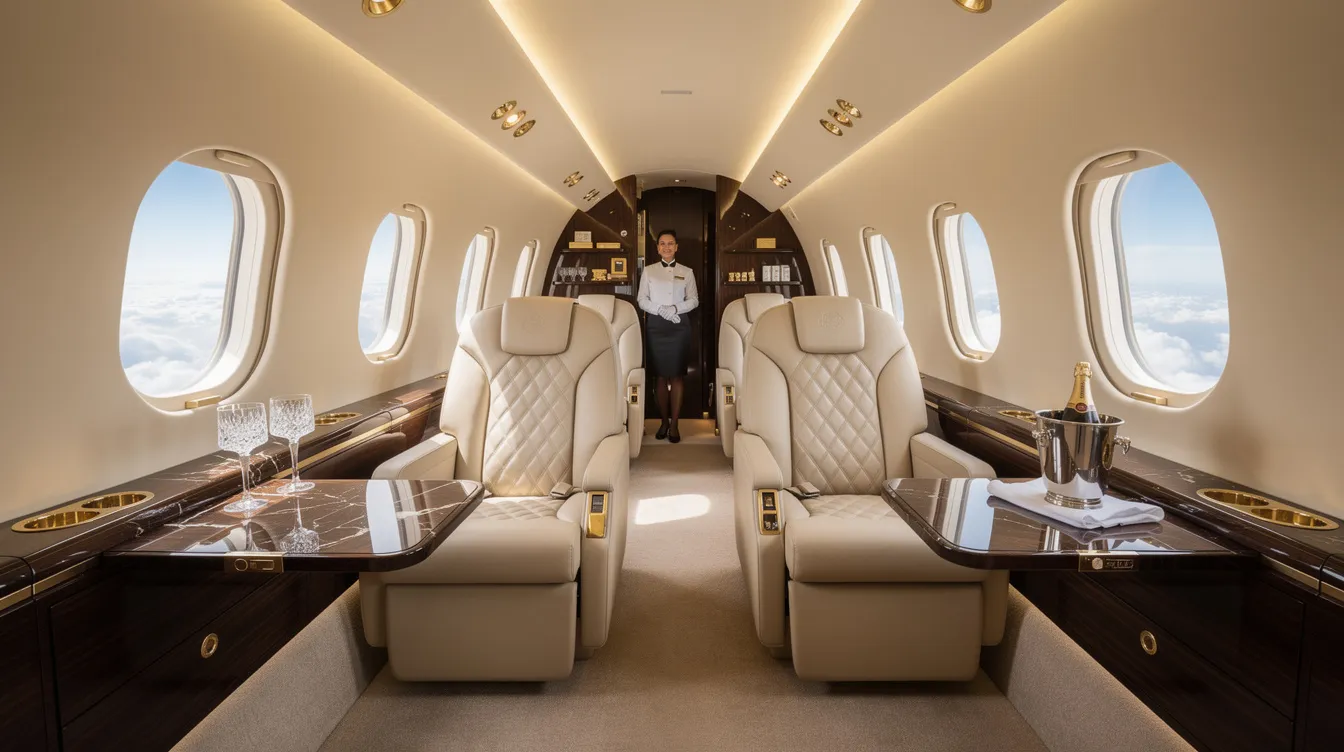
Million Air vs. Fractional Jet Ownership: A Smarter Way to Access Private Aviation
Million Air is a prominent U.S.-based FBO network providing essential ground services for private aviation, including fueling and hangar space, with a focus on high-quality customer service. In contrast, BlackJet offers fractional jet ownership, allowing travelers predictable access to aircraft and streamlined scheduling, making it an attractive option for frequent flyers. While Million Air excels in on-the-ground hospitality, BlackJet complements this by providing aircraft access and ownership benefits. Together, they enhance the private aviation experience, catering to the needs of travelers who value both premium ground services and reliable flight access.
Continue readingAll
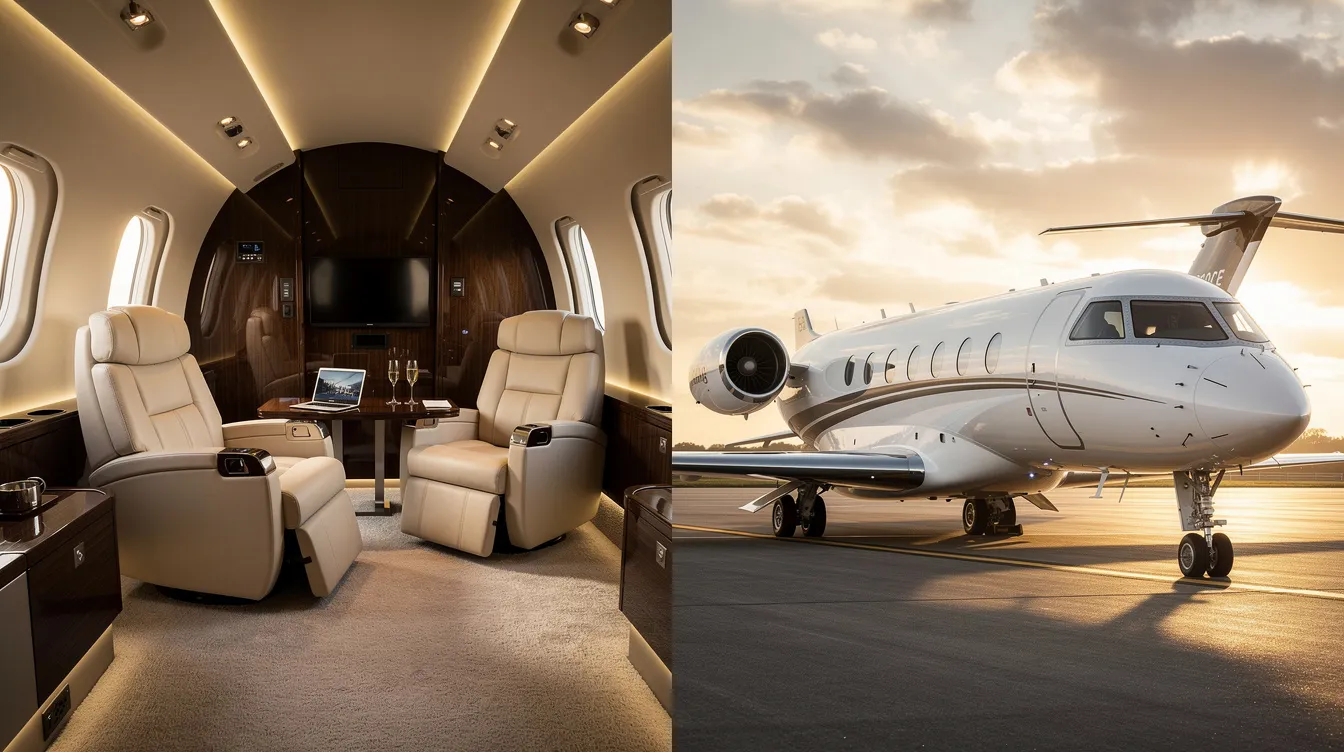
Flexjets & Fractional Ownership: How BlackJet Redefines Private Aviation Access
This guide compares Flexjet, BlackJet, and other leading providers in the fractional jet ownership market, highlighting the benefits of flexible private aviation access for executives and frequent flyers. It outlines various models, including fractional ownership, jet cards, and membership programs, emphasizing the cost savings and operational efficiency they offer compared to full aircraft ownership. BlackJet positions itself as a specialist in fractional ownership, providing transparent pricing and tailored access to aircraft, catering to clients flying 25-150 hours annually. The guide encourages readers to evaluate their travel needs and consider fractional ownership as a viable alternative to traditional private aviation options.
Continue readingAll


