img
our purposeour purpose

How Aircraft Types Are Used
in Fractional Programs

Fractional ownership is structured around aircraft categories
rather than individual aircraft. Owners typically:

  • Purchase a share in a specific aircraft model or class
  • Receive access to a managed fleet of similar aircraft
  • Fly different tails within the same category depending
    on availability

As a result, fractional ownership has evolved into multiple structural
options rather than a single standardized model.

our purpose

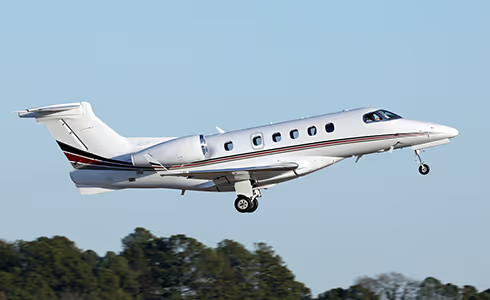
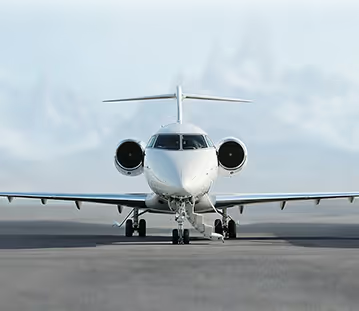
Light Jets

Typical mission profile:

Short-haul regional trips

General characteristics:

  • Seating for 4–7 passengers
  • Short to medium range
  • Lower operating and ownership cost
  • Access to smaller regional airports

Light jets are often used for trips under three hours and appeal to owners prioritizing efficiency and lower capital commitment.

our purpose

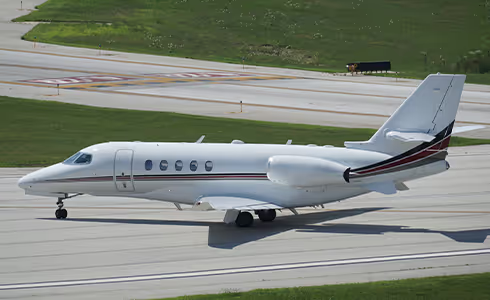
Midsize Jets

Typical mission profile:

Regional and transcontinental flights

General characteristics:

  • Seating for 6–9 passengers
  • Increased range and cabin comfort
  • Enclosed lavatories
  • Moderate operating costs

Midsize jets balance range and cost and are common in fractional programs serving business travelers.

our purpose

Super-Midsize Jets

Typical mission profile:

Longer domestic and select international routes

General characteristics:

  • Seating for 8–10 passengers
  • Longer range than midsize jets
  • Larger cabins and baggage capacity Higher
  • acquisition and operating costs

Super-midsize jets are well suited for coast-to-coast travel and offer greater flexibility for longer missions.

our purpose

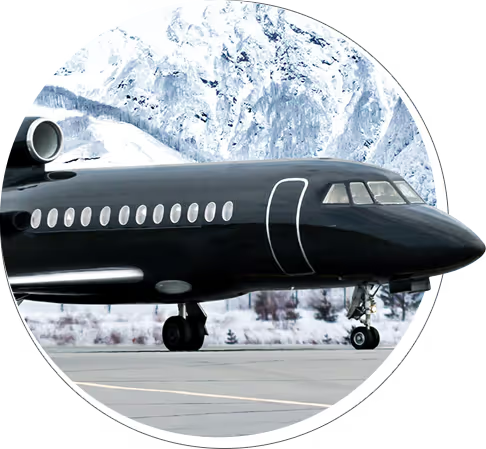
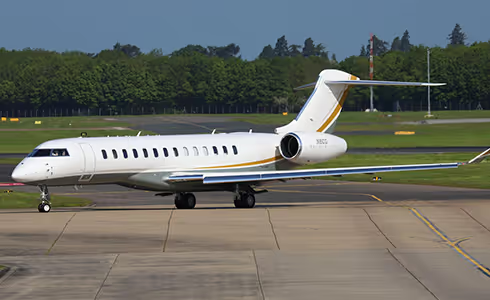
Large-Cabin Jets

Typical mission profile:

Long-range and international travel

General characteristics:

  • Seating for 10–14+ passengers
  • Intercontinental range
  • Stand-up cabins and premium amenities
  • Significantly higher capital and operating costs

Large-cabin jets are typically selected by owners with global travel needs and higher annual utilization.

our purpose

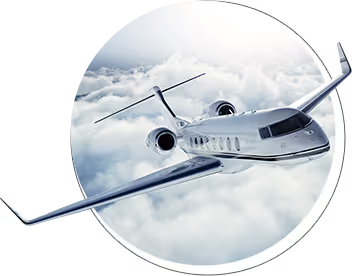
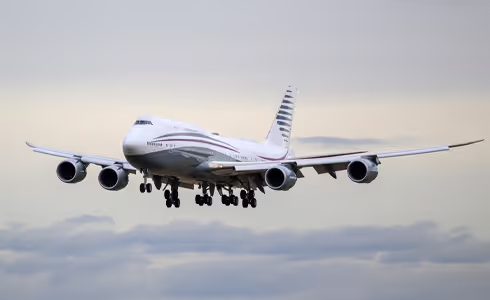
Ultra-Long-Range Jets

Typical mission profile:

Nonstop intercontinental and ultra-long-haul flights

General characteristics:

  • Seating for large groups
  • Global range capabilities
  • Highest acquisition and operating costs
  • Premium onboard experience

Super-midsize jets are well suited for coast-to-coast travel and offer greater flexibility for longer missions.

How Aircraft Type Affects Cost

Aircraft category directly influences:

Share Acquisition Price

Monthly
Management Fees

Hourly
Operating Rates

Fuel consumption & maintenance reserves

Larger aircraft provide greater capability but come with materially higher total cost of ownership.
our purpose

Choosing the Right
Aircraft Category

When selecting an aircraft type, buyers should consider:

  • Typical trip distance
  • Number of passengers
  • Frequency of travel
  • Budget tolerance
  • Need for international capability

Choosing the correct category helps avoid paying for unnecessary
capability or limiting mission flexibility.

Fleet Interchange and Availability

Most fractional programs allow owners to fly any aircraft within their purchased category. This fleet
interchange improves availability but means owners may not always fly the same aircraft.
Understanding interchange rules is important when evaluating service consistency.
banner img

Explore Related Aircraft & Ownership Topics

To continue learning, explore:

Fractional jet
share sizes

Fractional fleet
access rules

Fractional ownership
costs and pricing

Fractional vs other private aviation models

Editorial Disclosure

This content is provided for educational purposes to explain aircraft types commonly used in fractional jet
ownership programs. Aircraft availability and configurations vary by provider and fleet.