June 16, 2026
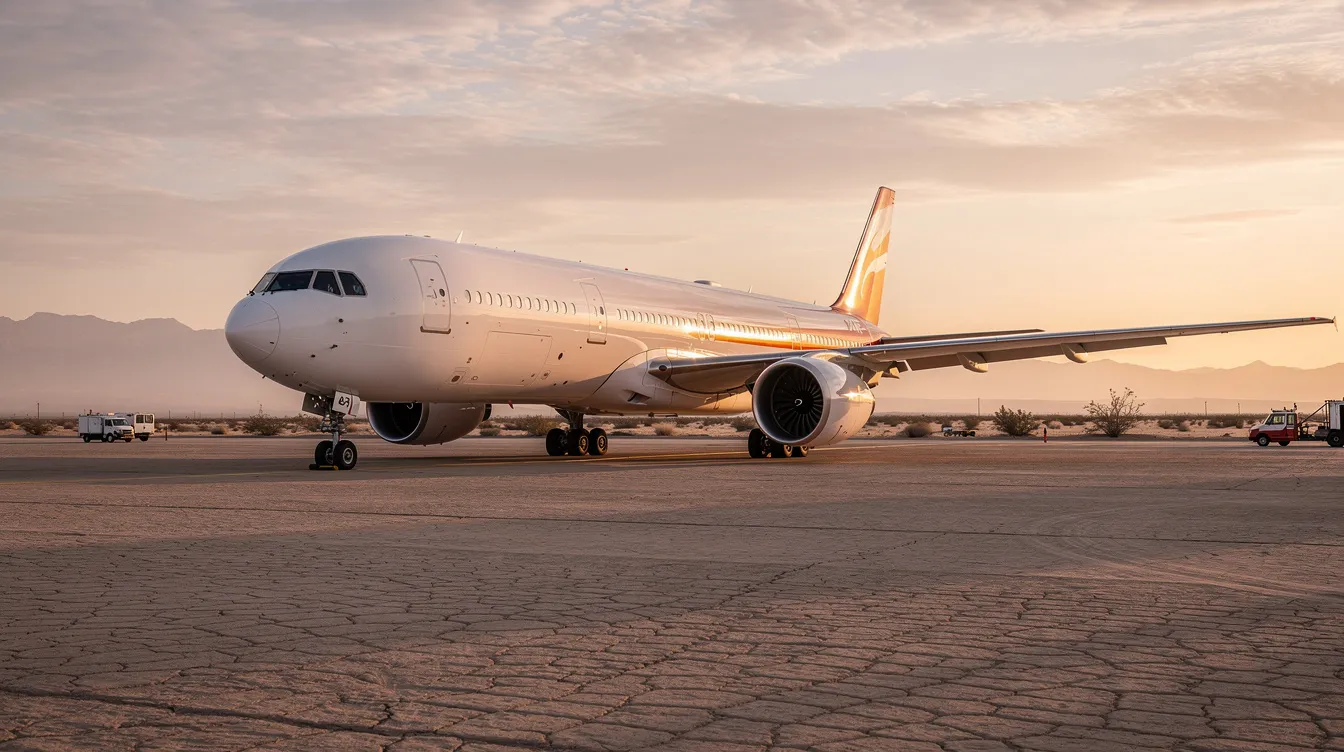
Few aircraft stir the imagination like a Boeing 747. Whether you love the idea of a flying palace or need massive passenger capacity, searching for a Boeing 747 for sale reveals a fascinating but financially treacherous market.
This guide is intended for private buyers, aviation enthusiasts, and corporate flight departments considering the purchase or operation of a Boeing 747. Understanding the unique costs, operational requirements, and available alternatives is essential before entering this complex market.
Here is what you need to know before you buy.
As of 2024–2026, VIP 747SP and 747-400/747-8 aircraft list between roughly $3 million and $150 million, but annual operating costs for a Boeing 747 can run upwards of $20 million, dwarfing the purchase price.
Specific examples on the market include the ex-Qatari 747SP N7477S (around $10 million asking) and vp blk, a VIP 747SP formerly in the Las Vegas Sands fleet.
Acquiring a Boeing 747 is a complex multi-million-dollar undertaking that rarely makes economic sense for private or corporate users flying 25–150 hours per year, for whom fractional jet ownership as a cost-effective alternative is usually a better fit. (Fractional jet ownership offers predictable aircraft access tailored to usage levels. [<fact>32</fact>])
Fractional jet ownership offers predictable aircraft access tailored to usage levels, making programs like BlackJet's Reserve and Equity Fleet models smarter alternatives for most buyers.
This article covers how to read sale listings, estimate maintenance costs, and decide between buying a 747 and choosing fractional ownership.
Owning a private 747 remains the ultimate aviation status symbol. Only three Boeing 747SP aircraft remain operational worldwide, making any 747SP for sale a genuine collectible. A 1995 Boeing 747SP is listed for $10 million—that is N7477S, originally built for the Qatari Royal Family, with approximately 68,602 flight hours and a VIP interior for about 80 passengers. (VIP configurations of Boeing 747-8 can range from 30 to 100 seats. [<fact>15</fact>]) Its low asking price is misleading: lifetime operating costs will exceed the sticker price many times over.
Then there is VP Blk, a 46-year-old VIP 747SP. A Boeing 747SP used by Las Vegas Sands is for sale, configured for roughly 60 passengers after the Las Vegas Sands Boeing 747SP was reconfigured to accommodate 60 passengers. The Boeing 747SP has been used in VIP configurations since 1985, and this aircraft spent years as a high-roller shuttle before storage in Tucson, Arizona.
No matter your budget, most 747s on the market today are older 747-400s being converted to cargo, or 747-8s released by airlines and governments. Availability is cyclical and limited. Prospective buyers should engage specialist brokers, technical advisors, and operators before committing—brokers may not reply immediately to cold inquiries on these rare aircraft.
You can find 747 sale listings on specialist platforms like Controller.com, Aircraft.com, and broker websites, often grouped alongside other used widebodies and private planes for sale. Many deals are "price on request," and serious buyers frequently sign NDAs to access full data.
Used Boeing 747 aircraft range from $3 million to $50 million depending on condition, variant, and configuration. Prospective buyers should also understand fractional jet ownership financing costs and benefits when comparing alternatives. Approximate price bands:
Variant | Typical Price Range | Notes |
|---|---|---|
747-400 (passenger) | $3M–$10M | Older, high-hour frames |
747-400 (freighter/P2F) | $5M–$20M | Cargo demand premium |
747-8I / 747-8F (used) | $10M–$50M+ | Age, hours, and cabin type matter |
747-8 (new, historical) | $380M–$440M | Production ended in 2023 |
(Passenger-to-freighter (P2F) conversions involve modifying passenger aircraft for cargo use.)
Read each listing carefully. Examine year of manufacture, total time airframe (TTAF), cycles, engine type, storage condition, and whether inspections have been performed recently. VIP-configured 747s carry an interior premium but face a limited buyer pool in this market.
For any 747, ongoing maintenance costs, fuel, crew, and storage easily outstrip the purchase price within a few years. Hourly operating rates for a Boeing 747 often range from $15,000 to $25,000. A Boeing 747 generally requires a crew of four for operation, and long-haul missions demand additional pilots for rest compliance.
The 747 requires approximately 2,600 to 3,500 gallons of fuel per hour. At current prices, that translates to $7,000–$10,000 per flight hour in fuel alone. Landing and parking fees for a Boeing 747 at major hubs can be exceptionally high, and the 747 can only land on runways with high weight capacities due to its size—typically 9,000 feet or longer.
A 40-year-old 747SP with 60,000+ hours faces expensive structural inspections, avionics upgrades, and corrosion remediation. Most analysts agree that even lightly used private 747s incur multi-million-dollar annual budgets. We recommend commissioning a detailed cost-of-ownership study before any purchase to protect your investment from hidden liabilities and to evaluate essential liability coverage in fractional jet ownership if you opt for a shared aircraft solution instead.
The Boeing 747-8, the final generation of the type, entered service in 2012. The Boeing 747-8 can carry up to 467 passengers in airline configuration, while VIP configurations can range from 30 to 100 seats. (VIP configurations of Boeing 747-8 can range from 30 to 100 seats. [<fact>15</fact>]) Its cabin length of 250 feet 2 inches provides extraordinary depth for custom layouts.
Key specs worth noting:
The maximum range of the Boeing 747-8 is 7,730 nautical miles
The maximum cruise speed of the Boeing 747-8 is 570 mph
Maximum takeoff weight of 987,000 pounds
Four General Electric GEnx-2B67 engines delivering roughly 15–16% better fuel efficiency versus the 747-400
The Boeing 747-8 features GEnx-2B67 engines for improved performance and advanced systems, reducing maintenance intervals compared to its predecessor. The cockpit requires a dedicated type rating, and crew pipelines remain narrow. This aircraft is a niche solution for state governments, large corporations, or ultra-long-range missions requiring massive capacity—not typical executive travel.
As 747-400s retire, a robust secondary market has emerged. Authentic Boeing 747-400 parts are available for sale—engines, landing gear, avionics, and APUs fetch strong prices as certified spares. Additional engine and parts packages are available for Boeing 747SP, though sourcing grows harder each year.
Passenger-to-freighter conversions involve cutting cargo doors in the main deck, reinforcing floors, and stripping interiors. (Passenger-to-freighter (P2F) conversions involve modifying passenger aircraft for cargo use.) These P2F programs extend economic life for younger 747-400 airframes, much as floating fleet options in fractional ownership extend flexibility and utilization in shared private aviation models. Creative non-flying uses—restaurants, hotels, training simulators—offer alternatives when flight operations become impractical.
Many people searching for " Boeing 747 for sale" fly only 25–150 hours per year with 4–20 passengers. That profile aligns poorly with 747 ownership. Private aviation includes fractional ownership and membership programs that deliver intercontinental reach without widebody-scale overhead. (Fractional jet ownership offers predictable aircraft access tailored to usage levels. [<fact>32</fact>]) (Fractional jet ownership: A model where multiple owners purchase shares in an aircraft, allowing each to access the plane for a set number of hours per year, with management, crew, and maintenance handled by a provider.) Aircraft management and scheduling is part of fractional ownership services, eliminating the operational burden entirely.
Factor | Used 747 | Large-Cabin Jet | Fractional/Membership |
|---|---|---|---|
Purchase Price | $3M–$50M | $10M–$75M | Share or hourly fee |
Annual Fixed Costs | $800K–$20M+ | $200K–$500K | Included in the program |
Crew Required | 4+ pilots | 2 pilots | Managed for you |
Airport Flexibility | Major hubs only | 5,000 ft runways | Point-to-point access |
For a deeper comment on when whole ownership makes sense versus fractional, the math overwhelmingly favors shared programs at moderate utilization levels, and independent reviews of the best fractional jet ownership programs can help benchmark options beyond a single provider.
BlackJet Fractional Jet Ownership specializes in giving clients private aviation access without the complexity of owning a fleet of widebody aircraft. If you have been researching a Boeing 747 for sale, consider whether our programs better fit your actual travel patterns.
Reserve Fleet: Pay-as-you-go access to curated large-cabin jets with no equity stake—ideal for variable annual hours.
Equity Fleet: Purchase a share of a specific aircraft type. Fractional ownership provides clients with priority access and custom aircraft sourcing, while BlackJet handles maintenance, crew, and logistics.
BlackJet absorbs the complexity that a private 747 would demand: scheduling, regulatory compliance, hangar coordination, and insurance. For users flying 25–150 hours per year, fractional ownership delivers premium cabin comfort and intercontinental range at a fraction of widebody operating costs, and our fractional jet ownership glossary can help you understand the key terms and structures involved. Speak with our advisors to model the true total cost of ownership versus a fractional solution tailored to your routes.
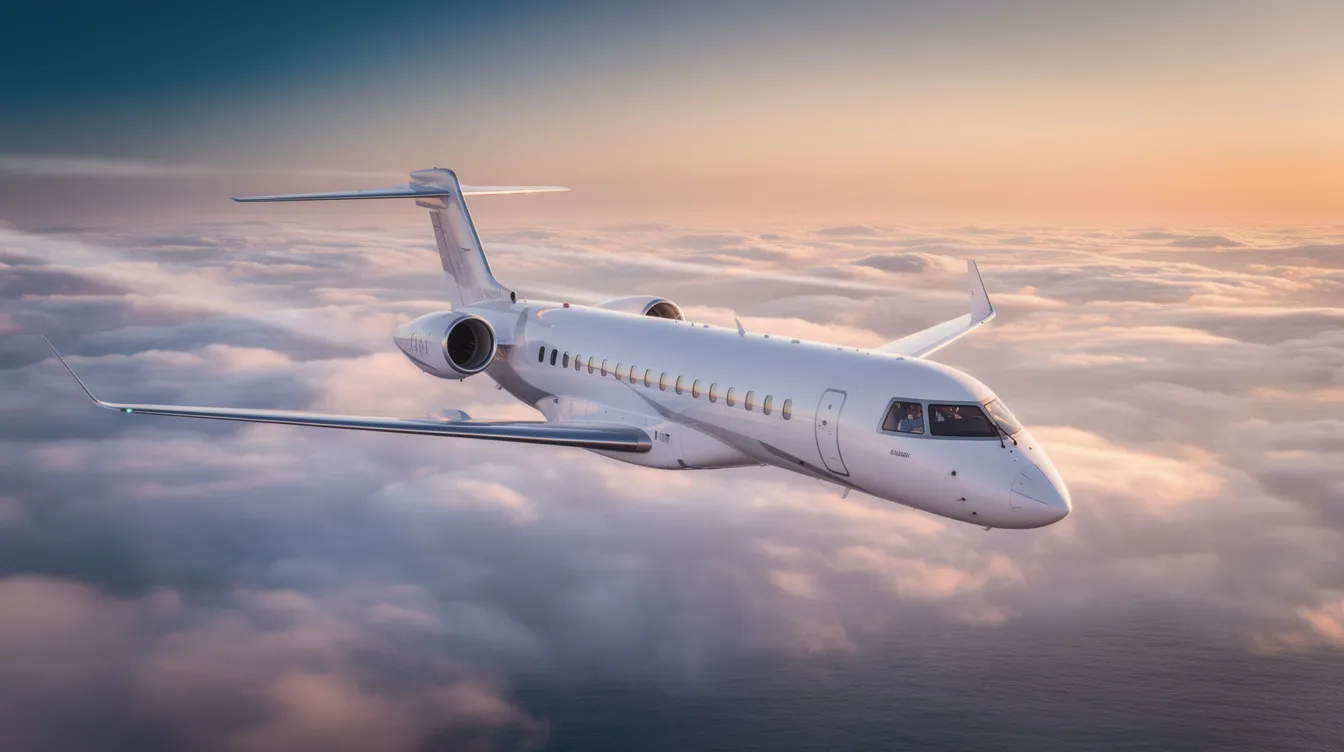
While you can acquire a used 747-400 for a few million dollars, annual operating budgets for a private 747 typically run several million to well over $10 million per year, covering maintenance, fuel at 2,600–3,500 gallons per hour, crew salaries, insurance, hangar fees, and mandatory inspections. Detailed modeling with a financial advisor is essential before any purchase.
Boeing 747s routinely serve 25–35 years in airline fleets. Some 747SPs have flown for 40+ years when structural inspections are passed, and maintenance is performed on schedule. Economic factors—fuel costs, parts availability, and regulatory requirements—usually drive retirement before physical airframe limits are reached, just as market conditions and exit provisions affect how you sell a fractional jet ownership share when transitioning between private aviation solutions.
Generally no. Most 747 variants require runways of 9,000+ feet with high pavement strength and wide taxiways, limiting operations to major international airports. Large-cabin business jets access many more secondary airports, dramatically improving point-to-point flexibility.
Fractional ownership makes more sense when annual utilization falls in the 25–150-hour range, passenger counts stay under 15–20, and you value predictable costs over asset control. When you run the numbers, factor in the tax implications for fractional jet owners alongside cash costs. Compare the 5- to 10-year total cost of a program like BlackJet's Equity Fleet against the combined acquisition and maintenance costs of any 747 you are considering.
Traditional aviation lenders remain cautious with aging widebodies due to limited resale markets, high maintenance liabilities, and tightening environmental regulations. Buyers typically need strong balance sheets, substantial cash down payments, and bespoke financing arranged through specialized aviation finance firms, or they may instead review an aircraft fractional ownership sample contract if opting for a shared-ownership structure.
Acquiring a Boeing 747 for private use remains a rare and complex investment, suited primarily to entities requiring unparalleled passenger capacity and range. While the upfront purchase price can vary widely, the ongoing operating costs and logistical challenges often outweigh the benefits for most private flyers. Fractional jet ownership programs, such as those offered by BlackJet Fractional Jet Ownership, provide a compelling alternative by delivering predictable access to large-cabin aircraft without the burdens of full ownership. For executives and business owners flying 25–150 hours annually, fractional ownership offers flexibility, cost efficiency, and expert management that aligns more closely with their travel needs.
If you are considering how best to access private aviation, whether through outright purchase or fractional ownership, consulting with experienced advisors can help you navigate this complex market. Ready to explore the smarter way to fly private? Visit FractionalJetOwnership.com to learn how fractional ownership can transform your travel experience.
