August 23, 2026
How much does it cost to charter a private plane in 2026? The short answer: chartering a private jet typically costs $2,300 to $17,000 per hour, depending on the aircraft category, route, and timing. On the low end, some turboprops and very light jets start around $1,200 per hour, while ultra-long-range jets and VIP airliners can run well above $18,000 per hour. For high-frequency travelers and companies flying roughly 25 to 150 hours a year, understanding those price swings is critical because the right access model can lower total cost and deliver more predictable availability than ad hoc charter.
This guide breaks down private plane charter costs by aircraft category and route, the fees and taxes that change the final bill, and real trip examples so you can estimate what a flight should cost before you book. It also compares charter with fractional ownership options such as BlackJet Fractional Jet Ownership, covers the safety factors worth checking before you fly, and shows where you can reduce cost without giving up quality.
When you charter a private jet, you're paying for the entire aircraft-not a single seat. That distinction matters because the question of how much does it cost depends almost entirely on the aircraft category and the specific trip profile. Here are the 2026 typical hourly ranges across the private aviation spectrum:
Very light jets and turboprops: approximately $2,000–$3,000 per hour
Light jets (e.g., Phenom 300, Citation CJ4): approximately $3,500–$5,000 per hour
Midsize jets (e.g., Citation Latitude, Hawker 900XP): approximately $4,500–$7,000 per hour
Super midsize jets (e.g., Challenger 350, Praetor 600): approximately $6,500–$9,000 per hour
Large cabin and ultra long range jets (e.g., Gulfstream G650, Global 7500): approximately $9,000–$20,000+ per hour
These ranges reflect base charter pricing before taxes, repositioning, and ancillary fees. For travelers flying 25–150 flight hours per year, BlackJet Fractional Jet Ownership specializes in converting these fluctuating hourly rates into predictable, structured access, often reducing the effective private jet cost compared with ad hoc charter.
Abstract per hour numbers become meaningful when mapped to real routes. Here are concrete charter private plane cost estimates based on 2025–2026 industry averages. Actual quotes depend on aircraft age, availability, and exact airports, but these benchmarks reflect what the market is producing today.
New York (Teterboro) → Miami on a light jet (e.g., Citation CJ3+): approximately $3,800–$4,500 per hour, with 2.5–3.0 hours of flight time, yielding a typical trip total of roughly $12,000–$16,000 including U.S. federal excise tax and segment fees.
Los Angeles → Las Vegas on a very light jet (e.g., Phenom 100): approximately $2,500–$3,000 per hour, roughly 1.0 hour of flight time, and a typical all-in cost of $4,000–$6,500. A popular route for quick private jet charter flights, where the short flight distance keeps total charter pricing manageable.
Chicago → Aspen on a super midsize jet (e.g., Challenger 350): approximately 2.5 hours, with a typical total of $18,000–$26,000. Winter seasonal demand can push this higher due to hangar fees and de-icing charges at mountain airports.
New York → London on an ultra-long-range jet (e.g., Gulfstream G600 or Global 6000): 6.5–7.0 hours of flight time, with a typical one-way cost of $85,000–$130,000+ depending on season, aircraft type, and operator. Published estimates for this international flight range from $52,000 on super midsize jets to well above $150,000 on the newest ultra long range platforms.
These examples illustrate how total charter pricing varies enormously-even for similar mileage-based on aircraft category and trip specifics.
Most on-demand private jet charters are priced per hour, with taxes and ancillary fees layered on top. Hourly rates for private jets range from $1,500 to over $18,000, depending on the aircraft category. Private jet rental costs range from $2,300 to $17,000 per hour for the most commonly chartered categories. Here's what each tier looks like in 2026:
Very light jets and turboprops (King Air, PC-12, Phenom 100): approximately $2,000–$3,500 per hour. Hourly rates for turboprops start around $2,000 per hour. Ideal for 2–5 passengers on regional hops under 700–900 miles, these are the most efficient aircraft for short-range domestic flights.
Light jets (Phenom 300, Citation CJ4): approximately $3,500–$5,000 per hour. A light jet comfortably serves 4–7 passengers on routes like Dallas–Chicago or Boston–Atlanta, balancing cabin space with favorable private jet rental prices.
Midsize jets (Citation Latitude, Hawker 900XP): approximately $4,500–$7,000 per hour. Midsize jets typically cost between $4,000 and $8,000 per hour, with added range and stand-up cabins suitable for U.S. coast-to-coast trips with one fuel stop, depending on the model.
Super midsize jets (Challenger 350, Citation Longitude): approximately $6,500–$9,000 per hour. These often fly New York–Los Angeles nonstop with 7–9 passengers, making them a popular choice for fractional ownership fleets.
Heavy jets** and large cabin jets** (Gulfstream G550, Falcon 900): approximately $9,000–$16,000 per hour. Heavy jet charters can cost up to $10,000 per hour on the lower end, climbing steeply for newer airframes.
Ultra-long-range jets (G650, G700, Global 7500): approximately $15,000–$20,000+ per hour, covering intercontinental missions where maximum range and cabin comfort matter most.
VIP airliners (converted widebody aircraft) can cost between $18,000 and $23,000 per hour for head-of-state-level private jet travel.
BlackJet Fractional Jet Ownership converts these fluctuating per-hour charter prices into predictable hourly usage costs for members and share owners.
"All-in" charter quotes usually bundle some cost components but not all. Understanding what's included-and what isn't-prevents invoice surprises. The total cost of chartering a private plane often requires consideration of multiple fees beyond the base hourly rate, and extra operational fees typically add 20% to 40% to the total mission cost.
Aircraft and crew: The base hourly rate covers the entire aircraft, pilot salaries, and standard insurance. Chartering avoids separate line items for maintenance fees, crew salaries, and insurance costs because these are baked into the private jet service rate.
Fuel: Standard fuel is included in most charter quotes, though fuel surcharges can fluctuate based on current market rates for jet fuel and may appear as a separate line item.
Government taxes: A 7.5% federal excise tax applies to domestic flights in the U.S., along with per-passenger segment fees on each leg.
Billable flight time assumptions: Quotes assume a certain number of billable hours per leg, including taxi time and sometimes planned aircraft positioning.
Landing and ramp fees: Some operators include these; others break them out. Airport fees and ramp fees at fixed base operator facilities vary by location.
Repositioning: If the aircraft needs to fly empty to reach your departure airport or return to its home base, that direct cost is typically passed through.
BlackJet's structure: Under BlackJet's Equity and Reserve Fleet programs, costs are structured more like a transparent ownership budget—management crew, hangar, and insurance are wrapped into predictable annual and hourly fees for fractional owners rather than appearing as variable surprises, and understanding essential fractional ownership contract terms helps ensure those cost commitments match your expectations.
Private jet cost is not just about distance. Chartering a private plane involves a dynamic pricing model based on various factors, and understanding these pricing factors helps set realistic expectations.
Aircraft category and cabin size: Larger aircraft burn more fuel, require more crew members, and carry higher fixed costs. The gap between a light jet and an ultra-long-range jet can easily be double or more in both base and variable costs.
Route distance and direction: Longer flights mean more fuel, possible fuel stops, and crew overtime. Headwinds and tailwinds also matter-eastbound transatlantic flights are often faster and cheaper than westbound.
Airport selection: Major international airports typically charge higher landing fees and ramp fees. Regional airports and secondary airports near major cities can reduce these charges significantly.
Trip type: One-way trips versus same-day round-trip flights change cost dynamics. Round trips reduce repositioning penalties; one-way charters include aircraft positioning fees if repositioning is needed.
Seasonal demand: Peak travel periods increase the hourly rates due to limited aircraft availability. Holidays, major sporting events, and summer travel seasons drive premiums across all aircraft categories.
Aircraft age and interior configuration: Newer or recently refurbished aircraft command higher private jet pricing. Older jets may burn more fuel but still carry maintenance and capital cost burdens.
Fuel surcharges: Fuel prices shift frequently, and many operators pass real-time volatility to clients through variable surcharges.
Crew overnight costs and daily minimums: Multi-night itineraries away from the aircraft's home base trigger hotel and per diem charges. Daily minimum requirements and short leg fees add cost on brief segments; for fractional owners, many of these variables are predefined in an aircraft fractional ownership contract so they can be anticipated in advance.
Fractional jet ownership smooths many of these variables by locking in access to a defined aircraft category with agreed-upon rates, reducing exposure to last-minute price swings; understanding core fractional jet ownership terms and concepts is essential before comparing specific programs.
Billable flight time is what you actually pay for when flying private, and it often differs from the pure gate-to-gate time you might expect. Charter pricing is based primarily on the billable flight hours for the entire aircraft, and understanding how operators calculate this number is essential to accurate budgeting.
What counts as billable: Total billable time includes actual air time plus standard taxi time (engine start to engine shutdown). At congested airports, taxi time alone can add 15–20 minutes per leg.
Repositioning in the bill: If the aircraft must fly empty to reach your departure date location or return to base after drop-off, that repositioning time is typically billed to the client.
Daily minimums: A mandatory daily minimum billable flight time is often enforced by operators, usually 1.5–3.0 hours per calendar day. If your actual flight is shorter, you still pay the minimum. This makes quick out-and-back trips comparatively expensive on a per-mile basis.
Short leg fees: For flight segments under roughly 45–60 minutes, operators may apply short-leg fees. These offset high maintenance costs for short flights because takeoff and climb phases burn disproportionate fuel and add engine cycles relative to distance covered.
Example: A 30-minute hop between two nearby cities could be billed as 1.0–1.5 billable flight hours plus a short-leg surcharge. So while the actual flight time is half an hour, you might pay for double or triple that in billable flight time, making the per-mile cost look steep.
Fractional advantage: BlackJet fractional programs often structure usage to avoid punishing members on short legs by averaging costs across their annual hour commitment, reducing the sting of quick hops on a specific trip.
Taxes are a predictable but sometimes overlooked component of private jet costs. While they won't change your itinerary, they directly affect the final invoice on every charter flight.
Federal excise tax: A 7.5% federal excise tax applies to all domestic flights in the U.S. This is calculated on top of the base charter amount for transportation of persons by air, per IRS guidelines.
Segment fees: A per-passenger, per-leg charge is added to each domestic segment. In 2026, this runs approximately $5.30 per passenger per segment. On multi-stop itineraries with multiple passengers, these government taxes add up.
International charges: International flights may incur additional customs and immigration fees, along with permits and handling charges. Overflight fees from countries you traverse and landing slot charges at congested international airports are estimated and billed separately.
Fuel surcharges on tax basis: Some operators calculate fuel surcharges as part of the taxable base, which means FET applies to the surcharge as well, adding a small multiplier effect.
Tax treatment of fractional ownership: Fractional aircraft ownership structured properly may be eligible for distinct tax treatment, including potential depreciation and business-use deductions under the U.S. tax code. This can reduce the effective tax liability compared with treating every charter as a pure operating expense. Readers should consult a qualified CPA, as rules vary by ownership structure and usage pattern; a complete guide to the cost of fractional jet ownership can help frame those discussions.
Many ancillary items sit outside the hourly rate but can significantly affect the final invoice. Additional custom amenities can add incremental costs to private jet charters, and understanding these line items prevents budget overruns.
Landing and airport fees: Airport landing fees range from $100 to $1,500 per flight, scaled by aircraft weight and airport authority policies. Airport charges can vary significantly between airports due to landing and handling fees-compare a major international hub to a quiet regional field.
Ramp and handling fees: Fixed-base operators charge landing, ramp, and parking fees that vary by airport. Ramp and handling fees can cost between $100 and $500 per flight at most U.S. FBOs, though premium private terminals at busy airports charge more.
Hangar fees: Winter protection for parked aircraft in cold regions adds cost, particularly at mountain destinations like Aspen or Vail, where hangar fees and overnight storage are in high demand.
Crew overnight and per diem: Crew expenses may include costs for hotel accommodations and meals for overnight trips. Crew overnight fees range from $200 to $600 per crew member per night, which adds up quickly on multi-night itineraries.
De-icing: De-icing fees may be charged during winter weather conditions for private jet flights. Deicing fees can vary from $1,500 to $15,000 depending on aircraft size and icing severity-large cabin and ultra long range jets in heavy weather see the steepest charges.
Catering and ground transportation: Premium catering and Wi-Fi access can substantially increase charter costs. In-flight meals, premium beverages, ground transportation, and concierge services can add hundreds to several thousand dollars per leg, depending on passenger count and locale.
Wi-Fi and connectivity: On transoceanic routes or certain older aircraft, satellite internet fees are billed per megabyte or as a flat premium-particularly relevant on long-haul flights.
Permits and overflight fees: International trips involving foreign airspace require permits and payments to national authorities, adding thousands to the base cost on international routes.
The way an itinerary is structured can dramatically change the charter private plane cost, even for similar total mileage. Understanding trip-type dynamics is one of the fastest ways to save money on private flights.
One-way repositioning: One-way trips can incur positioning fees for the aircraft to return to its base. Operators may charge for repositioning flights if the aircraft is not based near the departure location. This is why a one-way charter is often not "half the price" of a round trip.
Round-trip efficiency: Same-day or next-day round trips are more cost-efficient when the aircraft can wait on the ground rather than flying empty legs. However, crew rest rules and "turn-time" charges still apply.
Empty leg flights: If you can match your schedule to an aircraft's repositioning needs, empty leg flights can offer 30–60% savings. These are unpredictable but worth monitoring for flexible travelers.
Multi-city complexity: Multi-city itineraries trigger short-leg fees, extra airport fees, and higher crew costs for each additional landing. Each takeoff and climb consumes disproportionate fuel per mile. A four-leg California roadshow might cost significantly more per mile than a single nonstop leg covering the same total flight distance, making it important to understand how floating fleet options in fractional programs can sometimes mitigate repositioning and availability constraints.
Fractional smoothing: Frequent travelers or corporations with recurring routes often reduce overall cost volatility by moving into a fractional jet ownership or membership model with pre-defined hour blocks, avoiding repeated ad hoc surcharges and repositioning penalties.
Bigger is not always better when it comes to private jet charter costs. Right-sizing the aircraft to the mission is one of the most effective ways to control costs without compromising the experience. The goal is to match aircraft size to passenger count, baggage, and route.
Very light jets and light jets: These smaller aircraft are the most efficient aircraft for 2–5 passengers on flights under roughly two hours. However, they may require fuel stops on longer missions, adding both time and cost. A super light jet might handle a 600-mile hop beautifully but struggle coast-to-coast without stopping.
Midsize and super midsize jets: These strike a balance between cabin comfort, speed, and per-hour rates for typical U.S. business routes. Think New York–Dallas, San Francisco–Chicago, or similar 1,500–2,200-mile missions. Super midsize jets often fly nonstop between the coasts with stand-up cabins and room for 7–9 passengers.
Large cabin and ultra-long-range jets: The most expensive per hour but cost-effective for nonstop intercontinental flights where cabin space, lie-flat seating, and maximum range matter most. Choosing a larger aircraft for a short domestic hop is an expensive mismatch.
Decision framework: Start with passenger count and baggage, then assess route distance, then consider budget. Choose the smallest aircraft category that safely and comfortably completes the mission. Two passengers flying 400 miles don't need a heavy jet.
Fractional right-sizing: BlackJet Fractional Jet Ownership helps clients choose an aircraft category for their share based on typical mission profiles across a full year, not just one trip. This prevents overspending on aircraft that are too large for most flights or underperforming on the occasional long leg, and resources on the best fractional jet ownership programs can provide additional benchmarks when comparing providers.
There are three primary models for accessing private jets, each with distinct cost structures and trade-offs. The right choice depends on how many flight hours you fly annually, how predictable your schedule is, and whether you value ownership benefits.
On-demand private jet charter: Maximum flexibility—you pay only when you fly, with no capital commitment. Chartering offers flexibility to choose different aircraft for each trip. The downside: variable private jet pricing, peak-day surcharges, potential aircraft substitutions, and repositioning risk. Best for travelers under roughly 25–40 hours per year.
Jet card programs: Clients prepay for a block of hours at a mostly fixed per-hour rate, gaining predictable private jet costs and guaranteed availability within defined windows. However, you're still renting-no equity, no depreciation benefit, and rates often sit above fractional occupied-hour costs. Typically suited for 25–75 hours per year. For a closer look, see this guide to the best private jet memberships.
Fractional jet ownership: You buy an equity share in a specific aircraft category (e.g., a 1/16 share equaling approximately 50 hours per year), pay ongoing monthly management fees, and pay a lower occupied hourly rate when flying. Guaranteed availability, consistent private jet service quality, and ownership-level tax treatment are the key advantages. Owning a private jet outright incurs annual costs over $1 million, but fractional ownership distributes those fixed costs across multiple owners, and specialized fractional jet ownership financing options can further tailor the capital outlay. Best for 50–200 hours per year.
BlackJet's two models: BlackJet Fractional Jet Ownership offers Equity Fleet (true fractional aircraft ownership with potential tax advantages) and Reserve Fleet (a flexible, non-equity, pay-as-you-go membership drawing from a curated private jet fleet for those not yet ready to buy a share). Both are designed to outperform ad hoc charter on consistency, cost predictability, and service quality. You can compare fractional jet ownership vs membership programs alongside other [fractional jet ownership programs](LINK 11) to see how the models stack up.
Above a certain yearly flying threshold, owning a fraction of a jet becomes more economical and predictable than repeatedly paying charter private plane costs. The break-even point depends on aircraft category, route mix, and how many tens of thousands of dollars in repositioning and peak surcharges a charter-only flyer absorbs.
Under ~25 hours per year, on-demand charter or an occasional empty leg usually makes more financial sense. The fixed costs of fractional ownership-capital, monthly management fees, and crew-aren't justified by low utilization.
25–150 hours per year: This is the range where BlackJet Fractional Jet Ownership models are designed to compete. An executive team flying 100 hours annually on midsize jets might spend $600,000–$900,000 chartering at $4,500–$8,000+ per hour. A fractional share spreads aircraft acquisition, crew salaries, insurance, hangar fees, and maintenance across multiple owners, lowering the effective per-hour rate versus constantly paying retail charter margins.
150+ hours per year: Flying 150 hours or more annually makes ownership-whether fractional or full-more viable from a pure cost-per-hour standpoint. At this volume, the capital investment and fixed costs are distributed across enough hours to drop well below average charter rates. Explore the best fractional ownership programs and review how fractional jet ownership performs as an investment to evaluate options at this usage level.
The predictability factor: Beyond raw cost, fractional ownership eliminates the budgeting uncertainty of charter—no last-minute surcharges, no aircraft substitutions on the departure date, and no scrambling for availability during peak seasons.
Ultra-long-range jets sit at the top of the private aviation spectrum-purpose-built for nonstop flights like New York–Hong Kong or Los Angeles–Sydney. They also carry the highest private jet cost per hour of any aircraft type.
Per-hour rates: Ultra-long-range aircraft such as the Gulfstream G650, G700, and Bombardier Global 7500 typically bill from around $15,000 to $20,000+ per hour due to acquisition cost, fuel consumption, augmented crew requirements, and the sheer operational complexity of intercontinental missions.
Route examples: A one-way charter from New York to London on an ultra-long-range jet runs $85,000–$130,000+. A Los Angeles-to-Tokyo flight (11–12 hours) can reach $180,000–$240,000+ depending on aircraft year and services. These are the kinds of international trips where cabin comfort and nonstop range justify the premium.
Why so expensive: Aircraft acquisition costs for this class exceed $60–$75 million. Fuel burn per hour is substantially higher than that of midsize jets. Augmented crews (three or four pilots) are often required by the Federal Aviation Administration for duty-time compliance on flights exceeding certain durations. Overflight permits, landing slot fees, and customs charges add thousands more.
Fractional for frequent long-haul flyers: For clients making several ultra long range trips per year, fractional ownership of this aircraft category can provide more predictable budgeting and guaranteed availability during peak events, avoiding the scramble and premium pricing of last-minute charter on the world's most in-demand routes.
While private jets are a premium product, there are legitimate ways to manage costs intelligently without cutting corners on safety or reliability.
Right-size the aircraft: Choose very light jets, light jets, or turboprops for shorter private flights instead of defaulting to midsize or larger jets. A smaller aircraft on a 400-mile hop can cut the hourly rate in half.
Use secondary airports: Fly into Teterboro instead of JFK, Van Nuys instead of LAX, or Centennial instead of Denver International. Regional airports and secondary airports near major cities reduce landing fees, ramp fees, and congestion-related delays.
Schedule flexibly: Avoiding peak holiday periods and major global events—when seasonal demand drives rates up—can meaningfully lower your per-hour cost. Booking well in advance of your departure date also helps secure better availability.
Consider empty legs: If your schedule has flexibility, empty-leg flights can offer significant savings. These are repositioning movements where the aircraft would otherwise fly empty.
Share the cost: When multiple business partners or family members are traveling together, splitting the private jet cost among the group can bring per-person pricing closer to premium commercial fares while preserving the benefits of flying private.
Move to a structured program: For frequent flyers, a jet card or fractional ownership product like BlackJet's Equity or Reserve Fleet can lock in more stable pricing and eliminate repeated ad hoc surcharges, ultimately helping you save money over repeated charter bookings.
Concrete scenario walk-throughs help make abstract per-hour numbers tangible. Here are three illustrative examples using 2026 pricing.
Scenario A: Two-Day Business Trip, New York–Chicago–New York on a Midsize Jet
An executive team of four charters a midsize jet for a next-day round trip. The outbound leg (New York to Chicago) clocks 2.3 hours of billable flight time at an hourly rate of $5,500, totaling $12,650 in base charter cost. Federal excise tax at 7.5% adds roughly $950. Segment fees for four passengers on two legs add another $42. Crew overnight costs at a Chicago hotel run approximately $500 total. The return leg mirrors the outbound. All in, the round trip lands in the $28,000–$32,000 range. A BlackJet fractional share owner flying this route monthly would see lower per-hour occupied rates and no repositioning anxiety, especially after modeling the total cost of fractional jet ownership against repeat charter invoices.
Scenario B: Four-Leg Same-Day Roadshow in California on a Light Jet
A fund manager charters a light jet for a same-day circuit: San Francisco–San Diego–Palm Springs–San Jose–San Francisco. Four legs, each under 90 minutes. Short leg fees apply to two of the four segments. The operator enforces a daily minimum of 2.5 billable hours, but actual flying totals about 4.5 hours. At $4,200 per hour, the base cost is roughly $18,900. Add four sets of landing fees (averaging $400 each), ramp and handling at each stop, and segment fees for two passengers across four legs. Total approaches $23,000–$26,000 for a day of flying that covers similar total miles to a single coast-to-coast leg, but at a noticeably higher per-mile cost due to the short-hop inefficiency.
Scenario C: International Family Vacation, Miami to Nassau and Back on a Light Jet
A family of five charters a light jet from Miami to Nassau, Bahamas, for a long weekend. The flight is barely an hour, but international fees add complexity: customs and immigration handling, overflight permits, and Bahamian landing charges. The return leg requires the aircraft to clear U.S. customs. Base charter cost for both legs might be $10,000–$14,000, but international handling, positioning, and crew overnight for the weekend push the all-in cost closer to $18,000–$22,000. A two-hour private jet flight can cost between $8,000 and $37,000 once all variables are factored in, and short international hops sit at the upper end of that range relative to distance. For a family making this trip several times a year, a BlackJet membership or fractional share would reduce per-trip costs considerably.
Chasing the lowest possible private jet cost can carry hidden risks related to safety and service quality. When a quote comes in dramatically below market rates for an aircraft category, it's worth asking what's being cut.
Verify safety credentials: Always check for ARGUS, Wyvern, or IS-BAO certifications. Confirm pilot experience, maintenance records, and the operator's accident history. Reputable providers invest more in pilot training, maintenance, and insurance, which raises hourly rates modestly but protects your time and safety.
Beware of substitutions: Low-cost brokers may promise one aircraft type and deliver another-older, smaller, or with an inferior interior. Confirm the specific aircraft type and tail number before booking.
The real cost of "cheap": Late-notice surcharges, cancellation fees, unreliable scheduling, and inferior cabin conditions aren't reflected in the initial quote. These hidden costs erode any perceived savings.
BlackJet's approach: BlackJet Fractional Jet Ownership manages aircraft to long-term, high safety standards rather than short-term cost-cutting. Both equity owners and Reserve Fleet members benefit from vetted operators, consistent aircraft, robust liability and insurance protections for fractional owners, and unmatched service standards.
How much does it cost to charter a private jet for a 2-hour flight? It depends on the aircraft category. A two-hour charter on a light jet in 2026 typically runs $8,000–$12,000 before taxes, landing fees, and handling. On a midsize or super midsize jet, expect $10,000–$18,000+. Private jet charter costs for even short flights can climb when daily minimums and ramp fees are factored in. For a deeper look at pricing tiers, see this private jet price list.
Is flying private ever cheaper than first class? On a per-seat basis, rarely for a single passenger. But for groups of four or more, splitting the private jet rental cost among travelers can bring per-person pricing into a range that competes with international business class-while delivering time savings, privacy, and access to secondary airports closer to final destinations.
What's the difference between private jet rental and fractional jet ownership? Private jet rental (charter) is pay-as-you-go with no capital commitment. Fractional jet ownership means you buy an equity share in an aircraft, pay fixed monthly fees and a lower occupied hourly rate, and gain guaranteed access, ownership-level tax treatment, and potential residual value. Charter flights offer maximum flexibility; fractional ownership offers predictability and lower long-term cost at higher utilization.
How far in advance should I book to get better pricing? Booking at least two to four weeks ahead generally secures better availability and avoids peak-day surcharges. Last-minute charter requests-especially during holidays or major events-trigger premium pricing due to limited aircraft availability.
Do I pay more per hour on peak days? Yes. Peak travel periods increase the hourly rates due to limited aircraft availability. Dates around major holidays, championship sporting events, and resort-town high seasons routinely command surcharges that can add 10–30% above standard rates.
Are there tax benefits to fractional aircraft ownership for businesses? Yes. A fractional share is a capital asset, potentially eligible for depreciation and business-use deductions under U.S. tax law. This can meaningfully reduce effective tax liability compared with expensing every charter. However, rules depend on usage, ownership structure, and business type—always consult a qualified CPA and review the tax implications for fractional jet owners before making decisions based on aviation tax benefits.
What is the cost to charter a private jet internationally? International charter pricing depends heavily on aircraft type, flight distance, and route complexity. A transatlantic charter on a heavy jet can run $58,000–$100,000+ one way. Transpacific routes are higher. Permits, overflight charges, customs handling, and fuel stops (if needed) all add to the base charter private plane cost for cross-border travel.
For individuals and companies flying 25–150 hours per year who are tired of unpredictable private jet cost swings, BlackJet Fractional Jet Ownership offers a structurally different approach. Rather than starting from scratch on every trip, BlackJet clients access a system designed for consistency and transparency.
Equity Fleet benefits: True fractional aircraft ownership in a defined aircraft category, with professional management and scheduling, guaranteed access, and potential aviation tax advantages for qualifying business use. You own a share of a real asset rather than renting by the hour.
Reserve Fleet flexibility: A non-equity, pay-as-you-go model that still provides curated aircraft, vetted operators, and more predictable access than ad hoc charter brokers. Ideal for travelers still evaluating whether full fractional ownership is the right step.
Operational simplicity: BlackJet handles maintenance oversight, crew scheduling, regulatory compliance, and logistics-so clients focus on where they're going, not how the jet is run.
Cost predictability: Fixed monthly management fees and transparent occupied hourly rates replace the rollercoaster of charter quotes that shift based on seasonal demand, repositioning, and last-minute surcharges.
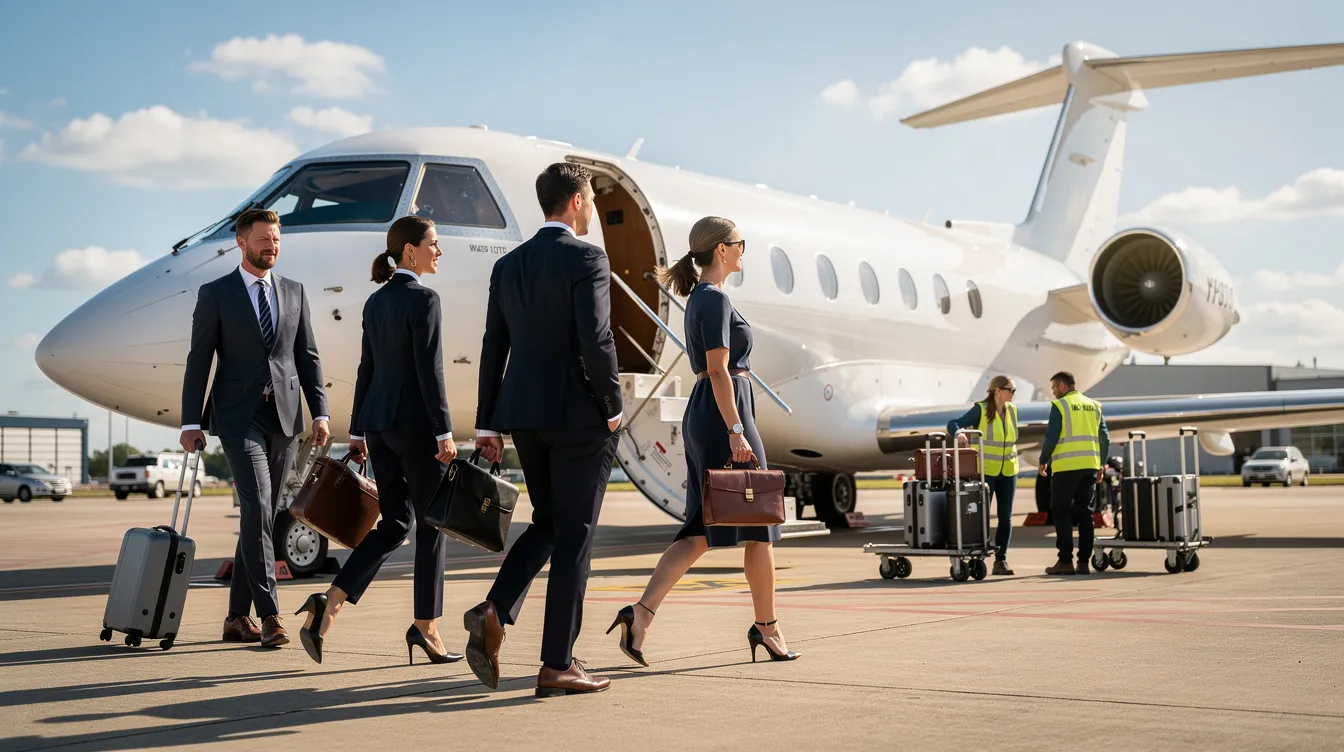
Charter private plane cost is driven by aircraft category, trip profile, and operational factors-but it doesn't have to be unpredictable. For travelers currently chartering several times a year, the most valuable next step is running the numbers: tally your annual flight hours, identify your most common routes, and compare that cost against a fractional jet ownership or membership solution.
Travelers flying 25–150 hours per year often find that structured access through BlackJet's Equity or Reserve Fleet delivers lower effective costs than repeated ad hoc charters, with the added benefit of guaranteed availability and consistent aircraft.
Visit FractionalJetOwnership.com to explore BlackJet's Equity and Reserve Fleet options or request a personalized cost comparison tailored to your actual flying pattern.
Corporate travel managers and high-net-worth individuals are encouraged to schedule a consultation to model their current private jet cost versus a tailored fractional solution-because the best way to understand the difference is to see your own numbers side by side.
Ready to explore the smarter way to fly private? Visit FractionalJetOwnership.com to learn how fractional ownership can transform your travel experience.
