May 31, 2026
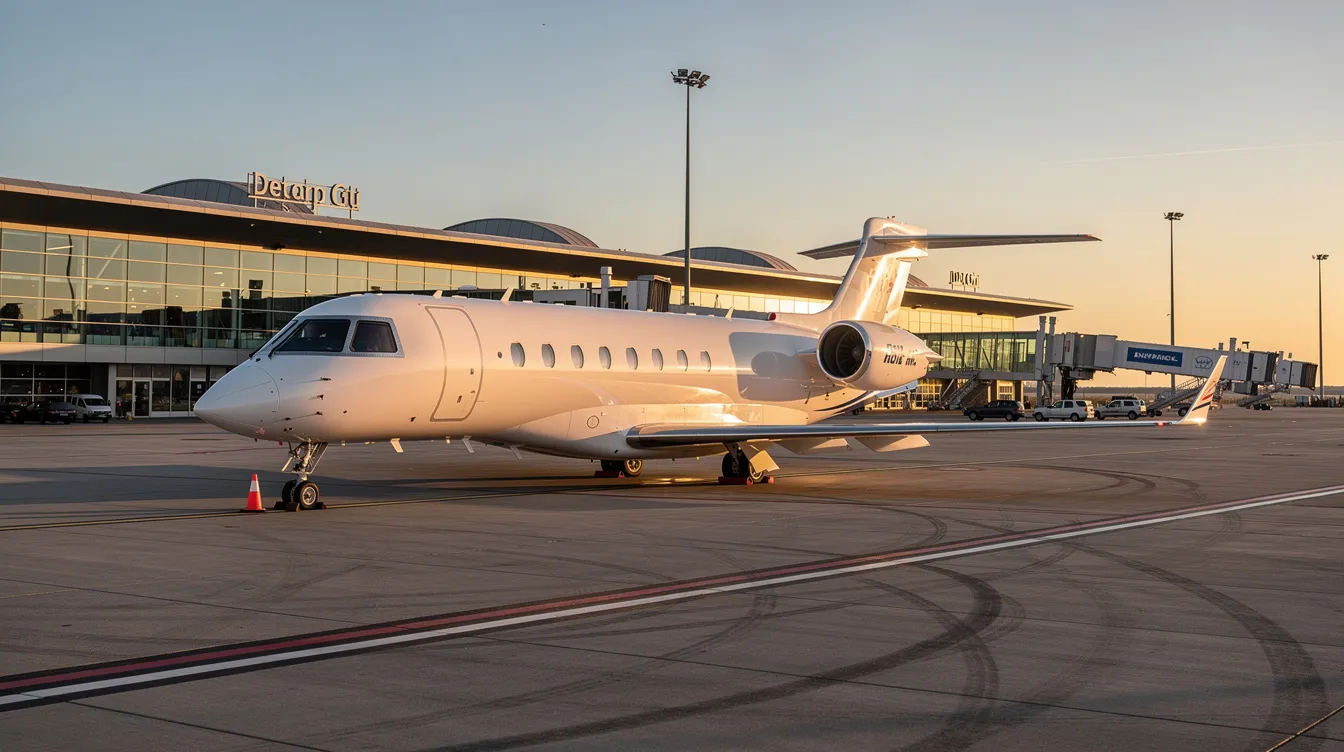
Flying private to Europe offers unparalleled convenience, privacy, and flexibility for discerning travelers. Unlike commercial flights, private jet travel minimizes layovers, grants access to smaller and less congested airports, and expedites customs processing, often completed within minutes. Whether traveling for business or leisure, private aviation allows passengers to tailor every aspect of their journey—from departure times to personalized catering—creating a seamless and efficient travel experience. Understanding the cost to fly a private jet to Europe involves considering various factors such as aircraft type, flight duration, and additional fees. This guide explores these elements to help you make informed decisions about private jet travel across the Atlantic.
Most nonstop U.S.–Europe private jet flights in 2026 cost between $70,000 and $220,000 each way, depending on aircraft type, season, and routing. The cost to fly a private jet to Europe can rise further for west coast departures, peak summer dates, winter holidays, or premium ultra-long range aircraft.
Super midsize jets and large jets typically run $7,000–$11,000 per hour, while ultra long-range jets often range from $11,000–$16,000+ per hour for transatlantic flights.
Total private jet cost includes hourly rate plus taxes, international handling, overnight crew expenses, de-icing, landing permits, and other hidden fees that can add 10–25% to the base price.
Frequent travelers flying 25–150 flight hours per year can often reduce effective per-hour costs versus ad-hoc private jet charter through fractional jet ownership or membership programs such as BlackJet Fractional Jet Ownership.
Private jet travel to Europe saves time, improves privacy, avoids long security lines, and gives private jet passengers more control over departure time, catering, and airports.
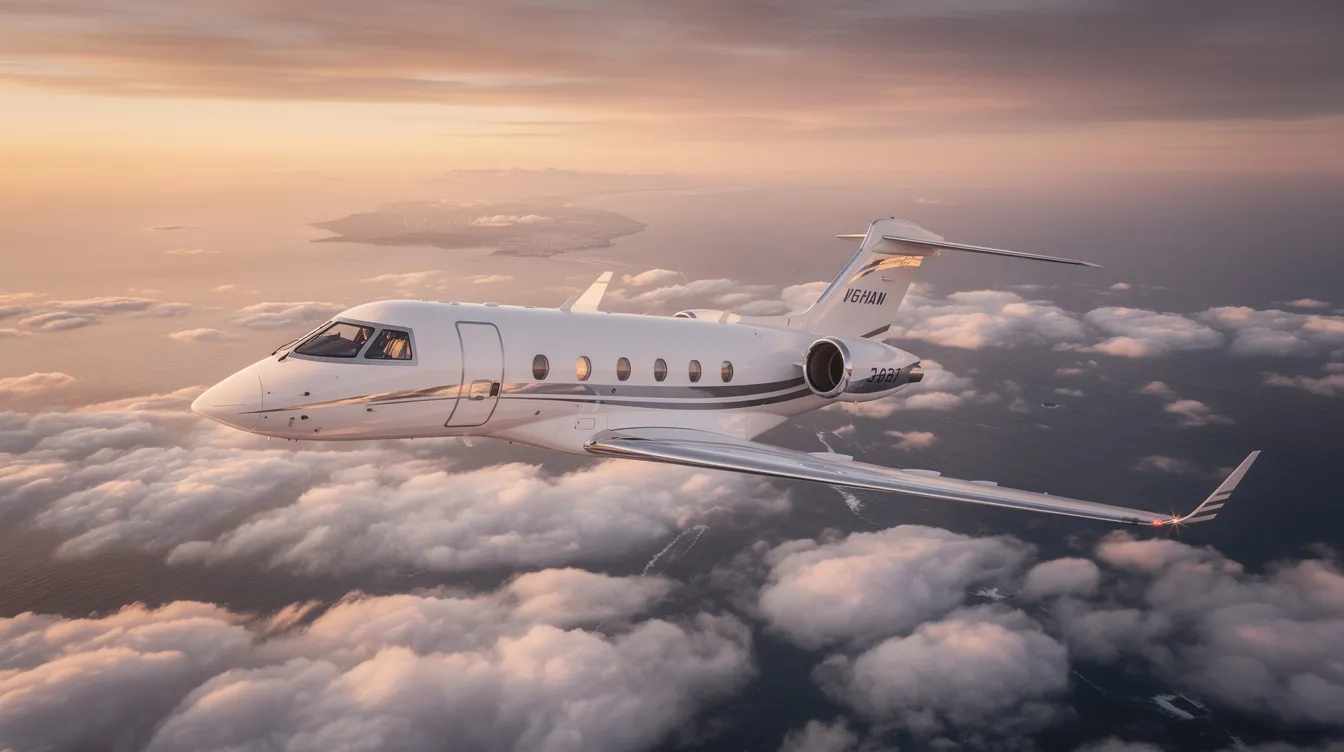
A one-way flight from New York to London may cost $85,000–$165,000, while Miami to Paris or Los Angelesone-way to Geneva can run from the low six figures to $300,000+, depending on aircraft size and flight time. A round trip is usually more efficient than two separate one-ways because aircraft positioning can be reduced.
Aircraft category | Typical one-way U.S.–Europe range |
|---|---|
Super midsize | $65,000–$110,000 |
Large/heavy | $90,000–$160,000 |
Ultra long range | $120,000–$220,000+ |
The overall private jet charter cost reflects aircraft pricing, not per-seat fares. Flight time multiplied by hourly rate gives a useful first estimate: New York–London is roughly 6.5–8 hours, while Los Angeles–Paris or San Francisco to London may be 10–11 hours. Chartering a private jet can cost tens of thousands to hundreds of thousands, far above a first-class commercial flight, but private flights save time by minimizing layovers and using airports closer to the final destination.
Private jet charter prices to Europe are driven by aircraft size and flight distance, not by a flat ticket price. The overall price of a flight is determined by aircraft size and flight time, with longer distances meaning more fuel and flight hours.
Main cost drivers include:
Aircraft size and range: Larger jets cost significantly more per hour than smaller jets.
Billable flight hours: A billable flight hour may include repositioning, not just occupied time.
Airports: The departure airport, arrival airport, slots, and regional airports all affect fees.
Seasonality: Peak travel seasons increase demand and limit aircraft availability.
International handling: Transatlantic charters typically incur additional expenses beyond the hourly rate.
Ultra-long range missions, such as Los Angeles to Zurich, need specific aircraft options that can operate nonstop. Choosing secondary European airports can reduce landing fees, parking, and handling costs. A private aviation advisor helps balance cost, comfort, direct flights, and operational certainty.
The aircraft category is usually the largest driver of the private jet rental costs. Private jet hourly rates range from $1,200 to $18,000 across the broader market, but hourly rates for transatlantic flights typically range from $5,000 to $15,000+.
Very light jets are not suitable for direct flights to Europe. A light jet has a range of 1,000–2,000 miles, making it impractical for direct U.S.–Europe routes.
A midsize jet can carry 6–10 passengers with a range of 2,000–3,500 miles. Some midsize and super midsize jets may need a fuel stop.
A heavy jet typically has a range of 4,000–6,000 miles and is common for East Coast–Europe direct flights.
Ultra-long-range jets can fly over 6,000 miles non-stop. Ultra-long range jets such as Gulfstream G650/G700 or Global 7500 aircraft are ideal for west coast routes.
BlackJet Fractional Jet Ownership matches clients to the right aircraft type in its Equity Fleet and Reserve Fleet, aligning cabin, range, budget, and private jet service needs.
For very large groups, vip airliners and ultra luxury vip airliners may be considered, but they require specialized planning and higher charter costs.
Billable flight time is the core of any private jet rental calculation. New York–London is about 7 hours eastbound and 7.5–8 hours westbound; Miami–Paris is roughly 8.5–9.5 hours; Los Angeles–London is often 10–11 hours.
Eastbound flights often benefit from tailwinds, while westbound legs can add 30–60 minutes. North Atlantic routing, alternates, and technical stops in Gander, Keflavík, or Shannon can add time, landing permits, segment fees, and handling. Operators may also apply daily minimums, short leg fees, or standby charges on multi-leg trips and domestic segments connected to international travel.
Private jet rental prices are dynamic. June–August, late May, September events, ski season, and winter holidays often bring higher private jet charter prices and tighter aircraft availability.
Shoulder seasons such as April–May and September–October can offer better availability. Booking 2–4 weeks ahead for peak Europe travel and 1–2 weeks off-peak helps secure the desired aircraft type. BlackJet members benefit from predictable access and pre-agreed pricing structures during busy windows.
The following examples use 2026 industry-average rates and should be treated as directional, not binding quotes. Private charter costs vary significantly depending on departure city, routing, aircraft options, and fuel prices.
New York–London is a benchmark private jet flight because it is one of the busiest transatlantic private aviation routes.
Aircraft: Gulfstream G450 or Challenger 605, 10–14 seats, $8,000–$10,000 hourly rate.
Time: About 7 hours eastbound and 7.5–8 hours westbound, or 14.5–15 billable hours round trip.
Base cost: $120,000–$150,000.
Additional costs: $10,000–$20,000 for European handling, crew overnights, parking, and permits.
Total estimated cost: Roughly $130,000–$170,000.
A fractional share or Reserve Fleet membership can lower the effective cost versus on-demand charter flights for repeat New York–Europe travelers, making fractional jet ownership as an investment worth evaluating for heavy users.
Some clients choose super midsize jets to balance cost and cabin comfort, even when a stop is required.
Aircraft: Praetor 600 or Challenger 350, $6,000–$8,000 per hour.
Routing: One refueling stop, often in the Canadian Maritimes or Azores.
Time: 9–10 hours eastbound and 10–11 hours westbound, or 19–21 billable hours round trip.
Base cost: $115,000–$165,000.
Fees: $8,000–$18,000 for added landing fees, international handling, and crew costs.
This can cost less than a large jet, but private jet passengers trade nonstop capability and cabin space for a lower private jet cost, similar to how the total cost of fractional jet ownership must be weighed against flexibility and comfort.
West Coast to central Europe almost always requires an ultra-long-range jet.
Aircraft: Gulfstream G650 or Global 7500, $12,000–$16,000+ per hour.
Time: 10.5–11.5 hours each way, or 22–24 hours round trip.
Base cost: $265,000–$375,000.
Fees: $15,000–$30,000 for international handling, crew rest, premium ground handling, and winter de-icing risk.
This is where fractional jet ownership costs and benefits can provide meaningful cost stability for families and businesses making multiple annual transatlantic trips.
A private jet rental quote often includes aircraft time, standard fuel, crew, maintenance, insurance, and routine handling. Hourly operational rates include fuel, maintenance, and insurance, while quoted prices include crew salaries, meals, and overnight accommodations in many charter structures.
Common hidden fees include de-icing, overnight parking, hangar fees, Wi-Fi, catering upgrades, ground transportation, and special ground transport coordination. A fuel surcharge may apply due to fluctuating fuel prices. The federal excise tax applies to U.S. taxable legs; the federal excise tax is 7.5% for US domestic flights.
BlackJet Fractional Jet Ownership emphasizes transparent pricing so clients understand the total estimated cost before departure, and careful review of essential fractional jet ownership contract terms helps avoid surprises.
Landing and handling: Landing fees can range from $200 to $2,000 per airport. Landing fees can range from $200 to $2,000, but European airports charge steep rates for landing slots and handling services.
Major hubs: Landing and handling fees at major European hubs can exceed $15,000.
Crew: Overnight crew expenses include hotels and per diems. Crew positioning may add cost, and owners should ensure adequate liability and insurance coverage in case of incidents.
Weather: De-icing fees can significantly increase costs during winter travel.
Passenger services: Catering, premium wines, in-flight entertainment, pets, and special equipment may be billed separately.
Fuel: Fuel surcharges may apply due to fluctuating fuel prices.
Flying private is materially more expensive than commercial airlines, but it solves different problems. A private flight can use smaller, less congested airports, reduce layovers, and avoid crowded hubs.
Private jets allow access to smaller, less congested airports such as Teterboro, London Luton, Farnborough, and Paris Le Bourget. Private jet customs processing is typically completed within minutes. Private flights offer personalized catering and flexible schedules, while a commercial flight depends on airline timetables, boarding groups, and airport congestion.
The largest benefit of flying private is often measured in hours saved. Travelers avoid 2–3 hour early check-in windows, long security lines, boarding queues, and missed connections.
Private jets can fly closer to the final destination and adjust departure time when meetings run late. This control is valuable on a European adventure, a board-level roadshow, or a multi-country itinerary. Flying privately also supports direct access to regional airports that commercial flights may not serve efficiently.
Private jets provide a confidential work environment for meetings. Only invited passengers are onboard, making the cabin suitable for executives, families, and security-sensitive travelers.
Large jets and ultra-long-range jets may offer lie-flat seating, quiet zones, secure Wi-Fi, and cabin layouts suited to work or rest. Pets, equipment, and custom catering are easier to manage than on commercial airlines. BlackJet programs are designed to make this consistency repeatable across private travel to Europe.

There are three main ways to access a private jet for Europe: on-demand private jet charter, jet card programs, and fractional aircraft ownership vs membership programs.
On-demand charter is best for occasional trips, but private jet charter costs can move sharply with season and availability.
Jet cards or memberships can lock rates for travelers flying roughly 25–50 hours per year.
Fractional ownership lets clients buy a share, such as 1/16 or 1/8 fractional jet ownership, gaining guaranteed access and better long-term economics for 50–150 annual hours.
BlackJet Fractional Jet Ownership’s Equity Fleet and Reserve Fleet help frequent flyers structure private jet travel with more predictable costs, similar in spirit to floating fleet options in fractional ownership that maximize aircraft availability.
On-demand charter offers flexibility with no long-term commitment, but pricing can be volatile. Jet cards may reduce uncertainty, though some programs include blackout dates, surcharges, or aircraft substitutions.
Empty leg flights can offer large discounts for flexible travelers, but they rarely align perfectly with business-critical Europe schedules. Structured programs can provide a better balance of aircraft availability, price control, and schedule reliability.
Fractional jet ownership means buying a portion of an aircraft and paying acquisition cost, a monthly management fee, and an occupied hourly rate. A 1/16 share often represents about 50 occupied hours per year.
For qualifying business use, aircraft ownership may offer potential tax benefits. The IRS depreciation rules can be relevant, and broader tax implications for fractional jet owners should be reviewed with a tax advisor. BlackJet’s Equity Fleet is designed for ownership benefits, while the Reserve Fleet supports clients who want access without asset ownership.
Thoughtful planning can reduce cost without compromising safety. The best strategy is to match aircraft, airport, schedule, and ownership model to actual travel patterns.
Book early for peak summer and holiday travel.
Use secondary airports when practical to reduce fees and ground transfer time.
Consolidate passengers and meetings to get more value from each transatlantic hour.
Share annual travel plans with BlackJet so the right fleet solution can be modeled.
A cost-efficient plan starts with choosing the right aircraft category. Super midsize aircraft can work for some routes with a stop; large jets are strong for East Coast missions; ultra-long-range aircraft are best for nonstop West Coast or South Florida routes.
London Luton or Farnborough can be more practical than Heathrow, while Paris Le Bourget is built around private aviation rather than airline traffic. Smaller airports can reduce hidden fees, but they must support customs and immigration for international flights.
Flexibility often improves pricing. Avoiding Friday evening departures in peak summer can reduce demand pressure from private jet operators.
For multi-city European trips, structure routes such as New York–London–Geneva–Nice–New York to minimize repositioning. Corporate clients can coordinate executive calendars so more than one team uses the same private jet flight where appropriate.
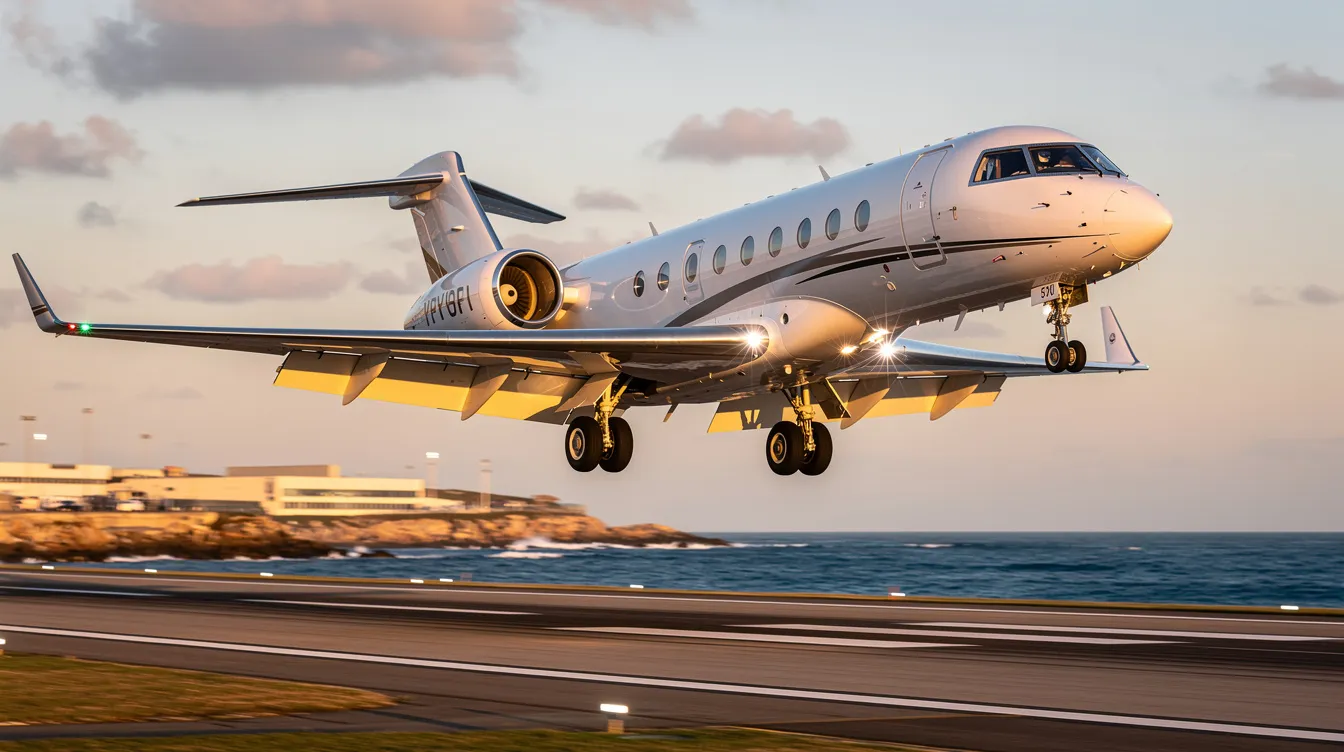
Most U.S.–Europe private jet flights are priced for the whole aircraft, not per seat. The effective cost per passenger falls when more family members, colleagues, or advisors travel together.
A light jet is not practical for direct flights to Europe because of range limits. Multiple stops would add time, complexity, landing fees, and crew costs, making a larger aircraft more efficient.
For peak June–August travel, planning 4–8 weeks ahead is wise when aircraft type, cabin layout, or airport slots matter. Fractional and membership clients often have stronger access rights, but early planning still improves outcomes.
Many fractional programs allow allocated hours to be used for both U.S. domestic missions and international travel within program rules, and top fractional jet ownership programs often highlight this flexibility. BlackJet can help structure aircraft access around both domestic segments and European trips.
Flying private to Europe in 2026 can cost from tens of thousands to several hundred thousand dollars per trip. The cost to fly a private jet to Europe depends on route, aircraft type, season, fees, and how often the traveler flies.
For occasional trips, private jet rental may be sufficient. For frequent transatlantic travelers, fractional jet ownership or a Reserve Fleet-style membership can offer more predictable access, better planning, and stronger cost control.
Ready to explore a smarter way to fly private? Visit FractionalJetOwnership.com to learn how BlackJet Fractional Jet Ownership can support European private aviation needs.
