May 3, 2026
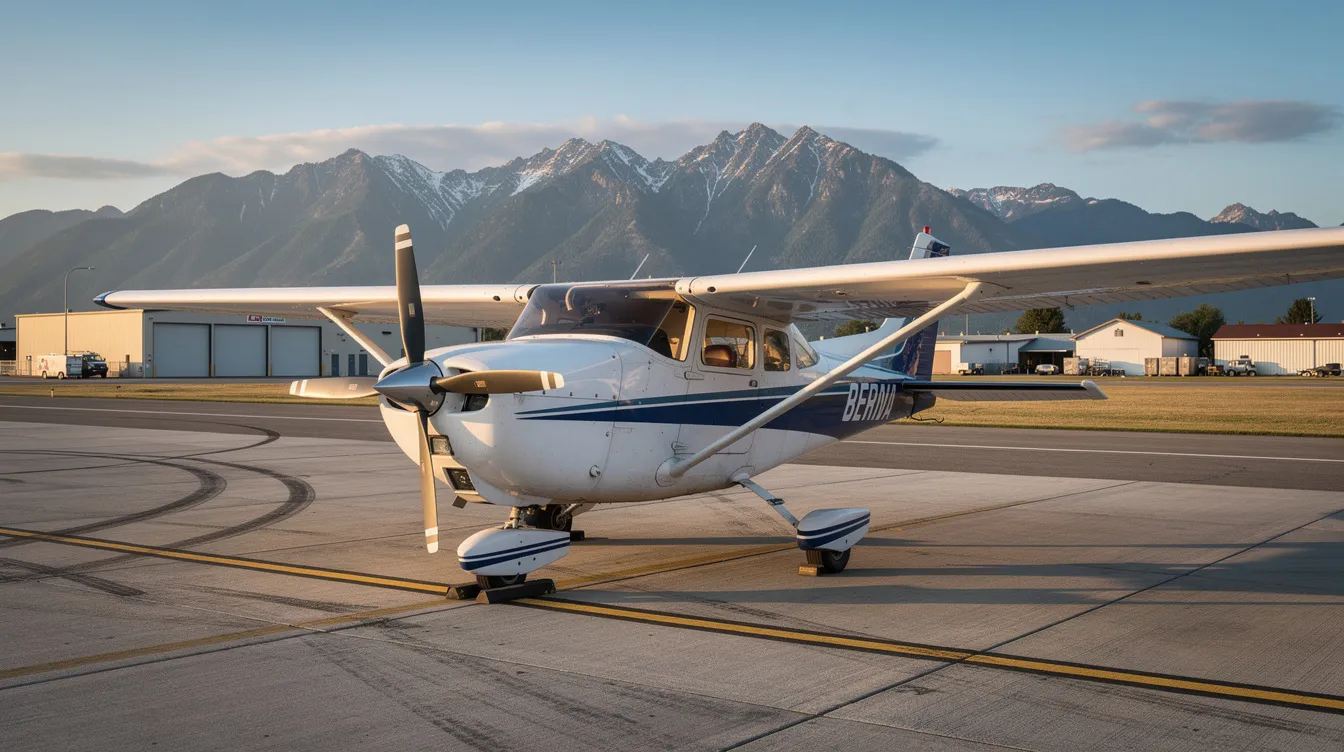
For pilots who want more flying time than rentals provide but aren’t ready to buy their own airplane outright, fractional ownership of a Cessna 172 offers a compelling middle ground. This structured co-ownership model allows multiple pilots to afford access to a Cessna 172—enjoying private flying without incurring the full costs of sole ownership—while joining a community of like-minded pilots and aviation enthusiasts. Owners purchase defined equity shares in a specific aircraft, gaining access to a proportional number of annual flight hours and sharing both fixed and variable operating costs through professionally managed programs. The Cessna 172’s features, such as modern avionics, proven reliability, and versatility for a range of missions, make it especially appealing for fractional ownership.
While BlackJet Fractional Jet Ownership typically focuses on private jets for executives and business travelers, the Cessna 172 provides an accessible example of how fractional aircraft ownership works at its core. Prospective owners should exercise diligence when evaluating different fractional ownership programs to ensure a secure and beneficial investment. The same principles—shared equity, managed scheduling, and predictable costs—scale from a single-engine trainer all the way up to light and midsize jets, including innovative models like fractional ownership of the Honda Jet and broader fractional jet ownership as an investment.
Fractional ownership of a Cessna 172 means purchasing a legal equity stake (typically ranging from 1/16 to 1/4) in a specific tail number, entitling you to a proportional allocation of annual flight hours and shared responsibility for costs. Here’s what prospective owners should know upfront:
1/16 share: Typically provides 25–40 hours per year
1/8 share: Commonly entitles owners to 50–75 hours annually
1/4 share: May deliver 100–150 hours per year
Initial buy-in costs: Typically range from $15,000 to $35,000 for a 1/8th share in newer models, while older airframes can reduce these costs to $8,000–$20,000
Monthly fixed costs: Generally range from $300 to $800, covering essential operational expenses such as insurance and hangar fees
Hourly operating costs: Typically range from $120 to $180 per hour wet, which includes fuel and maintenance reserves
Pilots flying 40 to 100 hours per year: Fractional ownership is typically best suited for pilots who fly between 40 and 100 hours per year, providing a balance between cost and access to aircraft
Pilots flying below 40 hours annually: Rental from a local flight school often wins on pure economics
Pilots flying above 150 hours: Full ownership may become more practical despite higher capital requirements
Pilots seeking access without full ownership costs: Fractional ownership allows pilots to enjoy aircraft access without bearing the full costs of ownership and maintenance
BlackJet’s jet-focused fractional model operates on the same conceptual foundation—shared equity, professional management, and predictable pricing—making piston fractional ownership an excellent introduction to how the aviation industry structures these programs. The structure of fractional programs makes it possible for more pilots to afford high-quality aircraft by sharing expenses and leveraging group purchasing power. To maximize the benefits of fractional ownership, increasing visibility among area pilots and connecting with potential partners is essential for sharing costs, accessing more flying time, and establishing clear agreements.
Fractional aircraft ownership using a Cessna 172 as the example represents a legally structured arrangement where multiple pilots purchase defined equity shares in a specific airplane. Unlike informal two-pilot partnerships where handshake deals often lead to scheduling disputes and unclear responsibilities, fractional programs establish clear legal frameworks from day one. It is essential to exercise diligence when reviewing program details and legal documents to ensure a secure and transparent investment.
In a typical 172 program, 4–8 co-owners each buy a defined equity share (such as 1/8, 1/6, or 1/4) in a specific tail number. These shares are usually held through an LLC or formal co-ownership agreements that spell out each party’s rights, responsibilities, and exit options. Selecting responsible partners is crucial to ensure safety and smooth operations. Traditional partnerships can provide cost-effective access to aircraft but often suffer from unclear agreements and scheduling disputes, which fractional ownership programs aim to eliminate through formal management.
A 1/8 share commonly entitles an owner to around 50–75 flight hours per year, while a 1/4 share may provide 100–150 hours. Usage rules, scheduling policies, and maintenance responsibilities are clearly written into the contract before money changes hands.
Professional fractional ownership programs manage the entire operation, including maintenance scheduling, insurance, and regulatory compliance, providing a seamless experience for owners. This professional management layer—similar to BlackJet’s role in jet programs—handles everything from hangar coordination to compliance paperwork, allowing owners to focus on flying rather than administration.
The difference between fractional ownership and flying clubs or ad-hoc partnerships comes down to three elements: legally defined equity, transparent cost allocation, and standardized safety requirements. Club members typically don’t own equity in specific planes, while informal partners often lack the legal structure that protects everyone’s investment.
Cost transparency is one of the primary reasons pilots choose structured fractional programs over informal arrangements. When you join a professionally managed program, you know exactly what you’re paying for—and when those payments are due. In addition to outright ownership, many programs offer lease or leaseback options as cost-effective alternatives, allowing you to access a Cessna 172 without the full financial commitment of purchasing a share.
Costs can also vary depending on where the aircraft is located, with aircraft based at a convenient local airport often providing greater scheduling flexibility and reduced repositioning fees. The buy-in price and ongoing expenses may be influenced by the specific features of the Cessna 172, such as upgraded avionics, autopilot systems, or enhanced comfort amenities, which can make certain aircraft more appealing and affect overall value.
Buy-in costs vary significantly based on aircraft age, avionics, and condition:
Aircraft Type | Typical 1/8 Share Buy-In |
|---|---|
Late-1970s Cessna 172N | $8,000–$18,000 |
2000s Cessna 172SP | $18,000–$28,000 |
2010–2018 G1000-equipped 172S | $20,000–$40,000 |
Newer aircraft with modern avionics command premium prices but typically offer better dispatch reliability and lower maintenance surprises. These newer models often include advanced features such as integrated glass cockpits, autopilot systems, and upgraded comfort amenities, all of which contribute to higher buy-in costs.

Monthly fees cover the expenses that accumulate whether the aircraft flies or not:
Hull and liability insurance (typically $1M coverage)
Hangar or tie-down at the home airport
GPS database subscriptions and navigation updates
Engine and prop overhaul reserves
Professional management fees
These costs typically total $300–$900 per 1/8 share monthly, depending on aircraft age, where the aircraft is located, local airport amenities, and management structure. Operating from a Class B airport near a major city or a well-equipped local airport pushes fees toward the higher end, while a rural field keeps costs lower.
The wet hourly rate covers fuel, maintenance reserves, and routine consumables. Most programs price this at $120–$190 per flight hour. Higher fuel prices (100LL running $6–$8 per gallon in many markets) or operating from busy airports can push rates toward $180–$190.
Annual Hours | 100% Ownership | 1/8 Fractional Share | Flight School Rental |
|---|---|---|---|
50 hours | $25,000–$35,000 | $15,000–$20,000 | $10,000–$12,500 |
100 hours | $35,000–$45,000 | $22,000–$28,000 | $20,000–$25,000 |
Assumptions: Full ownership of a $300,000 172S with all carrying costs; rental at $200–$250/hour; fractional with $25k buy-in amortized over 5 years.
Business users may benefit from bonus depreciation, allowing a substantial portion of the share purchase price to be depreciated in the first year. BlackJet’s Equity Fleet clients leverage similar deductions on larger aircraft, often achieving significant tax advantages when the plane serves legitimate business purposes under IRS rules, a topic explored in greater depth in our guide to tax implications for fractional jet owners.
By participating in a fractional ownership program, pilots and owners become part of a vibrant community, fostering networking, support, and shared experiences that enhance the value of ownership.
Picture this: A Denver-area pilot logs into the program’s cloud-based portal on a Friday afternoon, checks aircraft availability at KAPA, and books a Saturday cross-country trip to visit family 400 miles away. The entire process takes three minutes, with no phone calls or group texts required.
Scheduling systems in fractional ownership programs typically allow reservations 6–12 months in advance, with ownership percentage often determining priority during peak periods. Most modern programs use apps or web portals that show real-time availability, pending reservations, and any maintenance blocks, ensuring high visibility for owners to monitor aircraft status and for potential partners to connect. These online portals also incorporate security measures such as authentication protocols or CAPTCHA challenges to protect user access and data.
Priority for larger share owners: Larger share owners (1/4 vs. 1/8) typically receive priority for high-demand dates like holiday weekends
Block rules: Block rules limit continuous booking during peak periods—usually 2–3 consecutive days maximum
Off-peak flexibility: Mid-week and off-peak trips often allow longer continuous use with fewer restrictions
Fair usage policies: Most fractional ownership programs implement fair usage policies and priority systems to manage scheduling conflicts among co-owners, especially during peak flying times
Programs define clear procedures for accessing the aircraft at its hangar or tie-down location:
Key management: Electronic keyboxes or combination lockboxes provide 24/7 access, with security protocols in place to ensure only authorized owners can access the aircraft and related systems
Fuel arrangements: Fuel arrangements are established in advance (self-serve versus full-service FBO with a company account)
Flight logging: Owners log their tach or Hobbs time after each flight for accurate billing
Communication norms: Communication norms (group chats, email lists, or portal messaging) are defined upfront to reduce friction between partners
Some “fleet-style” programs offer owners the ability to swap into another Cessna 172 or similar trainer if their primary aircraft is down for maintenance. This mirrors how BlackJet offers Reserve Fleet access or floating fleet options in fractional ownership when an Equity Fleet jet is unavailable—minimizing downtime from weeks to just days.
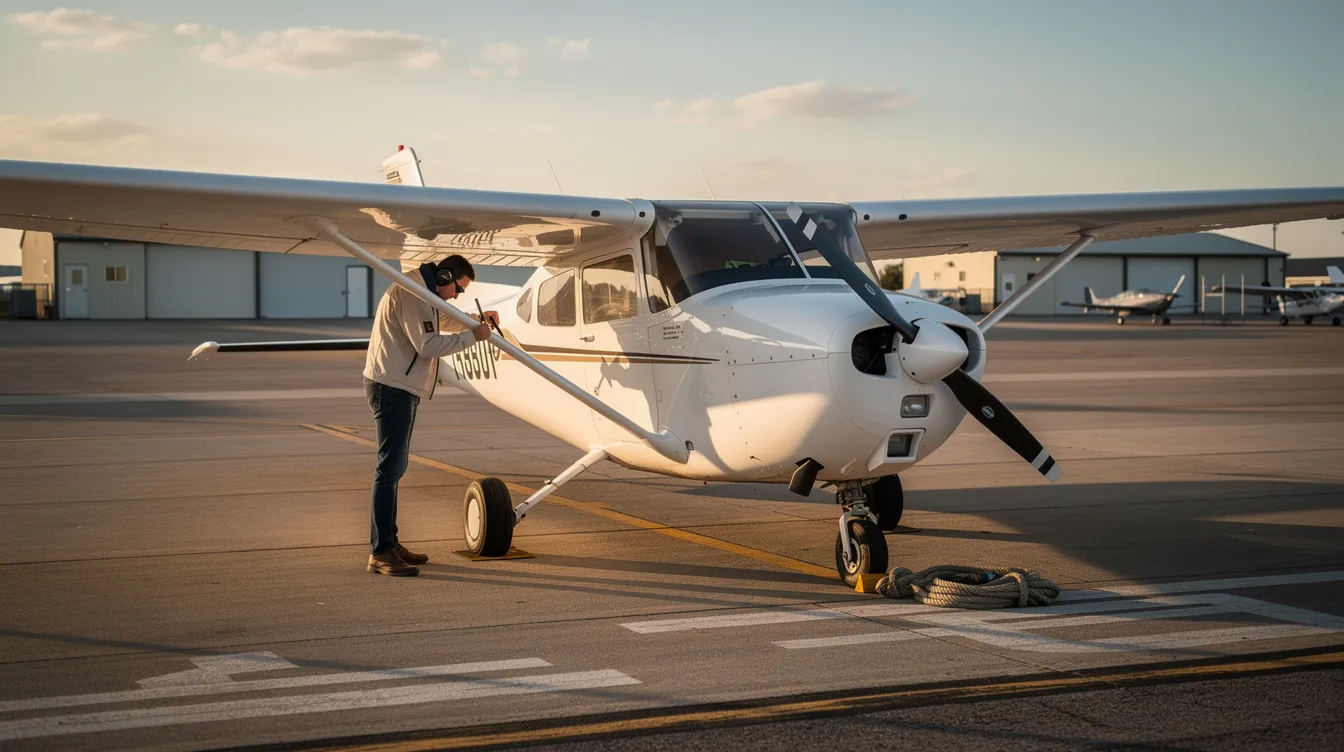
Safety, airworthiness, and consistent standards represent critical advantages of structured fractional ownership versus loose partnerships. When multiple owners share an airplane, professional maintenance management becomes essential—not optional.
Professional maintenance management is crucial in fractional ownership, with certified repair stations and experienced mechanics ensuring compliance with FAA requirements and manufacturer specifications. Typical maintenance protocols include:
100-hour inspections for aircraft used in training or commercial operations
Annual inspections required by FAA regulations
Engine overhauls based on TBO (e.g., Lycoming O-320/O-360 at approximately 2,000 hours)
Propeller overhauls every 2,000 hours or as the manufacturer recommends
Timely compliance with Service Bulletins and Airworthiness Directives
Owners of fractional shares contribute to engine reserves, protecting individuals from unexpected high repair costs. These reserves build monthly so that when major maintenance arrives, the funds are already set aside.
Reputable programs maintain aircraft with equipment that meets or exceeds typical IFR standards:
IFR GPS such as Garmin GNS 430/530 or GTN 650/750
ADS-B Out (required since 2020 in most controlled airspace)
Autopilot systems like KAP 140 or GFC 700 for reduced pilot workload
Modern avionics that enhance safety and dispatch reliability
Programs typically maintain detailed digital logbooks accessible to all owners, providing full transparency on maintenance history, hours since major overhaul, and upcoming scheduled work.
The management company typically carries comprehensive hull and liability insurance naming all owners as insureds. Coverage limits often significantly exceed minimums—commonly $1M smooth or $1M per occurrence with $100k per passenger—and premiums are built into monthly fees, reflecting many of the same essential liability coverage considerations in fractional jet ownership.
Programs protect all owners by establishing minimum pilot qualifications:
Private Pilot certificate: Instrument rating is often required for IFR-equipped aircraft
Recent flight experience: Typically 3 takeoffs and landings within the last 90 days
Mandatory checkout: Checkout with a CFI familiar with the specific aircraft
Responsible pilot selection: Selection of responsible pilots through background checks to ensure safety and minimize risk
Recurring proficiency: Recurring proficiency flights or Instrument Proficiency Checks (IPCs)
These requirements parallel recurrent training norms in business jet operations and help maintain both safety and insurance coverage.
A well-structured co-ownership agreement or LLC operating agreement is essential to preserve relationships and protect capital. Exercising diligence when reviewing co-ownership agreements and legal documentation is crucial to ensure all parties understand their rights and obligations. Without clear legal documentation, even the best-intentioned partnerships can dissolve into disputes over money paid, responsibilities, and exit terms.
Co-ownership agreements should clearly define each partner’s percentage of ownership, the division of costs, and the allocation of responsibilities for maintenance, insurance, and financing. Essential elements include:
Ownership percentages for each member
Voting rights (simple majority for routine decisions, supermajority for major expenditures)
Capital call procedures for unexpected expenses or upgrades
Authority levels defining who can approve avionics upgrades, engine replacements, or the purchase of a new airplane
The contract should embed clear scheduling policies:
Holiday rotation systems: Ensuring fairness across years
Blackout dates or priority windows: For larger share owners
Penalties for no-shows or late returns: That impacts other partners
Process for booking changes and cancellations
Effective co-ownership agreements address how partners will communicate, make decisions about upgrades or the purchase of a new airplane, and resolve any disputes that may arise.
Most programs establish clear exit terms, which is especially important if you later decide to scale into or out of a 1/8th fractional jet ownership structure:
Minimum holding period: Typically 3–5 years before an owner can sell
Fair market value determination: Using industry sources like Vref or Aircraft Bluebook, adjusted for hours and equipment
Internal buy-sell mechanism: Giving existing co-owners the first right of refusal
Remarketing or transfer fees: Often 5–10% when an owner sells externally, similar to the considerations involved when selling your fractional jet ownership share
Requirements for clearing any financing or liens: To avoid title issues
A strong co-ownership agreement is essential for anyone deciding on fractional ownership, as it protects each owner’s investment, streamlines management, and ensures that everyone can fly with confidence.
Aviation attorneys and CPAs familiar with aircraft should review any deal before you sign. Reviewing an aircraft fractional ownership sample contract and understanding essential contract terms in fractional ownership can help you identify red flags before committing capital. BlackJet uses similarly structured—though more complex—agreements for its Equity Fleet turbine aircraft, where the stakes and tax considerations are substantially higher.
Evaluate your actual flying profile honestly. How many hours do you realistically fly per year? What types of missions do you typically undertake—local “$100 hamburger” flights, training and currency, family trips, or regional business travel? Many pilots are surprised by the positive outcomes and cost savings they experience with fractional ownership, often finding that it exceeds their expectations compared to traditional ownership or rental options.
Add up hours across all categories:
Personal recreation and sightseeing
Currency maintenance and proficiency
Family transportation
Business-related travel
Training toward additional ratings
If this totals 40–100+ hours per year, you’re in the sweet spot where many fractional 172 programs make economic sense.
Option | Best For | Key Trade-offs |
|---|---|---|
Flight school rental | Under 30 hours/year | Aircraft rental is often more economical for pilots flying less than 30 hours annually, as it avoids fixed monthly costs associated with fractional ownership |
Flying club | 30–60 hours/year, budget-conscious | Flying clubs offer a lower-cost alternative to fractional ownership, typically featuring older aircraft and member volunteer labor, but often lack the professional management found in fractional programs |
Fractional ownership | 40–100+ hours/year | Predictable costs, newer aircraft, professional management |
Full ownership | 150+ hours/year | Full aircraft ownership provides maximum control and unlimited access but requires a significant capital investment, typically ranging from $350,000 to $450,000 for new aircraft |
Consider a 60-hour-per-year pilot based near Chicago flying out of a metro airport. Under a 1/8 fractional share arrangement:
Buy-in: $25,000 (amortized over 5 years = $5,000/year)
Monthly fees: $500 × 12 = $6,000/year
Hourly costs: 60 hours × $160 = $9,600/year
Total: approximately $20,600/year
Compared to rental at $250/hour: 60 × $250 = $15,000/year—but with less availability, older aircraft, and scheduling uncertainty.
Pilots who eventually outgrow the great plane that is a Cessna 172—needing faster cross-country capability, higher payload, or multi-city business itineraries—often transition from piston fractional to private jet solutions, comparing top fractional jet ownership programs for smart investors and weighing fractional jet ownership vs membership programs as they consider BlackJet’s fractional jet ownership and membership models.

While the Cessna 172 serves local and regional missions for individual pilots, the underlying fractional concept operates identically at the private jet level. Executives and business owners who need to cover more ground faster apply the same model to turbine aircraft, carefully evaluating the total cost of fractional jet ownership before committing.
Factor | Cessna 172 Fractional | BlackJet Jet Fractional |
|---|---|---|
Typical range | 100–500 NM hops | Multi-state, 1,000+ NM |
Use cases | Training, personal travel, and short business trips | Same-day out-and-backs, time-critical business travel |
Crew | Owner-flown | Professional pilots included |
Coverage | Single home airport | 48-state access, positioned aircraft |
Instead of $8,000–$40,000 buy-ins for a piston single, jet fractional shares involve six-figure or seven-figure equity commitments, often structured through specialized fractional jet ownership financing solutions. However, these programs deliver turbine reliability, professional crews, deicing capability, and national coverage that simply isn’t possible in a single-engine trainer.
Both piston and jet programs share fundamental advantages, but understanding key fractional jet ownership terms and concepts helps you compare them more precisely:
Predictable hourly pricing with no surprise overhaul bills
Professional aircraft management handling all compliance and logistics
Guaranteed or priority access based on share size
Right-sizing options (25, 50, 100, or 150 hours per year)
Business users often start with light aircraft ownership to explore the model, then step into BlackJet’s Equity Fleet for more options in tax planning, depreciation benefits under U.S. tax law, and broader mission flexibility once they understand the total cost of fractional jet ownership.
Many pilots find break-even versus rental around 40–50 hours per year, depending on local rental rates and the specific program’s fee structure. Below 30 hours annually, rental typically makes more financial sense given the fixed monthly costs of fractional ownership.
In 2025, a 1/8 share in a well-maintained 2006 Cessna 172SP based at a major U.S. metro airport might cost around $25,000–$35,000 to buy in, plus $400–$700 per month and $140–$180 per hour wet. Older airframes at rural airports can be 30–40% less.
Most programs allow weekend trips and 2–4 day getaways. Earlier booking is needed for popular holiday periods, and some programs implement restrictions during peak seasons to ensure fairness among all partners. Planning 4–6 weeks ahead for major holidays is advisable.
Owners can fly throughout the contiguous U.S., Canada, and the Bahamas with proper planning and documentation. The 172’s typical 500–600 NM range with reserves shapes trip planning—expect 4–5 hours of flying at 120 knots with a fuel stop for longer trips.
Engine reserves and hull insurance protect owners from unexpected costs. Where available, substitute aircraft in the fleet to minimize downtime. Major scheduled maintenance is typically coordinated to minimize peak-season impact.
Many programs allow owners to buy additional fractions or sell part of their share based on demand and contract terms. Administrative fees (typically 5–10%) may apply, and existing other partners usually have the first right of refusal.
The program’s policy typically names all owners as insureds. However, some pilots purchase supplemental coverage for peace of mind. Evaluate your specific situation with an aviation insurance specialist.
Fractional ownership of a Cessna 172 represents a powerful entry point into shared aircraft ownership—teaching pilots how structured programs deliver all the benefits of access without full ownership burdens. Whether you’re exploring a 172 share for regional personal flying or beginning to connect with the broader world of private aviation, understanding this model prepares you for future possibilities.
Consider your medium-term goals honestly. If business travel, multi-city itineraries, or significant time savings factor into your future, a jet solution may eventually make more sense than a piston single. BlackJet Fractional Jet Ownership helps clients navigate this progression—from piston ownership exploration to Reserve Fleet access for flexible pay-as-you-go hours, all the way to Equity Fleet jet shares with priority access and tax advantages.
Schedule a consultation with BlackJet to discuss your overall strategy. Whether you’re evaluating a Cessna 172 share today or ready to step into private jets, our team can help you build a scalable plan that grows with your needs.
Visit FractionalJetOwnership.com to learn how fractional jet ownership can complement or replace your current piston aircraft solution.
The core benefits remain constant whether you’re flying a Cessna 172 or a Citation: predictability, professional management, and time efficiency. Fractional ownership lets you focus on flying while experts handle the complexity. BlackJet stands ready to serve as your trusted advisor in building a long-term, scalable private aviation plan—from your first shared aircraft all the way to a jet that takes you anywhere in the country.
