February 26, 2026
This buyer-focused outline is designed to support high-net-worth individuals, private individuals, executives, and corporate flight departments evaluating long-range private aviation solutions. The goal is to provide a clear, authoritative reference for understanding the Bombardier Global Express 5000, its capabilities, ownership costs, and market position within the ultra-long-range business jet category.
Rather than approaching the aircraft from a marketing or lifestyle perspective, this guide focuses on operational realities, cost structures, and mission suitability. It is intended for readers who want to make informed decisions when comparing full ownership, preowned acquisition, or fractional jet ownership strategies.
This article covers three core areas relevant to a Global 5000 buyer:
Aircraft performance and technical specifications
Ownership economics, including operating costs and market pricing
Strategic considerations, including resale, upgrades, and alternatives such as fractional aircraft ownership
The scope is intentionally comprehensive to support due diligence before engaging brokers, OEMs, or fractional providers.
Bombardier has spent more than two decades shaping the ultra-long-range business jet category. The Global family was introduced to meet the needs of nonstop intercontinental travel, combining range, cabin comfort, and high-speed cruise performance.
Within the lineup, the original Global Express served as the foundation. Over time, Bombardier expanded the platform into several variants, including the Global Express XRS, Global 5000, Global 6000, and later the larger Global 7500 and 8000 aircraft.
Bombardier introduced new production models and improved versions of the Global family as part of its ongoing development efforts to meet the evolving demands of the aviation industry. The Global 6000, an improved version based on the Global Express XRS, was introduced in 2012 with upgraded avionics and enhanced cabin features. In May 2018, Bombardier unveiled the Global 5500 and 6500 as new production models, offering better performance and lower fuel burn compared to earlier models. These advancements highlight Bombardier's commitment to continuous development and innovation within the aviation industry.
The Global Express 5000 occupies a distinct position. It offers an intercontinental range with slightly shorter maximum distances than the XRS and 6000, while retaining the same cabin cross-section and core airframe design. This balance has made it a popular choice in the pre-owned market.
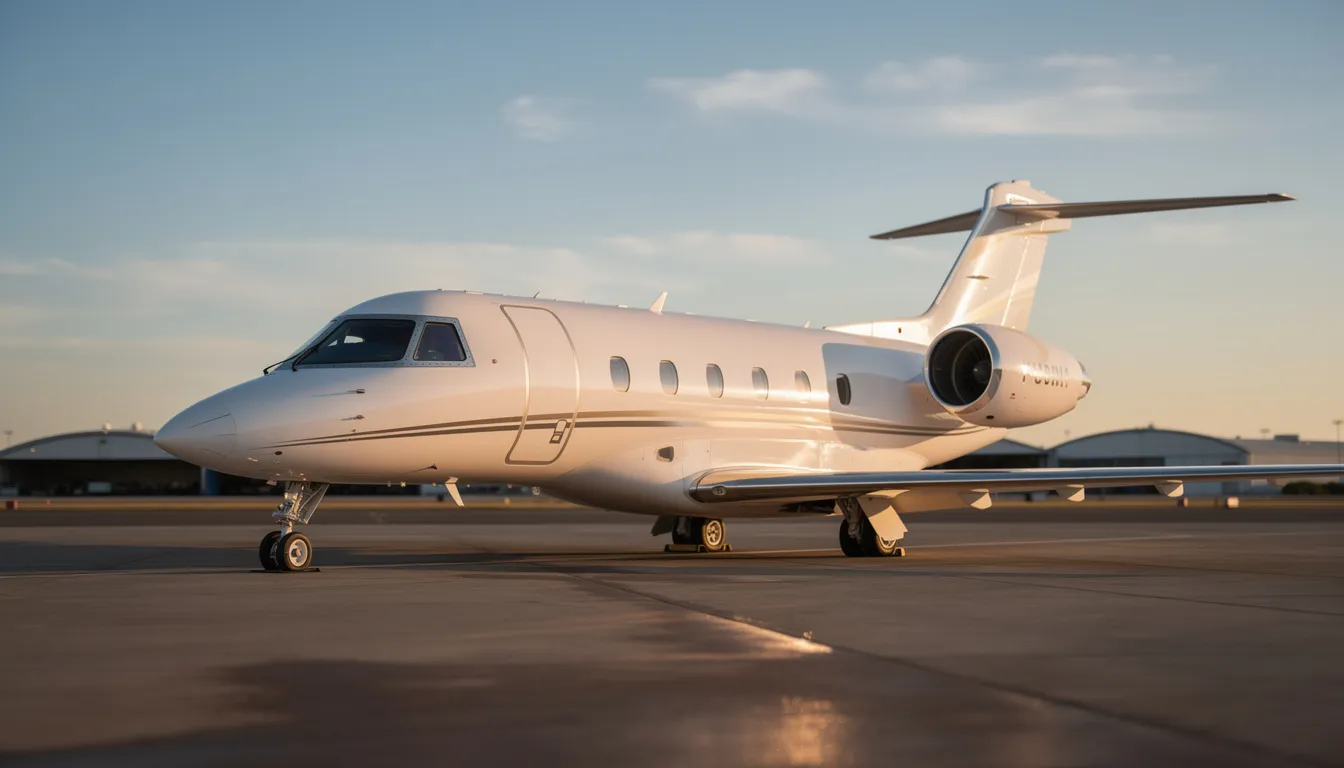
The Global Express 5000 was designed for long-haul missions requiring speed, payload capability, and a true stand-up cabin. As a large cabin, long-range business jet designed and manufactured by Bombardier Aviation, this airplane offers exceptional capabilities for intercontinental travel. It is commonly used for North America to Europe, transcontinental U.S. flights, and select transoceanic routes with favorable winds.
The aircraft’s published range is approximately 5,200 nautical miles under standard conditions, which is slightly less than the Global 6000's range of 6,000 nautical miles. High-speed cruise typically falls in the Mach 0.85 range, allowing efficient long-distance travel while maintaining schedule reliability. Both the Global 5000 and Global 6000 have a maximum speed of Mach 0.89.
The Global 5000 requires a takeoff distance of 5,540 feet, compared to the Global 6000's takeoff distance of 6,476 feet, highlighting its strong short-field performance and versatility for operations from shorter runways. Landing distance is also optimized for efficient and safe operations on a variety of runways.
The aircraft is designed to carry eight passengers comfortably on long-range missions, with seating and configuration tailored for both passenger comfort and operational efficiency.
The Bombardier Global 5000 features one of the largest cabins in its class, offering a passenger cabin that is both spacious and versatile. The cabin measures approximately 42.5 ft in length, 8.17 ft in width, and 6.25 ft in height, with a total volume exceeding 1,881 cubic feet. Notably, the Global 5000's cabin is considered the widest in its class, providing exceptional comfort and flexibility for passengers.
Typical seating configurations accommodate 12 to 14 passengers, with each seat designed for maximum comfort and adjustability. The aircraft configuration includes a three-zone layout: a forward club section, a mid-cabin conference area, and a private aft stateroom. This arrangement allows the passenger cabin to be separated into dedicated spaces for work, dining, and rest, supporting productivity on long flights without compromising comfort.
Most Global 5000 aircraft are equipped with Honeywell Primus 2000XP avionics suites. The Bombardier Vision flight deck, available on later Global 5000 models, is an advanced flight control system that enhances pilot interaction and safety. This Vision flight deck features Rockwell Collins Pro Line Fusion avionics, which provide synthetic vision capabilities. The advanced flight controls and avionics suite also include situational awareness systems such as synthetic vision, a Head-Up Display (HUD), and MultiScan weather radar. Later upgrades may include enhanced flight management systems, improved situational awareness tools, and modernized displays, depending on the year of manufacture and retrofit history.

The aircraft is powered by two Rolls-Royce BR710 turbofans. These engines are known for reliability, long on-wing intervals, and strong performance in hot-and-high environments. The integration of the fuel system with the BR710 engines ensures efficient operation and extended range.
While specifications vary slightly by serial number and upgrade status, several performance characteristics are consistent across the fleet.
Maximum takeoff weight is approximately 92,500 pounds, supporting long-range missions with full passenger loads. The empty weight of the Global Express is around 50,000 pounds, which is a key factor in determining payload capacity and overall performance. The service ceiling reaches 51,000 feet, allowing flight above most commercial traffic and weather systems.
Fuel capacity enables extended-range operations, while takeoff distances are typically under 6,000 feet at sea level under standard conditions. Landing distances are similarly manageable for large business jet operations, expanding airport access compared to larger ultra-long-range aircraft.
The aircraft's electrical system uses multiple transformer rectifier units (TRUs) to convert AC to DC power, ensuring reliable operation of avionics and cabin systems. Engine thrust from the BR710 engines supports balanced field performance and efficient climb profiles, particularly valuable for high-utilization operators.
The cabin pressurization system maintains a 4,500-foot cabin altitude up to FL 450, enhancing passenger comfort and meeting certification standards for high-altitude operations.
The Global 5000 cabin remains one of the defining strengths of the platform, featuring a dedicated crew rest area that is essential for long-haul missions and enhances operational flexibility. As part of its standard equipment, the aircraft includes advanced cabin management systems, comfortable seating, and rear lavatories to ensure passenger comfort and privacy. The cabin is equipped with state-of-the-art acoustical insulation, achieving a remarkably quiet noise level of approximately 52 decibels in cruise, which sets a high standard for in-flight comfort. Notably, the Global 6000 offers improved acoustical insulation compared to its predecessor, the Global Express XRS, further enhancing the passenger experience.
Most aircraft feature a three-zone layout consisting of a forward club seating area, a mid-cabin conference or dining zone, and an aft lounge or divan area that converts to sleeping accommodations. This layout allows simultaneous work and rest without compromise.
Standard galleys are equipped for long-haul catering, including convection ovens, refrigeration, ample storage, and dedicated beverage systems. These features support full-service inflight dining on intercontinental missions.
The aft lavatory is fully enclosed and often includes external servicing capability. Baggage compartments are accessible in flight on many configurations, a practical feature for long missions.
Most Global 5000 aircraft have undergone connectivity upgrades, including Ka-band or Ku-band satellite systems, cabin management systems, and high-definition entertainment displays. Buyers should assess upgrade history carefully, as connectivity standards continue to evolve.
When comparing the Global 5000 with the Global XRS, the differences are subtle but relevant, much like choosing between dedicated aircraft ownership and floating fleet options in fractional ownership, where flexibility and utilization drive the decision.
The Global XRS offers a longer published range, extending closer to 6,100 nautical miles, compared to the Global 5000’s approximately 5,200 nautical miles. For reference, the original Global Express has a range of 6,500 nautical miles (12,000 km) at Mach 0.80, surpassing both the Global 5000 and the Global XRS. This additional range can support longer nonstop routes, particularly westbound transatlantic missions.
The Global Express features a spacious cabin that can accommodate 12 to 16 passengers in three sections, providing flexibility and comfort for various mission profiles. The global XRS builds on this with improved capabilities and enhanced cabin features, positioning it as a high-performance, long-range business jet for both private and fleet operators.
Runway performance is similar between the two aircraft, although the Global XRS may require slightly longer takeoff distances at higher weights. Payload capabilities at maximum fuel are generally higher on the Global XRS, making it better suited for heavily loaded long-haul flights.
The Global Express is certified for Category II ILS approaches, enhancing its operational capabilities in low visibility conditions. Additionally, the Bombardier Enhanced Vision System (BEVS) is available for the Global Express and is certified for use during all phases of flight.
Cruise fuel burn differences favor the Global 5000 slightly, particularly on shorter long-range missions, which can translate into lower variable operating costs over time.
Operating economics play a critical role in determining whether full ownership, shared ownership, or fractional jet ownership structures are the optimal solution. The operation of the Bombardier Global Express 5000 involves a complex cost structure, with higher hourly operating costs—typically exceeding $10,000—compared to smaller or less efficient jets. Annual operating expenses for a Bombardier Global Express total approximately $3,211,621, which includes both variable and fixed costs. Variable costs are estimated at $5,158 per hour, with fuel costs representing the highest expense at $2,367 per hour and an annual fuel total of $946,800. Fixed costs, such as crew salaries and hangar fees, amount to $1,148,337 annually. Major inspections every 180 months can cost between $800,000 and $1.2 million, while two 8,000-hour engine overhauls can cost around $4 million. The total operating cost per hour for a Bombardier Global Express is approximately $5,158, translating to an annual total of $2,063,200 based on 400 hours of flight.
Annual fixed costs typically include crew salaries, training, insurance, hangar, data subscriptions, and scheduled maintenance planning. For a Global 5000, these costs commonly fall in the low-to-mid seven-figure range annually.
Variable costs scale with utilization and include fuel, maintenance reserves, parts, and handling fees. Hourly variable costs often range from several thousand dollars per flight hour, depending on fuel prices and maintenance program participation.
At approximately 400 flight hours per year, total annual operating costs for a Global 5000 can approach or exceed several million dollars when combining fixed and variable expenses. This utilization threshold is often used to compare full ownership against fractional jet ownership costs models.
Common strategies to manage costs include enrolling in comprehensive maintenance programs, optimizing mission planning, and managing crew schedules efficiently. For many owners flying fewer than 300 to 400 hours annually, fractional jet ownership as an investment can offer predictable costs, guaranteed availability, and reduced exposure to depreciation.
Depreciation trends for Global 5000 aircraft have historically been stable relative to newer ultra-long-range models. However, avionics relevance and connectivity upgrades play a significant role in maintaining resale value.
In the current pre-owned market, the inventory of Global Express aircraft has increased modestly, with 26 jets listed for sale. The starting price for a 2002 model that underwent refurbishment is $9,750,000. The financial year of 2024 saw a notable surge in sales of pre-owned Global Express aircraft, with reduced supply and rising prices throughout the year. However, prices for pre-owned Global Express aircraft are expected to soften in 2025, with an anticipated 8% fall in asking prices for general aviation aircraft models.
Bombardier offers Certified Pre-Owned (CPO) options from its premium class of pre-owned aircraft, including the latest production model variants. Fractional jet ownership financing options and traditional aircraft financing and leasing options are available, providing flexibility for buyers. Prospective buyers should also consider tax implications and registration fees, which vary depending on location and intended use, as well as whether a structure such as 1/8th fractional jet ownership delivers sufficient hours relative to their mission requirements.
Fuel typically represents the largest variable expense, with hourly fuel burn influenced by mission length, altitude, and speed selection. Maintenance costs include engine reserves, airframe inspections, and parts replacement.
Crew-related expenses per hour include duty pay, accommodations, and international handling support. Ground handling, navigation fees, and overflight permits also contribute to hourly operating costs, particularly for international missions. Depending on operator location and regulatory environment, there may be limited means of compliance or reporting requirements for certain variable operating expenses.
The preowned market for Global Express 5000 aircraft remains active, with pricing influenced by year, total time, engine program enrollment, and avionics configuration. Prices typically range in the mid-to-high teens, with well-upgraded aircraft commanding premiums.
When contrasted with the total cost of fractional jet ownership, buyers should evaluate not only acquisition cost but also long-term capital exposure, residual risk, and liquidity.
Bombardier’s Certified Pre-Owned programs offer enhanced inspection standards, extended warranties, and structured support, reducing risk for first-time buyers.
Financing is commonly available through aviation lenders, with terms influenced by aircraft age, maintenance program participation, and market conditions.
U.S.-based buyers should consider sales and use tax exposure, depreciation strategies, and potential advantages of fractional ownership structures that simplify compliance.
The Global Express platform evolved significantly over time. The XRS introduced increased range and performance refinements. The Global 6000 added improved avionics, cabin enhancements, and reliability upgrades.
Later developments include the Pearl-engine-equipped Global 5500 and 6500, offering improved fuel efficiency and lower emissions. The Global 7500 and 8000 expanded the family into larger, longer-range aircraft designed for the most demanding missions.
Long-range mission planning requires careful fuel management, weather analysis, and alternate airport planning. Operators who operate the Global Express 5000 on these missions must also consider regulatory requirements for crew composition, which typically includes an additional crew member for passenger-carrying flights under certain regulations. Pilots of the Global Express and Global 5000 share the same type rating, allowing them to operate both aircraft without additional simulator procedures. However, different training is required for pilots transitioning between these variants, with recurrent training covering aircraft differences at a minimum of level 'A', as established by Transport Canada’s specific training, checking, and currency requirements for pilots operating these aircraft. The FAA plays a key role in the certification and operational evaluation of the Global Express series, ensuring compliance with U.S. standards. Government agencies are among the operators of these aircraft, often requiring specialized training and compliance for official missions. Seven Aviation is an example of an operator with a global presence, providing premium connectivity and services.
Maintenance scheduling plays a critical role in dispatch reliability, particularly for operators flying frequent intercontinental routes.

A thorough airframe inspection should assess structural integrity, corrosion status, and maintenance history. Systems checks should include avionics functionality, pressurization, and environmental controls.
Avionics upgrades often deliver the highest return on investment, particularly for navigation compliance and connectivity. Cabin refurbishment budgets should account for soft goods, cabinetry, and in-flight technology.
Participation in maintenance programs such as Smart Services can reduce cost variability and support long-term asset value.
The Bombardier Global Express 5000 remains a capable and respected option in the long-range business jet market. Its balance of range, cabin comfort, and operating economics continues to appeal to discerning buyers.
Authoritative resources include certification data from aviation authorities, Bombardier technical publications, and independent market reports. Prospective buyers are encouraged to consult with experienced brokers or explore alternative access models.
For individuals and organizations evaluating whether full ownership, preowned acquisition, or top fractional jet ownership programs best align with their travel needs, expert guidance is essential.
Ready to explore the smarter way to fly private? Visit https://www.fractionaljetownership.com/ to learn how fractional ownership can transform your travel strategy while delivering flexibility, efficiency, and cost clarity.
