
May 4, 2026
For executives and frequent travelers evaluating private aviation options, understanding the real cost of a NetJets 25-hour card is essential before committing capital. As a leading private aviation company, NetJets offers the 25-hour jet card—a flexible, pre-paid aircraft usage package that provides a set number of flight hours for various aircraft types, making it suitable for everything from short regional trips to long-haul international flights. This guide breaks down current pricing across aircraft categories, explains what’s included (and what isn’t), and compares jet card programs to fractional jet ownership alternatives.
As of 2025, the starting price for a NetJets 25 Hour Card is approximately $208,050. This private jet card offers predictable pricing and fixed costs for specific flying needs, including 25 hours of flight time and 290 days of annual access each year. The NetJets 25 Hour Card is designed for frequent flyers who fly private fewer than 50 hours per year, providing flexibility and the ability to avoid blackout dates, immediate entry to the finest fleet, and guaranteed access without a long-term commitment, high acquisition cost, or significant capital expenditure. It's important to note the contract end date, as any unused hours typically expire if not used within the contract period.
The cost of a NetJets jet card varies significantly based on aircraft type, with light jets typically costing around $205,000 for 25 hours, midsize jets approximately $250,000, and heavy jets ranging from $330,000 to $500,000 depending on the model and market conditions. For concrete benchmarks: a Phenom 300 light jet runs approximately $205,000–$210,000, a Citation Latitude midsize jet starts around $250,000+, and large cabin aircraft like the Gulfstream G450-class begin at $400,000 or higher.
Critically, the NetJets cost typically covers fixed costs such as maintenance, insurance, and ongoing upgrades, but headline prices usually exclude the 7.5% Federal Excise Tax, monthly fuel surcharges, and certain peak-day premiums. This means effective all-in costs per hour run meaningfully higher than base marketing figures. NetJets offers several private jet card options, including the 25 Hour Card, One Card, and customized card programs, each designed to accommodate different flying habits and budgets, and can be tailored for specific flying requirements.
When comparing NetJets to other private jet companies such as Magellan Jets and Sentient Jet, differences in pricing structures, immediate entry, ability to avoid blackout dates, and access to the finest fleet become apparent. Other private jet companies may pass on additional fees or have different levels of annual access and flexibility.
While NetJets sets an industry benchmark, BlackJet Fractional Jet Ownership specializes in fractional aircraft ownership and membership models that can deliver more cost-effective solutions for travelers flying 25–150 hours annually, similar to other top fractional jet ownership programs for smart investors.
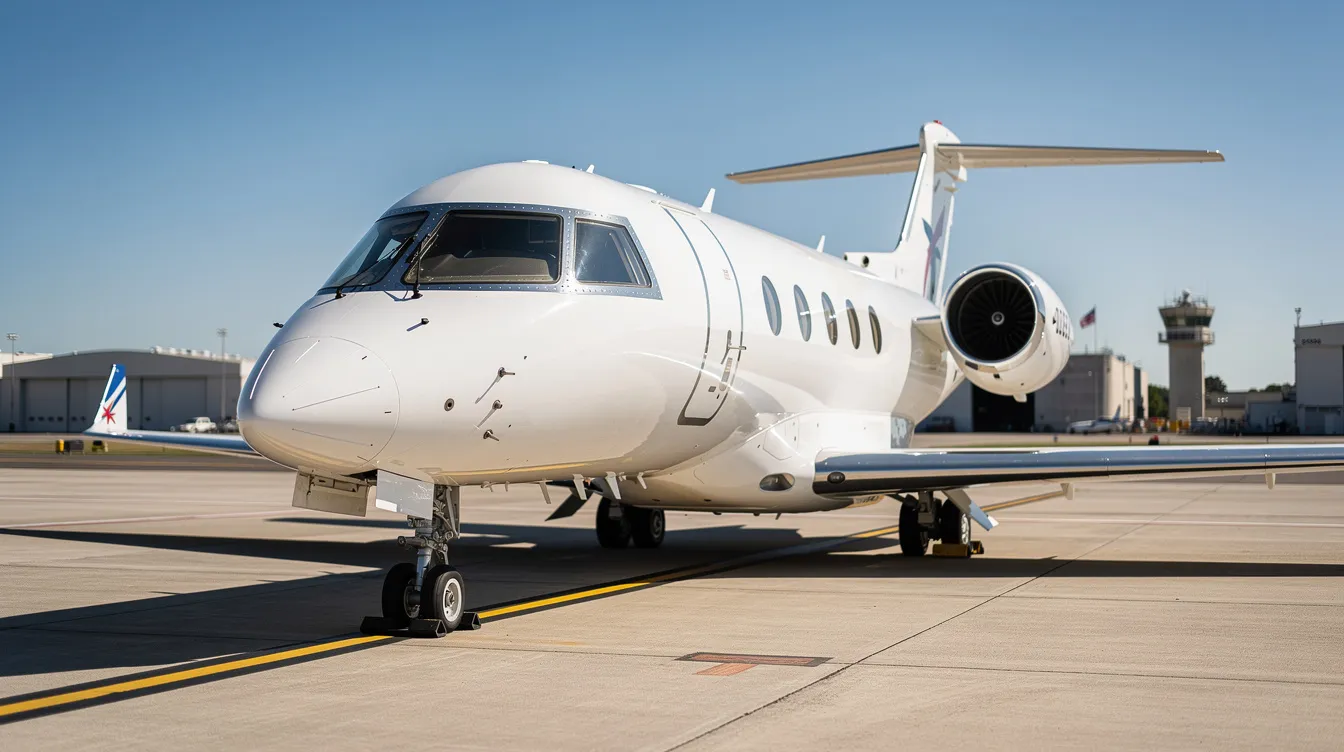
A NetJets 25-hour card is a pre-purchased block of flight hours on a specific aircraft category, with guaranteed availability and access to the extensive NetJets fleet. Cardholders can choose from a variety of aircraft options—including light jets, midsize jets, super midsize jets, and large cabin jets—ensuring the right fit for different trip lengths and passenger needs. Rather than paying per trip or owning an aircraft outright, cardholders buy 25 hours upfront and draw down that balance based on actual flight time plus taxi time—not calendar days or miles flown.
NetJets structures its offerings across multiple flavors: the classic 25-Hour Card, Share355L 25-hour leases, and region-specific products like the European Jet Card. All operate on the same core prepaid hours concept, providing jet card holders with access to a global fleet of over 750 aircraft, ensuring a wide range of options for different travel needs.
The jet card model allows for no long-term commitments, offering greater flexibility compared to other private aviation options. Cardholders benefit from NetJets guarantees, which ensure aircraft availability and consistent service quality—even if the originally requested aircraft is unavailable, a similar or better alternative is provided at no extra cost. This convenience is part of what the premium price buys. For those seeking different structures, NetJets also offers lease programs, such as the NetJets lease, which provide fixed-term, predictable rates without large upfront payments. BlackJet offers similar guaranteed-access solutions through fractional ownership programs with detailed cost structures and reserve-hour options, often with additional equity and tax benefits for consistent flyers.
NetJets pricing is tiered by aircraft size, reflecting the significant cost differences between light jets, midsize and super-midsize jets, and large jets. As a leading private aviation company, NetJets offers a diverse fleet—often described as one of the finest fleets in the industry—that includes light jets, midsize jets, super-midsize jets, and large jets. Large jets, such as the Challenger 350 or Gulfstream G450, are ideal for long-haul and high-capacity travel, offering greater range, luxury, and passenger capacity compared to smaller aircraft options.
All figures below draw from recent public data and industry comparisons through late 2024–early 2025. Prospects should treat these as guideposts and request formal quotes, as NetJets adjusts rates for demand, fuel, fleet mix, and variable expenses such as landing fees, which can affect the total cost.
Light jets, such as the Embraer Phenom 300, are ideal for short regional trips and typically accommodate up to six passengers. For travelers seeking efficient short-haul flights, a light jet 25-hour card can be the perfect solution, representing the lowest-cost entry into NetJets’ 25-hour programs and perfect for flights of 1–3 hours.
A 25-hour NetJets card or lease on a light jet has recently ranged from $190,000 to $220,000 before taxes and fuel surcharges, with most references citing $205,000–$210,000 for a Phenom 300. This translates to approximately $7,500–$8,500 per flight hour base rate, excluding FET and variable fuel adjustments.
Common use cases include monthly business shuttles between cities like New York–Boston, Los Angeles–San Francisco, or Dallas–Houston, where some flyers may instead prefer fractional ownership of efficient turboprops like the TBM 850 for regional missions. BlackJet’s reserve-hour and fractional light jet solutions deliver similar mission profiles, often with lower all-in hourly costs once fixed ownership benefits are factored in for frequent travelers.
Midsize jets, like the Cessna Citation Latitude, are designed for medium-range flights and can comfortably carry small groups, making them suitable for business travel. This category serves 4–8 passengers on U.S. coast-to-coast or longer North American missions.
NetJets benchmarks show Citation Latitude 25-hour packages commonly cited around $250,000+, while super-mids like the Challenger 350 historically fall in the $300,000–$350,000 range—comparable in mission profile to fractional Falcon 2000EX super-midsize ownership offerings. This translates to roughly $10,000–$14,000 base per flight hour before FET and surcharges.
This tier is the most popular among executives regularly flying routes such as New York–Los Angeles, Chicago–San Francisco, or Miami–Denver. Notably, midsize and super-midsize ownership via BlackJet’s Equity Fleet becomes more economical than a NetJets card once annual utilization exceeds approximately 50–75 hours, especially when you factor in fractional jet ownership financing options and structures, equity appreciation, and potential tax advantages.
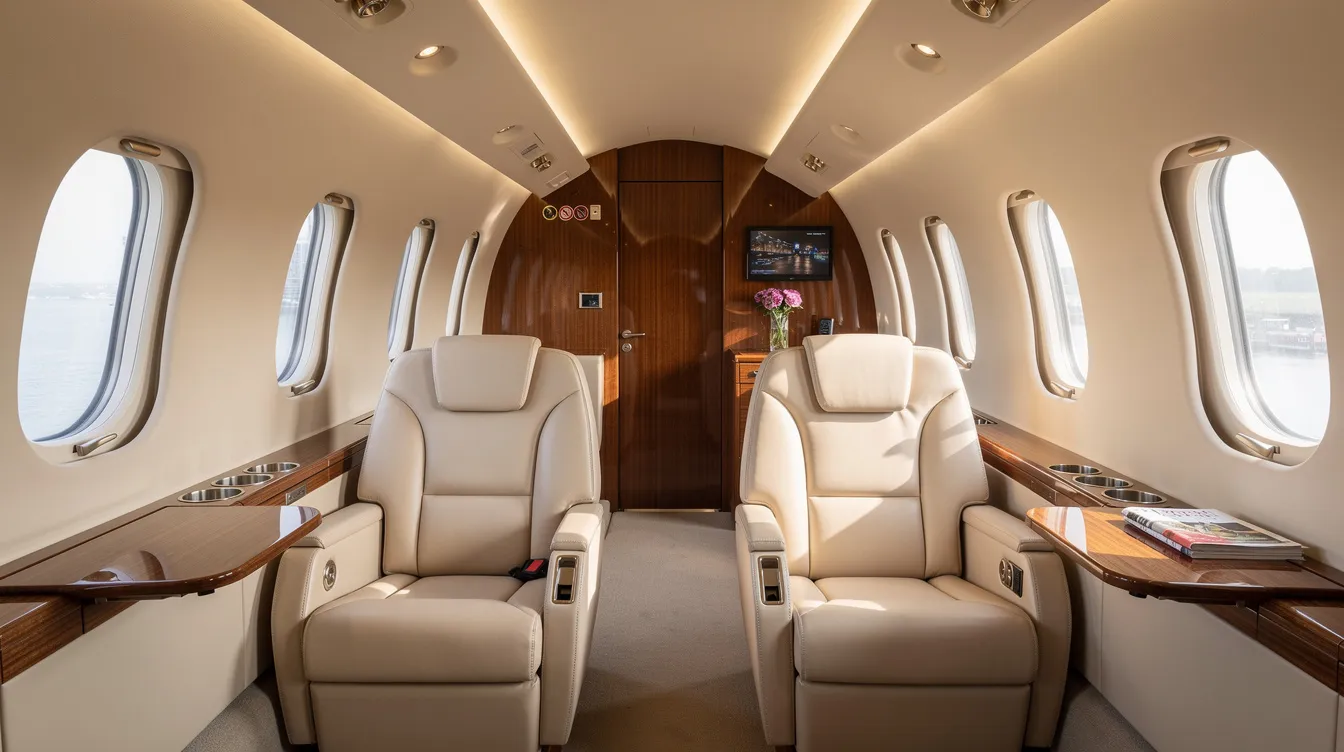
Heavy jets, such as the Gulfstream G450, are built for long-haul flights, providing maximum comfort and capacity for international travel. These large cabin aircraft accommodate 8–14 passengers for transatlantic flights and high-level corporate missions.
Historic public data places a 25-hour Gulfstream G450-style program around $400,000 or more, with some heavy jet programs approaching or surpassing $500,000 for 25 hours, depending on configuration. This equates to $16,000–$20,000+ per flight hour in base cost before tax and surcharges.
At this tier, many corporations and high-net-worth individuals begin comparing NetJets cards to outright fractional ownership or dedicated corporate lift. BlackJet’s fractional large-cabin solutions can be structured to deliver similar mission reliability with ownership upside and corporate-use tax planning benefits for U.S.-based businesses.
“25 hours with NetJets” can mean different product structures, each with distinct terms:
Product | Annual Access | Blackout Days | Peak-Day Rules |
|---|---|---|---|
25-Hour Card | ~275–290 days | 10–35 days | Standard surcharges apply |
Share355L Lease (NetJets Lease Program) | Similar to a card | ~10 days | ±3-hour departure adjustments on ~80 peak days |
European Jet Card | Region-specific | Varies | Euro-denominated, different tax treatment |
NetJets offers both jet cards and lease programs. The 25-Hour Card provides predictable pricing with fixed hourly rates, annual access to ~275–290 days, and the ability to avoid blackout dates on most days, making it attractive for those seeking flexibility without a long-term commitment. In contrast, NetJets lease programs like the Share355L Lease (a NetJets lease) are designed for higher-usage travelers, typically requiring a long-term commitment and offering predictable rates, but with fewer blackout days and specific peak-day rules. Lease programs and fractional ownership generally require a longer contract period, while jet cards do not, and prospective owners should review an aircraft fractional ownership sample contract to understand how rights and responsibilities are allocated, along with essential liability and insurance coverage considerations in fractional jet ownership
The contract end date is important: unused hours on a 25-Hour Card typically expire if not used by the contract end date, whereas some lease or ownership programs may offer different rollover options. European Jet Cards are tailored for intra-European travel, with region-specific annual access calendars and VAT considerations.
BlackJet structures comparable access windows in its Reserve Fleet and Equity Fleet programs, emphasizing predictable access, predictable pricing, and the ability to avoid blackout dates for core business routes, while also guiding clients on selling an existing fractional jet ownership share if clients need to transition.
NetJets jet card pricing includes a straightforward model where customers pay for the hours needed without minimum flight charges, making it more transparent compared to traditional charter services that may have fluctuating rates based on demand. The NetJets private jet card offers fixed hourly rates, allowing for accurate budgeting and financial planning for travelers.
Aircraft and FAA Part 135 certified pilots/crew
Standard maintenance and insurance
Basic fuel allocation
24/7 scheduling support
Wi-Fi on many aircraft types
Federal excise tax (7.5% on domestic flights)
Monthly fuel surcharges
Peak-day premiums
Premium catering and specialty services
A $10,000 base hour can become $11,000–$12,000 after tax and surcharges on a typical U.S. domestic trip. BlackJet structures its fractional programs with a monthly management fee that covers maintenance, insurance, and upgrades, plus variable hourly rates, providing transparent and predictable pricing for annual budgeting and aligning with key fractional jet ownership terms and definitions.
The Federal Excise Tax (FET) is a mandatory 7.5% tax applied to all domestic flights in the United States. The Federal Excise Tax (FET) is typically not included in the base price of a NetJets jet card, adding a substantial amount to the final bill based on travel itinerary and flight time.
For a $200,000 25-hour program, FET alone adds approximately $15,000+, pushing the effective cost to $215,000+. Segment fees and minor federal charges may apply depending on routes. FET doesn’t apply to all international itineraries, but cross-border routings can introduce country-specific taxes.
Financially sophisticated readers should model all-in costs with FET—not just headline rates—before comparing jet cards with fractional ownership total cost calculations or charter. BlackJet’s U.S. programs are also subject to FET where applicable, and advisory teams help clients structure usage patterns for optimal tax efficiency.
Fuel surcharges may apply to NetJets jet card programs depending on market fluctuations, which can significantly increase overall costs during periods of high fuel prices. These monthly adjustments reflect jet fuel price movements separate from contracted base hourly rates.
Peak day surcharges may be imposed on certain days when demand for private jets is highest, such as during major holidays or events, which can increase the total cost of using a NetJets jet card. Jet card programs from NetJets may include blackout dates, which are periods when cardholders may not have guaranteed access to their preferred aircraft due to high demand.
For example, a midsize jet hourly cost might increase by several thousand dollars on a Thanksgiving or Christmas peak day versus a standard weekday—potentially adding 10–20% to that leg’s cost.
Beyond sticker price, contract terms in private and fractional jet agreements significantly affect effective per-hour costs for private jet travel:
Daily Minimums: Many private jet companies historically charged 60–90 minute daily minimums. NetJets has removed daily minimums on aircraft types, including the Phenom 300, Citation XLS, and Latitude, making short-haul trips more economical.
Callout Times: Jet card holders enjoy guaranteed aircraft access within 4–24 hours, providing flexibility for last-minute travel plans. Peak periods may require longer notice.
Blackout and Peak Days: Low-cost products like NetJets One Card or Share355L have more restrictions. Travelers who cannot take critical trips should factor this into their decision.
Repositioning: NetJets jet card holders benefit from no repositioning fees within standard service areas, making travel more cost-effective. This saves $3,000–$15,000 per leg versus many on-demand charter providers within the collective service area.
BlackJet structures minimums and callouts for fractional owners to prioritize shorter notice and fewer blackout constraints, particularly for Equity Fleet clients leveraging floating fleet-style access to a wider range of aircraft with predictable schedules.
Understanding where NetJets cards fit in the broader private aviation landscape helps discerning travelers make informed decisions. NetJets programs are comprehensive, customizable solutions offering a range of aircraft categories and flexible cost structures for short, medium, and long-haul flights. Other private jet companies, such as Magellan Jets and Sentient Jet, also provide jet card and membership programs, each private aviation company structuring its offerings differently in terms of pricing, access, and flexibility, just as fractional jet ownership services in Atlanta tailor solutions to local demand. These companies may pass on fees like repositioning and have varying fleet sizes, which can impact the overall value and experience, and regional markets, such as Pittsburgh-focused fractional jet ownership platform,s also differentiate through service and cost structure. Across all providers, the quality of pilots and crews dedicated to safety and service remains a critical factor in the private aviation experience.
Option | Typical Cost/Hour | Best For | Key Trade-offs |
|---|---|---|---|
Ad-hoc Charter | $7,000–$15,000 | Occasional trips | No guarantees, repositioning costs |
NetJets 25-Hour Card | $8,000–$20,000 | Under 50 hours/year | Higher hourly rate, but guaranteed |
NetJets Share/Lease | $6,000–$12,000 | 50–150 hours/year | 36–60 month commitment |
BlackJet Fractional | Varies by program | 25–150 hours/year | Ownership benefits, tax advantages |
NetJets cost per hour is typically higher than many ad-hoc charters, but frequent flyers benefit from guaranteed availability, consistent safety standards, and no repositioning fees. Other private jet companies like Magellan Jets and Sentient Jet may offer lower hourly rates, but often with trade-offs in access or additional fees. Fractional ownership with BlackJet serves travelers who consistently use 25–150 hours annually and want capital efficiency, tax planning potential, and the finest fleet options that jet cards alone cannot provide, especially for those considering 1/8th fractional jet ownership structures
For specific flying needs, each private aviation company offers tailored solutions to match usage patterns and preferences.
A 25-hour NetJets card makes sense for sporadic C-suite travel, testing private flying for a year, or supplementing a corporate flight department with guaranteed backup lift. The flexible solution works well for unpredictable travel plans.
Fractional jet ownership wins on value when executives or families fly 4–10 hours per month, multi-office corporations need predictable monthly budgets, or businesses want tax-depreciable assets. At around 50–75 flight hours annually, many clients find that the higher hourly costs of jet cards begin to outweigh simplicity.
BlackJet can model side-by-side cost comparisons—card versus fractional versus charter—tailored to a client’s actual travel patterns domestically and internationally, helping evaluate fractional jet ownership as an investment.
Light jet 25-hour cards start around $205,000–$210,000
Midsize jet programs begin at approximately $250,000+
Heavy jets range from $330,000 to $500,000+
All figures exclude FET, fuel surcharges, and peak premiums
Real-world all-in costs depend on aircraft type, fuel environment, FET, peak-day usage, and flight frequency. While NetJets sets a widely recognized benchmark for jet card pricing, fractional aircraft ownership and structured membership programs can be more cost-effective for 25–150 hours of consistent annual flying.
If you’re evaluating a 25-hour NetJets card, request a detailed quote, then compare it with a fractional ownership analysis or a comparison of BlackJet’s Reserve Fleet, Equity Fleet, and Lease Program to understand the total cost of ownership versus pay-as-go hours.
Ready to explore the smarter way to fly private? Visit FractionalJetOwnership.com to explore BlackJet’s Equity and Reserve Fleet programs, request a personalized cost comparison, and speak with an aviation advisor about structuring your private aviation strategy.
The NetJets 25-Hour Card provides 25 prepaid flight hours on a specific aircraft category. These hours are deducted based on actual flight time plus taxi time, allowing flexible use within the contract period.
No, NetJets does not charge repositioning fees within its standard service area. This policy helps reduce direct operating costs and makes pricing more predictable compared to many charter providers.
Besides the base price, additional costs typically include the 7.5% Federal Excise Tax (FET), monthly fuel surcharges that fluctuate with market prices, and possible peak-day premiums during high-demand travel periods.
Generally, unused hours on a NetJets 25-Hour Card expire at the end of the contract period. This differs from some fractional ownership programs where unused hours may roll over.
NetJets guarantees aircraft availability with as little as 4 to 48 hours’ notice, depending on the program, offering flexible schedules and access to a vast fleet of over 750 aircraft worldwide.
Cardholders can select from a diverse fleet, including light jets, midsize jets, super-midsize jets, and large cabin heavy jets, enabling tailored solutions for different trip lengths and passenger needs.
The 25-Hour Card offers flexibility without long-term commitments, ideal for travelers flying fewer than 50 hours annually. Fractional ownership becomes more cost-effective for those flying 50–150 hours per year, providing equity benefits and potentially lower direct operating costs.
Yes, NetJets provides transparent pricing with fixed hourly rates and no minimum flight charges, helping customers budget accurately without unexpected additional fees.
Choosing the right private aviation solution depends on your specific travel frequency, budget, and flexibility needs. The NetJets 25-Hour Card offers a compelling entry point for executives and individuals flying fewer than 50 hours annually, providing predictable pricing, guaranteed access to a premier fleet, and no long-term commitments. However, understanding the full cost—including taxes, fuel surcharges, and potential peak-day fees—is essential to making an informed decision.
For travelers flying more frequently or seeking ownership benefits, fractional jet ownership through programs like those offered by BlackJet Fractional Jet Ownership can deliver greater value, cost efficiency, and tax advantages. BlackJet’s tailored fractional ownership and membership programs combine advanced technology, predictable access, and flexible solutions designed for 25 to 150 flight hours annually, making them a strong alternative to jet card programs.
Whether you are exploring a NetJets jet card or considering fractional ownership, partnering with a trusted aviation advisor can help you navigate the complexities of private air travel and select the option that best fits your lifestyle and business needs.
Ready to explore smarter, more flexible private aviation solutions? Visit FractionalJetOwnership.com to learn how fractional ownership and jet card programs can transform your travel experience with transparency, convenience, and unparalleled service.
