May 1, 2026
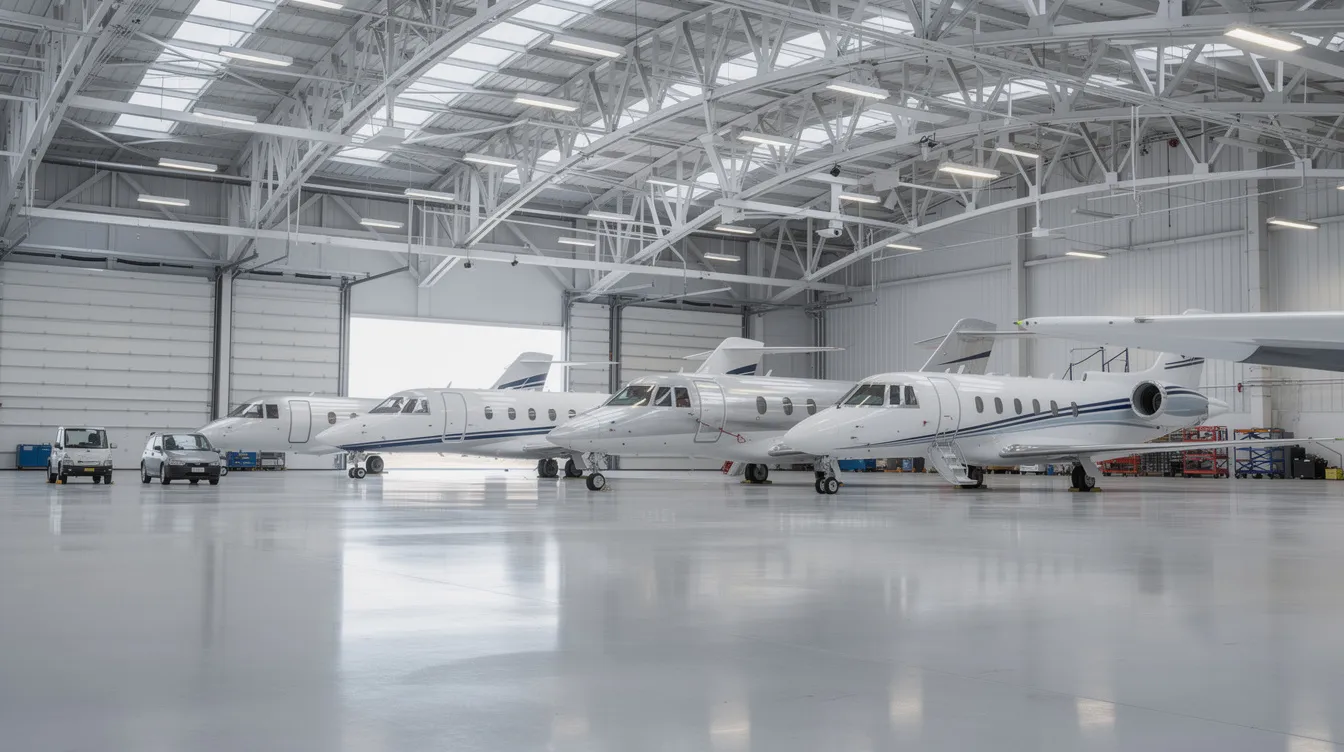
The question of how much a personal airplane costs rarely has a simple answer. Whether you’re eyeing a classic Cessna 150 or a sleek Phenom 300 light jet, the initial purchase price represents just one piece of a much larger financial picture. For prospective aircraft owners in 2026, understanding the full scope of acquisition, financing, and ongoing expenses is essential before signing any paperwork.
This guide breaks down real-world costs across aircraft categories, explains what drives expenses beyond the sticker price, and helps you determine whether whole ownership, fractional ownership, or on-demand charter makes the most financial sense for your flying needs.
The 2026 personal airplane market spans a remarkably wide range. Ultralight aircraft start as low as $8,000 to $25,000 for basic single-seat models suitable for personal recreation. Single-engine piston planes—the workhorses of private aviation—range from $80,000 to $150,000 for used examples and climb to $400,000 to $600,000 for new production aircraft. Higher performance planes like the Cirrus SR22 G6 command $800,000 to over $1 million new.
Moving into turboprops, expect to pay $700,000 to $1.2 million for used models like the Beechcraft King Air 100, escalating to $4.5 million to $5 million for new Pilatus PC-12 NG variants. Light jets for personal travel—including the Cessna Citation Mustang and Embraer Phenom series—range from $1.5 million used to $12 million or more for factory-new examples with advanced avionics.
Here’s what catches many first-time buyers off guard: ongoing costs often exceed the purchase decision in total financial impact over 5-10 years. A typical U.S.-based owner flying a simple single-engine aircraft 80-120 hours annually should budget $8,000 to $12,000 per year in fixed and variable expenses. For a small plane in the light jet category flown 150 hours yearly, all-in costs surge to $80,000 to $150,000 or more—and that’s before accounting for crew salaries.
For those who value jet-level comfort and speed but only need 25-150 flight hours annually, BlackJet Fractional Jet Ownership offers an alternative that eliminates the capital burden and management complexity of owning a small aircraft outright, and provides resources that explain the full cost structure of fractional jet ownership.
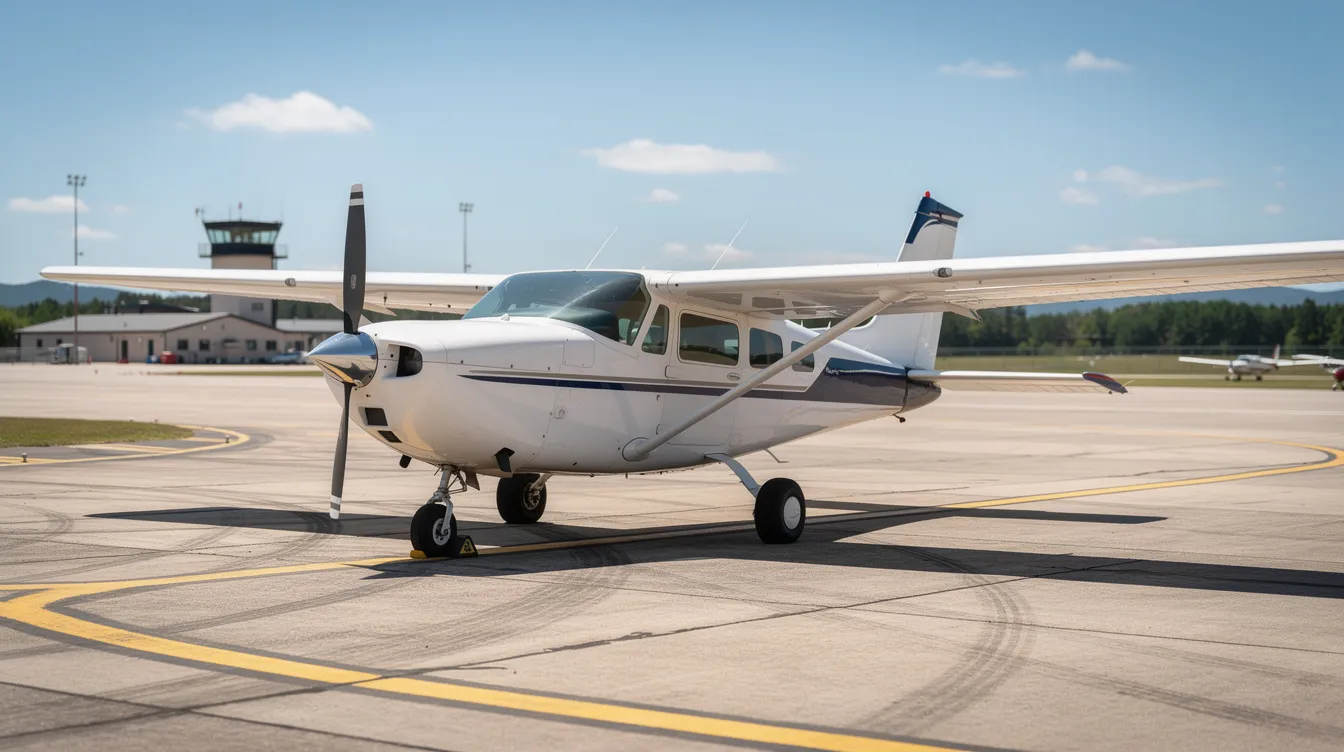
Acquisition cost serves as the starting point for any airplane purchase, though it’s far from the total cost. Most buyers begin by comparing aircraft categories and headline prices to understand what fits their intended use and budget.
Aircraft Type | Typical Price Range (USD) |
|---|---|
Ultralights and Experimental Kits | $8,000 to $80,000+ |
Legacy Piston Singles | $30,000 to $250,000 |
New Production Piston Singles | $400,000 to $600,000 |
High-Performance Pistons | $800,000 to $1 million+ |
Single and Multi-Engine Turboprops | $2.5 million to $6 million |
Light Jets | $3 million to $12 million+ |
Ultralights and experimental kits are entry-level aircraft, often used for personal recreation and flight training. They are typically single-seat or two-seat planes, with basic instrumentation and limited range.
Legacy piston singles include used models such as the Cessna 150/152, Cessna 172, and Piper Cherokee. Prices vary from $30,000 to $250,000 depending on age, condition, and avionics.
Engine and Propeller Time Since Overhaul: The Time Between Overhaul (TBO) for aircraft engines is typically around 2,000 hours; nearing this limit can reduce the aircraft’s value significantly.
Damage History: Aircraft with a history of damage can see a devaluation of 20% to 50%.
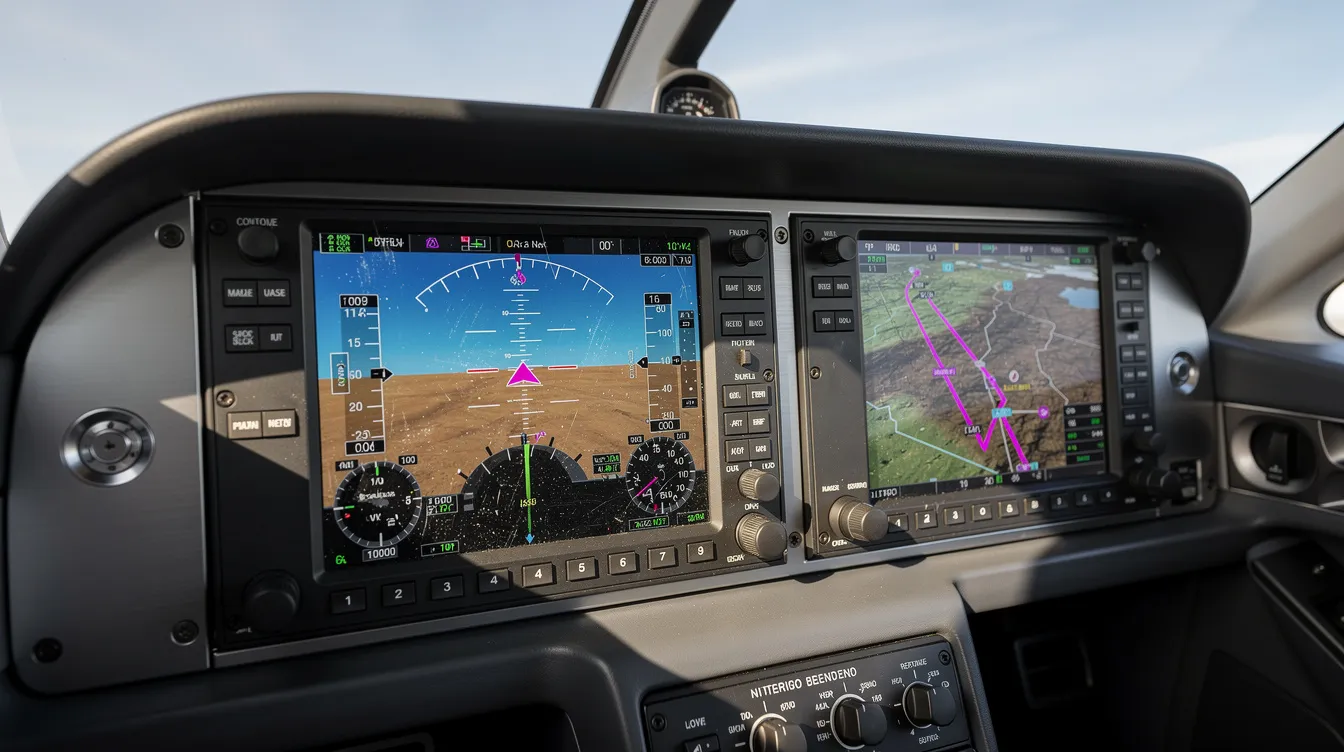
Avionics Suite: The type of avionics (steam gauges vs. glass cockpit with Garmin G1000 or similar) can significantly affect value.
Aircraft Condition and Damage History: Including interior and paint, as well as any previous incidents or repairs.
New production piston singles, such as the latest Cessna 172S, are priced between $400,000 and $600,000 for standard models. These aircraft offer modern avionics, improved safety features, and warranty coverage.
High-performance pistons, like the Cirrus SR22 G6, command $800,000 to $1 million+ new. These aircraft offer advanced avionics, higher cruise speeds, and enhanced safety systems.
Single and multi-engine turboprops, such as the Pilatus PC-12, TBM 960, and King Air, range from $2.5 million to $6 million. These aircraft are favored for their reliability, range, and ability to operate from shorter runways.
Light jets, including the Citation M2, Embraer Phenom 100/300, and HondaJet, are priced from $3 million to $12 million+ for used or new models. They offer jet-level speed and comfort for personal and business travel.
Several factors can shift prices by hundreds of thousands of dollars within any category:
Year of manufacture and total airframe hours
Engine and propeller time since overhaul (critical for pistons and turboprops). The Time Between Overhaul (TBO) for aircraft engines is typically around 2,000 hours; nearing this limit can reduce the aircraft’s value significantly.
Avionics suite (steam gauges vs. glass cockpit with Garmin G1000 or similar)
Aircraft condition and damage history, including interior and paint. Aircraft with a history of damage can see a devaluation of 20% to 50%.
Many private pilots start with pre-owned piston singles in the $50,000 to $200,000 bracket to learn real-world ownership costs before upgrading. Corporations and high-frequency travelers often enter directly at the turboprop or light jet level, where well-maintained aircraft provide reliability for business purposes.
The choice between new and used aircraft involves practical trade-offs beyond the headline purchase price.
Typical Price Deltas:
New Cessna 172S: mid-$400,000s | 1990s model: under $200,000
New TBM 960 or PC-12: $4 million to $6 million | Well-kept older examples: $2.5 million to $4 million
New light jets: $7 million to $12 million | Early 2010s examples: $3 million to $6 million
Pre-owned aircraft often require immediate investment. Avionics upgrades to meet ADS-B compliance can cost $10,000 to $50,000 for pistons. Turboprops and jets may need $50,000 to $300,000 in catch-up maintenance—including engine overhauls, propeller work, and interior refreshes—within the first 2-3 years.
A thorough pre-purchase inspection is essential. This includes logbook review, engine borescope, and third-party appraisal. Reputable maintenance centers and brokers coordinate these inspections to identify hidden corrosion or compliance issues before purchase.
Buyers prioritizing predictable reliability and warranty coverage often prefer factory-new or nearly-new aircraft, while value-focused buyers accept more routine maintenance risk in exchange for lower capital outlay.
Upgrade budgets matter even for “affordable” airplanes. Modern aircraft systems and refreshed cabins impact safety, comfort, and market value at resale. The market demand for specific aircraft models can influence their resale value; popular models tend to retain their value better than obscure ones.
Common Avionics Upgrades (2026 Ballpark Costs):
Modern IFR GPS (Garmin GTN 750): $10,000 to $20,000
Full glass cockpit retrofits on pistons: $50,000+
Digital autopilot systems: $15,000 to $30,000+
ADS-B In/Out compliance: $3,000 to $10,000
Cabin and Interior Work:
Reupholstered seats, new sidewalls, LED lighting: $5,000 to $25,000 for pistons
Executive interiors on turboprops and jets: significantly higher
Air-to-ground Wi-Fi or satellite connectivity: six-figure installation plus $1,000+ monthly fees
These upgrades form part of the true cost of buying used. Fractional programs like BlackJet’s Equity Fleet typically deliver aircraft already equipped to modern business standards, reducing surprise upgrade budgets for owners.
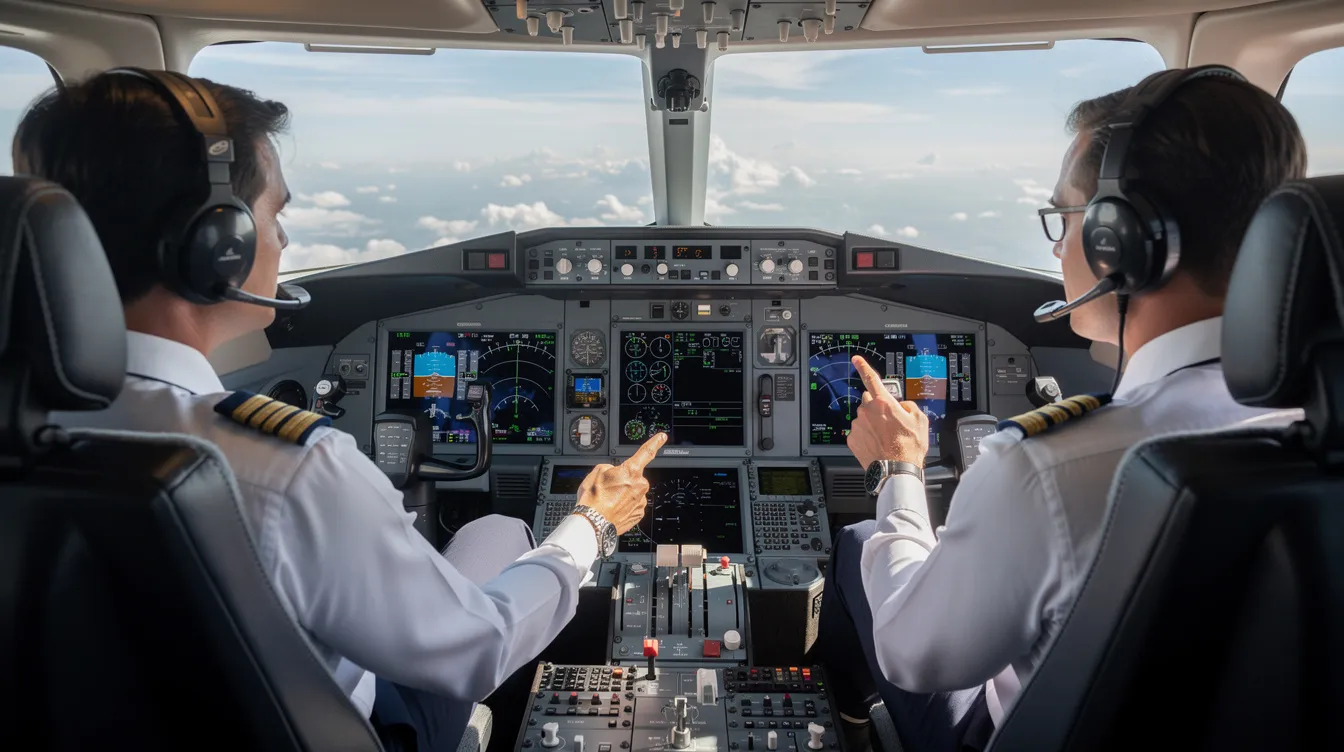
Regardless of aircraft price, owners who intend to fly themselves must budget for pilot training, certification, and recurrent proficiency—including obtaining and maintaining a pilot's license, which involves initial certification costs and ongoing education requirements.
2026 U.S. Private Pilot License Costs:
Ground school and study materials: $2,000 to $4,000
Aircraft rental (50-70 hours in training aircraft): $150 to $250 per hour flown
Instructor time: $50 to $100 per hour
Written test and checkride: approximately $1,000
Total PPL cost: $10,000 to $20,000
Additional ratings add to the overall cost:
Instrument rating: $10,000 to $15,000
Multi-engine rating: $5,000 to $10,000
Jet type ratings (at centers like FlightSafety International): $15,000 to $20,000+
Insurers often require 500 to 1,000 total flight hours and recurrent training programs costing $2,000 to $5,000 every 24 months for pilots of higher-performance planes. The pilots' association and pilot institute resources can help track these requirements.
Fractional jet programs eliminate these demands entirely. Professional crews handle all flying time, allowing owners to enjoy private jet access without personally funding flight training, simulator sessions, or maintaining a pilot’s license; those new to the model can benefit from a plain‑English glossary of fractional jet ownership terms before enrolling in a program.
Many buyers finance personal airplanes much like homes or yachts, spreading capital outlay over 10-20 years, but adding significant interest rate costs to the total cost.
Typical 2026 Aviation Loan Terms:
Amortization: 10-20 years
Down payment: 15-25% for pistons; 25-40% for turboprops and jets
Interest rate varies with credit profile, aircraft age, and intended use
Example: Financing a $300,000 piston aircraft over 15 years at 5-7% interest could add $50,000 to $80,000 in total interest, depending on the loan amount and terms.
Depreciation Patterns:
New aircraft depreciate fastest in years 1-5 (often 20-30% year one)
Depreciation stabilizes after 5-7 years if aircraft are upgraded and well-maintained
Engine overhauls and avionics upgrades can support higher resale and market value. The market demand for specific aircraft models can influence their resale value; popular models tend to retain their value better than obscure ones.
For business use in the U.S., certain owners may benefit from accelerated depreciation or Section 179 expensing—consult an aviation-savvy tax professional to understand these options and review tax implications specific to fractional jet owners.
Fractional ownership offers a different capital structure. Buyers acquire a defined share (1/16 to 1/4) with lower upfront capital and a more predictable exit path through program remarketing or buy-back options, avoiding the depreciation uncertainty of whole ownership; fractional jet ownership financing options and structures can further optimize how that capital is deployed.
Fixed costs are the bills an owner pays, whether the airplane flies 10 hours or 300 hours annually. These impact low-utilization owners most significantly.
Owners must rent space at airports or storage facilities for their aircraft, choosing between options like hangar rental and outdoor tie-downs, each with different costs and benefits.
2026 U.S. Storage Costs:
Outdoor tie down: $50 to $300 per month ($600 to $3,600 annually)
T-hangars for pistons: $150 to $800 per month, depending on region
Larger hangars for turboprops and light jets: $1,000 to $1,500+ per month in major metros
Hangar monthly fees for small planes range from $300 to $1,500, while private jets can reach up to $30,000
Rural airports often offer significantly lower storage costs—sometimes 40-60% less than metro areas like New York or Los Angeles—but add ground travel time. Storage costs for small planes vary significantly based on geographic location, with urban airports generally charging more than rural airports.
Insurance Costs:
Simple piston singles: $500 to $3,000 annually (hull value dependent)
Turboprops and light jets: $20,000 to $50,000+ annually
Rates heavily influenced by pilot experience, training, and claims history
Factors influencing aircraft insurance premiums include the age of the aircraft, the number of flight hours, and the storage method (e.g., tie-down vs. hangar). Pilots can reduce their insurance premiums by obtaining additional certifications or undergoing regular training, which demonstrates increased competence and safety.
Administrative Costs Often Overlooked:
FAA registration: $5 every three years
Navigation database subscriptions (Jeppesen): $500+ per year
Class 3 medical exams: $100 to $200
Corporate structure costs if owned via LLC
Fractional programs like BlackJet spread these fixed costs across multiple owners, converting them into predictable management fees rather than one owner bearing 100% of hangar, insurance, and administrative overhead.
Variable costs scale with flight hours and represent the largest ongoing expenses for active aircraft owners, especially when fuel costs fluctuate. Fuel costs are one of the most consistent ongoing expenses in aircraft ownership and may account for as much as 70 percent of variable operational costs. For single-engine planes, flying habits—such as frequency and duration of flights—directly impact overall fuel and operational expenses.
Fuel Consumption and Costs (2026 U.S.):
Aircraft Type | Fuel Burn | Approximate Cost/Hour |
|---|---|---|
Single-engine pistons | 5-10 gph avgas | $25-$80 |
Turboprops | 50-80 gph jet-A | $300-$600 |
Light jets | 100-200 gph jet-A | $500-$1,600+ |
Most small single-engine planes burn between 5 and 10 gallons of fuel per hour, leading to fuel costs of approximately $25 to $50 for every hour flown at an average fuel price of $5 per gallon. Aviation fuel prices in 2026 run approximately $5-$8 per gallon, with sustainable aviation fuel (SAF) surcharges adding 10-20% in some markets. Multi-engine or higher-performance planes may use 15 gallons of fuel per hour or more, significantly increasing fuel costs compared to single-engine planes.
Inspection Costs and Routine Maintenance:
Annual inspections for small aircraft: $750 to $2,000
Complex or high-performance aircraft: $3,000 to $5,000+
Phase inspections on turboprops and jets: tens of thousands annually
Specialized planes, such as those with retractable landing gear, incur higher inspection costs due to their more complex features and the need for more extensive inspections.
Major Maintenance (Engine and Propeller Overhauls):
Piston engine overhauls: $20,000 to $60,000+ per engine
Turboprop and jet engine shop visits: six-figure range
Oil changes and minor maintenance: $200-$500+ per service (small aircraft should have oil changes every four months or after 50 hours of operation, which usually amounts to about three oil changes per year)
Maintenance costs for small aircraft can range from 10 to 45 percent of the total yearly operating expenses.
Many owners use an hourly reserve model—setting aside a fixed dollar amount per hour flown for future major maintenance. This prevents surprise invoices but requires disciplined budgeting.
Fractional and membership programs bundle these additional costs into predictable hourly and monthly rates, so owners are not caught off guard by single large maintenance bills, making it important to compare fractional jet ownership versus membership program structures when evaluating total long‑term cost.
These realistic 2026 scenarios illustrate how ownership costs vary depending on aircraft type and annual utilization.
Scenario | Fixed Costs (Annual) | Variable Costs (Annual) | Annual Total |
|---|---|---|---|
Scenario 1: Basic Used Piston | Hangar $3,600, insurance $1,500, registration/subscriptions $500 = ~$5,600 | Fuel (8 gph × 100 hrs × $6.50) $5,200, maintenance $1,500 = ~$6,700 | $11,000-$13,000 |
Scenario 2: Modern High-Performance Piston | Hangar $8,000, insurance $10,000, parachute reserve $3,000 = ~$21,000 | Fuel (12 gph × 100 hrs × $7) $8,400, maintenance $8,000+ = ~$16,400+ | $35,000-$50,000+ |
Scenario 3: Personal Light Jet | Hangar/insurance $40,000+, crew $80,000, admin $10,000 = ~$130,000 | $2,000+/hour × 150 hours = ~$300,000+ | $400,000+ |
Fractional Alternative | Predictable hourly rates plus fixed program fees | No requirement to fund 100% of aircraft downtime | Varies (see provider) |
Fixed costs: Hangar $3,600, insurance $1,500, registration/subscriptions $500 = ~$5,600
Variable costs: Fuel (8 gph × 100 hrs × $6.50) $5,200, maintenance $1,500 = ~$6,700
Annual total: $11,000-$13,000
Fixed costs: Hangar $8,000, insurance $10,000, parachute reserve $3,000 = ~$21,000
Variable costs: Fuel (12 gph × 100 hrs × $7) $8,400, maintenance $8,000+ = ~$16,400+
Annual total: $35,000-$50,000+
Fixed costs: Hangar/insurance $40,000+, crew $80,000, admin $10,000 = ~$130,000
Variable costs: $2,000+/hour × 150 hours = ~$300,000+
Annual total: $400,000+
Predictable hourly rates plus fixed program fees
No requirement to fund 100% of aircraft downtime
Professional management handles crew, maintenance, and scheduling
Tax treatment can meaningfully affect the real cost of owning a private plane, especially for business owners in the United States.
Sales and Use Tax:
Typically, 5-10% of the purchase price, depending on the state
Texas charges 6.25% but offers exemptions via ferry permits
Planning, delivery, and registration location can legitimately influence the tax outcome
Registration and Property Tax:
FAA registration: $5 every three years (nominal)
State property tax: 0.5-2% of hull value annually in states like California
Business Use Benefits:
Potential deductions for depreciation and operating expenses
Bonus depreciation up to 100% under the current tax code for qualifying use
Personal use limitations apply under IRS rules—track carefully using software like LogTen Pro
BlackJet’s Equity Fleet is often structured with tax efficiency in mind for qualifying U.S. business users. However, each client’s situation is unique and requires professional advice from an aviation-experienced CPA.
The “right” way to access a personal airplane depends more on annual hours flown, mission profile, and appetite for management than on purchase price alone, and many prospective flyers start by reviewing the leading fractional jet ownership programs in the market to benchmark options.
Full control and maximum flexibility
Highest capital commitment and ongoing responsibilities
Owner handles crew hiring, maintenance oversight, regulatory compliance, and resale
Typically makes financial sense only above 150-200 hours annually
Multiple owners share equity in professionally managed aircraft, with total outlay shaped by all‑in fractional ownership cost components
Each owner buys a defined share (1/16 to 1/4) with corresponding annual flight hours
Predictable monthly management and hourly usage fees, all governed by detailed fractional ownership contracts that define rights, responsibilities, and exit options
BlackJet’s Equity Fleet offers priority access, custom aircraft sourcing, and potential tax benefits, all documented through key fractional jet ownership contract terms that owners should review closely
Pay only for hours flown with no equity stake
Maximum flexibility but no ownership benefits—and when charter users eventually migrate into equity programs, they should understand how to sell or exit a fractional jet ownership share if their needs change
Frequent flyers may find long-term charter costs approach fractional equity
BlackJet Fractional Jet Ownership offers two models tailored to 25-150 annual flight hours (alongside a lease option discussed in its program comparison overview):
Reserve Fleet: Flexible pay-as-you-go access without ownership costs, similar in spirit to floating fleet-style access models that emphasize flexibility and high utilization across a managed fleet
Equity Fleet: Fractional ownership as an investment with guaranteed availability and professional aircraft management
Key advantages of fractional solutions include predictability, guaranteed availability, and elimination of crew hiring and scheduling burdens—supported by professionally managed pilots and cabin crews—reasons many clients prefer this approach over buying an entire other aircraft outright.
The decision to own a small plane—partially or entirely—requires honest assessment of your flying needs and management tolerance.
Key Questions to Ask:
How many flight hours do you expect annually?
What’s your typical trip length (regional vs. transcontinental)?
Do you need access to short runways or rural airports?
Are you willing to manage maintenance, pilots, and compliance?
Do you prefer balance-sheet ownership or off-balance-sheet access?
Simple Benchmarks:
Annual Hours | Suggested Approach |
|---|---|
Under 50 hours | Rent, flying clubs, or flight sharing |
75-150 hours regional | Own piston or turboprop |
25-150 hours in jets | Evaluate fractional ownership before buying whole |
200+ hours | Full ownership may make sense |
Profile Examples:
Entrepreneur making weekly regional trips: Turboprop fractional or Equity Fleet, especially in major hubs like Atlanta, fractional jet ownership programs
Family taking 6-8 long-range vacations annually: Piston ownership or Reserve Fleet access, with resort‑centric markets such as Orlando fractional jet ownership options offering convenient departures
Executive team flying multiple times monthly: BlackJet Equity Fleet for tax-optimized priority access, with location‑specific solutions like Austin fractional jet ownership, Phoenix‑based fractional programs, or Pittsburgh fractional jet ownership options, depending on where the team is headquartered
Working with a private aviation advisor like BlackJet can help translate these preferences into a tailored ownership or access plan, rather than defaulting to the most expensive option.
The cost of a personal airplane combines acquisition price, financing costs, fixed overhead, variable operating expenses, and tax treatment. The sticker price is often just the beginning—ongoing expenses can exceed the initial purchase price over a decade of ownership.
For many high-net-worth individuals and businesses flying 25-150 hours annually, fractional jet ownership provides the optimal balance of cost, flexibility, and convenience. Professional management, predictable pricing, and guaranteed availability eliminate the headaches of whole aircraft ownership while preserving the benefits of private aviation.
Ready to explore the smarter way to fly private? Visit FractionalJetOwnership.com to learn how BlackJet Fractional Jet Ownership can align aircraft access and cost with your real travel needs.
Whether you’re considering your first airplane or evaluating alternatives to your current aircraft, BlackJet serves as a long-term partner in optimizing your private aviation strategy—not just an aircraft provider.
