June 16, 2026
Buying a private jet with 10 seats is one of the most common considerations for executives, corporate flight departments, and families who regularly travel in groups. But how much is a 10-seater private jet, really? The answer depends on whether you are buying new, purchasing pre-owned, or accessing the aircraft through fractional ownership, jet cards, or charter. This guide breaks down every cost layer for 2026 so you can make a confident, data-backed decision.
A 10-seater private jet typically costs about $6–$12 million new for light-to-midsize models and $3–$7 million pre-owned in 2026, depending on age, brand, and configuration. Average costs for 10-seater jets in the super-midsize category can vary from $20 million to $30 million.
Ongoing operating costs for a 10-seat light jet or midsize jet usually range from $800,000 to $1.8 million per year when flying 200–300 flight hours, covering fuel, crew, maintenance, and hangar fees.
Many travelers are better served by fractional jet ownership or private jet rental rather than full private jet ownership if they fly under approximately 200 hours per year. Chartering is more cost-effective for flying under 200 hours annually.
Popular 10-seat models include the Cessna Citation XLS+, Embraer Praetor 500, and Bombardier Challenger 300/350, with specific examples and price ranges referenced throughout this guide.
BlackJet Fractional Jet Ownership helps clients access 10-seat private jets through equity (fractional) and reserve (pay-as-you-go) solutions without taking on full private ownership risk.
In 2026, a new 10-seat private jet generally costs between $6 million and $12 million for light jet and entry-level midsize jet models. Pre-owned examples in good condition typically trade between $3 million and $7 million for aircraft built in the 2005–2018 timeframe. Super mid-size jets range from $20 million to $25 million new, which places the upper end of the 10-seat market significantly higher when buyers step up in range and cabin volume.
The term "10 seater" usually refers to 8–10 passengers plus one or two pilots. Many light jets and midsize jets can be configured to this capacity, though the cabin space, range, and comfort levels vary considerably across aircraft categories.
Here is a quick comparison of where 10-seaters fit within the broader private jet category:
Very light jet (4–6 seats): Ideal for short regional flights, limited baggage capacity
Light jet (6–8 seats): Popular for 2–3-hour domestic legs
Midsize jet (8–10 seats): Covers most cross-country flights and shorter international routes
Large cabin jet / heavy jet (10–16+ seats): Built for long-haul flights and intercontinental missions; heavy jets can exceed $70 million for new models
Most 10-seaters fall into the upper light jet and midsize aircraft categories. The initial purchase price is only the starting point. Ongoing costs for fuel, crew salaries, hangar fees, maintenance, and insurance add substantially to the total cost of ownership. For many US and global travelers flying 25–150 hours per year, fractional aircraft ownership or a membership program can deliver a similar cabin size at a fraction of the full capital outlay.
Ten-seat private jets are popular for executive teams, family groups, and regional corporate missions across the United States and Europe. They offer enough cabin space for comfortable group travel without the cost and complexity of operating large jets or ultra-long-range jets. Private aviation can provide guaranteed availability and flexibility for travelers who need to move groups efficiently on tight schedules.
Most 10-seaters fall into the upper light jet and midsize jet categories, balancing range (typically 1,800–3,500 nautical miles), speed, and private jet costs. Private jets designed for international flights can seat 10 to 19 passengers, making this size class the entry point for many overseas missions as well.
Typical use cases include:
New York–Miami (approximately 2.5 hours)
Los Angeles–Denver (approximately 2 hours)
Chicago–Dallas (approximately 2.5 hours)
London–Marrakech (approximately 3.5 hours)
Buyers can choose between new factory deliveries from manufacturers such as Cessna (Citation series), Embraer (Praetor and Legacy families), and Bombardier (Challenger line), or tap into a robust pre-owned market with capable aircraft built between roughly 2000 and 2022. BlackJet Fractional Jet Ownership focuses on sourcing and managing light jets and midsize jets in this cabin size range for both private individuals and corporate flight departments.
Age, brand, and configuration are the primary drivers of the purchase price for a 10-seat private aircraft. Financing a private jet typically requires a 10% to 20% down payment, which makes the difference between a $5 million and a $25 million jet very meaningful in terms of upfront capital, especially when compared with fractional jet ownership financing structures that spread capital outlay across multiple owners.
Cessna Citation XLS+ / newer XLS Gen2 (8–9 seats, configurable to 10): approximately $14–$16 million list
Embraer Praetor 500 (typically 9 seats): approximately $19–$21 million list
Bombardier Challenger 350 (9–10 seats): mid-$20 million range when ordered new
Early 2010s Citation XLS+ at roughly $6–$8 million
Older Citation Excel variants as low as $4–$5 million
2008–2014 Challenger 300s around $8–$13 million, depending on hours and maintenance status
Early Embraer Legacy 450 jets in the $8–$11 million band
For comparison, 12-seater jets cost between $15 million and $65 million, and pre-owned 12-seater jets can be found for under $15 million. Very light jets with 5–6 seats (such as the Phenom 100 or Cessna Citation Mustang) can be found pre-owned for $2–$3 million, but generally do not qualify as true 10-seat private jets. This helps frame the cost premium for spacious cabins and a greater range.
Buyers and investors should consider not only sticker price but also resale value, time-on-market trends, and whether the aircraft is enrolled in major maintenance programs, which can materially affect total cost of ownership, much like the careful due diligence required when comparing leading fractional jet ownership programs.
The trade-off is straightforward. New jets deliver the latest avionics, full manufacturer warranties, and custom interiors. Pre-owned aircraft offer substantial discounts but may require more immediate capital for upgrades and compliance work.
Advantages of buying new:
Full manufacturer warranty (typically 3–5 years on airframe and systems)
Ability to tailor 10-seat layouts with preferred materials and cabin technology
Cutting-edge connectivity and avionics
Ownership offers full control and customization of the aircraft from day one
Advantages of buying pre-owned:
Potential savings of 30–50% compared to new list prices, especially for 8–12-year-old Cessna Citation or Challenger models
Immediate or near-immediate availability versus multi-year delivery slots for new aircraft
Established maintenance and flight history to evaluate
Pre-owned buyers should budget for common upgrade costs beyond the private jet purchase price:
Cabin refresh: $300,000–$800,000
Avionics upgrades for regulatory compliance: $100,000–$400,000
Wi-Fi and connectivity installations: $75,000–$200,000
Fractional jet ownership offers a third path, where clients purchase a share of a managed 10-seat jet instead of buying an entire private plane, reducing both upfront and ongoing commitments. A solid grasp of fractional jet ownership terms and concepts helps buyers understand how they will share acquisition, crew, and maintenance costs across multiple parties.
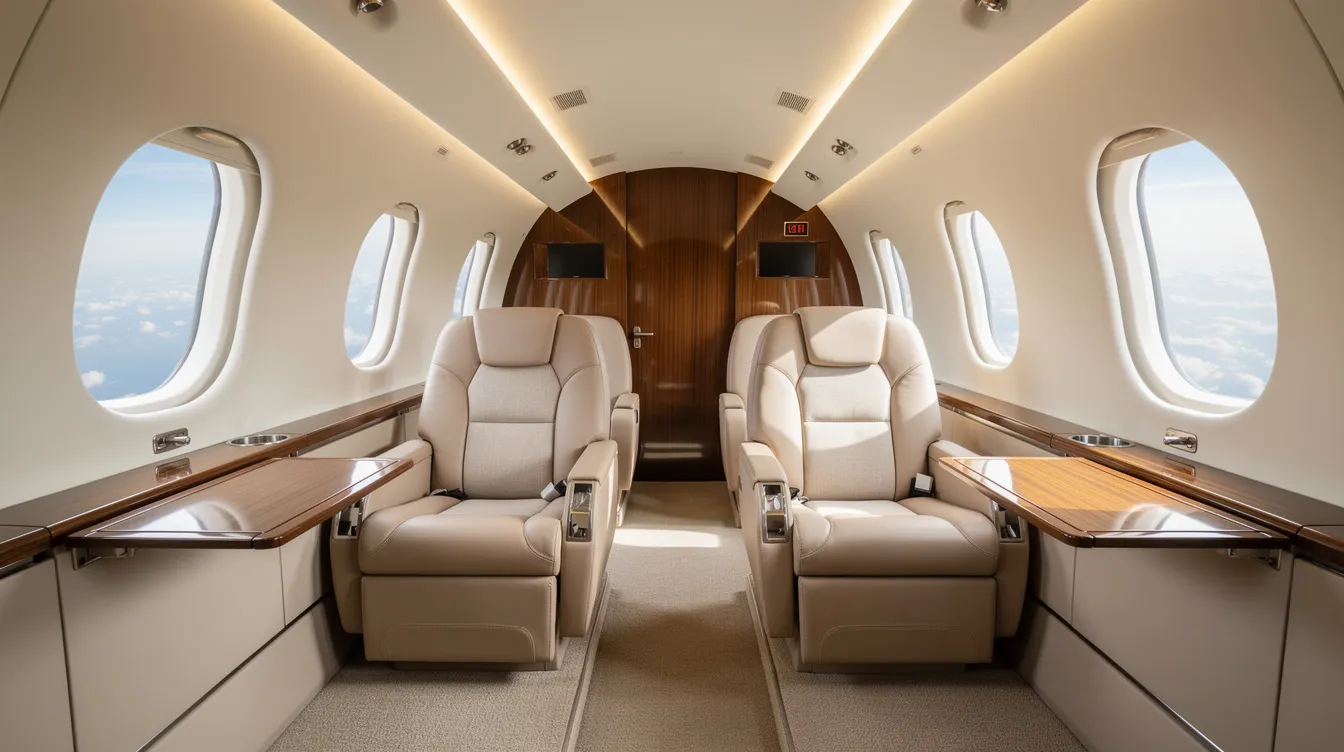
These are directional 2026 market approximations for recognizable aircraft models. Actual transaction prices vary with time since major inspections, engine program enrollment, cosmetic condition, and seasonal demand.
Cessna Citation XLS+ / XLS Gen2 (typically 8–9 passenger seats, configurable to 10): New pricing around $14–$16 million. Late-2010s pre-owned pricing in the $8–$10 million range.
Embraer Praetor 500 (often 9-seat configuration): New pricing near $19–$21 million. Pre-owned examples are expected in the mid-teens as more early deliveries enter the secondary market.
Bombardier Challenger 350 (9–10 seats, super-midsize): Average pre-owned sold price approximately $18.4 million in Q2 2026, up 3.3% year-over-year. 2004–2013 Challenger 300 variants sit in the $8–$13 million band.
Embraer Praetor 600 (super-midsize, 9–10 seats): List price approximately $25.8 million for the new 2026 "E" variant.
Use these figures as directional guidance, not binding quotes. The perfect aircraft for your mission may trade above or below these ranges based on specific conditions and market timing.
Price is not only about seat count. Brand, performance, technology, and market timing all play significant roles. Here are the core factors:
Aircraft age and total airframe time
Maintenance status and program coverage (engine, airframe, APU)
Cabin configuration and interior materials
Avionics suite and in-flight connectivity
Performance metrics: range, cruise speed, fuel burn, and runway requirements
Buyers paying premium prices often do so for better dispatch reliability, longer range, and lower operating costs per hour, which can offset higher acquisition costs over years of use. Some fractional programs use floating fleet structures to improve utilization and availability across regions, further influencing pricing and value for frequent flyers. Macro factors such as interest rates, corporate profits, fuel prices, and global demand for business jets also push prices up or down, particularly in hot markets where high-quality 10-seat jets sell quickly.
BlackJet Fractional Jet Ownership continuously monitors these variables when selecting aircraft for its Equity Fleet and Reserve Fleet, helping clients capture value while avoiding weak assets.
A 5-year-old 10-seat private jet with low hours, full-service center maintenance, and enrollment in engine programs like Rolls-Royce CorporateCare or Pratt & Whitney ESP will typically trade at a strong premium compared with older, off-program aircraft.
Key valuation drivers include:
Complete logbooks and records: Gaps in documentation can reduce value by hundreds of thousands of dollars.
Corrosion inspections and major checks: Recent 96-month or 120-month inspections on applicable models signal lower near-term maintenance exposure.
Engine and APU program enrollment: Predictable maintenance costs through hourly programs stabilize both the operating budget and resale value.
While older jets (15–25 years) can appear cheaper up front, upcoming heavy maintenance events and higher fuel burn can erase initial savings over just a few years of operation. Maintenance costs can range from $50,000 to $200,000 annually, even for well-maintained midsize aircraft, and unscheduled events add more. Fractional and managed fleets usually adhere to rigorous maintenance programs, which is one reason they command higher hourly charter rates but lower long-term risk.
Highly regarded brands such as Cessna Citation, Embraer, Bombardier, and Gulfstream tend to retain value better, particularly for popular midsize and super-midsize models in the 8–10 seat range. The private aviation market rewards proven airframes with deep service networks and strong parts availability.
Performance connects directly to price:
Range: 1,800 nautical miles for many light jets versus 3,000+ nautical miles for midsize jets, directly affecting mission flexibility for cross-country flights and international flights.
Cruise speed: Faster jets reduce flight duration and crew duty time, increasing schedule efficiency.
Short-field performance: Jets that can operate from smaller jets-friendly regional airports with shorter runways appeal to both private jet owners and private jet rental operators, strengthening resale values.
Cabin noise levels, pressurization (cabin altitude at cruise), and connectivity options increasingly affect buyer preferences, particularly for executives who work during business trips. Jets that offer a quieter, lower cabin altitude and reliable Wi-Fi command premiums because they enhance the experience private aviation delivers.
Owning a 10-seat private jet involves high additional costs beyond the purchase price, often totaling 10–15% of the aircraft's value each year. Owning a private jet incurs annual costs of $500,000 to several million dollars, depending on aircraft size, age, and utilization.
For a 10-seat light jet or midsize jet flying 200–300 hours per year, typical annual operating costs range from $800,000 to $1.8 million, including both fixed costs and variable costs. Annual operating costs for a 12-seater jet are $2 million to $4 million, giving further context for how costs scale with aircraft size.
Major cost categories at a glance:
Fuel: $240,000–$720,000 per year
Maintenance & parts: $50,000–$200,000 per year
Crew salaries & training: $170,000–$540,000 per year
Hangar & parking: $30,000–$200,000+ per year
Insurance: $60,000–$250,000 per year
Navigation, landing fees, handling: $20,000–$80,000 per year
Miscellaneous (catering, ground transportation): $15,000–$60,000 per year
The all-in cost per hour usually falls between $3,000 and $6,000 for this aircraft category, depending on fuel prices, region, and utilization. This figure is crucial when comparing to private jet rental rates or on-demand charter pricing. Ongoing annual operating expenses for private jets can add an additional $1 million to $2 million beyond fixed costs alone.
Key points to consider:
Annual operating costs are highly dependent on utilization (flight hours per year).
Fixed costs (crew, hangar, insurance) remain steady regardless of hours flown.
Variable costs (fuel, maintenance, landing fees) increase with more flight hours.
Fractional ownership or membership programs can convert many fixed costs into predictable hourly or monthly fees.
Comparing all-in hourly costs is essential when evaluating ownership versus charter or jet card options.
Joining a fractional ownership or membership program offloads much of the management complexity while converting many fixed costs into predictable hourly or monthly fees. For a detailed breakdown, see this guide on understanding fractional jet ownership costs.
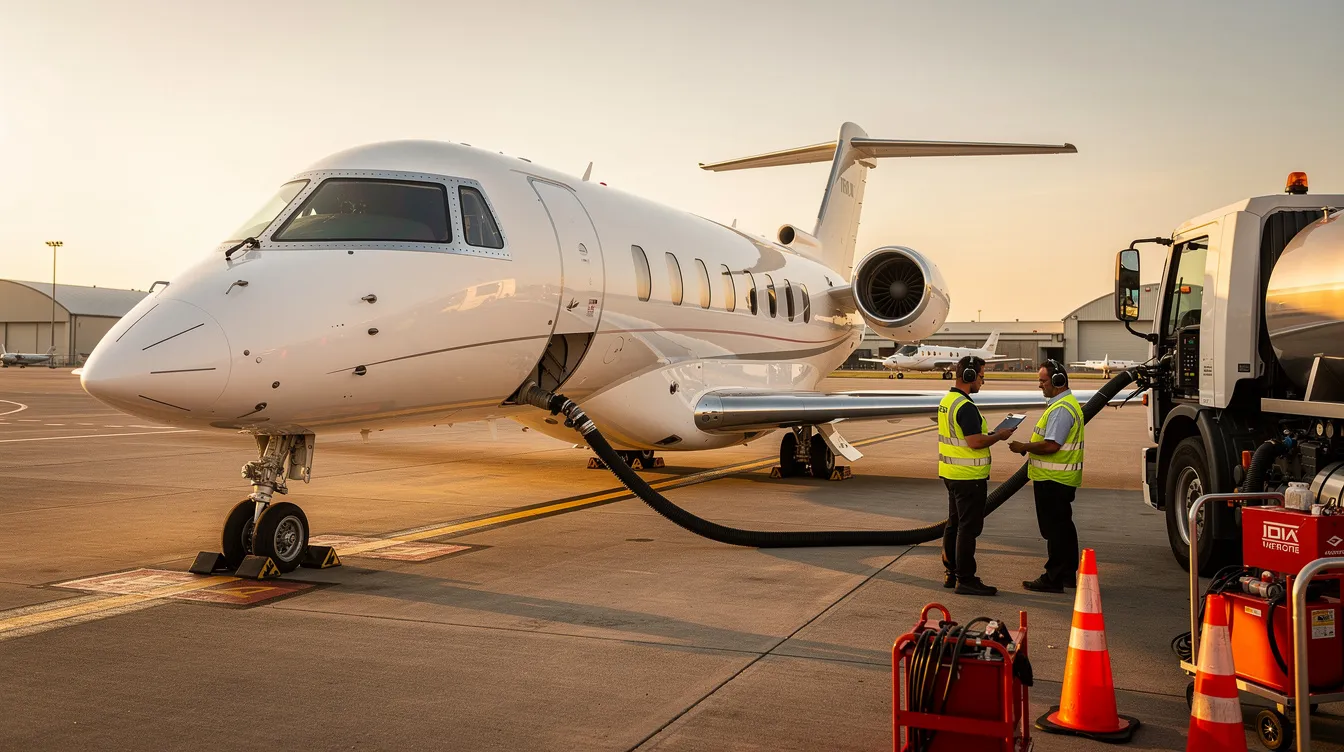
Fuel is typically the largest variable expense. Many 10-seat light jets and midsize jets burn enough Jet-A fuel to cost $1,200–$2,400 per hour at 2026 fuel prices, depending on model and routing. Fuel surcharges may apply on top of base fuel costs in some charter and management agreements. Direct operating cost data shows that DOC for a midsize jet like the Citation XLS or Hawker 800XP runs $3,000 to $3,800 per flight hour in 2026, encompassing fuel, parts, and engine program contributions.
Scheduled and unscheduled maintenance, parts, and engine reserves can add $400–$900 per billable flight hour. Being enrolled in manufacturer or third-party maintenance programs stabilizes these fuel costs and parts costs over time, avoiding large one-time cash calls during major inspections.
Insurance premiums typically range from 1% to 3% of the jet's value. For a $10 million midsize aircraft, that translates to $100,000–$300,000 per year, depending on coverage limits, pilot experience, and claims history. Professional aircraft management teams or a fractional program typically negotiate better maintenance and insurance terms due to fleet scale and established relationships, but it remains critical to understand liability coverage in fractional jet ownership so that legal and financial risks are properly managed.
Two professional pilots on a 10-seat jet typically earn $120,000–$220,000 each in the US market, including benefits and recurrent training. Crew salaries can range from $85,000 to over $300,000 annually per pilot for heavy-use or international operations. Some owners retain cabin attendants for longer flights, adding $60,000–$120,000 per year if employed full-time.
Hangar fees can cost between $30,000 and over $200,000 per year, depending on location. US regional airports for light jets and midsize private jets tend to sit in the $30,000–$120,000 range, while top-tier metropolitan airports command higher premiums. Fixed costs for private aviation can range from $500,000 to $1,000,000 annually when you combine crew, hangar, insurance, and administrative overhead.
Smaller but meaningful line items include:
Charts and navigation database subscriptions: $5,000–$15,000/year
Crew travel and hotels on longer trips: $10,000–$30,000/year
Landing fees and regulatory fees: vary by airport and country
Customized catering can incur additional costs beyond basic snacks and drinks, particularly on longer flights
A 7.5% US federal excise tax applies to private jet rentals and charter flights, and additional fees may include $5.30 per passenger for domestic segments. These add up, especially for frequent flyers operating on a tight budget.
Full private jet ownership tends to make financial sense only above roughly 200–300 flight hours per year. Ownership is cost-effective for flying over 250 hours annually. Below that threshold, private jet charter, jet cards, or fractional jet ownership usually deliver a lower cost per hour with less operational burden.
Here is how the main access models compare:
Model | Capital Required | Best For | Per Hour Range (2026) |
|---|---|---|---|
On demand charter | None | Under 25 hrs/yr | $2,000–$23,000/hr |
Jet card programs | Deposit only | 25–100 hrs/yr | $4,500–$12,000/hr |
Fractional ownership | Share purchase | 25–150 hrs/yr | $3,500–$8,500/hr |
Full ownership | Full aircraft cost | 250+ hrs/yr | $3,000–$6,000/hr |
Chartering costs range from $2,000 to $23,000 per hour, depending on aircraft size and flight distance. Renting a private jet typically costs between $6,500 to $15,000 per flight hour for midsize and super-midsize jets, while private jet rentals cost $2,000 to $14,000+ per hour across the broader market. VIP Airliners can cost $16,000 to $23,000+ per hour for Boeing Business Jet configurations and similar large cabin jet aircraft. Hourly rates for turboprop aircraft range from $2,000 to $2,300, and light jets typically cost $2,900 to $3,500 per hour for charter flights.
Jet cards offer prepaid flight hours at fixed rates, providing price certainty without equity commitment. Jet membership programs combine joining fees with flight discounts, creating a middle ground between charter and ownership. Leasing provides access without long-term ownership commitment for those who want the same aircraft on every trip but prefer not to hold the asset. A detailed comparison of fractional jet ownership vs membership programs can clarify which structure best matches your flying profile; for a deeper comparison, explore fractional jet ownership vs charter.
Fractional jet ownership combines some of the tax and scheduling benefits of ownership with shared costs, making it ideal for those flying private roughly 25–150 hours annually on similar routes. BlackJet Fractional Jet Ownership offers both Equity Fleet (fractional ownership in specific jets) and Reserve Fleet (flexible access without equity), especially suited to 8–10 passenger missions.
Fractional ownership delivers value for specific usage profiles:
Executives flying monthly between fixed city pairs (e.g., New York–Chicago, Dallas–Miami)
Regional corporate teams needing a consistent 8–10 seat capacity for business trips
Families with recurring seasonal itineraries to vacation destinations
Fractional shares are usually structured around guaranteed annual hours (for example, 25, 50, 75, or 100 hours), with an initial share purchase price plus monthly management fees and per-hour on-demand occupied flight charges. A common entry point is 1/8 fractional jet ownership, which typically provides around 100 hours of access per year and spreads costs across multiple owners. Tax benefits can be associated with fractional jet ownership, including the complex tax implications for fractional jet owners, such as accelerated depreciation on the share as a business asset.
Key advantages include:
Predictable aircraft availability without managing crew or maintenance when contract terms are clearly defined in fractional ownership agreements
Inclusion in a professionally managed fleet with rigorous safety standards supported by robust fractional ownership contract structures
Tax depreciation opportunities in qualifying jurisdictions
Elimination of crew hiring, hangar leasing, and maintenance oversight responsibilities
By contrast, jet cards require no equity purchase but carry higher per-hour costs, and full ownership has the lowest per-hour marginal cost at very high utilization but much greater capital and risk. For clients in the very light jet category or seeking smaller jets for solo travel, charter, or cards may still be more practical.
BlackJet operates two core models designed around how people actually fly privately:
Equity Fleet: Clients purchase a fractional share in a specific 10-seat light jet or midsize jet. This provides priority access, asset appreciation potential, and tax benefits associated with depreciation. BlackJet handles aircraft sourcing, due diligence, and ongoing aircraft management.
Reserve Fleet: Clients access private flight capacity on a pay-as-you-go basis without owning the aircraft. This suits travelers with less predictable schedules or those who want to experience private aviation before committing equity.
By aggregating demand across B2B and B2C clients, BlackJet matches aircraft size to mission more efficiently, reducing empty leg flights and helping control per-hour operating costs for all participants.
Example scenario: A corporate client flying 100 hours per year with 8–10 passengers might spend approximately $900,000 annually on ad-hoc charter at $9,000 per hour. Through a structured fractional program, the same client could reduce that total cost by 20–30% while gaining scheduling priority, consistent cabin quality, and the ability to fly on the same aircraft each trip. Over five years, the cost savings compound significantly, especially when factoring in tax depreciation on the share.

The "right" solution depends on how often you fly, typical passenger loads, preferred routes, and your tolerance for capital commitment and operational complexity. There is no universal answer, but there is a clear decision framework.
Simple decision guide:
Under 25 hours per year: On-demand charter or empty leg flights provide sufficient access without any commitment.
25–150 hours per year: Jet cards or fractional jet ownership deliver better economics and guaranteed availability. This is the sweet spot for most private jet travel needs.
200+ hours per year: Consider full or co-ownership with professional aircraft management.
When evaluating options, consider:
Runway lengths at frequently used airports: Some midsize aircraft need 5,000+ feet, which limits access to certain regional airports.
Average stage length: Travelers primarily flying short regional flights of 1–3 hours may be well-served by a light jet, while those covering longer flight distances or cross-country flights need the range of a midsize jet.
Nonstop transcontinental range: If international flights or coast-to-coast nonstop is required, a super-midsize or large cabin jet may be necessary.
Model your total cost of fractional jet ownership over 5–10 years, including depreciation and potential resale value, rather than focusing solely on acquisition price or headline hourly charter rates. A consultation with BlackJet Fractional Jet Ownership can translate your travel profile into a concrete, data-backed recommendation and projected cost per hour.
Typical all-in operating costs for a 10-seat light jet or midsize jet fall between roughly $3,000 and $6,000 per flight hour in 2026, depending on fuel prices, aircraft efficiency, and annual utilization. This per-hour figure includes both variable expenses (fuel, maintenance reserves, landing fees) and a share of fixed costs (crew salaries, hangar, insurance) spread across total yearly flight hours.
In fractional or membership programs, clients usually see a transparent occupied hourly rate that already bundles many of these items into a single, predictable number.
Many 10-seat midsize and super-midsize jets can comfortably handle cross-country US missions and shorter international legs nonstop. For example, a New York–Nassau or London–Athens trip is well within the range of most midsize aircraft in this class.
Intercontinental flights like New York–London usually require larger long-range or ultra-long-range jets, or a fuel stop if using a typical 10-seat midsize aircraft. Discuss your most common routes with an aviation advisor to match the right aircraft class and ownership model to your real-world missions.
Very light jets such as the Cirrus Vision Jet or Embraer Phenom 100 often have much lower acquisition and operating costs, but they typically seat only 4–6 passengers. They work well for solo or small-team trips and short regional flights.
However, businesses frequently needing 8–10 seats would likely require multiple aircraft or additional charter capacity, which can erase savings quickly. Organizations with mixed needs sometimes combine solutions: fractional access to a 10-seater jet for group trips, plus charter or smaller aircraft for individual executives.
In the United States, qualifying business use of fractional aircraft ownership may allow owners to take accelerated depreciation or bonus depreciation, subject to current IRS rules and individual tax circumstances. The One Big Beautiful Bill Act of 2025 reinstated 100% bonus depreciation for qualified business aircraft placed into service, provided business-use tests (generally over 50% business use) are met.
Specific tax treatment depends on usage patterns, ownership structure, and evolving legislation. Readers should consult their tax advisor before relying on any assumptions. BlackJet's Equity Fleet structure is designed to work smoothly with common business-aviation tax strategies and can coordinate with the client's legal and tax teams, including planning for eventual sale of a fractional jet ownership share if you decide to exit or upgrade your position.
Once annual charter usage approaches 25–50 hours consistently, it is worth modeling fractional jet ownership and jet card options to compare effective per-hour rates and service levels. Crossing into 100+ hours annually often signals a strong case for fractional ownership, particularly if flight patterns are predictable and group sizes fit a 10-seat cabin.
Gather at least 12–24 months of historical charter data, including charter costs, positioning fees, and any empty leg flights used, and share it with an aviation advisor like BlackJet to build a tailored cost comparison.
A 10-seater private jet offers an attractive balance of capacity, range, and flexibility for executives, families, and corporate teams. Both acquisition prices ($6–$12 million for many light and midsize models, $20–$30 million for super-midsize examples) and ongoing costs require careful planning and realistic usage projections.
Most individuals and many companies can achieve similar benefits more efficiently through fractional jet ownership, jet cards, or structured private jet rental rather than buying a whole aircraft outright. The key is matching your annual flight hours, typical passenger count, and route patterns to the access model that delivers the best value per hour while minimizing risk and complexity.
Ready to explore the smarter way to fly private? Visit FractionalJetOwnership.com to learn how fractional ownership can transform your travel experience. BlackJet's team can provide a confidential cost and needs assessment tailored to your specific travel profile, helping you navigate aircraft selection, cost optimization, and scheduling so you can focus on business and life rather than fleet management.
