May 4, 2026
Understanding how much to charter a private jet requires cutting through vague marketing claims to examine actual costs. Private jet charter flights in 2026 offer on-demand flights for a variety of purposes, with costs ranging from approximately $2,000 per flight hour for turboprops to over $14,000 per hour for heavy jets—total trip costs vary dramatically based on aircraft type, distance, timing, and dozens of other variables. This guide breaks down exactly what drives private jet charter prices, provides real-world examples for popular U.S. routes, and explains when charter makes sense versus more structured access models like fractional jet ownership.
Private jet charter costs typically range from $2,000 to over $14,000 per flight hour, depending on aircraft size, route, and onboard services. In 2026, realistic hourly rates for the U.S. market break down as follows: turboprops and very light jets run approximately $2,000–$3,000 per hour, light jets cost $3,000–$5,000 per hour, midsize jets range from $4,000–$6,000, super midsize jets run $6,000–$8,000, and heavy and ultra long range jets command $8,000–$14,000 or more per hour.
To put these numbers in context, here are estimated private jet flight costs for four popular routes in 2026 dollars:
Route | Aircraft Type | Flight Time | Estimated Cost |
|---|---|---|---|
New York (TEB) – Miami (OPF) | Light Jet | 2.5–3 hours one way | $12,000–$18,000 one way |
Los Ángeles (VNY) – Aspen (ASE) | Midsize Jet | 2.5 hours each way | $18,000–$25,000 one way |
New York (TEB) – Los Angeles (VNY) | Super Midsize | 5–5.5 hours one way | $28,000–$40,000 one way |
New York (TEB) – London (LHR) | Long Range Jet | 6.5–7 hours each way | $90,000–$140,000+ round trip |
These figures represent all-in pricing that includes the hourly rate plus applicable taxes and fees. Most operators quote pricing based on an hourly rate, then add federal excise tax (7.5% on domestic charter flights), per-passenger segment fees, landing and handling charges, crew expenses, and any repositioning costs. However, travellers should be aware of hidden costs such as fuel surcharges, de-icing, ramp fees, and additional service charges, making it essential to review itemised quotes to avoid surprises.
It’s worth noting that on-demand charter represents just one way to access private aviation. Many providers also offer on-demand flights for maximum flexibility, allowing travellers to book instantly and choose from a wide range of aircraft. Jet cards and membership programs offer prepaid flight hours with more predictable rates, while fractional jet ownership provides dedicated aircraft access with potential tax benefits. BlackJet Fractional Jet Ownership specialises in helping clients evaluate which model delivers the best value based on their actual travel patterns, including how different structures impact tax implications for fractional jet owners
Charter tends to make financial sense up to roughly 25–150 flight hours per year. Beyond that threshold, fractional ownership or equity-based programs often reduce the effective cost per hour while providing more reliable aircraft availability during peak periods.
Charter operators calculate pricing by starting with a base hourly rate that reflects aircraft depreciation, crew salaries, insurance, fixed maintenance costs, and ongoing operational costs. They then layer on specific operational and regulatory costs for each mission to arrive at an all-in quote that complies with FAA Part 135 regulations.
Most trips are priced using billable flight time—measured from wheels-up to wheels-down—plus minimum daily flight hours. Billable flight time usually requires a minimum of 2 hours per day, even if the flight duration is shorter. Larger aircraft often carry minimums of 2.5 to 3 hours per day. This ensures operators maintain profitability even on short hops.
Consider a simple example: a 3-hour light jet trip at $3,200 per hour produces a base cost of $9,600. Add the 7.5% federal excise tax (approximately $720), landing and handling fees (perhaps $750 for a destination like Aspen), crew overnight expenses ($600 if required), and fuel adjustments ($550), and the final invoice reaches $11,000–$13,000. Costs can increase by 20% to 40% due to additional fees like fuel, taxes, and landing charges.
One-way pricing often includes positioning legs if the aircraft is not already at the departure airport. Aircraft positioning fees may apply when an aircraft needs to be moved to the departure location, impacting the overall cost of the charter. This can effectively double the cost of some short segments unless the operator can secure another client for the return flight.
Before booking a private jet charter, verify the operator’s credentials, ensuring they hold a valid FAR Part 135 Air Carrier Certificate issued by the Federal Aviation Administration (FAA), which confirms their authority to conduct commercial charter flights. Under FAA regulations, operators must log all flight segments, including repositioning flights, as part of compliance and reporting requirements. Additionally, check third-party safety ratings from organisations like ARGUS and Wyvern, as operators rated ARGUS Platinum or Wyvern Wingman have passed rigorous audits covering crew training, maintenance records, and operational procedures.
Several factors influence the cost of chartering a private jet, including the aircraft's size and type, the distance of the flight, and any additional services requested. Four main variables drive approximately 80–90% of price differences between quotes:
Aircraft category and size – The single biggest cost driver, determining hourly rate, crew size, and fuel burn
Passenger count and baggage – Dictates the minimum aircraft category required
Flight distance and routing – Longer routes consume more fuel and may require larger aircraft
Timing and seasonality – Peak demand scheduling can increase charter costs, particularly during holidays or major events when aircraft availability is limited.d
Positioning and overnight requirements – Empty ferry flights and crew accommodations add to the total charter cost
Additional services and amenities – Additional services such as catering, ground transportation, and in-flight entertainment can significantly affect the total cost of a private jet charter
Understanding these levers allows travellers to optimise cost without compromising safety or comfort. BlackJet advisors regularly help clients tune these variables—sometimes recommending a different airport, adjusted date, or alternative aircraft size to save thousands per trip—while also clarifying key fractional jet ownership terms and concepts for clients considering longer-term solutions.
Aircraft size is typically the single biggest cost driver in private jet travel, as it determines hourly rate, crew requirements, and fuel consumption. Newer aircraft generally have higher charter rates compared to older models within the same category.
Here are the main categories with approximate 2026 hourly ranges:
Aircraft Category | Typical Hourly Rate | Passenger Capacity | Range |
|---|---|---|---|
Turboprops & Very Light Jets | $2,000–$3,000 | 4–8 | Under 1,500 nm |
Light Jets | $3,000–$5,000 | 6–8 | 1,500–2,000 nm |
Midsize Jets | $4,000–$6,000 | 8–9 | 2,500–3,000 nm |
Super Midsize Jets | $6,000–$8,000 | 8–10 | 3,000–4,000 nm |
Heavy & Long Range Jets | $8,000–$14,000+ | 10–16 | 4,500–6,500+ nm |
VIP Airliners | $15,000–$25,000+ | 20–50+ | Variable |
Larger cabins provide more comfort, extended range, and baggage capacity but also increase landing fees, fuel consumption, and minimum billable time. For 4–6 passengers on a typical 2–3 hour U.S. flight, a light or midsize jet usually offers the best cost-to-comfort balance
Fractional aircraft ownership programs like BlackJet’s Equity Fleet focus on midsize and super midsize jets because these categories often deliver the strongest value proposition for frequent business travellers logging 25–150 hours annually; understanding the full cost of fractional jet ownership is critical before committing.
Passenger count directly influences the minimum aircraft category required, which can shift total trip cost by tens of thousands of dollars. Aircraft type selection must account for everyone travelling comfortably with appropriate luggage space.
Consider this comparison: 4 passengers flying from New York to Chicago can comfortably use a light jet at roughly $3,000–$5,000 per hour. However, 10 passengers would require a super midsize or heavy jet, doubling or tripling the hourly rate.
Bulky items like skis, golf clubs, or large product samples may force stepping up to a larger aircraft even when the passenger count is low. Corporate groups should compare per-seat cost on a single larger jet versus chartering multiple smaller jets—in most cases, one larger aircraft optimises both budget and scheduling logistics, and frequent routes may even justify exploring fractional jet ownership in Pittsburgh or similar regional programs.
Sharing the cost of a private jet charter can significantly reduce expenses, making private aviation more accessible for groups of 4-12 travellers, with savings of 40-70% compared to flying solo.
Longer routes require more fuel and often necessitate larger aircraft with extended range, which increases the hourly rate. Shorter flights typically cost less than longer ones, as longer flights consume more fuel and require larger aircraft.
Route examples illustrate this scaling:
New York–Boston (short hop): A turboprop handles this efficiently for $4,000–$6,000 total
New York–Dallas (medium haul): Requires a midsize jet, roughly 3 hours at $18,000–$25,000 one way
New York–Los Angeles (coast-to-coast): Demands super midsize or heavy jet for nonstop service
Some aircraft simply cannot fly certain routes nonstop. A light jet like the Phenom 300E cannot complete New York to Los Angeles without a fuel stop, adding time and cost. In these cases, a larger aircraft may prove more economical overall despite its higher hourly rate.
Routing deviations for weather avoidance or congested airspace can add 10–20% to total billed flight time beyond direct distance calculations.
Peak travel periods in the U.S. include major holidays (Thanksgiving, Christmas–New Year, July 4th), high-profile events (Super Bowl, Art Basel, Masters Tournament), and prime vacation weeks throughout summer.
During these windows, charter rates can rise 20–40% above standard pricing. Aircraft availability at popular airports like Teterboro (TEB), Van Nuys (VNY), and Aspen (ASE) tightens considerably. Travellers can save on private jet charter costs by being flexible with travel dates and airports, as this can help avoid peak demand pricing and additional fees.
Booking 4–8 weeks early and maintaining flexibility on departure times can substantially reduce charter costs. Even shifting by a few hours or using an alternate airport may unlock better rates.
Fractional programs like BlackJet’s Reserve Fleet and Equity Fleet can insulate frequent travellers from extreme peak pricing swings through contracted or semi-fixed rates that provide more predictable access.
When you charter a private jet, the aircraft often needs to fly empty to position for your trip and may need to return to its base afterward. These repositioning flights—also called ferry legs—are typically the client’s responsibility.
A one-way New York to Palm Beach charter might include an extra 1–2 hours of repositioning time if the aircraft is based elsewhere, adding $5,000–$10,000 or more, depending on aircraft siz, —costs that can be reduced for some travelers by basing their share strategically through fractional jet ownership in Phoenix or other home marketsRound-tripps and same-day returns can reduce these costs if the jet can wait or secure another client nearby.
Crew overnight, hotel, and per diem costs apply when the aircraft and crew must remain with you for multiple days, reflecting the commitment to highly trained private jet pilots and crews who support complex multi-day itineraries. This is common on leisure trips or corporate roadshow-style itineraries visiting several cities. Overnight expenses for pilots and flight attendants can add $400–$1,200 per night to your total charter cost.
While extras don’t usually dominate the charter budget, they can add several thousand dollars per trip. Typical add-ons include:
Premium in-flight catering and fine wines
Wi-Fi usage charges on some international operators
Ground transportation coordination and VIP meet-and-greet services
In-flight nannies or security personnel
Pet handling and enhanced cleaning fees
Specialised food and beverage requests can increase catering costs significantly beyond basic snacks and beverages included in standard quotes. Providing your charter operator with detailed preferences in advance allows these items to be included in the initial quote rather than appearing as surprise line items later.
BlackJet’s concierge-style trip planning bundles these additional services for predictable, transparent pricing—whether clients are booking charter flights or utilising their fractional ownership access.
This section provides a practical, quick-reference guide to the 2026 private jet rental costs by aircraft category in the United States. All hourly rates are approximate industry ranges; specific quotes depend on route, operator, calendar date, and aircraft age.
Each category below includes a brief description, average hourly rate, sample itinerary, and guidance on when that aircraft type makes sense.
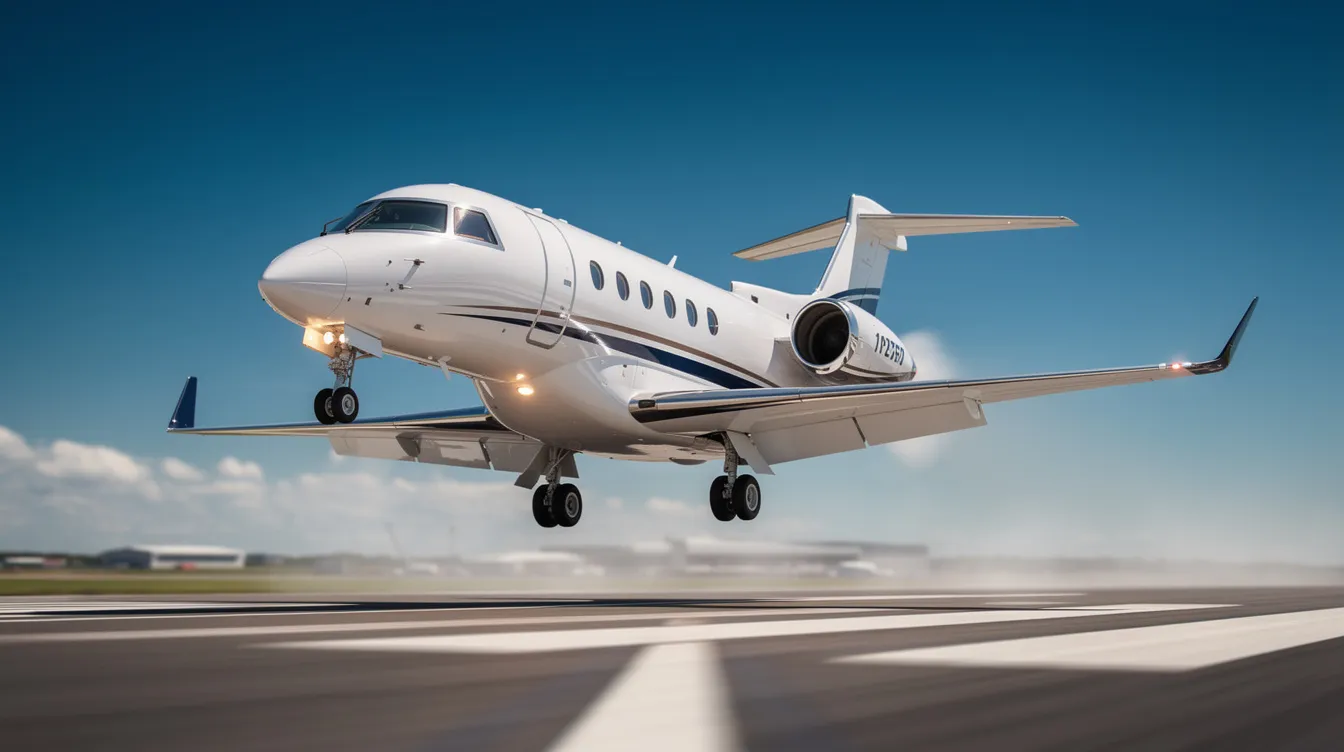
Turboprops like the Pilatus PC-12 and Beechcraft King Air 250, along with very light jets such as the Cessna Citation Mustang and Embraer Phenom 100, represent entry-level private plane options. These aircraft seat 4–8 passengers with ranges typically under 1,500 nautical miles.
Turboprop charter rates start at around $2,000 per hour, while very light jets range from $2,000–$3,000 per hour in 2026.
Sample route: Boston to Nantucket on a Pilatus PC-12 covers approximately 0.6–1.0 billable hours each way, typically $4,000–$6,000 round trip plus minimal taxes and fees.
These aircraft are ideal for shorter flights to smaller airports and travellers prioritising efficiency over large-cabin amenities. For executives making frequent short hops, a turboprop-focused or HondaJet fractional aircraft ownership solution can sometimes undercut repeated ad-hoc charter costs.
Popular light jet models include the Cessna Citation CJ3+, Embraer Phenom 300E, and Learjet 75 Liberty, seating 6–8 passengers with a 1,500–2,000 nautical miles range. These represent the workhorses of domestic U.S. private aviation.
2026 hourly rates typically range from $3,000–$5,000 in the U.S. and short-range cross-border markets.
Sample route: New York (TEB) to Miami (OPF) on a Phenom 300E covers roughly 2.5–3.0 hours of flight time each way. Expect around $18,000–$28,000 round trip,ip depending on dates and fees.
Light jets offer an excellent balance of speed, comfort, and cost for 3–6 passengers. BlackJet may recommend upgrading to midsize jets for taller executives or luggage-intensive trips—often for a modest incremental cost that delivers significantly more cabin space.
Midsize jets like the Cessna Citation XLS+, Hawker 800XP, and Learjet 60 seat 8–9 passengers comfortably. Super midsize jets,ets including the Embraer Praetor 500, Bombardier Challenger 3500, and Gulfstream G280, accommodate 8–10 passengers with expanded cabin height and range.
2026 hourly ranges:
Midsize jets: approximately $4,000–$6,000 per hour
Super midsize jets: approximately $6,000–$8,000 per hour
Sample routes:
Los Angeles (VNY) to Chicago (MDW) on a Challenger 3500: approximately 3.5–4.0 hours, often $28,000–$40,000 one way with fees
Dallas (DAL) to New York (TEB) on a Citation XLS+: roughly 3 hours, typically $18,000–$25,000 one way
The average cost to charter a private jet in the United States falls between $5,000 and $10,000 for a typical 2-hour domestic flight on a midsize jet. Chartering a midsize jet can cost between $25,000 and $30,000 for a flight from Palm Beach International to Teterboro Airport.
These categories offer stand-up cabins, longer range (often 3,000+ nautical miles), and superior productivity for executives travelling coast-to-coast. BlackJet’s fractional jet ownership programs centre on midsize and super midsize aircraft, as they typically deliver the strongest value for clients flying 25–150 hours annually, especially when you account for the total cost of fractional jet ownership, including acquisition, management, and operating fees.
Representative heavy jet aircraft include the Gulfstream G450, G500, and G600, Bombardier Global 6000 and 6500, and Dassault Falcon 7X and 8X. These jets typically seat 10–16 passengers with ranges of 4,500–6,500+ nautical miles.
Heavy jets typically command hourly rates ranging from $8,000 to $14,000, with costs for long-haul flights often exceeding $100,000.
Sample routes:
New York (TEB) to London (LHR) on a Gulfstream G600: roughly 6.5–7.0 hours each way, with round-trip pricing often $110,000–$170,000 including fees
Los Angeles (VNY) to Honolulu (HNL) on a Global 6500: approximately 5 hours, typically $45,000–$70,000 one way
These large cabin jets are selected for long-range international business travel, multi-country roadshows, or larger executive teams who value nonstop sectors and fully flat sleeping arrangements. Corporate users frequently combine heavy jet charter for occasional ultra-long-haul missions with fractional ownership of a midsize or super midsize jet for regular domestic flying.
VIP-configured airliners include Boeing Business Jets (BBJ) and Airbus Corporate Jets (ACJ), as well as regional airliners like the Embraer 190 or Airbus A319 configured for 20–50+ passengers.
Hourly rates start around $15,000 and often exceed $25,000 per hour, with six-figure totals common even for medium-length flights.
Sample route: New York (JFK) to Paris (CDG) on a BBJ with 30 passengers could easily exceed $400,000 for a round trip, including positioning and crew costs.
These aircraft serve large corporate incentive trips, professional sports teams, touring artists, and government delegations,s where per-seat cost can rival or beat premium commercial cabins while delivering complete privacy and scheduling control.
A typical all-in quote for private jet charter services includes the entire aircraft, flight crew, standard fuel, basic in-flight catering, and core airport charges. However, certain extras may not be included in initial pricing.
Request a fully itemised quote before signing any agreements, which should break down the hourly aircraft rate, fuel surcharges, landing fees, FBO handling costs, and crew expenses to ensure transparency in pricing. Line items that should appear clearly on any reputable charter quote include:
Aircraft base charter rate (hourly or flat)
Fuel and any fuel surcharges
Government taxes and segment fees
Landing, ramp, and handling charges
Crew overnight and repositioning costs
Optional catering and ground transport
Transparent invoices distinguish trustworthy charter operators from those who obscure true costs. Incomplete quotes often hide expenses that surface after your private jet flight. Compare at least three quotes from different operators or brokers to ensure you are getting a fair price and to understand the variations in costs associated with different charter services.
BlackJet emphasises up-front, itemised cost clarity for both charter support and fractional ownership projections, and prospective buyers should also understand fractional jet ownership financing, costs, and benefits and the essential liability coverage in fractional jet ownership before structuring a purchase.
Domestic flights incur a 7.5% Federal Excise Tax (FET) plus per-segment fees of approximately $4–$5 per passenger per leg. International departures and arrivals may carry additional head taxes of $50–$100 per passenger, and international handling fees, which can be higher at major global hubs like London or Dubai due to slot coordination and additional ground services required for international flights.
Landing fees at airports vary significantly, typically ranging from $100 to $1,500 per flight, depending on the airport’s size and location. At busy commercial hubs like JFK, LAX, or MIA, fees can reach $1,500 or more, depending on aircraft weight. Landing and handling fees range from $150 to $3,500+, depending on the airport’s popularity and the aircraft’s weight. These are all part of the various fees airports charge, which may also include ramp and handling charges.
Ramp and handling fees charged by fixed-base operators can range from $100 to $500 per flight, and may be waived if minimum fuel requirements are met. These charges pass through at cost and vary significantly by airport, aircraft size, and time of day.
A fuel surcharge may apply when fuel prices rise, typically starting at around $300 per hour, adding to the overall charter cost.
Crew overnight accommodation fees can add between $200 and $600 per crew member to the total charter cost if they need to stay away from home overnight. With two pilots and sometimes a flight attendant on larger aircraft, these overnight expenses accumulate on multi-day itineraries.
Winter operations can require hangar storage ($500–$1,500 per night for heavy jets) and deicing (ranging from approximately $1,500 on smaller jets to $10,000+ on heavy jets during severe weather).
Short leg fees may apply to flights that do not meet the operator’s minimum billable flight time, typically set between 30 and 60 minutes. Daily minimums typically range from 1.5–3.0 hours,s depending on aircraft type.
These “edge-case” operating costs are best discussed upfront when planning itineraries with multiple short segments or winter operations through northern hubs like Chicago, Denver, or Boston.
Standard catering includes simple snacks and beverages, while premium in-flight dining may range from $200–$2,000 per l, e.g., depending on menu complexity and passenger count.
Domestic Wi-Fi is often included on newer U.S. fleets but can be billed by the hour or megabyte on some international aircraft, especially outside North America and Europe.
Door-to-door experiences where chauffeured ground transportation, hotel bookings, and in-destination arrangements are coordinated through a single aviation advisor add convenience but also cost.
BlackJet integrates these services into trip planning for both charter clients and fractional owners, making total charter cost more predictable and minimising last-minute surprises.
While on-demand charter is ideal for occasional trips, frequent flyers often reduce their effective hourly cost by moving to structured programs like jet cards or fractional aircraft ownership.
Basic use-case thresholds provide a starting framework:
Annual Flight Hours | Recommended Access Model |
|---|---|
Under ~25 hours | On-demand charter |
25–75 hours | Jet cards or membership programs |
50–150 hours | Fractional jet ownership or hybrid approach |
Evaluating lifetime cost involves more than hourly rates. Predictability, guaranteed aircraft availability, tax treatment, and the value of time saved all factor into the equation.
BlackJet Fractional Jet Ownership specialises in helping clients transition from high charter spend into equity-based or Reserve Fleet solutions that match their actual flying profile, ensuring that critical fractional jet ownership contract terms and the details outlined in an aircraft fractional ownership sample contract align with long-term travel and budget goals.

Charter flights offer maximum trip-by-trip flexibility with no long-term commitment. Many providers offer on-demand flights, allowing travelers to book flexible, immediate private air travel. Travelers can select different aircraft for each mission and pay only when flying—ideal for sporadic or unpredictable travel patterns.
However, drawbacks include variable pricing driven by demand, positioning costs, less predictable aircraft availability on peak days, and limited ability to lock in hourly rates over time.
A business owner flying 10–15 hours per year for ad-hoc meetings typically benefits from high-quality on-demand charter rather than committing capital to ownership. Utilizing digital platforms for private jet charters allows travelers to compare costs and access a wide range of aircraft, enhancing flexibility and cost-effectiveness without the financial burden of ownership.
Jet cards represent pre-paid blocks of hours—usually $50,000–$300,000 deposits—that secure fixed or capped hourly rates and guaranteed aircraft availability within a defined service area.
Advantages:
Simplified budgeting with predictable costs
Priority access during busy periods
Standardized aircraft quality and safety standards
No acquisition or resale risk
Limitations:
Potential blackout dates during peak periods
Peak surcharges on some programs
Minimum daily usage requirements
Funds are generally non-interest-bearing and may expire
BlackJet’s Reserve Fleet model delivers many benefits of jet cards—predictable access and consistent quality—with more flexible, usage-based structures tailored to 25–75 hour flyers, making it a useful comparison point when evaluating fractional jet ownership vs. membership programs.
Fractional aircraft ownership involves purchasing a share (such as 1/16th or 1/8th) of a specific aircraft type, entitling the owner to a set number of flight hours per year, typically 50–150+.
Main cost components include (and vary depending on share size, such as 1/8th fractional jet ownership):
One-time acquisition cost for the share
Fixed monthly management fees
Hourly occupied-flight charges
Potential tax and depreciation benefits for qualifying business use
Example: A 1/16th share in a super midsize jet providing approximately 50 hours per year may involve a mid-six-figure acquisition, plus monthly and hourly fees that bring the all-in cost per hour well below comparable charter over several years.
BlackJet’s Equity Fleet approach focuses on sourcing high-quality aircraft, optimizing scheduling across owners, and maximizing residual value to lower long-run cost per flight hour, aligning with how many view fractional jet ownership as an investment in both time savings and capital efficiency.
Readers currently spending $250,000–$1,000,000+ annually on charter should model fractional ownership with a BlackJet advisor to compare 5–10 year cost projections and determine the most efficient path forward, including benchmarking against the best fractional jet ownership programs in the market.
Smarter planning and structure often cut charter costs 10–30% without downgrading safety or comfort, whether you continue chartering or explore fractional jet ownership options in Atlanta and other key markets. Key levers include:
Flexible departure times and dates
Using alternate, smaller airports
Selecting the right aircraft size for your actual needs
Leveraging empty leg flights when schedules allow
Consolidating multi-stop trips efficiently
Transitioning from repeated charter to fractional or membership models
An experienced advisor like BlackJet proactively proposes these optimizations rather than simply quoting the first available aircraft, and can also explain how floating fleet options in fractional ownership impact availability and pricing over time.
Choosing business aviation airports over major commercial hubs can reduce landing, handling, and congestion-related costs substantially, a strategy that works equally well for frequent flyers considering fractional jet ownership in Austin to anchor their regional travel. Flying commercial often means dealing with crowded terminals, but private charter offers access to smaller regional airports closer to your destination.
Example: Flying into White Plains (HPN) or Teterboro (TEB) instead of JFK can lower landing fees and avoid long taxi times, saving both money and travel time for trips to Manhattan.
Discuss origin and destination flexibility when requesting quotes. An extra 20–30 minutes of ground travel can sometimes remove thousands from the air invoice while using smaller airports with more convenient FBO facilities.
Oversizing the jet is a common way travelers unintentionally overspend—using a heavy jet for a 2-passenger, 90-minute hop when a light or midsize jet would handle the mission comfortably.
Before booking, define:
Exact passenger count
Baggage type and volume
Must-have comfort features (stand-up cabin, Wi-Fi, enclosed lavatory)
Then choose the smallest category that comfortably meets those needs. BlackJet routinely analyzes past trip patterns to recommend the ideal mix of aircraft categories for each client’s typical missions—especially valuable when designing a personal aircraft access plan through fractional jet ownership.
Empty legs are repositioning flights operated without paying passengers, often discounted 25–75% below standard charter rates. Booking empty leg flights can provide substantial discounts, as these flights are repositioning flights that would otherwise fly without passengers, offering fares at a reduced rate.
Trade-offs to consider:
Limited flexibility on timing and routing
Higher cancellation risk if the primary client’s plans change
Routes determined by other travelers’ needs rather than yours
Leisure travelers with flexible plans—spontaneous weekend getaways, last-minute ski trips—are ideal candidates to benefit from leg flights pricing through a trusted advisor.
While BlackJet focuses on structured ownership and access, the team monitors the market for opportunistic charter savings that complement a client’s Equity or Reserve Fleet usage, and can help you compare BlackJet’s Reserve Fleet, Equity Fleet, and Lease Program to build the right mix.
The value of flying private lies in time savings, control, privacy, and reliability—not just cabin amenities. Key value drivers include:
Access to 4,000–5,000+ airports versus approximately 500 served by commercial airlines in the U.S.
Elimination of layovers, security lines, and schedule inflexibility
Increased productivity through in-flight work and multi-city days
Reduced travel fatigue and better use of executive time
Scenario: A leadership team visiting three U.S. cities in 48 hours for critical meetings might save days of business travel versus commercial flight schedules, converting private jet costs into measurable business value.
High-frequency flyers should evaluate charter cost not in isolation, but compared with the time, opportunity cost, and indirect expenses of flying commercial. For many executives, the equation favors private jet rental when factoring in productivity and business and leisure travel efficiency.
BlackJet serves as a long-term partner that helps clients move from occasional charter to a tailored combination of fractional ownership, reserve access, and selective charter for optimal value across their entire travel profile, and can also advise on selling an existing fractional jet ownership share when your needs change.
Short private jet flights on turboprops or very light jets typically start around $2,000 to $5,000 per flight hour, including base hourly rates and fees. For example, a 1- to 2-hour trip on a turboprop can cost between $4,000 and $6,000.
Yes, additional fees such as fuel surcharges, landing and handling fees, crew overnight expenses, and taxes can add 20% to 40% to the base hourly rate. Always request a fully itemized quote to understand all potential charges.
The primary factors include aircraft size and category, flight distance, passenger count, timing and seasonality, aircraft positioning, and any requested additional services like catering or ground transportation.
Empty leg flights are discounted repositioning flights offered at 25% to 75% off standard charter rates. They provide significant savings but require flexibility in travel dates and routes.
For travelers flying less than 150 hours annually, chartering is generally more cost-effective as it avoids upfront acquisition costs and ongoing expenses like maintenance, crew salaries, and insurance.
Flexibility with travel dates and airports, choosing the right aircraft size, booking early, and considering empty leg flights can help reduce costs without sacrificing quality.
Most operators have a minimum daily billable flight time of about 2 hours, even if the actual flight is shorter. Larger aircraft may have higher minimums.
Domestic U.S. flights incur a 7.5% Federal Excise Tax plus per-passenger segment fees. International flights may include additional taxes and handling fees depending on the destination.
The cost to charter a private jet in 2026 depends primarily on aircraft category, flight distance, timing, and service choices. Realistic ranges span from a few thousand dollars for short turboprop hops to over $150,000 for long-range international missions. Understanding how much it costs requires examining all the variables covered in this guide.
Frequent travelers or companies flying 25–150 hours per year can often lower their effective hourly cost and gain more predictable access by transitioning from pure charter contract arrangements to fractional jet ownership or hybrid models.
Ready to explore a smarter, more predictable way to access private aviation?
Visit FractionalJetOwnership.com to schedule a confidential consultation with BlackJet Fractional Jet Ownership. Compare charter, jet card, and fractional ownership options based on your actual travel pattern.
Bring recent charter invoices or estimated trip plans—BlackJet’s advisors can model 5–10 year cost scenarios and recommend the most efficient path forward for your business travel needs.
