
January 24, 2026
Private aviation has become an increasingly practical option for business leaders, entrepreneurs, and travelers who prioritize time, flexibility, and control over their travel experience. While private jets are often associated with luxury, the real value lies in efficiency, access, and predictability—especially when commercial travel introduces delays, connections, and limited schedules.
Understanding the cost of renting a private jet is essential before exploring charter flights, jet cards, or fractional ownership. Rental pricing can vary widely based on aircraft type, trip length, and operational factors, making transparency and education critical. With thousands of aircraft worldwide available for charter, travelers can choose from a wide range of aircraft options tailored to their specific needs, from light jets to large-cabin aircraft. It's also important to consider that additional costs—such as repositioning, crew overnights, handling, taxes, and premium services—may apply beyond the base price. This guide provides a clear, detailed breakdown of private jet rental costs, what influences pricing, and how travelers can evaluate whether renting—or an alternative like fractional jet ownership—is the right solution.
Private jet charter offers a flexible and efficient alternative to commercial air travel. Private charters provide on-demand, customizable air travel for both business and leisure, offering a range of aircraft options. Instead of working around airline schedules, travelers select departure times, aircraft types, and routes that align with their needs.
Renting a private jet provides access to a diverse fleet, ranging from turboprops and light jets to ultra-long-range aircraft capable of nonstop international travel. This flexibility allows travelers to match aircraft size and performance with trip requirements rather than paying for unused capacity.
Private jet travel also opens access to thousands of regional and private airports worldwide, many of which are not served by commercial airlines. This reduces ground travel time and allows passengers to arrive closer to their final destination. To plan effectively, it is important to understand how private jet rental pricing works and what factors contribute to the overall cost.
With private charters, travelers can experience private aviation with personalized service, privacy, and flexibility not found in commercial flying. Private jets offer better privacy than commercial flights and provide a superior travel experience in terms of comfort and service. Additionally, private jet charters can be more cost-effective for larger groups compared to first-class commercial flights.
Membership programs for private jet rentals allow users to access flights at a lower cost by sharing expenses with other travelers. These private jet membership clubs provide benefits such as reduced costs and increased flexibility for frequent travelers. By splitting the cost of a jet, membership clubs make private jet travel more accessible.
Seat-sharing platforms enable travelers to book individual seats on private jets, making private aviation more affordable without the need to rent an entire aircraft. Platforms like Jettly and Blade facilitate easy booking of private jet charters, allowing users to check availability, compare prices, and book flights directly from their devices.
Membership programs and jet cards offer predictable pricing and access to private jets without the commitment of ownership, simplifying budgeting and providing flexibility. Booking a private jet through a broker can also provide access to a wider range of aircraft and better pricing options.
Private jet rental pricing is influenced by a combination of operational, aircraft-related, and service-based factors. No two trips are priced exactly the same. Aircraft operators may have their own operational requirements, such as daily minimum flight hours or charges for amenities like Wi-Fi.
Aircraft selection is one of the most significant cost drivers. Smaller aircraft generally cost less per hour, while larger jets command higher rates due to higher fuel burn, more complex maintenance, and greater crew requirements. The age of the aircraft can influence rental rates, with newer aircraft typically commanding higher prices.
A light jet is a popular choice for short to medium trips, typically accommodating 4 to 8 passengers. Light jets are a cost-effective option, with hourly rates ranging from $2,500 to $7,000. For example, a one-way flight from New York to Miami on a light jet could cost between $15,000 and $19,000. Midsize and super-midsize jets offer more cabin space and longer range, making them suitable for cross-country flights. These jets cost between $4,000 and $9,000 per hour, and a cross-country trip such as LA to NY may range from $39,000 to $45,000. Very light jets are even more economical, costing between $2,000 and $3,000 per hour.
Heavy or large cabin jets are designed for larger groups (10 or more passengers) and cost between $8,000 and over $20,000 per hour. Ultra-luxury VIP airliners, which offer the highest level of customization and comfort, can cost anywhere from $16,000 to $23,000 per billable flight hour. Ultra-long-range jets are designed for intercontinental flights and include advanced amenities and premium cabins. Large cabin jets are especially suitable for long haul flights, and costs for long-haul international flights can exceed $100,000. Large and ultra long range jets typically cost between $8,000 and $14,000 per hour within the US.
The most economical private jets cost around $2,000 to $4,000 per flight hour. Turboprop flights are also an affordable option for short segments, such as a two-hour flight, making them a cost-effective choice for private air travel.
The flight length directly affects cost. Longer flights consume more fuel and increase crew duty time. In some cases, overnight crew accommodations and extended duty fees may apply if the aircraft and crew remain away from base.
Shorter regional trips may still involve repositioning flights, where the aircraft travels empty to or from its home base. These segments are often included in the total charter cost.
Daily minimums typically require at least 1-2 billable hours per day, even for shorter flights. Short leg fees may be applied for flights under a specified duration, particularly for larger aircraft categories.
Prices fluctuate based on market fuel surges, starting at $300 per hour or more during such times. Costs can also rise during peak periods, such as holidays or major events.
Passenger count affects aircraft selection. Choosing a larger aircraft than necessary increases hourly cost, while selecting the right size ensures efficiency without sacrificing comfort or safety.
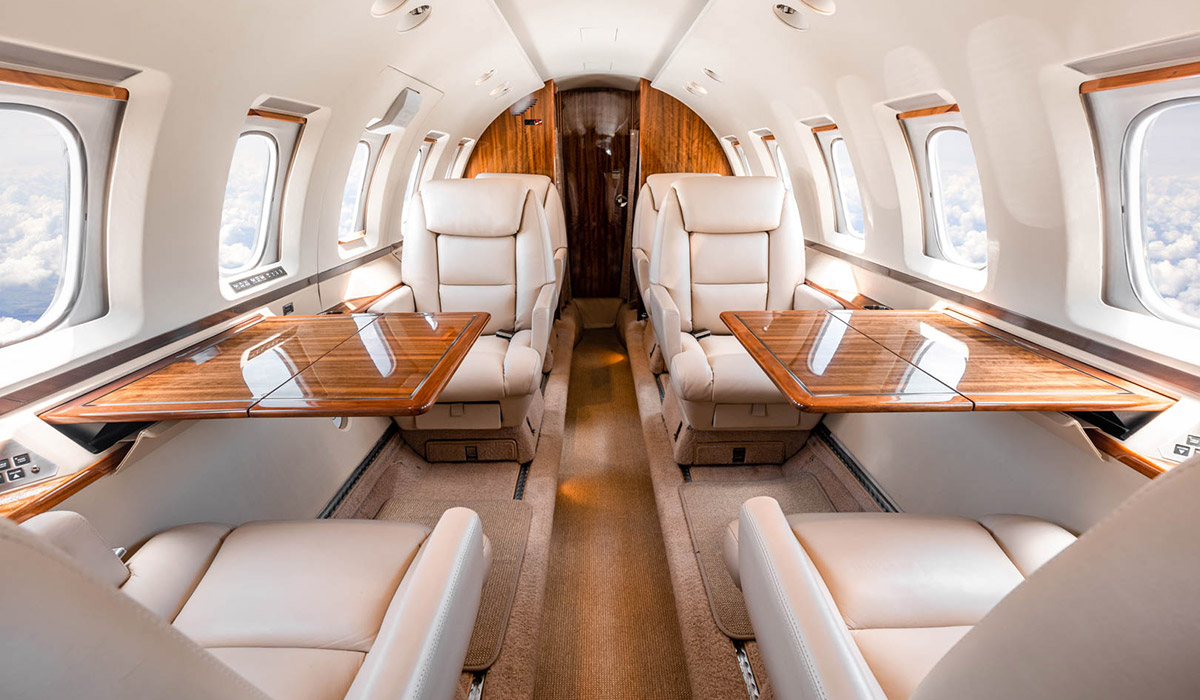
Optional services can raise the overall price. Customized catering, premium beverages, in-flight Wi-Fi, pet accommodations, and ground transportation arrangements are commonly billed separately. Wi-Fi fees range from $3.00 to $8.50 per megabyte depending on the region. Custom in-flight catering can cost between $600 to $1,000 for lunch for four passengers.
Landing fees, ramp fees, hangar fees, and fuel surcharges vary by airport and region. The airport authority is responsible for charging landing fees, which can range from $150 to over $2,000 depending on aircraft size. Landing fees typically range from $150 to $500, varying based on the aircraft's size and weight. Ramp and handling fees are charged by the fixed-base operator to handle and park the aircraft, and these usually range from $100 to $500 per visit. Hangar fees can cost anywhere from $500 to $1,500 per day based on the size of the aircraft. Deicing can cost from $1,500 for smaller aircraft to $10,000 or more for larger aircraft. Congested airports and international destinations typically incur higher fees, which are passed through to the renter. International fees can cost anywhere from $500 to $5,000 or more, depending on the route, and cover landing permits, overflight permits, customs, and immigration. Segment fees are a government tax calculated per passenger and vary by region. Federal Excise Tax is charged for all US domestic flight legs at a rate of 7.5%.
Private jet rental costs are commonly quoted on an hourly basis. While hourly rates provide a useful benchmark, they do not represent the full trip cost on their own.
Hourly rental rates typically range from approximately $1,500 per hour for turboprops and very light jets to $20,000 or more per hour for ultra-long-range jets. These figures generally include the aircraft, crew, and standard operating expenses.
Beyond the base hourly rate, travelers should account for additional items such as fuel surcharges, landing fees, crew expenses, and taxes. The total trip cost is calculated by combining flight time, positioning legs, and applicable fees.
For frequent travelers, comparing private jet rental costs with alternatives such as jet cards or fractional aircraft ownership can reveal long-term cost savings. Usage patterns, trip length, and flexibility requirements play an important role in determining the most economical approach.
The private aviation market offers a wide range of aircraft categories, each designed for different mission profiles.
Light jets are well-suited for short trips and regional travel. They typically seat four to seven passengers and offer efficient operating costs. These aircraft are often used for business day trips and quick point-to-point flights.
Midsize jets provide increased cabin space, improved range, and enhanced comfort. Super-midsize jets have a longer range and are popular for cross-country flights within the United States.
Ultra-long-range jets are designed for nonstop international travel. They feature spacious cabins, dedicated rest areas, advanced connectivity, and premium amenities. These aircraft are best suited for long-haul business or leisure travel where time and comfort are critical.
Turboprops offer a cost-effective solution for short regional routes and airports with shorter runways. While slower than jets, they are efficient and practical for many domestic flights.
Charter services allow travelers to select the most appropriate aircraft for each trip rather than committing to a single model. Renting an entire plane also ensures maximum privacy and control over your itinerary.
Booking a private jet charter is designed to be a seamless and personalized experience, whether you’re a first-time flyer or a seasoned traveler. Understanding the steps involved can help you navigate private jet rental prices and ensure you get the best value for your private jet travel.
To begin, you’ll typically reach out to a private aviation company or a reputable broker. They will guide you through the process and help you find the right aircraft type for your journey, whether you’re planning a short regional flight or a long-haul international trip. You’ll be asked to provide key flight details, such as your departure and arrival airports, preferred dates and times, number of passengers, and any special requirements. This information allows the provider to calculate the private jet charter cost based on factors like flight distance, aircraft size, and any additional services you may need.
Once your requirements are clear, you’ll receive a detailed quote outlining the private jet rental costs. This quote will break down the private jet pricing, including the base private jet flight cost, landing fees, and any anticipated additional fees such as fuel surcharges, hangar fees, or charges for in-flight catering and ground transportation. It’s important to review this quote carefully and ask about any potential hidden fees that could affect the final cost to rent the jet.
If you’re satisfied with the quote, the next step is to confirm your booking. The private jet company or broker will send you a contract that specifies the terms of your charter flight, including payment schedules, cancellation policies, and a summary of all included and optional services. Take the time to read the contract thoroughly to ensure you understand the total cost and what is covered. Don’t hesitate to clarify any points about rental costs, additional services, or the process for making changes to your flight details.
After signing the contract and making the necessary payment, you’ll receive a confirmation with all the details for your next flight. This will include the aircraft type, scheduled flight time, and any special arrangements you’ve requested. On the day of your private flight, you’ll typically arrive at a private terminal or fixed-base operator (FBO), where you’ll be greeted by the crew and escorted directly to your aircraft—bypassing the crowds and delays of commercial flights.
During your journey, you can expect a high level of comfort and service. Private jet rentals offer amenities such as plush seating, in-flight entertainment, and gourmet catering tailored to your preferences. If you’ve arranged for additional services like a flight attendant or ground transportation at your destination, these will be coordinated for a smooth, stress-free experience.
One of the greatest advantages of private jet charter is the ability to fly on your own schedule, with the flexibility to adjust plans as needed. Whether you’re traveling for business or leisure, private jet rentals offer privacy, convenience, and the ability to customize every aspect of your trip. From light jets for short regional flights to ultra long range jets for international journeys, there’s an aircraft option to suit every itinerary and budget.
In summary, booking a private jet is a straightforward process that puts you in control. By understanding private jet rental prices, the booking steps, and the range of additional services available, you can make informed decisions and enjoy a truly elevated travel experience. Whether you’re planning a quick domestic trip or a longer international flight, private jet charter offers a level of luxury and flexibility that commercial flying simply can’t match.
While private jet charter pricing is transparent compared to many luxury services, additional fees can still affect the final cost if not understood upfront. It is important to be aware of additional costs beyond the base price, such as repositioning, crew overnights, handling, taxes, and premium services, to fully understand the total cost of private aviation.
Landing and airport fees vary significantly by location and time of day. Busy metropolitan airports tend to charge higher fees than regional or private facilities.
Fuel surcharges fluctuate with market conditions and can affect trip pricing, especially on longer flights. Deicing fees may apply during winter operations in colder climates.
Crew-related expenses, including overnight accommodations and meals, are often billed separately when trips require extended duty periods. Crew overnight and per diem fees typically range from $200 to $600 per crew member per night. Crew logistics, including overnight stays, can add to the overall cost of a private jet rental. Some operators also charge administrative or flight planning fees.
Understanding these potential charges in advance allows travelers to budget accurately and avoid unexpected expenses. Additionally, carbon footprint offsetting is available at approximately 0.06% of the total charter cost.
Private jet travel differs fundamentally from commercial air travel in terms of experience, flexibility, and time efficiency.
Private jets offer complete schedule control, eliminating connections, delays, and long security lines. Travelers arrive closer to departure time and often land at airports near their destination.
While commercial first-class cabins provide comfort, they cannot match the privacy, customization, and productivity benefits of private aviation. For groups traveling together, private jet rental can be cost-competitive when time savings and convenience are considered.
For solo travelers on short routes, commercial flights may remain the more economical option. The decision ultimately depends on travel priorities, frequency, and the value placed on time.
Private aviation does not have to be inefficient or unpredictable in cost. Several strategies can help reduce expenses.
Empty leg flights offer discounted rates when an aircraft needs to reposition without passengers. These opportunities work best for travelers with flexible schedules.
Flying during off-peak periods or selecting smaller aircraft can also lower costs. Matching aircraft size to mission requirements is one of the most effective ways to manage spending.
Jet cards and membership programs provide fixed hourly rates and predictable pricing for frequent flyers. These programs reduce variability and simplify budgeting.
Working with an experienced aviation advisor or broker helps identify the most cost-effective solutions while maintaining safety and reliability standards.
The private aviation market continues to evolve in response to changing travel patterns and technological advancements.
Demand for private jet travel has increased globally, driven by a desire for flexibility and controlled travel environments. At the same time, operators are investing in more fuel-efficient aircraft and exploring sustainable aviation fuel options.
Platforms like Jettly and Blade facilitate easy booking of private jet charters, making private aviation more accessible and efficient. With thousands of aircraft worldwide, travelers benefit from the global reach and extensive accessibility of private jets, connecting instantly to a vast network of private aircraft.
Digital booking platforms and improved pricing transparency have made private aviation more accessible. Travelers can now compare options more easily and make informed decisions based on real-time data.
Understanding these trends helps travelers evaluate whether renting, joining a jet card program, or exploring fractional jet ownership aligns best with their long-term travel needs.
The cost to rent a private jet varies widely depending on aircraft size, flight duration, and additional services. Hourly rates typically range from $1,500 for turboprops and very light jets to over $20,000 for ultra-long-range jets. Additional fees such as landing permits, fuel surcharges, and crew expenses can affect the total cost.
Key factors include aircraft type and size, flight distance and duration, airport fees, crew salaries and overnight accommodations, in-flight amenities like catering and Wi-Fi, and operational costs such as fuel surcharges and deicing fees.
Yes. Travelers can save by booking empty leg flights, flying during off-peak times, selecting smaller aircraft for short regional flights, and using membership programs or jet cards that offer fixed pricing and discounts.
An empty leg flight occurs when a private jet needs to reposition without passengers. These flights are offered at discounted rates but have fixed routes and schedules, making them ideal for flexible travelers seeking lower prices.
Private jets provide greater flexibility, privacy, and access to regional airports closer to final destinations. They reduce time spent on security and connections but generally come at a higher cost, which may be offset for groups or frequent travelers valuing convenience.
Fractional ownership allows travelers to buy a share of a private jet, providing guaranteed access with predictable costs and eliminating the responsibilities of full ownership. It can be more cost-effective for frequent flyers.
Typically, in-flight catering, ground transportation, and other personalized services are billed separately. These can be customized based on preferences and budget.
Booking as early as possible helps secure preferred aircraft and better pricing. However, many operators also accommodate last-minute bookings, especially for smaller jets or when using digital booking platforms.
Most private jets allow pets on board, often with fewer restrictions than commercial airlines. It's advisable to inform the operator in advance to arrange appropriate accommodations.
A billable flight hour refers to the time from wheels up to wheels down, including positioning flights when applicable. It is the primary metric used to calculate private jet rental costs.
Renting a private jet offers unmatched flexibility, efficiency, and control for travelers who value time and privacy. By understanding how private jet rental costs are structured and what factors influence pricing, travelers can make confident, informed decisions.
For those who fly frequently or want greater cost predictability, alternatives such as fractional jet ownership may provide long-term advantages beyond single-trip rentals.
Ready to explore the smarter way to access private aviation? Visit https://www.fractionaljetownership.com/ to learn how fractional ownership can deliver the benefits of private jet travel with greater efficiency, transparency, and control.
