May 1, 2026
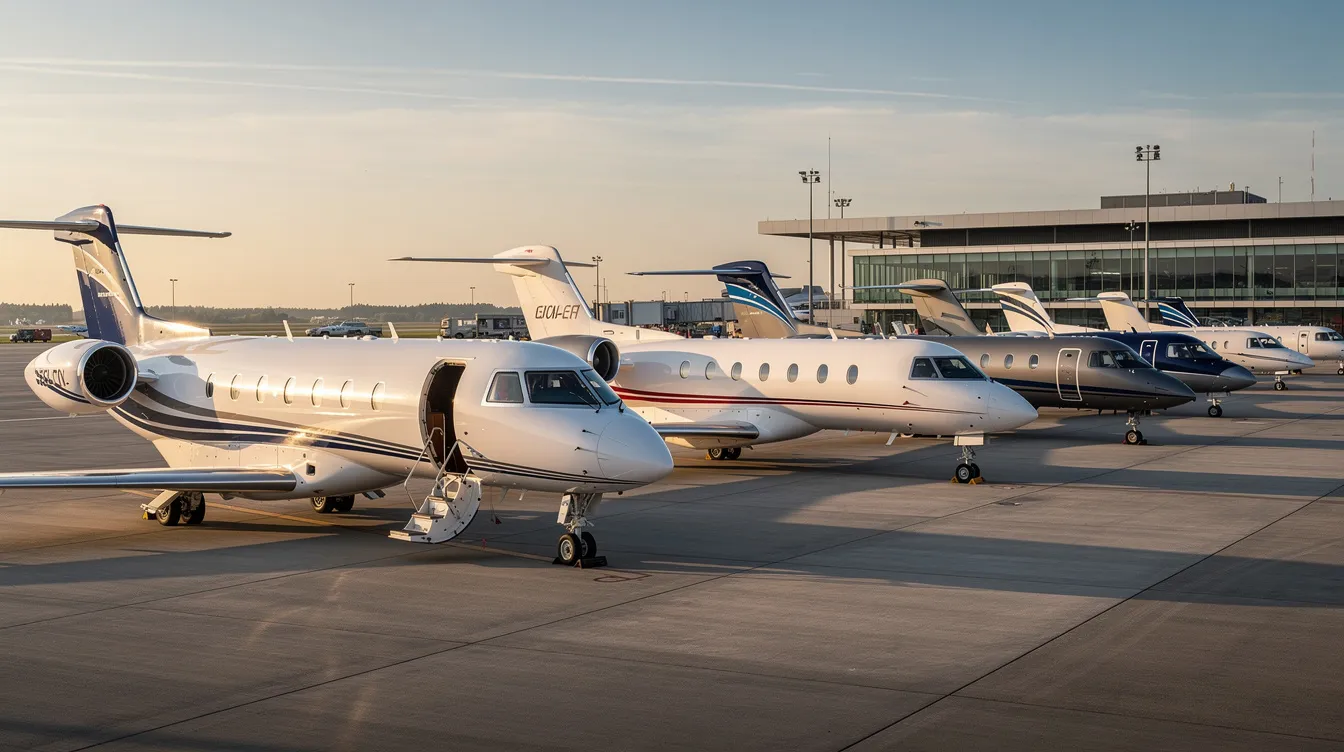
The total price range for purchasing a private jet can vary from $2 million to over $110 million, depending on the size, model, and features of the aircraft. Add annual operating costs that frequently rival or exceed the purchase price over time, and the financial picture becomes far more complex than a simple sticker price suggests.
This guide is designed for prospective private jet buyers, business aviation managers, and anyone considering private jet access options. Understanding the true cost of jet ownership or access is essential for making informed financial decisions and maximizing value.
This guide breaks down jet aircraft prices across every category—from very light jets to ultra-long-range flagships—and explores access models including fractional ownership, memberships, charter, and private jet leasing. Fractional ownership allows individuals to share the cost of owning a private jet with others, typically ranging from a 1/16th to a 50% share, providing access to a set number of flight hours per year. Chartering a private jet offers flexibility and convenience without the ongoing commitments of ownership, allowing travelers to choose the ideal aircraft for each journey and only pay for the costs associated with their flight. Whether considering a pre-owned aircraft or a factory-new flagship, understanding the full cost landscape is essential for making an informed decision. Private jet ownership is also a key consideration, offering advantages such as privacy, flexibility, and comfort; this article will compare private jet ownership to other access models to help you choose the best fit.
The private jet market in 2026 reflects a stratified ecosystem shaped by persistent post-pandemic demand, supply chain constraints from 2023-2026, and evolving buyer preferences. The total number of private jets in operation worldwide is approximately 24,270 as of July 2024, indicating the growing accessibility and popularity of private aviation. Private jet leasing is also gaining traction as an alternative to outright purchase or fractional ownership, offering financial flexibility for those seeking to avoid upfront costs and depreciation risks.
New and pre-owned values remain elevated compared to pre-2020 levels, driven by strong demand in the U.S. and global private aviation sectors. High-net-worth individuals and corporations continue prioritizing flexibility, pushing prices upward for both acquisition and access.
Here are typical 2026 price bands across categories:
Very light/light jets: ~$3–12 million new; from ~$1.5 million pre-owned (older models under $1 million)
Midsize/super midsize jets: ~$13–35 million new; from ~$8–20 million pre-owned
Large/ultra-long-range: ~$35–100+ million new; from ~$15–70 million pre-owned
Very Light Jets (VLJ) typically range from $3M to $6M; Light Jets range from $6M to $12M; Midsize Jets range from $13M to $20M; Super Midsize Jets range from $20M to $35M; Large Cabin/Long-Range Jets range from $35M to $75M; Ultra-Long-Range/Bizliners can exceed $65M and reach up to $500M+.
BlackJet Fractional Jet Ownership provides a way to control jet aircraft cost via Reserve Fleet (pay-as-you-go) and Equity Fleet (fractional aircraft ownership) instead of full ownership. The remaining sections break down key price drivers, operating costs, and scenarios where fractional aircraft ownership or membership programs deliver better value than buying a private jet outright.
The purchase price of a private aircraft is driven primarily by size, range, age, and brand prestige. Supply constraints from 2023-2026 have kept values relatively high compared to pre-2020, with manufacturer backlogs from Gulfstream, Bombardier, and Cessna sustaining list prices.
Buyers typically evaluate jets across three main categories:
Very light & light jets: 4–8 passengers, regional U.S. range
Midsize & super midsize jets: 6–10 passengers, transcontinental range
Large cabin & ultra-long-range jets: 10–18+ passengers, intercontinental range
Pre-owned private jets can be purchased for 20-50% less than their new counterparts, with prices varying significantly based on age and condition. Used aircraft can be 20% to 50% cheaper upfront, but often come with higher maintenance needs and fewer technological updates. Buyers should factor in potential avionics upgrades and cabin refurbishment costs when evaluating the total aircraft price.
Private jet ownership offers maximum privacy, flexibility, and customization, but comes with higher upfront costs and ongoing expenses, while private jet leasing provides lower initial costs and eliminates depreciation risk, making it attractive for those seeking flexibility without long-term commitment. Fractional ownership and leasing models can also reduce capital outlay compared to full ownership.
For many private jet owners using 25–150 flight hours per year, BlackJet’s fractional ownership or Reserve Fleet model delivers predictable access without tying up millions of dollars in a single asset. Private jet leasing is another alternative for those who want access to a jet without the long-term commitment or capital outlay of ownership.

Very light jets represent the most affordable entry point into jet ownership, designed for shorter flights and offering remarkable performance at a lower price point. These aircraft serve as the most common gateway for owner-operators and small businesses focused on short regional flights, typically under 1,500–2,000 nautical miles.
The purchase price for a new light jet can range from $3 million to $9 million, while new midsize jets typically cost between $9 million and $20 million. Here are popular models with 2024–2026 pricing:
Cirrus Vision Jet SF50 (VLJ): Around $2.5–3.5 million new in 2025; late-2010s pre-owned from ~$1.8–2.7 million
HondaJet Elite II: Approximately $6–7 million new; earlier HondaJet HA-420 models (2016–2019) often $3–4.5 million pre-owned, and fractional ownership of the HondaJet can further lower the upfront capital required
Cessna Citation M2 Gen2: A new Cessna Citation M2, which is a light jet, can cost upwards of $5 million, while a pre-owned version may cost around $4.2 million
Cessna Citation Mustang and Embraer Phenom 100: Provide a balance of luxury, comfort, and affordability, making them ideal for business trips
Eclipse 500: Pre-owned prices for older jets can depreciate to below $2 million, and even less than $1 million after several years—the Eclipse 500 represents an extreme value with properly maintained examples at $800,000–$950,000
The typical mission profile includes 3–6 passengers on nonstop flights such as New York–Miami, Dallas–Chicago, or Los Angeles–Aspen. These private jets offer the cheapest access to smaller airports that commercial airlines cannot serve.
For travelers flying only 30–75 hours annually, BlackJet’s Reserve Fleet or a 1/16–1/8 fractional share in a new light jet can be more cost-efficient than full purchase plus hangar fees, crew costs, and private jet insurance.
Midsize jets serve as the core business aviation category, ideal for U.S. coast-to-coast travel and North American/Caribbean routes. These business jets balance cabin space with range, often featuring stand-up cabins and connectivity for productive private jet flight.
Current 2024–2026 list prices for popular models:
Embraer Praetor 500 (midsize): Around $20–21 million new; pre-owned Legacy 450 typically $12–17 million
Cessna Citation Longitude: List price around $30–32 million new
Bombardier Challenger 3500 (super midsize): Approximately $26–28 million new; earlier Challenger 300/350 models on the pre-owned market often $12–20 million
The typical range is 3,000–3,500 nautical miles, making nonstop flights like New York–Los Angeles, Chicago–San José, or transcontinental missions achievable. A mid-size jet offers spacious cabin configurations for 6–10 passengers.
For corporations averaging 75–150 hours per year, understanding the full cost of fractional jet ownership is essential, as fractional jet ownership in a midsize or super midsize type spreads capital and operational costs while providing guaranteed access and consistent cabin configuration. Buyers and fractional owners should examine engine programs like Rolls-Royce CorporateCare, which can add 10-15% to upfront costs yet preserve long-term value and reduce maintenance reserves.
Large jets and ultra-long-range flagships serve intercontinental business travel, family offices, and ultra-high-net-worth individuals flying 300+ flight hours per year. The average cost of a new large jet can exceed $75 million, while the most expensive VIP-configured aircraft can surpass $100 million.
Current-generation pricing for larger aircraft:
Gulfstream G700: Catalog price typically exceeding $75–80 million; first customer deliveries began around 2023–2024
Bombardier Global 7500: Around $75–80 million new; slightly older Global 6000/6500 variants typically $30–55 million used.
Dassault Falcon 10X (in development): Announced target list price expected in the $80–90+ million range
VIP airliner conversions like Boeing Business Jets or Airbus ACJ319neo frequently exceed $100–120 million,n including completion, with individual projects occasionally surpassing hundreds of millions, ns depending on interior specification. High-end bespoke interior customizations can add millions to the final price of an aircraft. Larger cabins accommodate more passengers and offer full stand-up height, significantly increasing costs.
Modern jet models often hold over 80% of their original price after five years when meticulously maintained. The capability to fly further without refueling increases the price of aircraft, with top-tier platforms from Gulfstream, Bombardier, and Dassault retaining strong residual values.
For heavy jet users flying under 300 hours annually, combining fractional ownership in a super midsize jet with on-demand private jet charter for occasional ultra-long-range trips often delivers better capital efficiency than owning a single large cabin aircraft.
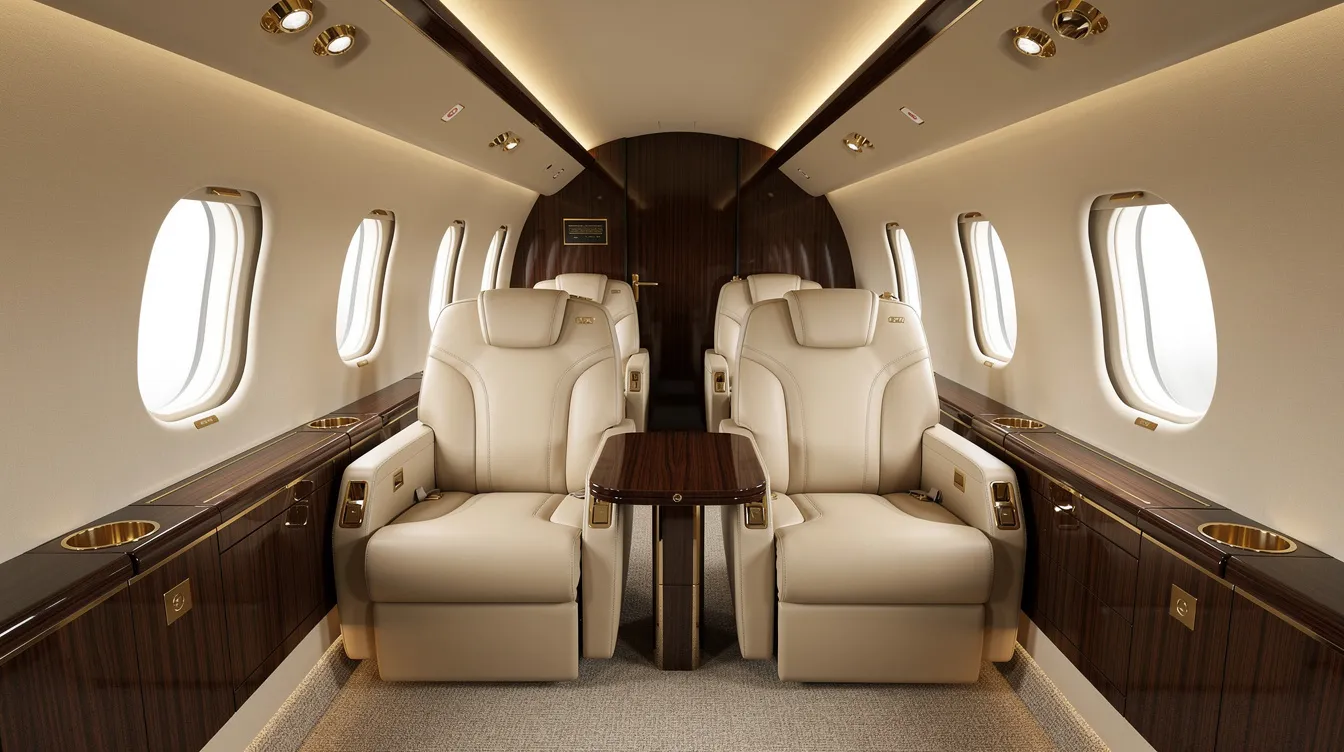
Two jets of the same age can carry vastly different prices due to equipment, history, and market conditions. Initial sticker price, asset value, capital cost, and charter rate/hourly rate are key factors in aircraft pricing. These are key factors in aircraft pricing.
Primary price drivers include:
Cabin size and range: Larger cabins and longer ranges command higher prices
Manufacturer and model popularity: In-demand platforms like the Phenom 300E or Citation XLS+ trade at premiums
Age, flight hours, and cycles: The number of flight hours and pressurization cycles directly impacts the value of pre-owned jets; higher hours generally lower the price
Maintenance status and records: Well-documented, on-program aircraft command 10-20% higher prices
Avionics suite: Upgraded glass cockpits and ADS-B compliance can add $500,000–$2 million in value
Market cycles: Demand during peak travel times can inflate aircraft prices; post-2021 backlogs pushed pre-owned values 15-25% higher
For fractional aircraft ownership through BlackJet, many of these factors are managed by the program provider—sourcing and managing aircraft to balance acquisition price, residual value, and operating efficiency on behalf of clients, while helping clients navigate key fractional jet ownership terms and concepts.
Buying the private plane is only the beginning. Annual operating costs can easily run from $500,000 to $2+ million, depending on size and usage. Jet operating costs vary significantly: a light jet can cost $500,000 to $900,000 per year, while ultra-long-range jets can exceed $4 million annually.
These ongoing costs divide into fixed costs (paid whether or not the aircraft flies) and variable costs (incurred per flight hour). Many high-net-worth individuals and companies choose fractional aircraft ownership specifically to convert unpredictable ownership costs into more predictable monthly and hourly charges, making it important to understand the total cost structure of fractional jet ownership.
Fixed costs are incurred regardless of how often the jet flies and vary by region. Ongoing annual costs for operating jets typically total between $500,000 to $1.2 million. Annual operating costs for a mid-size jet can total hundreds of thousands of dollars.
Realistic 2024–2026 fixed cost ranges:
Cost Category | Annual Range |
|---|---|
Hangar fees and parking | $30,000–$100,000+ (higher at major hubs) |
Insurance | 1–3% of hull value ($15,000–$300,000) |
Crew salaries | $200,000–$500,000+ (two pilots plus benefits) |
Management fees | $100,000–$250,000 |
Subscriptions/databases | $10,000–$20,000+ |
Storage costs for an aircraft can range from $50 to $100 per month for outside storage to $100 to $500 for a hangar, which are important factors in the total cost of ownership. Operating costs for private jets can include insurance costs of $15,000 to $30,000 per year for smaller aircraft.
Fractional jet ownership through BlackJet bundles many of these fixed costs into a transparent structure, so an owner of a 1/8 share does not bear 100% of the annual costs. This approach converts unpredictable ownership expenses into manageable monthly obligations.
Variable costs are incurred when the private aircraft actually flies, depending on fuel prices, maintenance reserves, and crew member expenses per trip.
Typical 2025–2026 per hour ranges by aircraft category:
Category | Variable Cost Per Hour |
|---|---|
Very light/light jets | $1,000–$1,800 |
Midsize/super midsize | $2,000–$3,500+ |
Large/ultra-long-range | $3,500–$5,500+ |
Key variable cost components: |
Fuel costs: Operating costs for private jets can include fuel expenses ranging from $300 to $700 per hour. A midsize jet can burn 200–250 gallons per hour at $5–7/gallon, meaning fuel alone reaches $1,000–$1,700 per hour
Maintenance reserves: Set aside for engine overhauls, frequently hundreds of dollars per hour per engine. Operating costs include maintenance costs between $50,000 and $200,000 annually.
Landing fees and handling: Major hubs like Teterboro, LAX, or London Luton charge premium fees at airports compared to smaller regional airports
Fuel surcharges: Can add 5-10% volatility to trip costs
Crew travel: Hotel, per diem, and ground transport for overnights away from home base
Total trip costs for chartering a private jet include additional fees such as aircraft positioning fees, fuel surcharges, landing fees, crew expenses, and applicable taxes, which can add 20–40% on top of the base rate.
Under BlackJet’s Reserve Fleet and Equity Fleet programs, clients see these costs reflected as predictable hourly rates rather than managing each expense line.
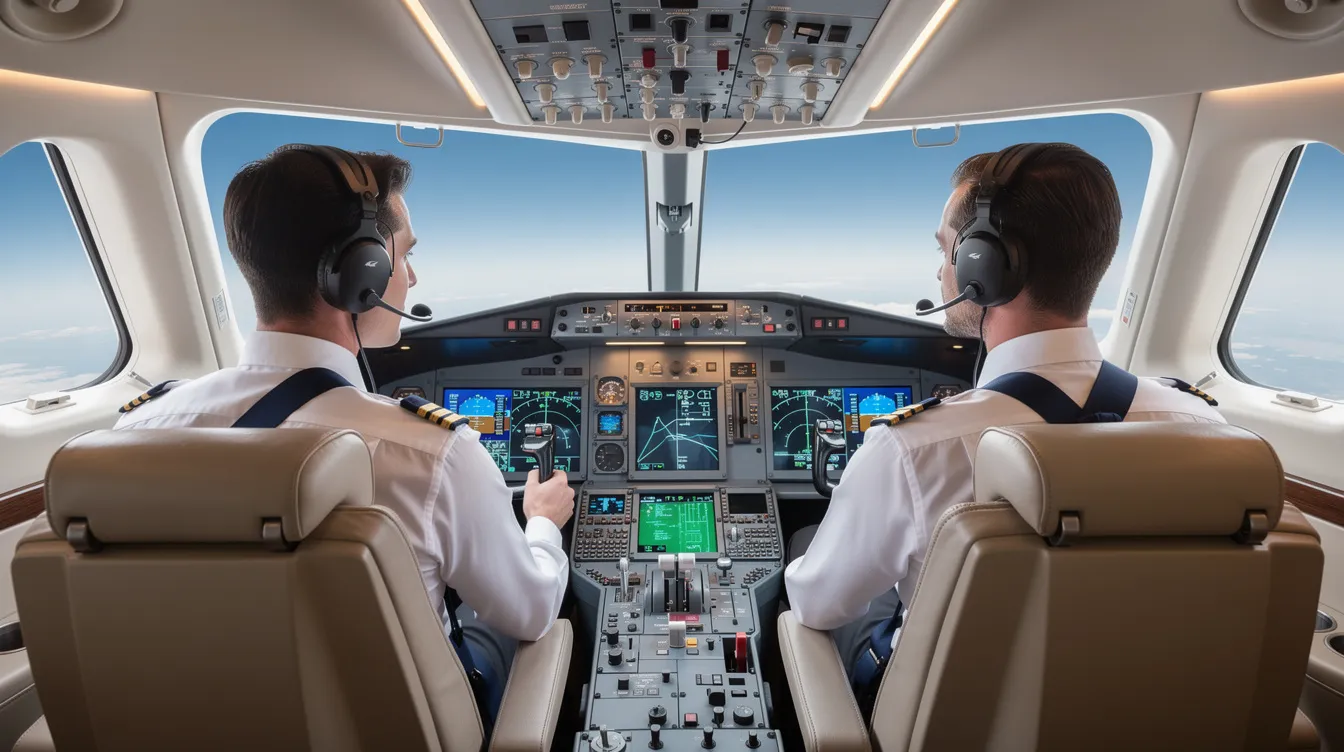
The purchase price represents only one dimension of jet aircraft price. How a traveler accesses flight hours—full ownership, fractional aircraft ownership, or jet cards and membership—often has the bigger impact on total cost per hour.
Full ownership: Also known as private jet ownership, this model is generally best for users flying 200–300+ hours per year with infrastructure and appetite for capital deployment. Private jet ownership offers significant advantages, including maximum privacy, flexibility in scheduling, superior comfort, and the ability to customize the aircraft to personal or business needs. It is particularly suitable for those who value convenience and tailored travel experiences, whether for personal or corporate use.
Fractional ownership: Ideal for those flying 25–150 hours annually who want consistent aircraft quality without owning an entire jet, and who view fractional jet ownership as a potential investment with shared costs and professional management
Membership/Reserve programs: Suited for flexible flyers seeking pay-as-you-go hours with fewer long-term commitments, and can be evaluated alongside the best fractional jet ownership programs for frequent flyers
Private jet leasing is another alternative to ownership and fractional models. Leasing eliminates upfront costs and depreciation risks, offering financial flexibility. There are two main types: dry leases, which provide just the aircraft, and wet leases, which include crew and operational support, and some programs incorporate floating fleet fractional ownership structures to increase flexibility and aircraft availability.
BlackJet’s two core models address different needs: Equity Fleet provides fractional ownership with priority access and potential tax advantages, while Reserve Fleet offers non-equity, pay-per-hour access without capital investment in an aircraft asset.
Full ownership typically becomes economical around 200–250 hours per year for light/midsize jets and 300+ hours for large cabin aircraft. Flying private at this volume spreads fixed costs across enough hours to achieve competitive per-hour economics.
Consider an executive flying 300 hours per year on a midsize jet:
Full ownership: ~$1.2M variable costs + $400K fixed costs = ~$5,300 per hour all-in
Fractional ownership (1/8 share): ~$3,500–$4,000 per hour effective
Charter access: Chartering a private jet typically costs between $2,000 and $14,000 per flight hour, depending on aircraft size, route, and onboard services.
Advantages of full ownership include total control, custom interior, ability to set crew standards, and base location flexibility. Risks include depreciation (often 20-30% inthe first 5-7 years), residual value uncertainty, maintenance downtime, and exposure to fuel price swings.
Frequent flyers now combine a smaller wholly owned aircraft with fractional or membership access to larger aircraft as needed, optimizing overall aircraft price and utilization.
Fractional ownership allows individuals to share the cost of owning a private jet with others, typically ranging from a 1/16th to a 50% share, providing access to a set number of flight hours per year. This approach shares acquisition price and ongoing costs among several owners.
Typical share structures:
Share Size | Approximate Annual Hours | Capital Required (Example: $8M Jet) |
|---|---|---|
1/16 share | ~50 hours | ~$500,000 |
1/8 share | ~100 hours | ~$1,000,000 |
1/4 share | ~200 hours | ~$2,000,000 |
BlackJet’s Equity Fleet model adds advantages, including support for standard share sizes such as 1/8 fractional jet ownership with around 100 hours per year.
BlackJet’s Equity Fleet model adds advantage, including carefully structured agreements, making it vital for buyers to understand essential fractional ownership contract terms.
BlackJet’s Equity Fleet model adds advantages, including clearly defined ownership structures, similar in spirit to an aircraft fractional ownership sample contract guide.
BlackJet’s Equity Fleet model adds advantages, including long-term planning support, which also extends to strategies for selling or exiting a fractional jet ownership share.
BlackJet’s Equity Fleet model adds advantages,s including:
Customized aircraft sourcing to match mission profile
Priority access to the owned aircraft type
Potential U.S. tax benefits (e.g., accelerated depreciation where applicable—consult a tax advisor)
A fractional ownership program often delivers a lower effective hourly cost than ad-hoc charter for clients flying 50–150 hours annually on consistent routes, but travelers should compare fractional jet ownership versus membership programs to find the best fit for their flying patterns. The structure converts the burden of full ownership into shared responsibility while maintaining the benefits of flying private.
Reserve Fleet and membership programs allow travelers to fly privately without aircraft purchase, paying instead for flight hours at pre-agreed rates with guaranteed availability.
Chartering a private jet offers flexibility and convenience without the ongoing commitments of ownership, allowing travelers to choose the ideal aircraft for each journey. Charter operators often require a minimum booking of two flight hours, meaning the price to hire a private jet starts at roughly $4,000 to $7,0,00 even for a short trip.
The average cost to charter a private jet in the United States falls between $5,000 and $10,000 for a typical 2-hour domestic flight on a midsize jet. Leasing a private jet eliminates high upfront costs and depreciation risks, with users paying a deposit, monthly management fee, and hourly rate—similar to a wet lease structure.
For travelers evaluating these choices, it helps to compare BlackJet’s Reserve Fleet, Equity Fleet, and Lease Program side by side to align access with their budget and usage.
Ideal use cases for Reserve Fleet access:
Business owners flying irregularly (20–60 hours per year)
Families wanting seasonal trips without long-term ownership
Companies are testing private aviation demand before committing to fractional aircraft ownership
Empty leg flights, which occur when an aircraft must fly without passengers to reach its next pickup location, can offer discounts of 25–75% off standard charter rates. These leg flights provide significant savings for flexible travelers.
BlackJet’s Reserve Fleet offers predictable hourly rates, access to modern aircraft, and professional management without tying clients to a specific tail number. For many, Reserve Fleet becomes the entry point, with the option to transition into Equity Fleet fractional ownership once usage patterns justify deeper commitment.

Creating a realistic budget requires understanding mission requirements and comparing access models systematically. Used jets can often be available at lower prices, frequently under $1 million for older light jets, while pre-owned heavy jets can range from $15M to $65M.
Follow this 4-step process:
Define mission profile: Identify primary routes, typical passenger count, and frequency per year
Estimate annual hours: Sum expected trips to determine if charter, membership, fractional, or full ownership fits best
Compare capital vs. cash-flow: Decide how much capital to commit to the aircraft price versus the ongoing hourly and membership fees.
Engage an expert advisor: Use a specialist like BlackJet Fractional Jet Ownership to model scenarios.
Ad-hoc private jet charter only at typical hourly rates ($5,000–$10,000 foshort-haulul flights)
Reserve Fleet/membership model with fixed hourly pricing and guaranteed availability
Equity Fleet fractional aircraft ownership plus occasional supplemental charter for long haul flights, potentially anchored around bases offering fractional jet ownership in Pittsburgh, with regional availability through options like fractional jet ownership in Phoenix, which can be aligned with local markets like fractional jet ownership in Orlando, including region-specific solutions such as fractional jet ownership in Nashville, with options tailored to markets like fractional jet ownership in Austin, which can be structured around regional hubs such as fractional jet ownership based in Atlanta
The right structure reduces effective cost per hour while improving schedule control, privacy, and productivity. Consider whether charter costs justify the flexibility or whether predictable fractional access better serves your private jet travel needs.
Jet aircraft prices in 2026 span from under $2 million for older light jets to $80–100+ million for new ultra-long-range aircraft. Operating costs—including fuel costs, crew costs, hangar fees, and maintenance reserves—can rival or exceed acquisition prices over the asset’s life.
For most travelers flying 25–150 hours per year, fractional jet ownership or structured membership through programs like BlackJet’s Equity Fleet and Reserve Fleet offers a smarter balance between cost, flexibility, and control. Think in terms of cost per productive hour saved rather than just aircraft price, emphasizing time efficiency, privacy, and schedule certainty.
The luxury amenities and convenience of private flight become accessible without the capital commitment of buying a private jet. Whether you need to purchase a private aircraft share or prefer the affordable entry point of hourly access, the right model exists.
Ready to explore the smarter way to fly private? Visit FractionalJetOwnership.com to learn how fractional ownership can transform your travel experience. Request a personalized cost analysis comparing full ownership, fractional aircraft ownership, and Reserve Fleet access based on your actual travel profile.
