
August 30, 2026
This guide explains how jet card pricing really works, who jet cards are best for, and why understanding the true cost is essential for private flyers. Whether you're considering your first jet card or comparing options, this article will help you make an informed decision.
Private jet card pricing can be deceptively simple on the surface. A provider quotes an hourly rate, multiplies it by a block of flight hours, and presents a total. But the real cost of flying on a jet card involves far more than that headline number.
How much does a jet card cost? Jet card costs range from $25,000 to over $200,000 depending on aircraft type, hours purchased, and provider. A 25-hour jet card for light jets typically runs $150,000 to $200,000 in the United States as of 2026. For 50 hours on heavy jets, expect to pay $450,000 to $700,000 or more. Jet card prices range from $25,000 for 25 hours on turboprops to over $200,000 for 100 hours on larger aircraft types.
The total cost of using a jet card includes an upfront commitment plus hourly charges and taxes. Most programs combine a prepaid funding amount with variable additional fees such as fuel surcharges, federal excise tax, and peak-day premiums. These line items can add 5–20% or more beyond the advertised hourly rate.
Many BlackJet Fractional Jet Ownership clients use jet card pricing benchmarks to evaluate whether a jet card membership, fractional ownership, or Reserve Fleet access is more cost-effective beyond 25–50 hours per year. The sections below break down jet card cost line by line so readers can compare programs against fractional aircraft ownership or on-demand charter with confidence.
A jet card is a prepaid program that provides access to a private jet fleet without full ownership. Clients purchase blocks of flight hours—commonly 25, 50, or 100 hours—at fixed hourly rates tied to an aircraft size category such as light, midsize, super-midsize, or heavy jets. Jet card programs provide access to fleets without full ownership, making them popular among travelers who want predictable private jet travel without capital commitments.
Private jet card pricing varies by aircraft type and hours purchased. Most cards quote a per-hour rate (for example, $8,500 per hour for a midsize jet), then multiply by funded hours. Separate line items for taxes and surcharges appear on the final invoice. Flight time billing conventions vary depending on the provider: some bill from takeoff to touchdown, while others include taxi time and enforce minimum flight times of 1.0 or 1.5 hours per segment. Most jet card programs enforce a daily minimum charge, which means a 30-minute hop still bills as a full hour or more.
Some cards eliminate minimum flight charges for shorter trips, and fixed-rate pricing prevents unexpected costs during flights. Jet cards provide guaranteed aircraft availability year-round in many programs, distinguishing them from on-demand charter where availability fluctuates. Jet membership programs are different from private jet cards, as they often involve ongoing fees rather than prepaid hours. BlackJet's Reserve Fleet offers a similar pay-as-you-go structure but with guaranteed access and no ownership obligations.
Every jet card invoice contains several distinct cost layers. Understanding each one is critical before signing a contract.
Base hourly rate. The advertised rate—often shown as "from $7,000 per hour" — covers aircraft time but typically excludes many additional costs that affect total spend.
Membership or initiation fees. Some providers charge separate enrollment or annual fees of $15,000–$30,000 per year on top of funded flight hours.
Fuel surcharges. Indexed to jet fuel prices and updated monthly or quarterly, fuel surcharges may apply depending on market fluctuations and can add hundreds to thousands per flight hour.
Federal excise tax. U.S. private aviation is subject to federal excise taxes and passenger-related taxes. A standard 7.5% federal excise tax applies to commercial air transportation in the U.S., and it is typically not included in the base price. Jet card pricing may exclude fuel surcharges and taxes entirely from the quoted rate.
Operational fees. Segment fees, landing fees, overnight crew charges, catering, and ground transportation surcharges appear as separate line items.
Understanding each cost component matters before comparing a jet card to fractional aircraft ownership, where costs are more heavily front-loaded but can reduce the per-hour expense for regular flyers, especially once you understand the key terms and concepts of fractional jet ownership.
Aircraft size and aircraft type are the single largest drivers of card pricing. Larger jets command higher hourly rates due to size, fuel burn, crew requirements, and maintenance costs. Here are typical 2026 ranges for the United States:
Light jets (e.g., Embraer Phenom 300, Citation Latitude): $6,000–$9,000/hr
Midsize jets: $7,500–$9,500/hr
Super-midsize jets: $9,500–$12,000/hr
Heavy jets (e.g., Gulfstream G450, Dassault Falcon 7X): $12,000–$20,000+/hr
Specific models within a category can vary based on age, cabin configuration, and range. A Phenom 300 and a Citation CJ3 are both light jets, but the Phenom's greater range and cabin volume often command a premium. Long-range heavy jets capable of nonstop international flights attract the highest pricing options but may be excessive for short regional routes.
Some providers offer blended cabin-category pricing where one rate covers several aircraft types. Others publish distinct rates per model. BlackJet Fractional Jet Ownership helps clients map their actual mission profile—city pairs, passenger counts, average stage length—to the most efficient aircraft size before committing to any program and to compare that against the total cost of fractional jet ownership.
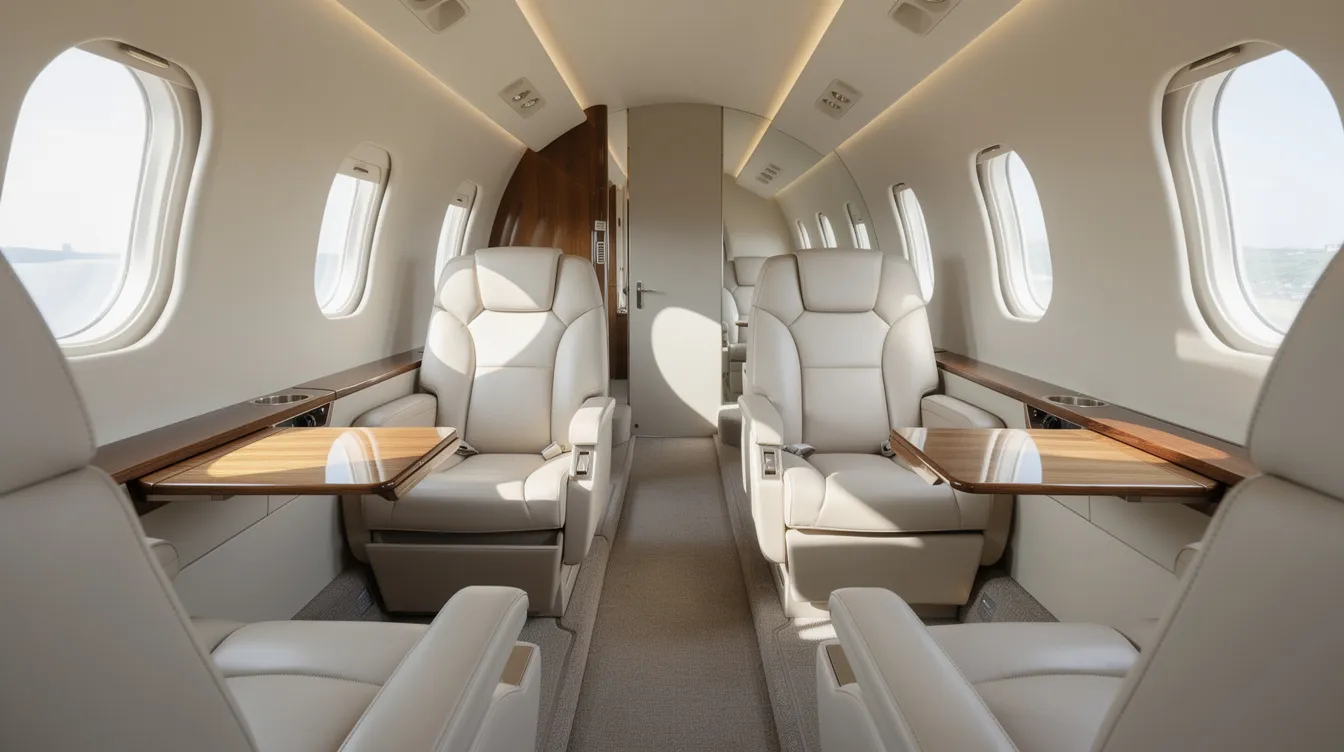
The biggest surprises in jet card pricing come from additional costs buried below the headline hourly rate. Common additional fees include:
Fuel surcharges indexed to Jet-A prices, sometimes adding $500–$2,000+ per flight hour
De-icing and international handling fees, which are billed separately from hourly rates
Segment or landing fees at certain airports
Overnight crew charges when flights require layovers
Catering upgrades, Wi-Fi premiums, and pet fees
Short-leg and repositioning charges (though some cards advertise no repositioning fees charged within the service area)
Hidden fees in this context are costs technically disclosed in fine print but rarely emphasized in marketing. Peak day surcharges may apply during high-demand periods like the Super Bowl, Thanksgiving, or major holidays. Some jet cards impose peak day surcharges during high demand that can add five-figure amounts to a single trip. According to industry tracking data, the average number of peak days across providers was approximately 35 in early 2025.
Due-diligence checklist: Ask every provider for a sample invoice, a written list of excluded items, and worst-case pricing for a typical mission. This is the fastest way to reveal the true jet card cost.
Two cards with identical published hourly rates can deliver very different value depending on contract terms. The details below often determine whether a jet card is genuinely convenient or frustrating in practice.
Blackout dates and peak periods. Most providers restrict availability or charge higher fixed rates during high-demand periods like Thanksgiving, Christmas week, and major sporting events. Flying during peak periods can involve higher rates and require longer booking times—sometimes 72 hours or more of advance notice, which makes it important to understand essential contract terms in fractional jet ownership if you are comparing long-term options.
Expiration policies. Some cards require hours to be used within 12–24 months. Others advertise that jet card hours never expire, offering flexibility for users with irregular travel plans. Unused hours on an expiring card represent lost value.
Daily minimums. Daily minimums can significantly impact the cost of short flights. A 1.5-hour daily minimum means a 25-minute flight from New York to Philadelphia bills at triple the actual flight time.
Aircraft upgrades and downgrades. Some programs let clients move between aircraft size categories on a trip-by-trip basis; others lock customers into a single cabin class.
BlackJet's Reserve Fleet and Equity Fleet models can be structured to provide guaranteed availability without blackout dates on specific aircraft types, giving owners more predictable access during high demand periods.
Where do jet cards fit among the broader private aviation options? Here is a direct comparison.
Jet cards tend to be most competitive for travelers flying approximately 25–75 flight hours per year who value predictable hourly rates and want no capital commitments. Jet card programs from different providers—including the NetJets card, Sentient Jet, and Magellan Jets—offer varying pricing options and service structures. NetJets offers three primary jet card options, and the NetJets 25-Hour Lease provides 25 hours of flight time. NetJets was founded in 1964, is based in Columbus, OH, and operates around 1,400 flights per day. For a deeper look, see How Much Is NetJets 25 Hour Card?
Fractional ownership (including a NetJets share, as well as BlackJet's Equity Fleet) involves an acquisition cost and a monthly management fee, but the all-in hourly cost drops for flyers regularly exceeding 50–100 hours per year. Fractional ownership provides higher consistency for frequent flyers compared to jet cards, especially for those who need the same aircraft type on repeat routes and who view fractional jet ownership as an investment rather than just a travel expense.
On-demand charter avoids upfront funding entirely. Dynamic pricing rates fluctuate based on current market conditions, which means charter can be cheaper on off-peak dates but volatile during high-demand periods, so it’s worth weighing fractional jet ownership vs membership programs alongside pure pay-as-you-go charter.
Example scenario: A U.S. executive flying 60 hours per year on a midsize jet between New York, Miami, Dallas, and Los Angeles might spend roughly $570,000–$630,000 annually on a jet card (at ~$9,500/hr all-in). A fractional share with monthly management fees and occupied-hour rates could reduce that figure while also offering tax benefits and may be even more attractive when paired with fractional jet ownership financing options. BlackJet's Reserve Fleet access falls between the two, eliminating acquisition cost while providing more flexible travel plans than a rigid card structure.
Serious flyers should model 3–5 years of flying under each option—not just a single year of card pricing-before making a long-term commitment, ideally benchmarking against the best fractional jet ownership programs for investors.

The most common mistakes in choosing a jet card: selecting based on marketing alone, ignoring additional fees, or buying the wrong aircraft size for typical missions. Choosing a jet card requires comparing multiple providers' offerings side by side.
A practical evaluation framework:
Clarify flight profile: Clarify annual flight hours, typical route lengths, average passenger count, and international vs. domestic mix before requesting quotes.
Request all-in quotes: Ask each provider for all-in effective hourly rates on at least three recent trips (e.g., New York–Chicago, Los Angeles–Aspen, New York–London for international flights) to expose differences in card pricing assumptions.
Compare policies and guarantees: Compare cancellation policies, lead time for bookings, and whether the contract guarantees a specific aircraft type or uses "or similar" language that may result in substitutions.
Analyze cost drivers: Pay close attention to fuel costs, de-icing policies, and weekend or overnight premiums—these drive the largest cost variances between programs.
Comparing all-in costs rather than just hourly rates is crucial for understanding jet card expenses. For a broader look at how private jet card comparisons vary depending on several factors, request quotes from at least three different providers before committing.
A jet card is often the perfect solution for travelers flying 25–75 hours per year who want unmatched convenience, varied aircraft needs, and no ownership complexity. For these flyers, jet card options deliver flexible travel plans, transparent pricing, and simple access to private jets across a broad service area. Lease programs and on-demand charter serve adjacent needs but lack the rate predictability of a prepaid program.
When annual usage climbs toward 75–150 hours, rising jet card costs and additional fees may signal that fractional ownership will deliver better long-term economics. Specific flying patterns—repeat routes, consistent aircraft preferences, and return trips to the same destinations—amplify the savings. In the United States, business users may also access depreciation and other tax benefits through fractional jet ownership that are not available with a standard jet card program, as outlined in detail when examining the tax implications for fractional jet owners. The overall cost picture shifts meaningfully once these advantages are factored in.
BlackJet's Equity Fleet and Reserve Fleet solutions serve as natural next steps for customers who have outgrown jet cards or who want ownership-like control without the burden of whole aircraft ownership, and for some, structures like 1/8 fractional jet ownership can be a practical bridge between cards and full ownership. BlackJet will review existing jet card invoices confidentially to identify savings and recommend the most cost-effective path forward, helping each client make an informed decision based on their actual travel needs and demand patterns.
Ready to explore the smarter way to fly private? Visit FractionalJetOwnership.com to compare your current jet card cost against customized fractional or membership options—and discover whether your flying profile calls for something better, including floating fleet options in fractional ownership, essential liability coverage in fractional ownership, how to manage selling your fractional jet ownership share, and what to look for in an aircraft fractional ownership sample contract.
