
March 9, 2026
Private aviation has evolved from a niche luxury service into a strategic travel solution for executives, entrepreneurs, and global families. According to industry data from the National Business Aviation Association (NBAA), private aviation supports more than 1.2 million U.S. jobs and connects thousands of communities not served by commercial airlines. For high-net-worth individuals and corporate leaders, the value proposition extends beyond comfort — it centers on efficiency, privacy, and control. This industry has seen significant change, with a shift from traditional models to more flexible, innovative, and performance-driven solutions that reflect evolving customer preferences and technological advancements.
While private aviation continues to grow, it exists alongside major commercial airlines that have shaped global air travel. For example, Jet Airways (India), which in 2016 served 57 destinations across 15 countries spanning Asia, Europe, and North America, operated a diverse fleet including Boeing 737s, Airbus A330/A340s, and ATR-72s. Although Jet Airways ceased operations in 2019 due to financial issues, its legacy highlights the scale and complexity of commercial aviation networks. Similarly, JetBlue Airways is renowned for its high-quality, low-fare, high-value experience and has earned top industry awards. JetBlue was also the first airline to introduce seatback screens for in-flight entertainment, setting new standards for passenger comfort in commercial flying.
Modern private aviation services operate on-demand charters, scheduled private flights, and tailored memberships across domestic and international markets. Leading providers leverage their expertise in private aviation, safety standards, and personalized customer service to deliver safe, tailored travel solutions. With access to thousands of airports worldwide, private jets dramatically reduce airport time and eliminate many of the unpredictabilities associated with commercial air travel. Travelers benefit from avoiding crowded terminals and long security lines, enhancing the overall travel experience.
Fractional Jet Ownership provides insight into how private aviation solutions — including charter, jet card programs, and fractional aircraft ownership — align with the needs of today’s global traveler. The global reach of modern private aviation enables nonstop intercontinental flights and seamless worldwide connectivity for individuals and businesses.
Private aviation operates on flexibility. Unlike fixed commercial schedules, aircraft can depart on a client’s timeline, access smaller regional airports, and adjust routes in real time.
Core offerings typically include:
On-demand charter for single trips
Round-trip bookings across domestic and international routes
Jet card programs with prepaid flight hours, such as those offered by Jets.com, which provide all-inclusive memberships guaranteeing aircraft availability
Long-term fractional jet ownership solutions
Services are structured around speed and discretion. Private travelers often arrive at Fixed Base Operators (FBOs) just 15–30 minutes before departure. Private terminals allow passengers to arrive just 15–20 minutes before departure, bypassing crowded terminals. A dedicated team coordinates all details, providing seamless ground handling, baggage, fueling, catering, and passenger services to ensure a smooth experience.
Concierge-level coordination often includes:
Ground transportation scheduling
Catering customization
International permit and customs handling, with expedited customs clearance, enhancing convenience
Door-to-door itinerary management
For corporate travelers, this efficiency translates directly into productivity gains.
Private aviation is not a one-size-fits-all solution. Services can be customized to suit the specific requirements of each traveler, offering flexible options that address individual preferences and travel demands. Travelers may choose between ad-hoc charter, structured jet card programs, or long-term private jet ownership depending on usage patterns.
Charter provides flexibility without ownership obligations. One-way or round-trip flights can be arranged across light, midsize, and heavy private jets. This option is ideal for:
Occasional business trips
Seasonal leisure travel
Last-minute repositioning
No long-term commitment is required, and aircraft type can vary by trip. It is important for travelers to verify a company's Part 135 status by requesting their FAA Air Carrier Certificate and ensuring the aircraft tail number matches the approved list to guarantee safety and compliance.
Jet card programs offer fixed-hour flight credits. These typically include:
Guaranteed availability during peak travel periods
Locked-in hourly rates
Standardized aircraft categories
Refundable or transferable deposits
Jet cards provide predictable budgeting while avoiding the capital commitment of fractional aircraft ownership. Providers like Jets.com offer high-end, personalized aviation services and seamless travel logistics, with access to a range of aircraft, including light, mid-size, and heavy jets, for tailored travel.
Fractional jet ownership allows clients to purchase a share of an aircraft, typically ranging from 1/16 to 1/2 ownership, with various fractional jet ownership financing structures available to spread acquisition costs. This structure provides:
Guaranteed flight hours annually
Consistent aircraft type
Professional management and maintenance
Lower capital exposure than full ownership
For frequent flyers, fractional ownership often delivers optimal cost efficiency compared to charter or jet card programs, especially when leveraging floating fleet options in fractional ownership that maximize aircraft utilization and flexibility.
Modern fleets typically include a mix of:
Light jets
Super-midsize jets
Heavy and ultra-long-range jets
A wide variety of planes are available for private jet rental, offering flexibility and tailored options to meet individual or business travel needs.
In addition to passenger jets, many operators also offer cargo aircraft for on-demand air freight services, supporting urgent deliveries and efficient freight transportation solutions. For example, USA Jet Airlines, based in Michigan, operates as a cargo airline providing on-demand freight services.
Average aircraft ages are increasingly decreasing as operators modernize fleets to improve reliability and passenger comfort. Newer-generation engines enhance fuel efficiency and reduce cabin noise.
Hourly operating costs vary by category:
Light jets: typically $2,500–$4,000 per flight hour
Super-midsize jets: $4,000–$6,500 per hour
Heavy/ultra-long-range jets: $6,500–$12,000+ per hour
These figures can fluctuate depending on routing, demand, and positioning requirements. Private jet rental costs vary significantly, ranging from $2,000 to over $20,000 per hour, depending on aircraft type and additional services.
Range and capacity specifications commonly include:
Light jets: 1,200–1,800 nautical miles; 4–6 passengers
Super-midsize: 3,000–4,000 nautical miles; 6–9 passengers
Ultra-long-range: 5,000+ nautical miles; 10–16 passengers
The King Air 350 is a popular choice for private aviation, known for its comfort, efficiency, and ability to operate from shorter runways.
In the light jet category, the Citation Encore stands out for accommodating up to eight passengers and is ideal for coast-to-coast flights.
Private jets are categorized into different types based on size and range, including:
Light jets, typically accommodating 4 to 8 passengers and ideal for short to medium-haul flights
Midsize jets, carrying 6 to 9 passengers with more space and range than light jets, are suitable for longer trips
Heavy jets, designed for larger groups of 10 to 19 passengers and capable of long-haul flights
Ultra-long-range jets, capable of flying over 7,000 nautical miles without refueling, are ideal for intercontinental travel
Turbo prop aircraft, a cost-effective option for short-haul flights, accommodating 6 to 10 passengers
Airliners are used for private travel, accommodating larger groups of 18 to 200 passengers, making them suitable for corporate events or group travel
Light jets serve short regional routes under three hours. Ideal for:
Northeast corridor business travel
Regional U.S. connections
Small executive teams
These aircraft optimize efficiency and offer access to smaller airports.
Super-midsize jets support transcontinental travel, such as New York to Los Angeles nonstop. They provide:
Stand-up cabins
Enclosed lavatories
Extended baggage capacity
These jets balance performance with comfort.
Heavy and ultra-long-range jets enable nonstop intercontinental travel, including U.S. to Europe or Asia routes. Features typically include:
Fully lie-flat seating
Dedicated crew rest areas
Advanced cabin connectivity
For global executives, these aircraft transform international travel logistics.
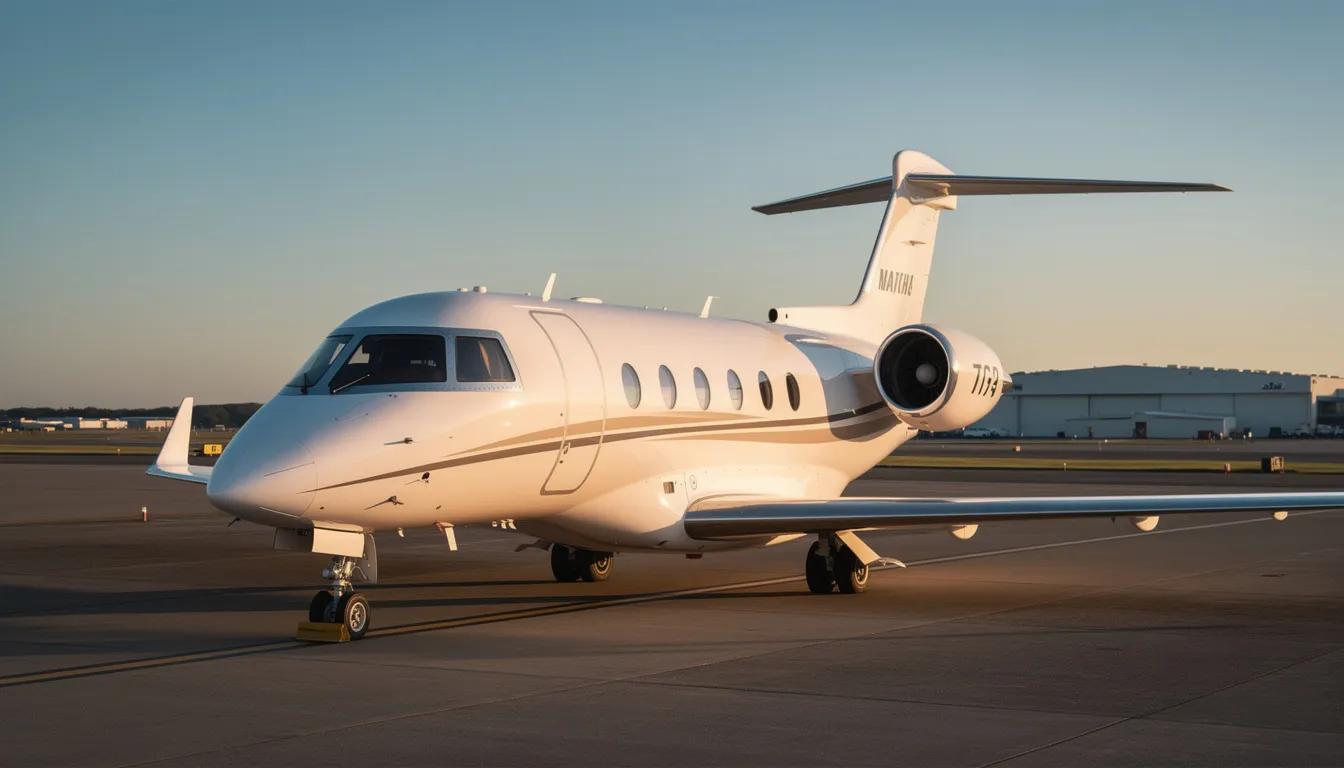
Here are the highlights of private aviation: unmatched flexibility, convenience, and access to exclusive destinations.
Private aviation offers unmatched flexibility and access to over 5,000 airports in the U.S., many of which are not served by commercial airlines. In total, private aviation provides access to more than 5,000 airports worldwide, compared to approximately 500 served by commercial airlines in the United States.
Advantages include:
Regional airfields closer to final destinations
Reduced ground transport time
Increased scheduling flexibility
Strategic FBO partnerships ensure expedited ground handling and privacy at major hubs. International charter operations require:
Overflight permits
Landing clearances
Customs coordination
Operators manage these processes to reduce lead time and administrative complexity.
Empty-leg flights — repositioning segments where aircraft would otherwise fly without passengers — may offer discounted one-way pricing. Savings can range from 25% to 75% depending on route and availability. Platforms like Jettly facilitate booking of these cost-effective empty legs, significantly reducing typical charter costs that can exceed $40,000 for a single transatlantic flight.
Safety remains the cornerstone of modern private aviation.
Leading operators adhere to recognized safety audits such as ARG/US and Wyvern. These third-party oversight programs evaluate:
Pilot qualifications
Maintenance history
Operational procedures
Maintenance programs follow manufacturer-recommended service intervals and compliance bulletins. Crew members undergo recurrent simulator training and maintain type ratings specific to aircraft models.
Insurance coverage levels and regular safety audits further reinforce operational risk management.
Private jet cost varies by aircraft size, route distance, and timing. Prices for private jet charters typically start from $11,000 per hour and can vary significantly based on several factors. Private jet rental costs range from $2,000 to over $20,000 per hour, depending on the aircraft type and additional services. For long-haul flights, costs for chartering private jets can reach six figures. Private jet pricing is influenced by aircraft class, distance, and timing, with the cost structure including operational fees, landing fees, and taxes. For larger aircraft, private jet operating costs can exceed $1 million annually, covering both fixed and variable expenses. Companies such as NetJets Inc. provide transparent pricing models to help clients understand these costs, and specialized guides on the total cost of fractional jet ownership further clarify long-term budget planning.
Common additional fees may include:
Aircraft positioning
De-icing
Catering
Airport handling charges
Federal excise taxes
Jet card pricing models typically involve:
Prepaid hourly blocks (e.g., 25–100 hours)
Guaranteed availability windows
Defined cancellation policies
For some high-demand regional routes, shared charter options may reduce cost-per-seat compared to dedicated private jets.
Fractional aircraft ownership, by contrast, spreads acquisition cost and operational expenses among co-owners, offering predictable annual budgets for frequent users, while fractional jet ownership vs membership programs remains a key comparison for travelers deciding on structure and flexibility.
Membership programs often include tiered levels based on flight volume.
Key considerations include:
Minimum annual hours
Blackout date policies
Rollover or expiration terms
Transferability of unused hours
Benefits may include:
Priority booking
Dedicated account management
Lifestyle and travel partnerships
These programs bridge the gap between ad-hoc charter and full private jet ownership.
Modern booking platforms integrate:
Instant online quotes
Mobile applications
24/7 operations teams
Platforms like Jettly make it easy to book private jet charters, offering instant quotes and a wide range of options to fit different needs and budgets. Booking through specialized providers ensures a seamless journey, making charter flights ideal for both business and leisure travelers. Platforms such as Jettly and AirCharter.com provide extensive access to thousands of aircraft worldwide, streamlining the booking process and enhancing convenience. Many providers also feature a dedicated booking page or information page on their websites, allowing travelers to quickly compare options and complete reservations through a user-friendly digital interface.
Lead times vary:
Same-day charters: possible with available aircraft
24-hour advance: standard domestic booking
International: typically requires additional permit processing time
Customer satisfaction metrics such as Net Promoter Scores (NPS) increasingly guide service improvements and performance tracking.
Private aviation sets a new standard for luxury and comfort, redefining what it means to travel in the modern era. With seamless booking and extensive access to a diverse fleet of modern aircraft—including light jets and larger private jets—passengers can tailor every aspect of their journey to fit their needs. Whether you’re planning a quick business trip or a relaxing getaway to one of the world’s most popular destinations, private travel offers guaranteed availability and transparent pricing with no hidden fees.
From the moment you board, you’re welcomed into an environment designed for ultimate comfort and privacy. Spacious cabins, plush seating, and personalized service ensure that every flight is a unique experience. The flexibility to manage your travel plans, choose your preferred aircraft, and fly on your own schedule allows you to make the most of your time—whether you’re traveling for work or leisure. In this new era of private aviation, flying is not just about reaching your destination; it’s about enjoying the journey in style and comfort, with every detail tailored to you.
Private jet amenities have transformed private aviation into the epitome of comfort and convenience. On board, passengers enjoy a curated selection of features designed to enhance every moment of the flight. From gourmet dining options and fully stocked bars to advanced entertainment systems and high-speed connectivity, every detail is crafted to provide a superior travel experience. Whether you’re flying to Mexico, New York, or any global destination, the journey is as enjoyable as the arrival.
Safety and transparency are at the forefront of private jet operations. All personal data processed during booking and travel is stored securely and managed in accordance with FAA regulations and the terms set by each operator, ensuring your privacy and consent are respected at every stage. The dedicated pilot and crew are committed to delivering attentive, personalized service, allowing you to relax and focus on your journey.
With private jet amenities, you save valuable time and enjoy a smart, simple way to travel. The impact of these services is clear: private aviation provides a seamless, comfortable, and efficient way to reach your destination, allowing you to make the most of every trip. Whether for business or leisure, private jet amenities ensure that your travel experience is always exceptional. Private jet travel also enhances the overall experience with personalized services, expedited customs, and the ability to travel with pets.
High-demand private aviation corridors include:
New York to South Florida
Los Angeles to Las Vegas
Chicago to Dallas
U.S. to London business routes
Seasonal spikes occur around major sporting events, holidays, and international conferences.
Empty-leg opportunities often emerge along these corridors, offering discounted repositioning flights at short notice.

Environmental awareness is shaping private aviation innovation.
Private jet emissions have drawn significant scrutiny due to their disproportionate environmental impact, with private jets emitting approximately 15–16 million tonnes of CO2 in 2023. Private jets emit 5–14 times more CO2 per passenger-kilometre than commercial flights, largely due to low occupancy rates. A small group of ultra-wealthy individuals and corporations accounts for the majority of private jet emissions, highlighting stark inequalities in carbon footprints.
To mitigate their environmental impact, travelers can consider options like utilizing empty leg flights, choosing more efficient aircraft, and prioritizing sustainable aviation fuels. The private aviation landscape is evolving, making global jet charters more accessible through the use of empty leg flights, which are repositioning flights that would otherwise fly without passengers.
Manufacturers are investing in quieter engines and advanced aerodynamics. Electric and hybrid propulsion technologies are under development, though widespread commercial viability remains years away.
Standard charter agreements address:
Cancellation policies
Liability terms
Force majeure clauses
International travel requires:
Valid passports and visas
Customs documentation
Passenger manifest compliance
Corporate accounts may require:
Credit verification
Contractual review
24/7 operational contact details
Private aviation has matured into a data-driven, safety-focused, and globally integrated transportation solution. Whether through charter, jet card programs, or fractional jet ownership, today’s travelers prioritize efficiency, privacy, and operational reliability.
For those evaluating private jet ownership or seeking a more flexible alternative, fractional aircraft ownership offers a balanced approach between cost predictability and guaranteed access, with many travelers comparing the best fractional jet ownership programs to match their usage and service expectations.
Ready to discover a smarter approach to private flying? Visit https://www.fractionaljetownership.com/ to compare fractional jet ownership programs and see how this option can elevate your travel experience.
