July 7, 2026
This guide is for business travelers, corporate flight departments, and frequent flyers considering King Air charter or ownership solutions. Understanding King Air charter options can help you save money, increase travel flexibility, and access more airports than with traditional private jets.
A King Air charter is a private flight service using a Beechcraft King Air twin-turboprop, chosen for cost-efficient, reliable regional travel and access to shorter runways and smaller airports than many light jets. King Airs burn less fuel on short hops and are well suited to business trips of roughly 200–600 miles, letting travelers bypass major airline hubs without giving up schedule flexibility.
What is Fractional Jet Ownership?
Fractional jet ownership is a model where multiple owners share usage and costs of an aircraft, providing private flight access without full ownership.
BlackJet Fractional Jet Ownership focuses on smarter access models - fractional ownership and reserve programs - for frequent travelers and corporations flying about 25–150 hours per year that want more predictable, lower-hassle regional private air travel. This article covers the King Air 90, King Air 200/250, and King Air 350, including pricing benchmarks, charter costs, cruise speed, maximum range, cabin amenities, operating advantages versus private jets, and how BlackJet ownership options can provide a more economical fit for recurring regional missions, especially once you understand core fractional jet ownership terminology and cost structures.
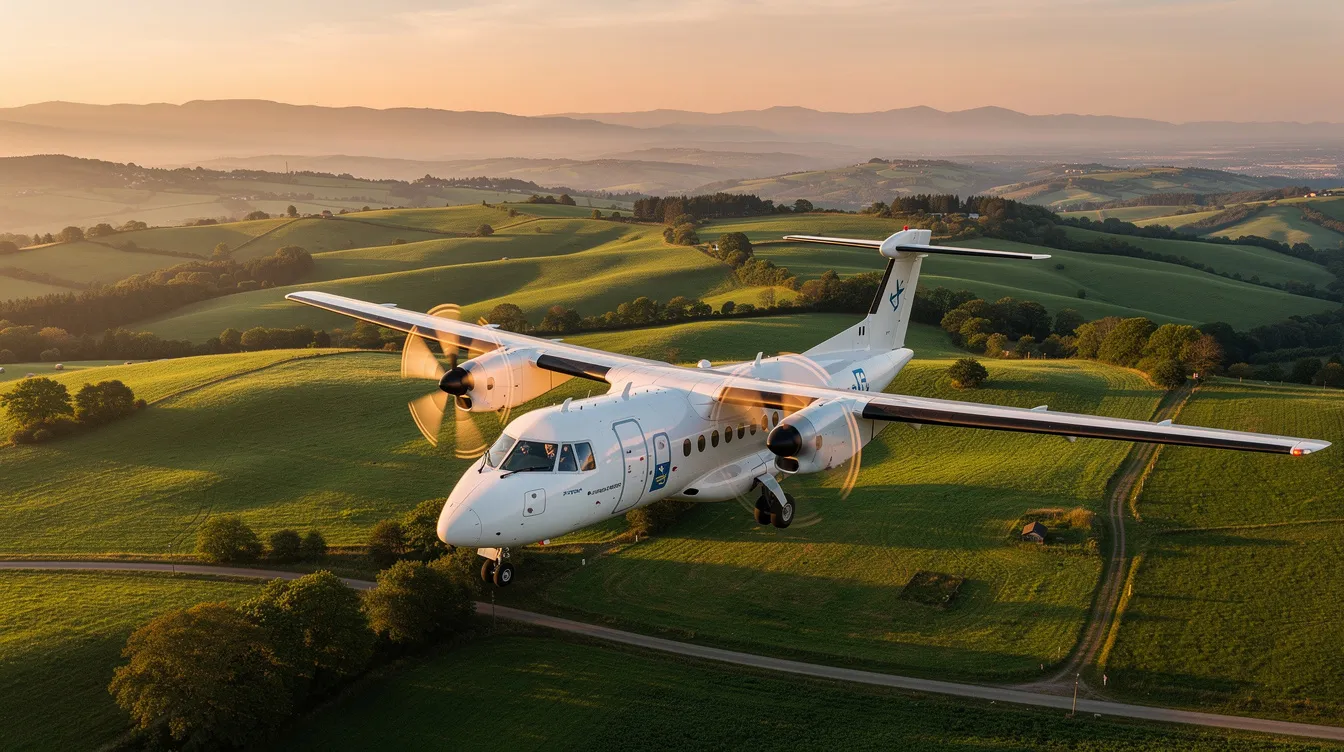
Cost Efficiency: King Air turboprops offer significantly lower hourly operating costs than comparable light jets, making them an economical choice for regional travel.
Airport Accessibility: Their ability to operate from shorter runways and thousands of smaller airports provides unmatched flexibility and time savings.
Versatile Performance: The King Air family covers a range of mission profiles, from the compact 90 series for short hops to the spacious 350 for longer regional trips with up to 11 passengers.
Comfort and Productivity: Modern cabins feature executive seating, in-flight baggage access, power outlets, and optional Wi-Fi, supporting work and relaxation during flights.
Fractional Ownership Benefits: Structured ownership models deliver predictable costs, guaranteed aircraft availability, professional management, and potential tax advantages compared to ad-hoc charter.
Trusted Reliability: Powered by proven Pratt & Whitney Canada PT6A engines, King Air aircraft are renowned for dependable operation across diverse conditions.
Choosing King Air charter or fractional ownership through BlackJet provides a smarter, more flexible approach to private aviation that balances performance, cost, and convenience for frequent regional travelers.
The first Beechcraft King Air flew in 1964, and the Beechcraft Corporation has since delivered more than 7,000 aircraft across models from the compact 90 to the flagship 350. Every King Air is powered by two Pratt & Whitney Canada PT6A turboprop engines - a configuration that burns significantly less fuel than fanjet engines on regional segments. King Air aircraft can operate from much shorter runways than many private jets, and they can utilize thousands of general aviation airports, improving access for travelers across the United States and Canada.
Fuel burn: King Airs average roughly 60–100 GPH vs. 140–180+ GPH for light jets
Runway: Many models need just 2,500–4,000 ft; light jets often require 4,000–5,000 ft
Hourly cost: Turboprop charter rates run 20–40% lower than comparable jet charters
Cruise speed: 250 to 280 mph depending on variant and altitude
Maximum range: 1,500 nautical miles - an impressive range for this class
Takeoff distance: The King Air 90 requires 2,500 to 3,500 feet for takeoff
Cabin size: Approximately 12.5–12.7 ft in length, ~4.5 ft wide, ~4.9 ft high
Seating: Single seats and club seating; large windows throughout
Charter cost: The typical hourly charter rate for King Air 90 starts at $2,950 per flight hour
Ideal routes: Charlotte–Key West, Dallas–Nashville, Boston–Toronto
Seating: Executive cabins accommodate 6 to 9 passengers with comfort features including double-club seats, folding tables, power outlets, wi-fi, and a refreshment center
Standard layout: Typically seats up to eight passengers
Engines: Powered by two Pratt & Whitney Canada PT6A-52 engines with composite propellers and factory winglets on later models
Cruise speed: 310 knots at high cruise
Cabin length: Spacious cabin that's feet longer than the 90 series at ~16.7 ft
Maximum range: King Air 250 has a maximum range of 1,720 nautical miles
Takeoff: King Air 250 requires about 2,600 ft of runway for takeoff
Baggage: ~55 cu ft, in-flight accessible
Charter cost: King Air 250 charter costs range from $1,500 to $2,000 per hour, which is useful context when comparing against the total cost of fractional jet ownership
Ideal missions: New York–Miami, Chicago–Dallas, Los Angeles–Aspen
Cabin size: The King Air 350 cabin measures 19.5 feet long, ~4.5 ft wide, ~4.8–5 ft high
Seating: Accommodates up to 11 passengers, though most executive layouts seat eight passengers in a double-club arrangement
Lavatory: Private lavatory featuring a solid aft door
Baggage: 55.3 cubic feet of baggage storage for luggage and gear
Engines: Powered by two Pratt & Whitney PT6A-60A engines
Pressure: Maximum cabin pressure differential of 6.6 psi - comfortable at altitude through mid-30,000-ft cruise levels
Maximum range: The King Air 350 has a maximum range of 1,556 nautical miles
High-speed cruise: ~310–312 knots; maximum takeoff weight allows strong payload flexibility
Charter cost: The average hourly rental rate for King Air 350 is $2,250 per hour
Metric | King Air Turboprops | Other Private Jets |
|---|---|---|
Hourly cost | $1,500–$2,950/hr | $3,000–$6,000/hr |
Runway needed | 2,500–4,000 ft | 4,000–5,000+ ft |
Cruise speed | 250–312 knots | 400–480 knots |
Passengers | 3–11 | 4–9 (light/mid) |
King Airs offer significantly lower hourly operating costs than most private jets.
Turboprops require shorter runways, allowing access to more airports.
While jets are faster, King Airs can often provide similar door-to-door times on trips under 1,200 NM due to airport proximity.
King Airs accommodate a similar or greater number of passengers compared to light/mid jets.
Key factors influencing King Air charter pricing include:
Aircraft model and age
Demand and routing distance
Repositioning legs
Peak travel dates
Landing fees, crew overnights, and taxes
For context, a round-trip King Air 250 mission of 2 hours each way at $2,000/hr totals roughly $8,000 in flight time - a comparable light jet at $4,500/hr would cost $18,000 for the same trip. That gap is why fractional ownership appeals to frequent flyers: amortized fixed costs reduce the effective per-hour rate further, particularly when you analyze the total cost of fractional jet ownership including purchase price, fees, and resale value.
BlackJet's Equity Fleet and Reserve Fleet models let clients structure access around King Air aircraft or a mixed fleet. Corporations using King Airs for frequent regional routes - Dallas–Houston, Atlanta–Jacksonville, Denver–Santa Fe - can operate with predictable rates, priority scheduling, and professional aircraft management rather than rebooking ad-hoc private jet charter each trip, making fractional jet ownership as an investment compelling for teams flying dozens of hours per year.
Guaranteed availability and capable scheduling support, especially in floating fleet fractional ownership programs that optimize aircraft positioning
Potential depreciation and bonus-depreciation benefits under the U.S. tax code (consult your own tax advisor and review key tax implications for fractional jet owners)
Lower administrative overhead compared to managing individual charter bookings, particularly when fractional jet ownership financing is structured through a professional management company.
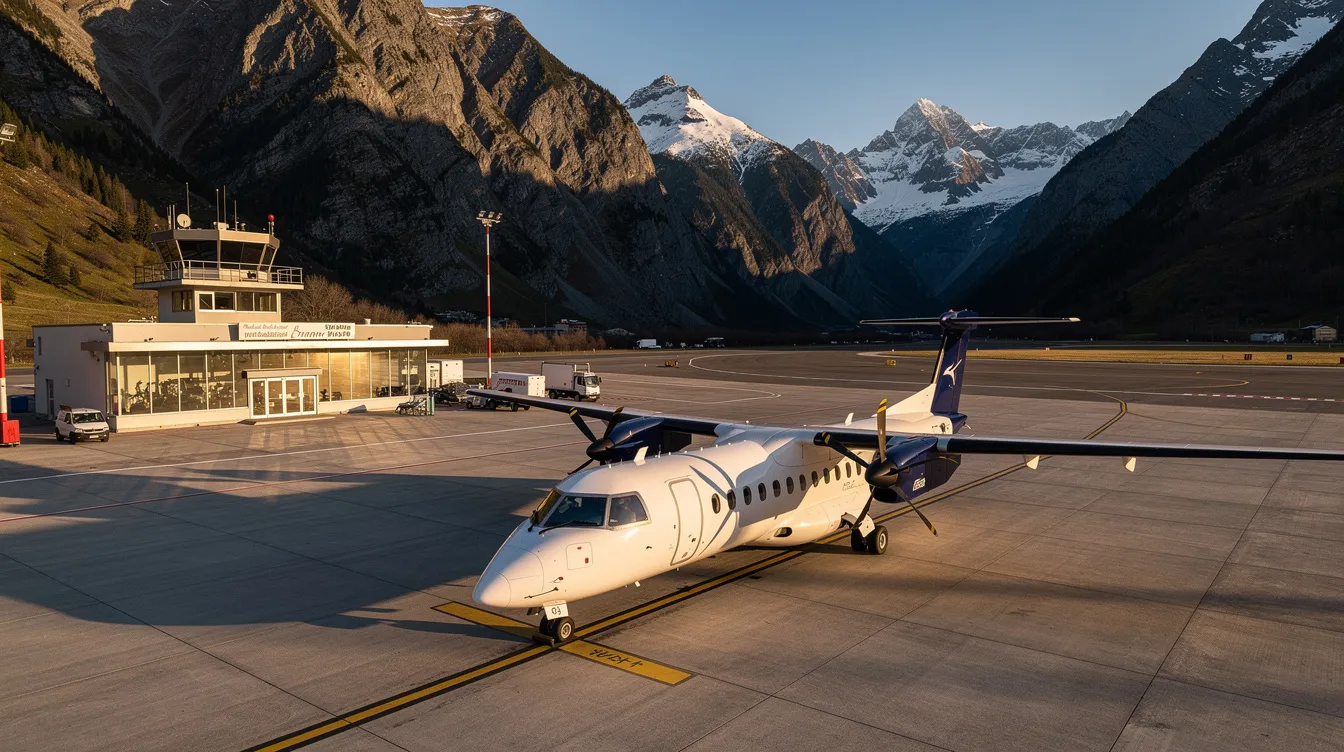
King Air aircraft are particularly suited for regional trips prioritizing immediate access. King Air 90, 200/250, and 350 models regularly fly from short runways of 3,000–4,000 f, and smaller 90-series variants can operate from fields under 3,000 ft.
Utilizing smaller airports increases productivity and saves time for travelers who would otherwise drive 1–2 hours from a commercial hub.
Napa Valley, CA - fly into a smaller reliever vs. SFO
Jackson Hole, WY (JAC) - high-altitude airport equipped for turboprops
Martha's Vineyard, MA (MVY) - seasonal destination with limited jet capability where guaranteed access through models like 1/8th fractional jet ownership can be attractive
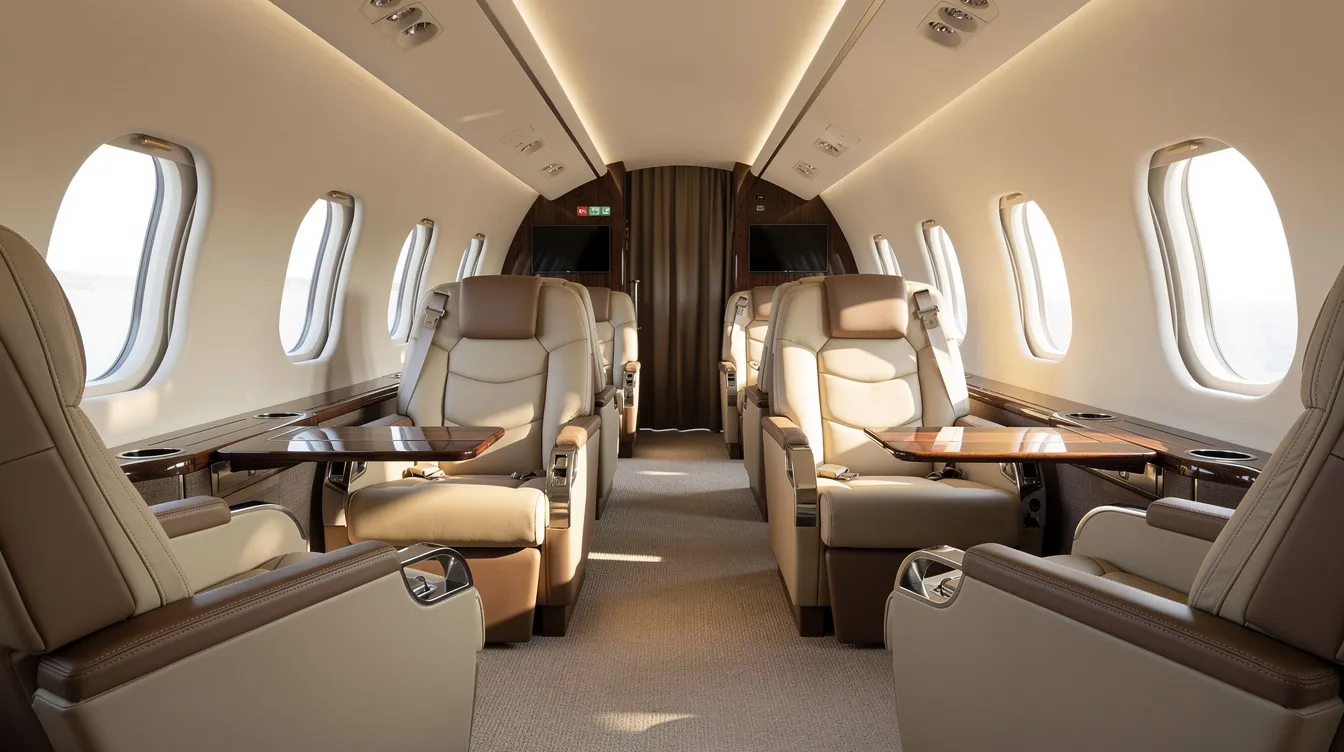
Modern King Air cabins include features for a productive workspace during flights - think of it as a boardroom in the sky for regional missions, especially when supported by a well-drafted aircraft fractional ownership contract that clearly defines usage and service standards.
Club seating, fold-out tables, power outlets, optional wi-fi, and refreshment centers support productivity on 1–3-hour flights
Noise on new aircraft with four-blade composite propellers and modern insulation is manageable, though slightly louder than jets.
The 350 offers a private lavatory with a solid door; the 200/250 typically includes a belted lavatory; the 90 series uses a curtained arrangement.t
In-flight baggage access means laptops, files, and coats are always within reach.
The right model depends on passenger count, distance, runway length at your destination airport, budget per hour, and desired performance, as well as understanding key fractional ownership contract terms if you’re committing to a long-term access program.
Model | Seats | Cruise Speed | Max Range | Best For |
|---|---|---|---|---|
King Air 90 | 3–6 | 250–280 mph | 1,500 NM | 3 executives, 300–600 mi hops |
King Air 250 | 7–8 | 310 kt | 1,720 NM | 6 colleagues, 900–1,200 mi trips |
King Air 350 | 8–11 | 310 kt | 1,556 NM | 8-person board, multi-city roadshows |
Each is economical relative to comparable light jets and capable of reaching airports that keep you closer to your final destination, but you’ll also want to evaluate liability coverage in fractional ownership if you’re sharing access to the aircraft.
The Super King Air series, including the Super King Air 200 and 350, is a late-model series featuring enhanced performance, larger cabins, and advanced avionics compared to earlier King Air variants. They offer greater range, speed, and passenger comfort, making them ideal for longer regional missions.
King Air charters generally have lower hourly operating costs and require shorter runways, allowing access to more airports. While jets are faster, King Airs provide comparable door-to-door travel times on shorter routes due to airport proximity and quicker boarding.
King Air aircraft are widely used around the world for regional flights. Their ability to operate from shorter runways and smaller airports makes them versatile for varied geographic locations, though their range is optimized for short- to mid-range missions.
Fractional ownership offers predictable costs, guaranteed availability, professional management, and potential tax advantages. It allows frequent travelers to enjoy private aviation benefits without the full responsibilities and expenses of outright ownership.
Yes, later models of the Super King Air series come equipped with modern avionics, quieter cabins, Wi-Fi connectivity, and enhanced comfort features to support productivity and convenience during flights.
King Air charter-style flying delivers lower operating costs, strong safety and performance, and access to smaller airports across the country. BlackJet Fractional Jet Ownership helps clients move beyond one-off charters into predictable, well-managed fractional ownership programs or reserve programs built around King Airs and other aircraft, and also supports owners when selling a fractional jet ownership share as needs change over time.
Cost transparency with no hidden upgrade fees
Guaranteed availability and professional scheduling
Tailored flight-hour plans for 25–150 hours per year
Ready to fly smarter? Visit FractionalJetOwnership.com to request a consultation, compare King Air vs jet options, and receive a customized plan for your company or travel needs.
