February 26, 2026
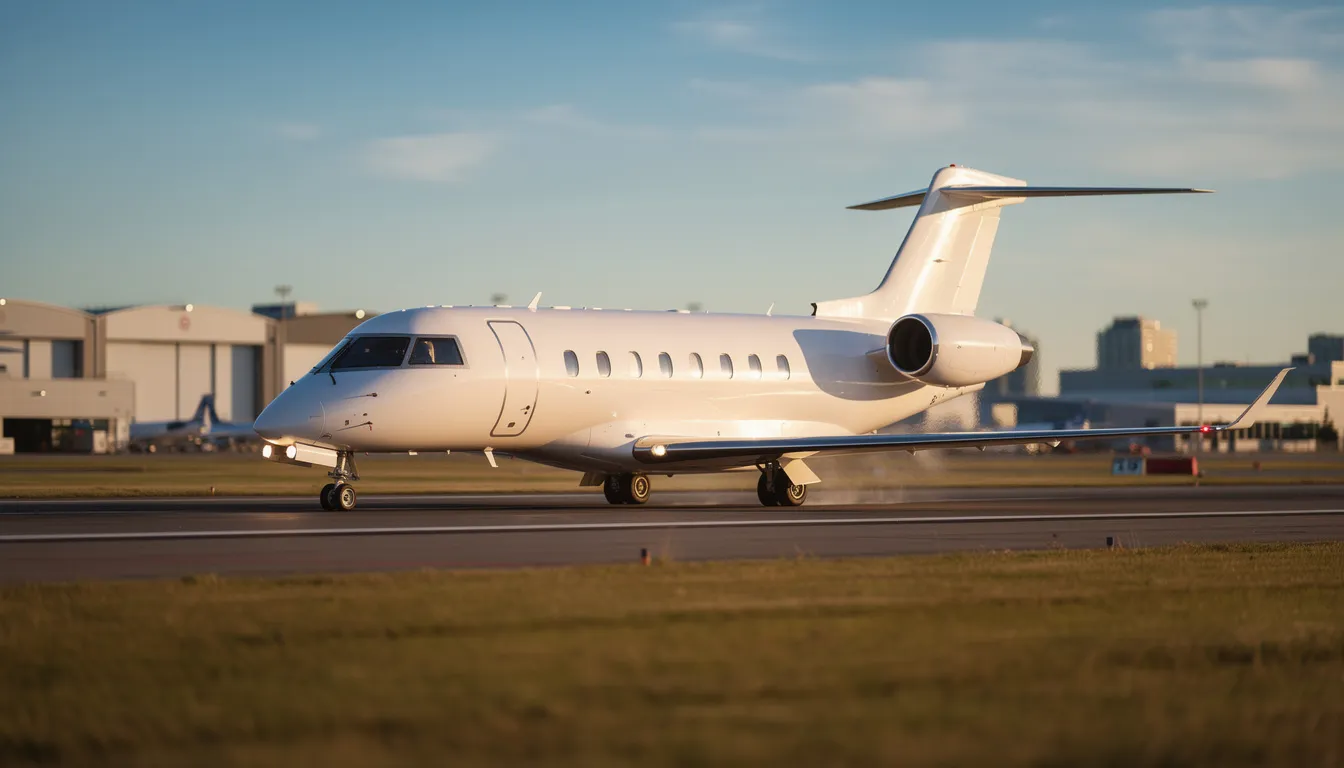
Private aviation continues to expand across the United States and globally, as executives and high-net-worth individuals seek greater efficiency and control over their travel schedules. According to industry data from the National Business Aviation Association (NBAA), business aviation supports thousands of airports across the country that commercial airlines do not serve. This flexibility has positioned aircraft such as the Bombardier Learjet 45, Learjet 60, and Learjet 75 among the most requested premium aircraft in the light jets charter class.
For decision-makers evaluating Learjet charter options, understanding aircraft capabilities, charter pricing, and mission suitability is essential. This guide provides a structured comparison of many aircraft in the Learjet family and outlines when a private charter is the right strategic choice.
Learjet charter offers on-demand access to private aircraft without the long-term financial commitments of ownership, such as maintenance and crew salaries. Pricing is based primarily on the average hourly rental rate, calculated by block flight hours.
Flying private delivers measurable operational advantages:
Direct access to more airports — over 5,000 U.S. airports versus roughly 500 served by commercial flights
Flexible departure times tailored to your schedule
Reduced total travel time by avoiding layovers and long security lines
Enhanced privacy and security for sensitive travelers
Custom catering and onboard services with full lavatory and galley amenities
Increased productivity in flight with power outlets and connectivity options
Superior level of comfort with spacious cabins and luxurious amenities
Chartering a Learjet gives total control over the flight experience, including departure time and passenger list. Passengers can arrive at the terminal as little as 15 minutes before departure, enjoying unmatched convenience and control while avoiding the stress of crowded airports and rigid schedules. Learjets can operate on shorter runways than many commercial airliners, allowing access to thousands of smaller regional airports.
Private jet travel is ideal for business travel, impressing clients, and avoiding the chaos of commercial travel. It also provides a unique, enjoyable experience, allowing travelers to arrive at their destination feeling refreshed.
Commercial airlines operate on fixed schedules and hub-based routing systems. Travelers must adapt to airline timetables, arrive early for security, and often connect through major airports.
Private charter reverses that structure. The aircraft operates according to the traveler’s schedule. Flights depart from private terminals (FBOs), boarding typically takes minutes, and aircraft can land closer to final destinations, including many airports not served by commercial flights.
Private charter is commonly selected for:
Executive day trips between US chartered cities and regional business hubs
Multi-city itineraries in a single day
Travel to secondary or underserved airports
Confidential corporate travel requiring enhanced security
High-profile or security-sensitive passengers
For travelers flying fewer than 50–75 hours annually, charter is often more practical than 1/8 fractional jet ownership programs for frequent flyers.
The Bombardier Learjet brand, produced by Bombardier Aerospace, has long been associated with speed, performance, and efficiency in the light jet category, making it a useful benchmark for comparing fractional jet ownership vs membership programs based on different usage patterns. Learjets have built a strong reputation worldwide for their outstanding performance and reliability.
Learjets are engineered for high cruise speeds and strong climb performance. Many models cruise at 450–465 knots (a maximum speed of 535 mph) and can reach altitudes up to 51,000 feet, often flying above commercial traffic and weather systems.
The Learjet 45, for example, boasts a maximum speed of 535 mph and a maximum range of 2,099 miles, making it a versatile option for private travel. It features a cabin volume of 375 cubic feet, providing a comfortable environment for passengers. The Learjet 45 requires a balanced field length of approximately 4,350 feet for takeoff and only 2,320 feet for landing, enabling efficient operations at various airport conditions. The Learjet 75, the fastest Learjet ever built, has a maximum cruise speed of 496 knots and a maximum range of 2,120 nautical miles, making it suitable for both domestic and select international routes. The Learjet 60 is known for its reliability and ability to reach fast cruise speeds, making it a popular choice among mid-size jets.
Shorter runway requirements allow access to smaller regional airports, expanding destination flexibility and enabling flights to more airports.
Learjets are particularly well-suited for popular routes such as:
New York (Teterboro) to Miami (Opa Locka)
Chicago to Los Angeles
Dallas to Denver
Los Angeles to Aspen
Miami to Nassau
These short-to-medium segments highlight the aircraft’s ability to minimize travel time while maintaining cabin comfort in a cabin designed to accommodate seven passengers in a double-club layout.
Board meetings in multiple cities
Site visits and inspections
Entertainment industry travel
Medical and time-sensitive missions
Leisure weekend trips
Private aircraft are generally categorized by cabin size, range, and passenger capacity.
Light jets typically seat 6–8 passengers and are optimized for trips of 3 hours or less. They offer:
Efficient operating costs with lower fuel burn
Strong climb rates and high cruise speeds
Access to smaller airports with shorter runway requirements
Learjets dominate this category for clients prioritizing speed and mission flexibility.
Private aircraft generally fall into these segments:
Very Light Jets (VLJs): ~1,000–1,500 nautical miles maximum range
Light Jets: ~1,700–2,100 nautical miles maximum range
Midsize Jets: ~2,000–3,000 nautical miles maximum range
Super Midsize Jets: ~3,000–4,000 nautical miles maximum range
Heavy/Long-Range Jets: 4,000+ nautical miles maximum range
For quick regional hops within the United States, light jets such as the Learjet family remain highly practical, and some travelers pair these missions with flexible private aviation programs that combine charter, fractional access, and leasing.
The Learjet family evolved to meet varying range and cabin needs. While sharing a performance-focused DNA, each model serves distinct missions.
Learjet 45
Passenger Capacity: 6–7 passengers in a double club layout
Maximum Range: 2,099 miles (1,824 nautical miles with four passengers)
Maximum Speed: 535 mph
Total Cabin Volume: 375 cubic feet
Cabin Dimensions: 19.8 ft length, 4.9 ft height, 5.1 ft width
Engines: Two Honeywell TFE731-20AR turbofan engines, each rated at 3,500 pounds of thrust
Avionics System: Honeywell Primus 1000 with four display screens
Balanced Field Length for Takeoff: 4,350 feet
Landing Distance: 2,320 feet
Features: Galley, full lavatory, power outlets
Average Hourly Rental Rate: Typically ranges between $3,000 to $4,000
First Flight: October 7, 1995
FAA Certification: September 1997
First Delivery: January 1998
Cabin Pressure Differential: Maintains 8.9 to 9.4 psi for safety and comfort, allowing sea level cabin altitude at 25,700 feet
Safety Features: Equipped with emergency oxygen systems, weather radar, and regularly inspected to maintain safety and operational efficiency
Purchase Price: New around $10,000,000; pre-owned around $4,800,000
Learjet 60
Passenger Capacity: 7–8 passengers
Maximum Range: 2,418 nautical miles
Maximum Speed: Approximately 523 mph (455 knots)
Cabin Height: 5 ft 9 in
Features: Larger cabin volume, fold-out work tables, enclosed lavatory, galley
Engines: Two Pratt & Whitney Canada PW305A turbofan engines with FADEC
Average Hourly Rental Rate: $3,000–$4,000
Known for reliability and fast cruise speeds, popular among midsize jets
Learjet 75
Passenger Capacity: Up to 8–9 passengers
Maximum Range: 2,120 nautical miles
Maximum Cruise Speed: 496 knots (approx. 570 mph)
Cabin Volume: 431 cubic feet
Features: Advanced Garmin flight deck avionics system, Wi-Fi connectivity, upgraded cabin finishes, rapid climb rate, exceptional performance on shorter runways
Average Hourly Rental Rate: Pricing varies individually based on trip complexity and distance
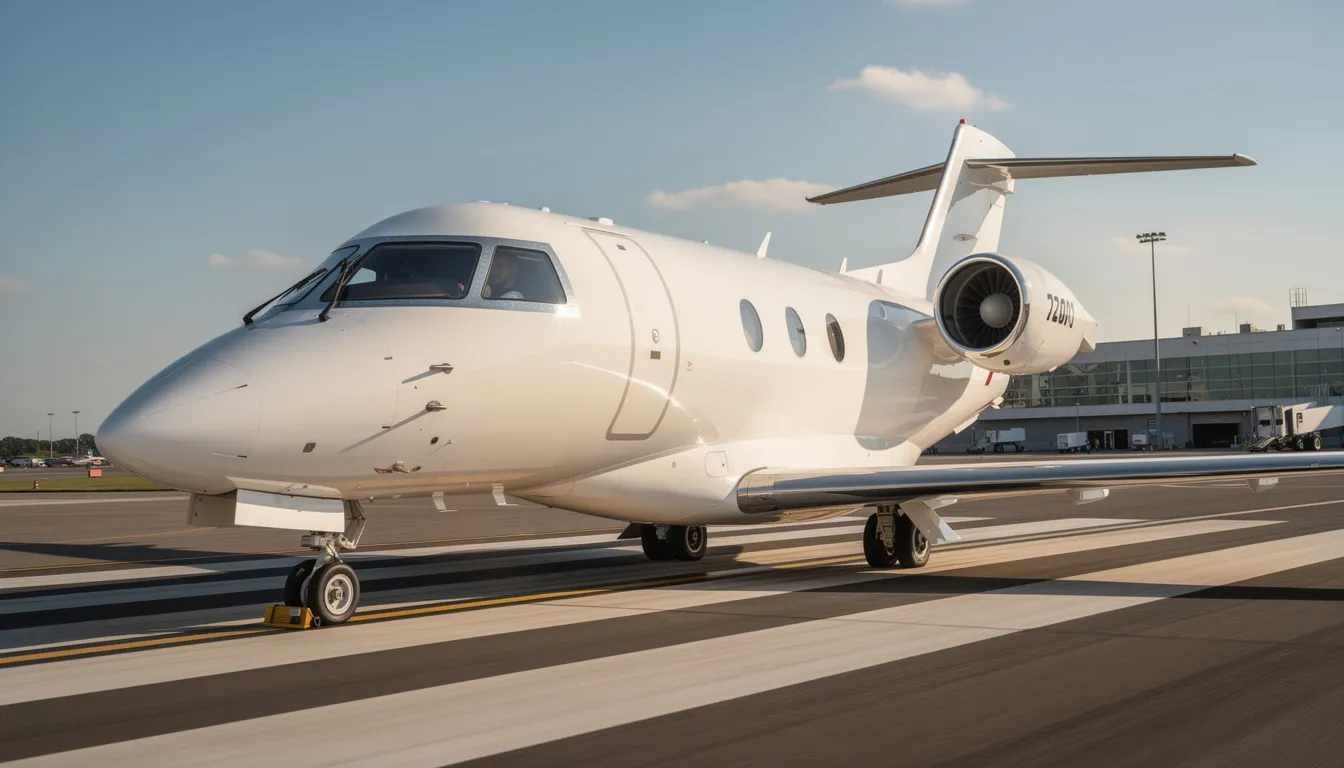
The Learjet 45 remains a popular choice for cost-conscious travelers seeking a balance of speed, comfort, and efficiency.
The cabin is designed to comfortably accommodate seven passengers in a double club layout, with enough room to work or relax. The total cabin volume of 375 cubic feet includes a galley and full lavatory, enhancing passenger comfort on short to medium-haul flights. Cabin layouts in many Learjet models are engineered for business efficiency, featuring fold-out work tables and onboard Wi-Fi.
Cruise Speed: Approximately 445 knots
Maximum Altitude: 51,000 feet
Maximum Speed: 535 mph
Range: Up to 2,099 miles, with four passengers range is approximately 1,824 nautical miles
The Learjet 45 is equipped with a full authority digital engine control (FADEC) system, optimizing engine efficiency and reducing pilot workload. Its Honeywell Primus 1000 avionics suite provides advanced navigation and communication capabilities, with redundant systems for enhanced safety. Emergency oxygen systems are available for both crew and passengers, and weather radar systems help pilots navigate around turbulent conditions.
Typical hourly rental rates range from $3,000 to $4,500, with an average around $4,450, depending on factors such as route complexity, peak demand, and repositioning flights. Pricing factors for Learjet charters may include route complexity, peak seasons, and aircraft positioning. When chartering a Learjet, clients should consider total costs including hourly rates, fuel, maintenance, and potential overnight charges.
The Learjet 60 offers a larger cabin and longer range, making it ideal for coast-to-coast flights and larger groups.
The cabin features forward club seating with an aft bench, accommodating up to eight passengers. Amenities include fold-out work tables, a galley, and an enclosed lavatory.
Cruise Speed: Approximately 455 knots
Maximum Range: Around 2,418 nautical miles
Takeoff Distance: Approximately 5,450 feet
Hourly rates generally range from $3,000 to $4,000, depending on mission specifics.
The Learjet 75 is the most modern Learjet model, combining advanced avionics with a spacious and luxurious cabin.
Seating for up to nine passengers with ergonomic leather chairs, fold-down tables, and personal touchscreen controls. The cabin's 431 cubic feet of volume offer ample room for work or relaxation.
Cruise Speed: Approximately 496 knots
Maximum Range: 2,120 nautical miles
Advanced Garmin flight deck and connectivity features
Hourly rental rates typically range from $3,500 to $4,500, with pricing determined individually based on trip complexity and distance.
Private jet charter pricing is primarily based on billable flight hours, with rates influenced by:
Flight distance and duration
Aircraft category and model
Crew expenses and positioning flights
Fuel costs and airport fees
Peak demand periods and seasonal factors
Additional fees may include:
Repositioning (empty leg) flights
Overnight crew accommodations
International permits and customs handling
A tailored charter quote provides accurate flight details and transparent pricing, but high-frequency users should also review fractional ownership options when considering long-term solutions.
Booking a Learjet charter involves a streamlined process handled by experienced aviation consultants:
Submit trip details, including dates, passengers, and route
Receive aircraft options and detailed pricing
Review operator credentials and safety certifications
Sign the charter agreement
Arrange catering, ground transportation, and special requests
Required documentation includes valid passenger identification and, for international flights, travel documents.
New York (Teterboro) to Miami (Opa Locka)
Chicago to Los Angeles
Dallas to Scottsdale
Los Angeles to San Francisco
Miami to Atlanta
Popular international routes for Learjet charters include Miami to Nassau, Bahamas and Los Angeles to Cabo San Lucas, Mexico.
Light jets like Learjets are ideal for both domestic and short international flights. However, light jets may require fuel stops for longer transcontinental or international routes. For example, the U.S. East Coast to Western Europe typically exceeds the Learjet range without multiple stops.
Customs clearance and overflight permits must be coordinated in advance for international operations.
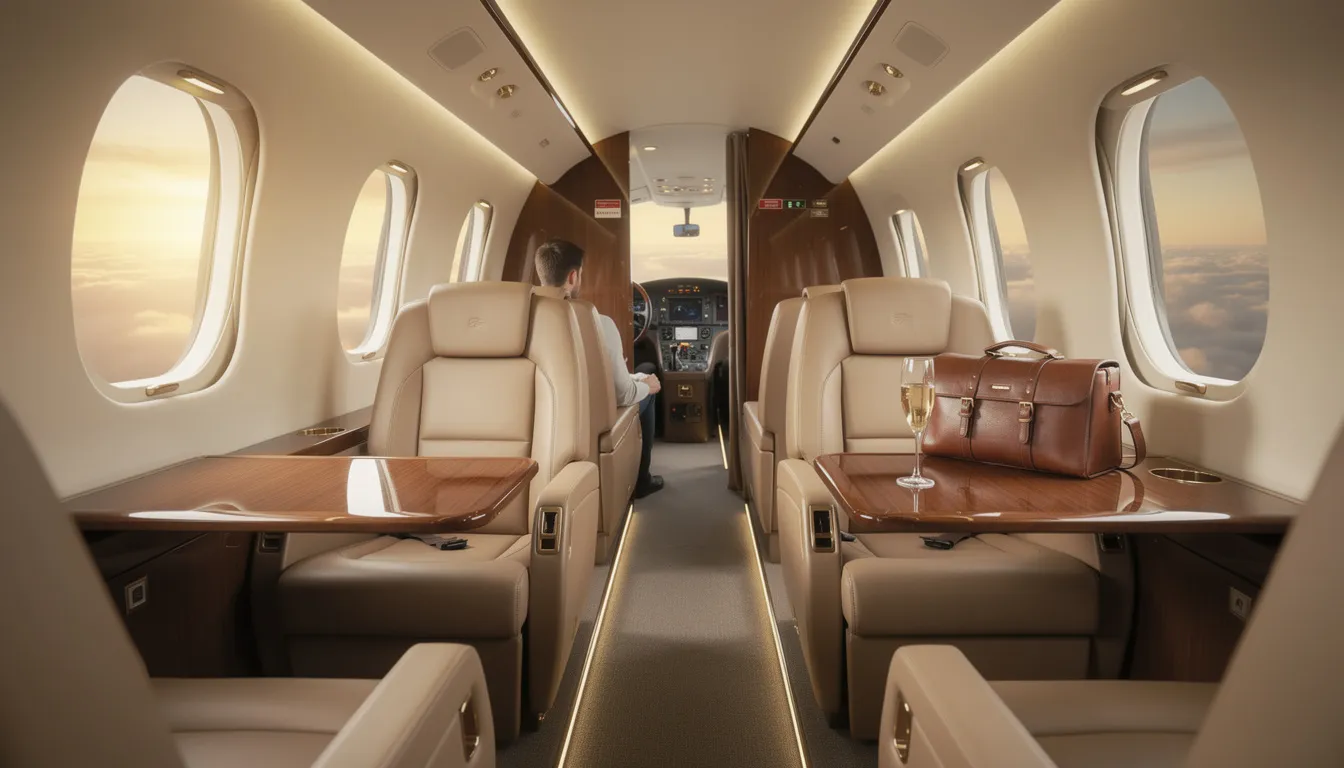
Club seating with power outlets
Fold-out work tables
Enclosed lavatory and galley
Baggage compartment with ample luggage capacity, allowing more luggage or equipment than commercial flights
Operators can arrange customized catering menus, dietary accommodations, premium beverages, and ground transportation coordination.
Many Learjet 75 aircraft feature Wi-Fi and upgraded avionics, enabling in-flight productivity.
Learjets require balanced field lengths of approximately 4,300 to 5,450 feet, depending on the model, enabling access to thousands of airports, including many regional airports not served by commercial airlines.
Light jets burn less fuel per hour than midsize or heavy jets, resulting in lower hourly rates and more cost-efficient operations.
Typical Learjet performance includes cruise speeds of 445 to 496 knots and maximum altitudes of up to 51,000 feet, offering efficient, smooth, and comfortable flights.
Safety remains paramount in private aviation.
In the United States, charter operators comply with Federal Aviation Administration regulations under Part 135, governing aircraft maintenance, pilot duty times, and operational procedures.
Travelers should verify ratings from recognized organizations such as ARGUS International and Wyvern Ltd.
Proof of insurance coverage
Maintenance logs and inspection records
Pilot training and experience records
Learjets are regularly inspected to maintain safety standards and operational efficiency. The Learjet 45 specifically holds FAA certification since September 1997 and features safety systems including emergency oxygen for crew and passengers, redundant avionics, and weather radar to navigate turbulent conditions. Travelers comparing long-term access solutions may also evaluate top fractional jet ownership programs alongside on-demand charter.
Selecting the right Learjet depends on mission profile and passenger needs.
Short regional trips
Seven passengers or fewer
Cost-sensitive charter missions
Longer domestic flights and transcontinental flights
Larger executive teams requiring more cabin space
Premium light jet experience with advanced avionics
High-speed executive day trips
Clients prioritizing comfort and connectivity
Learjet charter offers a strategic balance between speed, efficiency, and cost within the private aviation sector. For travelers evaluating long-term solutions beyond on-demand charter, fractional jet ownership financing may provide greater value and guaranteed access.
Understanding aircraft performance, charter pricing, and safety requirements enables informed decision-making in a rapidly evolving global private jet market.
Ready to explore the smarter way to fly private? Contact Monarch Air Group or other certified operators to find the ideal aircraft and flight details for your next journey and arrive relaxed and ready for your destination.
