July 7, 2026
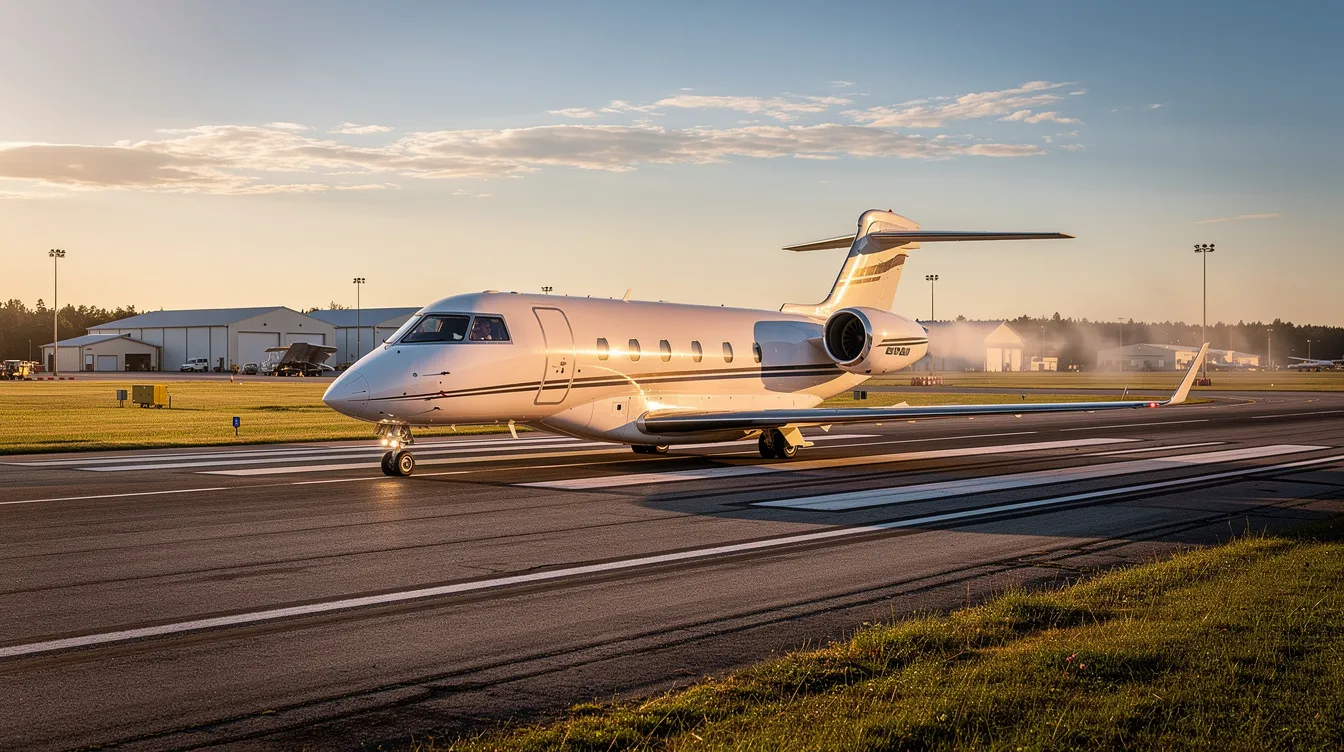
A Learjet charter offers fast, efficient private jet travel for small groups, combining high cruising speeds with excellent runway performance for short- to medium-range trips across the United States and beyond. Learjets remain one of the quickest ways to move between business and lifestyle destinations, and models from the classic Learjet 31 and Learjet 55 to the modern Learjet 75 span light jets and midsize jets with cruise speed ranges of roughly 450–515 mph (Mach 0.78–0.81).
For U.S.-based and global business travelers, corporate flight departments, and families who value speed, privacy, and flexible airport access—especially those flying roughly 25 to 150 hours per year—the key decision is often not whether a Learjet can do the mission, but whether charter or a more structured access model delivers better value. This guide compares Learjet models and charter capabilities, performance metrics, cabin features, safety standards, and the cost tradeoffs between one-off charter and fractional ownership, including how BlackJet Fractional Jet Ownership uses reserve fleet and equity-style access programs to improve availability, consistency, and scheduling for frequent flyers. While a single Learjet charter delivers maximum flexibility with no capital commitment, fractional aircraft ownership often becomes the more cost-efficient and predictable option once annual flight hours rise above 50–75.
Since the first Learjet took its first flight in the 1960s, Bombardier Learjet aircraft have earned a strong reputation for exceptional performance in business aviation. Bombardier Aerospace refined the line through decades of production, and the aircraft remain a benchmark in executive travel across the world.
Key advantages that make Learjet charter a go-to for private flights:
High-speed cruise: Many models achieve a maximum cruise speed above 500 mph, compressing same-day business trips between cities like New York–Chicago or Dallas–Denver.
Short-field performance and airport flexibility: Learjets can land at smaller regional airports and access more airports than commercial airlines due to their size and performance, with landing distance requirements that help them use shorter runways, including Teterboro (TEB), Van Nuys (VNY), and Love Field.
Passenger capacity: Learjets typically seat 6–9 passengers and offer leather seating and refreshment areas, with cabin configurations well suited for productivity or relaxation.
Time savings: Private charter passengers generally avoid long security lines and crowded terminals. Private jets eliminate crowded airports and rigid schedules, and flexibility in scheduling minimizes waiting and layover time when chartering a Learjet.
Booking a Learjet charter prioritizes privacy, flexibility, and time savings. Private jet charter booking is different from reserving a commercial flight because there are no fixed schedules. Chartering a Learjet lets you depart according to your own schedule, and charter flights provide direct access to chosen destinations. Chartering a Learjet provides a quiet environment for confidential meetings and work, and many Learjet models allow fast travel times for same-day business trips. Private jet charters offer flexible scheduling options that commercial carriers simply cannot match.
When clients find themselves chartering repeatedly-say, 50 or more hours per year-the economics and consistency of BlackJet's fractional model, including options like 1/8 fractional jet ownership shares, start to make more sense than rolling the dice on ad-hoc availability.
TheBombardier Learjett lineup includes several aircraft types frequently found in charter fleets. Here's how the main categories compare:
Model | Class | Max Cruise Speed | Maximum Range | Passengers | Key Feature |
|---|---|---|---|---|---|
Learjet 31 | Classic Light | 515 mph | ~1,500 NM | 6–7 | High climb rate, 51,000 ft ceiling |
Learjet 45 | Modern Light | 450 mph | 1,824 NM | 7–8 | Galley and full lavatory, 375 cu ft cabin volume |
Learjet 55 | Classic Midsize | 527 mph | ~2,000 NM | Up to 10 | Club seating, fold-out worktables |
Learjet 60 | Midsize | ~536 mph | ~2,400 NM | 8 | |
Learjet 75 | Modern Light | 496 knots | 2,120 NM | 8–9 | Cutting-edge cabin management system |
BlackJet helps clients right-size their fractional share or Reserve Fleet access to match the Learjet category that fits their most frequent missions-whether that's regional hops or transcontinental U.S. routes, while modeling the total cost of fractional jet ownership across different aircraft types. For a full comparison of types of private jets and prices, BlackJet's advisory team can walk through the options.
The Learjet 55 is a midsize business jet introduced around 1979, with first delivery to operators shortly after. It became widely used in charter through the 1990s and 2000s. The Learjet 55 can achieve a maximum cruise speed of 527 mph with a maximum range close to 2,000 nautical miles, covering nonstop routes like New York–Dallas or Los Angeles–Chicago.
The Learjet 55 can accommodate up to 10 passengers depending on the interior layout. Cabin features include stand-up height in many configurations, an enclosed lavatory, compact galley, and the Learjet 55 offers club-style seating and fold-out worktables for productivity. It still appears in some charter fleets as a cost-effective midsize option, though BlackJet may recommend newer midsize jets for fractional ownership due to improved fuel efficiency and modern avionics. Chartering a Learjet 55 costs approximately $3,300 per hour-clients who frequently fly 1,500–2,000 nm missions with 6–8 passengers can lock in predictable access through an Equity Fleet share.
The Learjet 75 is the fastest Learjet, cruising at 496 knots, making it one of the quickest light jets in the world. Its powerful engines deliver a maximum range of 2,120 nautical miles with four passengers and standard reserves.
Cabin dimensions include a flat floor roughly 5 ft high, with total cabin volume around 400–500 cubic feet. The Learjet 75 cabin includes a cutting-edge cabin management system, LED lighting, large windows, optional Wi-Fi, and a fully enclosed lavatory. These features make it popular for routes such as Toronto–Vancouver, New York–Miami, or Dallas–San Diego.
Learjet 75 hourly rates range from $3,600 to $4,500. Frequent users of Learjet 75-equivalent jets flying 25–150 hours per year may gain better cost control and guaranteed availability through fractional ownership instead of repeated charters.
The Learjet 31 has a maximum cruise speed of 515 mph and is ideal for short regional hops-think Los Angeles to Las Vegas or south Florida shuttles. The Learjet 45 can maintain a cruising speed of 450 mph with a maximum range of 1,824 nautical miles, making it well suited for medium-range business flights like Chicago–Houston. The Learjet 45 has a cabin volume of 375 cubic feet, and the Learjet 45 features a galley and full lavatory. The average hourly rental rate of the Learjet 45 is $4,450. The Learjet 60 has a range of approximately 2,400 nautical miles, making it ideal for longer, higher-payload trips like New York–Aspen with luggage.
While Bombardier ended production of Learjets in 2021, many of these private aircraft remain active in U.S. and global charter fleets, supported by strong maintenance networks.
Speed and range are the core metrics when selecting a Learjet charter or fractional jet share. Several factors influence performance: passenger count, luggage weight, weather, and whether pilots fly at high-speed cruise (faster, higher fuel burn) or long-range cruise (slower, maximum range).
Light jets like the Learjet 31 and 45 cruise around 450–515 mph with ranges near 1,500–1,824 nautical miles. Midsize jets like the Learjet 55 and 60 stretch to roughly 2,000–2,400 nautical miles at similar or slightly higher maximum speeds. Approximate flight times: New York–Miami in about 2.5 hours, Los Angeles–Seattle around 2 hours, Dallas–Nassau close to 2.5 hours. Some longer routes may require a fuel stop depending on load.
BlackJet uses mission profiles-distance, passenger count, payload-to match members with aircraft that balance cruise speed, fuel burn, and cost per hour across the Reserve and Equity Fleets, often leveraging floating fleet options in fractional ownership to optimize availability and efficiency.
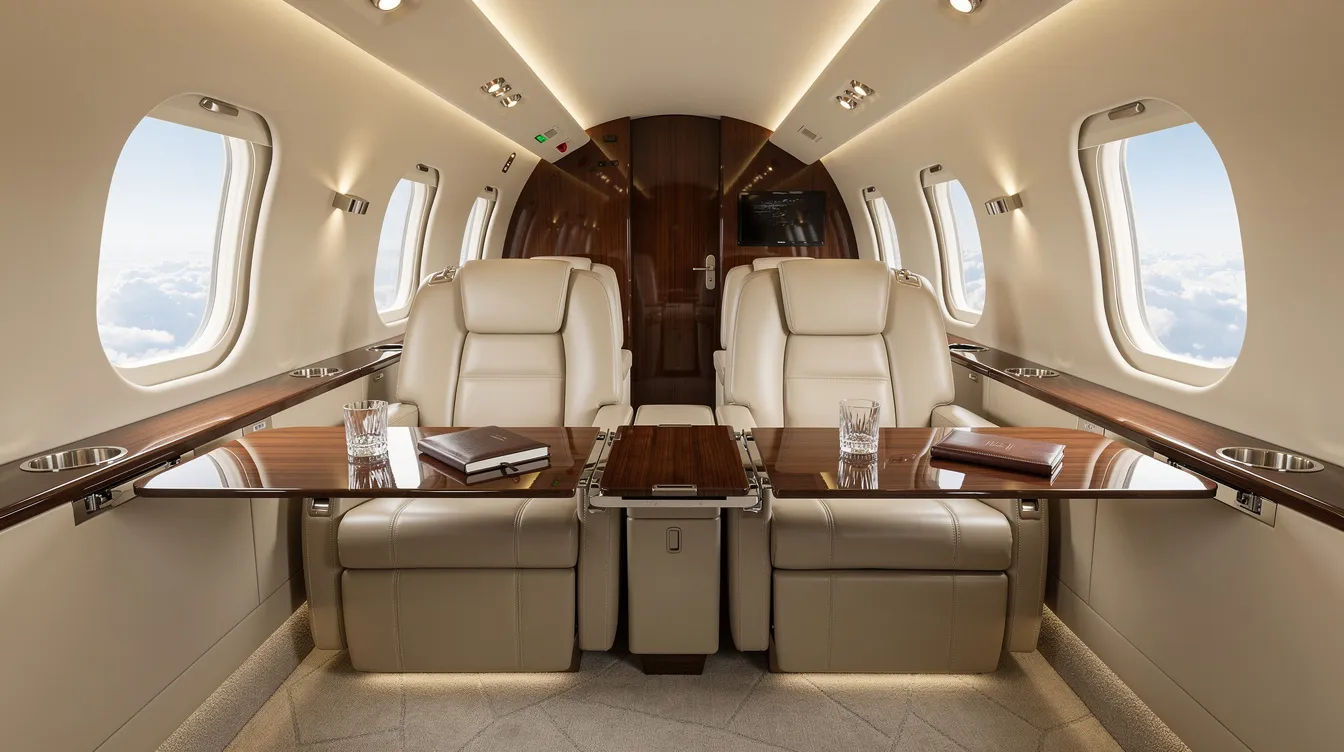
Learjet cabins are designed for productivity and comfort, and prospective owners benefit from understanding the key fractional jet ownership terms that define how cabin access and usage are allocated. Cabin dimensions vary by class: a light jet like the Learjet 45 offers roughly 19–20 ft of cabin length, about 5 ft of width, and 4.9–5 ft of height. Midsize models like the Learjet 55 provide stand-up height around 5 ft 7 in with greater overall cabin volume. Learjet cabins maintain a pressure differential of 8.9 psi or more, keeping passengers comfortable at altitude.
How many passengers each class carries in comfort depends on luggage, golf clubs, skis, or pet carriers, which reduce optimal headcount. Charter travel enhances comfort with spacious cabins and amenities, and passengers enjoy luxurious seating and customized catering on Learjet charters. Learjet charters may include Wi-Fi connectivity and in-flight entertainment for a better in-flight experience.
Executive configurations typically feature a double club layout with facing seats ideal for in-flight meetings. Power outlets, USB charging, and connectivity on modern Learjets support remote work. Consider a four-passenger executive team flying a same-day round trip from Boston to Chicago-the cabin serves as a mobile conference room, reducing pilot workload on scheduling complexity while maximizing operational efficiency for the business jet mission. Consistent access through fractional ownership simplifies corporate travel planning and onboard workflows, but it also requires careful review of essential contract terms in fractional ownership, with Honeywell Primusavionics suites or Garmin G5000 systems keeping pilots equipped with the latest tools.
Many Learjet charter flights serve family vacations, sporting events, and destination weddings. Reclining leather seats, generous legroom, quiet cabins, adjustable lighting, and climate control define the private travel experience. Learjet 75 and 60XR cabins may include HD entertainment, Bluetooth audio, and catered dining.
Examples include a family of six flying from Dallas to Aspen with ski equipment, or a couple's weekend from New York to Charleston. BlackJet's membership-style access lets families plan multiple seasonal trips per year with consistent aircraft and crew standards-a far better travel experience than unpredictable ad-hoc charter.
All Learjet charter operations in the U.S. must comply with the Federal Aviation Administration Part 135 regulations. Key avionics suites include Honeywell Primus 1000 on the Learjet 45, Garmin G5000 on the Learjet 70/75, and Rockwell Collins Pro Line 21 on the Learjet 60XR. Safety technologies such as TCAS, GPWS, wind shear detection, and modern weather radar are standard across well-maintained fleets.
BlackJet partners with operators that prioritize ARGUS, Wyvern, and IS-BAO standards, while advising fractional owners on essential liability and insurance coverage to align operational safety with legal protection. Pre-flight due diligence includes reviewing maintenance logs, pilot hours on type, and recent safety audits before assigning aircraft to members, ensuring every flight meets top-of-market safety practices.
Traditional Learjet charter pricing includes an hourly rate plus taxes, positioning fees, overnight charges, and potential de-icing costs. Average hourly rates for light jets run $3,000–$4,500, while midsize models like the Learjet 60 command $4,000–$7,500. Hourly rates vary based on model year and routing, and peak seasons can increase charter prices due to higher demand. Learjets use less fuel than larger heavy aircraft, making them budget-friendly, but repeated chartering still adds up.
BlackJet's Reserve Fleet offers pay-as-you-go access with transparent pricing and no ownership commitment. The Equity Fleet provides fractional jet ownership shares with priority scheduling, potential U.S. tax benefits for fractional jet owners, and lower effective hourly costs over time. For a deeper look at understanding the cost of fractional jet ownership, BlackJet advisors can model scenarios using realistic Learjet-type rates.
Learjets are cost-effective and save time for short-to-medium trips, and low operating costs relative to heavy jets keep them attractive. The process for booking a Learjet charter involves securing your private flight in four steps, but frequent flyers who want to reduce ground transportation hassles and scheduling friction often benefit from structured programs.
Usage thresholds guide the decision:
Under 25 hours/year: Charter or Reserve Fleet is most cost-effective
25–75 hours/year: Jet cards or Reserve Fleet membership becomes competitive
75–150 hours/year: Fractional ownership typically delivers lower all-in costs
150+ hours/year: Large fractional shares or full ownership warrant evaluation
Consider a U.S. mid-market company flying executives 60–80 hours per year on Learjet-class charters between New York–Chicago and Dallas–Los Angeles. At average hourly rates of $4,500–$6,500 for midsize jets, annual charter spend can exceed $350,000 with variable pricing and availability risk. A fractional share can reduce effective per-hour costs by 10–20% while guaranteeing access during peak periods, but many executives still compare fractional jet ownership vs membership programs to align structure with their usage patterns. Refer to BlackJet's fractional ownership vs. other models comparison for detailed analysis.
Occasional flyers remain best served by Learjet charter or BlackJet's Reserve Fleet, and existing fractional owners who reduce their flying may explore selling a fractional jet ownership share before transitioning back to charter-only solutions. Before speaking with an advisor, gather your last 12–24 months of flight history-routes, passengers, hours, and travel needs.
The private aviation landscape includes on-demand charter, jet card programs, fractional aircraft ownership, and full private jet ownership. Learjet charter fits the high-flexibility, no-commitment end of the spectrum, but variable pricing and inconsistent aircraft types can frustrate frequent flyers.
Fractional jet ownership through BlackJet's Equity Fleet delivers equity benefits, potential tax advantages, and predictable access to Learjet-class or comparable private aircraft, and many clients evaluate fractional jet ownership as an investment relative to continued charter spend. Other common light jets like the Citation CJ series or Embraer Phenom 300 offer alternatives-BlackJet structures ownership around the best fit, not just one manufacturer. For corporations with complex travel patterns, a program comparison blending Reserve Fleet and Equity Fleet solutions can mirror typical Learjet charter usage plus occasional larger aircraft.
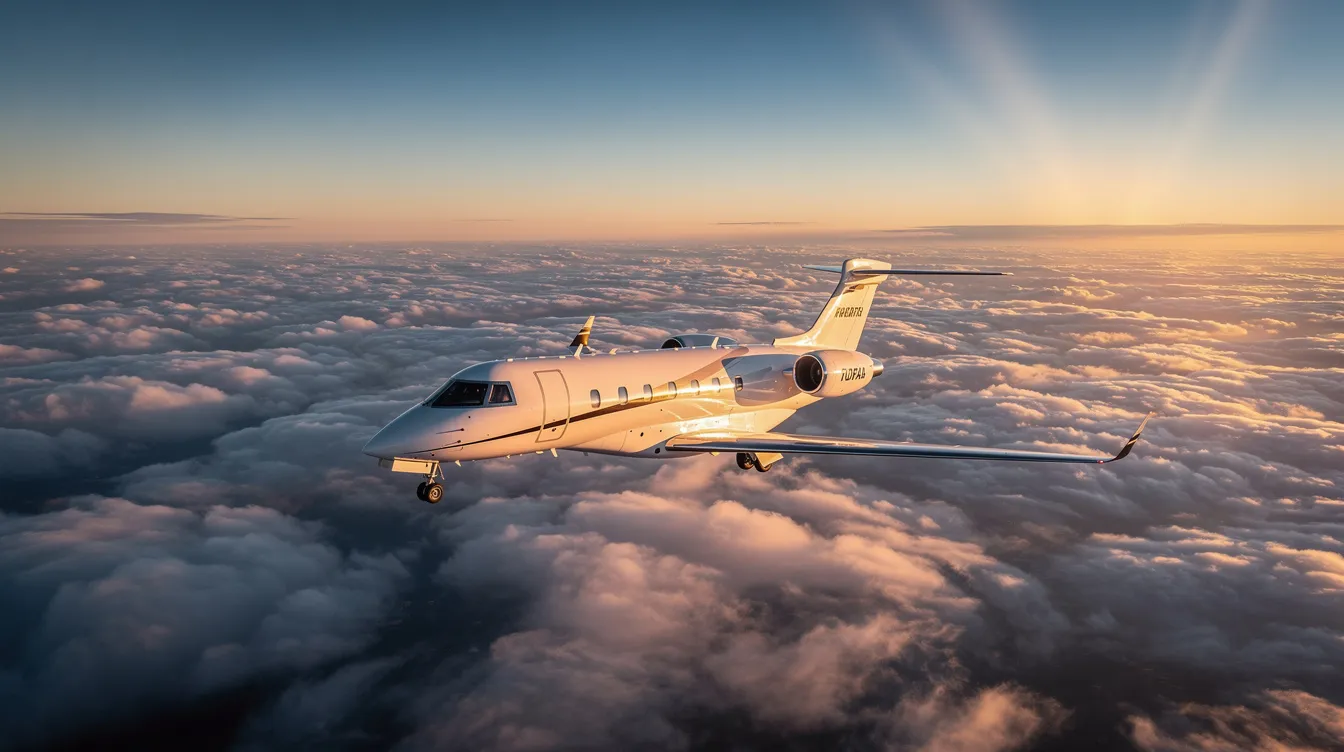
Real-world mission examples reveal when Learjet performance and ownership economics align.
Business travelers use Learjet-type jets for board meetings, plant visits, and client presentations. A CFO flying Boston–Cleveland–Detroit–Boston in a single day covers roughly 1,200 nautical miles. Learjet cruise speed and access to business aviation airports like White Plains, Love Field, and Centennial compress multi-day commercial itineraries into efficient same-day trips. For time-sensitive corporate events or M&A negotiations, the predictability of fractional ownership outperforms the variability of ad-hoc Learjet charter.
Families charter Learjet-class aircraft for winter holidays (New York–Palm Beach), ski trips (Chicago–Vail), and long weekends (Los Angeles–Cabo San Lucas), sometimes comparing top fractional jet ownership programs when their leisure flying becomes more frequent. Cabin dimensions and baggage capacity of the Learjet 55, 60, and 75 support golf clubs, skis, strollers, and pet carriers while maintaining comfort. Fractional owners prioritize family itineraries when sizing their share, then use BlackJet's Reserve Fleet to supplement occasional extra trips.
BlackJet does not simply broker single Learjet charters; it also helps clients interpret aircraft fractional ownership sample contracts when structuring long-term access solutions. Instead, it designs ongoing access programs delivering Learjet-like performance with more control and value. The Reserve Fleet model provides no-ownership, pay-as-you-go hours at published rates across a curated selection of light and midsize jets. The Equity Fleet model offers fractional ownership shares, priority scheduling, tailored aircraft sourcing, and potential tax benefits of aircraft depreciation.
Operational advantages over traditional charter include guaranteed availability windows, standardized service levels, and proactive schedule management. Clients who repeatedly charter Learjets are prime candidates for a customized BlackJet ownership or membership solution.
The decision should be data-driven. Follow this process:
Gather travel history: Compile 12–24 months of routes, hours, how many passengers per trip, and special requirements (pets, medical equipment, sports gear)
Estimate annual hours: Include projected growth in travel needs
Compare three options: Traditional Learjet charter, Reserve Fleet membership, or Equity Fleet fractional ownership
Weigh qualitative factors: Consistent cabin dimensions, preferred departure times, access to specific regional airports, and corporate travel policies.
BlackJet can model scenarios using real numbers-50–120 hours per year on Learjet 75-type missions-to show total cost of ownership versus charter over 5–10 years, including detailed fractional jet ownership financing options for different share sizes.
Bombardier ended production of Learjets in 2021, which means no new Learjet aircraft are being manufactured. However, many Learjets remain active in charter fleets worldwide, supported by strong maintenance and parts networks.
Learjets are favored for their high speed, efficient short-field performance, and ability to access smaller airports. Their cabins offer a balance of comfort and productivity, making them a popular choice for business and leisure travelers alike.
Depending on the model, Learjets typically seat between 6 and 10 passengers comfortably, with configurations designed for either executive meetings or relaxed travel.
Charter costs vary based on aircraft model, flight duration, routing complexity, peak travel seasons, and additional services like catering or ground transportation.
Learjet charter offers maximum scheduling flexibility without ownership commitments, ideal for infrequent flyers. Fractional ownership provides guaranteed availability, lower hourly costs, and potential tax benefits for frequent travelers flying 50+ hours annually.
Learjet charter offers speed, efficiency, and flexibility-but frequent flyers unlock more value with structured access. BlackJet Fractional Jet Ownership provides independent, expert guidance on whether fractional aircraft ownership, Reserve Fleet membership, or continued charter is the most efficient path for your travel needs.
Ready to explore the smarter way to fly private? Visit FractionalJetOwnership.com to schedule a confidential consultation, review your current Learjet charter usage, and request a detailed comparison of charter versus fractional ownership. Take a more strategic approach to Learjet-class travel-and transform how you move between the destinations that matter most.
