May 3, 2026
Picture this: A CEO boards a Bombardier Global 7500 at Teterboro Airport on a Tuesday evening, settles into a private suite with lie-flat seating, and wakes up refreshed in Dubai 13 hours later—ready for a 9 AM board meeting. No connections, no security lines, no jet lag from cramped commercial cabins. Private flights allow travelers to adjust departure times on short notice and reroute mid-flight, turning unpredictable schedules into strategic advantages.
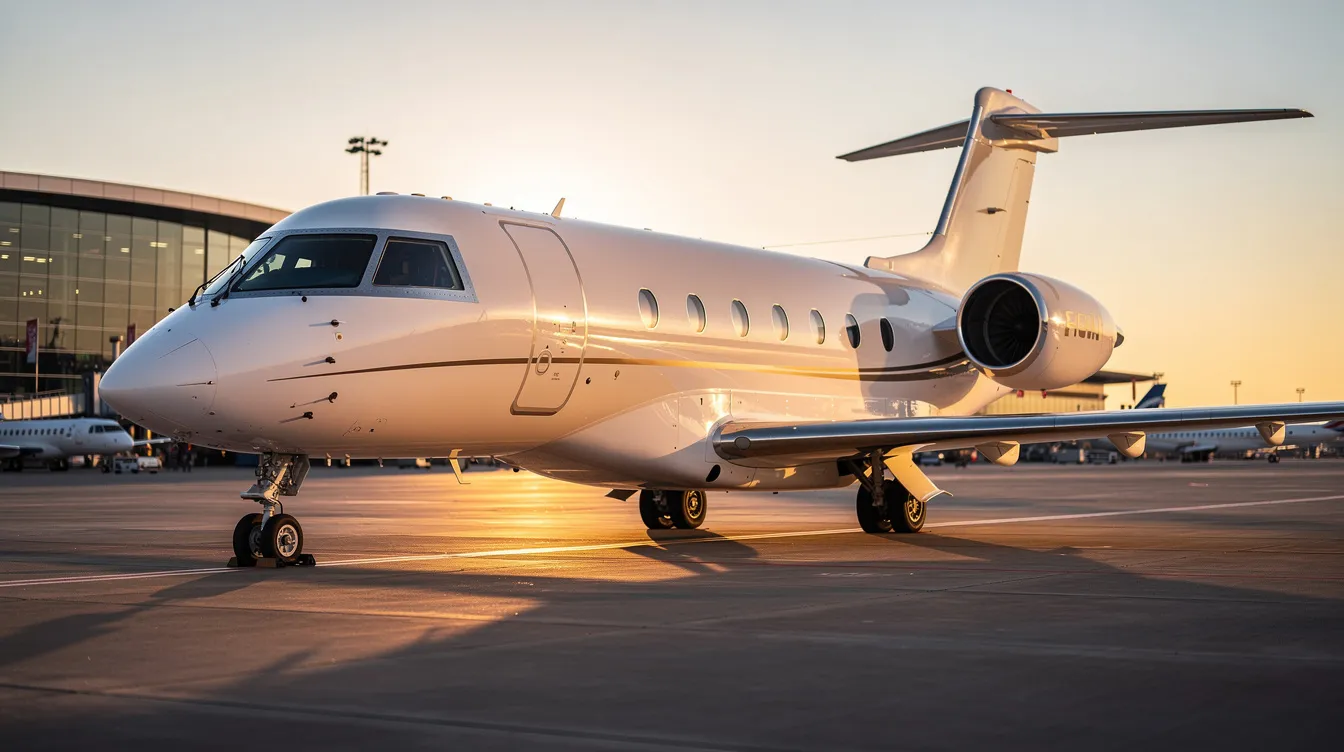
Luxury private jets are not just status symbols for the world's elite—they set new standards in range, luxury, and performance. Today, true luxury in private aviation is measured by time recovered, privacy maintained, reliability delivered, and control gained over global mobility. Modern aircraft redefine expectations, serving as both office and home in the sky, and are tools for productivity as much as symbols of exclusivity.
BlackJet Fractional Jet Ownership specializes in delivering this modern definition of luxury through two distinct access models. The Reserve Fleet offers pay-as-you-go membership with guaranteed aircraft access and transparent hourly pricing. The Equity Fleet provides fractional aircraft ownership with equity participation, potential tax advantages, and priority scheduling. Both models let clients embark on private jet journeys aboard world-class aircraft without shouldering the full burden of owning an airplane.
Luxury private jets are categorized into several classes, including light jets, midsize jets, super midsize jets, large jets, and ultra-long-range jets, each designed for different flight distances and passenger capacities. Light jets typically seat four to eight passengers and are ideal for short to mid-range trips, while large and ultra-long-range jets handle transcontinental and intercontinental flights with the highest levels of maximum comfort.
The private jet market in 2026 spans everything from the Embraer Phenom 300E for regional hops to the Gulfstream G700 and Bombardier Global 8000 for flights connecting distant cities across oceans.
Key attributes define modern jets as truly luxurious: low cabin altitude around 4,000–4,850 feet (compared to 8,000 feet on commercial aircraft), quiet cabin environments under 50 dB, lie-flat seating or private suites, and high-speed Ka band internet for seamless connectivity. Passenger comfort is a top priority in luxury private jets, with every detail designed to create a relaxing and enjoyable in-flight experience.
Concrete specifications anchor these definitions. The G700 delivers an impressive range of approximately 7,500–7,750 nautical miles with a maximum speed of Mach 0.935. The Bombardier Global 8000 is recognized as the fastest private jet in the world, capable of reaching Mach 0.94, with a global range extending to 8,000 nautical miles. Enhanced cabin environments in these aircraft include lower cabin altitude and advanced air filtration systems that reduce fatigue on long-haul flights. Customizable cabin and customizable interiors allow passengers to tailor the environment, layout, and features—such as private suites, lounges, and workspaces—to their preferences, further enhancing luxury and functionality. Luxury jets often fly at higher altitudes up to 45,000–51,000 feet, allowing them to cruise above most weather and turbulence.
BlackJet clients typically select aircraft types based on mission profile—whether a two-hour flight from San Jose to Phoenix or a 14-hour journey from New York to Singapore—rather than aesthetics alone.
Modern private jet cabins function as fully equipped offices, living rooms, and bedrooms in the sky. The space transforms based on passenger needs, supporting everything from board meetings to family travel to restorative sleep on overnight crossings.
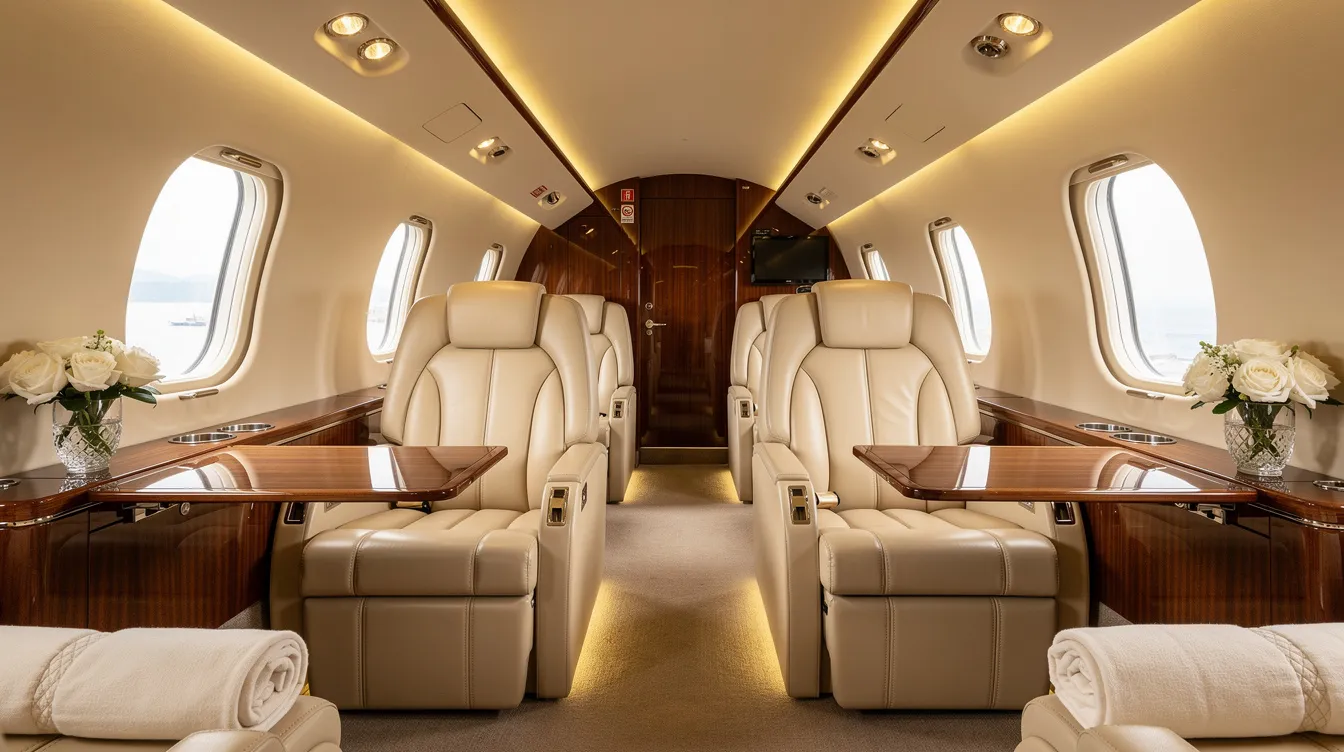
Luxury private jets often feature spacious cabins designed for maximum comfort, with options for customization to suit individual passenger needs, including areas for relaxation, work, and dining. On aircraft like the Global 7500, Gulfstream G700, and Dassault Falcon 8X, you’ll find:
Multi-zone layouts: Four distinct cabin zones separating crew rest areas, conference spaces, lounges, and private bedrooms
Fully equipped galley: Meals custom-prepared by skilled chefs to meet specific dietary needs, including multi-course dinners
Dedicated sleeping quarters: The interiors of luxury jets often include high-end finishes such as gold, crystal, and cashmere, along with master bedrooms and full-size bathrooms
Productivity infrastructure: Many modern jets are equipped with high-speed satellite Wi-Fi and can be configured as in-flight boardrooms for seamless video conferencing
Wellness technology has become standard in business aviation. Advanced air filtration systems like Pũr Air on Bombardier aircraft deliver cleaner cabin air. Circadian lighting systems adjust color temperature throughout the flight to reduce jet lag. Advanced entertainment systems and smart cabin controls allow passengers to adjust lighting and temperature from their devices.
Private cabins provide a secure, distraction-free environment for confidential business discussions. For BlackJet clients, this means conducting negotiations at FL450 without concern for nearby passengers—a productivity advantage impossible to replicate in commercial first class.
For two to three-hour domestic or intra-Europe flights, aircraft like the HondaJet Elite II, Embraer Phenom 300E, and Cessna Citation Longitude range around 2,000–3,500 nautical miles. These highly efficient aircraft typically carry six to eight passengers with comfortable seating and modern amenities.
The Bombardier Global 7500 and Gulfstream G700 are among the top ultra-long-range jets, capable of flying long distances of over 7,500 nautical miles nonstop. The Dassault Falcon line, including the Falcon 8X (6,450 nm range) and Falcon 7X, is known for advanced technology, fuel efficiency, and spacious cabins. Most high-performance private jets cruise between Mach 0.85 and Mach 0.925, with average flight times reaching 12 to 16 hours before needing to refuel. The Gulfstream G800 and Bombardier Global 8000 are tied for the longest range at 8,000 nautical miles—enough to fly nonstop from New York to Singapore.
Executive liners such as the Boeing Business Jet and Airbus Corporate Jets offer extensive customization options and accommodate large groups. The Airbus ACJ319neo provides over 800 square feet of cabin space—essentially a flying mansion with private suites, a full-size kitchen, and dedicated office areas. These aircraft serve heads of state, global corporations, and the world’s elite.
For typical BlackJet clients flying 25–150 hours annually, super-midsize and large-cabin jets represent the sweet spot for North American and transatlantic missions.
Understanding the economics of luxury private jet ownership requires examining both acquisition and ongoing operational costs, much like a full guide to the cost of fractional jet ownership would do for shared aircraft access models.
The purchase price of a luxury private jet varies significantly depending on customization and features:
Category | Approximate New Price |
|---|---|
Light Jet | $5–12 million |
Super-Midsize (e.g., Bombardier Challenger) | $15–25 million |
Large/Ultra-Long-Range (G700, Global 7500) | $60–80+ million |
Executive Airliners (Boeing Business Jet, ACJ) | $100–300+ million |
For some missions, high-performance turboprops like the TBM 850 in fractional programs can deliver jet-like speeds with lower operating costs.
Annual operational costs for private jet ownership can range from $500,000 to over $4 million, depending on aircraft size and service level. Ongoing operational costs include expenses for fuel, maintenance, insurance, and crew salaries—and these increase significantly with larger aircraft and more luxurious amenities. A large-cabin jet operating 300–400 hours annually can easily exceed $3–5 million in total operating costs.
For individuals or companies flying 25–150 hours per year, full ownership rarely makes economic sense due to fixed costs, depreciation, and underutilization—making fractional jet ownership as an investment a more practical way to align capital outlay with real usage. The aircraft sits idle most days while still requiring crew standby, hangar fees, and insurance payments.
Owners evaluating options often model effective hourly rates using frameworks similar to those in a dedicated total cost of fractional jet ownership analysis.
The real question is cost efficiency relative to usage. BlackJet’s Reserve Fleet eliminates ownership burdens through pay-as-you-go pricing, while the Equity Fleet provides fractional share ownership with equity participation and potential tax benefits under current IRS rules, which depend on complex tax implications for fractional jet owners. Both models align the cost structure with actual flight time rather than calendar time.
Readers should work with tax and financial advisors when evaluating any aircraft ownership structure, as regulations and benefits vary by jurisdiction and individual circumstances.
Understanding the main access models helps business leaders make informed decisions about their aviation strategy, especially when they are still learning fractional jet ownership terminology and key concepts.
Model | Capital Required | Cost Predictability | Scheduling Priority | Equity/Tax Benefits |
|---|---|---|---|---|
On-Demand Charter | None | Variable | Low | None |
Jet Card Programs | Deposit | Fixed hourly | Medium | None |
Fractional Ownership | Share purchase | Predictable | High | Yes |
Full Ownership | Full aircraft | Variable | Complete | Maximum |
Fractional jet ownership typically involves purchasing a share (such as 1/8th of a large-cabin jet), providing around 100 guaranteed hours annually. Contract terms usually span 3–5 years with monthly management fees plus occupied hourly rates.
Private jets have access to over 5,000 airports across the United States, a stark contrast to commercial airlines, which are limited to fewer than 500 major hubs. Private jet travelers can save between one and five hours per flight by avoiding long security lines and boarding directly from private terminals. Private aviation has fewer restrictions on carry-on items, allowing passengers to fly with pets in the cabin.
Charter options offer flexibility but come with variable pricing and availability constraints during peak demand periods. Jet cards provide fixed hourly rates but no equity participation, while fractional ownership vs membership programs differ in long-term commitment and guaranteed access. Full ownership delivers maximum control at the highest cost and complexity.
The Equity Fleet adds equity participation and potential tax advantages beyond simple access, while the Reserve Fleet serves clients who want guaranteed availability and exceptional service without long-term ownership commitments—two pillars within BlackJet’s broader suite to compare fractional jet ownership programs.
Consider a CEO flying 60 hours domestically plus 30 hours to Europe annually. Full ownership would be economically inefficient. Charter would be unpredictable during holiday peaks. A fractional share provides priority access, predictable costs, and an aircraft capable of intercontinental travel.
For business travel at the highest level, luxury must deliver operational capability alongside comfort. Time is the ultimate luxury, and modern jets deliver it through long-range capabilities, speed, and airport accessibility.
The ability to fly nonstop between major business centers transforms productivity. The Falcon 8X’s tri-jet performance allows access to challenging airports like London City with its short runway. Some aircraft can reach remote destinations that commercial carriers simply cannot serve.
Customization options for private jets range from bespoke interiors to cutting-edge technology features, and some operators leverage flexible, floating fleet options in fractional ownership to match specific cabin layouts and missions. The customization of private jets often includes multiple living spaces, such as master bedrooms, dining areas, and offices. Options can include gold and crystal fixtures, full-size bathrooms, and gourmet kitchens—transforming aircraft into flying mansions while maintaining operational capability.
Advanced avionics, digital flight controls, and predictive maintenance systems on aircraft like the G700 or Dassault Falcon 7X contribute to safer, more efficient operations. BlackJet selects and manages fleet aircraft to provide consistent performance standards across different missions and seasons, ensuring clients experience reliable access even during peak holiday periods.
Environmental responsibility has become a priority among high-net-worth individuals and corporations in private aviation. Sustainability practices are becoming mainstream, with many companies adopting carbon offset programs and sustainable aviation fuel to reduce emissions.
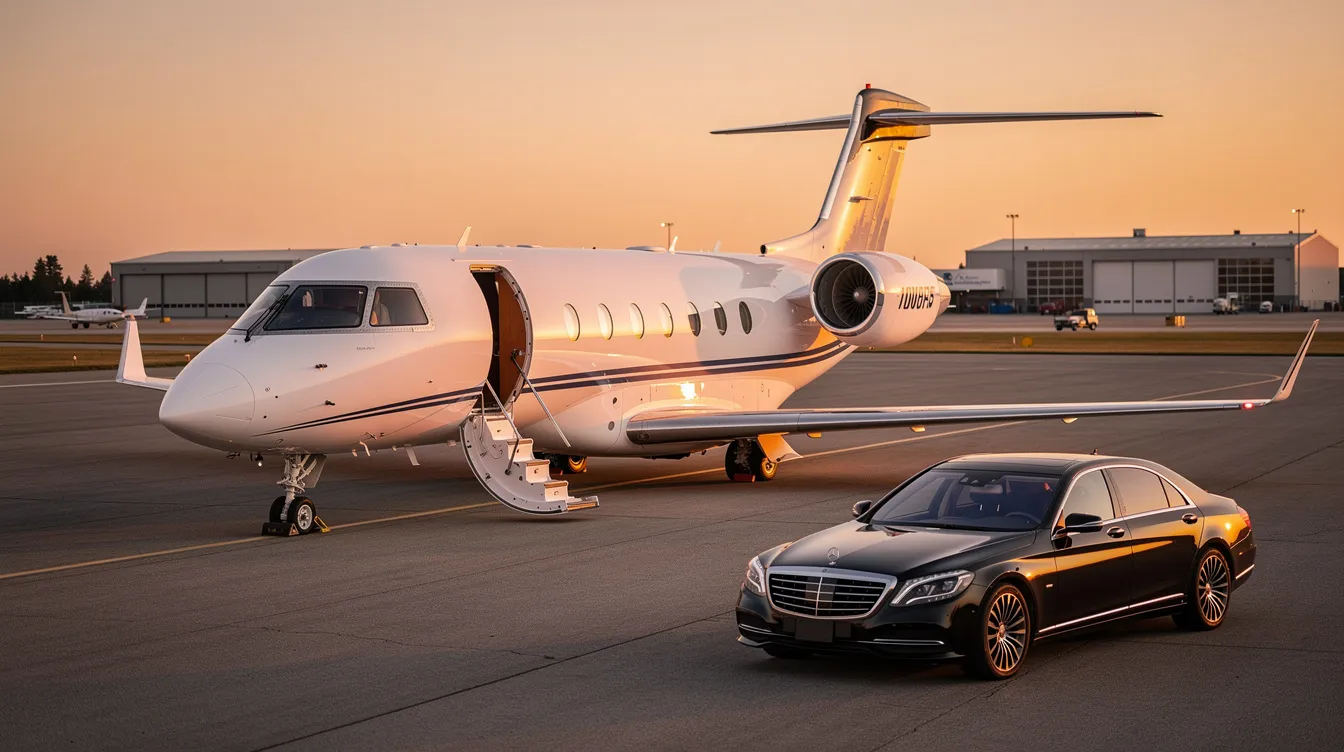
The demand for private jet travel has surged, prompting manufacturers to innovate with more luxurious interiors and advanced features. Specific advances include composite fuselages on the Boeing Business Jet 787 for improved fuel efficiency, new-generation engines like the LEAP-1A on the Airbus ACJ319neo, and aerodynamic refinements on Gulfstream and Dassault models that lower fuel burn.
Technological advancements in private jets include AI-assisted flight systems, enhanced connectivity options, and active noise-canceling technology. Urban air mobility solutions, such as electric vertical take-off and landing (eVTOL) aircraft, are expected to revolutionize short-haul travel in the coming years. The future of long-range business aviation is being shaped by innovations that enhance efficiency, comfort, and accessibility.
BlackJet promotes newer, more efficient aircraft in its fleet mix and offers carbon-neutral options through certified offset programs, including regional offerings such as fractional jet ownership in Atlanta that reduce positioning flights through local basing strategies. Aviation experts increasingly recognize that luxury and responsibility can coexist in premium private aviation.
Typical BlackJet clients include entrepreneurs with multi-city U.S. trips monthly, family offices managing assets across continents, and corporate teams requiring reliable access for 25–150 flight hours annually, whether they are based in major hubs or leisure-heavy markets like Orlando fractional jet ownership clients.
48-Hour Roadshow: A private equity partner flies New York–Miami–Houston–Los Angeles over two days, holding investor meetings in each city. Commercial travel would require hub connections and overnight layovers; private aviation compresses the journey into productive flight time between meetings.
Global Leadership Team: Quarterly flights connecting London, New York, and Dubai for a multinational’s executive committee. Aircraft with long range, like the Global 750,0 eliminate refueling stops and maximize productive time.
When annual flying falls below 20–30 hours, charter remains more flexible and economical. When schedules are extremely irregular with long gaps between trips, business class on premium commercial carriers may deliver comparable value.
Decision criteria include: value of executive time, need for confidentiality, frequency of last-minute changes, importance of reaching secondary airports, and budget allocation relative to other capital projects—alongside whether fractional jet ownership financing aligns with corporate balance sheet and cash flow priorities.
BlackJet Fractional Jet Ownership delivers access through two core solutions designed for different client needs, competing alongside other top fractional jet ownership programs for smart investors in the market.
Clients considering this structure often review the total cost of fractional jet ownership models and evaluate whether a 1/8th share structure matches their expected annual hours.
Fractional ownership with equity participation. Clients select an aircraft category based on typical routes and mission profile, choose a share size ranging from 1/16 to 1/2, and receive guaranteed hours with priority booking windows. This model offers potential tax benefits and consistent aircraft quality across the fleet, all governed by detailed fractional ownership contract terms that define rights, obligations, and service levels.
Ideal for clients who want guaranteed availability and transparent hourly pricing without long-term ownership commitments. The pay-as-you-fly structure provides access to multiple aircraft types while avoiding capital commitment.
These offerings are underpinned by BlackJet’s rigorously vetted pilots and cabin crews, whose training and service standards are central to the client experience.
Both programs include 24/7 scheduling, aircraft management, ongoing maintenance oversight, and crew staffing, supported by robust liability and insurance considerations in fractional ownership to protect all parties. Clients focus on their destination and journey—BlackJet handles everything else.
BlackJet works with individuals and corporate flight departments across the United States and international markets to complement or right-size existing aviation strategies, often coordinating with legal teams to align each engagement with an aircraft fractional ownership sample contract framework. Whether clients need to embark on regular transcontinental flights or occasional international journeys, the program structures adapt to actual usage patterns and accommodate future transitions, including eventually selling a fractional jet ownership share if needs change.
In 2026, a luxury private jet is best understood as a strategic tool for reclaiming time, protecting privacy, and gaining control over travel—not merely a symbol of the world’s elite. Fractional jet ownership and membership-style access let clients experience aircraft from Gulfstream, Bombardier, Dassault, Embraer Lineage, and Airbus without taking on full ownership burdens.
Take time to evaluate your last 12–24 months of travel: routes flown, frequency of trips, pain points encountered, and hours lost to commercial aviation logistics. Project forward 3–5 years. If patterns suggest 25–150 flight hours annually with recurring routes and time-sensitive schedules, a structured access program through BlackJet could unlock significant efficiency.
Ready to explore the smarter way to fly private? Visit FractionalJetOwnership.com to request a customized flight-hour analysis and discover whether the BlackJet Equity Fleet or Reserve Fleet aligns with your travel demands. The sky awaits—on your schedule.
