
January 11, 2026
Private aviation has evolved from a niche luxury into a strategic travel solution for executives, entrepreneurs, and high-net-worth individuals who value time, flexibility, and control. At the center of this evolution stands NetJets, a company that not only shaped the concept of fractional aircraft ownership but also continues to define modern private aviation. The idea of fractional ownership originated as an innovative solution in private aviation, allowing more people to access private jet travel by sharing ownership and costs.
For individuals considering fractional jet ownership, understanding the aircraft itself is just as important as understanding the ownership model. NetJets played a pivotal role in shaping the concept of fractional ownership; Richard Santulli purchased Executive Jet Aviation in 1984 and later envisioned the fractional ownership model. NetJets was the first private business jet charter and aircraft management company in the world. Fleet diversity directly impacts mission flexibility, operating efficiency, and long-term value. This guide provides a comprehensive overview of the NetJets fleet, breaking down aircraft categories, key models, and the practical advantages each offers within the broader private aviation ecosystem.
Founded in 1964 as Executive Jet Airways, NetJets pioneered fractional ownership long before private aviation entered the mainstream. NetJets became a subsidiary of Berkshire Hathaway in 1998. Today, as a subsidiary of Berkshire Hathaway, the company operates at a scale unmatched in the private jet industry.
NetJets provides a range of private aviation solutions, including fractional ownership, leasing programs, jet cards, and whole aircraft sales. The company launched its fractional ownership business in 1986. This multi-layered approach allows clients to access private flights without the capital exposure and operational burden of full aircraft ownership, while still enjoying guaranteed availability and consistent service standards.
Private aviation demand has steadily increased over the past decade, driven by globalization, schedule sensitivity, and heightened expectations around privacy and efficiency. NetJets has responded by investing heavily in fleet modernization, sustainable aviation fuel initiatives, and future-forward technologies such as eVTOL concepts and supersonic aircraft research. In 2012, NetJets placed the largest aircraft order in private aviation history, totaling $17.6 billion.
Operating the largest private jet fleet in the world, NetJets and its global subsidiaries, including NetJets Europe and Executive Jet Management, provide access to more than 5,000 airports worldwide. NetJets expanded to Europe and Russia after being acquired by Berkshire Hathaway, and NetJets Europe was launched in 1996 as a subsidiary. This reach allows travelers to fly closer to final destinations, bypass congested hubs, and optimize travel schedules across domestic and international markets. As of 2021, NetJets is the largest fractional aircraft provider in the world.
Over the years, NetJets has expanded its operations and service offerings to meet the evolving needs of its clientele. NetJets emphasizes a standardized, high-reliability experience, whereas competitors often focus on personalization or lower entry costs.
NetJets operates one of the most diverse and modern business jet fleets in private aviation. Rather than focusing on a single aircraft category, the fleet includes light jets, midsize jets, super-midsize aircraft, and ultra-long-range, large-cabin jets. NetJets' fleet includes over 10 aircraft types across five jet classes, ranging from light jets to ultra-long-range models.
This diversity allows owners to match aircraft capabilities to specific mission profiles, whether that means short regional hops or nonstop intercontinental travel. Core manufacturers represented across the fleet include Textron Aviation, Embraer, and Bombardier, ensuring broad platform reliability and long-term manufacturer support. NetJets' fleet includes various models from manufacturers like Bombardier, Cessna, and Embraer, and features ultra-long-range business jets capable of flying up to 14 passengers.
NetJets has placed orders and options for nearly 2,000 new private jets from Textron Aviation, Embraer, and Bombardier, reinforcing its commitment to fleet renewal and operational consistency. NetJets announced in September 2023 that it will be purchasing up to 1,500 Cessna Citation jets from Textron Aviation. These orders help ensure owners fly newer aircraft equipped with the latest avionics, cabin technologies, and efficiency upgrades. Additionally, approximately 40% of NetJets' fleet is less than 5 years old, ensuring access to newer aircraft.
The fleet continues to expand aggressively, with approximately 100 new aircraft deliveries scheduled in 2025 alone. As of January 2026, NetJets operates over 800 aircraft worldwide and expects more than 80 new aircraft deliveries throughout 2026. The process of taking delivery of new jets is central to NetJets' ongoing fleet growth. NetJets uses data-driven decision-making in fleet management and planning, analyzing operational data to optimize fleet composition and performance. As part of its renewal strategy, NetJets regularly replaces older aircraft with newer models to maintain a modern and efficient fleet.
This scale allows NetJets to offer minimal notice-to-fly times and faster recovery options during irregular operations, a critical advantage for time-sensitive travelers. Compared to other private jet providers, NetJets' stringent approach to fleet planning ensures that its owners fly on the best and most innovative private jets available.
Across categories, NetJets aircraft typically include full flight attendant service, advanced cockpit systems, and flexible cabin layouts that support flights of up to 16 hours, depending on aircraft type.
Managing a private jet fleet at the scale of NetJets Inc. is a sophisticated operation that sets the company apart in the world of private aviation. As the largest private jet operator globally, NetJets offers a comprehensive private jet fleet management program designed to deliver seamless, reliable, and flexible service to its owners. This program is the backbone of NetJets’ promise: guaranteed access to a world-class fleet, with the highest standards of safety and service.
NetJets Aviation, a key subsidiary of NetJets Inc., oversees the day-to-day operations of the private jet fleet, ensuring that every flight meets the company’s rigorous standards. Owners benefit from a dedicated team of highly trained pilots, expert maintenance professionals, and a robust support network that handles everything from flight planning to fuel management. This level of executive jet management means that owners can focus on their business or leisure, while NetJets takes care of the operational complexities.
For those flying in Europe, NetJets Europe extends the same high level of service, offering a diverse selection of business jets, including the Embraer Legacy and Bombardier Challenger, tailored to the needs of the European market. Whether you require a nimble Citation Latitude for regional hops or a large cabin jet for transcontinental journeys, NetJets Europe ensures that customers have access to the right aircraft for every mission.
A hallmark of the NetJets private jet fleet management program is its flexibility. Owners enjoy guaranteed access to their chosen aircraft, often with as little as four hours’ notice. This is made possible by the sheer size and diversity of the NetJets fleet, which includes everything from the efficient Citation Sovereign to the spacious Bombardier Challenger and beyond. The company’s global network and operational scale mean that even during peak demand, owners can count on availability and service continuity.
NetJets’ executive jet management services go beyond just providing aircraft. The company offers a suite of support services, including comprehensive maintenance scheduling, regulatory compliance, and 24/7 customer support. Every detail, from crew training to in-flight amenities, is managed to the highest standards, reflecting NetJets’ commitment to safety and operational excellence. The company’s pilots are among the most experienced in the industry, and its maintenance teams adhere to strict protocols to ensure every aircraft in the private jet fleet is ready for flight.
As a subsidiary of Berkshire Hathaway, NetJets benefits from the stability and resources of one of the world’s most respected companies. This backing has allowed NetJets to continually expand its operations, invest in new aircraft, and maintain its leadership in private aviation. The company’s long-standing reputation for safety, reliability, and customer service makes it the provider of choice for discerning owners seeking a hassle-free private jet experience.
In summary, NetJets’ private jet fleet management program is designed for those who demand the best in executive jet airways. With guaranteed access, a diverse fleet, and a dedicated team managing every aspect of operations, NetJets delivers a level of service and peace of mind that is unmatched in the industry. Whether you are flying for business or pleasure, in North America or Europe, NetJets ensures that your private aviation experience is as smooth, safe, and convenient as possible.
Modern business jets are defined by far more than speed alone. NetJets aircraft integrate advanced avionics, fuel-efficient engines, and carefully designed cabins that balance productivity and comfort. NetJets pilots are specialized in a single aircraft type to maintain high proficiency and are supported by factory-trained maintenance crews. In late 2025, NetJets began installing Starlink high-speed Wi-Fi across its fleet, aiming to equip around 600 aircraft by the end of 2026. Additionally, NetJets aircraft are capable of operating from a variety of runway lengths, enhancing airport compatibility and operational flexibility.
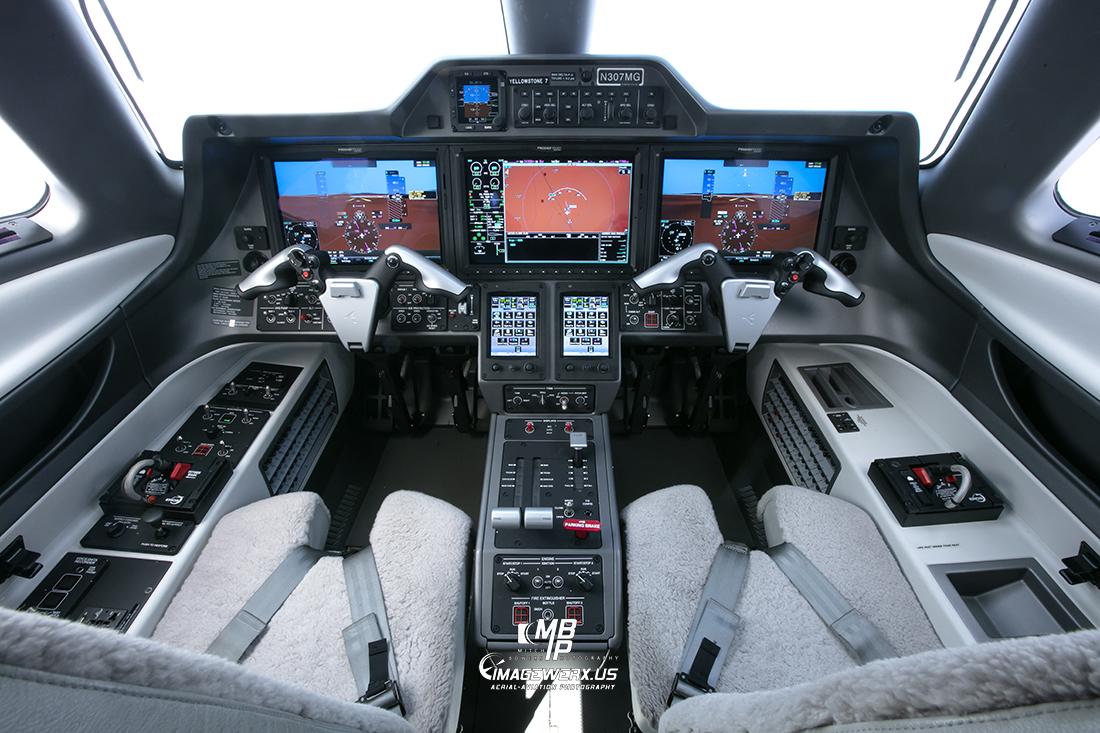
The Embraer Phenom 300 is one of the most widely used light jets in private aviation and a core component of the NetJets fleet. NetJets operates one aircraft in the light jet category, focusing exclusively on the Embraer Phenom 300 for this segment. Configured to carry up to six passengers comfortably, the aircraft offers a cruise speed of approximately 453 knots and a range of around 2,010 nautical miles.
This performance profile makes the Phenom 300 well-suited for regional business travel, offering access to shorter runways and secondary airports while maintaining high dispatch reliability. Advanced avionics and efficient operating economics further contribute to its popularity among fractional owners.
Fractional owners have guaranteed access to their aircraft with as little as four hours' notice.
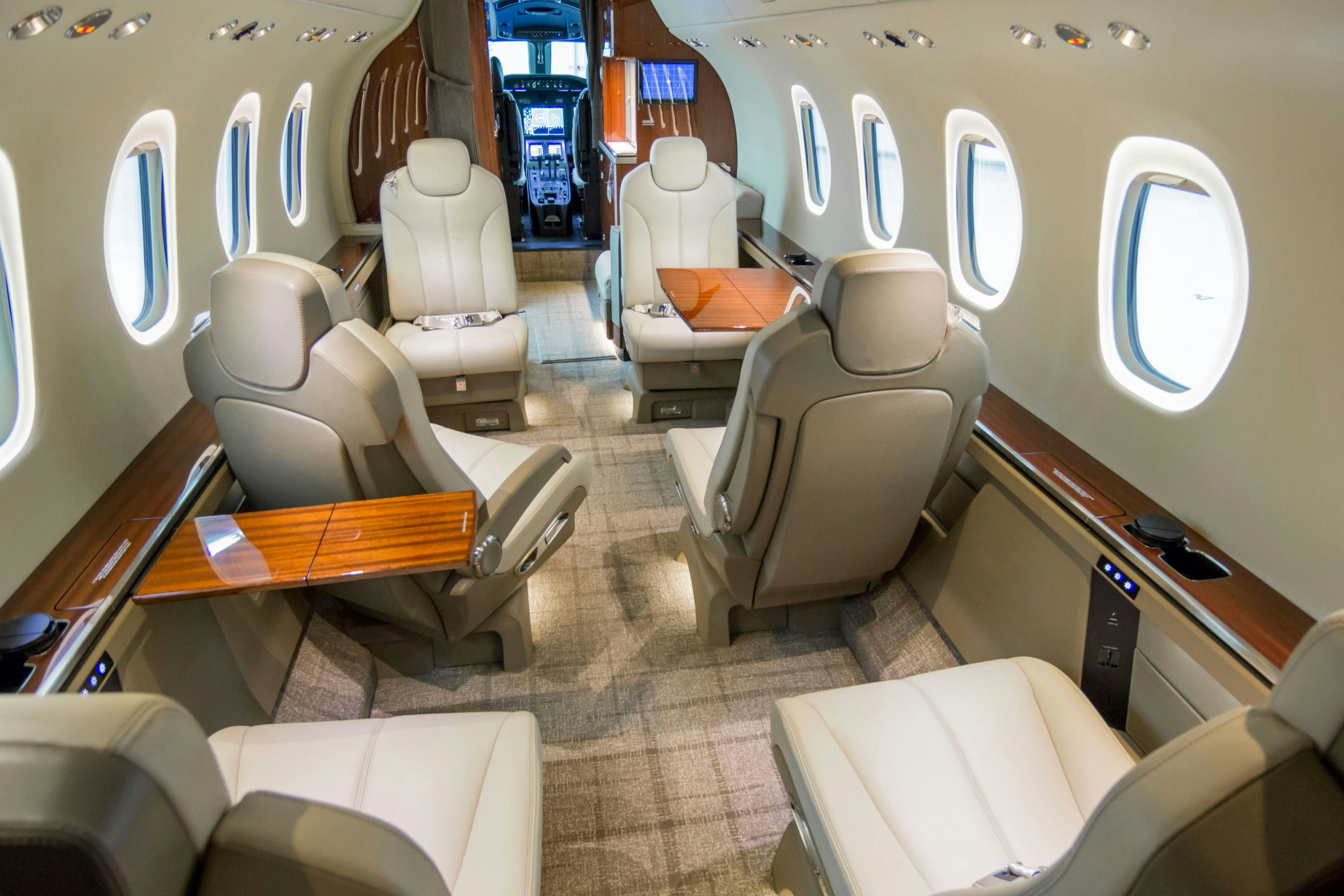
Midsize jets represent a balance between range, cabin space, and cost efficiency. The Citation Latitude, Citation Sovereign, and Citation XLS are standout examples within the NetJets portfolio, with the Citation XLS being a popular choice for those seeking a blend of performance and comfort. NetJets has a diverse fleet of midsize jets, including the Cessna Citation Latitude and Citation Sovereign.
The Citation Latitude offers a range of approximately 2,700 nautical miles, a spacious stand-up cabin, and a flat-floor design that enhances passenger comfort. The Citation Sovereign extends that capability further, with an approximate range of 3,000 nautical miles, enabling longer nonstop missions across North America.
The newer Citation Ascend builds on this platform with upgraded avionics, improved cabin acoustics, and enhanced fuel efficiency. These aircraft are often selected for coast-to-coast travel, regional international flights, and multi-leg business itineraries.
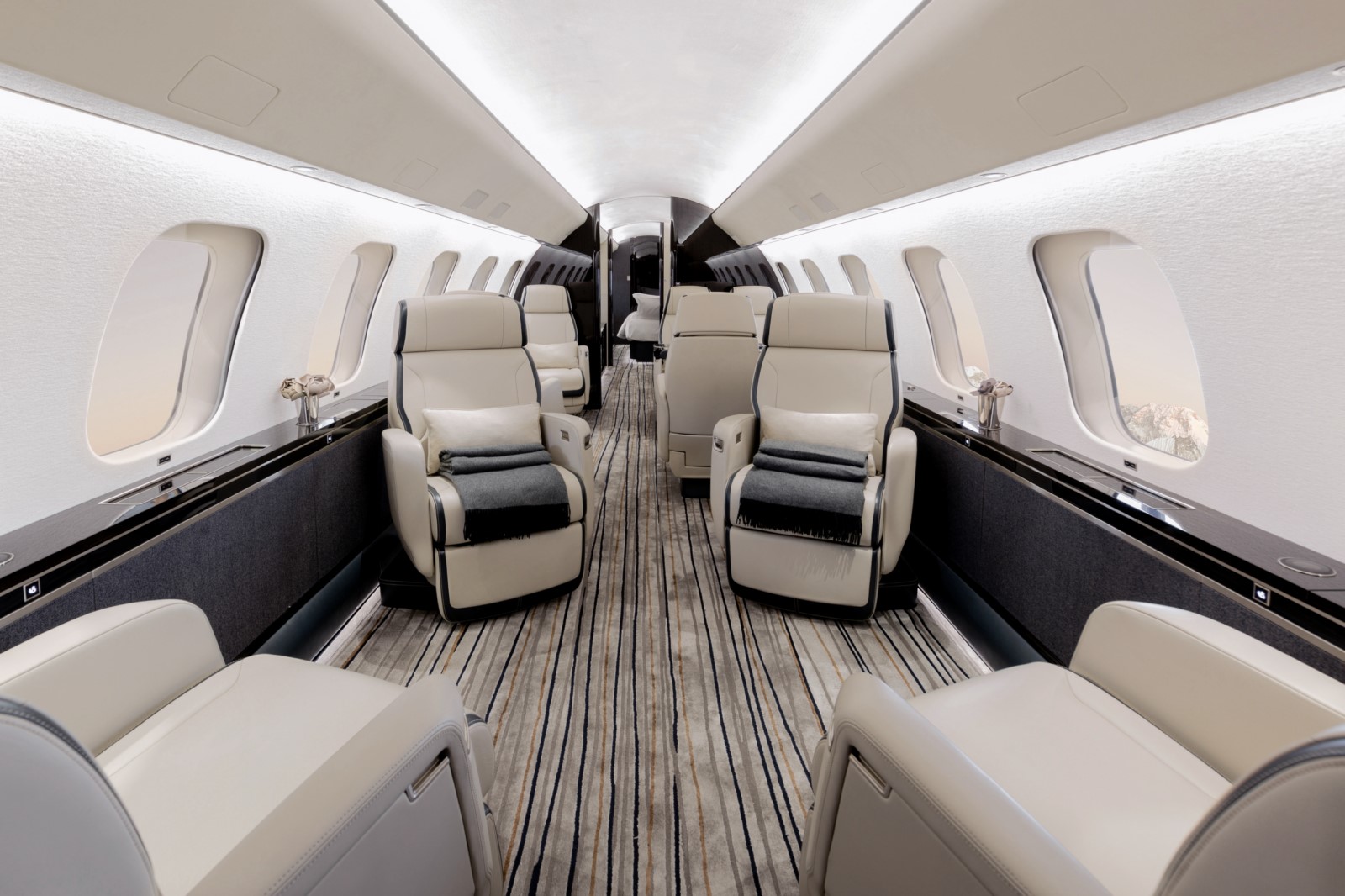
For travelers with global reach, NetJets operates a range of large cabin jets designed for long-haul and intercontinental missions. Private jets are often categorized by size, with larger jets like the Bombardier Global 6000 and Global 7500 offering higher pay scales, greater range, and suitability for extended international travel. The Bombardier Challenger 650 is also one of the most popular business jets operated by NetJets, while the Cessna Citation Longitude stands as the largest private jet that Cessna manufactures and is part of the NetJets fleet. NetJets' fleet includes ultra-long-range business jets capable of flying up to 14 passengers, making them ideal for long-distance tours and multi-leg international trips.
The Global 6000 offers a range of approximately 6,000 nautical miles, making nonstop international travel both feasible and comfortable. The Global 7500 extends that range to roughly 7,500 nautical miles, allowing direct flights between major global business centers with fewer compromises.
These aircraft feature multiple living zones, full-size galleys, dedicated rest areas, and advanced cabin environmental systems designed to reduce fatigue on long flights. For many travelers, these jets redefine productivity and comfort in the air.
NetJets’ appeal extends beyond aircraft specifications alone. The operational model delivers tangible advantages that resonate with both experienced private flyers and first-time entrants into private aviation, including the ability to reach virtually any destination, even those that are highly personalized or remote. Dedicated client representatives manage owner preferences, ensuring that specific requirements like catering are automatically provided on board.
Fractional ownership through NetJets provides guaranteed access to a global fleet rather than reliance on a single aircraft. This means owners can select the right aircraft size for each trip, optimizing cost and comfort without compromising availability.
Fractional jet ownership allows individuals to purchase a share of an aircraft rather than bearing the full financial and operational burden of whole ownership. Maintenance, crew staffing, training, and regulatory compliance are all handled by the operator, simplifying the ownership experience.
Jet card programs and fractional agreements provide structured pricing and predictable hourly costs. With the NetJets jet card program, customers can purchase flight hours in 25-hour increments, making it easy to plan and manage usage. NetJets' large fleet allows customers to book flights with about half the notice required by many other operators, providing faster and more reliable access. However, the jet card program features 'blackout' days when service is not available due to expected high demand. This makes private aviation easier to budget for, particularly for companies managing executive travel or individuals planning frequent flights throughout the year.
NetJets maintains rigorous safety protocols, standardized training programs, and centralized maintenance oversight. Assuming these practices are consistently applied across the entire NetJets fleet, they play a significant role in upholding the company's reputation for safety and reliability. NetJets' pilots have an average tenure of 16 years, which contributes to delivering a predictable luxury experience. These systems have helped establish the company as one of the most trusted names in private aviation worldwide.
With the ability to serve thousands of airports globally, NetJets provides access far beyond commercial airline networks. This flexibility reduces ground transportation time and enhances overall trip efficiency. NetJets also operates QS Partners, its subsidiary specializing in whole-aircraft brokerage services, which helps clients buy and sell aircraft from the NetJets fleet. Additionally, NetJets maintains a significant advantage in variety and availability compared to competitors like Flexjet and Wheels Up.
Large-cabin aircraft are the pinnacle of the NetJets fleet and play a critical role in supporting international and ultra-long-range travel.
The Bombardier Global 6000 and Global 7500 are engineered for endurance, reliability, and passenger well-being. The Bombardier Global 7500 was announced in October, marking a significant milestone in its development and introduction timeline. Advanced avionics enhance situational awareness for flight crews, while efficient engines support extended range with optimized fuel consumption.
These aircraft are frequently selected for transcontinental and transoceanic missions, enabling travelers to work, rest, and arrive refreshed. Multiple cabin zones support meetings, dining, and rest without interruption, making them well-suited for both business and leisure use.
In 2023, NetJets recorded over 600,000 private jet flight hours, which was over 400,000 more than the second-largest private jet provider, Flexjet. NetJets continues to invest in future large cabin platforms, including the upcoming Global 8000, which promises even greater range and performance. This ongoing investment ensures the fleet remains aligned with the evolving needs of global travelers.
Understanding the NetJets fleet is an essential step for anyone evaluating fractional jet ownership. Aircraft selection directly impacts mission capability, operating efficiency, and long-term satisfaction.
Fractional ownership allows access to multiple aircraft types under a single ownership structure. Rather than committing to a single jet, owners benefit from a fleet that adapts to changing travel patterns and destinations.
For those comparing fractional aircraft ownership with charter, leasing, or full ownership, fleet depth and operational scale remain key differentiators. The NetJets board of directors plays a critical role in strategic fleet planning, ensuring the company maintains a large, standardized fleet that offers reliability, flexibility, and resilience. In 2026, NetJets' fleet size is more than three times that of its nearest competitor, Flexjet, which operates approximately 270 aircraft. This scale is something smaller operators often struggle to match.
The NetJets fleet illustrates how private aviation has evolved into a sophisticated, scalable travel solution. In June, NetJets marked a significant fleet update with new aircraft deliveries, further expanding its diverse offerings. From efficient light jets to ultra-long-range global aircraft, the diversity of options supports a wide range of travel needs without the constraints of traditional ownership.
NetJets is committed to reducing its carbon footprint by purchasing sustainable aviation fuel. The company plans to purchase 100 million gallons of sustainable aviation fuel from WasteFuel over the next 10 years. Additionally, NetJets announced a partnership with Lilium GmbH to establish an eVTOL network in Florida and has signed a Memorandum of Understanding for 150 eVTOLs from Lilium.
For individuals and organizations exploring private aviation, understanding fleet composition is as important as understanding cost structures and access models. Fractional jet ownership offers a strategic path forward, combining flexibility, predictability, and operational excellence.
Ready to explore the smarter way to fly private? Visit https://www.fractionaljetownership.com/ to learn how fractional ownership can transform your private aviation experience and help identify the right ownership structure for your travel needs.
