
June 24, 2026
In mid-2026, the private aviation landscape looks different from what it did even two years ago. Record demand, a fatal accident under investigation, and evolving client expectations have placed the world's largest fractional jet operator at an inflection point. For the thousands of owners, executives, and corporations that rely on fractional ownership for their travel, this moment demands clear thinking, not brand loyalty on autopilot.
This article breaks down what's happening at NetJets, why it matters to anyone flying private, and how to evaluate your options in a market that now offers more alternatives than ever. Fractional ownership allows shared access to private jets, and the question facing flyers today is not whether to fly fractionally, but with whom; understanding fractional jet ownership terms and concepts is a prerequisite to making that decision confidently.
NetJets remains the dominant fractional jet ownership provider, operating 687 North American aircraft that flew roughly 575,848 hours in 2024, capturing about 36% of the U.S. charter and fractional market. However, a fatal crash in Laredo, Texas in June 2026 has intensified safety scrutiny, and capacity pressures continue to mount.
Fractional ownership offers guaranteed aircraft availability and is often more cost-effective than chartering for high-frequency travelers who need 25–150 flight hours annually. But NetJets faces structural challenges around service consistency, fleet modernization, and pilot staffing that affect the day-to-day owner experience.
High-net-worth individuals and corporations now have more alternatives than ever, including newer fractional models like BlackJet Fractional Jet Ownership's Equity Fleet (fractional ownership of a jet share) and Reserve Fleet (flexible pay-as-you-go hours without ownership costs).
The article examines how NetJets got here, what may change next, and how to evaluate whether to stay, join, or consider alternative fractional programs. Readers will find a practical decision framework, comparison criteria, and specific questions to ask any provider.
This analysis is written from BlackJet's advisory perspective, aiming to give a balanced, data-driven view rather than a sales pitch. Fractional ownership reduces hassle compared to full ownership, but choosing the right program requires careful evaluation of your travel patterns, budget, and risk tolerance.
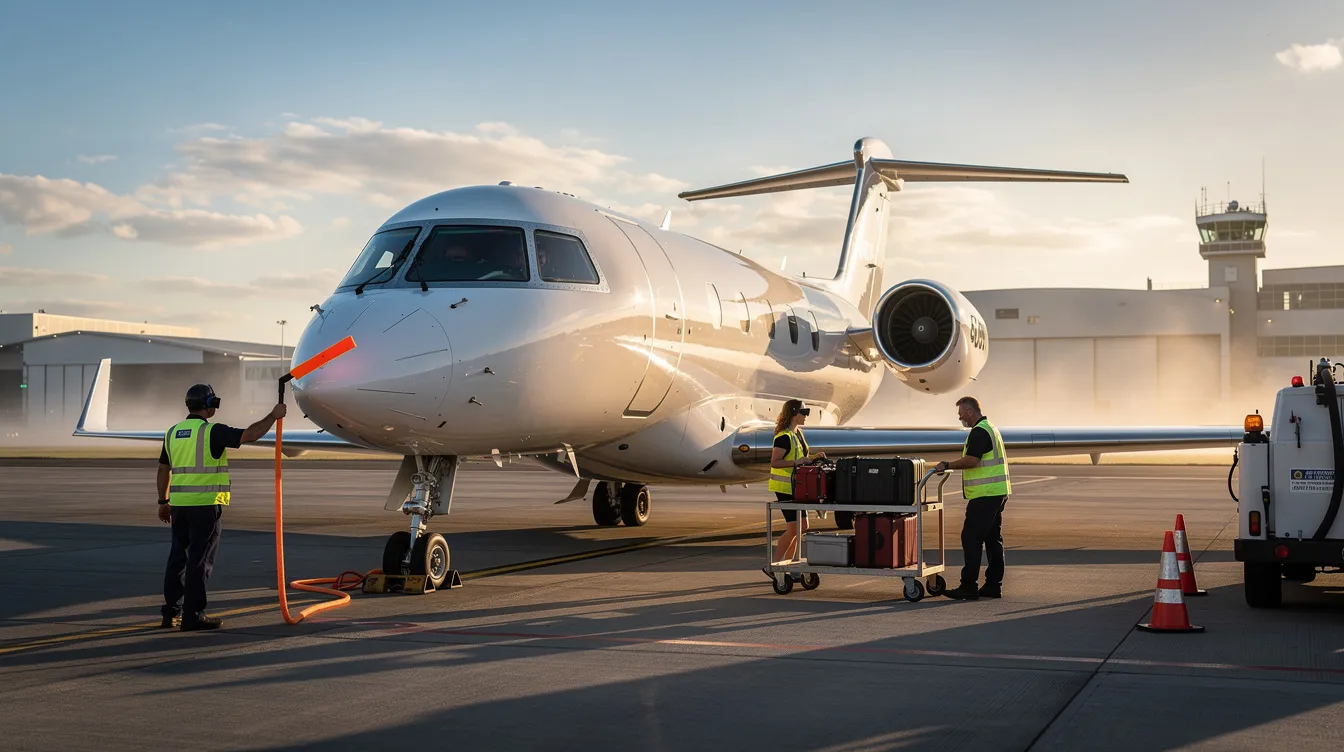
NetJets enters mid-2026 in a position that would seem enviable by almost any measure. It remains the world's largest fractional jet operator, backed by Berkshire Hathaway, with global reach spanning 5,000+ airports across more than 200 countries and territories. Its brand is synonymous with private aviation itself. And yet, the company is navigating a convergence of pressures that collectively represent a genuine crossroads for the industry leader.
On June 16, 2026, a NetJets-operated Cessna Citation Latitude (tail number N523QS) crashed near Laredo, Texas, killing one of the six people aboard. The aircraft had departed San José del Cabo, Mexico, bound for Austin, before diverting to Laredo due to mechanical issues and losing communication with air traffic control. The NTSB and FAA are leading the investigation, and NetJets has stated it is cooperating fully while activating crisis response and family support teams. No cause has been determined, and speculation would be inappropriate at this stage.
This incident landed at a time of record demand for private aviation in the United States and Europe. Q1 2026 business aviation flight activity in North America rose 3.5% year-over-year, with fractional (Part 91K) flights climbing over 10%. Pilot staffing remains tight, maintenance schedules are under pressure from heavy utilization, and availability for large-cabin aircraft during peak periods has become a genuine constraint. The crossroads is not about one event. It is about whether the scale-driven model that built NetJets can continue to deliver the reliability and service that owners expect, while a new generation of fractional providers offers different structural approaches. The rest of this article analyzes where NetJets excels, where friction is growing, and how alternatives such as BlackJet structure their programs differently.
Understanding the NetJets crossroads requires appreciating what made the company dominant in the first place. Founded in 1964 as Executive Jet Aviation, the company introduced its fractional program in 1986 and was acquired by Berkshire Hathaway in 1998. Over the following decades, NetJets Inc grew into the leading fractional aircraft ownership brand, setting the template that competitors have followed ever since.
NetJets uses a fractional ownership and jet card model for its fleet. The core products include:
NetJets Share: Fractional ownership where clients purchase a share of a specific aircraft type, corresponding to a set number of annual flight hours (typically starting at 25–50 hours per year).
NetJets Card: A jet card program offering block hours without equity ownership.
Lease options: Structured access for clients who prefer lease-based arrangements.
NetJets bundles pricing to eliminate surprise charges for services, rolling management fees, maintenance, insurance, and crew costs into a predictable structure alongside variable per-hour occupied flight costs and fuel surcharges. Prospective owners should understand the total cost of fractional jet ownership when comparing this bundled approach to alternative program structures. NetJets also guarantees access to the world's largest private fleet with 4–10 hours' notice, a commitment that has been a cornerstone of its value proposition.
The strengths that attracted thousands of owners are tangible. The NetJets fleet spans Citation, Challenger, Praetor, and Global models across light, midsize, super-midsize, and large-cabin categories. The company's Columbus, Ohio, Flight Center and worldwide operations centers support scheduling, dispatch, and owner service around the clock. NetJets waives repositioning fees within designated Ferry Waiver Zones, further reducing the friction of private travel.
A comparison note is worth making here: NetJets' legacy model was built for maximum scale and breadth. Newer fractional programs like BlackJet's Equity Fleet and Reserve Fleet are designed specifically for the 25–150-hour-per-year user, with more tailored structures and tighter fleet management.
Safety is the foundation of any fractional aircraft ownership decision. High-net-worth individuals and corporate flight departments focus not only on incident history but on safety culture: how an operator trains, maintains, communicates, and responds when something goes wrong. This is information that every prospective buyer should request and review.
Here is what is publicly known about the recent accident near Laredo, Texas:
Date: June 16, 2026
Aircraft: Cessna Citation Latitude (Model 680A), tail number N523QS
Route: Departed San José del Cabo, Mexico, originally bound for Austin, Texas
Event: The aircraft diverted to Laredo due to a mechanical issue, lost communication with ATC, and crashed onto Loop 20 highway near Laredo International Airport
Outcome: One fatality, multiple injuries among six aboard
Investigation: NTSB and FAA are leading; no probable cause has been determined
NetJets maintains high safety standards that exceed FAA minimums, and its public posture following the Laredo incident has emphasized cooperation with investigators, activation of crisis response and family support teams, and concern for those affected. No major fatal accident of this scale had occurred in NetJets fractional operations in recent memory, making this event particularly notable.
It is important to contextualize this incident. With large fleets, visible incidents tend to occur more often simply by exposure. What matters most for clients is: How does the operator respond, learn, and improve? Owners should ask for detailed safety data, Safety Management System (SMS) documentation, audit scores, and pilot training protocols from NetJets and any alternative provider.
More tightly controlled fleets, such as BlackJet's Equity Fleet model, offer a different approach. Aircraft sourcing, maintenance oversight, and pilot staffing can be tailored to a smaller, curated owner base, potentially allowing for more granular quality control. Given the shared nature of operations, understanding liability coverage in fractional jet ownership is also critical. Neither approach is inherently superior, but the structural differences matter when evaluating risk.

NetJets' growth has created a tension that every large-scale service provider eventually faces: the gap between guaranteed availability and the actual day-to-day scheduling reality during peak periods. For owners who chose NetJets for its white-glove reputation, this tension has become more noticeable since 2020.
Post-pandemic private aviation demand spikes have led to measurable capacity constraints across the industry:
Booking lead times for large-cabin jets during peak periods can stretch to 72+ hours
Peak-day restrictions and holiday rules have tightened
Recovery aircraft and substitutions (same class, different tail) have become more frequent
Private aviation flight departures in North America rose 3.5% in early 2025 versus 2024, with fractional flights up over 10%
Typical owner concerns at this crossroads include last-minute aircraft changes, repositioning delays, and a perceived decline in personalized attention. Fixed-Base Operators provide terminal services and maintenance for NetJets aircraft at airports nationwide, and NetJets ensures that all ground-side elements are synchronized for a seamless travel experience. The company also automates logistics for fuel and ground transportation through its FBO portal. NetJets Crossroads is a digital operations portal for logistics coordination, and the Crossroads system links caterers directly with NetJets' service professionals, helping streamline ground-side execution.
But operational excellence at the ground level can still be undermined by upstream bottlenecks. Pilot staffing is a structural challenge. NetJets has grown its employee count from approximately 6,476 in 2019 to over 9,100 by the end of 2024, yet competition for experienced crew, regulatory training requirements, and the pace of fleet growth continue to create pressure. Heavy utilization of aircraft means maintenance windows are tightly scheduled, and any delay propagates through the system.
Alternative fractional structures try to solve these pain points differently. BlackJet's Reserve Fleet offers pay-as-you-go hours without ownership, while its Equity Fleet fractional shares come with tighter hour caps per aircraft and more conservative availability guarantees. The logic is straightforward: by limiting the number of owners per aircraft and calibrating fleet size to actual demand, a provider can reduce substitution rates and maintain more consistent service.
NetJets' fleet renewal efforts are substantial. The company has signed an order for up to 250 Embraer Praetor 500 midsize jets, with the first two delivered in mid-2025. It is also the launch customer for the Cessna Citation Ascend (Textron) and the Bombardier Global 8000, both expected to enter service between 2025 and 2027. These additions will strengthen the fleet across midsize and large-cabin categories and influence how NetJets manages floating fleet options in fractional ownership to balance utilization and availability.
As of mid-2026, NetJets Aviation (U.S.) operates approximately 228 aircraft with an average fleet age of roughly 6.4 years and 7 more on order. The global fleet exceeds 800 aircraft, including NetJets Europe.
A diverse, mixed-OEM fleet helps NetJets offer options from light jets to ultra-long-range large-cabin aircraft. However, this diversity also increases complexity in pilot type ratings, maintenance logistics, parts inventory, and dispatch coordination. Every additional aircraft type in the fleet multiplies training and scheduling challenges.
Broader trends shaping the private jet market in 2024–2026 include:
Increased interest from first-time private flyers, particularly executives who adopted private aviation during the pandemic
Corporate travel restructuring, with companies seeking predictable aviation budgets
A rising focus on sustainability (sustainable aviation fuel, carbon offset programs like NetJets' Blue Skies initiative)
Multi-year backlogs at OEMs for large-cabin jets, extending deliveries into 2027–2028
Pre-owned large-cabin aircraft values are rising due to a short supply
NetJets has responded with operational technology investments, its Columbus Flight Center expansion, and owner perks (such as access to events like the Monaco Grand Prix) to differentiate its brand and retain owners.
A newer provider like BlackJet can design a learner fleet strategy from scratch, prioritizing specific segments such as super-midsize jets and large cabin aircraft optimized for 1,000–3,000 nautical mile missions. By focusing on fewer types, maintenance and training can be standardized more tightly. Fractional jet ownership offers significant tax deductions, and integrating tax planning from the outset is another advantage of purpose-built programs.
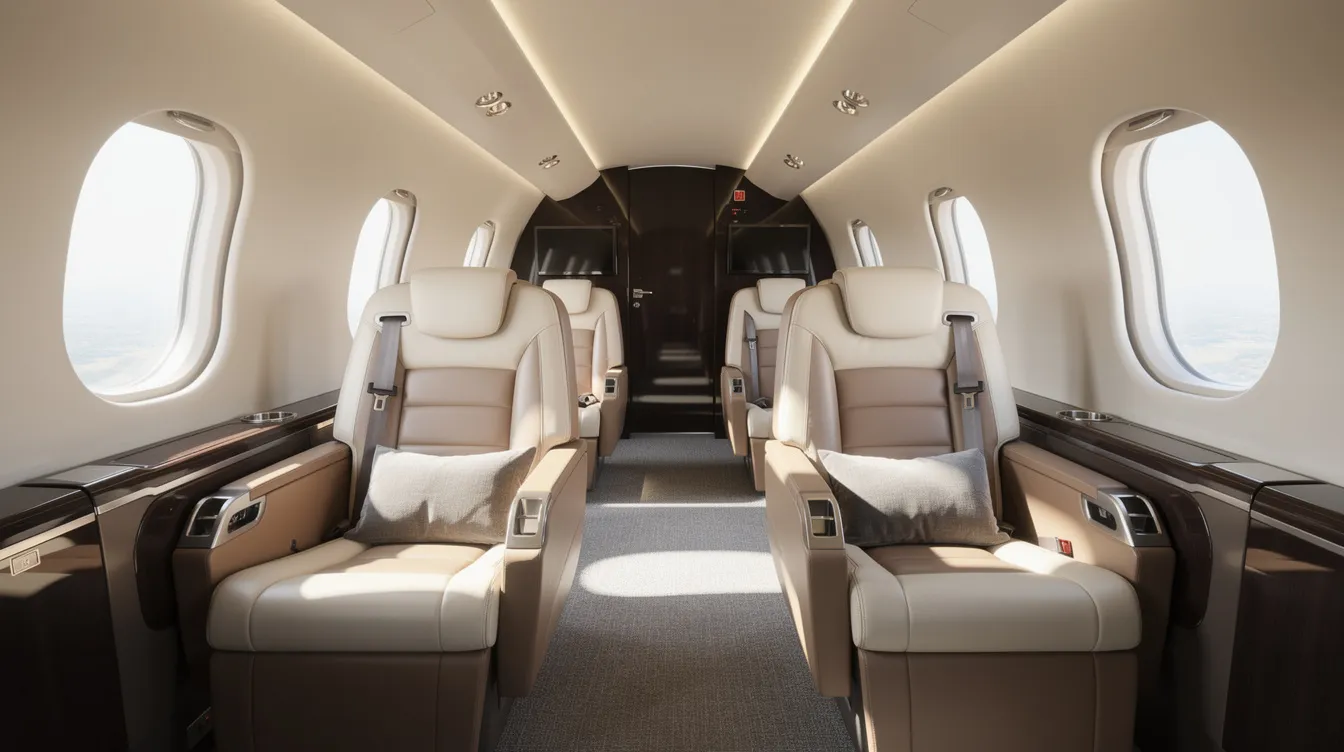
This section provides a comparative analysis of how NetJets' legacy scale compares to more agile entrants. Rather than declaring a winner, the goal is to help readers understand structural differences.
Traditional fractional ownership at NetJets requires a significant upfront capital outlay for a share purchase, with typical minimums in the 25–50 hours per year range, depending on cabin class. Contract lengths tend to be multi-year. Newer models offer more customizable commitments. BlackJet's Equity Fleet offers fractional ownership of a jet share with tailored share sizes for clients flying 25–150 hours annually. Reserve Fleet provides flexible pay-as-you-go hours for those who prefer no ownership commitment.
Fractional ownership shares at NetJets carry residual value subject to depreciation and resale market conditions. Exit clauses, notice periods, and buyback policies vary. Jet card and reserve models avoid residual value risk entirely, as no equity is held. Understanding fractional jet ownership as an investment and the contract terms before signing is essential.
Fractional jet ownership offers significant tax deductions. Owners can deduct up to 100% of aircraft expenses in many cases. Tax benefits apply to both business and personal use of jets under applicable rules. Depreciation can be claimed on fractional jet ownership, and tax laws allow for accelerated depreciation on aircraft. BlackJet's Equity Fleet is structured to help clients capture these benefits where applicable, with advisory support built into the program.
NetJets' fractional ownership and jet card programs include fixed costs (share acquisition, monthly management fees, maintenance, insurance, crew) plus variable hourly costs and fuel surcharges. Newer providers sometimes offer more streamlined pricing for the 25–150-hour utilization band. For a detailed breakdown, readers should review the cost of fractional jet ownership.
NetJets offers unmatched global infrastructure and fleet breadth. Priority access is a benefit of fractional ownership models at both NetJets and alternative providers. However, with scale comes potential service dilution. Newer providers with tighter fleet management may deliver more consistent cabin configurations, fewer substitutions, and more personalized account management.
Feature | NetJets | BlackJet Equity Fleet | BlackJet Reserve Fleet |
|---|---|---|---|
Minimum Annual Hours | 25–50 hours | 25–150 hours | Pay-as-you-go (no minimum) |
Ownership Type | Fractional ownership shares | Fractional ownership shares | Membership (no equity) |
Contract Length | Multi-year | Flexible multi-year | Flexible, no long-term commitment |
Fleet Diversity | Wide (light to large cabin) | Focused (tailored aircraft types) | Access to curated fleet |
Pricing Structure | Bundled fixed + variable costs | Transparent line-item pricing | Hourly rates with no fixed fees |
Availability Guarantee | 4–10 hours' notice | Calibrated to fleet size | Guaranteed availability |
Tax Benefits | Eligible for depreciation | Structured for tax planning | Not applicable |
Pilot Staffing & Training | Large-scale, standardized | Smaller, curated pilot teams | Managed by the provider |
Peak Demand Handling | Potential substitutions, blackout dates | Lower substitution rates | Flexible scheduling |
The right answer depends on your specific flight hours, routes, risk tolerance, and appetite for equity ownership versus membership models. There is no universal best choice. Owners typically need 25–150 flight hours per year, and how those hours break down across geography, cabin class, and timing is what shapes the decision; for example, a traveler targeting about 100 hours annually may find that 1/8 fractional jet ownership aligns closely with their usage profile.
Annual flight hours: If you consistently fly 150+ hours per year with a wide geographic variety (especially international), NetJets' global fleet strength may justify its premium. For 25–75 hours per year, a reserve or jet card model often provides better value and flexibility. Fractional ownership is often more cost-effective than chartering for high-frequency travelers in either case.
Cabin and mission profile: Heavy use of large-cabin, long-range missions favors operators with those aircraft in the fleet and on order. OEM backlogs for large-cabin jets extend into 2027–2028, so planning ahead matters.
Geographic concentration: If your travel centers on 5–10 U.S. city pairs, a leaner operator focused on domestic super-midsize may serve you well. If you regularly fly internationally or to remote airfields, NetJets' global compliance and dispatch infrastructure is harder to replicate.
Sensitivity to peak-day restrictions: Review terms carefully. Large-cabin availability is most constrained during holidays and major events. Ask how substitution policies and blackout dates work in practice.
Ownership vs. membership preference: If you value asset tax deductions, depreciation, and equity participation, fractional ownership structures deliver those benefits. If you prefer a lower upfront cost and flexible exit, reserve or jet card models make more sense; comparing fractional jet ownership vs membership programs can clarify which path aligns with your usage.
Safety and transparency expectations: Ask for SMS documentation, pilot experience thresholds, maintenance incident rates, and contingency planning details. The Laredo incident elevates the importance of these questions for every provider.
Log your travel data from the last 24 months. Map your top 10 city pairs. Then request scenario-based proposals from NetJets and from a provider like BlackJet at 50, 100, and 150 hours per year. Compare block time, cost, aircraft type, and substitution policies.
Many sophisticated flyers maintain a hybrid strategy: a fractional share with one provider for core travel plus on-demand or membership access with another for overflow or specialized missions. This diversification manages both cost and availability risk.
BlackJet Fractional Jet Ownership respects the role NetJets has played in pioneering fractional aircraft ownership. The category would not exist without the model NetJets built over six decades. But the market has matured, and clients deserve options designed for how they actually fly today.
BlackJet's programs were designed specifically for high-frequency travelers and corporations flying approximately 25–150 hours per year who want more tailored service than mass-scale programs provide. The two primary structures are:
Equity Fleet: Fractional ownership of a jet share with custom aircraft sourcing, tax planning integration, and priority access calibrated to a smaller owner base.
Reserve Fleet: A non-ownership model offering flexible pay-as-you-go hours with guaranteed availability and dedicated account management.
Key elements of BlackJet's approach that respond to market pain points include guaranteed availability calibrated to fleet size (not aspirational fleet projections), transparent cost structures with line-item detail, and a dedicated account manager for every client. BlackJet positions itself as a strategic advisor, helping clients compare fractional jet ownership versus charter, leasing, and full ownership using real cost and utilization data, including how to model the total cost of fractional jet ownership over a multi-year horizon.
The crossroads moment for NetJets is also a chance for clients to reassess what they truly need from private aviation in the next 5–10 years. Travel patterns change. Businesses evolve. The program that fit five years ago may not fit today.

Turning insight into action requires a structured approach. Here is a step-by-step process for evaluating your private aviation strategy at this crossroads:
Gather historical travel data: Log every trip from the past 24 months, including city pairs, cabin class used, booking lead time, and any service issues encountered.
Define your budget and preferred capital structure: Decide whether you want equity ownership (with depreciation and tax benefits) or a membership/reserve model with no capital commitment.
Shortlist providers: Include NetJets and at least one alternative such as BlackJet. Review the best fractional ownership programs for a broader view.
Request scenario-based proposals: Ask each provider for detailed quotes at 50, 100, and 150 hours per year. Insist on line-item breakdowns covering acquisition cost, monthly management fees, hourly rates, fuel surcharges, and taxes, and clarify available fractional jet ownership financing options if you plan to finance your share.
Schedule consultations: Speak directly with operations and account management teams. Ask about on-time performance, pilot rostering, peak-day policies, and incident history over the past five years.
Review contracts carefully: Understand notice periods, exit provisions, resale terms, and any blackout dates before committing, and use an aircraft fractional ownership sample contract as a reference for key clauses. Having an aviation-savvy attorney review the agreement is worth the investment.
Visit the site at FractionalJetOwnership.com to speak with an advisor about whether staying with NetJets, restructuring your current program, or transitioning to BlackJet makes the most sense. You can create an account, set a password, and access personalized information through the platform's secure portal.
NetJets maintains a long-standing safety record and is subject to rigorous FAA oversight. The Laredo, Texas, accident on June 16, 2026, is under active NTSB investigation, and no probable cause has been determined. Any prospective or current owner should request and review safety data, audit reports, and Safety Management System details from NetJets and any alternative provider before making a decision. BlackJet encourages clients to compare safety practices across operators rather than relying solely on brand reputation. For deeper information on safety standards across the industry, review BlackJet's safety overview.
NetJets' fractional ownership and jet card pricing often include higher fixed costs tied to its large infrastructure and global brand. These costs can be justified for some users by worldwide coverage and fleet scale. Newer providers such as BlackJet can sometimes offer more tailored pricing for 25–150-hour users because they structure fleets and overhead around that specific utilization band. The best approach is to request line-item breakdowns from each provider, covering acquisition cost, monthly management fees, hourly rates, fuel surcharges, and taxes, to make an apples-to-apples comparison. BlackJet's cost guide provides a useful starting framework.
NetJets' sweet spot is clients who value a global brand, extensive fleet variety across all cabin classes, and are comfortable with standardized program terms and large-scale operations. International travelers flying 150+ hours per year across diverse regions often benefit most. BlackJet is well-suited for individuals and companies flying 25–150 hours per year who want more customized fractional ownership or membership structures and closer advisory support. Some corporations benefit from a mixed approach, using NetJets for certain international missions while relying on BlackJet or similar models for core regional travel.
Many owners phase transitions over 6–18 months, running programs in parallel while they wind down hours or sell back shares at NetJets. For those looking to exit, understanding how to sell a fractional jet ownership share can materially impact your net outcome. BlackJet advisors can help design a transition plan that aligns aircraft availability, tax considerations, and contract exit timing to minimize disruption. Before committing to a new program, review any NetJets contract notice periods, resale provisions, and blackout dates. For guidance on what to look for in your existing agreement, consult BlackJet's contract terms guide.
Ask specific, quantified questions rather than accepting generic assurances:
How has your on-time performance changed since 2020?
How do you staff and roster pilots, and what are your minimum experience requirements?
How do you handle peak-day demand, and what substitution rates do you experience?
What is your incident and audit history over the last five years? the
Can you provide references from clients with similar hours and routes?
FractionalJetOwnership.com provides checklists and advisory support to help clients ask the right questions before committing to any long-term private aviation solution.
The smartest private flyers treat their aviation access as a portfolio decision, reviewing their strategy every few years as the market and their businesses evolve. The NetJets crossroads of 2026 is not a reason to panic. It is an invitation to think critically about what you are paying for, what you are getting, and whether better options now exist for your specific travel profile. Whether you fly 30 hours or 150 hours a year, the right program is the one built around how you actually travel, not how an operator needs to fill its fleet.
Ready to explore the smarter way to fly private? Visit FractionalJetOwnership.com to learn how fractional ownership can transform your travel experience.
