June 24, 2026
A 25-hour NetJets jet card on the Phenom 300 runs roughly $215,000–$280,000 depending on the program tier, while a 1/16 fractional share often exceeds $900,000 in total first-year outlay once acquisition cost, monthly management fee, and occupied hourly rate are combined.
NetJets Phenom 300 fractional ownership involves three main cost layers: a one-time capital investment ($500,000–$850,000 for a 1/16 share), fixed monthly management fees ($12,000–$15,000/month), and variable flight charges ($8,000–$9,000+ per hour), plus taxes, fuel surcharges, and peak day fees.
While NetJets delivers premium, highly reliable access to private jets, many travelers flying 25–100 hours per year can reduce total cost with more flexible models like BlackJet Fractional Jet Ownership's Reserve and Equity Fleets.
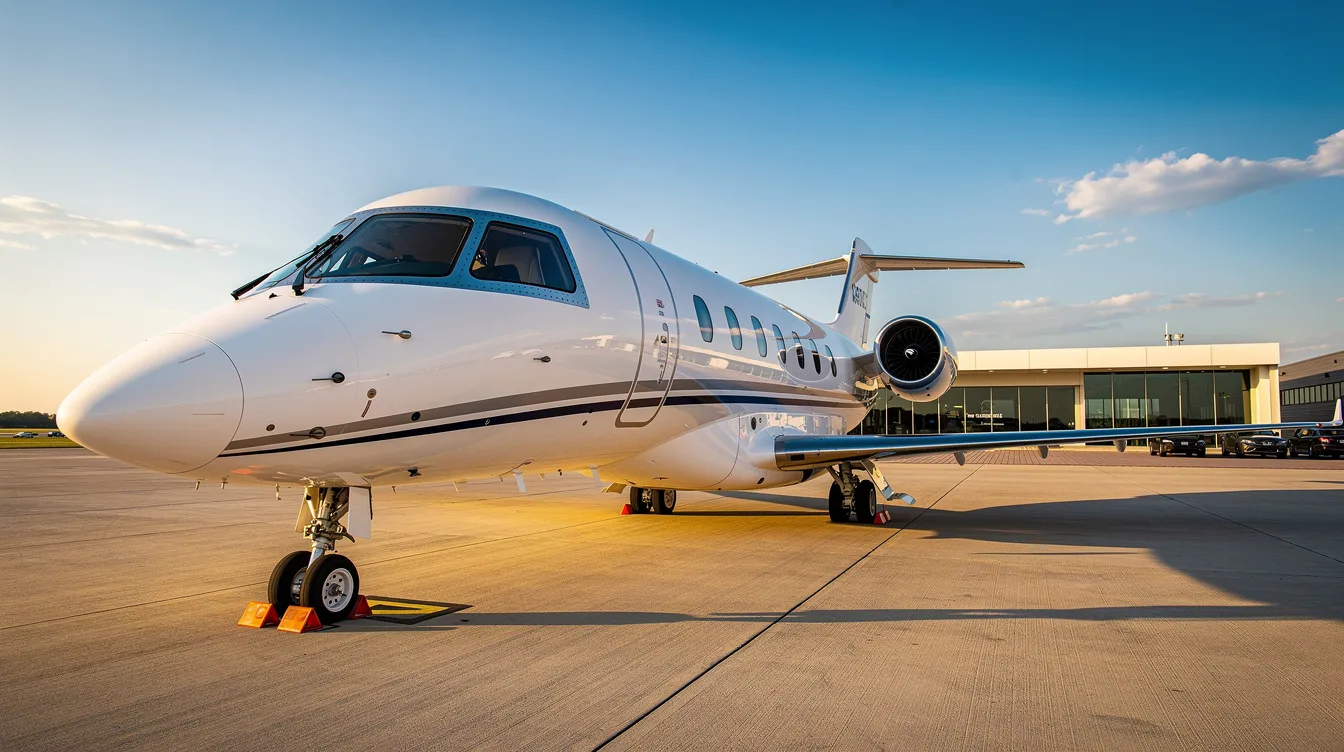
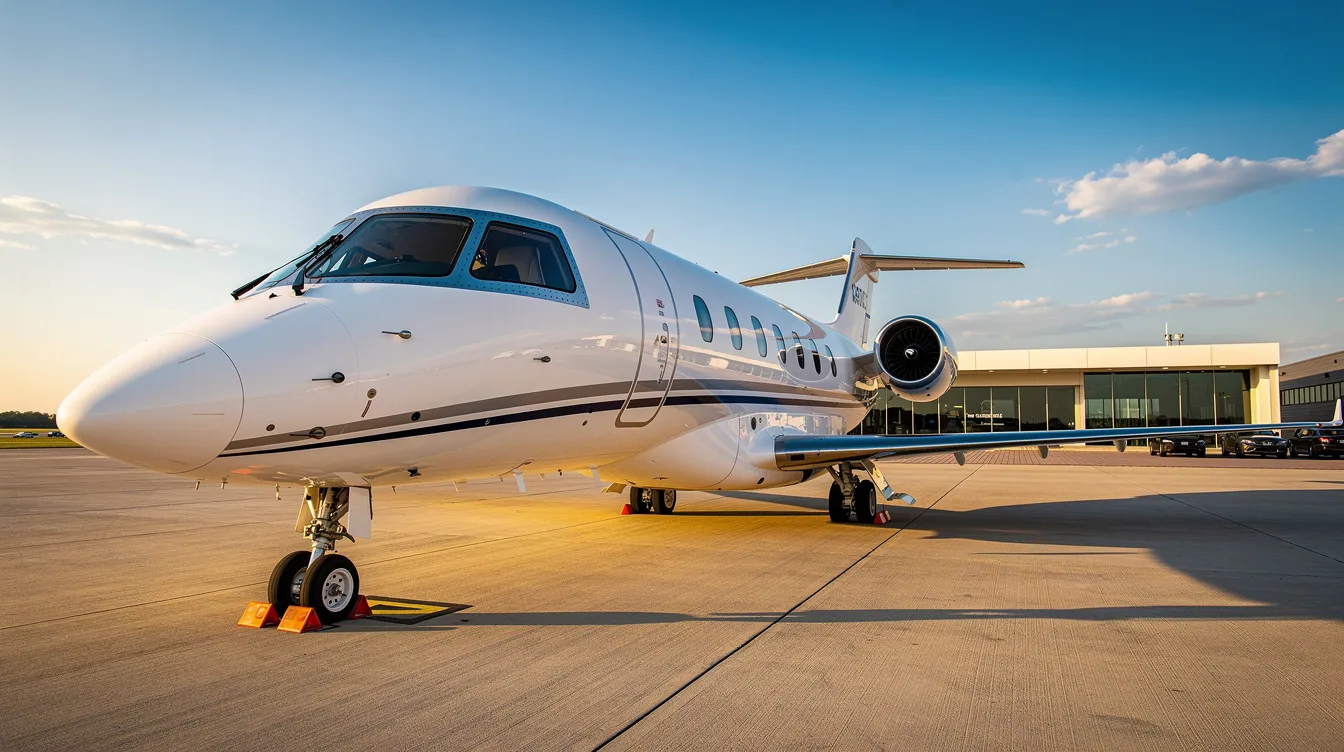
The Embraer Phenom 300 is categorized as a light jet but delivers comfort rivaling midsize jets, making it one of the most sought-after aircraft types in U.S. private aviation.
This article provides concrete 2025–2026 numbers, explains fixed versus variable costs, and compares NetJets costs to alternative fractional jet and jet card programs.
The Embraer Phenom 300 sits at the center of NetJets' light jet lineup for good reason. With seating for six passengers, a range exceeding 1,800 nautical miles, and operating economics that outperform many competitors in its class, the Phenom 300 is consistently among the most-requested private aircraft in the United States. It is no surprise that "netjets phenom 300 cost" ranks among the most common questions from executives and families exploring fractional jet ownership.
Heading into 2025–2026, the private aviation industry is seeing sustained demand for light or midsize jets, growing interest in jet card programs, and increased scrutiny of total cost versus headline hourly rates. Fractional jet ownership provides predictable access without the costs of full ownership, but understanding what you actually pay requires looking beyond marketing numbers.
BlackJet Fractional Jet Ownership does not sell NetJets shares. Instead, BlackJet helps clients understand and benchmark NetJets pricing against alternative fractional jet and membership solutions—so every dollar spent on private aviation delivers real value.
Here is a scannable overview of the estimated 2025–early 2026 pricing for U.S. programs. All figures are approximate and vary based on contract terms and market conditions.
25-Hour NetJets Card or Lease (Phenom 300):
Card275: around $215,000 for 25 hours (~$8,600 per hour, including 7.5% Federal Excise Tax).
Card320: around $280,000 for 25 hours (~$11,200 per hour), with broader calendar access and fewer blackout dates.
The NetJets One Card offers lower costs but includes restrictions such as blackout dates and peak-day limitations.
NetJets Fractional Ownership (1/16 Share ≈ 50 Flight Hours/Year):
Acquisition cost estimate in the $500,000–$850,000 range for a light jet share.
Monthly management fees range from $12,000 to $15,000 per month, covering indirect operating costs like pilot salaries, insurance, and fleet management.
Occupied hourly rate around $8,000–$9,000+ per hour, excluding taxes and fuel surcharges.
Total Ownership Economics:
Year 1 all-in (share purchase + management + hourly + taxes/fuel surcharges): typically near or above $1 million for 50 hours on a light jet like the Phenom 300.
Years 2–5: annual cash outlay often $350,000–$400,000+, primarily from monthly management and hourly charges.
No repositioning fees are charged within NetJets' collective service area, which helps contain direct operating costs compared with some charter company alternatives. NetJets guarantees aircraft availability with as little as four hours' notice, even during peak travel periods, though peak day surcharges apply.
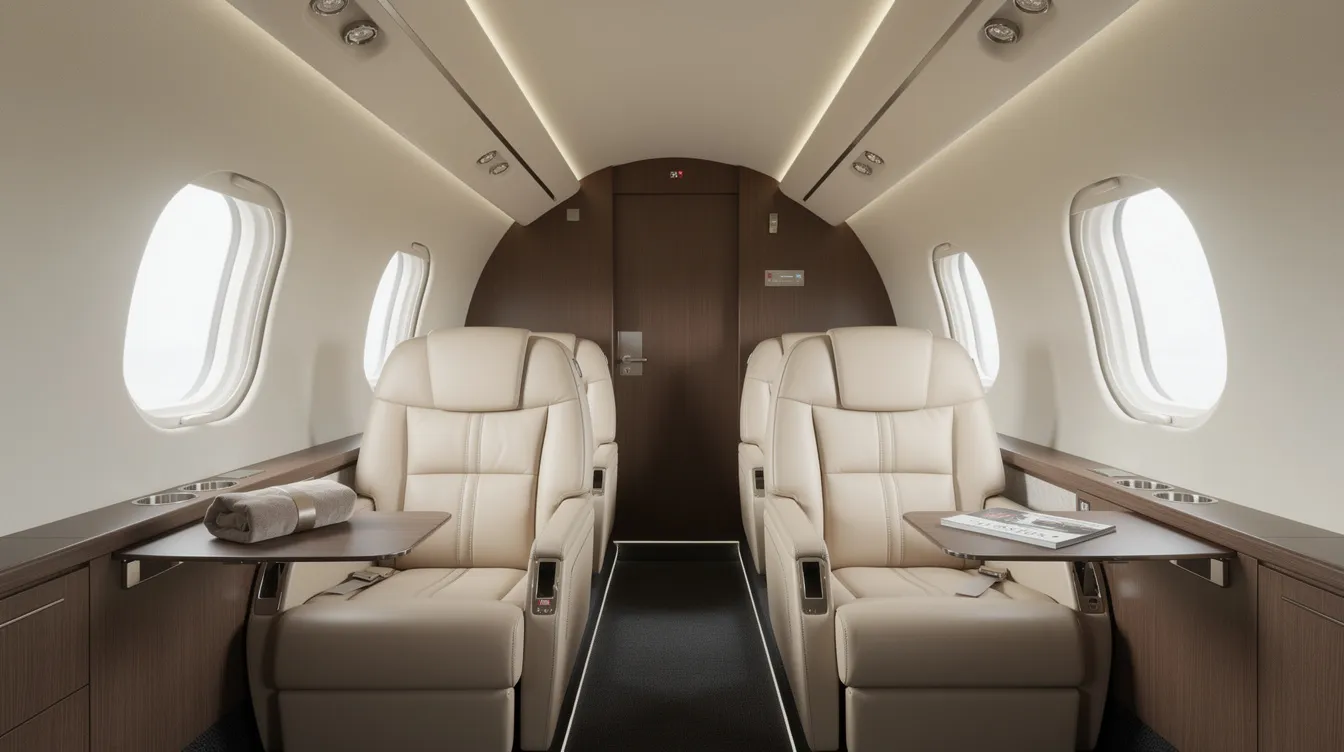
The Phenom 300 is NetJets' flagship light jet. NetJets operates over 800 private jets globally, spanning everything from light cabin to large cabin aircraft and heavy jets, yet the Phenom 300 remains one of the most popular choices across the NetJets fleet. As a specific aircraft in the light jet category, it offers:
Seating for 6 passengers in a typical NetJets configuration.
Range in the ~1,800–2,000 nautical mile class, ideal for most U.S. regional and transcontinental business routes with 3–4 passengers.
Competitive operating economics compared with many other private jets in the same category.
How does aircraft type influence NetJets cost? Moving from the Phenom 300 to midsize jets like the Citation Latitude or super-midsize options such as the Challenger 350 typically adds 20–60% to the hourly rate and significantly more to acquisition cost and monthly management. A 25-hour jet card for midsize jets costs approximately $250,000, while heavy jets' 25-hour jet card costs about $400,000—illustrating how aircraft class drives the final bill. While NetJets pricing is not fully public, the estimates throughout this article reflect industry benchmarks and reported ranges through early 2026.
NetJets fractional ownership cost for a Phenom 300 follows a three-part formula: acquisition cost (one-time capital investment), monthly management fee (fixed costs), and occupied hourly fee (variable costs). Fractional ownership starts at a minimum share of 1/16th, and a 1/16th share provides approximately 50 flight hours per year, while a 1/8 fractional jet ownership structure often aligns with ~100 hours annually. Fractional ownership typically requires a five-year commitment, with NetJets guaranteeing a buyback at fair market value less remarketing fees.
Operating a fractional jet ownership program involves high upfront acquisition costs. The acquisition cost is the one-time capital investment to buy a fractional interest in a specific aircraft, with asset ownership documented and depreciated over time.
2025–2026 ballpark ranges:
1/16 share (≈50 hours/year): approximately $500,000–$850,000 for a light jet.
Larger shares (1/8 or 1/4) scale proportionally, moving into the $1M–$3M+ range depending on share size and aircraft vintage. Acquisition costs for a fractional share can exceed $2 million, depending on share size.
Depreciation of the share is typically 30–50% over five years. For example, purchasing a 1/16 light jet share at $700,000 might yield roughly 60–70% of that value back after five years. Many buyers also evaluate fractional jet ownership financing options and whether fractional jet ownership functions as an investment or primarily a consumption expense. NetJets provides a guaranteed buyback for fractional shares, though the repurchase price reflects fair market value less remarketing or transaction fees.
This ties up capital compared with jet card programs or BlackJet's Reserve Fleet, where clients avoid asset ownership but still enjoy reliable access to private jets. Some buyers seek tax advantages associated with fractional aircraft ownership—such as U.S. bonus depreciation when structured correctly—and should understand the broader tax implications for fractional jet owners, but should consult aviation-savvy tax advisors before assuming benefits.
The monthly management fee is a fixed monthly cost charged by NetJets regardless of how much the owner flies in a given month. Monthly management fees cover indirect operating costs like pilot salaries, insurance, hangarage, crew training, and fleet administration.
Monthly management fees for fractional ownership can exceed $12,000. For a 1/16 Phenom 300 share, the monthly management fee generally runs $12,000–$15,000 per month. Monthly fees range from $12,000 to $28,000, depending on aircraft size, with large cabin jets or heavy jets pushing fees toward the upper end. Over a 5-year term, this can total roughly $720,000–$900,000 in fixed costs alone.
This is often underestimated: owners pay the same monthly management fee even if they fly fewer hours than their allotment, pushing up effective per-hour cost sharply. By contrast, BlackJet Fractional Jet Ownership's Reserve Fleet model lets many clients pay only for flight hours and mission-related fees, avoiding heavy fixed monthly management in exchange for flexible access.
The occupied hourly fee is the variable cost charged for actual flight time, typically measured in block time from wheels-up to wheels-down. Variable hourly rates cover maintenance, landing fees, and a portion of fuel in fractional ownership. Major components include:
Fuel and oil.
Routine maintenance and parts tied directly to flying.
Crew expenses when away from base (hotels, per diem).
Standard in-flight catering and basic ground handling.
Landing fees and some navigation charges.
The Phenom 300 occupied hourly rate commonly falls in the $8,000–$9,000+ per hour range before surcharges and taxes. This is consistent with widely reported NetJets cost benchmarks and competitor pricing for comparable light jets.
However, the effective hourly rate for owners is higher once you blend in the amortized acquisition cost, the monthly management fee, and taxes. Many light jet fractional customers see all-in effective rates of $10,000–$14,000 per flight hour at 50-hour usage profiles. Readers should track anticipated annual hours and compute blended per-hour cost to compare fractional ownership with jet card programs and BlackJet's hybrid models.
The costs for fractional ownership programs vary based on jet cards and leasing. Jet card and lease programs allow access to the Phenom 300 without upfront acquisition cost or a long-term commitment, making them appealing for flyers logging 25–75 hours per year. A 25-hour jet card for light jets typically costs $150,000 to $200,000 across the broader market, though NetJets' premium programs price above that range.
The NetJets Card 275 is a jet card program providing 25 hours of flight time on a specific aircraft type. The Card275 costs about $215,000 for 25 hours on a Phenom 300, with an implied hourly rate of about $8,600 including Federal Excise Tax.
Key usage rules:
275 active days per year, with around 90 blackout dates where cardholders cannot schedule flights.
Standard call-out times (e.g., 48 hours on non-peak days) and stricter rules during holidays.
Card 275 appeals to cost-conscious travelers who can plan around blackout dates and do not require 365-day guaranteed availability. Unlike fractional ownership, there is no acquisition cost or monthly management fee—buyers pay the upfront card price and then face only surcharges, taxes, and potential peak-day adjustments.
Card320 is a higher-access tier within NetJets jet card programs for the Phenom 300 and similar aircraft types.
2025–2026 indicative jet card pricing:
Around $280,000 for a 25-hour Phenom 300 Card320.
Implied hourly rate approximately $11,200, including Federal Excise Tax.
Enhanced access details:
Approximately 320 days of access per year.
Fewer blackout dates (around 45) and additional days designated as "peak," with special rules such as ±3-hour departure windows.
Card320 may also offer access to a wider mix of light and midsize aircraft—including the Phenom 300, Citation XLS, Citation Sovereign, and Citation Latitude—giving clients more operational flexibility. This cost structure suits travelers who prioritize scheduling certainty and aircraft choice over the lowest possible hourly rate.
NetJets' 25-hour lease programs provide guaranteed access on a specific aircraft without capital acquisition cost.
Key attributes:
25 occupied hours on a specified aircraft model or class, often the Phenom 300 for light jet buyers.
Annual or short-term contractual commitment instead of a 5-year term.
Access structure including around 10 blackout dates and 80 peak days, with some peak-day surcharges and extended call-out times.
Lease pricing is generally competitive with or slightly above comparable card programs on a per-hour basis, but may include different fee treatment for fuel, taxes, and peak-day flying. Lease programs can be attractive for first-time private aviation users wanting to experience the NetJets program without a multi-year fractional jet commitment or the complexities of asset depreciation. BlackJet advisors often use 25-hour NetJets lease pricing as a benchmark when modeling custom solutions in BlackJet's Reserve Fleet for 25–75-hour clients.
Headline hourly rates for the NetJets Phenom 300—whether via fractional ownership or jet card programs—do not tell the full story. Additional costs from fuel surcharges, taxes, and peak-day premiums can materially change the effective per-hour NetJets cost. BlackJet encourages clients to model total trip economics, not just base fixed hourly rates.
NetJets typically builds a baseline fuel price into its occupied hourly rate but reserves the right to add fuel surcharges when market conditions exceed that baseline. Fuel surcharges may apply depending on market fluctuations, and for a light jet like the Phenom 300, these can add hundreds of dollars per hour during periods of elevated Jet-A prices. Leasing and fractional ownership include supplementary charges like variable fuel surcharges. Fuel surcharges can significantly increase overall private aviation costs.
Readers budgeting for 25–100 hours per year should include a fuel contingency—roughly 5–15% of total flight cost—when planning their annual private jet budget. Some alternative fractional providers, including certain BlackJet structures, can lock in more predictable pricing through blended or capped fuel escalators.
In the United States, most private jet flights—including NetJets Phenom 300 trips—incur a 7.5% Federal Excise Tax on base transportation charges, plus per-leg segment fees. Federal Excise Tax is not included in the base price, and Federal Excise Tax (FET) is typically not included in base prices quoted by large fleet operators. Airport-specific charges such as landing fees, ramp fees at fixed base operators, and overnight parking may be rolled into occupied hourly fees or itemized separately.
International operations (e.g., U.S.–Caribbean or Canada) can add:
Handling fees.
Customs and immigration charges.
Overflight and navigation fees for certain airspaces.
First-time fractional owners often underestimate these on the final bill. Readers should request sample invoices from any provider on common routes (e.g., New York–Miami, Dallas–Aspen) to understand all-in NetJets cost versus headline rates.
Peak day surcharges apply during high-demand travel periods. Both fractional ownership and jet card programs may designate peak travel days where surcharges per hour or per trip apply, call-out times are longer, and departure times may be shifted ±a few hours.
NetJets offers guaranteed availability even on peak days—a major differentiator. However, NetJets guarantees come with peak-day pricing adjustments. The Card275 and Card320 programs designate a fixed number of peak days, meaning travelers who routinely fly private during holidays or major events will see effective per-hour cost rise above published rates. BlackJet's approach helps clients choose structures—Reserve Fleet, Equity Fleet, or blended—that align with their calendar and help them avoid blackout dates or minimize peak surcharges.
Common ancillary services that add to a NetJets Phenom 300 trip cost include:
Upgraded catering beyond standard offerings.
On-the-ground chauffeured transportation.
Special handling for pets, medical equipment, or high-value cargo.
De-icing in winter conditions at northern airports.
While each charge may be modest individually, frequent use of premium services can accumulate meaningful annual spend. BlackJet Fractional Jet Ownership emphasizes upfront clarity on included versus optional services to help clients maintain predictable pricing in their annual private aviation budgets.
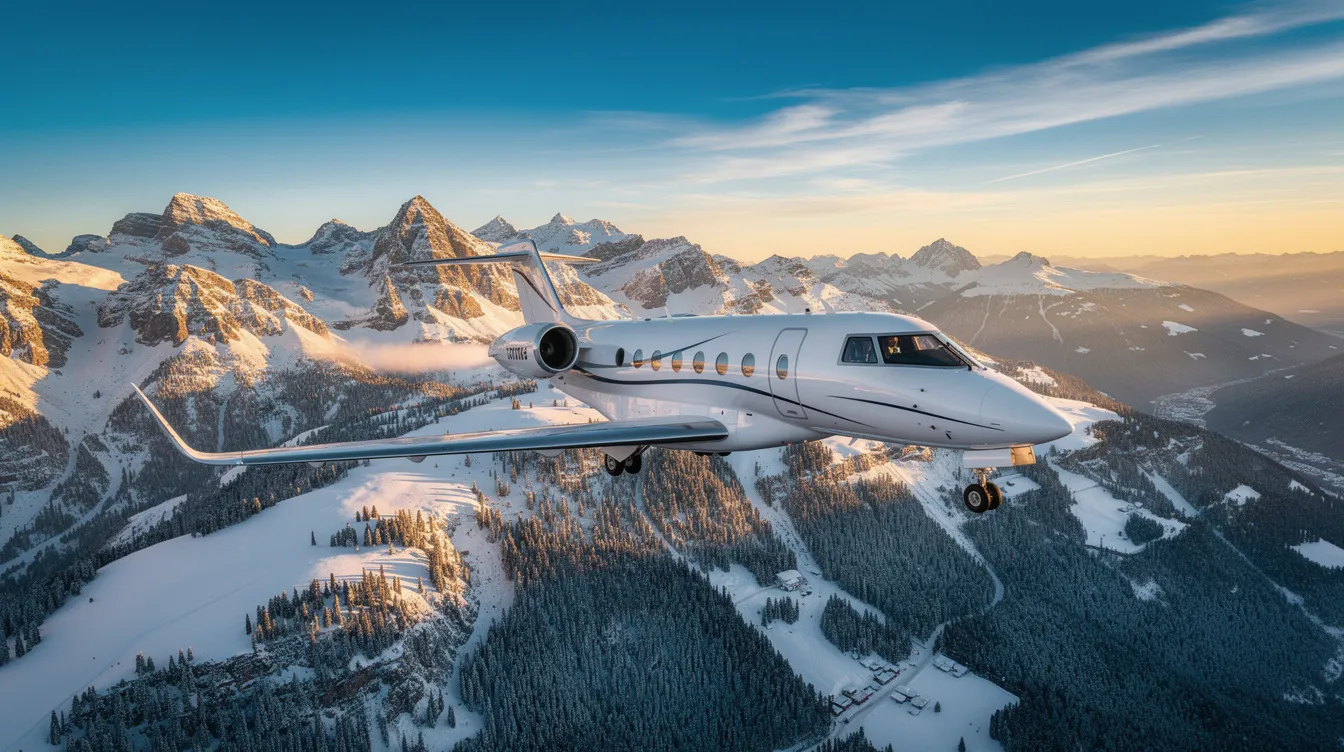
While NetJets is a benchmark private jet company in fractional aircraft ownership, it is not the only way to access the Phenom 300 or comparable newer aircraft. The optimal private aviation solution depends on annual flight hours, tolerance for capital commitment, need for guaranteed access, and desire for tax benefits versus liquidity.
On-demand charter allows travelers to book a Phenom 300 or similar light jets trip-by-trip without acquisition cost or monthly management fees. Typical 2025–2026 all-in charter pricing for a Phenom 300 in the United States falls in the $5,000–$8,000 per flight hour range, depending on route, operator, and demand.
By contrast, a NetJets share delivers more predictable access and service, but at a higher blended per-hour cost once acquisition and monthly management fees are factored in—especially at 50–75 hours/year. Charter typically works best for flyers under ~50 hours or those whose missions vary widely across aircraft types. BlackJet often helps clients analyze charter usage versus fractional ownership to determine the crossover point where it becomes more cost-effective and predictable to commit to a membership or share.
Comparing NetJets Phenom 300 card products with modern jet card program alternatives reveals several distinctions. NetJets cards provide a strong brand reputation, safety standards across its own fleets, and fleet depth. However, they typically charge premium hourly rates relative to smaller fractional operators, reflecting guaranteed availability and Berkshire Hathaway backing. Providers like Sentient Jet and others may offer:
Slightly lower hourly rates for similar aircraft types.
More flexible aircraft type switching across light, midsize, and heavy jets.
Alternative fee structures with no fuel surcharge, fixed fuel rate, or lower peak surcharges.
NetJets offers all the benefits of a large-scale operation, but clients should compare effective per-hour rates, blackout dates, minimum flight charges, and cancellation policies across programs before committing. BlackJet's Reserve Fleet functions as a flexible, on-demand style solution that can mimic the predictability of a jet card without locking capital into a long-term commitment.
BlackJet Fractional Jet Ownership is an independent private aviation specialist focusing on fractional ownership and membership-style access to private jets throughout the United States and key international markets. Jet membership programs offer flexible pay-as-you-go hours without ownership costs—a model central to BlackJet's Reserve Fleet—and are often contrasted with traditional fractional jet ownership versus membership programs. BlackJet's two core models:
Reserve Fleet: pay-as-you-go style access to a curated fleet of private jets (including light jets similar to the Phenom 300), without equity ownership or heavy fixed monthly management fees.
Equity Fleet: true fractional aircraft ownership with tailored shares, potential tax benefits, and priority access, structured to optimize capital efficiency and reduce depreciation and fixed-cost burden seen in traditional programs.
BlackJet can tailor solutions for 25–50 hour clients who might otherwise consider a NetJets Phenom 300 jet card, and for 50–150 hour clients evaluating NetJets fractional ownership but wanting more customization and potentially lower all-in total cost. This often includes evaluating floating fleet-style access structures against single-aircraft commitments. Key advantages include a transparent breakdown of fixed costs versus variable costs, the ability to access different aircraft types without paying multiple separate ownership programs, and an advisory-driven approach that compares charter, card, and fractional options based on each client's actual routes and schedules.
Before committing to any NetJets program, evaluate these factors:
Annual flight hours and typical trip length.
Primary routes and whether they fit comfortably within the Phenom 300's range.
Need for guaranteed availability on peak days.
Desire for asset ownership versus preference for flexible access without capital lock-up.
Example traveler profiles:
U.S.-based CEO (40–60 hours/year, domestic routes): A 25-hour jet card or BlackJet Reserve Fleet often models as more cost-effective than a full NetJets share, unless the CEO values the brand and year-round guaranteed access enough to absorb higher fixed costs.
Regional law firm (80–120 hours/year across offices): At this volume, fractional ownership of light or midsize jets begins to deliver better per-hour economics. A NetJets fractional share or BlackJet Equity Fleet both warrant serious modeling.
Family (30–50 leisure hours/year): With usage concentrated around holidays and peak travel, blackout dates and peak surcharges matter. BlackJet's advisory approach can identify whether a card, lease, or Reserve Fleet best matches this seasonal pattern.
The right solution depends on consistent, data-driven analysis of travel patterns—not just brand recognition or a single advertised hourly rate.
These frequently asked questions address practical concerns executives and families raise when evaluating how much NetJets costs and comparing it with alternative private aviation options.
Fractional ownership of a light jet like the Phenom 300 generally becomes competitive when annual usage consistently exceeds roughly 75–100 hours. Below approximately 50 hours per year, jet card programs, 25-hour leases, or on-demand charter often deliver lower total cost with more flexibility. Readers comparing options should look at the total cost of fractional jet ownership alongside charter and membership scenarios. BlackJet analysts typically recommend a detailed break-even analysis covering the 50–150 hour range before committing to any multi-year fractional program.
NetJets generally allows owners to trade up from a Phenom 300 fractional share to a larger aircraft type—such as the Citation Latitude, Citation Sovereign, or large cabin jets like the Challenger 350—during or at the end of a contract term, subject to program rules and pricing. Such upgrades involve recalculating acquisition cost, monthly management fees, and hourly rates, and may trigger additional capital outlay. Owners considering an exit or transition should understand how to sell a fractional jet ownership share. BlackJet can help clients plan long-term fleet strategy so their ownership or membership structure evolves with their needs.
While NetJets promotes predictable pricing, Phenom 300 owners and cardholders still face add-ons such as fuel surcharges, Federal Excise Tax, segment fees, peak-day surcharges, and optional catering or ground services. "All-inclusive" typically refers to core direct operating costs—aircraft, crew, maintenance, standard catering—but does not eliminate every tax or ancillary fee. Prospects should request sample invoices from any provider and compare them with estimates from impartial advisors like BlackJet.
In most traditional fractional programs, including NetJets, unused hours within a contract year may not carry over indefinitely and cannot usually be resold independently. Because monthly management fees are fixed, flying significantly less than contracted hours effectively increases your per-hour cost. BlackJet encourages realistic hour planning and may suggest alternative structures—such as Reserve Fleet access—for clients with highly variable or uncertain usage patterns.
In the United States, business users may be able to deduct certain fractional ownership expenses or leverage bonus depreciation if the aircraft share is used primarily for qualified business travel and is structured correctly. However, IRS rules around aircraft type, personal versus business use, and entertainment flights are complex and require specialized guidance, and need to be evaluated alongside essential contract terms in fractional jet ownership, sample fractional ownership agreement structures, and liability and insurance coverage considerations. BlackJet can coordinate with client tax advisors to structure Equity Fleet solutions that align with their broader tax planning objectives.
The NetJets Phenom 300 offers a compelling blend of comfort and efficiency in the light jet category, but the total cost of ownership is far more than the published hourly rate.
Fractional ownership adds acquisition cost and monthly management fees, making sense primarily for frequent flyers (often 75–100+ hours per year) who value guaranteed availability and long-term commitment.
Jet card pricing on the Phenom 300 can be attractive for 25–50-hour flyers, but blackout dates, peak surcharges, and fuel adjustments must be factored into the total budget.
Modern fractional and membership solutions like BlackJet's Reserve and Equity Fleets can provide similar or better access at lower or more flexible cost structures for many 25–150-hour users.
Before making any fractional jet or NetJets card decision, gather your last 12–24 months of travel data—routes, passenger counts, dates, and current spend. Then model the alternatives side by side.
Ready to see how your travel profile compares? Visit FractionalJetOwnership.com to request a personalized NetJets versus BlackJet cost comparison, including a custom model for Phenom 300-equivalent flying based on your actual travel data.
