
May 6, 2026
Private aviation has evolved far beyond chartering a plane for a single trip. Today, discerning travelers and businesses choose between structured programs that offer predictable costs, guaranteed aircraft access, and hassle-free operations. This guide is for business travelers and individuals considering private aviation solutions. Choosing the right private aviation service can save significant time and money while ensuring safety and convenience. Understanding how NetJets services compare to alternatives like BlackJet Fractional Jet Ownership helps you make a data-driven decision rather than one based on brand recognition alone.
NetJets operates the world’s largest private fleet, with over 800 aircraft serving clients worldwide and offering access to destinations around the world. Since pioneering fractional aircraft ownership in 1986, the company has set benchmarks for private jet services globally. NetJets provides the ultimate in luxury private aviation, offering guaranteed global access to a diverse fleet of over 700 jets—including more than 120 different aircraft types—so customers can select the ideal aircraft for their travel needs with minimal notice.
BlackJet Fractional Jet Ownership provides a specialized alternative for travelers flying 25–150 hours annually. Our two core models—Reserve Fleet (flexible pay-as-you-go hours) and Equity Fleet (fractional ownership with tax advantages)—deliver similar benefits with more tailored structures for high-net-worth individuals and corporate clients.
This article compares NetJets-style programs to BlackJet’s approach, focusing on cost predictability, flexibility, and aircraft access. BlackJet Fractional Jet Ownership operates as an independent private aviation provider, not affiliated with NetJets, ensuring an unbiased perspective.
NetJets was founded in 1964 as Executive Jet Aviation and became a management company that revolutionized private aircraft access. The NetJets program launched modern fractional ownership in 1986, offering owners guaranteed availability without full aircraft purchase burdens.
NetJets manages all complexities of private aviation, including pilot hiring and training, maintenance, insurance, and the reliable delivery of aircraft to clients. The company is committed to safety, customer service, and innovation, and has a commitment to sustainability as the largest buyer of sustainable aviation fuel in the industry, addressing growing environmental concerns among clients.
Today, NetJets owners gain access to over 5,000 airports in more than 200 countries and territories. The service targets medium- to high-frequency flyers needing predictable, seamless travel experiences across the United States and Europe.

Private travelers typically encounter NetJets through three pathways: fractional ownership, jet cards, and aircraft management solutions for businesses, each designed to meet the demand for flexibility and customized flight options.
Fractional ownership allows multiple individuals or businesses to share the costs and benefits of owning a private jet. Owners purchase a share of an aircraft, entitling them to a specific number of flight hours per year based on their share size. Clients enroll in the program by signing an agreement. NetJets operates on a 50-hour card basis, allocating yearly members 50 hours of flight time.
Jet cards are prepaid programs where clients purchase a set number of flight hours—typically starting at 25 hours—at fixed hourly rates. This option provides private jet access without long-term commitment or ownership costs, offering flexibility and guaranteed aircraft availability.
Aircraft management services handle all operational aspects of a client-owned aircraft, including crew hiring and training, maintenance, scheduling, regulatory compliance, and insurance. This allows corporations or individuals to enjoy private jet ownership benefits without managing day-to-day complexities.
BlackJet’s Equity Fleet and Reserve Fleet offer similar categories with greater flexibility for travelers flying 25–150 hours annually.
Choosing between an industry leader like NetJets and a focused provider like BlackJet depends on your specific travel patterns and priorities.
Factor | NetJets | BlackJet |
|---|---|---|
Scale | 700+ standardized fleet | Curated partner network |
Target Hours | 50–400+ hours/year | 25–150 hours/year |
Contract Length | Typically 5 years | Flexible annual options |
Approach | One-size-fits-all programs | Custom-sourced solutions |
Event Handling | NetJets offers established protocols for handling special event situations, such as cancellations or unique travel needs, ensuring minimal disruption. BlackJet provides personalized support for event-related requests, tailoring solutions for cancellations or special occasions to maximize flexibility and client satisfaction. |
NetJets features a predictable cost structure, designed to be cost-effective compared to traditional chartering with no hidden expenses. However, entry points can exceed what mid-frequency flyers require, so many travelers first examine the best fractional jet ownership programs across the market before deciding.
BlackJet emphasizes efficiency and tax-advantaged equity structures rather than luxury branding, appealing to entrepreneurs and corporate travel managers seeking superior service without overcommitment.
Fractional ownership provides access to a fleet of aircraft, allowing owners to choose the type of jet that best suits their travel needs without the burden of maintenance and operational responsibilities. NetJets pioneered this concept, making private flight accessible to those who couldn’t justify full aircraft ownership.
NetJets offers access to more than 120 different aircraft types, providing a diverse fleet for various travel needs. The types of aircraft available include ultra-long range jets like the Gulfstream G650, mid-size jets like the Citation XLS, and light-cabin super midsize jets like the Challenger 350.
BlackJet’s Equity Fleet targets 25–150 hours annually with aircraft type matching to actual mission profiles. Potential customers benefit from possible U.S. depreciation advantages under current IRS rules—though tax benefits vary by structure and require advisor consultation, making it essential to understand the tax implications for fractional jet owners.
Rather than pushing standardized shares, BlackJet analyzes clients’ historical travel data to build the right fractional structure for their specific routes and schedules, including how you might eventually handle selling a fractional jet ownership share.
For clients flying under 75 hours annually, non-ownership models offer compelling flexibility. NetJets provides guaranteed access to aircraft, even on short notice, with 24/7 support, and owners can request a flight with as little as four hours’ notice.
However, jet cards often include blackout periods during holidays, peak-day surcharges, and multi-year minimums that limit adaptability, all of which should be spelled out in any aircraft fractional ownership contract.
BlackJet’s Reserve Fleet delivers pay-as-you-go access with no equity investment—ideal for testing private aviation before committing to fractional ownership. This makes it a useful comparison point when evaluating fractional jet ownership vs membership programs. Consider a U.S.-based founder flying New York–Miami (2–3 hours) and New York–Los Angeles (5–6 hours) twenty times yearly: Reserve Fleet hours often prove more cost-efficient than ad-hoc charter services while offering effortless travel without complex contracts. For executives and board members, the ability to board a private jet for essential board meetings or high-level business events ensures timely arrival and privacy. Similarly, regionally focused travelers may benefit from dedicated solutions such as fractional jet ownership in Atlanta, fractional jet ownership in Orlando, fractional jet ownership in Phoenix, fractional jet ownership in Pittsburgh, or fractional jet ownership in Virginia Beach.
NetJets emphasizes elite safety and standards, requiring captains to have at least 3,000 flight hours—well above FAA minimums. The company features a “single-model jet mandate” for safety, using highly trained crews and sophisticated pilot tracking systems.
These industry benchmarks shaped expectations across private aviation. BlackJet works exclusively with operators and aircraft meeting or exceeding these standards, prioritizing safety and reliability as the top priority before cabin amenities or branding, underpinned by rigorously vetted pilots and cabin crews.
Service culture matters equally: experienced pilots, professional crews, and discrete assistance tailored to executives, families, and corporate teams define the modern private travel experience. Dedicated customer service teams are always available to assist clients with bookings, inquiries, and safety information, ensuring a proactive and helpful approach. While NetJets emphasizes branded crews across its fleet, BlackJet curates best-in-class aircraft and crews across a partner network, maintaining flexibility without compromising peace of mind.
Private aviation represents a significant investment. Membership in NetJets can start at approximately $100,000 per year, typically including a set number of flight hours depending on membership level and aircraft types, so understanding the complete cost of fractional jet ownership is critical before committing.
NetJets’ fleet allows customers to select aircraft based on size, passenger capacity, flight range, cabin layout, and altitude performance—ideal for very high-frequency flyers and multinational corporations needing unrivaled access to a massive standardized globe-spanning fleet.
BlackJet fits travelers flying 25–150 hours annually who prioritize cost control, tax benefits, and convenience over brand prestige. Total cost components—buy-in, management fees, occupied hourly rates, fuel surcharges, and exit costs—matter more than headline rates, all of which roll up into the total cost of fractional jet ownership.
The real value lies in time savings: same-day multi-destination itineraries, reduced overnight stays, and productive cabins transform luxury travel into a strategic advantage.
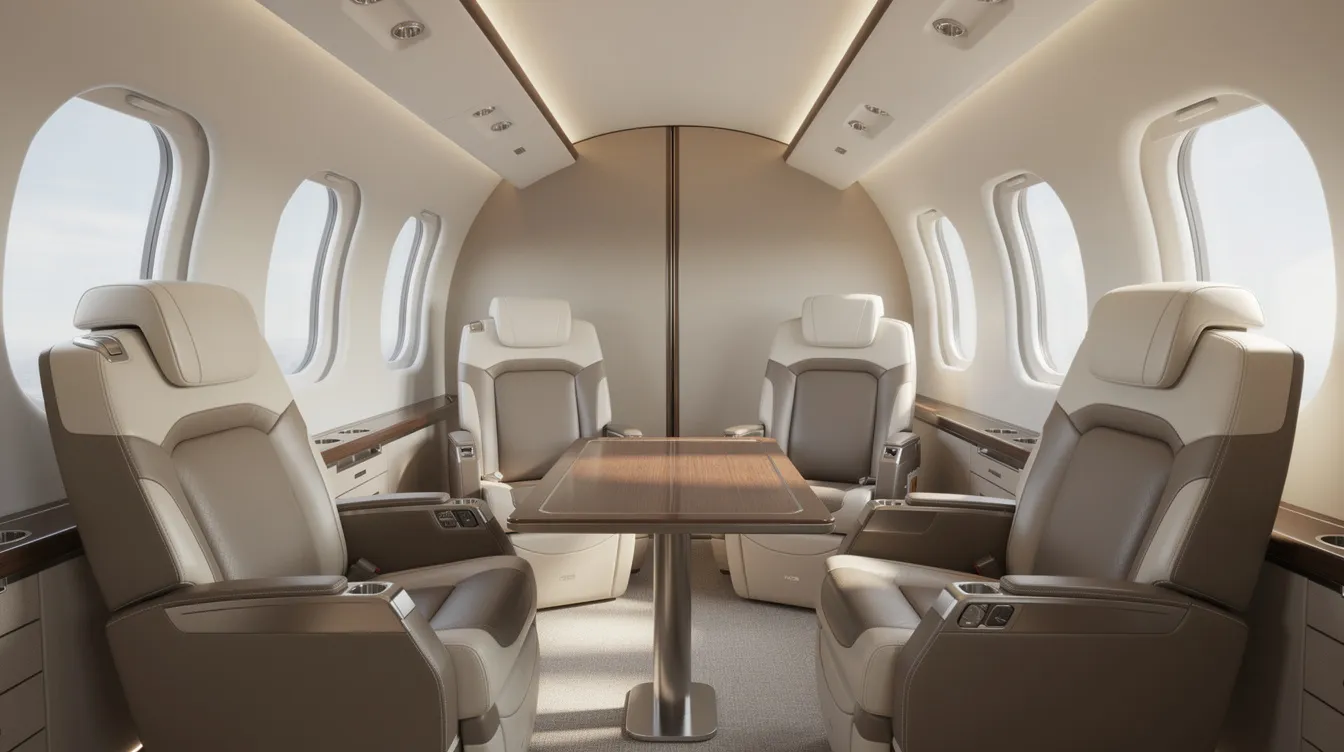
Selecting the right private aviation partner requires an honest assessment of your travel patterns:
Annual flight time: Under 50 hours favors jet cards or Reserve Fleet; 50–150 hours suits fractional ownership, with options like 1/8th fractional jet ownership often aligning to around 100 hours per year
Destinations: Domestic U.S. routes may need lighter aircraft; global missions require range
Flexibility: Short-notice needs versus planned schedules, and whether you prefer fixed-shared aircraft or more adaptable floating fleet fractional options
Contract tolerance: Multi-year commitments versus annual adjustments
When considering NetJets services, be aware that eligibility requirements may include providing proof of income or other documentation as part of the application process.
NetJets ensures a high level of customer service by providing 24/7 support and personalized assistance through dedicated aviation counselors for each client—valuable for passengers with complex, high-volume needs.
Sample profiles:
30-hour leisure flyer → Reserve Fleet or jet cards
100-hour regional business traveler → Fractional ownership, often aligning closely with a 1/8th fractional jet ownership structure
150-hour executive team → Custom Equity Fleet structure that may incorporate tailored fractional ownership financing options
Your existing travel data (recent 12–24 months of flights) provides the foundation for a personalized consultation with BlackJet and a detailed review of which Reserve Fleet, Equity Fleet, or Lease Program structure best fits.
You purchase a share of a private aircraft, receiving proportional annual flight hours with guaranteed availability. The management company handles crew, maintenance, and scheduling, and you pay acquisition, fixed, and hourly fees that make up the overall cost of fractional ownership.
NetJets provides access to a diverse fleet of private aircraft, allowing customers to choose from over 120 different aircraft types with guaranteed availability. Charter services lack these guarantees and may involve variable repositioning fees, and they are governed by very different fractional ownership contract terms than long-term programs.
NetJets offers an elevated in-flight experience, including customized catering and premium cabin amenities. BlackJet partners deliver comparable standards tailored to business and family travel, supported by highly trained pilots and cabin crews.
Generally, 50+ hours annually makes fractional ownership cost-effective compared to ad-hoc charter. Reserve Fleet suits 25–50 hours; above 150 hours, larger shares deliver better value. A clear grasp of fractional jet ownership terminology helps interpret these thresholds and program structures.
U.S. owners may benefit from depreciation provisions, though structures vary. Consult a qualified tax advisor for your specific situation, and review how fractional jet ownership financing and costs interact with your broader tax and cash-flow planning.
Contact BlackJet Fractional Jet Ownership for a no-obligation review of your travel patterns and discover which program—Equity Fleet, Reserve Fleet, or alternative—fits best, or start by reviewing how its Reserve Fleet, Equity Fleet, and Lease Program compare.
NetJets services established the legacy standards that define modern private aviation. However, the only choice isn’t between full ownership and commercial travel—specialized providers like BlackJet Fractional Jet Ownership offer optimized solutions for travelers in the 25–150 hour range.
The smartest private aviation decision begins with understanding your actual needs, not brand recognition. BlackJet acts as a trusted advisor, helping clients compare fractional jet ownership, Reserve Fleet access, and other options objectively.
Ready to explore the smarter way to fly private? Visit FractionalJetOwnership.com to learn how fractional ownership can transform your travel experience—turning private flight from a constraint into a strategic advantage for both business growth and personal life.
