November 24, 2025
Private aviation continues to expand across the United States and globally as business leaders, high-net-worth families, and frequent travelers seek more efficient ways to move between destinations. While private jet ownership and fractional programs remain popular, chartering a jet remains one of the most flexible entry points into private aviation. Understanding how plane charter cost works—what drives it, how aircraft types differ, and what fees to expect—allows travelers to make informed decisions and choose the right solution for their needs.
Private jet charter costs can range from $2,000 to over $20,000 per hour, depending on the type of jet you hire. While private jet costs can be more expensive than flying in economy class on a commercial airliner, they can be less costly in certain situations, such as when traveling with a group or to remote destinations.
This comprehensive guide outlines everything travelers should know about private jet charter pricing, aircraft options, additional fees, and ways to maximize value. As a trusted resource in the private aviation space, Fractional Jet Ownership provides clarity for flyers comparing charter flights, private jet rental, and long-term ownership models.
Private jets offer a level of flexibility, comfort, and time efficiency unmatched by commercial aviation. Chartering a private jet allows travelers to depart on their schedule, use smaller airports closer to their final destination, and avoid long security lines. Additionally, private jets provide access to thousands of airports, many of which are not served by commercial airlines, offering unparalleled convenience.
Private jet charter cost varies significantly based on aircraft type, flight distance, duration, and operational considerations.The pricing for luxury jet charters is influenced by factors such as flight time, distance, destination, and the specific aircraft chosen. The destination significantly impacts costs through airport fees, required fuel stops, and the necessity for crew overnight stays. Light jets, midsize jets, and ultra-long-range jets all have different operating expenses—and those differences translate directly into hourly rates.
Light Jets can seat three to four passengers and cost between $2,000 - $3,500 per flight hour. Midsize Jets can accommodate up to 10 passengers and typically cost between $3,000 - $6,000 per hour. Rental costs for small aircraft, such as turboprops and light jets, usually range from $2,000 to $4,000 per flight hour, while larger jets can exceed $15,000 per hour. The cost of chartering a private jet can range from $2,000 to over $20,000 per hour, depending on the aircraft type and additional services.
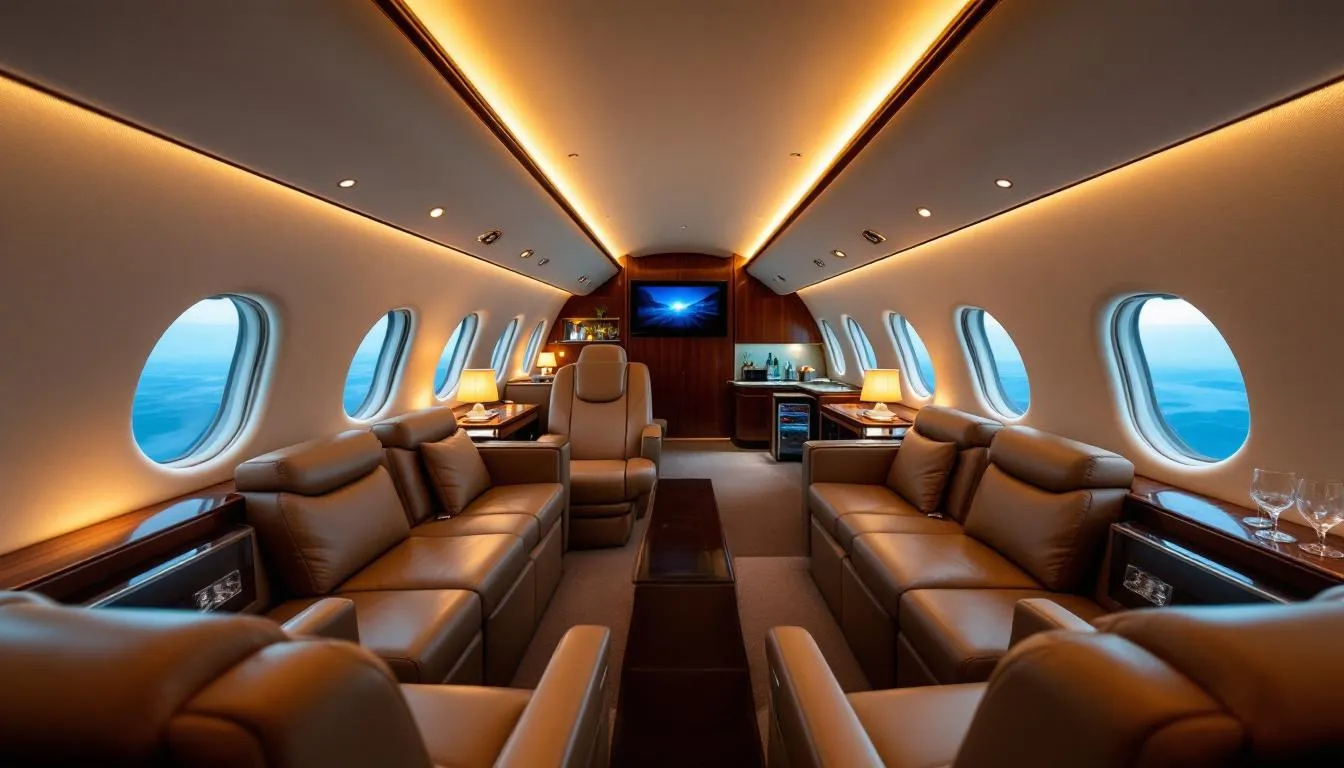
Beyond convenience, private aviation offers tailored service, privacy for business discussions, and the ability to customize flight experiences. Private jet companies maintain global networks of aircraft, giving travelers access to thousands of jets worldwide. Additional services such as catering and ground transportation can also be arranged, though these may increase the overall cost. Concierge services can be added to private jet charters for an additional fee, enhancing the travel experience.
Custom services like specific catering or ground transportation will further add to the price, depending on the traveler's preferences. Private jet rental pricing doesn't include in-flight catering, which can range from $230 to $2,000 per leg. Cleaning fees may apply after a flight, especially for larger groups or extended trips. Empty leg flights offer discounted one-way fares for travelers when a private jet is repositioning without passengers.
While charter remains the most flexible “pay-as-you-fly” model, many travelers also evaluate:
Private jet rental
Jet card programs
Fractional jet ownership
Full aircraft ownership
Each path serves different flying patterns and budgets. For individuals or companies flying 25–50 hours per year, charter is often the starting point.
Multiple operational and market variables influence charter pricing. Understanding these elements helps travelers anticipate the total cost more accurately.
Larger and more capable jets cost more to operate due to higher fuel burn, maintenance, crew size, and technical requirements. For example, light jets are commonly used for shorter regional trips, whereas ultra-long-range jets handle transcontinental or intercontinental flights. Large Jets are suitable for 10 or more passengers and typically cost between $5,000 - $11,000 per hour. Midsize jets can cost between $5,000 - $8,000 per hour for chartering. Light jets generally cost between $3,000 - $6,000 per hour to charter. The cost of a two-hour private jet flight can vary widely, starting at approximately $8,000 for a turboprop and reaching up to around $37,000 for an ultra-long-range jet. Turboprop aircraft typically seat six to eight passengers and have a range of three hours.
Charter flights are priced primarily on hourly rates. Longer flight hours mean higher cost. Aircraft repositioning—which occurs when a jet must fly empty to reach your departure point—also affects total charter pricing. Short leg fees help to offset the fuel burn that occurs during take-off. The cost of a private jet is determined by the flight distance because longer flights consume more fuel. Shorter flights won't cost as much as longer ones due to fuel consumption. Short-leg fees may also be charged for flights with multiple take-offs and landings, as these increase wear on the aircraft and fuel burn during take-off. A one-way flight from New York to Las Vegas on a midsize jet can start around $18,000.
Fuel represents one of the largest variables in charter pricing. As global fuel markets fluctuate, charter costs often adjust accordingly.
In the United States, charter flights typically include a federal excise tax. International routes may incur additional fees imposed by foreign aviation authorities and airports. Each airport authority charges its own landing fees, which usually range from $100 to $1,500 per flight. A 7.5% Federal Excise Tax is charged on all domestic flights within the US, which travelers should account for when budgeting their trips. If you're traveling to a U.S. destination during peak demand periods, you may experience higher luxury private jet prices. Prices can be higher during peak travel seasons, major holidays, or significant events due to increased demand.
Pilots and crew members must be compensated for hours worked, overnights, and extended duty periods. Hangar storage, maintenance logistics, and ground operations further contribute to total cost.
Travelers may request services such as:
In-flight catering
Concierge support
Ground transportation
These extras can increase the overall charter bill but also enhance the experience. For instance, deicing costs can vary from $1,500 to $15,000 depending on the size of the aircraft, adding to the total expense during winter months.

Charter pricing models help travelers predict cost, but variables still affect the final number. A fuel surcharge is applicable when there is a surge in fuel prices in the market, starting at around $300 per hour. Private aviation companies use several pricing approaches.
Every aircraft category has a typical hourly rate. This rate includes much of the aircraft’s operating cost but does not usually include taxes, fuel surcharges, or airport-specific fees.
Fixed-rate pricing provides a predictable cost structure, often used in jet card programs.
Dynamic pricing fluctuates based on market demand, availability, and aircraft positioning.
Charter travelers typically see dynamic pricing, especially during peak seasons.
Reputable private aviation companies use flight-planning software and cost estimators to generate accurate quotes. These tools factor in:
Weather
Air traffic
Required crew rest periods
Fuel burn
Airport slot availability
Most charter providers accept:
Credit cards
Wire transfers
Prepaid funds (Jet cards or charter accounts)
Wire transfers may offer the best terms for larger flights due to reduced processing fees.
Beyond hourly rates, several additional charges may appear on a charter invoice. Fixed-base operators charge a fee to handle and park the aircraft you charter, which can range from $100 to $500 per flight, depending on the location and services provided.
Airports charge fees for:
Landing
Ramp access
Overnight parking
Handling services
These fees vary widely depending on the airport and region. Airport fees include landing fees, ramp fees, and handling fees, which can significantly impact the total cost of a charter.
Fuel surcharges are often included when fuel costs rise due to market conditions.
Cross-border travel introduces customs fees, overflight permits, and regulatory charges. Cross-border trips can increase the total cost of chartering a private jet by anywhere from $500 to $5,000 or more.Chartering a private jet from New York to London can cost around $100,000 for a one-way flight.
If the crew must remain overnight or reposition for operational reasons, travelers may see:
Per-diem allowances
Hotel accommodations
Ground transport fees
If crew members are required to stay away from home overnight, a per diem ranging from $200 to $600 per crew member will be added to the private jet charter cost. Additionally, hangar fees during the winter season can range from $500 to $1,500 each day, further contributing to the overall expense.
Travelers can reduce costs by:
Travelers can reduce costs by:
Flying from airports that minimize repositioning
Booking round-trips when possible
Using smaller or more efficient aircraft for shorter routes
Avoiding peak holiday travel windows
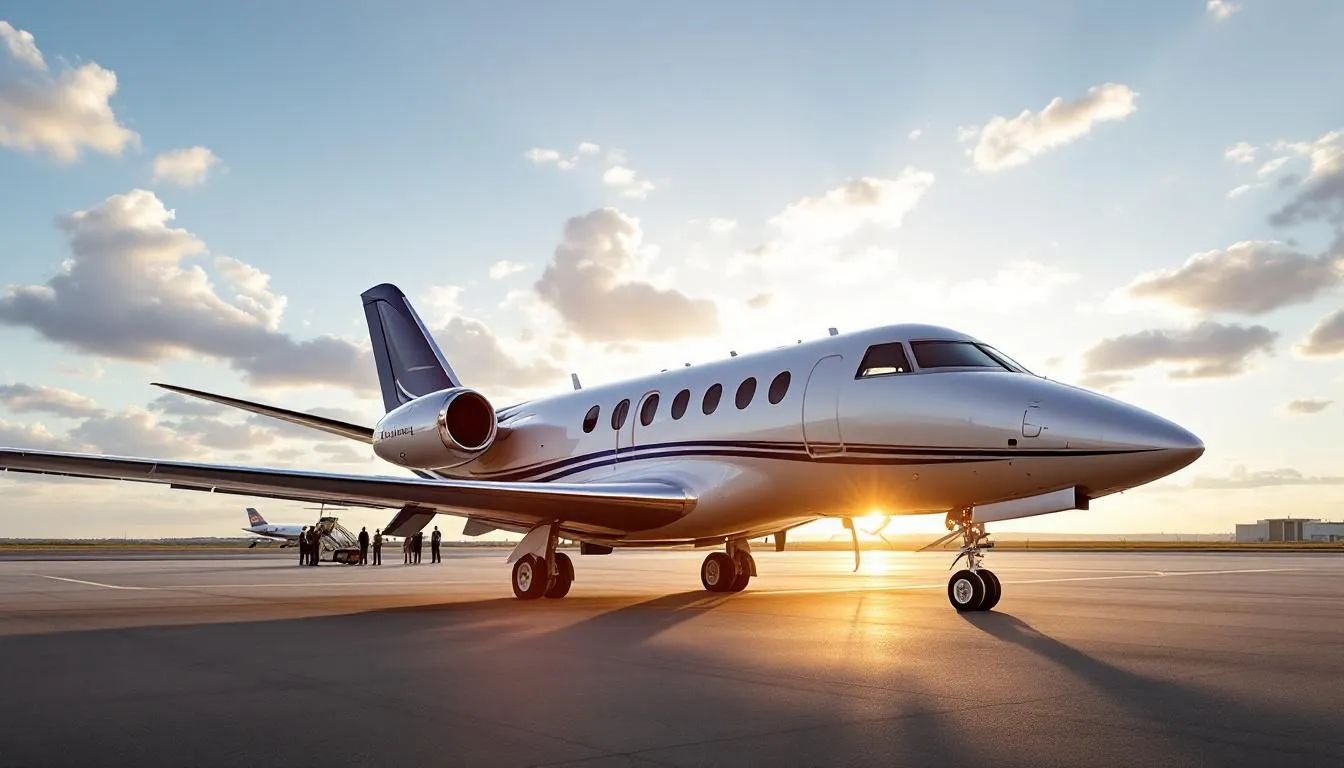
Understanding aircraft categories helps travelers select the right jet for performance, comfort, and cost. The smaller the aircraft, the more cost-effective the hourly rate and overall private jet charter price will be.Very Light Jets (VLJs) are designed for short day trips with minimal passengers and luggage, accommodating three to four passengers for three hours.
Ideal for regional trips of 2–3 passengers.
Efficient and cost-effective with moderate speed and range.
Suitable for U.S. cross-country routes.
Provide comfortable cabins, greater baggage capacity, and enhanced performance.
Popular among business travelers needing long-range performance without the cost of heavy jets.
Gulfstreams, Challengers, and Falcon jets fall into this category.
They offer:
Intercontinental capability
Spacious cabins
Advanced quiet engines
Full-service galleys
Super Midsize Jets are designed for larger groups and can fly for five hours nonstop, accommodating up to 10 passengers.
King Air models provide a strong value proposition for shorter regional flights with lower operating costs.
Chartering a private jet includes several steps, all aimed at ensuring safety, precision, and convenience. The cost of chartering a jet for a week can range from tens of thousands to several hundred thousand dollars, depending on how frequently you fly. Flying from New York to Miami can cost between $13,000 to over $34,000 for a one-way private charter.
Provide trip details (dates, airports, passenger count).
Receive aircraft options and pricing.
Review safety ratings and operator credentials.
Confirm the itinerary and finalize payment.
Arrive at the private terminal (FBO) shortly before departure. Platforms like Jettly simplify the booking process for private jet charters, making it more accessible and efficient. Booking during off-peak times can also help maximize savings on private jet charters.
Double-check the weather for potential delays.
Provide catering preferences early.
Confirm luggage dimensions for smaller jets.
Track departure updates through your aviation advisor.
Working with a reputable company ensures access to qualified operators and well-maintained aircraft.
Private jet rental expands the charter concept by offering jets for multiple days or extended periods.
Short-term rental is ideal for:
Multi-city business tours
Event travel
Seasonal trips
Long-term rentals may appeal to travelers who do not wish to commit to fractional or full ownership but need ongoing access.
Important considerations include:
Fuel usage
Operational fees
Pilot duty time
Maintenance downtime
A trusted aviation provider can manage all logistics on behalf of the traveler.
Chartering remains popular because it offers a tremendous balance of value and convenience.
Direct point-to-point travel
No fixed schedules
Privacy for work or family
Customized in-flight experience
Access to thousands of airports not served by airlines
For business leaders, private charter can significantly reduce travel time, improve productivity, and create more predictable schedules.
Private jet charter cost estimation involves analyzing multiple variables.
A reputable aviation company considers:
Exact routing
Aircraft performance
Anticipated winds
Seasonal demand
Crew duty regulations
Travelers can compare quotes by reviewing:
Included vs. excluded fees
Hourly rates
Aircraft age and condition
Provider safety standards
Understanding the full picture helps avoid unexpected expenses.
Despite the straightforward nature of hourly pricing, additional fees can impact the final total.
Fuel surcharges
Hangar charges
De-icing in winter
Pet fees (depending on the operator)
Cleaning charges after large groups
Travelers can minimize fees by:
Choosing airports with lower handling charges
Consolidating bags
Booking airports with lower congestion
For travelers who demand long-range capability and premium comfort, luxury private jets provide unmatched performance.
Gulfstream G650 / G700
Bombardier Global 6000 / 7500
Dassault Falcon 7X / 8X
These aircraft provide:
Flat-bed seating
Private suites
High-speed Wi-Fi
Full-service galleys
The U.S. and global markets continue to see strong demand for VIP airliners and ultra-long-range jets as travelers seek the highest standards of personalization. VIP Airliners can seat between 16 and 80 passengers and are used for long-range transport, with costs starting at $15,000 per hour.
The private aviation industry continues to evolve, driven by demand for flexible travel solutions.
Increase in first-time private flyers
Growth in fractional jet ownership
Advancements in aircraft efficiency
Rising interest in sustainable aviation fuel (SAF)
The U.S. remains the world’s largest private aviation market, with thousands of charter operators and a rapidly evolving fleet.
Modern private jets incorporate advanced engineering and avionics.
Improved fuel efficiency
Enhanced cabin pressurization
High-speed global connectivity
Touchscreen cockpit systems
The future includes electric-assisted propulsion, advanced safety systems, and further reductions in carbon emissions.
Exceptional customer service forms the foundation of private aviation. Travelers rely on highly trained teams who manage everything from booking to post-flight follow-up.
Transparent pricing
Tailored flight planning
Proactive communication
Personalized in-flight amenities
Relationships matter in private aviation, and working with a trusted provider ensures consistency and peace of mind.
Private aviation continues to grow, driven by global mobility trends, business travel demand, and advancements in aircraft manufacturing. Industry updates include new aircraft launches, sustainability initiatives, and infrastructure expansion across the United States. Private aviation supports specialized needs, such as transporting sports teams or medical evacuations.
Understanding plane charter cost requires evaluating aircraft type, operational fees, flight distance, and additional services. With the right guidance, private jet charter becomes a powerful travel solution—enhancing flexibility, saving hours of travel time, and elevating both business and leisure journeys. Average private jet charter costs vary by aircraft type, with hourly rates for turboprops ranging from approximately $1,200 to $2,275, light jets from $2,100 to $3,300, and heavy jets from $4,300 to $8,500 per hour.
For those looking to fly private more frequently or secure guaranteed aircraft availability, fractional jet ownership offers an efficient long-term alternative that combines a predictable cost structure with high-quality access.
Visit FractionalJetOwnership.com to learn how fractional ownership and expert aviation guidance can transform your travel experience.
